All posts in “Cars”

European Auto Group in Texas building a six-speed manual Ferrari 458

In February, European Auto Group in San Antonio, Texas, went public with our kind of wonder car: A Ferrari F430 Scuderia with a gated six-speed manual transmission. The standard F430 did offer a six-speed manual from the factory; the hardcore Scuderia version did not. It took a lot of work, and EAG apparently did the work right; Matt Farah called the coupe “The world’s greatest Ferrari.” CarBuzz spoke to EAG owner Art Bartosik about what’s next, and Bartosik spilled just a bit of goss about the car he’ll soon reveal: a Ferrari 458 with a gated six-speed manual.

Whereas the 430 Scuderia didn’t offer a stickshift, the 458 Italia wasn’t even designed with one in mind. The 4.5-liter V8 with 562 horsepower and 398 pound-feet of torque only ever swapped gears with the Italian carmaker’s dual-clutch F1 transmission. The 458 has a manageable 52 hp and 51 lb-ft more than the F430 Scuderia, but EAG needed to work up a gearbox to fit the available space.

Bartosik didn’t divulge how he made that happen for the 458. The reworked F430 Scuderia used all OEM Ferrari parts since they were available; not so for the later car. The DuPont Registry said EAG built “a transmission with upgraded synchros” to handle the additional power, had to find a suitable clutch and suggests the firm went through a lot of prototypes, but doesn’t ID the gearbox source. All Bartosik would tell CB is that there’s a limited supply and he’ll “only be able to build around 10 or 11 of them.”

Seems there are already more customers than that ready to wire funds for purchase, unsurprisingly. Bartosik said, “People are screaming for a manual 458 and 488. If the demand wasn’t there, we wouldn’t do it.”

A final development car is a few months away, with customer builds scheduled to begin in January 2020. And what might EAG do after the run is complete? Maybe a six-speed manual Lamborghini Huracán, which owners have already asked about. “The Huracán should be easier than Ferrari,” Bartosik said, “because there’s hidden stuff in there that gives us more flexibility.” Seems manual gearboxes, like life in “Jurassic Park,” will always find a way.

These Are the Best Car-Themed Movies You Can Stream for Free Right Now

Given the emotional resonance and stunning visuals that often go part and parcel with them, it’s not all that surprising that cars have played memorable, even central roles in many iconic films. From silly British comedies to poignant documentaries and tense thrillers, the automobile has long been a staple of great cinema. And these days, thanks to the magic of widespread video streaming, watching or rewatching these great flicks is easier than ever.

Not all o great car movies are available to stream without an additional fee, as studios increasingly herd their content onto proprietary streaming services. But, here are 10 car films that are available, as of this writing, to view on Netflix, Hulu, Amazon Prime, and a few free video streaming services. 

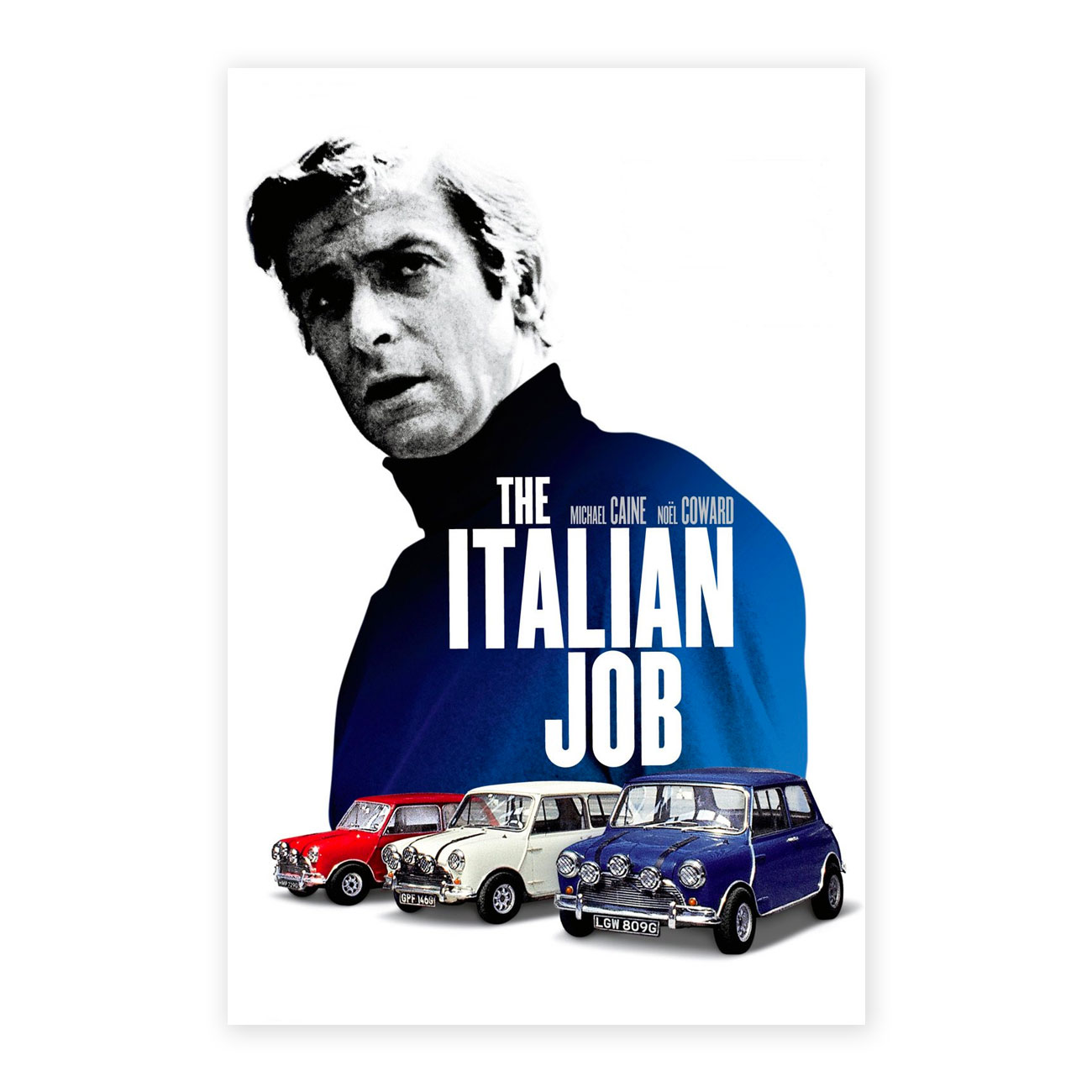
The Italian Job (1969)

The Italian Job is a classic British heist movie starring a nattily-dressed Michael Caine. There’s the cheery humor and the literal cliff-hanger ending to enjoy, sure, but The Italian Job may be most notable for being the single best car-spotting movie in history. The film opens with an orange Lamborghini Miura cruising through the Great St. Bernard Pass. The heist’s iconic escape cars are red, white, and blue Minis. An Aston Martin DB4 convertible and E-Type Jags play supporting roles. Heck, even the cops drive Alfa Romeo Giulias.

The Fast and the Furious (2001)

An uncommonly handsome blue-eyed cop infiltrates a crew of illegal street racers-slash-highjackers. Predictably, he faces a moral dilemma. The Fast and the Furious features a bevy of drool-worthy late ’90s tuner cars, including the Toyota Supra, the Mazda RX-7 and the Mitsubishi Eclipse, as well as some classic muscle cars. It’s safe to say that at the time, no one saw this fun summer action flick spawning one of Hollywood’s most bankable film franchises, with eight additional films and counting…

Mad Max (1979)

The original Mad Max was one of the most successful films ever, at least in terms of budget (less than $500,000 in Australian dollars) versus box office revenue ($100 million). Cars are featured prominently — most notably, Max Rockatansky’s supercharged V8 Interceptor based on a 1973 Ford Falcon XB GT Coupe, because a supercharged V-8 should always be your go-to choice in a post-apocalyptic universe where gas is hard to come by. In addition to inspiring decades of fatalist visions of the future, Mad Max inaugurated what would become a common Mel Gibson trope: getting sweet revenge on the people who murdered his family.

Days of Thunder (1990)

Days of Thunder is a formulaic Tom Cruise movie emblematic of Hollywood excess — basically, Top Gun with stock cars instead of fighter jets. It’s not clear why anyone thinks that’s a bad thing. The movie celebrates all things NASCAR; plot points were based on real NASCAR lore, and the racing series cooperated to the point of letting the movie cars run in actual races for filming purposes. And for pure Bush Sr.-era nostalgia, it’s hard to get more “1990” than Cruise’s raffish mullet, Mello Yello sponsorship, and Cary Elwes in a leading role.

Gone in 60 Seconds (1974)

The 2000 remake with Nicolas Cage and Angelina Jolie is not available to stream for free — but you can watch the original Gone in 60 Seconds from 1974, in which the versatile H.B. Halicki serves as director, producer, screenwriter, and star. Sure, there’s technically a plot about stealing 48 cars by a deadline…but really, it’s just a prelude to the more-than-half-hour-long, gratuitously destructive car chase at the end.

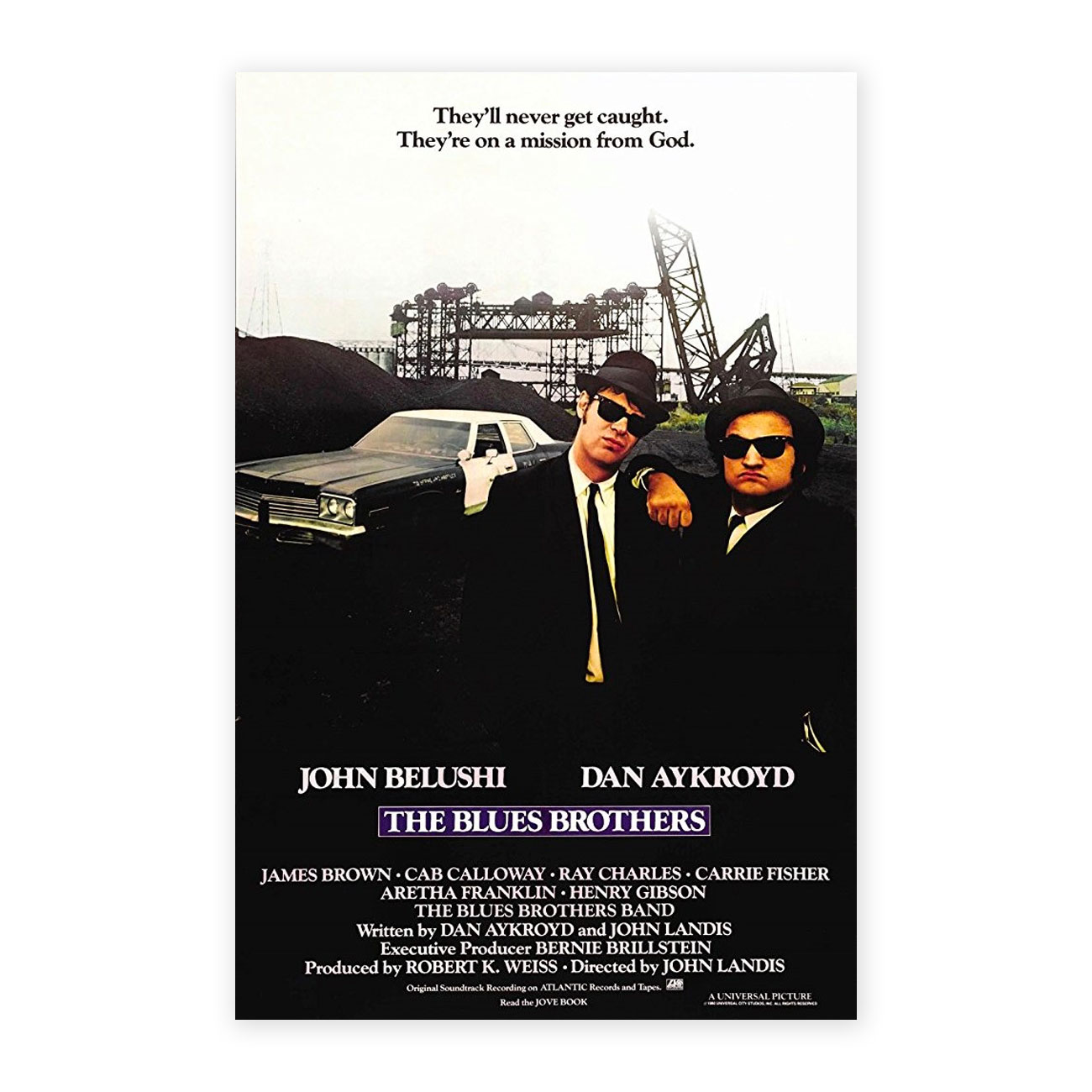
The Blues Brothers (1980)

The Blues Brothers is a music-based comedy, but cars play a central role. The most memorable character besides Jake and Elwood is the Bluesmobile, a 1974 Dodge Monaco sedan with the police-spec “440 Magnum” squad car package that filmmakers made jump a drawbridge and crumble to pieces on command. 

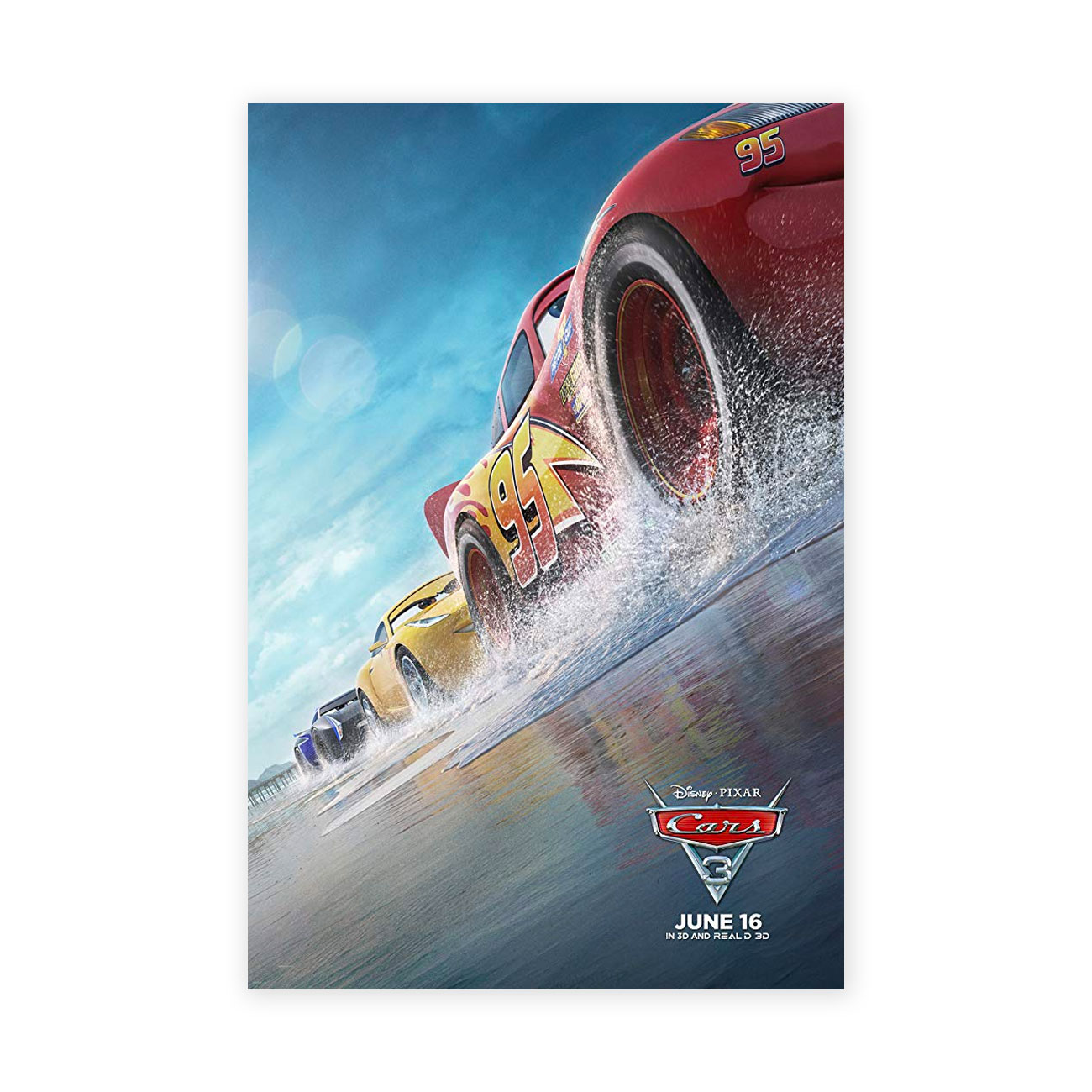
Cars 3 (2017)

The Cars franchise isn’t all that well-respected among Pixar aficionados, viewed as more of a commercial phenomenon than a series of quality animated films. But Cars 3 has some sweet moments and salient life lessons that resonate. It’s better than Cars 2, at any rate — and it’s also a veritable lifesaver for stay-at-home parents staring down the barrel of a 17th viewing of Coco over a four-day period.

The 24 Hour War (2016)

This documentary from Adam Carolla and Nate Adams covers Ford’s epic quest to unseat Ferrari as the perennial champions of the 24 Hours of Le Mans. The film traces the process from Henry Ford II’s failed effort to buy Ferrari in 1963 — Enzo wanted to keep control of the racing division — through the development of the fabled Ford GT40 and Ford’s eventual triumph. A feature film version of the story starring Christian Bale and Matt Damon comes out in 2019.

Senna (2010)

Senna is a powerful, award-winning documentary about three-time F1 champ Ayrton Senna, perhaps the greatest racing driver and loafer-wearer of all-time. Using racing footage and home videos, Senna chronicles the Brazilian legend’s life, career, and heated rivalry with teammate and fellow world champion Alain Prost. It also looks at the resonance of his untimely death at age 34 in a crash at the 1994 San Marino Grand Prix.

Williams (2017)

This BBC Films documentary examines the personal and professional life of British racing team owner Frank Williams, the founder and team principal of the Williams F1 team. The film looks at his early life and journey to the pinnacle of F1 success, as well as the response to Frank’s 1986 near-fatal car accident that left him paralyzed.

Note: Purchasing products through our links may earn us a portion of the sale, which supports our editorial team’s mission. Learn more here.

The 2020 BMW M8 Is Here

A High-Powered 8-Series Coupe

The BMW M8 arrived in coupe, convertible, and competition form. The car borrows its turbocharged 4.4-liter V8 engine from the M5. It makes 600 hp and 553 lb-ft of torque. BMW thought it best to make the competition model special, so it added some power to that model and bumped the numbers up to 617 hp. The car gets an 8-speed automatic transmission. 

The M8, which has been highly anticipated, can do a 0-60 mph time of 3.2 seconds. Opt for the Competition version of the car and you knock another tenth of a second off. The top speed for the car is 189 mph. Those fast 0-60 mph times are in part due to the car’s all-wheel-drive system. Drivers have the ability to switch from all-wheel drive to all-wheel drive sport or into a two-wheel drive mode. 

The car gets M-specific suspension that’s adaptive. The car also utilizes electromechanical M Servotronic steering as standard equipment. Other parts such as the struts and braces have been beefed up to handle the higher levels of performance. Customers can choose carbon ceramic brakes if they wish. 

Prices for the car start at $133,000 for the M8 Coupe and $146,000 for the Competition Coupe. The M8 Convertible runs $142,500. The Competition Convertible costs $155,500. Those prices do not include destination. Production will begin in July of this year. 

These Are the Best Rental Cars to Grab This Summer

It’s that time of year again: Summer. That, of course, means traveling to spend time with friends and family, gorging on backyard BBQ — and all too often, renting a car. But if the words “rental car” conjure up nightmarish memories of a sad Dodge Caliber your parents got stuck with on a family trip, you need to adjust your frequency: These days, rental car agencies offer plenty of models that are far more pleasurable than the rolling penalty boxes that often spring to mind at the mention of the term.

To make this last minute decision go smoothly, we at Gear Patrol did a little bit of combing through the more prominent rental car companies, and picked out the best cars they have on offer, so you can make the most of your summer road trips and travel.

Hertz

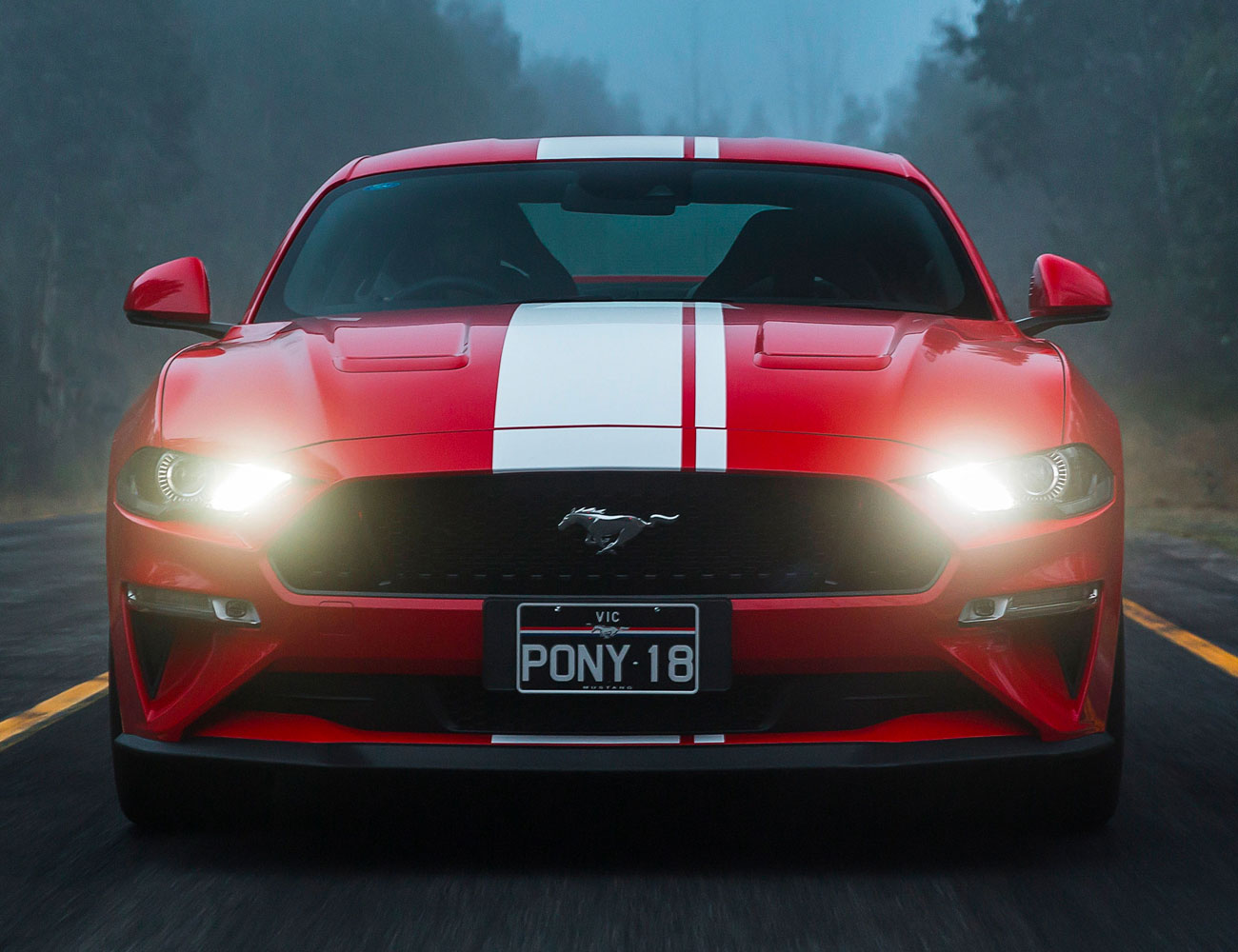
Ford Mustang GT


What’s more ideal than cruising down to the beach in a Ford Mustang GT sporting a 460-horsepower 5.0-liter V-8? Not much. It might be surprising to see such a high-powered sports car available for rent, but Hertz has been offering Mustangs for decades now. Skip the Ford Fiesta this year and treat yourself to some real performance.

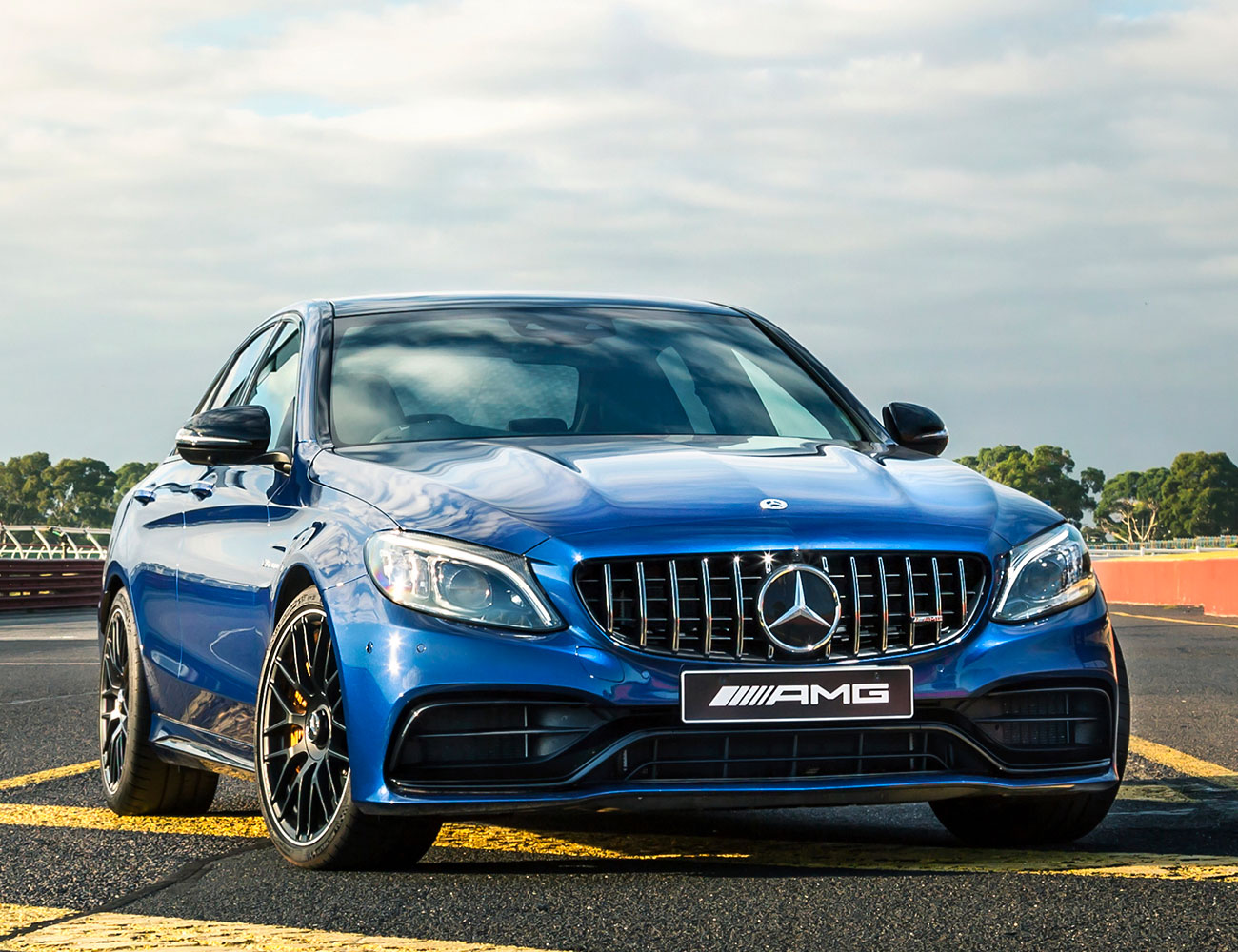
Mercedes-AMG C63


When it comes to performance, Hertz doesn’t mess around — their Dream Car selection is the antithesis of the standard rental-car fleet. So if you’re looking for an entertaining-but-somewhat-understated sport sedan, you owe it to yourself to reserve the Mercedes-AMG C63 and kick off summer in style.

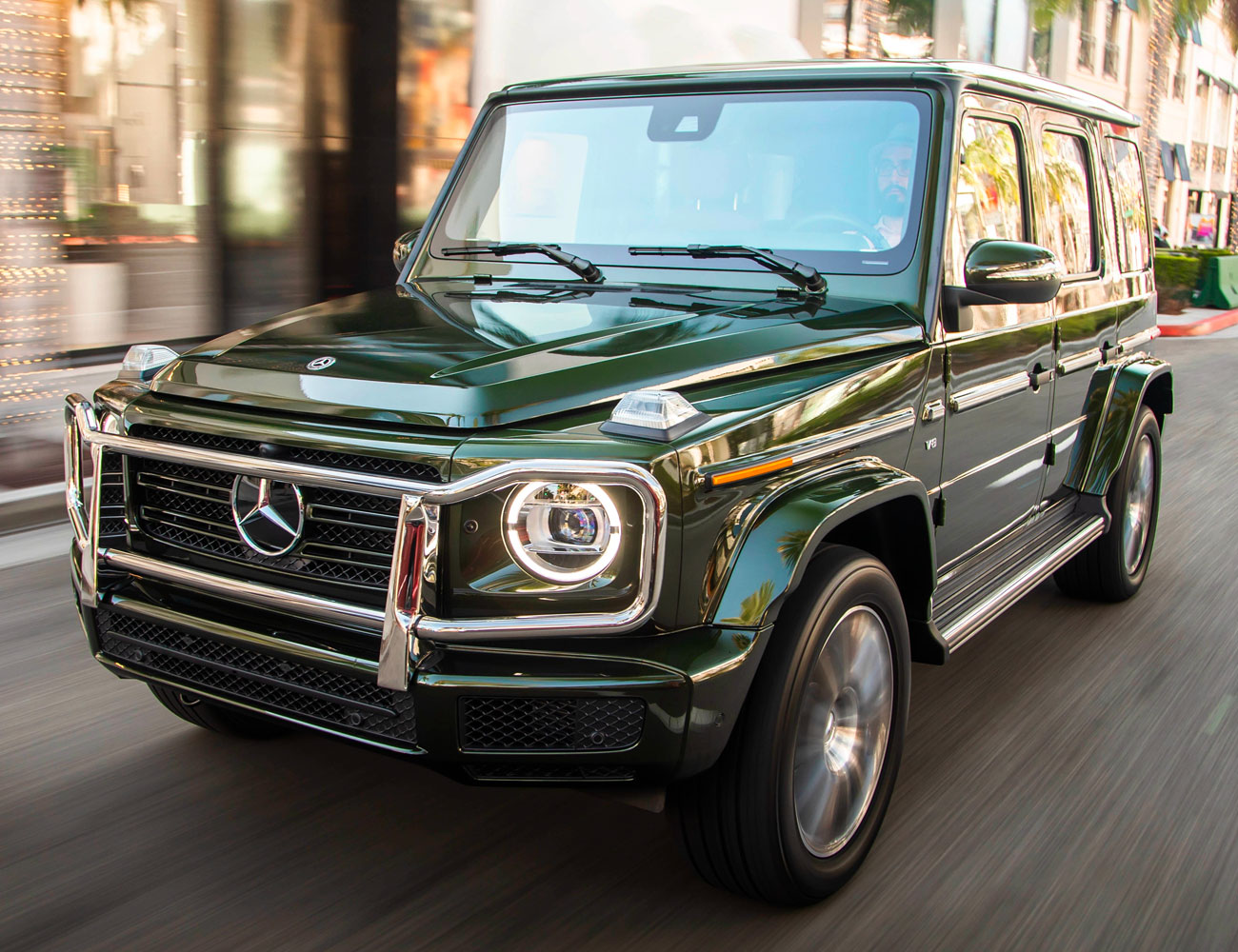
Mercedes-Benz G550

>

It might weigh 5,724 pounds, but even in base form, the Gelandewagen can still get to 60 mph in 5.7 seconds and tow 7,000 pounds (albeit not at the same time). It’s perfect for transporting all the beach gear, food and drink you’ll be living off for the next few months.

Budget

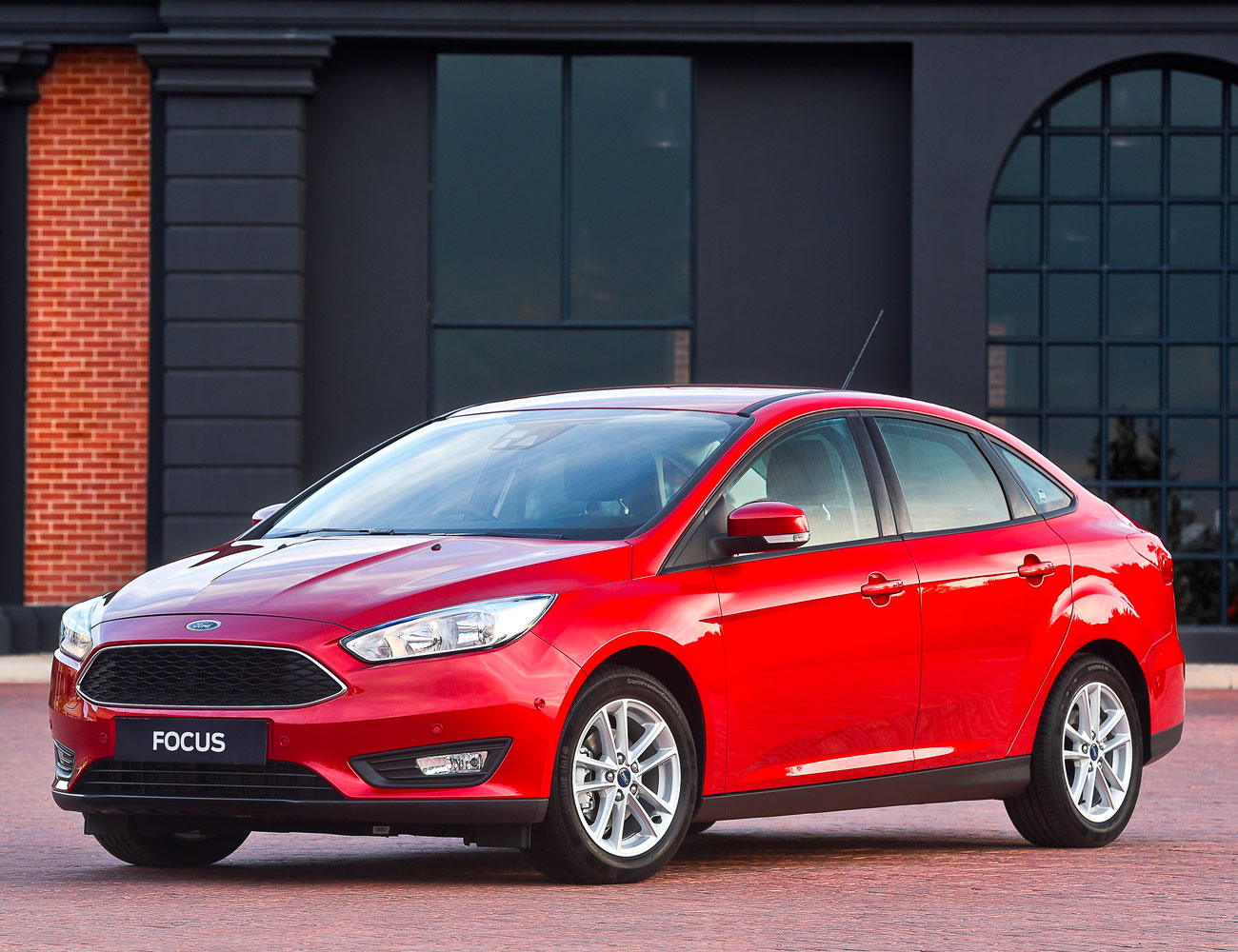
Ford Focus


Even the base-model Focus is miles ahead of your average rental car; it may be the best-handling front-wheel-drive car on the market. And more importantly, it’s a rental — you’re supposed to drive it like you stole it.

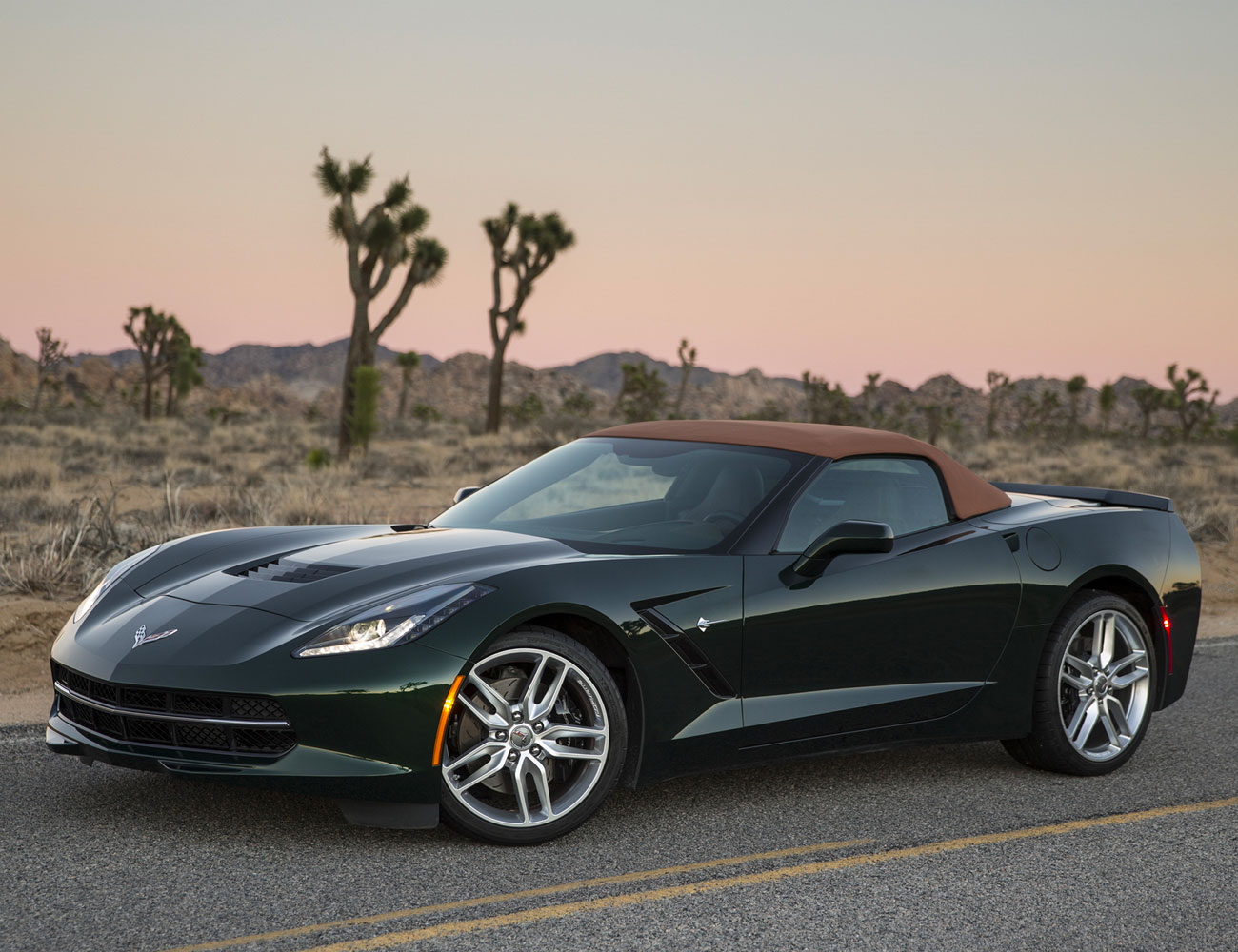
Chevrolet Corvette


Easily the best-looking Corvette since the C2, the current C7-generation ‘Vette is a damn fine way to announce your arrival to the party. The 455-horsepower 6.2-liter V-8 won’t win you any points from your eco-conscious uncle — but of all the cars on this list, the Corvette might just be the most entertaining on a winding road.

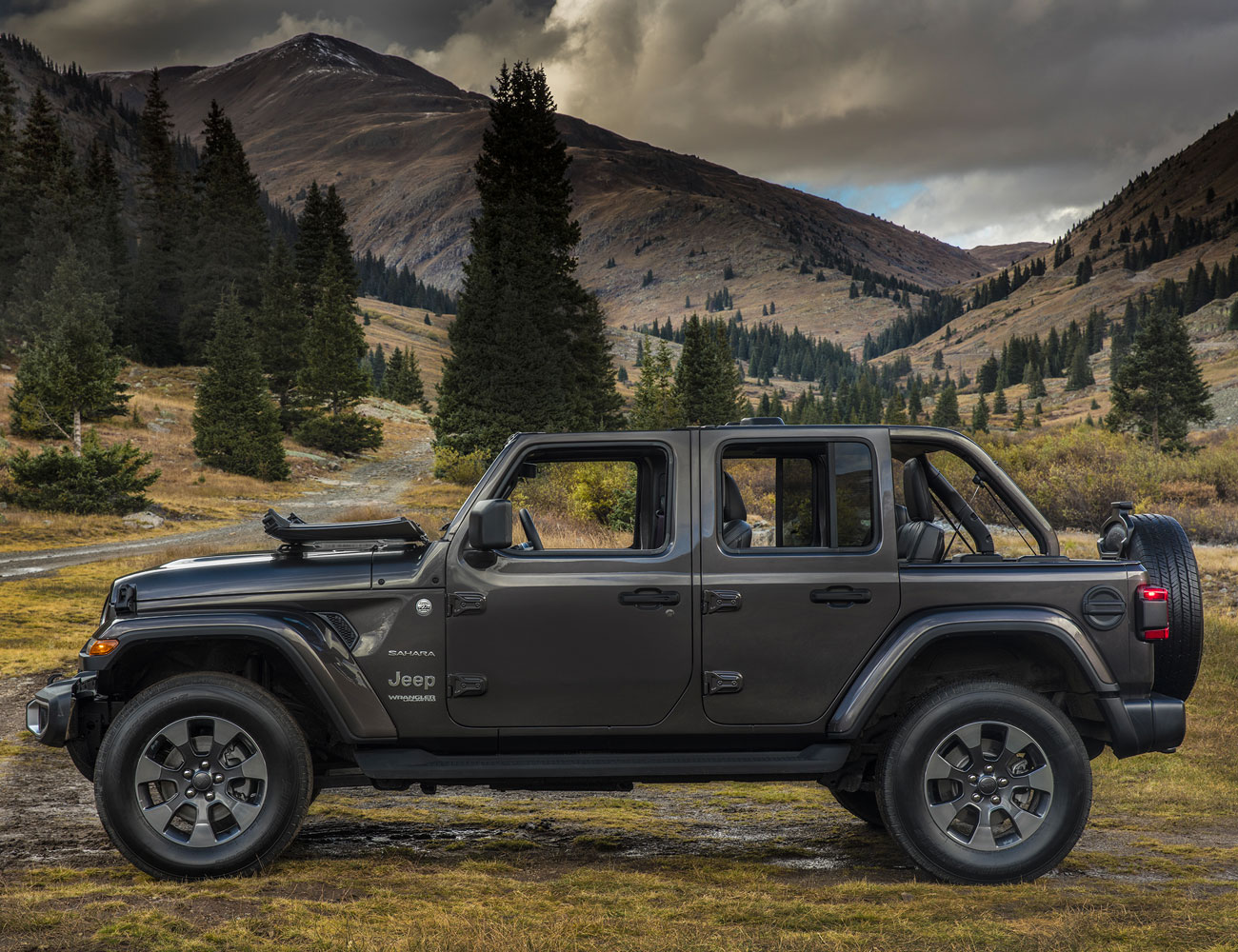
Jeep Wrangler


Even in stock trim, the Jeep Wrangler is wildly capable off-road. If your summer plans have you heading up to a remote lake in the mountains or trucking through the sand to get to the fire pit on the beach, the iconic four-wheeler has you covered.

Enterprise

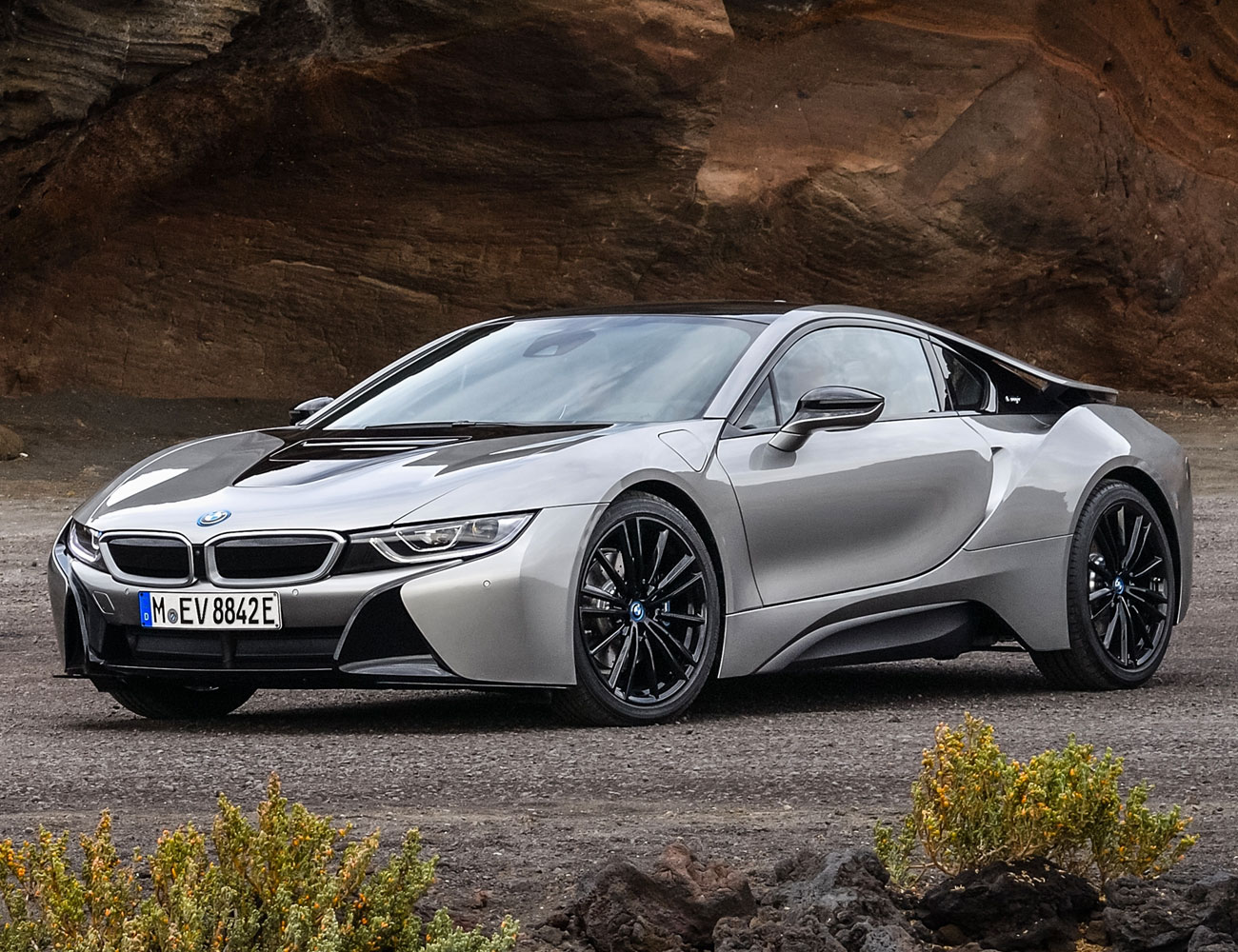
BMW i8


Easily the coolest-looking “economy car” on the list, BMW’s futuristic i8 looks like a supercar, hits 60 mph in 4.4 seconds and can still net the equivalent of 134 miles per gallon from its inline-three engine/electric motor combo. Just forgive it for pumping fake engine noise into the cabin through the speakers.

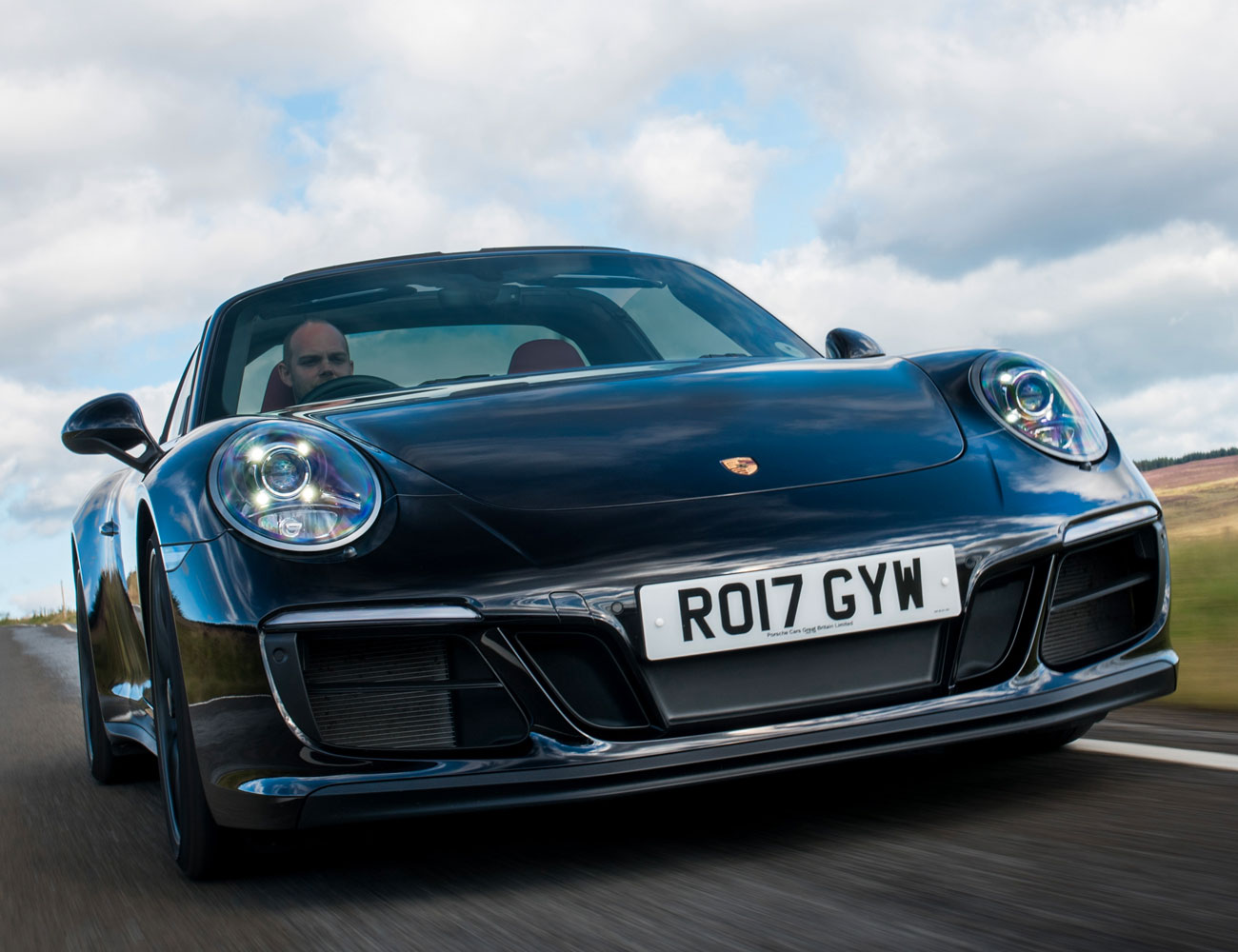
Porsche 911 Targa


The 911 Targa needs no justification. It’s one of the prettiest, roofless modern Porsches, and it’s summer. Go for it.

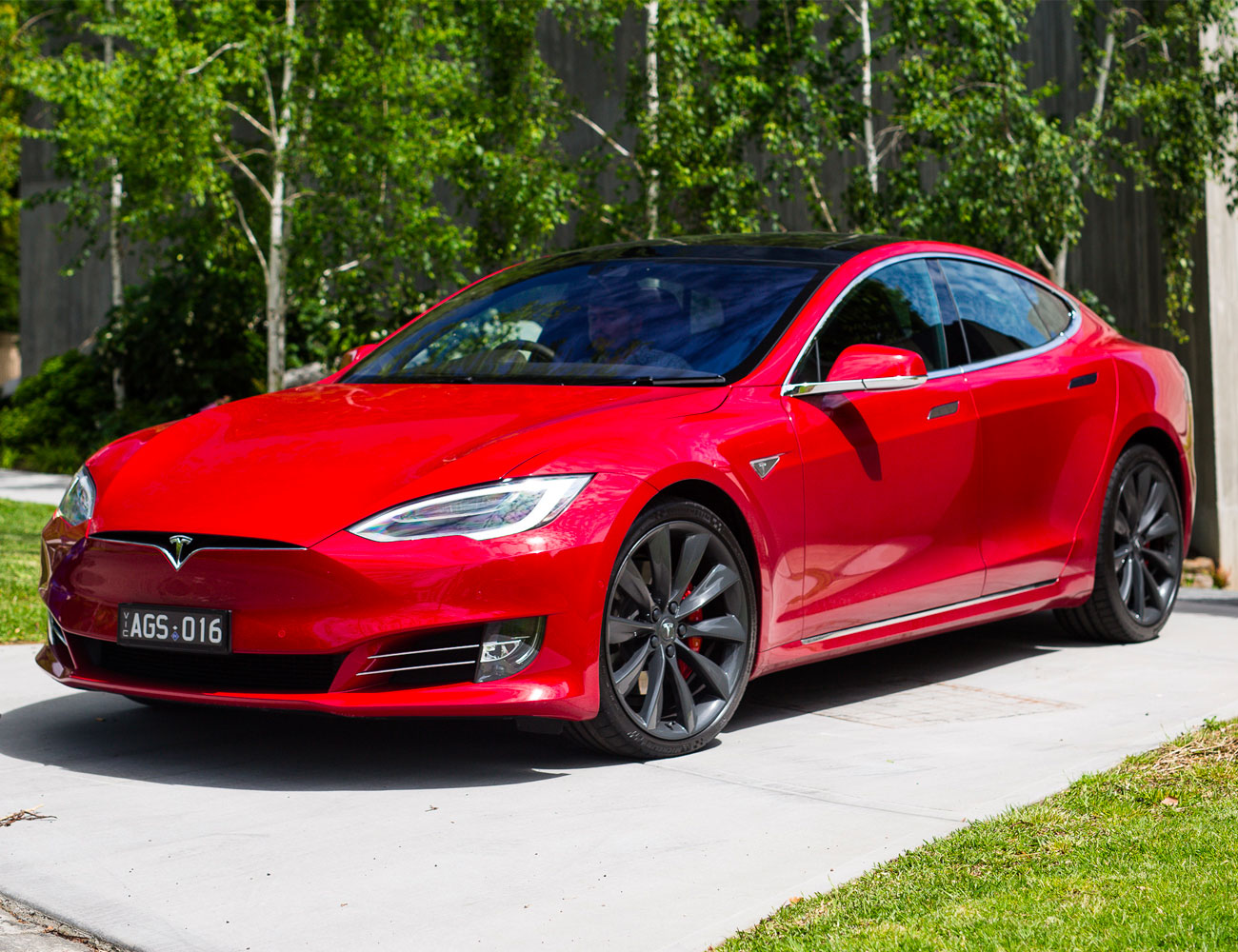
Tesla Model S


Tesla’s large four-door electric sedan offers tons of performance, extreme efficiency and killer looks. No one will assume yours is a rental.

Land Rover Range Rover


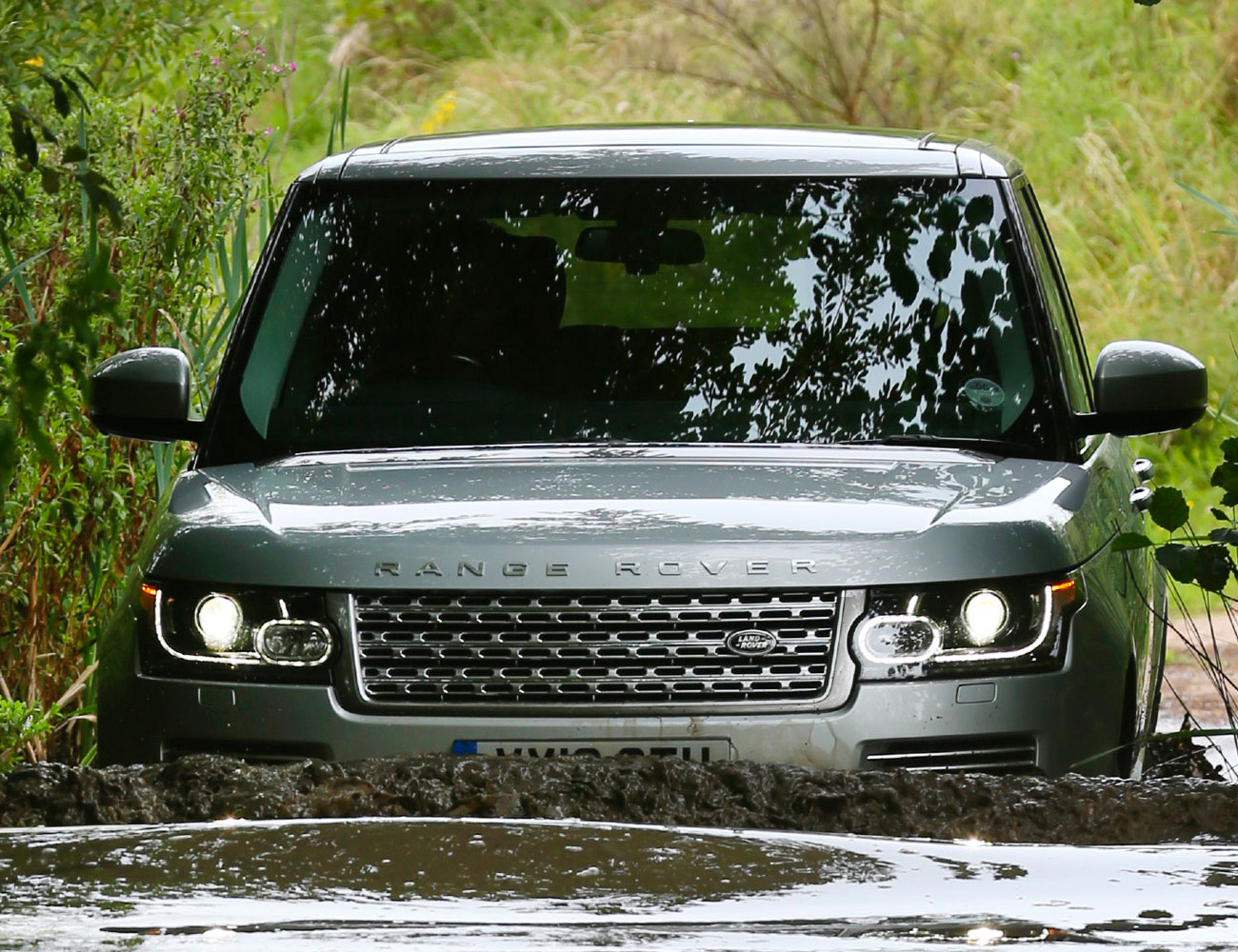
Out of the box, the Range Rover is one of the most capable SUVs on the planet. It’s a shame the majority of Range Rover owners will never know how competent it is off-road…but since yours is a rental, feel free to put its reputation to the test over the weekend.

Avis

BMW 328i xDrive


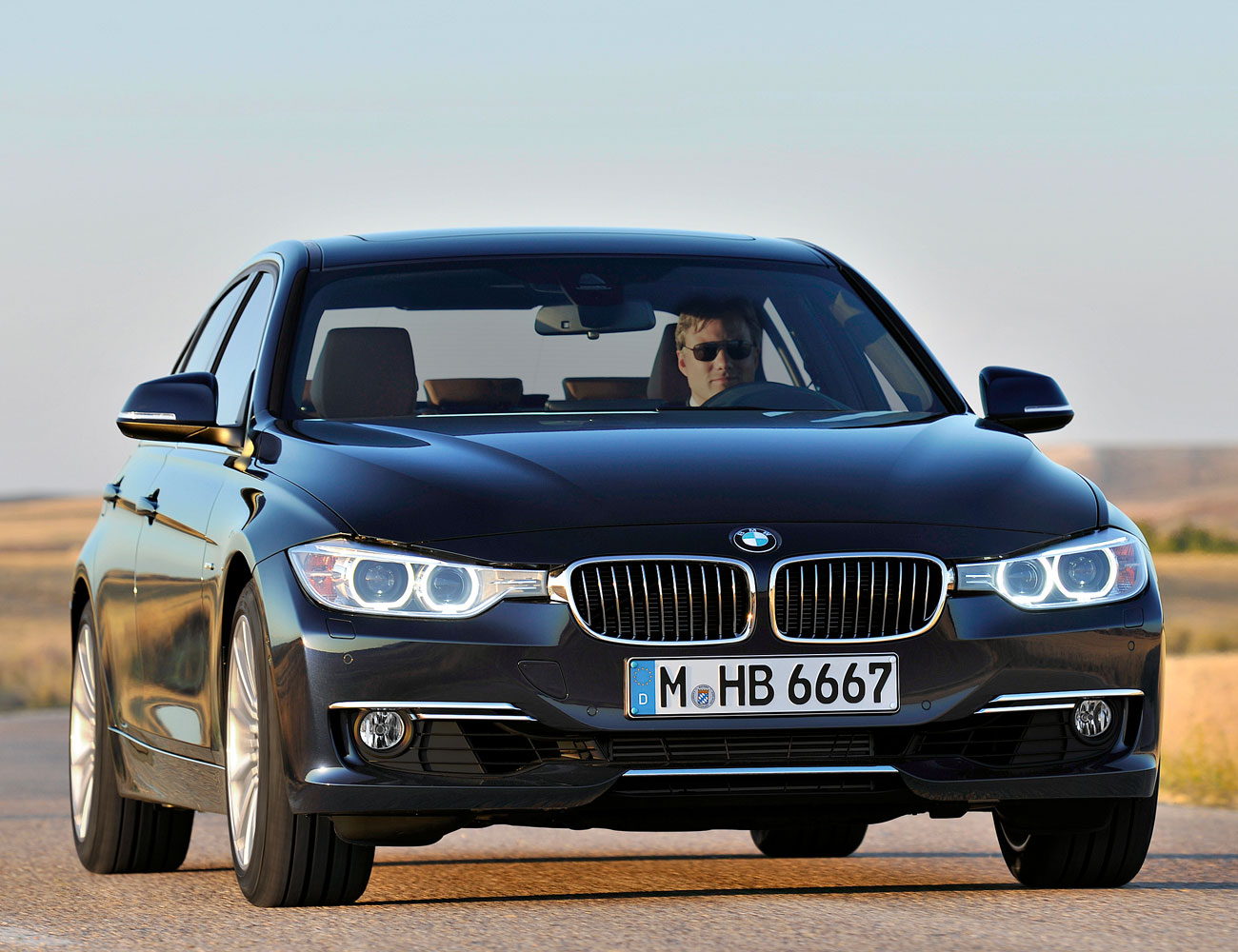
The BMW 328i is the most understated car on this list. Then again, this Bimmer isn’t for showing off; it’s for you to enjoy from the driver’s seat. With perfect balance, handling and responses…when you arrive, you’ll also be seriously satisfied.

Mercedes-Benz S550 Cabriolet


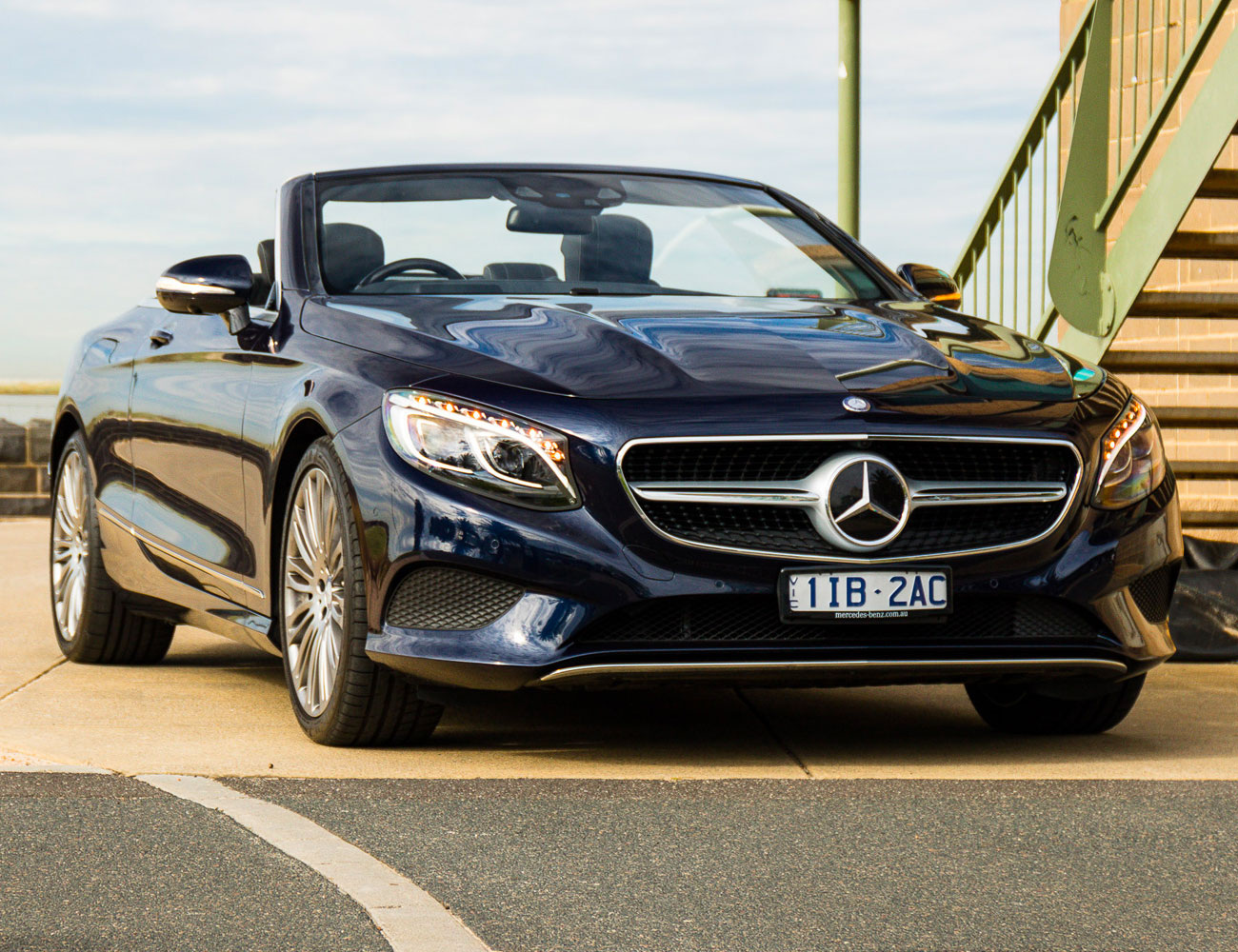
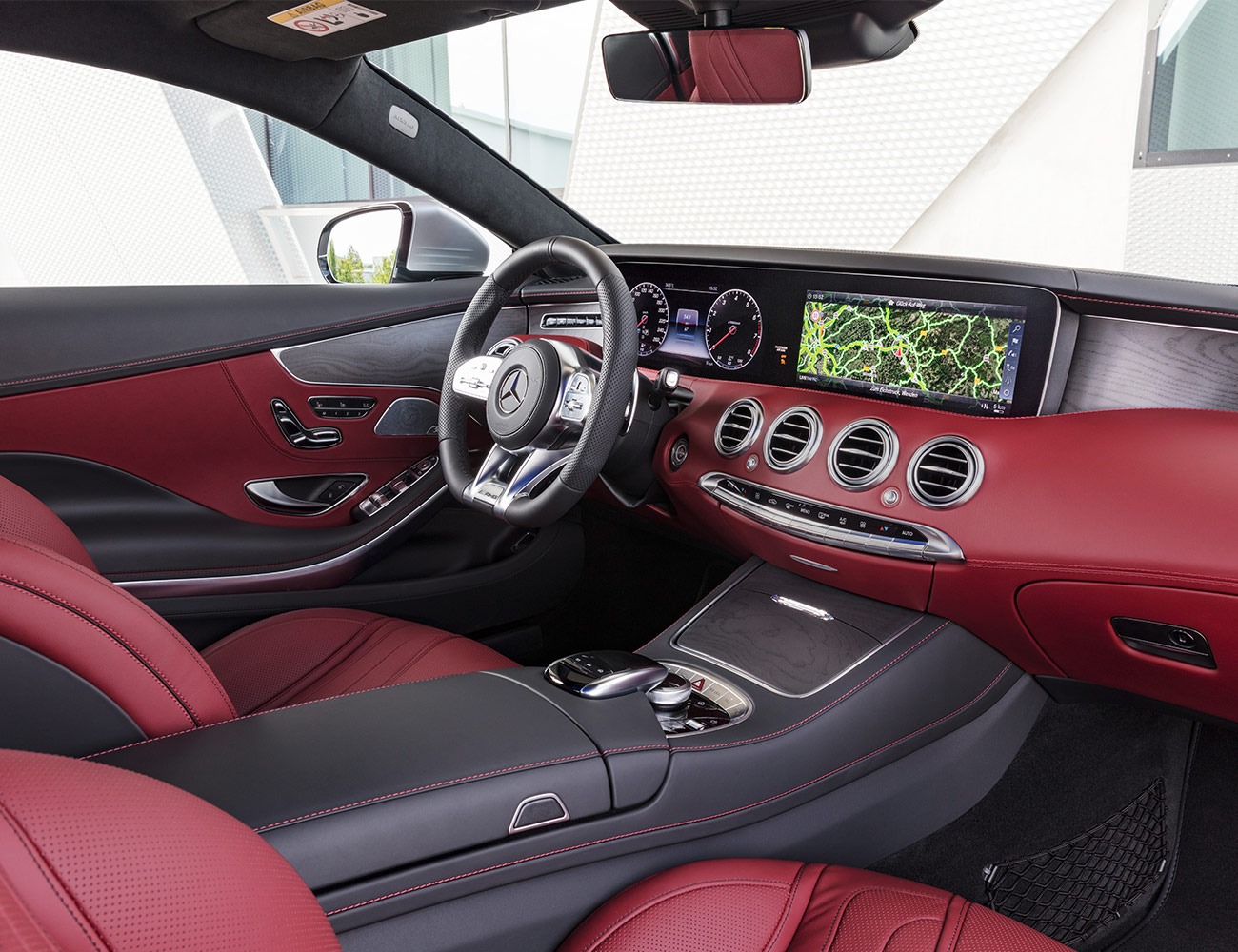
If the BMW 328i is for flying under the radar, the Mercedes S550 is for letting everyone know you’re floating down the road in the lap of luxury. The 4.0-liter twin-turbo V8 is good for 463 horsepower and 516 lb-ft of torque, but the real draw of this car is the interior, which feels more like a luxury yacht than a car.

The Best Bike Racks For Any Car

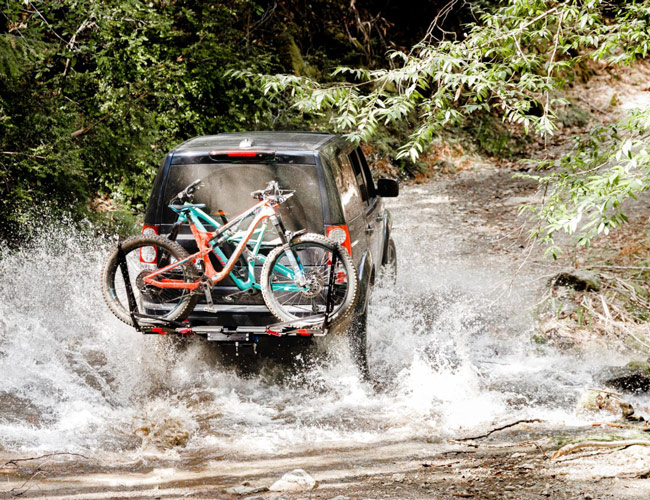
Whether you’re headed on a weekend trip, to the local trail system for a lunch ride or the top of your favorite descent, a good bike rack is crucial. These are the best available now, for any type of vehicle and bike. Read the Story

The Difference Between the McLaren Senna and a Real GT3 Car Is Significant

The Senna Is Fast But Not GT3 Fast

The McLaren Senna is a car that pulls a lot from racing. It’s wildly fast and produces tons of power. It is, however, a car that’s legal for the street. That’s fantastic if you want a high-powered, high-priced machine that can do both. However, Chris Harris of Top Gear heard some folks saying the Senna was as fast as a GT3 car. To test that theory, he decided to show up at a racetrack with the McLaren Senna and a 650S GT3. 

Harris starts out in the Senna going after the racetrack and talking through the car’s driving characteristics. He then does the same for the 650S GT3. It’s clear from his commentary that the Senna isn’t as well connected to the road as the real racing car. It’s softer and can’t put its higher power output down to the road as easily. 

Then it’s time for timed laps. Harris takes the 650S GT3 out first this time laying down a lap time that the presenter calls a “pretty unspecial time.” Then it’s into the Senna to see if the car can match that time. The Senna comes in seven seconds behind the true racing car. That’s miles slower around a racetrack. While it’s not the most scientific of testing, it’s clear the Senna is fast, but not GT3 car fast. You can watch the whole video below. 

[embedded content]

The Porsche Boxster Bergspyder Is the Single Seater Sports Car We Want to Drive

This One-Off Concept Is Awesome

Porsche often builds concepts to push the limits of its vehicle types and see how far it can take something. The Porsche Boxster Bergspyder you see here uses the 981 Boxster as its base. The car was to be as lightweight and minimalist as possible. The team tasked with building this car immediately turned to the Porsche 909 for inspiration. 

For those who don’t know the legendary Porsche 909 was the lightest Porsche ever used. With that as their guide, the team built the Boxster Bergspyder as a one-seater, roofless, door handless car designed to be as lightweight and extreme as possible. The car gets a short wind deflector for the driver. Where the passenger would usually go, there’s nothing there, just more bodywork. 

Powering the car is the same six-cylinder engine that powers the Cayman GT4. It makes a strong 388 hp which will drive this lightweight machine down the road with authority. The 0-60 mph time should be four seconds and Porsche says the car should be able to lap the Nurburgring in just 7:30. 

The cabin of the car features many elements from the 918 Spyder. The car’s bucket seat was taken from the 918 as well. It’s a very minimalist cabin, but then, in a car like this, you don’t need much. This vehicle is built for high-speed laps and feeling the wind whip around you. 

It’s hard to sell a car like this due to modern safety standards. Porsche never moved forward with it due to those reasons. The car will forever be a one-off concept. We’d love to see it as a production model, though. 

2019 Mercedes-Benz EQC Review: Pushing Electric Power Into the Mainstream

After decades of toying with zero-emission powertrains — including low-volume retrofitted Electric Drive iterations of the B-Class and Smart ForTwo — Mercedes-Benz is debuting the EQC, its first BEV (battery-electric vehicle) built from a clean-sheet design. As the inventors of the automobile, Mercedes’s first BEV targeted for mass production is more than a landmark; it’s quite likely a bellwether for the success of the electric powertrains in the company’s fleets worldwide. The EQC will likely act as an electrified canary in the coal mine, revealing whether EVs have potential to appeal to everyday consumers, or if they’ll remain relegated to a niche that caters to the NPR crowd.

The Good: Did anyone think Mercedes-Benz wouldn’t nail the electric powertrain on their first purpose-built BEV? Its 80-kWh lithium-ion battery pack channels 402 horsepower to two electric motors, one attached to each axle. This allows 564 pound-feet of instant torque to be intelligently distributed by Benz’s well-established 4Matic all-wheel-drive, zipping the substantial SUV (curb weight is still to be revealed) from a standstill to 60 mph in less than five seconds. Boasting a European-test-cycle-claimed 259-mile range, the pack can charge from 10 to 80 percent in just 40 minutes at a DC fast charger — although that same charge will take nearly 10 hours on a 240-volt Level 2 wall unit.

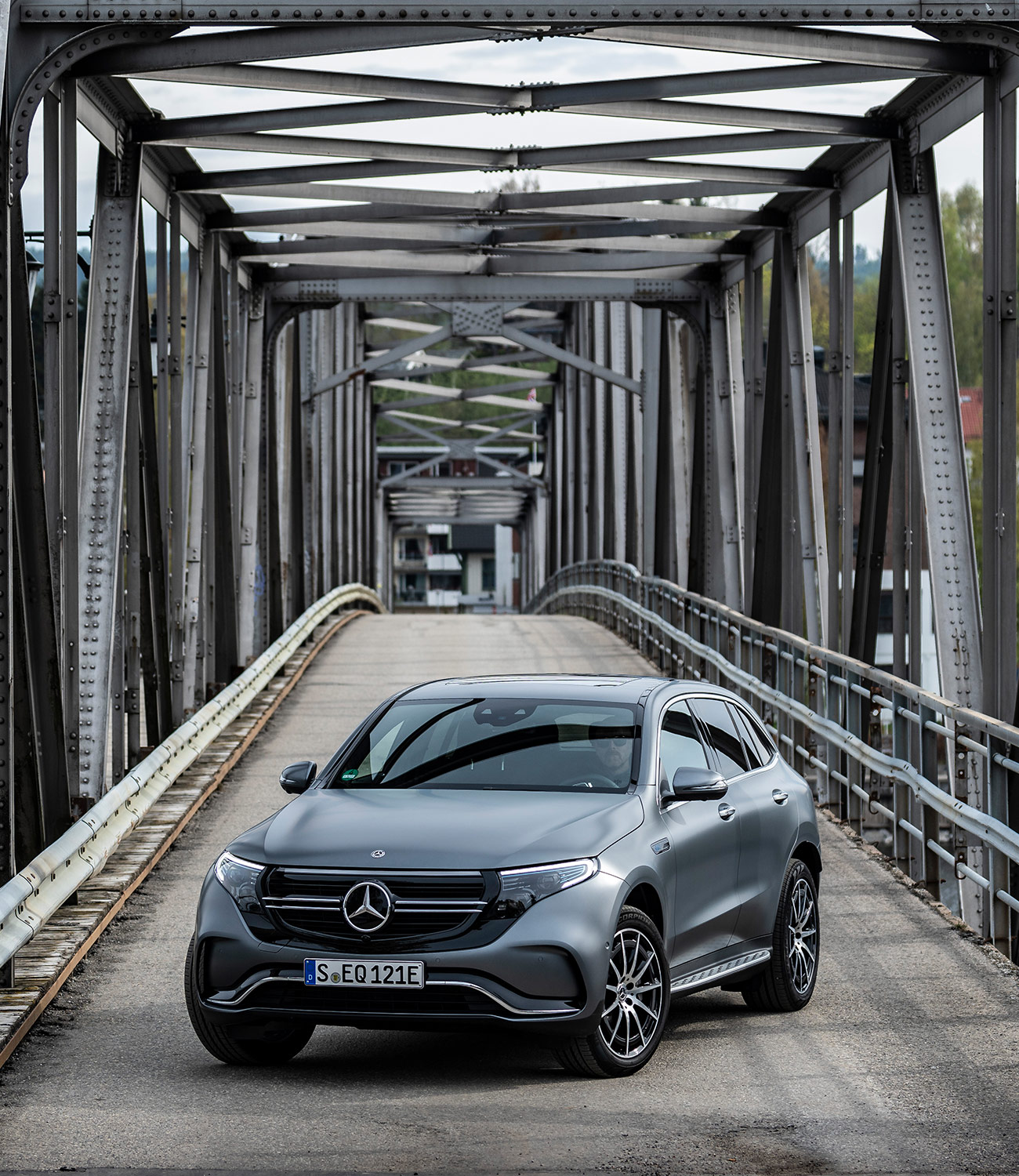
Who It’s For: Luxury car buyers interested in a zero emission vehicle — because of environmental concerns, to use HOV lanes and dedicated parking spots or simply save money on gasoline — but don’t want to make a big deal out of it. While many BEV shoppers will opt for Teslas to broadcast their green credentials, buyers of the EQC aren’t concerned with flashing their eco-bona fides. Sure there are some aesthetic cues that signal this is an electric vehicle, like its pancake wheels and hard plastic grille, but most laymen would have a difficult time discerning the EQC from its petrol-chugging Benz brethren. Which seems to be exactly what Mercedes-Benz was aiming for.

Watch Out For: Even with all that torque available at all four corners, the EQC lacks the sportiness of its Jaguar and Tesla competitors. This is mostly due to the SUV-soft suspension, which is luxuriously pliant but allows for a lot of body roll when placed against the I-Pace and Model X. Perhaps engineers tuned down its dynamics to make the EQC feel more like a boilerplate SUV, but enthusiasts are going to wish Benz hadn’t.

Alternatives: Jaguar I-Pace ($69,500), Tesla Model X ($71,450), Audi E-Tron ($74,800).

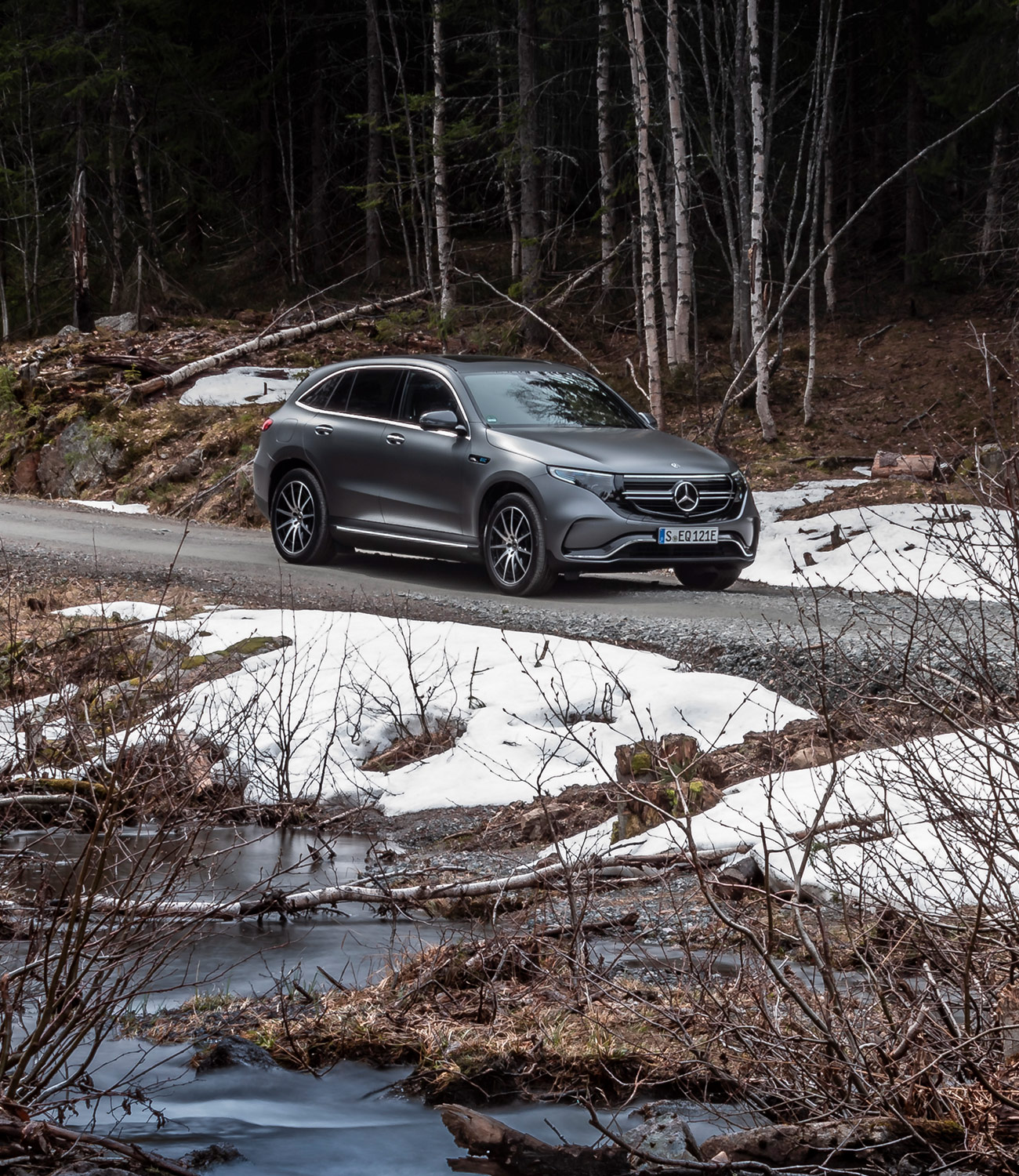
Review: It may seem weird to use this as a compliment, but Mercedes-Benz’s new EQC is in many ways unremarkable. Yes, the EQC is an electric vehicle, but it feels like a traditional internal-combustion crossover in almost every way. Even the mundane roads outside Oslo, Norway the Mercedes event planners chose to showcase the EQC on seemed to underscore just how ordinary the vehicle is supposed to be.

But the EQC is extraordinary, of course: more than 200 miles of range per charge; absurd torque at your beck and call; and pleasant in every way you’d expect from a Mercedes SUV. While Tesla prefers a minimalist approach to its interior design, the EQC resembles any of Benz’s top-tier SUV offerings; there are double 10.25-inch touchscreen digital displays spread across the dash, a piano black central console and metal Burmester speaker grilles at the bottom of the A-pillars. All the touchpoints — seat controls, vents, buttons, switches, door handles, etc. — are also metal, with 64-color ambient lighting spicing things up. And even as cold rain pelted the windshield and sunroof (the latter being somewhat small in this age of sprawling panoramic tops), inside, the EQC was tomb-like quiet and cozy.

The exterior looks much like a GLC-Class, even though the EQC shares not a single piece of sheet metal with its petrol-chugging kin. The most salient EV visual cues are matching LED light bars above the front grille and connecting the rear tail lamps, and 19- to 21-inch rims that hide aerodynamic features. (They’re better-looking than the aero-optimizing disc wheels of many EVs, but still seem a bit chintzy).

It’s not until you dig into the various Driving and Braking modes that the EQC really starts separating itself from gasoline-swigging competitors. There are four drive modes — although unlike other vehicles that alter several parameters under the circumstances, shifting between Eco, Comfort and Sport will only change throttle aggression. Because there’s only one gear, shift speed and shift points are not affected, and the EQC lacks adjustable dampers. (That’s is a shame, as the heavy SUV could use a stiffer suspension setting to better absorb its mass through the corners.)

The most efficient mode, Maximum Range, also applies speed ceilings and haptic feedback through the steering wheel if the vehicle senses you need to slow for any reason (more on this in a bit). It even encourages more dramatic regenerative braking, in order to ensure you reach your targeted charging station. Considerately enough, even Maximum Range won’t affect the climate control functions; Mercedes doesn’t want passengers to ever be uncomfortable, no matter how thrifty they choose to be.

Speaking of regenerative braking, the EQC features four levels of it. D, the default, barely slows the vehicle on its own; it feels as if you’re going against a strong headwind. Dial it down to D+ and you feel zero deceleration, like cruising in a gas-powered car. Dial the regen braking up to D- and you instantly feel deceleration the moment you lift off throttle; dial it up even further to D – -, and it feels like hard braking. This is where “one-pedal driving” kicks in; commuting around town, you can make a game out of never touching the brake, as the EQC will quickly scrub speed just by lifting off the accelerator. Notably, unlike a Tesla, the EQC will never come to a complete stop without actually applying the brake pedal.

There’s also an additional intelligent mode called “D Auto” that’s activated by pulling on the paddle shifters for two seconds. Using a combination of map/GPS info, radar, cameras, and traffic sign recognition that’s been networked together, the EQC reads your environment and alters regeneration levels to maximize energy recuperation. If it senses you approaching a car or corner or notices a speed limit change, D Auto will increase regen braking as soon as you lift your foot from the throttle.

Some people don’t like this level of interference, but driving the rain-slicked roads outside Oslo, the purpose of D Auto came into focus. I found the setting ideal for curvy roads where you might apply brakes before entering corners; simply lifting your foot from the throttle significantly slowed down the SUV.

Verdict: Taken in totality, the EQC in feels and looks like an ordinary SUV in most superficial ways — which seems to be exactly what Mercedes was aiming for. But once you start playing with its bag of EV tricks — not to mention the joyous piles of torque on hand — the EQC offers enough futuristic touches to separate it from the petrol-chugging pack. Will that combination of today’s looks and tomorrow’s powerplant win over some reluctant buyers who’ve chosen “normal” cars in the past? It just might.

2019 Mercedes-Benz EQC Specs

Powertrain: Two asynchronous electric motors and an 80-kWh lithium-ion battery; single-speed transmission; all-wheel-drive
Horsepower: 402
Torque: 564 pound-feet
0-60 MPH: 4.9 seconds
Driving Range (European Testing): 259 miles

Mercedes-Benz hosted us and provided this product for review.

Read More Gear Patrol Reviews

Hot takes and in-depth reviews on noteworthy, relevant and interesting products. Read the Story
Note: Purchasing products through our links may earn us a portion of the sale, which supports our editorial team’s mission. Learn more here.

10 Amazing New Cars We Wish We Could Buy in America

The car market in the United States isn’t quite like anywhere else. Automakers must meet a separate set of emissions standards; roads in suburban and rural areas tend to be broader and straighter than their counterparts elsewhere; gasoline is much cheaper. And, of course, American buyers have a particular taste for giant SUVs and full-sized pickups that people in other countries lack. 

All those distinctions mean Americans tend to get different cars from other markets — which, among other things, means many finely-tuned driver’s cars made for Europe and elsewhere never float over to the United States while they’re in production. Here, then, are 10 of the best examples of the “forbidden fruit” new cars American buyers can’t have…at least, not for another 25 years or so, when they can import them one by one

Alpine A110

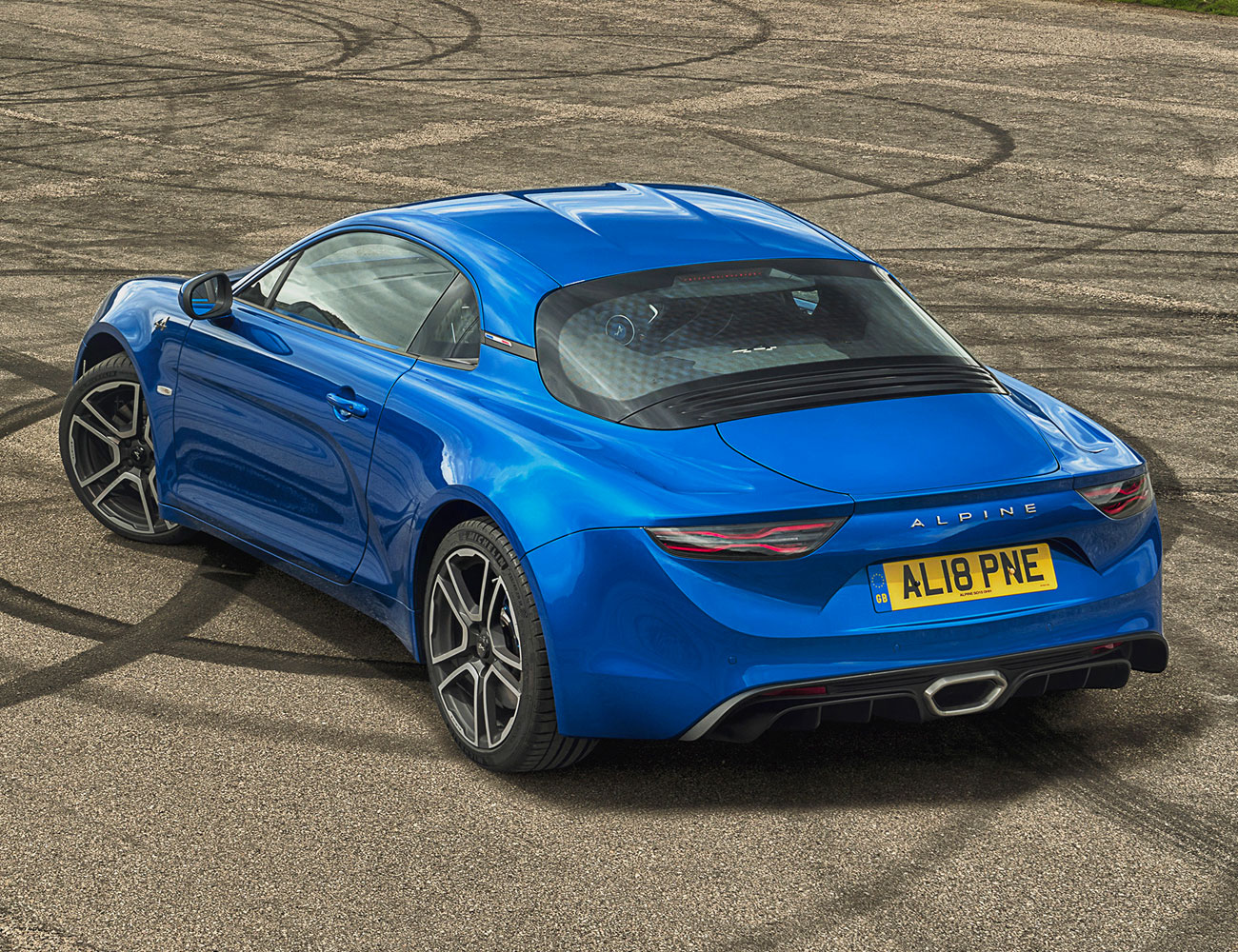
The Alpine A110 is a mid-engined, rear-wheel-drive coupe from Renault, a modern reimagining of the original Alpine A110. The specs don’t leap out at you — it uses a 1.8-liter inline four producing 249 horsepower and 236 pound-feet of torque — but look closer, and you’ll see the appeal. At just 2,432 pounds, the A110 is insanely light — 30 pounds lighter than an Alfa Romeo 4C. It hits 60 miles per hour in 4.5 seconds and has a top speed of 155 mph. And yet it’s not a gutted track car; it’s built to be comfortable, too.

Why Americans Don’t Get It: Renault left the U.S. market nigh-on 30 years ago. And even if they were coming back, a limited-edition sports coupe meant to rival the Toyota Supra would not be the ideal vehicle to re-launch the brand here.

Audi RS 4 Avant

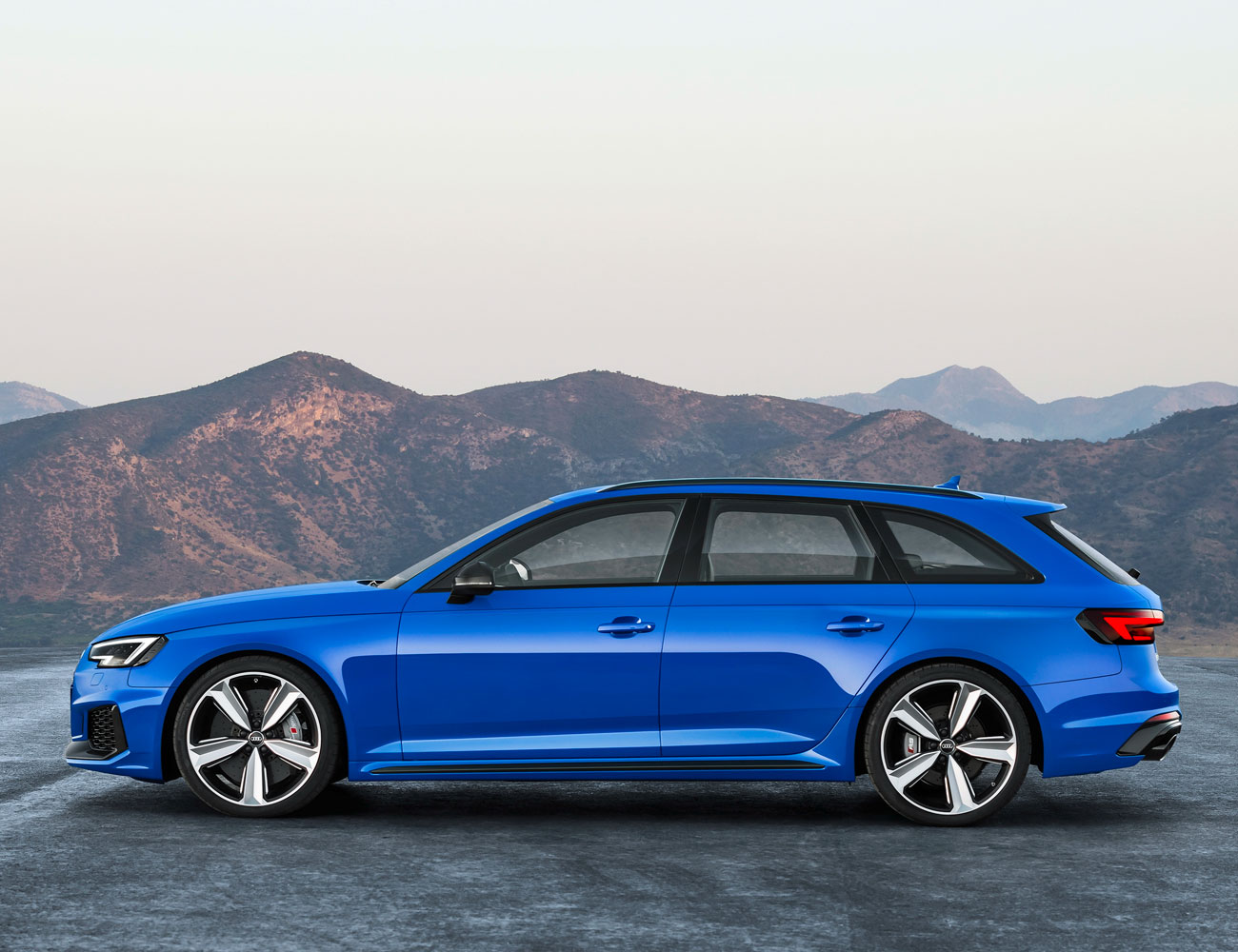
The RS 4 is Audi’s all-wheel-drive retort to the BMW M3. The European RS 4 pulls 450 hp and 44 lb-ft of torque from its twin-turbocharged 2.9-liter V-6. It’s an absolute rocket, accelerating from 0-60 mph in just 4.1 seconds with a top speed that can reach 174 mph. America has the equivalently-powerful RS 5 coupe, but the sedan range tops out at the less-potent S4 — and the only wagon we get here is the 248-hp A4 Allroad.

Why Americans Don’t Get It: Americans tend to be anti-wagon, though Audi fans less so. Audi has teased that RS Avant models might come back; given how successful AMG and M cars have been for Mercedes-Benz and BMW here, bulking up the RS portfolio just seems like good sense. But for now, we go without.

Ford Focus ST Wagon

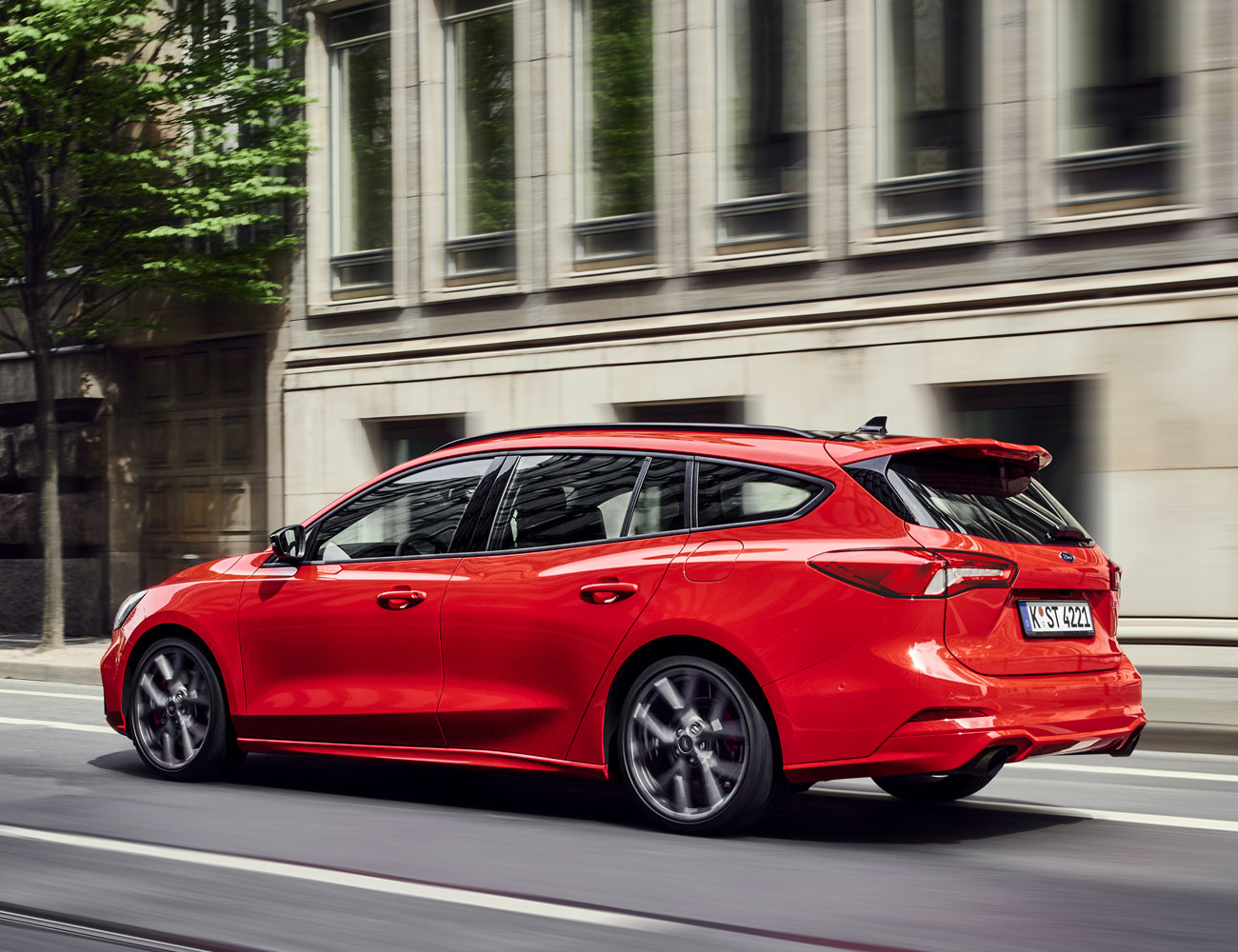
Ford recently unveiled the wagon version of the Focus ST hatchback. The longroof is sporty and swell to look at, with the gasoline version using Ford’s 2.3-liter inline-four to generate 276 hp and 310 lb-ft. Want that knife twisted a bit more? You can get Ford’s hot wagon with a six-speed manual. Enjoy your Edge ST, American bros.

Why Americans Don’t Get It: Ford needs profits for Wall Street. Cars need to sell in volume to be profitable. Trucks and SUVs are profitable. Americans don’t buy wagons in volume, so they’re not.

Mercedes-AMG A45 Hatchback

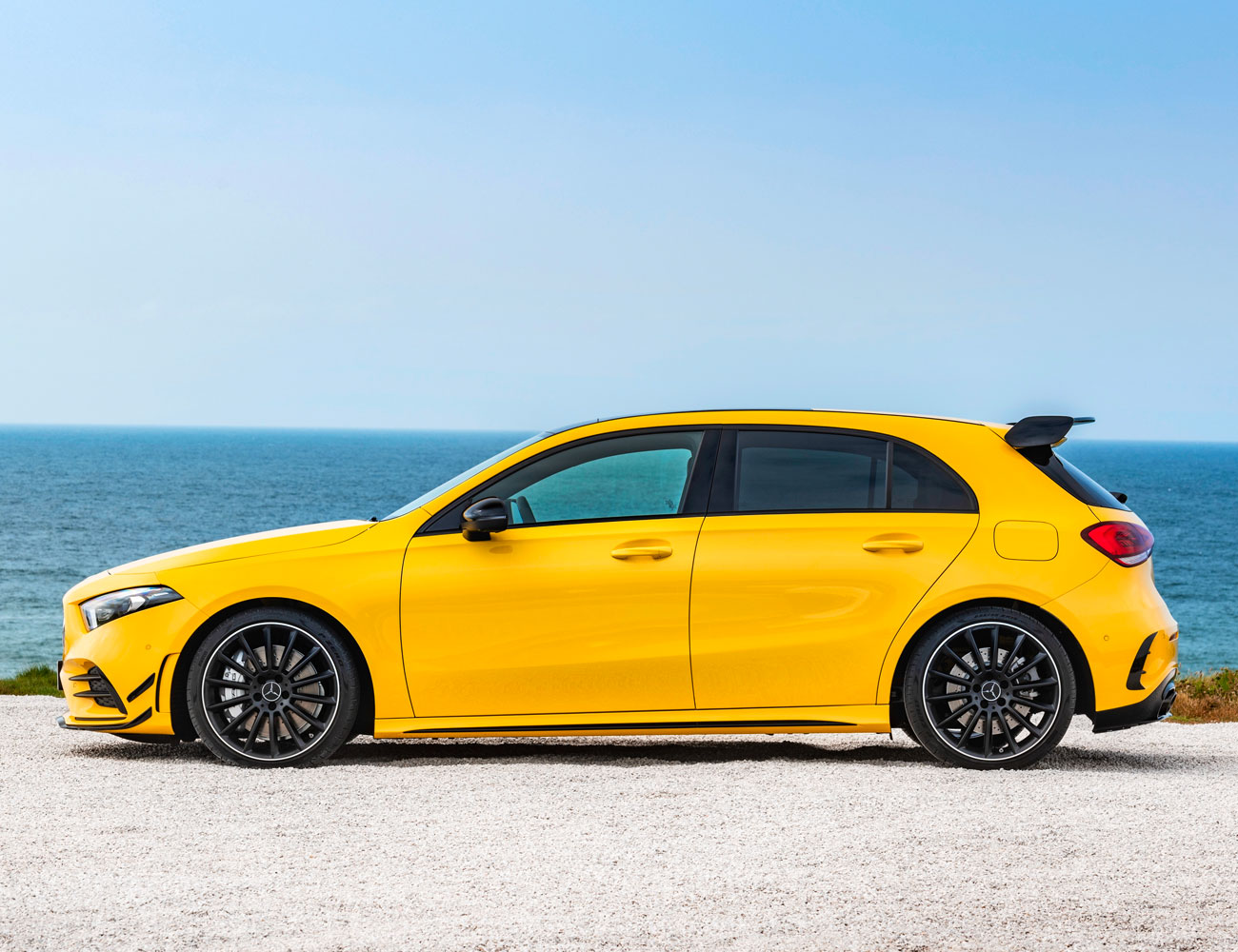
Yes, Mercedes makes a hot hatchback. In fact, Mercedes makes the hottest of hot hatchbacks: The new Mercedes-AMG A45, incredibly, will squeeze 420 hp from a 2.0-liter engine. That’s more power per liter than just about anything else on the road. It will also have a drift mode, which Mercedes has been hyping in YouTube videos.

Why Americans Don’t Get It: Americans don’t think hatchbacks are luxury vehicles, so one north of $50,000 would be a tough sell. Raise it a little, add some body cladding and call it a GLA45, though, and Americans will love it.

Renault Megane RS

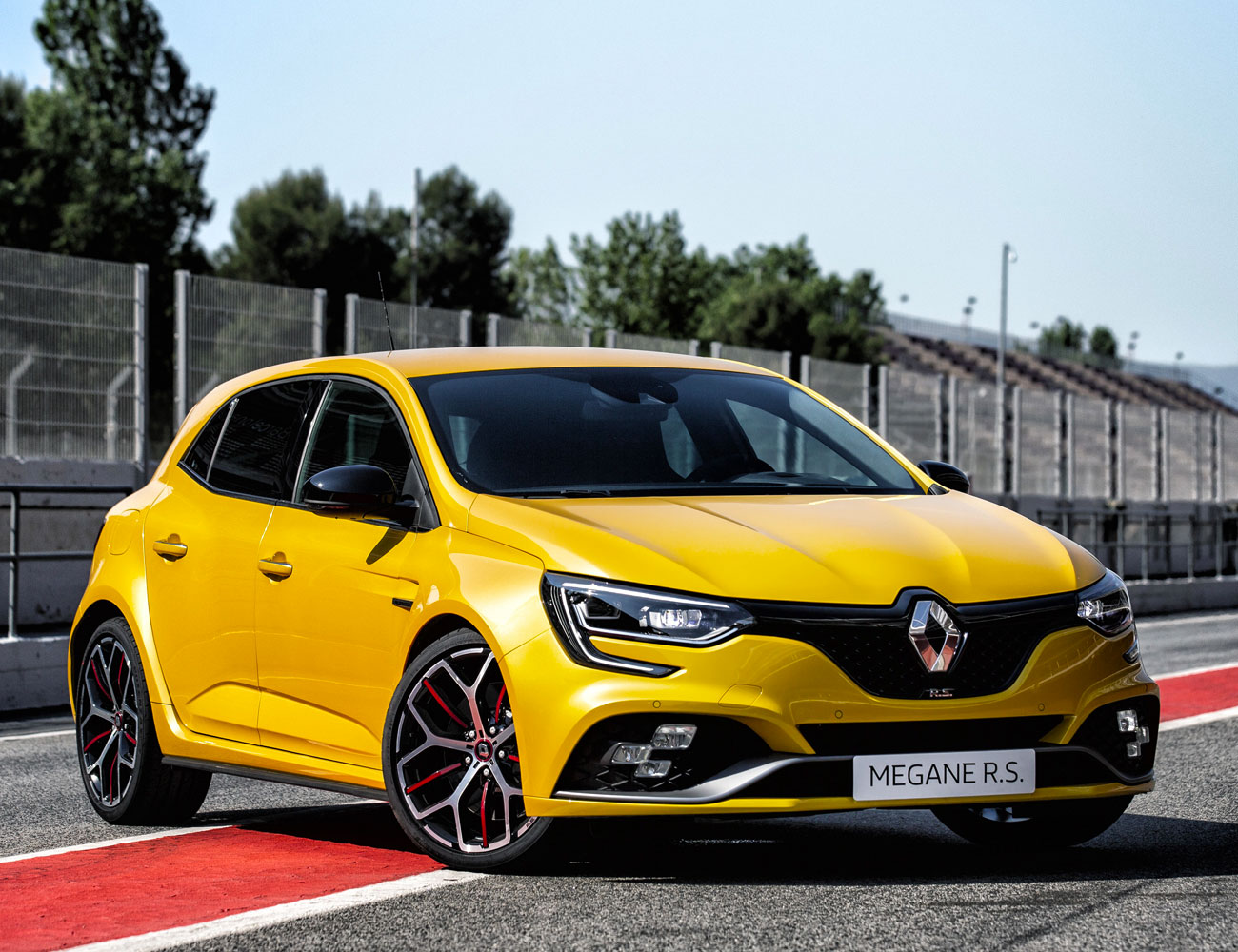
The RS (Renault Sport) is the hottest version of Renault’s Megane hatchback, and is the carmaker’s answer to the Golf R. The 300 Trophy trim tunes the inline-four to 292 hp and 310 lb-ft, delivering a 0-60 mph time of 5.7 seconds. It’s front-wheel drive, has four-wheel steering, and can still be ordered with a six-speed manual. It also has a fancy new turbocharger the company claims was “taken directly from Formula 1,” which was probably a better selling point before the 2019 season.

Why Americans Don’t Get It: Renault doesn’t sell anything here.

Subaru Levorg STI Sport

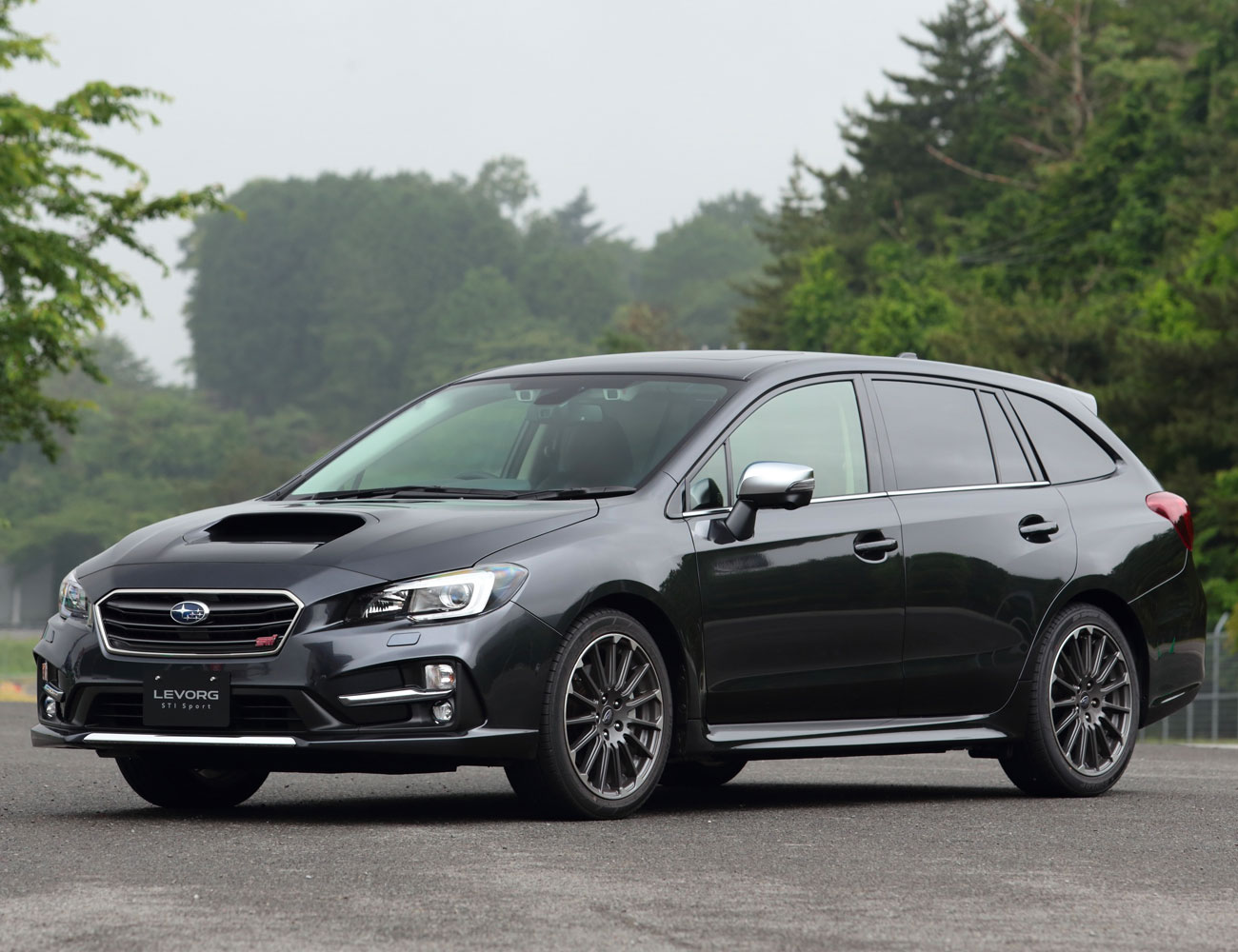
A Subaru enthusiast’s dream car might merge the Outback’s wagon body with the WRX’s manic persona. The not-for-America Levorg wagon isn’t that exactly, but it’s the closest Subaru comes to that idea today. The 2.0-liter boxer engine produces 264 hp and 258 lb-ft. The top-of-the-line STI Sport adds some sport tuning and appearance features. It only comes with a CVT, sadly.

Why Americans Don’t Get It: Subaru has been too successful here, almost selling more cars in the US than they can produce. Why add to the workload?

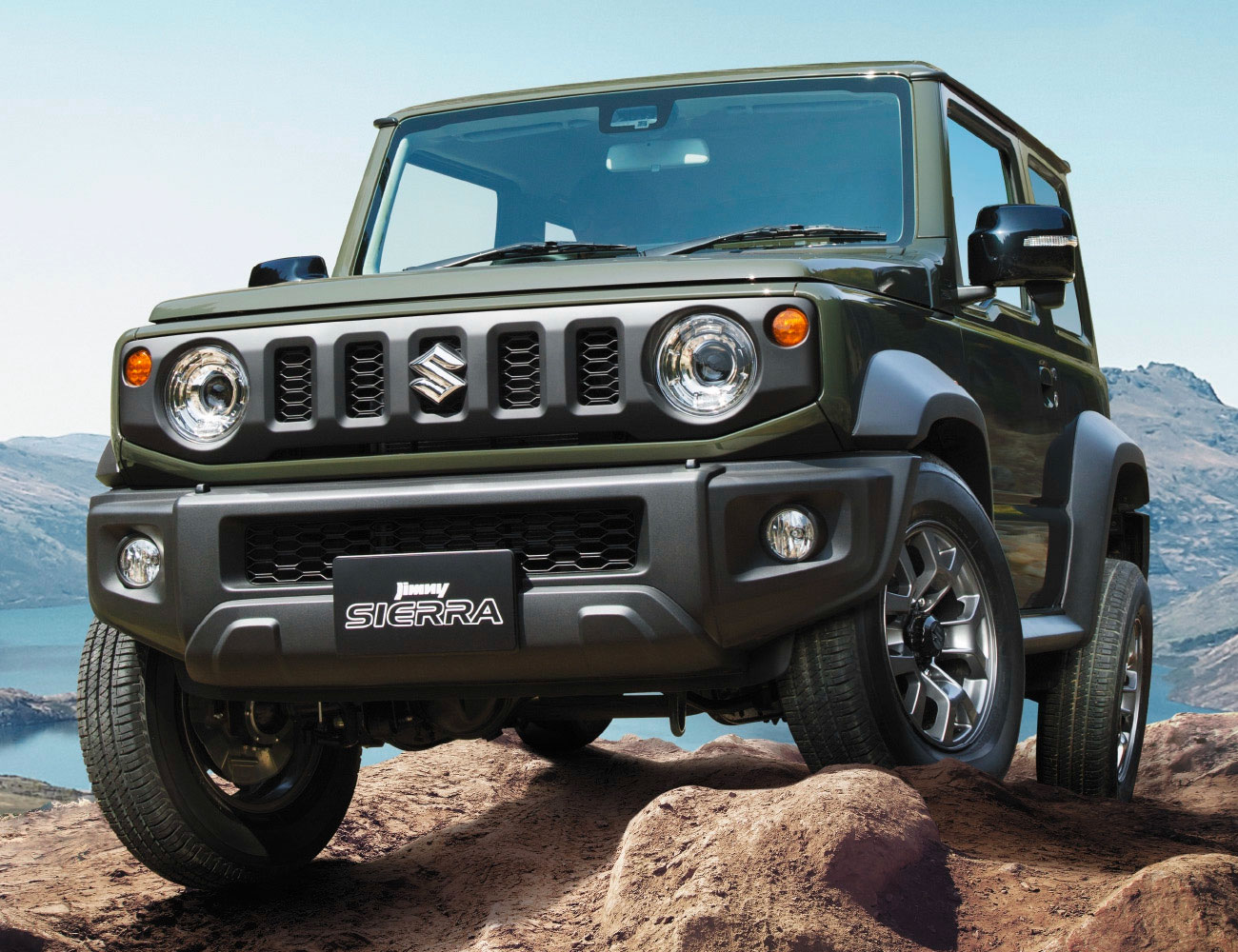
Suzuki Jimny

Suzuki just released its updated version of the Jimny, which was named a 2019 World Car of the Year. It’s a small, boxy and bulletproof SUV that resembles the child of a Land Rover Defender and a G-Wagen. It’s also a rugged, supremely capable off-roader. It can go pretty much anywhere a Land Rover can go — and some places a Land Rover can’t, since it’s smaller and narrower.

Why American Don’t Get It: Suzuki left the US market in 2012. The Jimny may have a niche, but being useless for families and ill-suited to American highway driving (it only makes 100 horses) would make it hard to find mainstream appeal.

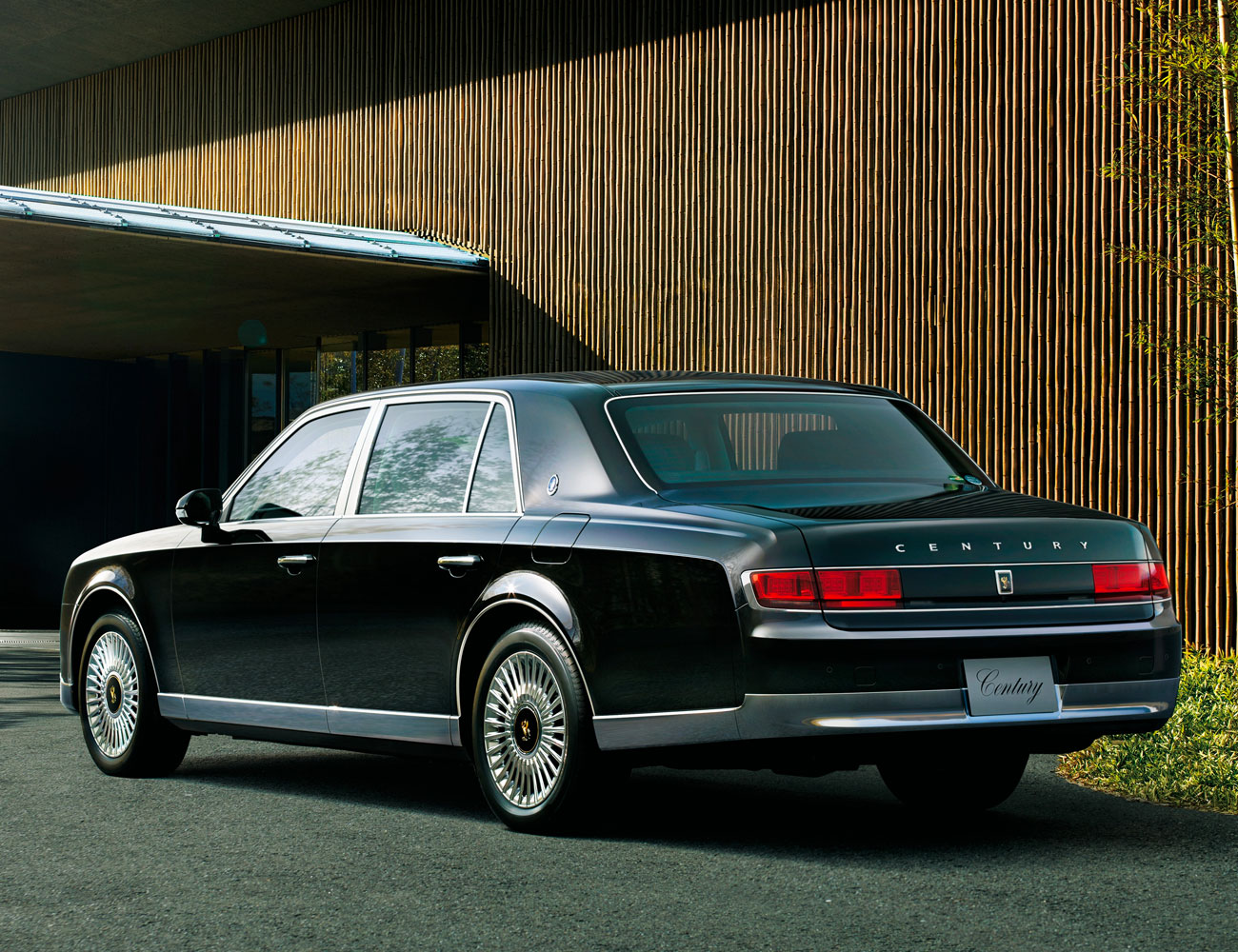
Toyota Century

The Century is Toyota’s super-lux flagship, a Japanese market-only four-door sedan. Production is limited and units available by invitation only, reserved for royalty and VIPs. It’s kept its classic aesthetic intact over the years — in part because it has been relaunched just twice since it debuted in 1967, and in part because it caters to such a small audience. Toyota’s GRMN racing division did make a special edition one that may be produced, though.

Why Americans Don’t Get It: Some things should be kept special. Also, Americans don’t view Toyota as a luxury brand — hence the existence of Lexus. And even a $200,000 Lexus sedan would be a tough sell.

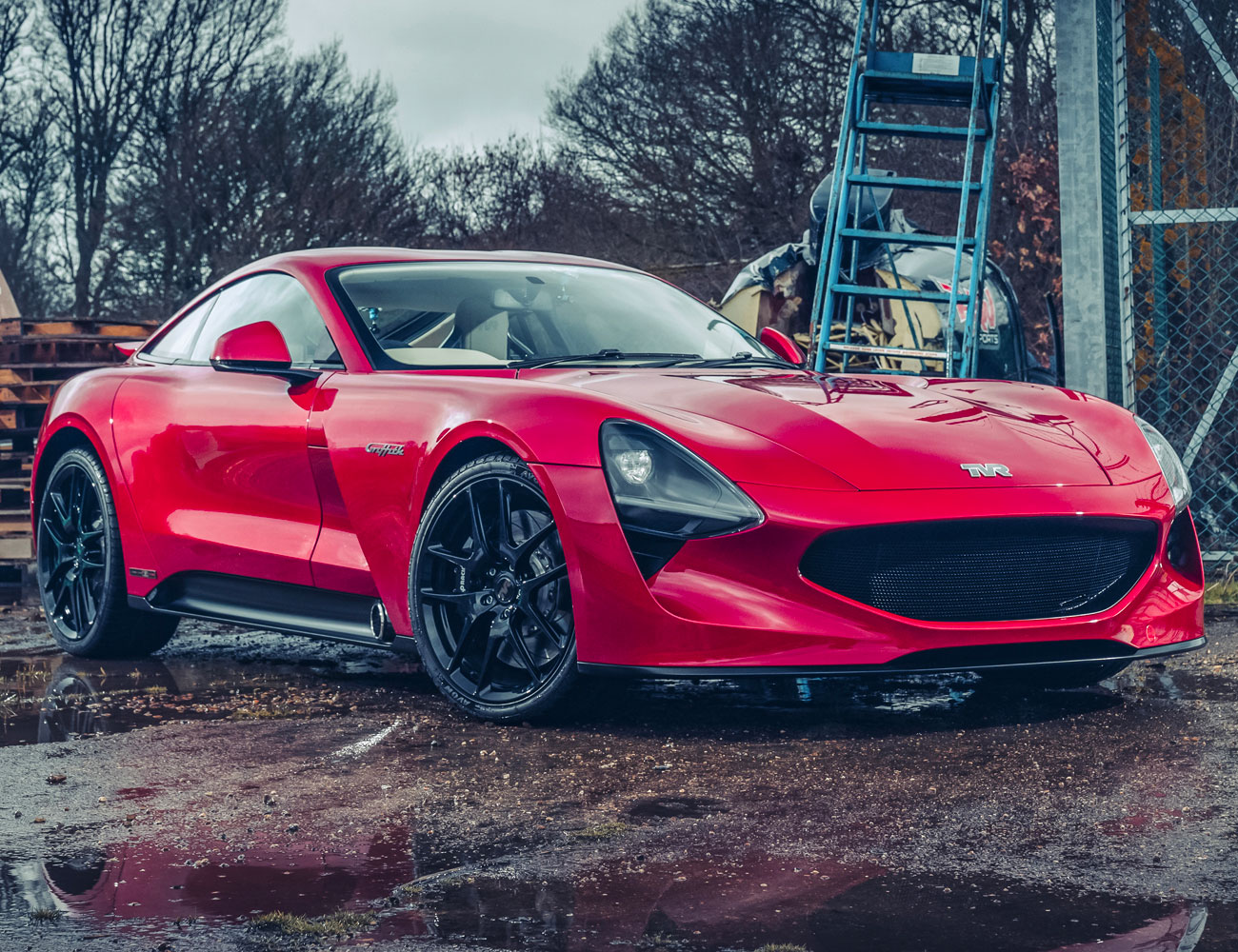
TVR Griffith

The TVR nameplate has been revived in the form of what may be the perfect driver’s car. The new Griffith will be a two-door coupe designed by Gordon Murray, the man who designed the McLaren F1. As is TVR tradition, it will have a huge engine — a Ford Cosworth 5.0-liter V-8 — and a super-light, all carbon fiber chassis, paired with a six-speed manual gearbox and rear-wheel-drive. It will accelerate from 0 to 60 mph in about four seconds, and reached a top speed north of 200 mph. It will also have ABS, power steering, and traction control, because they aren’t sadists.

Why The U.S. Isn’t Getting It: It’s not worth building a US-spec Griffith for a 500-vehicle limited production run, considering how difficult the development process has been for TVR in general.

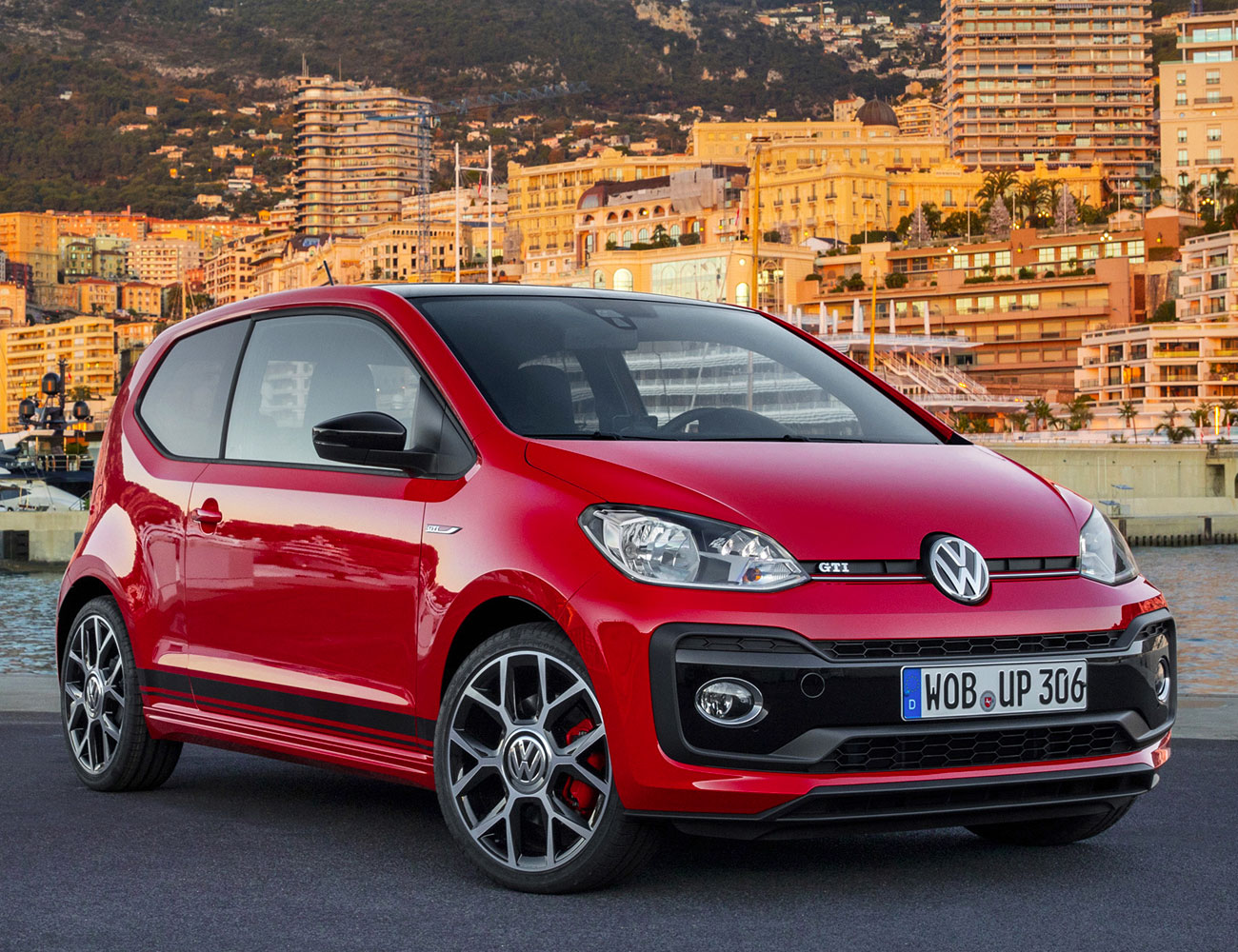
Volkswagen up! GTI

The oddly-named up! is Volkswagen’s pint-sized hatchback, which also comes in GTI version. The 1.0-liter three-cylinder is horsepower-light, but torque-heavy, making 113 hp and 170 lb-ft. Its size, power, and handling capability place it quite close to the original GTI. It also costs less than $20,000. There may not be a better city car on sale on any continent.

Why The U.S. Doesn’t Get It: Americans consider the Golf a small car, and sales have plummeted in recent years. Volkswagen has countered by going hard into crossovers with the Tiguan and Atlas, which doesn’t leave much room for introducing a tiny city car. And highway-centric American driving would minimize the up! GTI’s strengths and fully display its weaknesses.

A Cool Car We Can Have

Popping the top changes the experience dramatically, and suddenly, we’re debating whether the ideal GT is the one that doesn’t get in between you and road trip wonderment. Read the Story

Note: Purchasing products through our links may earn us a portion of the sale, which supports our editorial team’s mission. Learn more here.

Ford v Ferrari’s First Official Trailer Looks Wonderful

One of the Best Stories in Motorsports History

Motorsports movies give us an insight into what the iconic racers themselves experienced along the way. Few stories are better known than the story of the original Ford GT and how it took down Ferrari at the 24 Hours of Le Mans. The new movie called Ford v Ferrari tells that story in what looks like a very fantastic way. It appears to be full of drama, humor, and stars. 

The film was directed and co-written by James Mangold who helmed the movie, Logan. Big names in the cast include Matt Damon and Christian Bale. Damon plays Carroll Shelby, which we think is a bit odd, but we’re willing to give it a chance. Bale plays Ken Miles, the driver of the car, in what appears to be another stunning performance from the actor, who managed to shed a lot of weight to play the role. 

The film looks great, with plenty of eye candy, including Fords, Ferraris, and several other beautiful cars. We’re sure there will be plenty of great action in the movie. The film will come out on November 15. You can watch the full trailer below. 

[embedded content]

FV Frangivento Revealed the Asfane DieciDieci Supercar

A Radically Style Car

If you’re looking for a wedge-shaped supercar that can’t be ignored, then the FV Frangivento Asfane DieciDieci is for you. This beastly looking machine is the supercar that features some of the most outlandish design. This car looks genuinely amazing, but it’s yet to be determined if the car’s performance will match up to its styling. 

The model features an aluminum body, gullwing doors, carbon fiber spoiler, OZ Racing wheels, floating brake lights, sharp angles all around and a hybrid powertrain. All of the intricate details of the car’s powertrain have not yet been released, but we do know it will feature a turbocharged 5.4-liter V10 engine paired with two electric motors placed at the front of the car. 

The powertrain in total will produce 996 hp. That’s almost as much as the new Ferrari SF90 Stradale. According to Carscoops, the car’s V10 engine alone makes 848 hp and the electric motors add an additional 148 hp. Power is filtered to the wheels via an 8-speed automatic. The performance numbers out on the track or road have not yet been determined, so we don’t have 0 to 60 mph times or top speed. 

If you haven’t heard of FV Frangivento, you may want to pay attention. The company has high aspirations. It wants to be the Italian equivalent of Koenigsegg. The Asfane DieciDieci is the first car from the company and will be used to fund future projects. Carscoops said customers can expect to pay between $1.1 – $1.7 for the car.  

[embedded content]

The Best New Cars Americans Can’t Have

The car market in the United States isn’t quite like anywhere else. Automakers must meet a separate set of emissions standards; roads in suburban and rural areas tend to be broader and straighter than their counterparts elsewhere; gasoline is much cheaper. And, of course, American buyers have a particular taste for giant SUVs and full-sized pickups that people in other countries lack. 

All those distinctions mean Americans tend to get different cars from other markets — which, among other things, means many finely-tuned driver’s cars made for Europe and elsewhere never float over to the United States while they’re in production. Here, then, are 10 of the best examples of the “forbidden fruit” new cars American buyers can’t have…at least, not for another 25 years or so, when they can import them one by one

INSERT WIDGET HERE

Alpine A110

The Alpine A110 is a mid-engined, rear-wheel-drive coupe from Renault, a modern reimagining of the original Alpine A110. The specs don’t leap out at you — it uses a 1.8-liter inline four producing 249 horsepower and 236 pound-feet of torque — but look closer, and you’ll see the appeal. At just 2,432 pounds, the A110 is insanely light — 30 pounds lighter than an Alfa Romeo 4C. It hits 60 miles per hour in 4.5 seconds and has a top speed of 155 mph. And yet it’s not a gutted track car; it’s built to be comfortable, too.

Why Americans Don’t Get It: Renault left the U.S. market nigh-on 30 years ago. And even if they were coming back, a limited-edition sports coupe meant to rival the Toyota Supra would not be the ideal vehicle to re-launch the brand here.

Audi RS 4 Avant

The RS4 is Audi’s all-wheel-drive retort to the BMW M3. The European RS4 pulls 450 hp and 44 lb-ft of torque from its twin-turbocharged 2.9-liter V-6. It’s an absolute rocket, accelerating from 0-60 mph in just 4.1 seconds with a top speed that can reach 174 mph. America has the equivalently-powerful RS 5 coupe, but the sedan range tops out at the less-potent S4 — and the only wagon we get here is the 248-hp A4 Allroad.

Why Americans Don’t Get It: Americans tend to be anti-wagon, though Audi fans less so. Audi has teased that RS Avant models might come back; given how successful AMG and M cars have been for Mercedes-Benz and BMW here, bulking up the RS portfolio just seems like good sense. But for now, we go without.

Ford Focus ST Wagon

Ford recently unveiled the wagon version of the Focus ST hatchback. The longroof is sporty and swell to look at, with the gasoline version using Ford’s 2.3-liter inline-four to generate 276 hp and 310 lb-ft. Want that knife twisted a bit more? You can get Ford’s hot wagon with a six-speed manual. Enjoy your Edge ST, American bros.

Why Americans Don’t Get It: Ford needs profits for Wall Street. Cars need to sell in volume to be profitable. Trucks and SUVs are profitable. Americans don’t buy wagons in volume, so they’re not.

Mercedes-AMG A45 Hatchback

Yes, Mercedes makes a hot hatchback. In fact, Mercedes makes the hottest of hot hatchbacks: The new Mercedes-AMG A45, incredibly, will squeeze 420 hp from a 2.0-liter engine. That’s more power per liter than just about anything else on the road. It will also have a drift mode, which Mercedes has been hyping in YouTube videos.

Why Americans Don’t Get It: Americans don’t think hatchbacks are luxury vehicles, so one north of $50,000 would be a tough sell. Raise it a little, add some body cladding and call it a GLA45, though, and Americans will love it.

Renault Megane RS

The RS (Renault Sport) is the hottest version of Renault’s Megane hatchback, and is the carmaker’s answer to the Golf R. The 300 Trophy trim tunes the inline-four to 292 hp and 310 lb-ft, delivering a 0-60 mph time of 5.7 seconds. It’s front-wheel drive, has four-wheel steering, and can still be ordered with a six-speed manual. It also has a fancy new turbocharger the company claims was “taken directly from Formula 1,” which was probably a better selling point before the 2019 season.

Why Americans Don’t Get It: Renault doesn’t sell anything here.

Subaru Levorg STI Sport

A Subaru enthusiast’s dream car might merge the Outback’s wagon body with the WRX’s manic persona. The not-for-America Levorg wagon isn’t that exactly, but it’s the closest Subaru comes to that idea today. The 2.0-liter boxer engine produces 264 hp and 258 lb-ft. The top-of-the-line STI Sport adds some sport tuning and appearance features. It only comes with a CVT, sadly.

Why Americans Don’t Get It: Subaru has been too successful here, almost selling more cars in the US than they can produce. Why add to the workload?

Suzuki Jimny

Suzuki just released its updated version of the Jimny, which was named a 2019 World Car of the Year. It’s a small, boxy and bulletproof SUV that resembles the child of a Land Rover Defender and a G-Wagen. It’s also a rugged, supremely capable off-roader. It can go pretty much anywhere a Land Rover can go — and some places a Land Rover can’t, since it’s smaller and narrower.

Why American Don’t Get It: Suzuki left the US market in 2012. The Jimny may have a niche, but being useless for families and ill-suited to American highway driving (it only makes 100 horses) would make it hard to find mainstream appeal.

Toyota Century

The Century is Toyota’s super-lux flagship, a Japanese market-only four-door sedan. Production is limited and units available by invitation only, reserved for royalty and VIPs. It’s kept its classic aesthetic intact over the years — in part because it has been relaunched just twice since it debuted in 1967, and in part because it caters to such a small audience. Toyota’s GRMN racing division did make a special edition one that may be produced, though.

Why Americans Don’t Get It: Some things should be kept special. Also, Americans don’t view Toyota as a luxury brand — hence the existence of Lexus. And even a $200,000 Lexus sedan would be a tough sell.

TVR Griffith

The TVR nameplate has been revived in the form of what may be the perfect driver’s car. The new Griffith will be a two-door coupe designed by Gordon Murray, the man who designed the McLaren F1. As is TVR tradition, it will have a huge engine — a Ford Cosworth 5.0-liter V-8 — and a super-light, all carbon fiber chassis, paired with a six-speed manual gearbox and rear-wheel-drive. It will accelerate from 0 to 60 mph in about four seconds, and reached a top speed north of 200 mph. It will also have ABS, power steering, and traction control, because they aren’t sadists.

Why The U.S. Isn’t Getting It: It’s not worth building a US-spec Griffith for a 500-vehicle limited production run, considering how difficult the development process has been for TVR in general.

Volkswagen up! GTI

The oddly-named up! is Volkswagen’s pint-sized hatchback, which also comes in GTI version. The 1.0-liter three-cylinder is horsepower-light, but torque-heavy, making 113 hp and 170 lb-ft. Its size, power, and handling capability place it quite close to the original GTI. It also costs less than $20,000. There may not be a better city car on sale on any continent.

Why The U.S. Doesn’t Get It: Americans consider the Golf a small car, and sales have plummeted in recent years. Volkswagen has countered by going hard into crossovers with the Tiguan and Atlas, which doesn’t leave much room for introducing a tiny city car. And highway-centric American driving would minimize the up! GTI’s strengths and fully display its weaknesses.

Note: Purchasing products through our links may earn us a portion of the sale, which supports our editorial team’s mission. Learn more here.

Vonnen Performance – Porsche 911 Hybrid

Vonnen Performance Offers Glimpse Into What a Production 911 Hybrid Could Look Like

Here we are in the year 2019, yet even the thought of a fully-electric 911 feels sacrilege; but a hybrid, on the other hand, is certainly inevitable and likely not that far off. After all, Porsche’s own 918 Spyder has long possessed the technology which is overdue for a trickle-down into the rest of the Porsche lineup – the 911 being next-in-line.

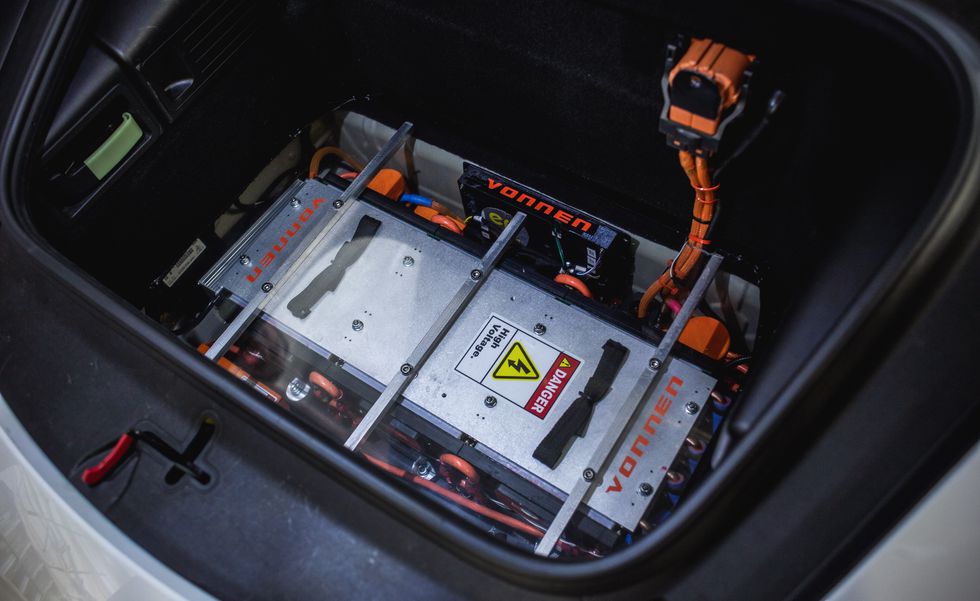
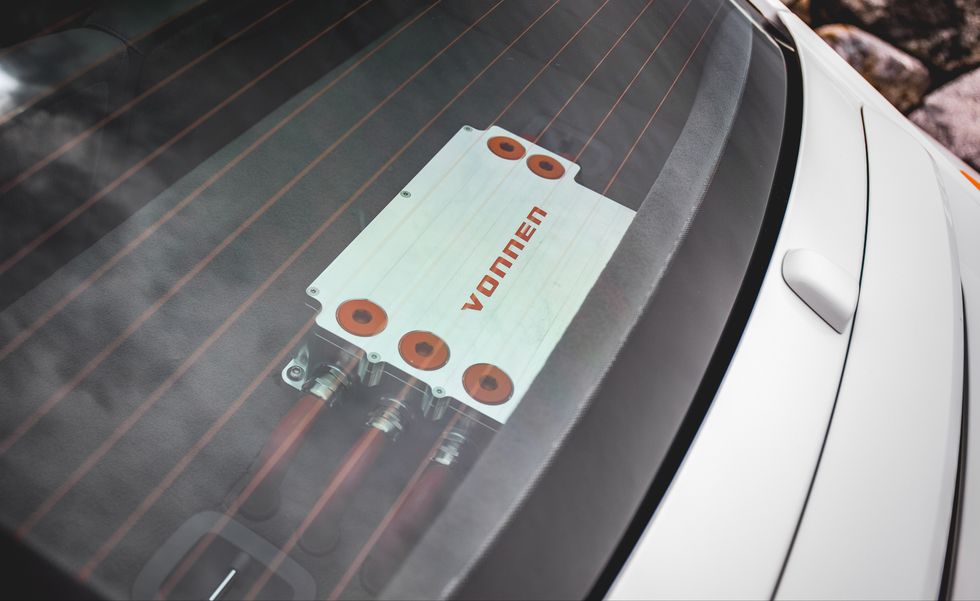
Even before Porsche has officially committed itself to a production 911 Hybrid, California-based Vonnen Performance has already staked an unofficial claim to the pioneering of this venture with a proprietary hybrid conversion kit called Vonnen Shadow Drive (VSD). At the present time, VSD is designed solely for integration into a 991.1 naturally aspirated 911 Carrera, with future plans to expand compatibility with other makes and models.

Vonnen Shadow Drive (VSD)Vonnen Shadow Drive (VSD)

The VSD conversion is able to complement the base Carrera’s factory combustion engine, adding up to 150-horsepower and 150 lb-ft of torque without requiring an overhaul of the factory electronics systems nor with the side effect of significant weight gains. The lightweight battery, electric motor, and various system components have a combined net weight increase of just 170 pounds. The aforementioned motor recharges the battery by storing and transferring energy generated by the combustion engine and through braking forces.

Vonnen president Chuck Moreland claims that the biggest appeals of the VSD conversion are its user-friendliness, simplicity and non-disruptive nature. What this translates to is a system that can be easily accessed through a smartphone app interface, has selectable driving modes (such as ‘Track’ and ‘Overboost’), can be turned on or off completely with the touch of a button, and provides real-time monitoring and data-logging which can be uploaded to the cloud.

That is not to say that the inner-workings of the system are neither complex nor advanced, as its brain actively conducts an orchestra of information to ensure the system is performing optimally under all conditions.

Vonnen VSD smartphone appVonnen VSD smartphone app

The seamless integration not only applies to the interface-side of things but also to the most important factor – the driving experience. While providing a significant bump in power over the base Carrera’s 350-horsepower and 287 lb-ft of torque, the car maintains near-instantaneous throttle response and linear power delivery with the electric motor at play. This makes the car feel more likened to the naturally-aspirated GT3 in terms of power than say, the Turbo. Vonnen VP Bill Davis remarks, “It basically feels like you’re driving a bigger-engined car”

A PDK-equipped car is able to improve its 0-60 mph time from 4.2 seconds to 3.6 seconds with the system turned on and set at Overboost. While VSD is compatible with a manual transmission model, PDK is able to extract the full potential of the system due to having more robust mechanical components which are better suited to deal with the significant increase in torque.

Vonnen Porsche 911 HybridVonnen Porsche 911 Hybrid

There are some shortcomings that potential users will be forced to consider before purchasing and installing VSD. The first is its price – $75,000 USD installed – which is rather hefty when taking into account that a second-hand base 991.1 Carrera will be ten to fifteen grand less than the entire system itself. However, for those seeking to consume the latest fixings of technology while also maintaining a purist-appeal – something very rare indeed – the price may have less of a factor.

Then there are the mechanical drawbacks to the system such as the heat it generates. The system has a temperature failsafe of 302 degrees Fahrenheit, beyond which point it will automatically shut down to cool off. This has the potential to occur quite frequently depending on driving habits and ambient conditions; however, it should be noted that the cooling process is typically completed within one minute or less.

Acknowledging this, Vonnen continues to commit its resources to improve the cooling system so it can be pushed harder and recover more quickly, as the release date for a production-version system approaches.

Porsche 911 Hybrid Image Gallery

Porsche Panamera – 10 Years and Counting

Porsche Panamera Reaches Decade-Milestone

Shortly before it was released, the Panamera could certainly have been considered a gamble by Porsche. While it is true that their SUV experiment conducted a few years earlier – with the Cayenne – was an overall success, further diluting its lineup with another 4-door vehicle seemed like a questionable move by the company best known and revered for its relatively diminutive sports cars.

Fast forward 10 years and over 235,000 sales later, and it appears the risk has been duly rewarded. The Panamera has undergone a variety of changes over the years to address a modern marketplace with rapidly shifting demands and tastes. There must be huge credit given to Porsche’s fleet-footedness in responding to change, as this is certainly what has allowed a niche car within a high-end brand to not only survive, but thrive.

Porsche Panamera prototypePorsche Panamera prototype

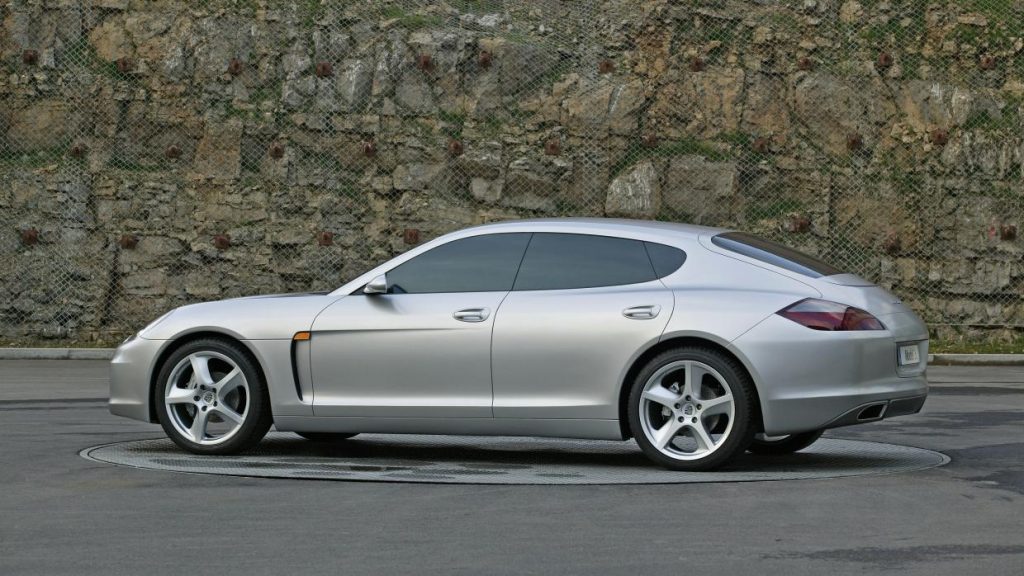
Further fueling the initial precariousness of this move, were the failures of previous saloon prototypes such as the 989. Adding to that even more, was the reveal of Panamera prototype – with its design eerily similar to its failed predecessor.

With parent company VW involved in the design process, the car was prioritized to be utilitarian in nature. This presented challenges in providing the Panamera with the sleek and sporty design that Porsche executives and customers alike would have likely preferred at the time.

However, the idea of the Panamera really took flight with both Porsche’s existing and future customer base. It provided an alternative to buyers who wanted something more sporty (and less soccer-mom-ish) than an SUV, but more useful than the 2-door sports car – the only other choices offered by Porsche at the time.

Porsche was really on the ball in ensuring that its option and trim list was diverse enough to encompass a broad spectrum of customers, which included performance-junkies, luxury/executive aficionados, and everything in between.

Porsche 2012 Sport TurismoPorsche 2012 Sport Turismo

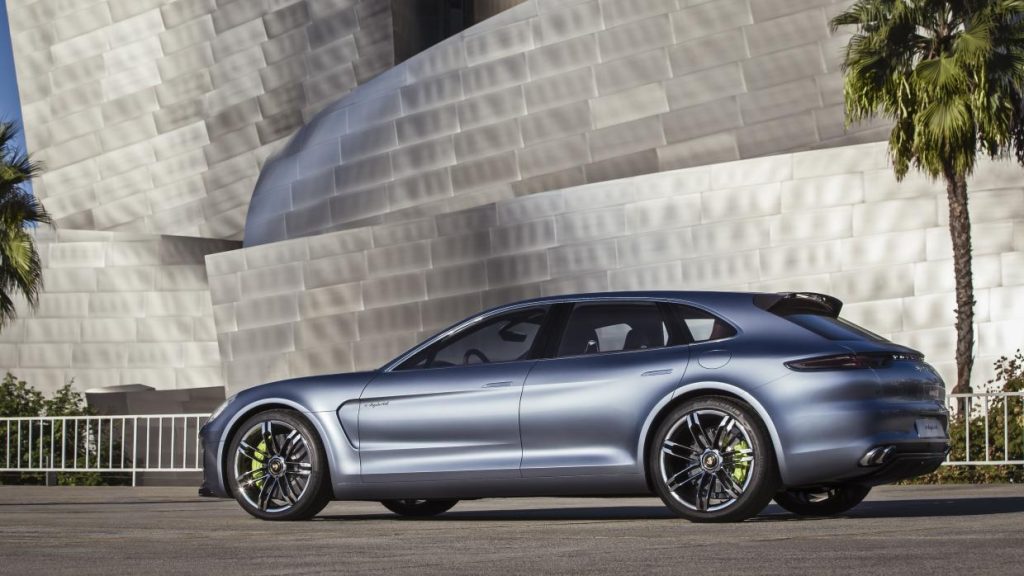
As times changed, the Panamera continued to evolve. The 2012 Sport Turismo provided the first major styling change, offering a wagon version of the car. 5 years later, the Turbo S e-Hybrid would boast the latest and greatest of Porsche hybrid technology, sharing many of its characteristics with the hybrid 918 Spyder halo car.

It will be very interesting to see how the Panamera’s journey continues – will its evolution be ongoing, or does the eventual release of other Porsche models like the Taycan, signal an abrupt change of course?

The Debut of the Lotus Type 130 Is Set for July 16

It Will Happen In London

Lotus has an all-new, all-electric hypercar called the Type 130. Little is known about the upcoming car. That will change on July 16. That’s when the company will unveil its new vehicle in London. The British company recently announced the date for the reveal and dropped a new video on its YouTube page. 

Lotus will offer only 130 examples of the car to the world. Those cars are expected to be delivered in 2020. The reason the company will make 130 is because that’s the number of Lotus “Types” have been produced in the car company’s 71-year history. 

Lotus had better have something impressive up its sleeve for the Type 130. The CEO already said the car will be “mind-blowing.” That’s not all the CEO has said about the car. He’s hinted at modular battery packs, and a whole lot more. Lotus seems to be extremely excited for the future of the electric hypercar, and its enthusiasm is rubbing off on us. The CEO said this a few weeks ago:

There are distinct benefits of electrification, certainly in terms of aerodynamics, and the center of gravity can be low. We need to understand the needs of the customer. If you’re driving for 20 minutes on track, do you need the full battery pack?

That would indicate the car will be as lightweight and genuinely track ready and fun as possible. We’re not sure what all the Type 130 has in store, but we know we’ll get to find out on July 16. Mark your calendar.

[embedded content]

The SF90 Stradale’s Tech Will Be Used In Other Ferrari Cars

Expect More Hybrid Ferraris

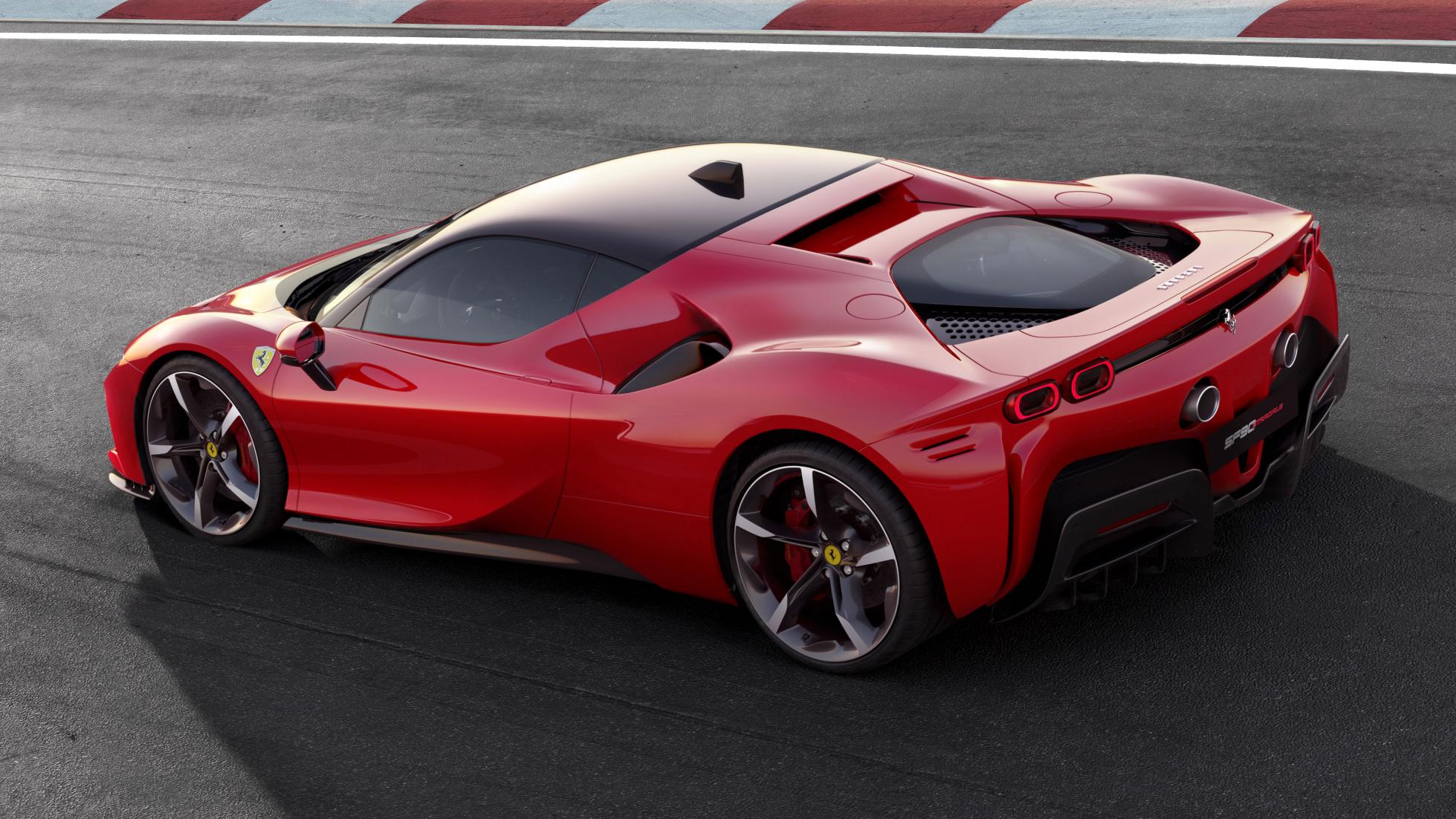
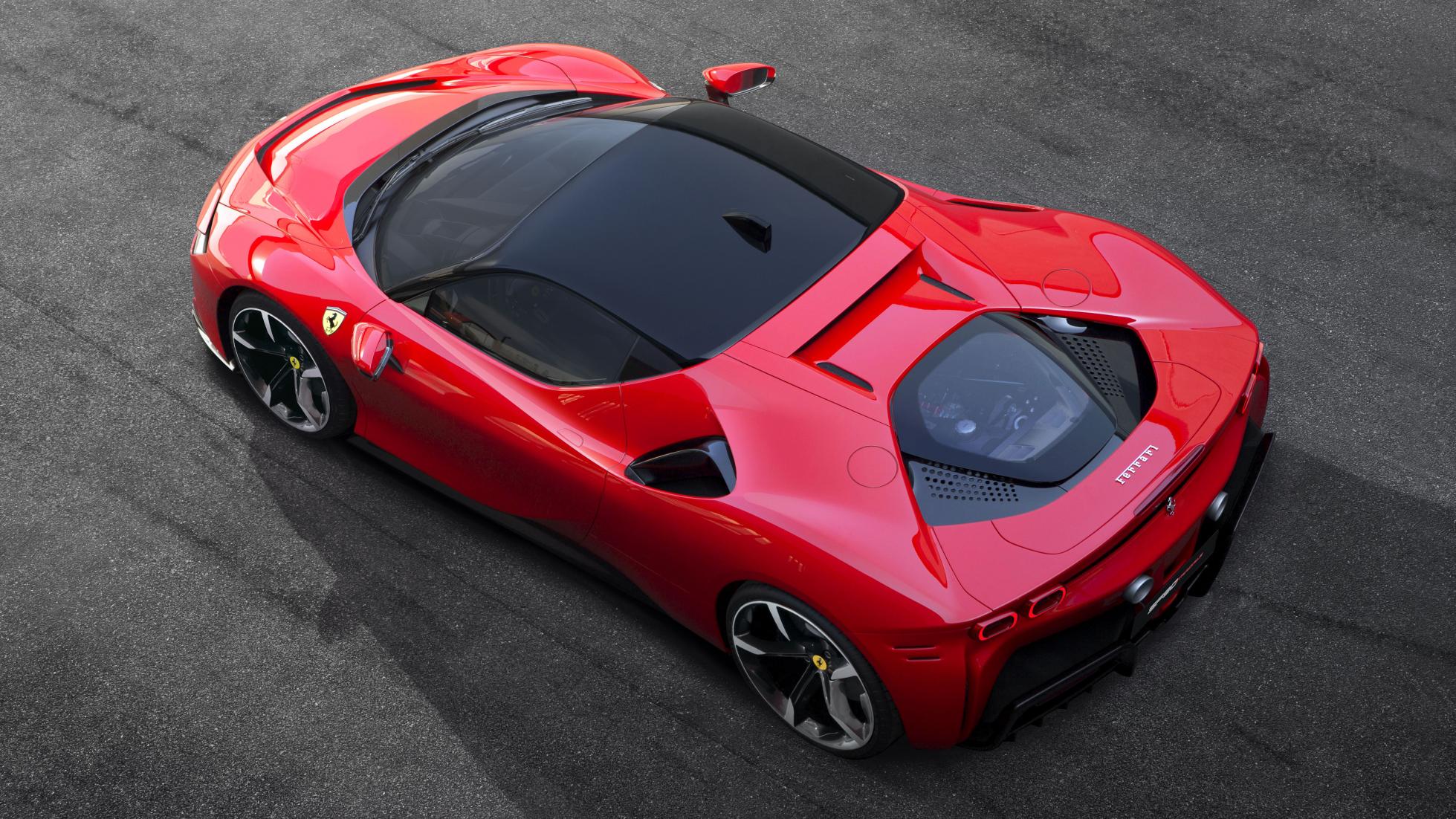
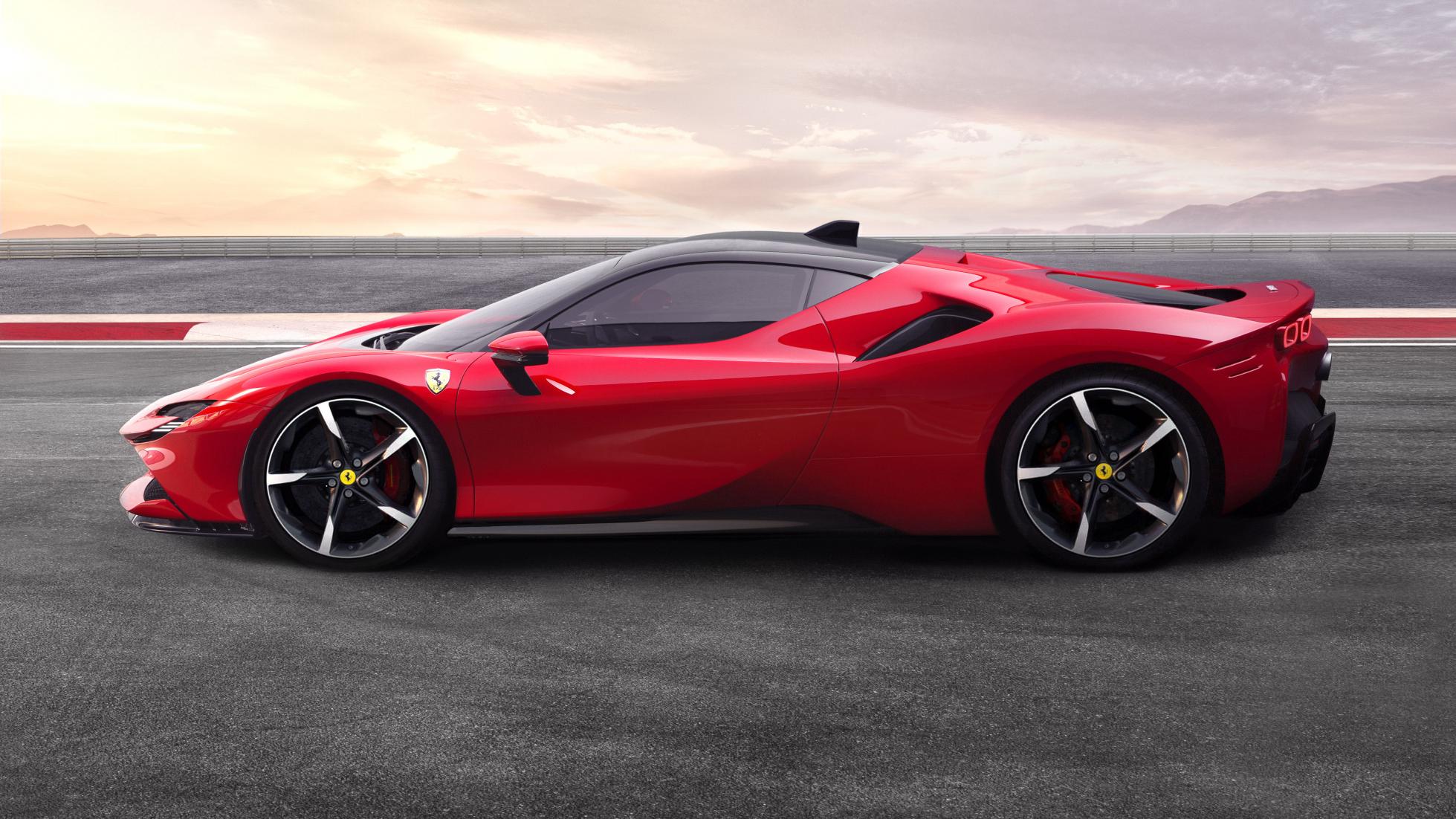
The new range-topping Ferrari is here. It’s the SF90 Stradale. The car is an electrified beastly machine. It pairs Ferrari’s most powerful turbocharged V8 with three electric motors for a total power output of 989 hp. The car filters power through a new dual-clutch transmission to all four wheels, a Ferrari first. We did a deeper dive into the powertrain yesterday to give you more of the details. 

While the powertrain of the car is extremely interesting, what’s even more interesting is that Ferrari Chief Technology Officer Michael Leiters said the technology would be used on other cars, too. In an interview with Auto Express, the Ferrari executive said, “There will be other [hybrid] models, but with specific powertrain characteristics.”

Ferrari SF90 StradaleFerrari SF90 Stradale

According to Auto Express, these models will be less-powerful and less-expensive models. While it’s somewhat surprising that Ferrari would offer similar systems on other cars, it makes sense. The research and development was likely a huge cost for the company, and this is a way of getting the most on out if its hard work. 

However, this also could lower the exclusivity of the SF90 Stradale. It will still be the top-level Prancing Horse model, but it won’t be the only one with the latest and greatest technology. Auto Express said the company has confirmed it’s working on a V6 engine for lower down in the lineup, we would assume that is the engine Ferrari would integrate into the hybrid setup. We’d love to see a rebirth of the Ferrari Dino as a hybrid model, but at this time, there’s no indication that will happen. 

The Complete Lexus Buying Guide: Every Model, Explained

Lexus is Toyota’s luxury car division based out of Nagoya, Japan. Toyota created the marque in 1989 to create a more exclusive brand for its premium cars in foreign markets. Lexus started out building the LS and ES sedans, but has since expanded to SUVs, coupes, convertibles, and even the occasional supercar. Lexus’ main rivals include German heavyweights Mercedes-Benz, Audi, and BMW, as well as its Japanese-market foes Infiniti and Acura and American rivals Cadillac and Lincoln.

Lexus is very much part of Toyota, with all that it entails. Lexus can be more conservative than its competitors, being slower to react to trends and less frequent with its model upgrades. On the other hand, Lexus’s styling can be eccentric and polarizing; the brand’s current penchant for oversized “spindle grilles” is a prime example.

Lexus durability, however is legendary; in one famous example, a 1996 LS 400 crossed the million-mile mark in February 2019. And the brand has cache: Hip-hop and country music lyrics frequently reference Lexus due to the cars’ status as a wealth signifier, the name’s alliterative value, and the handy fact that Lexus rhymes with Texas.

On the surface, Lexus employs a simple alphanumeric naming system: The first letter tells you the trim; the second gives you the body style; the three digit number following denotes the engine displacement (a 2.0-liter engine becomes “200,” 3.0 liters equals “300,” et cetera). In practice, it’s not so simple. Trim letters – I, E, G, L, U, R, N – have no real meaning, and don’t follow alphabetical order in terms of price or status. The three-digit number no longer tracks engine displacement directly. On some models the same number can be used with entirely different engines.

To alleviate the confusion, here’s a reference guide:

Lexus Terminology

F: “F” designates a car produced by Lexus’ high-performance division, the equivalent of AMG at Mercedes or M at BMW. The “F” comes from Fuji International Speedway, the track where Lexus develops those cars.
F Sport: “F Sport” cars are sportier trims of standard Lexus models. They include modest performance enhancements and interior/exterior styling upgrades. They do not receive an enhanced powertrain as true “F” cars do.
LF: This is the designation used for concept cars, such as the LF-1. LF stands for “Lexus Future.”
Spindle Grille: Lexus uses large, distinctive grilles on the front of vehicles extending to the bottom of the car. It’s a polarizing design feature. Some have likened the shape to the mouth of the villain from the Predator films.

Buying Guide

IS
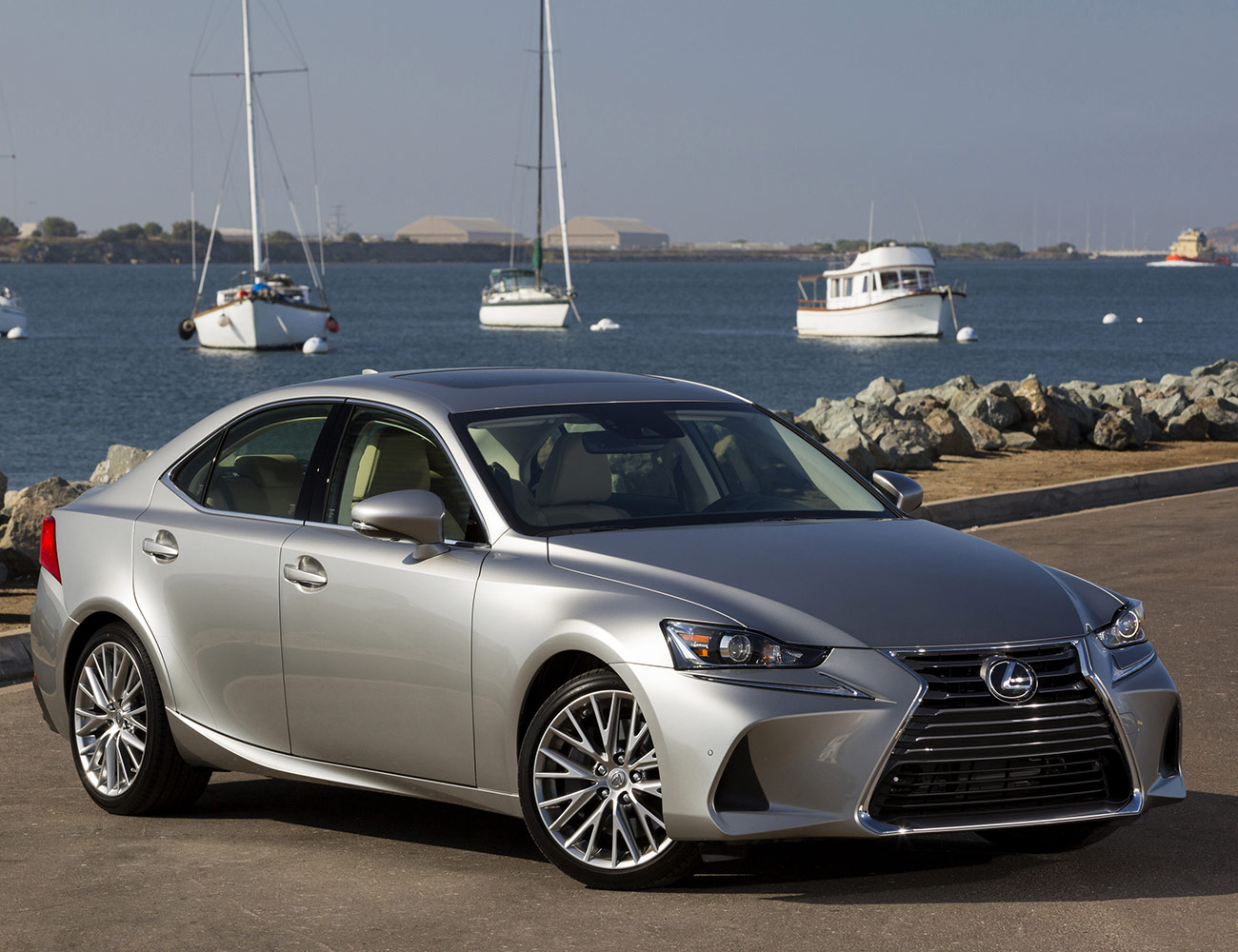
At Lexus, “IS” stands for “intelligent sport.” The IS is Lexus’ compact, entry-level sport sedan. The third-generation debuted for 2013. The 241-horsepower IS 300 uses a turbocharged 2.0-liter inline-four and an eight speed automatic. AWD is available for both the IS 300 (which makes 260 hp with AWD) and the 311-hp IS 350, both of which which use a 3.5-liter V-6 and a six-speed automatic. For the 2019 model year, Lexus is offering a limited run “F Sport Black Line Special Edition” of the IS 300.

Body Style: Sedan

Models:

• IS 300 RWD/AWD
• IS 300 F Sport RWD/AWD
• IS 300 F Sport Black Line Special Edition RWD/AWD
• IS 350
• IS 350 F Sport

Engines:

• Turbocharged 2.4-liter inline four-cylinder
• 3.5-liter V-6

Base MSRP: $38,410

Read our review of the Lexus IS here.

ES
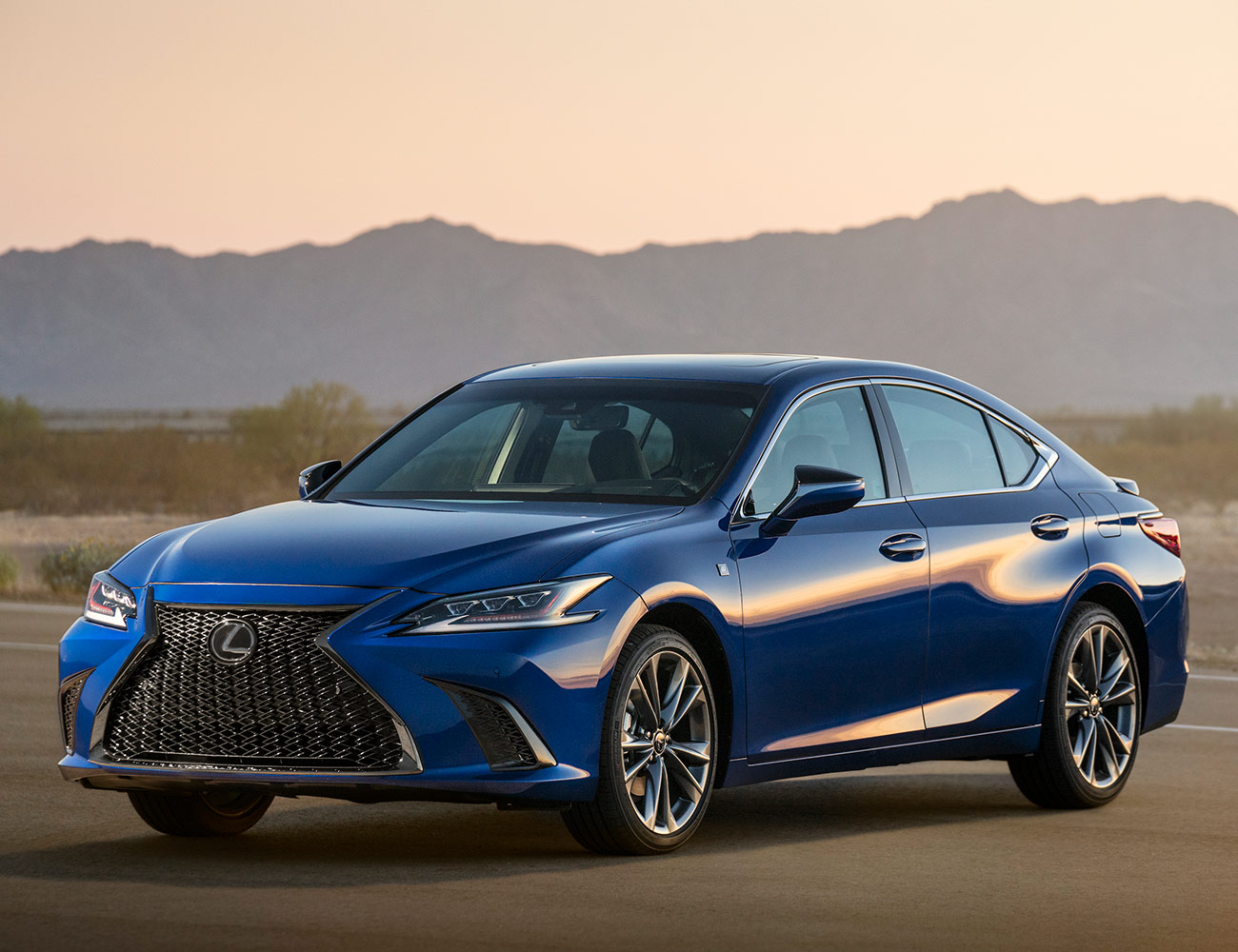
The ES is the cheaper and more comfortable of Lexus’ two midsize luxury sedans. Known for its reliability and value, it is Lexus’s best-selling non-SUV model in the United States. The seventh generation of the ES debuted for the 2019 model year. The 311-hp ES 350 uses a 3.5-liter V6 with an eight-speed automatic. The 215-hp ES 300h employs a 2.5-liter hybrid system with a CVT, and boasts an EPA-estimated fuel economy figure of 44 mpg combined. All versions are front-wheel-drive.

Body Style: Sedan

Models:

• ES 350
• ES 350 F Sport
• ES 350 Luxury
• ES 350 Ultra Luxury
• ES 300h
• ES 300h Luxury
• ES 300h Ultra Luxury

Engines:

• 3.5-liter V-6
• 2.0-liter inline four-cylinder with electric motor assist

Base MSRP: $39,600

Read our review of the Lexus ES here.

GS
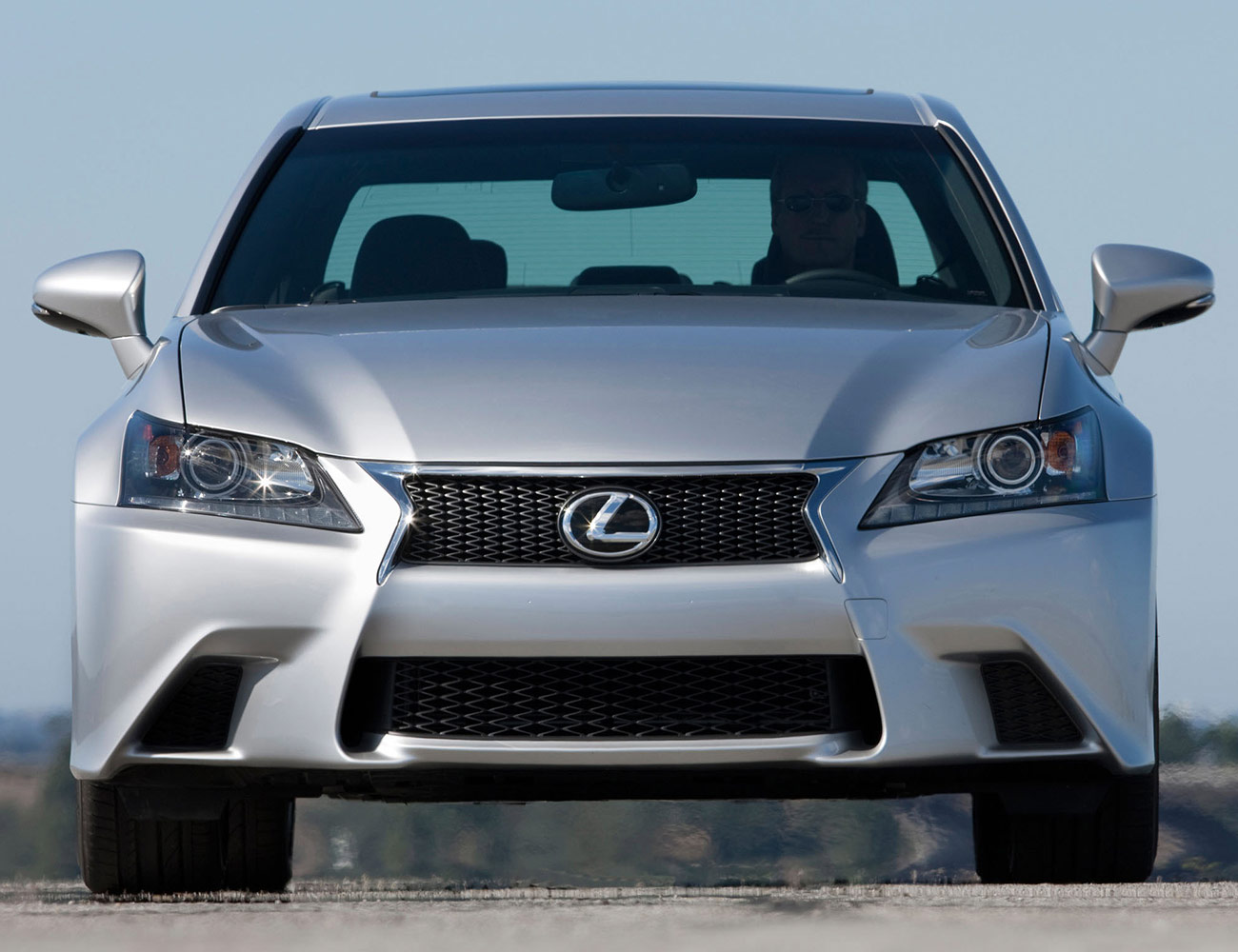
The GS is Lexus’s sportier, more expensive midsize luxury sedan. The 248-hp GS 300 comes in rear-wheel-drive, with a 2.0-liter inline-four. The 311 hp GS 350 comes in either RWD or all-wheel-drive, with a 3.5-liter V6. RWD vehicles have an eight-speed automatic, while AWD cars use a six-speed automatic.

Lexus also offers a range-topping GS F that starts at $84,450. The high-performance sedan has a 5.0-liter V8 producing 469 hp and 389 pound-feet of torque. It accelerates from 0-60mph in 4.5 seconds. A limited 10th Anniversary edition of the GS F with “Matte Nebula Gray” paint, blue brake calipers, and other premium finishes is available.

Body Style: Sedan

Models:

• GS 300 RWD
• GS 300 F Sport RWD
• GS 350 RWD/AWD
• GS 350 F Sport RWD/AWD
• GS F

Engines:

• 2.0-liter turbocharged inline-four
• 3.5-liter V6

Base MSRP: $46,710

LS
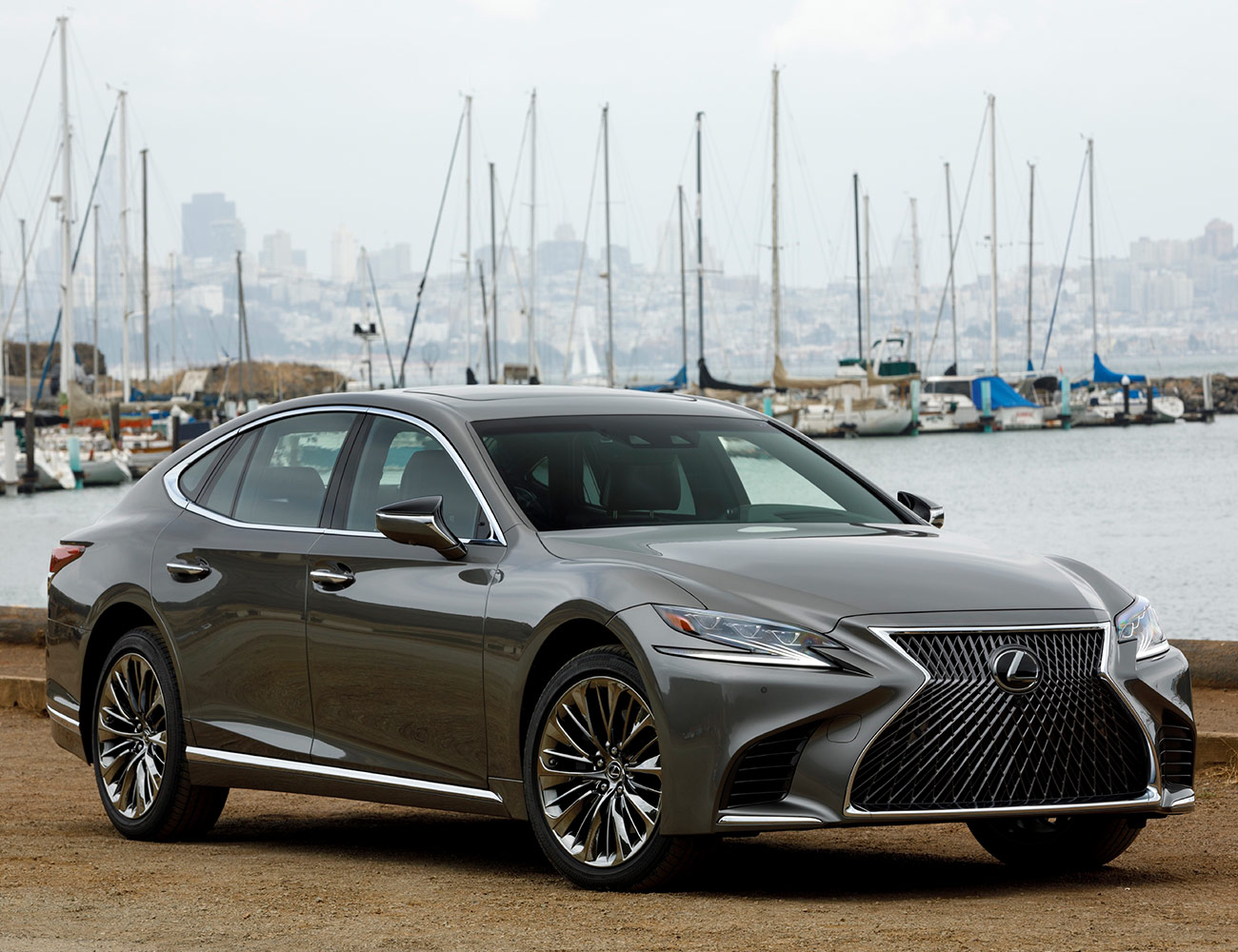
The LS is Lexus’s full-sized flagship luxury sedan. It was the first Lexus-branded model that emerged from the carmaker in 1989. The purely internal-combustion LS 500 uses a 416-hp twin-turbo 3.5-liter V6 and a 10-speed automatic, and accelerates from 0-60 mph in 4.6 seconds. The 354-hp LS 500h uses a hybrid version of the 3.5-liter V-6; it loses half a second on the 0-60 mph time versus the LS 500, but gets an additional five mpg combined. Both versions can be had with RWD or AWD.

Body Style: Sedan

Models:

• LS 500 RWD/AWD
• LS 500 F Sport RWD/AWD
• LS 500h RWD/AWD

Engines:

• 3.5-liter twin-turbocharged V-6
• 3.5-liter V-6 with electric motor assist

Base MSRP: $75,300

Read our review of the Lexus LS here.

UX
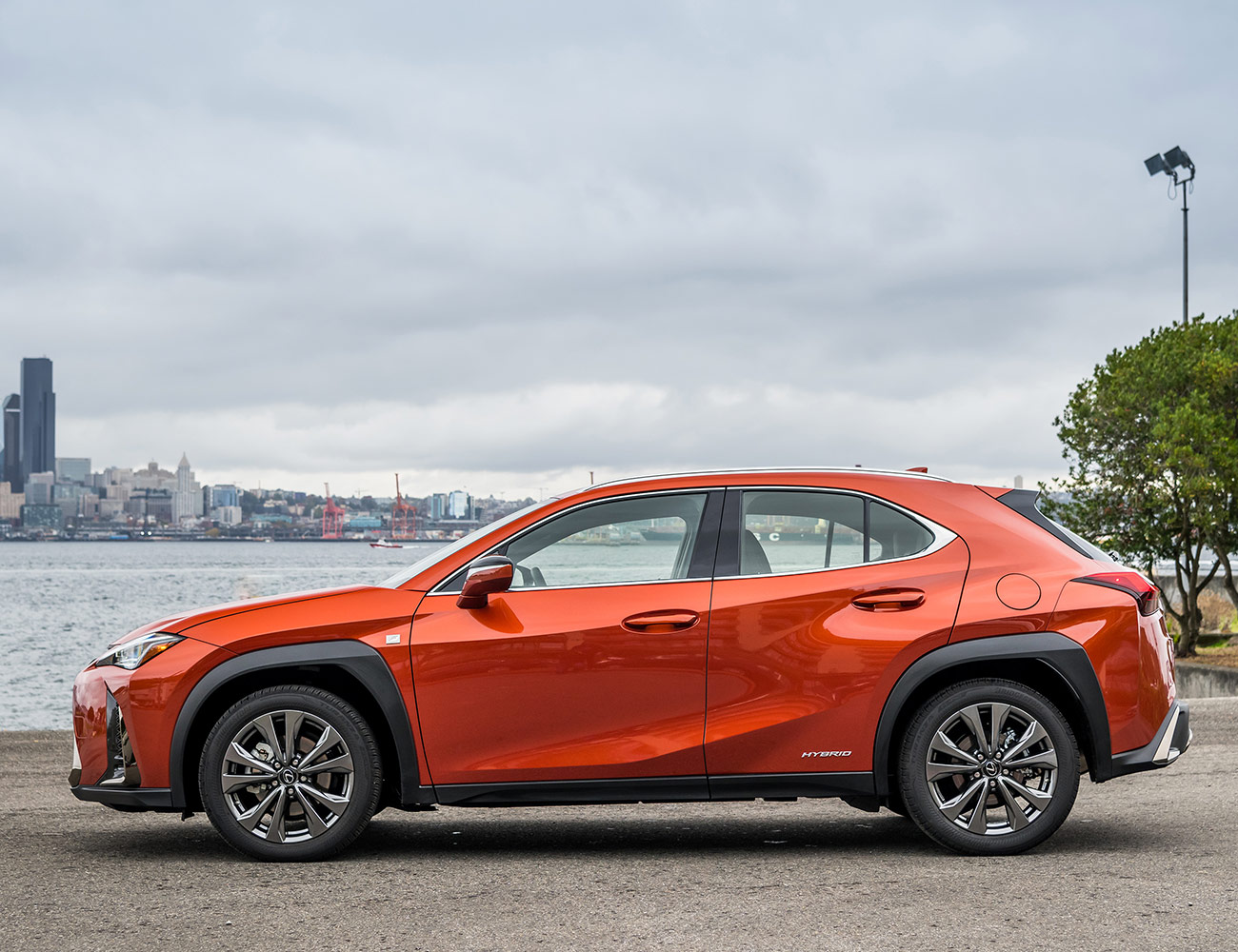
The UX, or “Urban Explorer,” is Lexus’s subcompact luxury crossover. It is new for the 2019 model year; with a starting price of $32,000, it is Lexus’s least expensive vehicle. The 169-hp UX 200 and 181-hp UX 250h hybrid use versions of the 2.0-liter inline four. The crossovers earn 33 mpg and 39 mpg combined, respectively. Both versions use a continuously-variable transmission. The UX 200 comes in front-wheel-drive, while the UX 200h has AWD.

Body Style: Crossover SUV

Models:

• UX 200
• UX 200 F Sport
• UX 200 Luxury
• UX 250h
• UX 250h F Sport
• UX 250h Luxury

Engines:

• 2.0-liter inline four
• 2.0-liter inline four with electric motor assist

Base MSRP: $32,000

NX
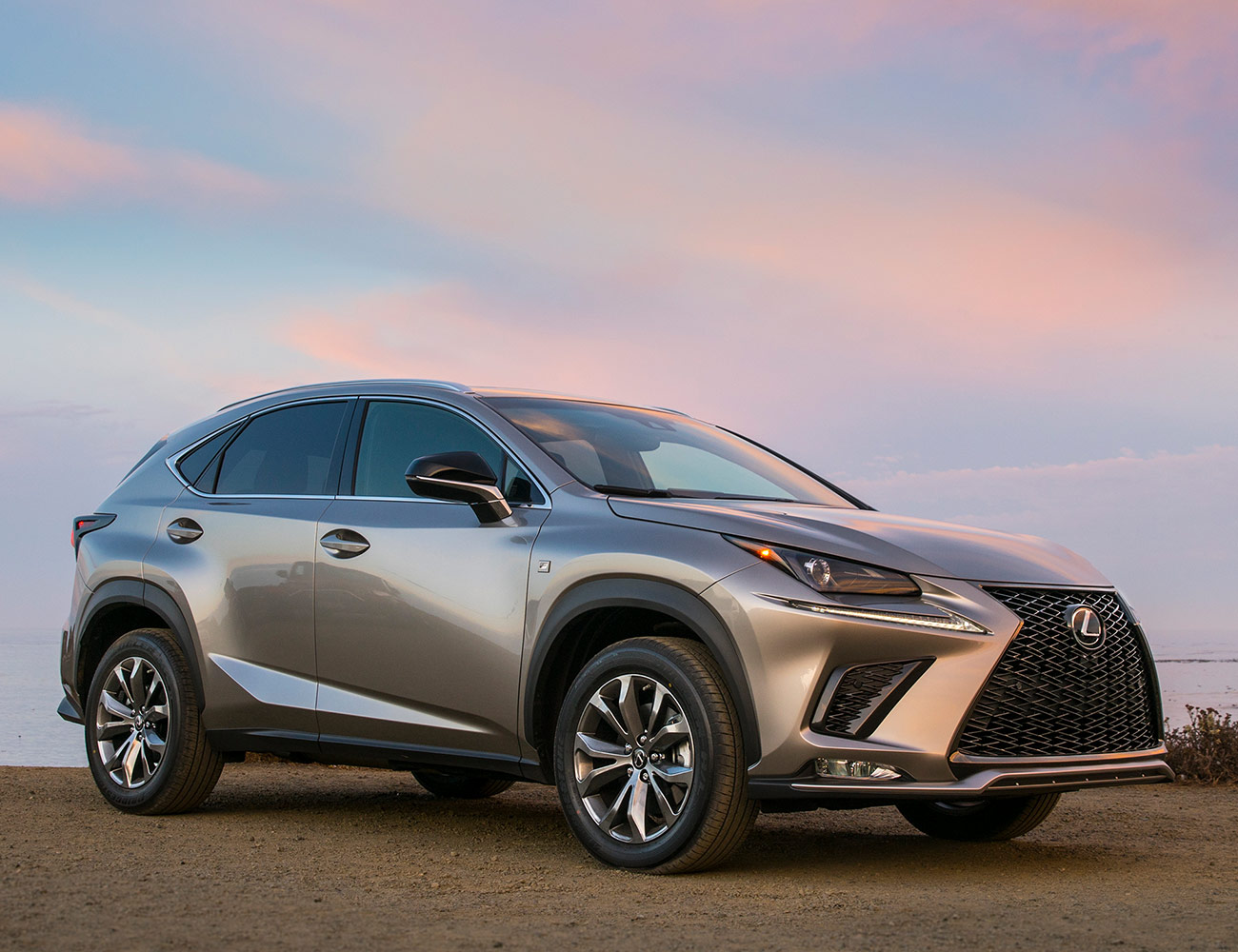
The Lexus NX is a compact SUV that shares some DNA with Toyota’s best-selling RAV4 crossover. The 235-hp NX 300 comes with a 2.0-liter turbocharged inline-four, a six-speed automatic, and either FWD or AWD. The 195-hp NX 300h hybrid uses a 2.5-liter inline-four; it gets an additional six mpg combined versus the non-hybrid version, and is only fitted with AWD.

Body Style: Crossover SUV

Models:

• NX 300 FWD/AWD
• NX 300 F Sport FWD/AWD
• NX 300h

Engines:

• 2.0-liter turbocharged inline-four
• 2.5-liter inline-four with electric motor assist

Base MSRP: $36,485

RX
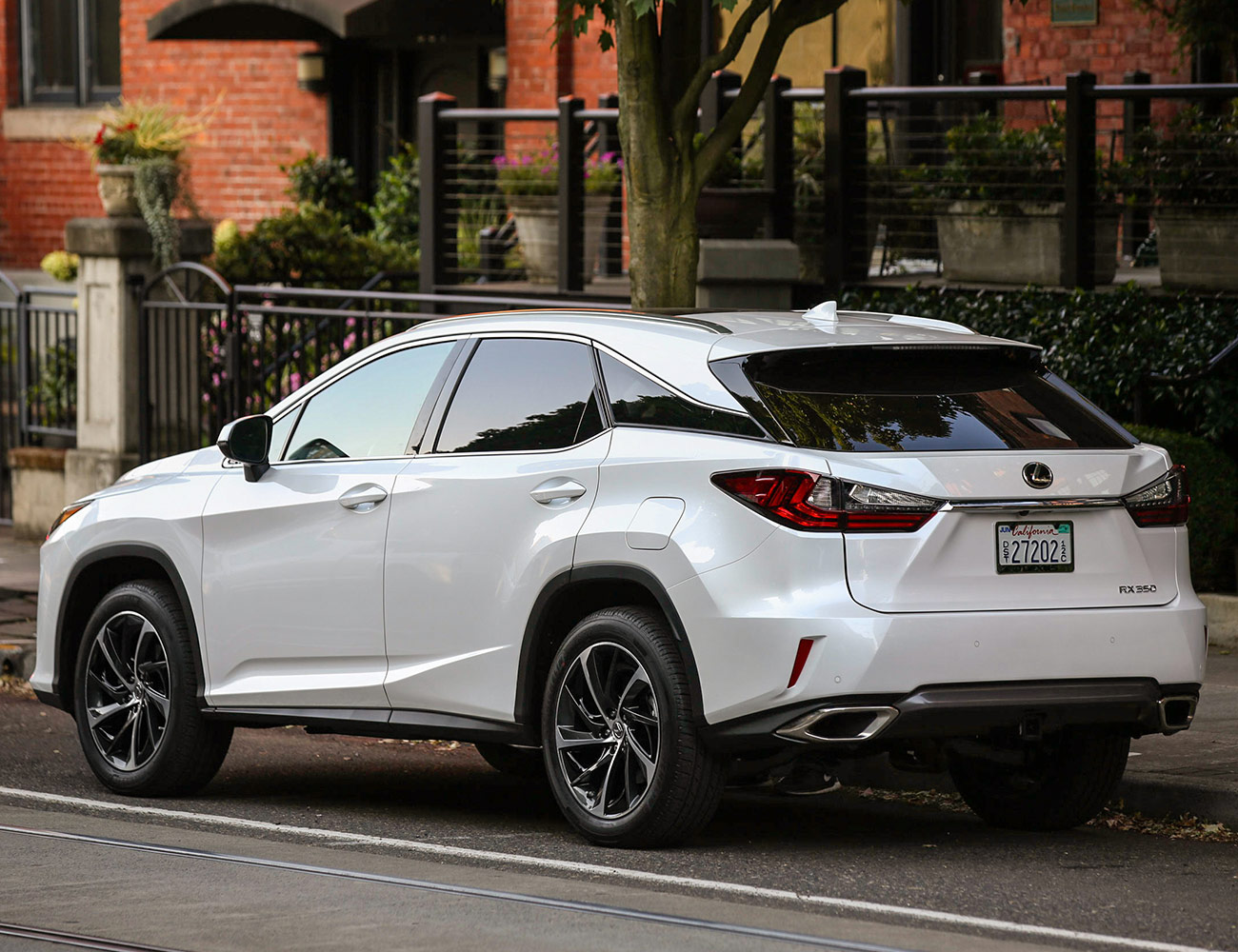
The Lexus RX is a midsize crossover SUV. It is the brand’s best-selling vehicle in the US by a considerable margin. The 295-hp RX 350 has a 3.5-liter V-6, an eight-speed automatic, and either FWD or AWD. The 308-hp RX 450h is a bybrid that uses a a 3.5-liter V-6, an electric motor, and a CVT, and earns 30 mpg combined. Both the RX 350 and RX 450h offer an “L” version that adds 4.3 inches to the body length and allows for third-row seating, enabling it to carry up to seven passengers.

Body Style: Crossover SUV

Models:

• RX 350 FWD/AWD
• RX 350 F Sport FWD/AWD
• RX 350 L FWD/AWD
• RX 450h
• RX 450h F Sport
• RX 450hL

Engines:

• 3.5-liter V-6
• 3.5-liter V-6 with electric motor assist

Base MSRP: $43,670

GX
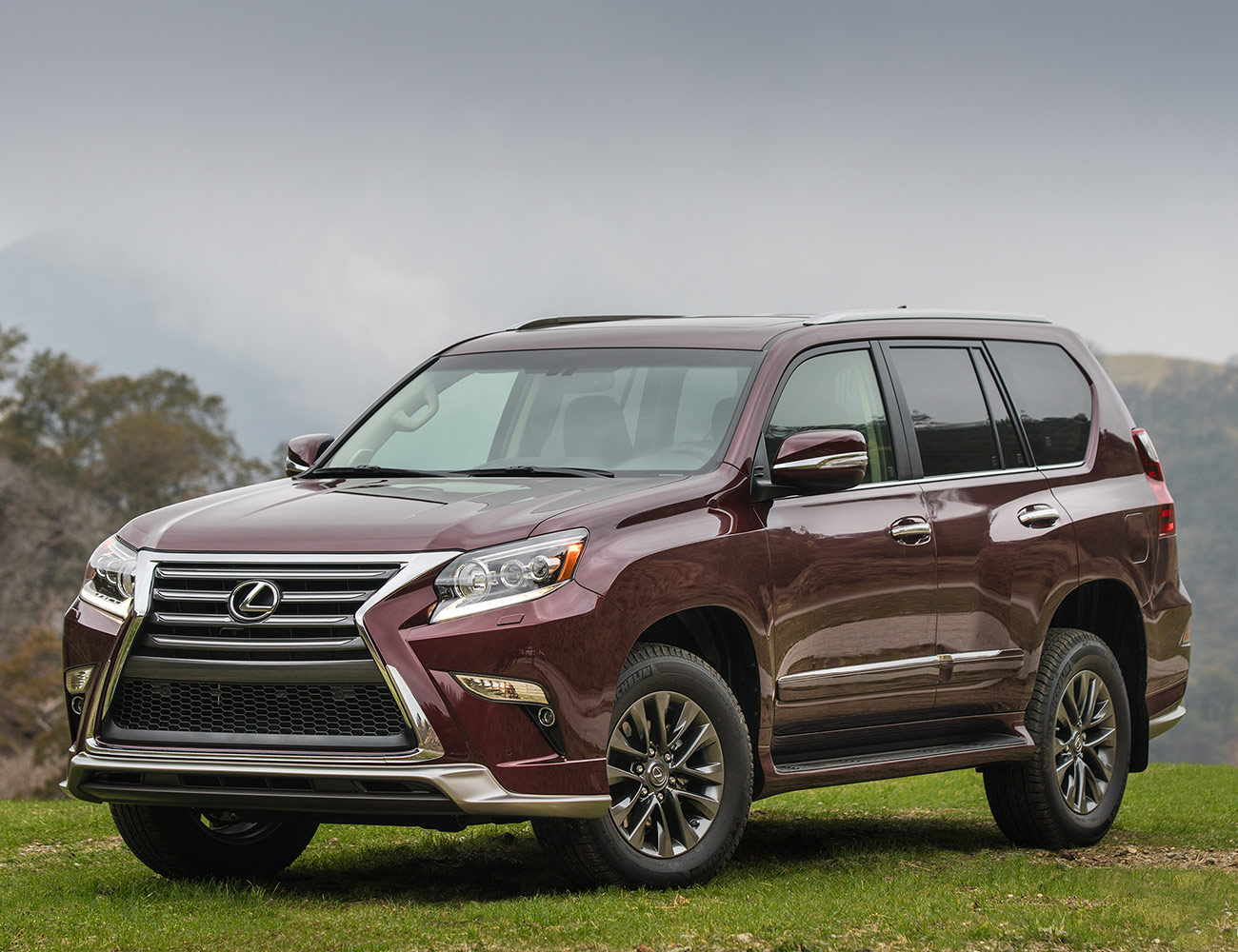
The Lexus GX debuted during the 2010 model year. It’s a traditional midsize SUV with body-on-frame construction, full-time four-wheel-drive and third-row seating. It comes in one version: the GX 460, which uses a 4.6-liter V-8 producing 301 hp and 329 lb-ft. Fun fact: Lexus marketing once tried to coin the verb “GXing,” meaning “effortlessly navigating the urban landscape,” for the car. It didn’t take.

Body Style: SUV

Models:

• GX 460
• GX 460 Premium
• GX 460 Luxury

Engines:

• 4.6-liter V8

Base MSRP: $52,355

LX
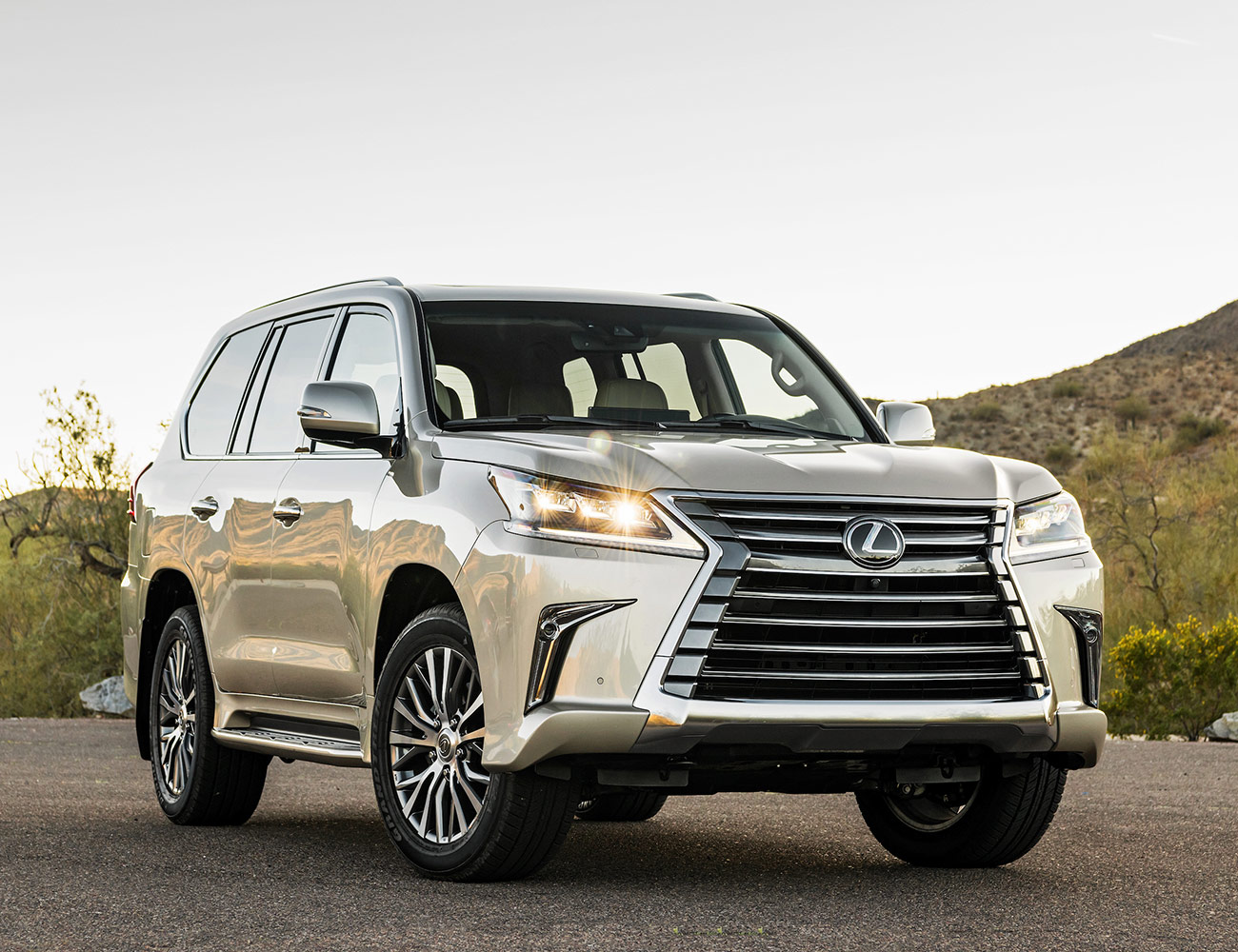
The LX is Lexus’s venerable range-topping full-size luxury SUV. It has changed very little since being introduced for the 2008 model year. Calling the LX a rebadged Toyota Land Cruiser isn’t too far off the mark. The LX 570 has a 5.7-liter V-8 making 383 hp and 403 lb-ft, and an eight-speed automatic. Like the GX, the LX is body-on-frame with full-time 4WD. Third-row seating is optional.

Body Style: SUV

Models:

• LX 570

Engines:

• 5.7-liter V-8

Base MSRP: $86,080

Read our review of the Lexus LX here.

RC
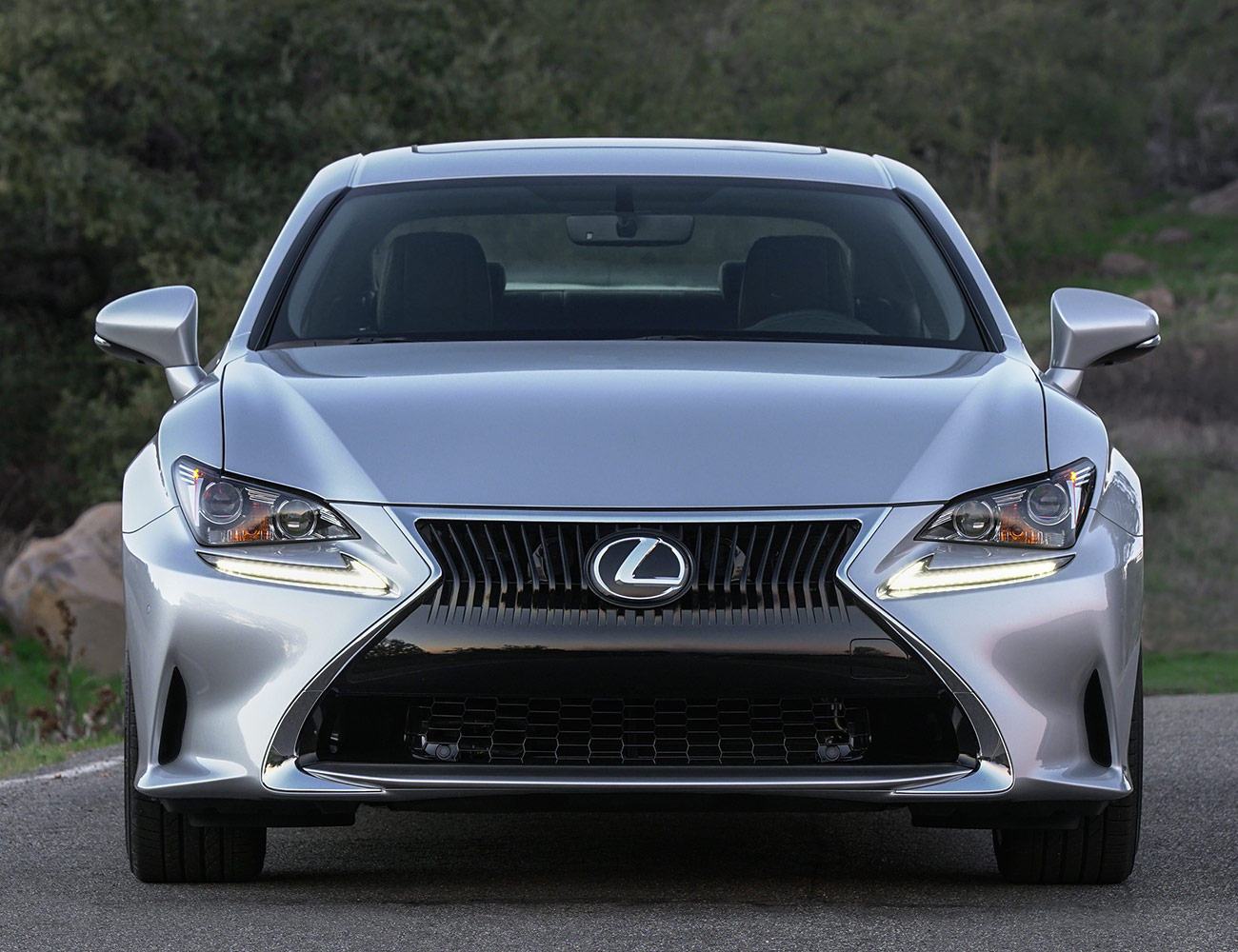
The Lexus RC is a two-door coupe that debuted for the 2015 model year. The basic 241-hp RC 300 RWD uses a 2.0-liter inline four turbo. The 260-hp RC 300 AWD and 311-hp RC 350 RWD/AWD use the brand’s 3.5-liter V-6. RWD cars use an eight-speed automatic, while AWD cars have a six-speed.

The $64,750 RC F is the performance model of the RC. It has a 5.0-liter V-8 producing 472 hp and 396 lb-ft of torque and an eight-speed automatic. Lexus also unveiled the $96,650 RC F Track Edition at the Detroit Auto Show in 2019. It’s not a no-frills track car, but it is lighter, has a big wing, and speeds from 0-60 mph in 3.96 seconds, according to Lexus.

Body Style: Coupe

Models:

• RC 300 RWD/AWD
• RC 300 F Sport RWD/AWD
• RC 350 RWD/AWD
• RC 350 F Sport RWD/AWD
• RC F

Engines:

• 2.0-liter turbocharged inline-four
• 3.5-liter V-6
• 5.0-liter V-8

Base MSRP:$41,145

Read our review of the Lexus RC here.

LC
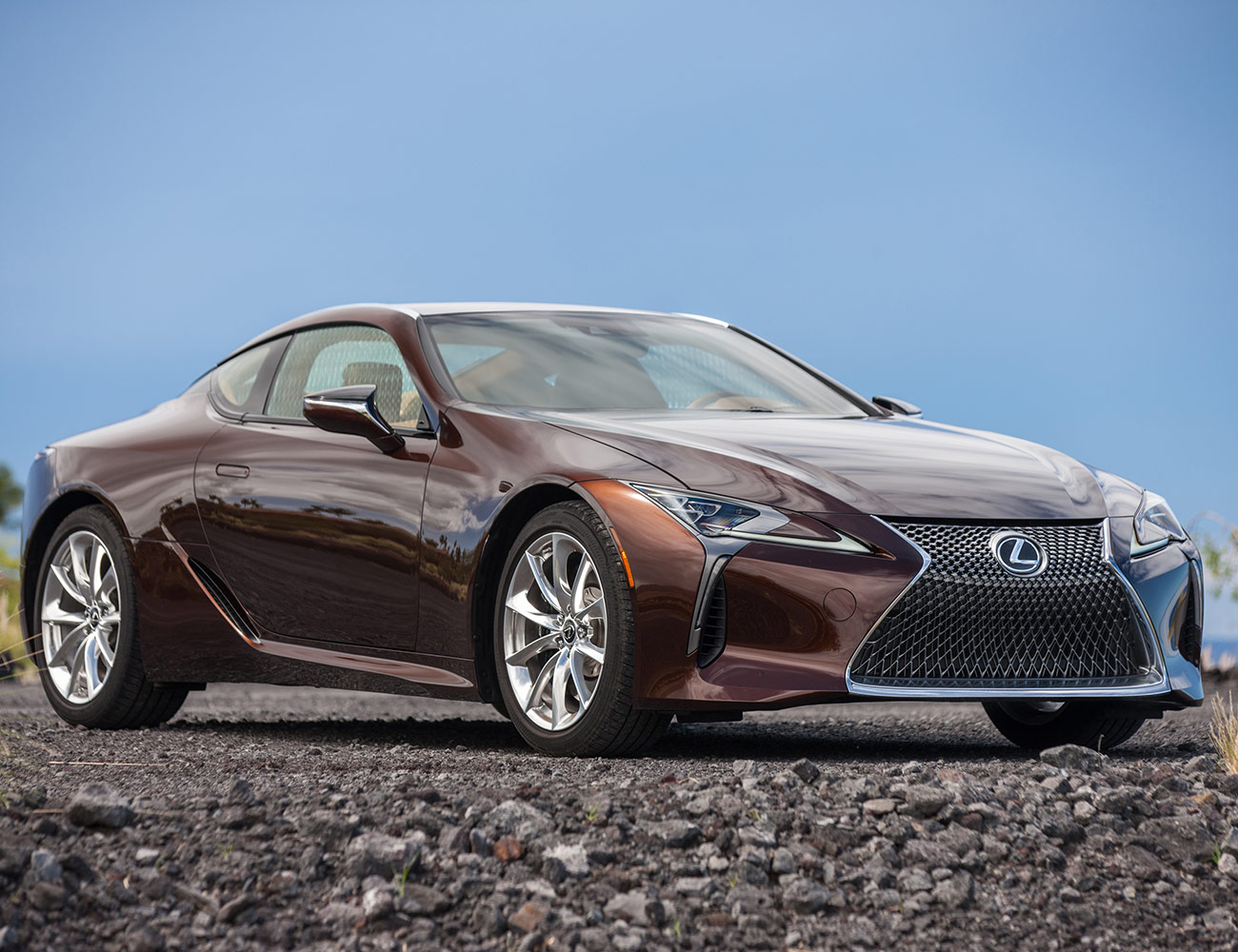
The LC is Lexus’s premium two-door grand tourer. The  LC 500 uses a 5.0-liter V8 making 471 hp and 398 lb-ft and a 10-speed automatic. The 354-hp LC 500h hybrid has a 3.5-liter V-6, an electric motor, and a CVT. The hybrid is only 0.3 seconds slower from 0-60 mph, at 4.7sec — and, at 30 mpg combined, is 11 mpg more efficient than the regular LC 500.

Body Style: Coupe

Models:

• LC 500
• LC 500h

Engines:

• 5.0-liter V-8
• 3.5-liter V-6 with electric motor assist

Base MSRP: $92,300

Read our review of the Lexus LC here.

Watch Pagani Test the New Huayra Dragon Hypercar on an Italian Racetrack

The Dragon Looks Ferocious

Pagani has a new Huayra in the works that is being called the Dragon. It’s a limited edition of the mid-engine hypercar that should put the Huayra BC in the rearview. The new car was recently spotted by the YouTuber 19Bozzy92 testing at a racetrack in Italy.

The car is in full camo, but you can see a lot of what’s there. You can also hear the engine’s roar. The engine in question is the AMG-sourced biturbo V12. Pagani will stick with that choice, according to Carscoops. The publication also reports that the engine’s power will go to the rear wheels and the transmission will be a seven-speed, single clutch unit with paddles. 

In the Huayra BC, the engine produces 745 hp and 811 lb-ft. If the Dragon will sit above the BC in the Pagani foodchain, then you can bet the company figured out how to squeeze more power out of that engine.

As you can see in the video below, the car looks like an absolute beast. The active aero flips up and down as the car does its thing on the track and the driver makes sure to use all of the tarmac the circuit offers. We’re pretty excited for what this car’s official specs will be, and are looking forward to seeing it without the camo. 

[embedded content]

The Powertrain of the SF90 Stradale Is Ferrari’s Most Advanced Ever

It’s More Than Your Typical Hybrid System

Yesterday we reported on the new Ferrari SF90 Stradale. It is a breathtaking machine to look at, and the power numbers are absolutely fantastic. With that said, there was so much to dig into with the new Ferrari, that we didn’t get to give you every detail about the company’s fancy new powertrain, and oh, is it special. 

As we said yesterday, the new SF90 Stradale offers a 3.9-liter turbocharged V8 engine for motivation. That engine is connected to three electric motors and has a combined power output of 989 hp. But that’s just glossing over what is truly an innovative powertrain. 

The internal combustion engine alone produces 769 hp. The engine is new, though it’s roughly the same size and configuration as the mill found in the 488 GTB. Ferrari chose to increase the displacement from 3,902 cc to 3,990. That’s a small bump, but worth noting. The engine also gets a new fuel delivery system and some other new components to make it the most powerful and most advanced engine Ferrari has ever produced. 

Let There Be Electric Power

Ferrari SF90 StradaleFerrari SF90 Stradale

Now on to the electrics. This is a plug-in hybrid car. That means there are electric motors and a battery. The motors are uniquely positioned. Two at the front and one between the engine and gearbox. The two at the front allow for some advanced torque vectoring—similar, in a sense, to what Acura did with the NSX—and provide an additional 84 hp. The biggest of the three motors is the one in the middle of the car, and it puts out an additional 148 hp. 

As far as battery goes, Ferrari fitted a 7.9 kWh battery pack to the car. This gives the motors the juice they need to do their thing and it also allows for up to 15 miles of electric-only range—not exactly Tesla numbers, but then this car is no Tesla. 

8 Speeds and All Four Wheels

Ferrari SF90 StradaleFerrari SF90 Stradale

Prepare yourself for the first all-wheel-drive Ferrari. The SF90 Stradale is the first Prancing Horse to filter power to all four wheels. Power is managed by a new 8-speed dual-clutch transmission. It shifts 30 percent faster and is smaller in overall physical size, reducing weight. 

The all-wheel-drive system can be set up to work in numerous ways. How the V8 engine and electric motors interact all depends on which of the four drive modes you select. eDrive is the electric-only mode, Hybrid mode is what the car starts in and is a little bit of everything (think normal drive mode in regular cars), Performance keeps the power high and the batteries topped up for spirited driving, and Qualify mode is full power and all-out crazy performance. 

Speaking of performance, the SF90 Stradale is a true beast of a machine. Zero to 60 mph comes in 2.5 seconds, and the car can rage to 124 mph in 6.7 seconds on its way to a top speed of more than 211 mph. This Prancing Horse can really run. 

The Best New Car Features for the Perfect Road Trip

The chill of winter and the dreary days of spring have finally passed; summer is upon us, and with it, road trip season. Millions of people will take to the highway as the warm weather beckons, criss-crossing the nation for work and play alike. Which, of course, means spending a lot of time in the car.

But while pretty much any running automobile can pull off a road trip, some certainly make it more enjoyable than others. The right features can turn a boring drive into a relaxing one, or a stressful journey into something a little more tolerable. And figuring out which of those you need is harder than it used to be. Once upon a time, an air conditioner or radio would have been considered all it took to make a ride ideal for long journeys; as time has gone on, however, automakers have begun sticking more and more gizmos and gadgets into new vehicles. The sheer volume of different options you can add on today’s new cars and trucks is enough to knock one flat with a migraine.

So to help you figure out what might help make your next long drive feel shorter, we at Gear Patrol have pulled together a list of some of the features that make road trips a little better, along with the best examples of them found in today’s automotive marketplace.

Massaging Seats

The Best: Mercedes-Benz S-Class

A few hours in the saddle will leave anyone’s tush feeling worse for wear, no matter how comfy the seat beneath said tuchus is. But a little massage can go a long way to revitalize one’s body and spirit. No automobile’s built-in seat massagers can come close to the human touch (or even the capabilities of a dedicated massage chair), but the active multicontour front seats in the Mercedes-Benz S-Class come close, offering six different programs — including more than one that replicates a hot stone massage.

In-Car Vacuum

The Best: Chrysler Pacifica

Whether it’s due to dirt tracked in from hikes or food crumbs scattered haphazardly from high-speed snacking, any car’s interior is liable to wind up gross over the course of a road trip. Sure, you could clean it up at a sketchy truck stop…but wouldn’t it be way nicer to suck those crumblies up anywhere, anytime? With its 11-foot hose, the Chrysler Pacifica‘s built-in Rigid-sourced Stow ‘N Vac vacuum lets you slurp up a mess anywhere in the cabin without worrying about finding a gas station. (Just remember to empty the receptacle once in a while.)

High-End Stereo

The Best: Bentley Continental GT

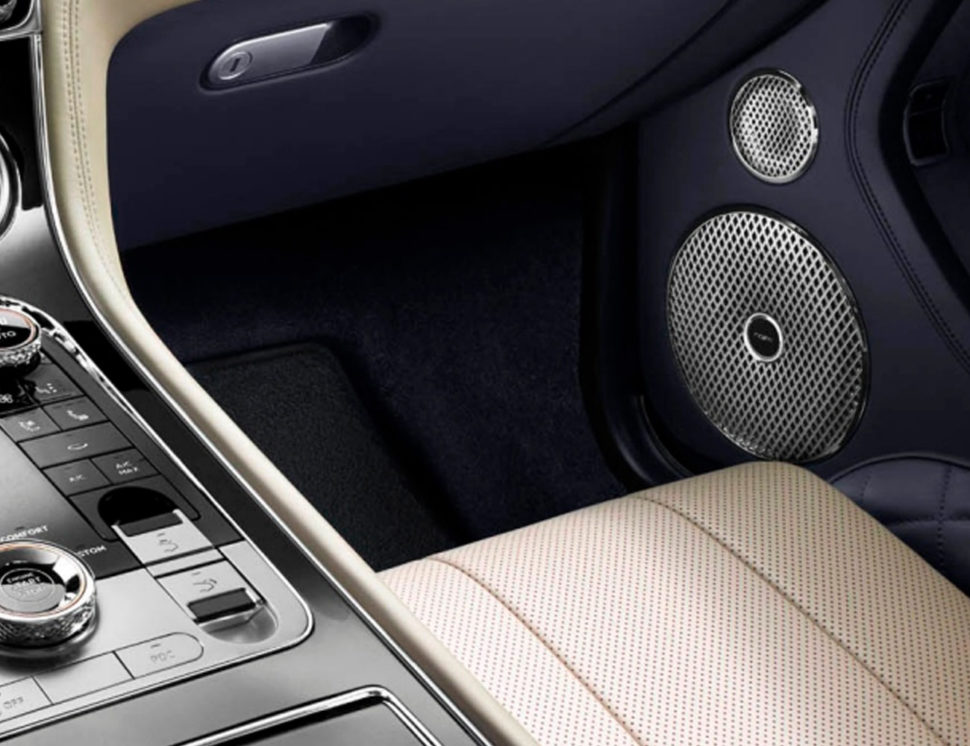
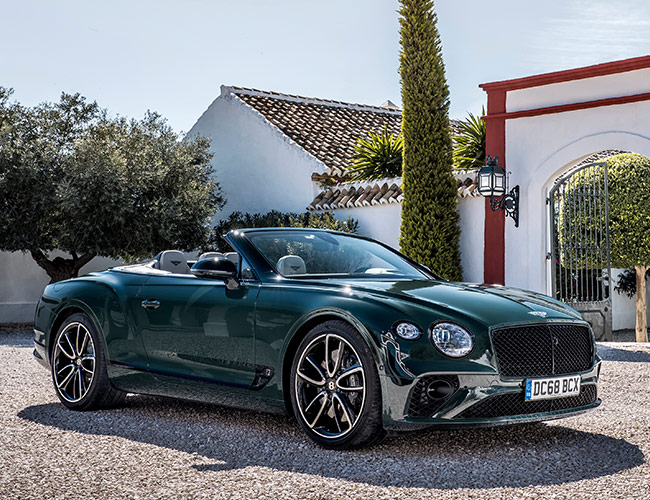
Blasting great tunes is a crucial aspect of any road trip, so having a stereo that can cut through wind noise and deliver crystal-clear music is an easy way to boost the pleasure of a long drive. High-end stereos are prevalent in options lists across the automotive world, but if money’s no object, there’s none better than the Naim Audio unit found in the Bentley Continental GT. With 2,200 watts of power feeding 18 speakers, it can transform the Conti’s cabin into a de facto concert hall at the push of a button.

Advanced Driver Assistance System

Best Example: Cadillac SuperCruise

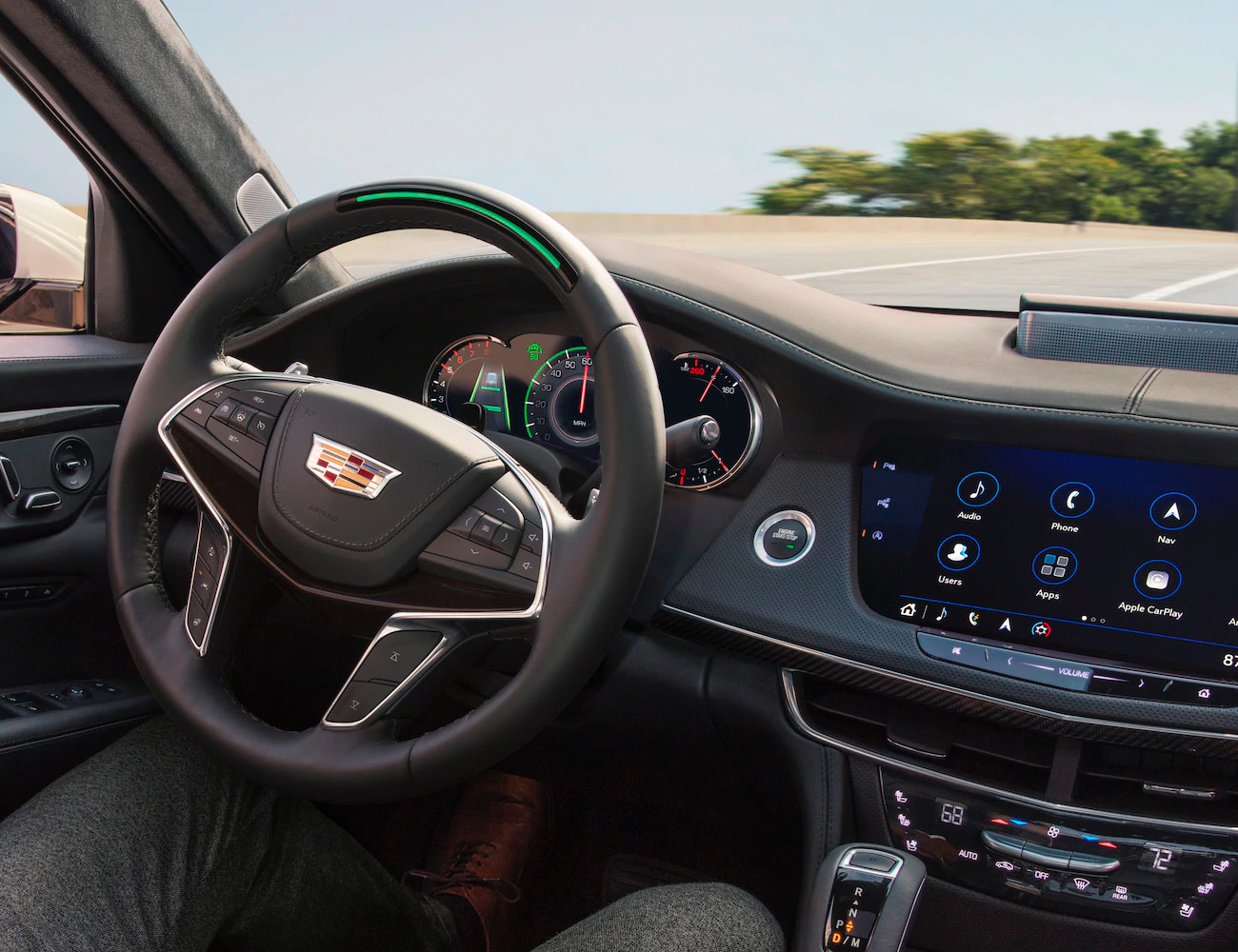
Even the most die-hard driver sometimes just wants to sit back and let the car take over a little more of the work. Self-driving cars may be years away, but these days, adaptive cruise control systems that can detect vehicles ahead and automatically slow to match their speeds can be found in $20,000 economy cars; more advanced driver assistance systems can also help keep the car centered in its lane if the driver’s attention starts to wander. But none can match Cadillac’s SuperCruise, which combines hyper-accurate road maps, radar and gaze-monitoring cameras that make sure the driver is watching the road to allow true hands-free driving on limited-access highways across America.

Convertible Top

The Best: Mazda MX-5 Miata

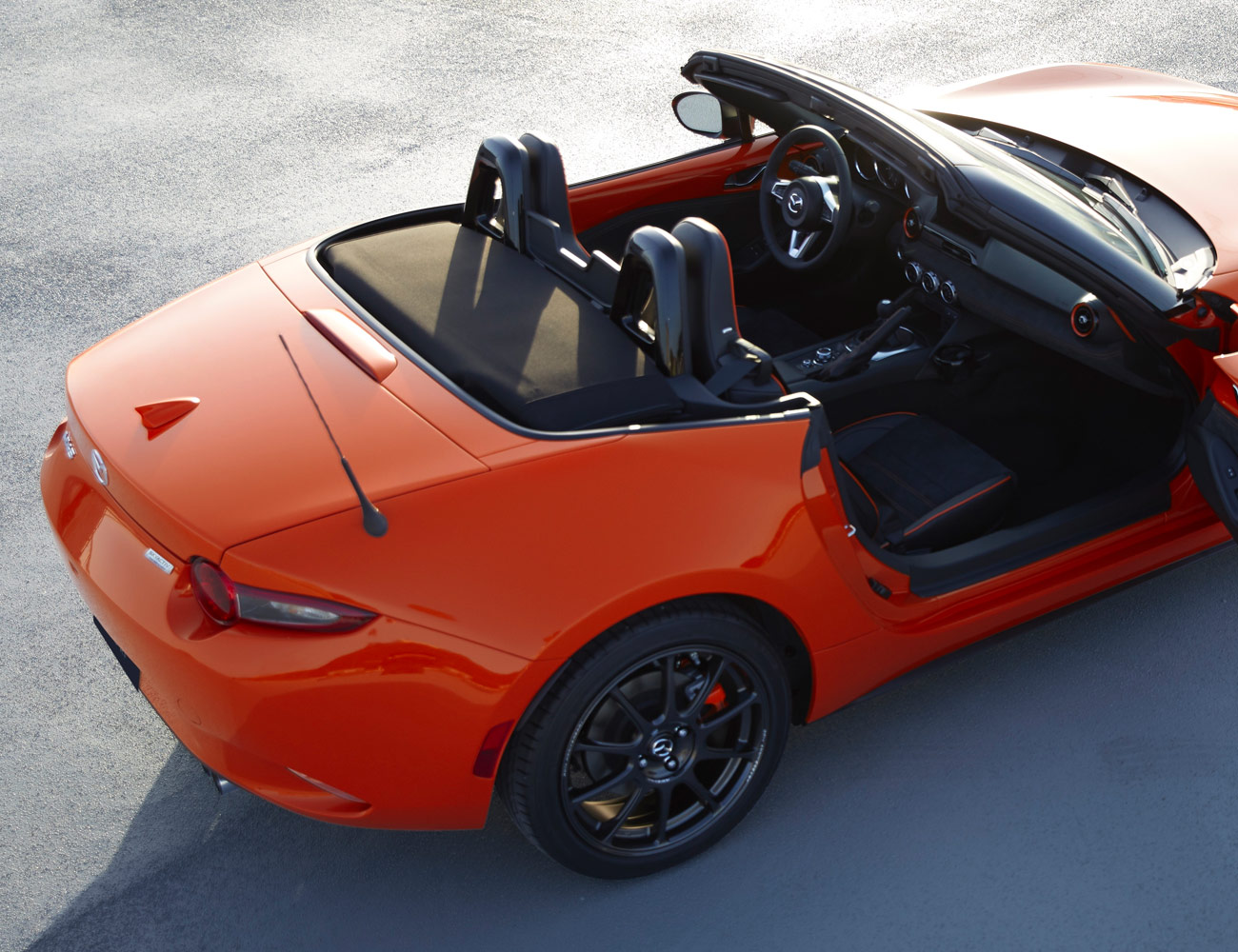
When the weather turns nice, there’s no better way to enjoy it than dropping the top and letting the wind rush in. Most convertibles these days offer power-folding roofs that can open or close in less than half a minute at the push of a button, but even the fanciest of them can’t match the Mazda MX-5 Miata for ease of use. Not only is its one-handed manual operation quicker than any power top’s hydraulic mechanisms, but it also has zero risk of acting up due to some computer glitch or other unforeseen issue that leaves the roof half-cocked. If it starts to rain? Well, just drive faster.

More Road Trip Inspiration

Popping the top changes the experience dramatically, and suddenly, we’re debating whether the ideal GT is the one that doesn’t get in between you and road trip wonderment. Read the Story

Note: Purchasing products through our links may earn us a portion of the sale, which supports our editorial team’s mission. Learn more here.

Ferrari SF90 Stradale is a 986-horsepower plug-in hybrid

The Ferrari SF90 Stradale has just been revealed, and the most important thing to know is that it’s Ferrari’s most powerful production car yet with 986 horsepower. The next most important thing to know is that it’s a plug-in hybrid with a turbocharged V8.

The powertrain features Ferrari’s most powerful V8 yet making 769 horsepower and 590 pound-feet of torque on its own. It also has three electric motors with two at the front and one in the back, and combined they can provide up to 217 horsepower. This also means that the SF90 Stradale is all-wheel-drive.

Getting power from the internal combustion powertrain to the wheels is an 8-speed dual-clutch transmission that shifts 100 milliseconds faster than the transmission in the 488 Pista, but it also weighs about 22 pounds less than Ferrari’s existing 7-speed dual-clutch transmission. This is due in part to not needing a reverse gear, since reverse is handled by the front motors. In total, the SF90 weighs in at 3,461 pounds. And at 155 mph, the aerodynamics add 860 pounds of downforce. When everything is deployed on pavement, it hits 62 mph in just 2.5 seconds. And for Ferraristi, it lapped the Fiorano test track in 1 minute and 19 seconds.

Of course being a plug-in hybrid, it does have a full electric range. It’s a bit short at 15.5 miles. Then again, this isn’t entirely about fuel economy; the electric motors allows for torque vectoring, and provide extra traction on launch and help fill in any throttle lag from the gas engine.

The interior is high-tech, too. The instrument cluster is a huge 16-inch display. The steering wheel now features touch pads for controlling the instrument cluster, too.