All posts in “Cars”

Yes, the 2020 Chevy Corvette C8 Convertible was revealed, too

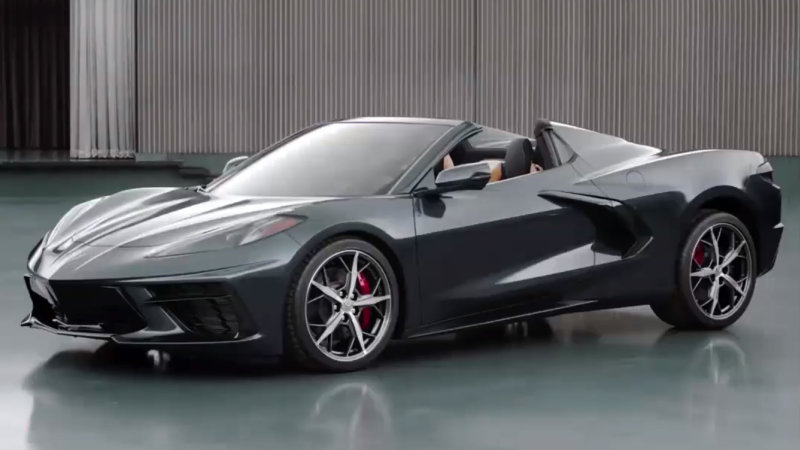
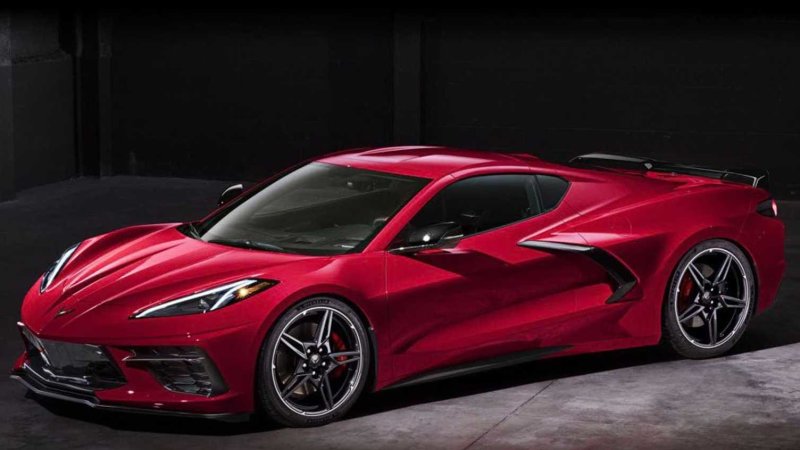
Chevy finally showed us the 2020 Corvette last night, and you should read all about it here. However, there was more than just the single car reveal, as GM flashed photos of the new Corvette Convertible on the screen at the end of its presentation. No official details were given for the drop-top, but you can see a ton of angles in the photos Chevy provided.

There’s no surprise that a convertible is coming, but it was a pleasant surprise to see a pre-production model shown in such detail last night. Of course, the standard C8 Corvette Stingray has a removable roof panel, but the convertible takes things just a bit further.

Judging from the photos, the top looks like it folds underneath a panel that also serves as an engine cover. Yes, the gorgeous glass engine panel appears to have gone away with the convertible, but that won’t be of too much concern when you’re getting to 60 mph in under 3 seconds. The two flying buttresses behind the seats are just downright awesome, really setting it apart from the standard Stingray.

We expect the car’s powertrain setup to be the same as the regular Stingray with a 6.2-liter V8, named LT2. It makes 490 horsepower standard or 495 horsepower with the Z51 package. A dual-clutch eight-speed automatic transmission is the only transmission option. Sorry, manual fans.

Mark Reuss’ comment about pricing being under $60,000 was the biggest shocker of all, and we expect the Convertible to be a shade over that. The C7 Convertible costs $4,500 extra than the hardtop, and we don’t think Chevy will mess with that formula. If GM keeps the train on the tracks, the convertible could be under $65,000, which is a total win in our books. As for when we’re going to see it, Chevy hasn’t said. However, GM wasn’t slow in getting the different bodystyle out for the C7, and we expect the same to happen here. The car looks essentially production-ready in the photos, so bring it on.

Bugatti 110th Anniversary – The Start of a New Era

Bugatti celebrates it’s 110th anniversary this year and to honor this occasion we take a look at Bugatti’s recent and not so recent past and talk to two key individuals that shape modern-day Bugatti.

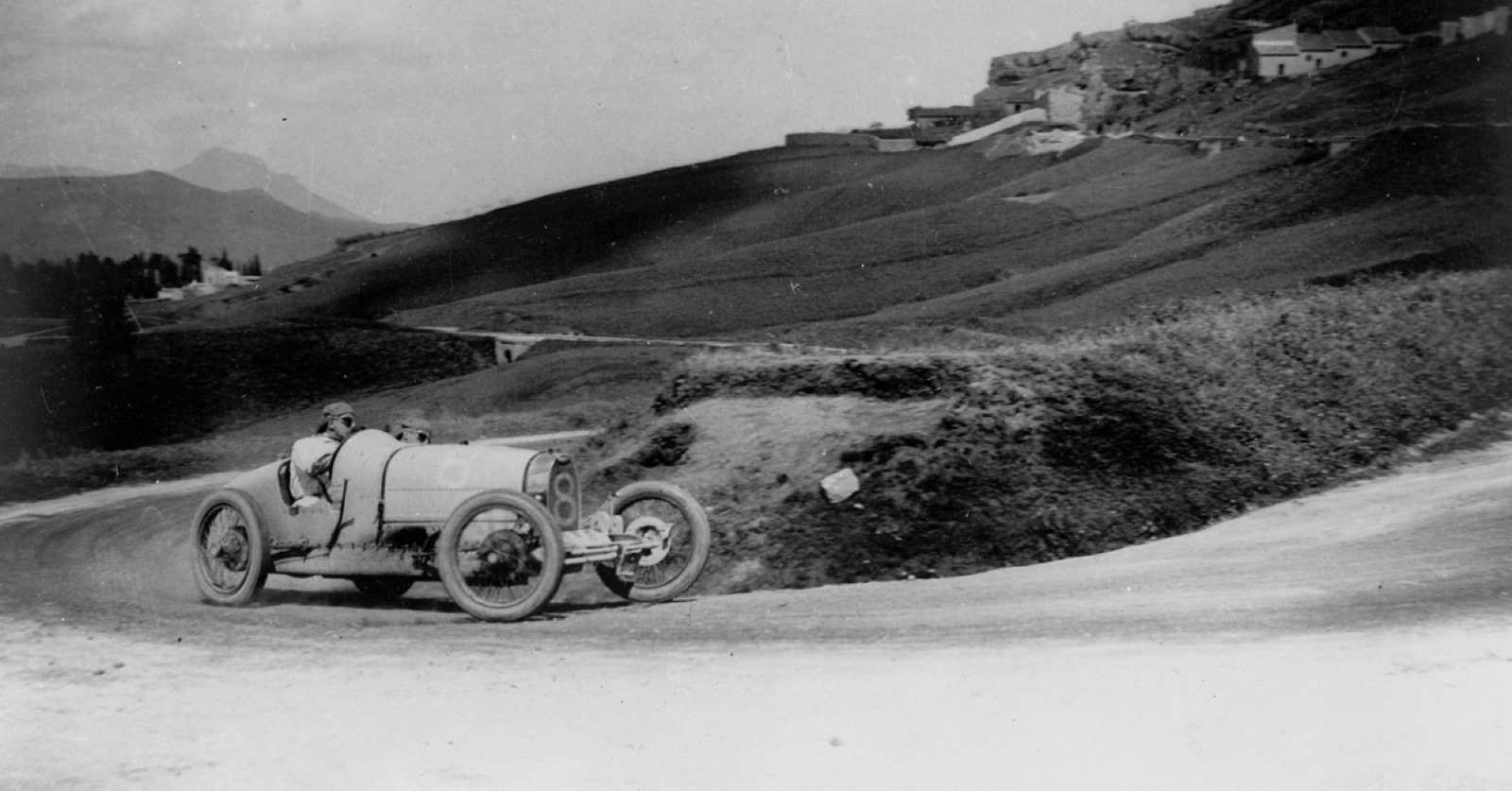
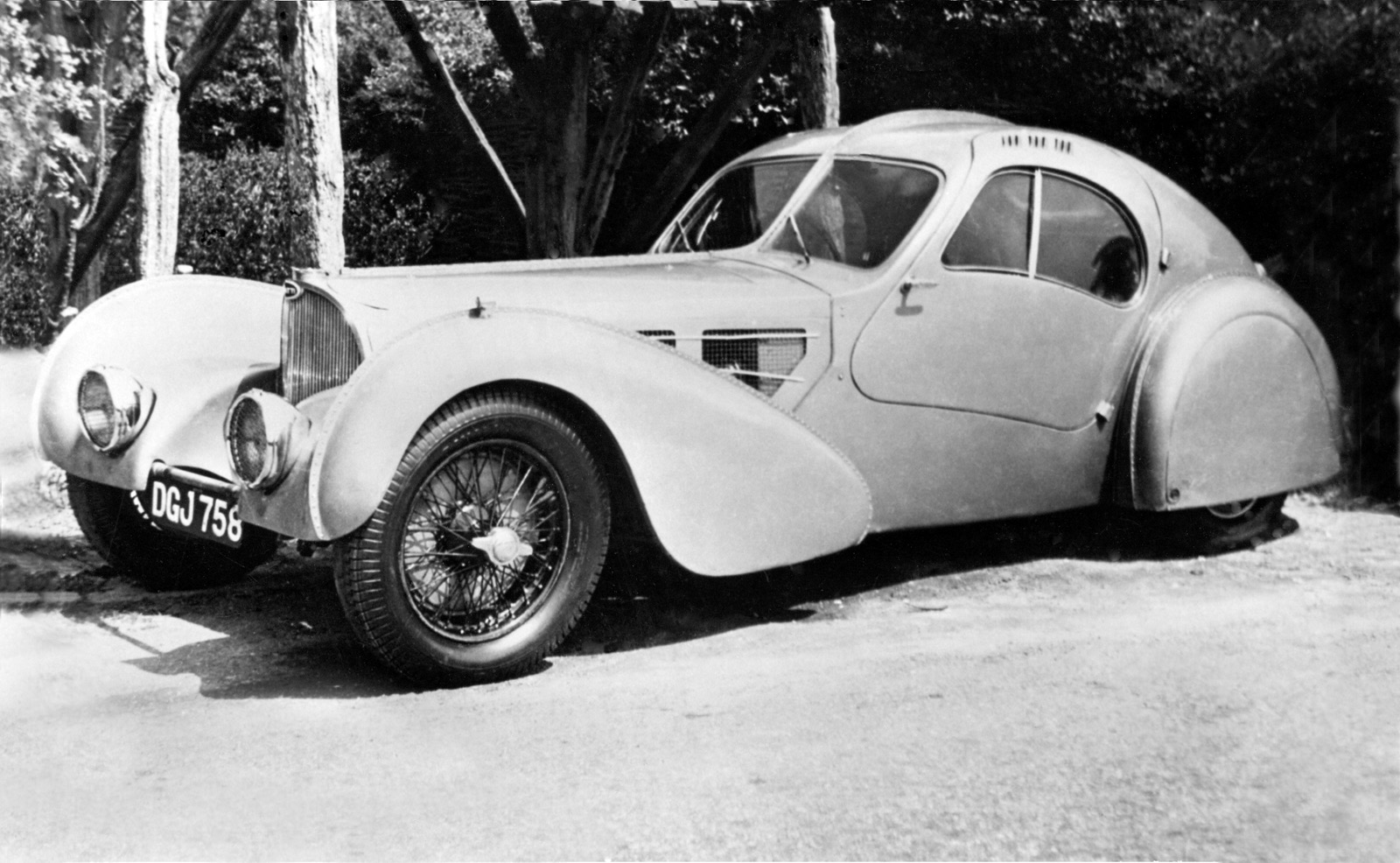
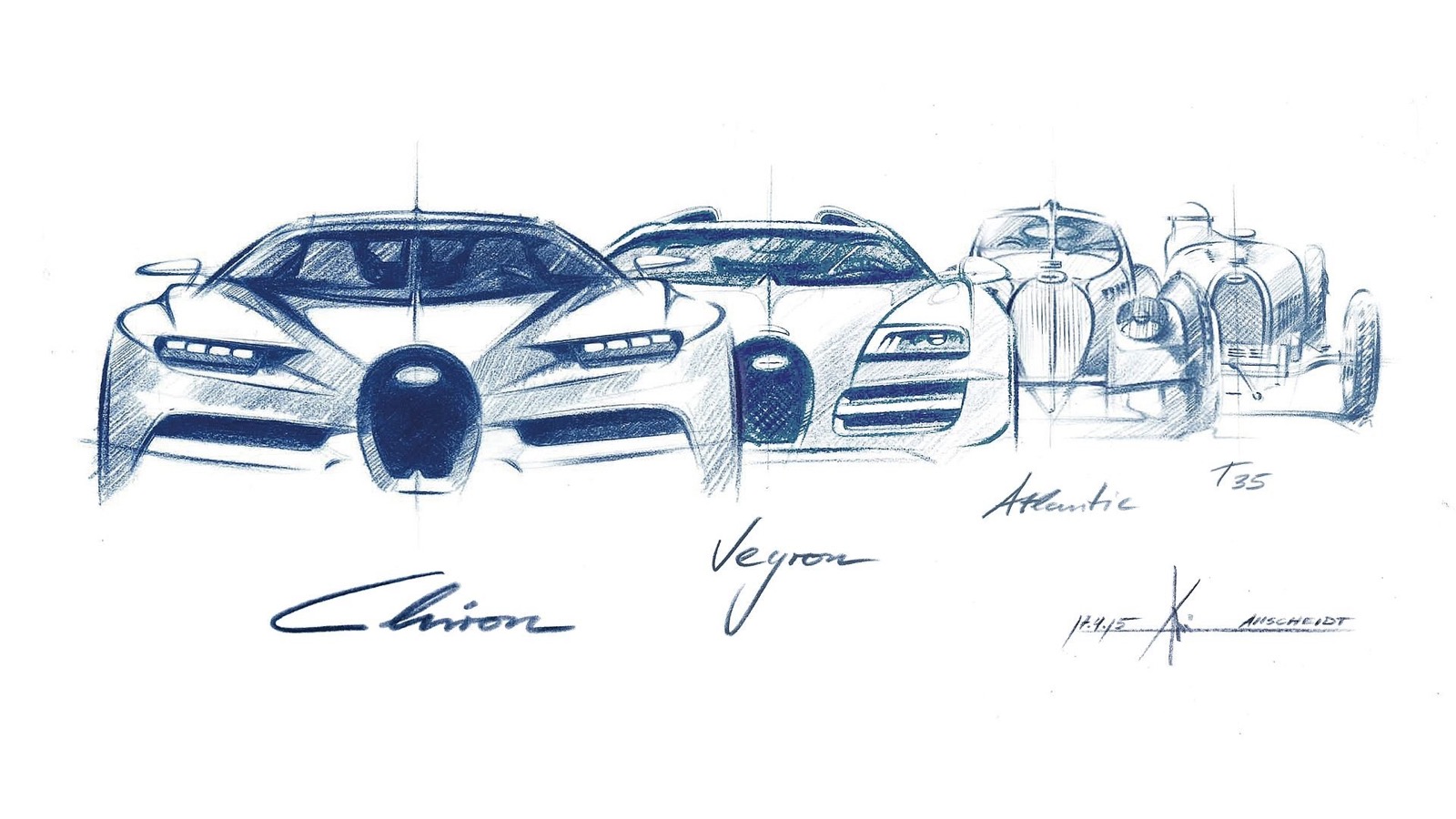
One could say that Bugatti has a very vibrant history. It was Founded in Molsheim by the Italian-born Ettore Bugatti in 1909. Ettore’s first racing and road car was the Bugatti Type 13 launched in 1910. But back then Molsheim was part of Germany and the the family fled at the start of the first world war. After the Great war the Alsace was returned to France as part of the Versailles Treaty in 1919 and the Bugatti family returned to Molsheim. The real breakthrough came in the early 1920s with the launch of the Bugatti Type 35. Built from 1924 until 1930 it won more than 1,000 races including the Targa Florio and the Monaco Grand Prix. A decade later it was the the Bugatti Type 57SC Atlantic that stood out on the road with its combination of power, sportiness, luxury and elegance. The 57SC Atlantic inspires Bugatti design and engineering until today.

Bugatti Type 13

Bugatti Type 13

Bugatti Type 35 at the Targa Florio 1925

Bugatti Type 35 at the Targa Florio 1925

Ettore Bugatti

Ettore Bugatti

Jean Bugatti

Jean Bugatti

Bugatti Type 57SC Atlantic

Bugatti Type 57SC Atlantic

Bugatti Type 57SC Atlantic Le Voiture Noire

Bugatti Type 57SC Atlantic Le Voiture Noire

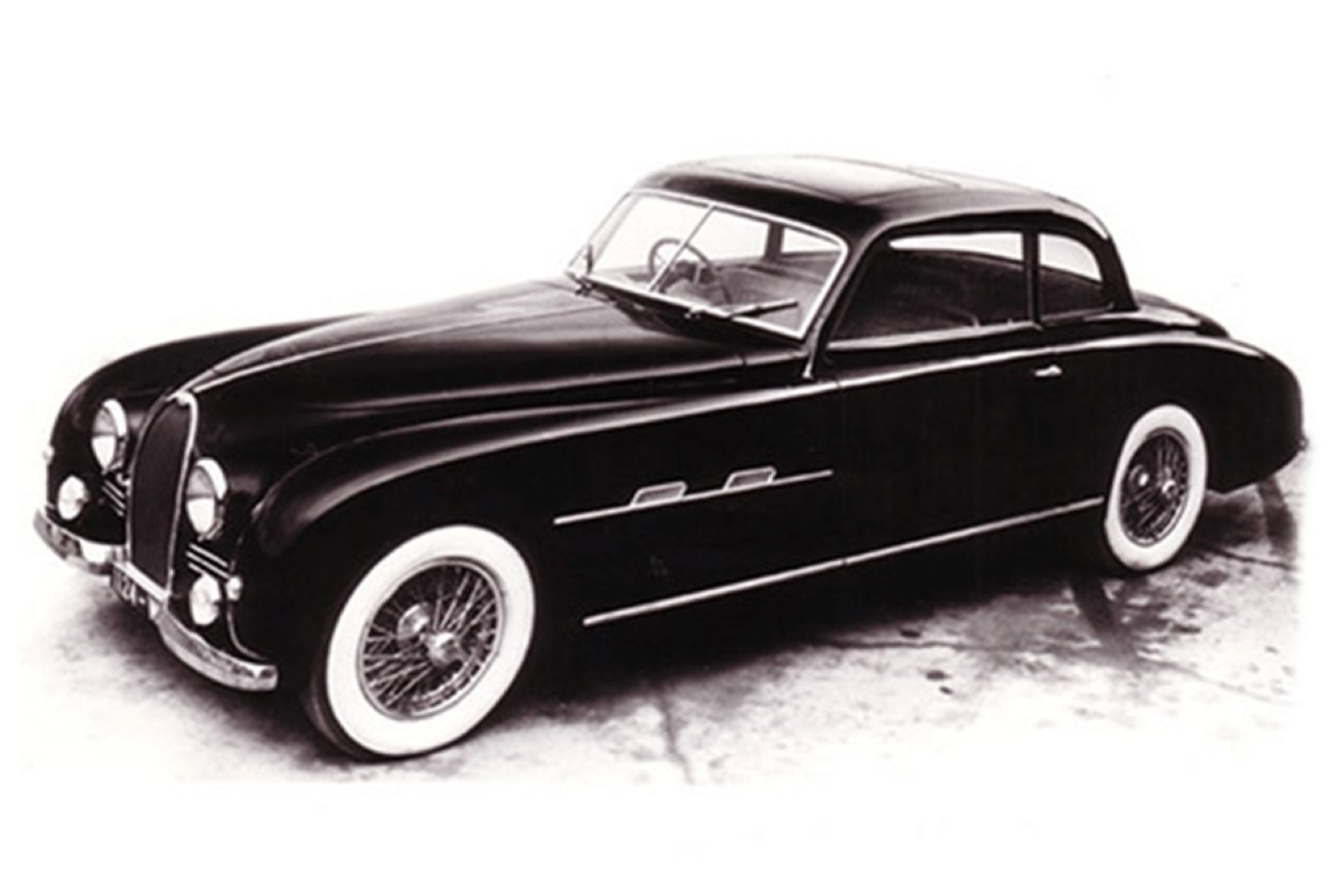
Bugatti Type 101

Following great racing successes before the second world war the Bugatti family suffered tragedy with the death of Jean Bugatti. Not only did they lose their eldest son in the accident during a test drive but it also left the company without a successor. The second world war left the factory in Molsheim in ruins and after Ettore passed away in 1947 this led to desperate financial struggles. After releasing one final road-going model called the Type 101 in 1951, Bugatti’s car production seized and the airplane division was ultimately sold in 1963 meaning the end of the first Bugatti era.

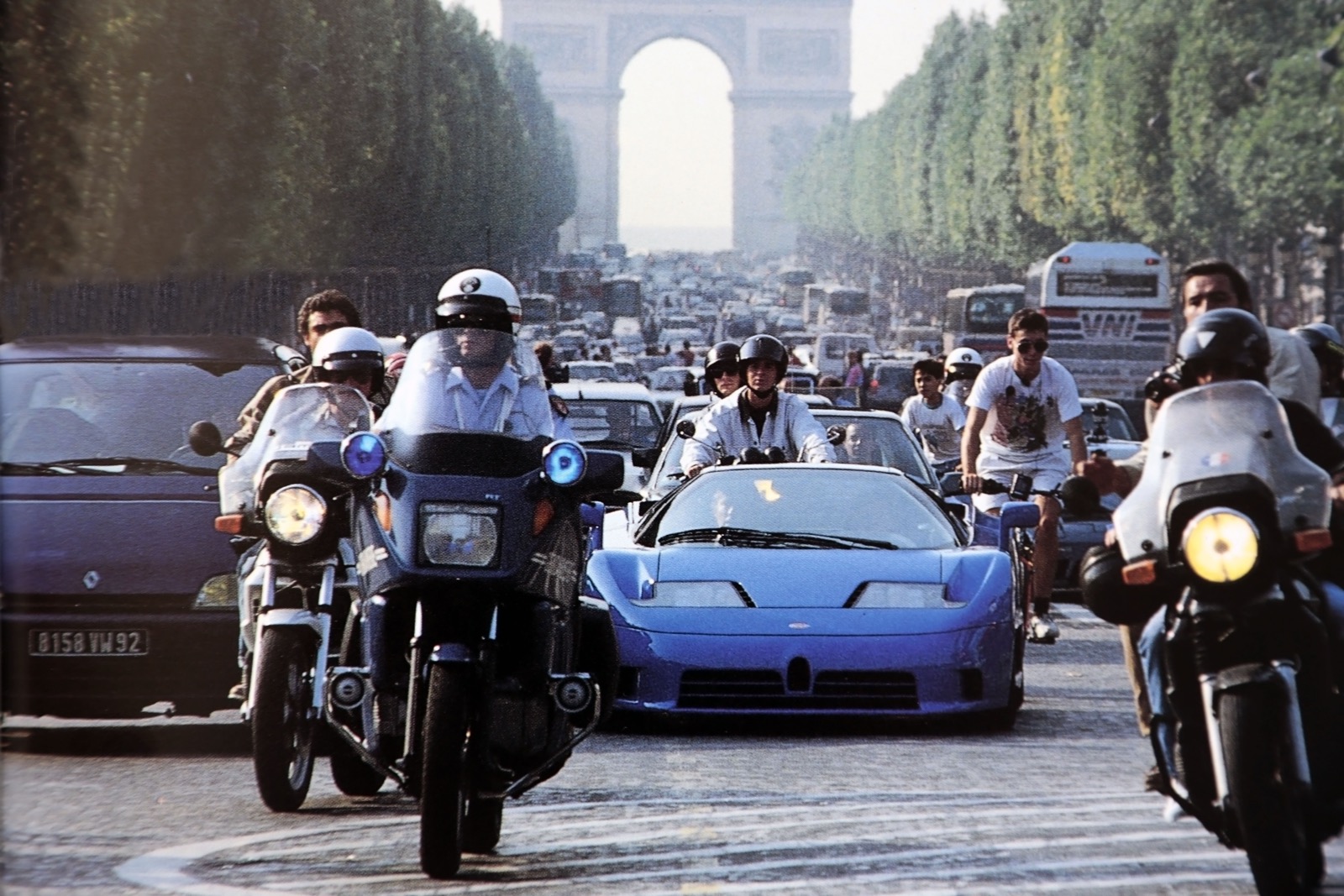
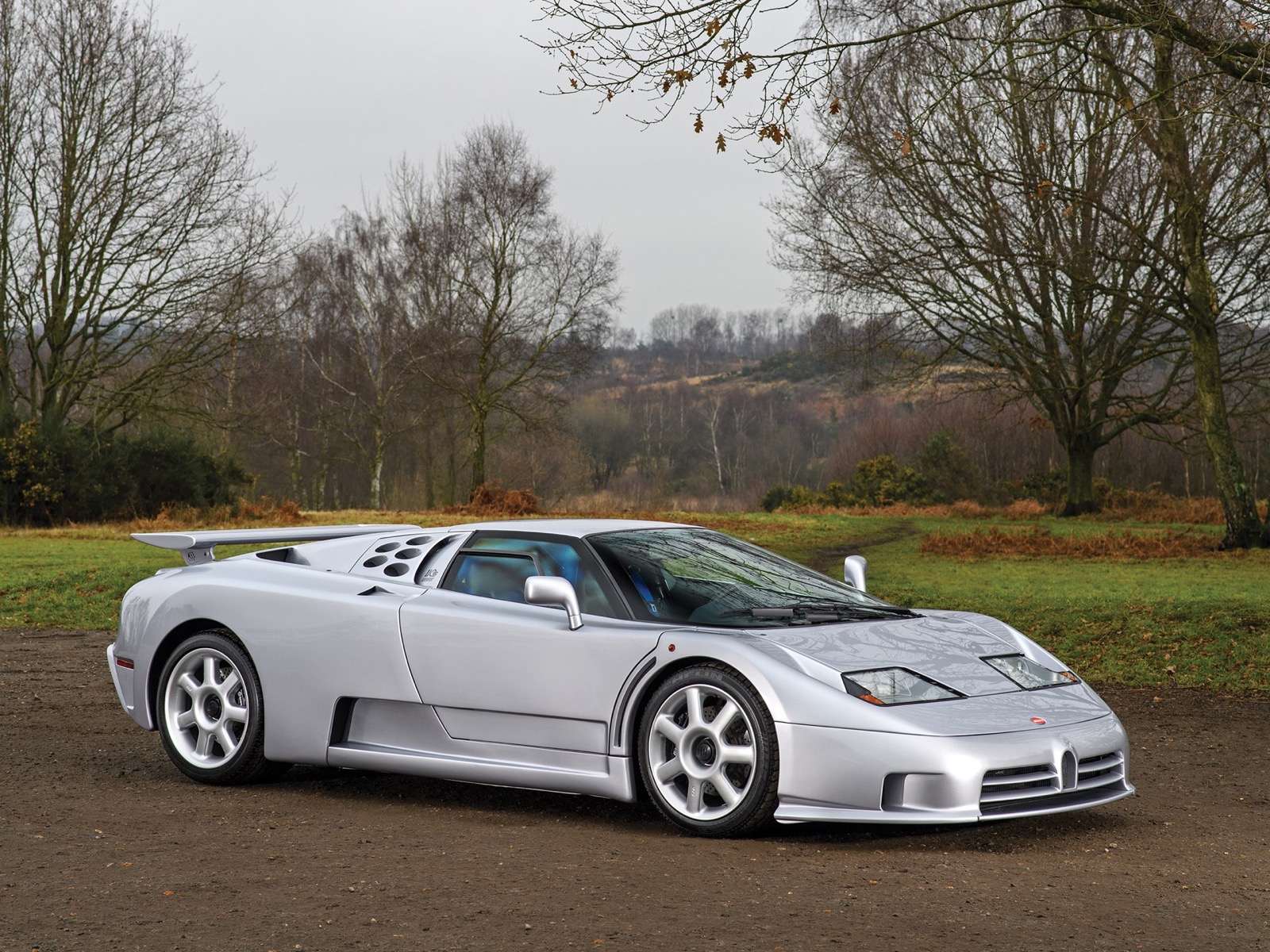
In 1987 Italian entrepreneur Romano Artioli bought the Bugatti trademark and built a new factory in Campogalliano just outside Modena, Italy. The Italian revival nearly three decades later saw the release of the EB 110 supercar from 1991 until 1995. The EB 110 name referred to the 110th anniversary of Ettore Bugatti. Following the initial EB 110 GT a lighter and more powerful variant was launched in 1992 called the EB 110 Super Sport. It is the first Bugatti to feature all-wheel drive and a lightweight carbon chassis among other carbon fibre parts and claimed a top speed record of 351 km/h. Two EB 110 Super Sports were used by private teams for racing; most notably during the 24 hours of Le Mans in 1994. Sadly one year later the company went bankrupt.

Romano Artioli at the factory in Campogalliano

Romano Artioli at the factory in Campogalliano

Bugatti EB 110 GT

Bugatti EB 110 GT

Bugatti EB 110 Super Sport

Bugatti EB 110 Super Sport

This short second era ultimately led to Volkswagen ownership in 1998 and the start of the third era. 8,000 Bugattis were build between 1909 and 1956 during the first era in comparison to only 139 EB 110s during the second era from 1991 until 1995 and 450 Veyrons and 200 Chirons so far during 21 years of Volkswagen ownership.

During this 110th anniversary year of Bugatti we reflect on the recent history of the brand with two key people; chief designer Achim Anscheidt and CEO Stephan Winkelmann. Anscheidt has been with Bugatti for more than a decade and is responsible for some of the later variants of the Veyron as well as all more recent Bugatti models including the Chiron, the Divo and Le Voiture Noire. Winkelmann joined Bugatti from Audi Sport in January 2018. Before his interim period at Audi Sport he was CEO of Lamborghini for 11 years.

Stephan Winkelmann

Stephan Winkelmann

Achim Anscheidt

Achim Anscheidt

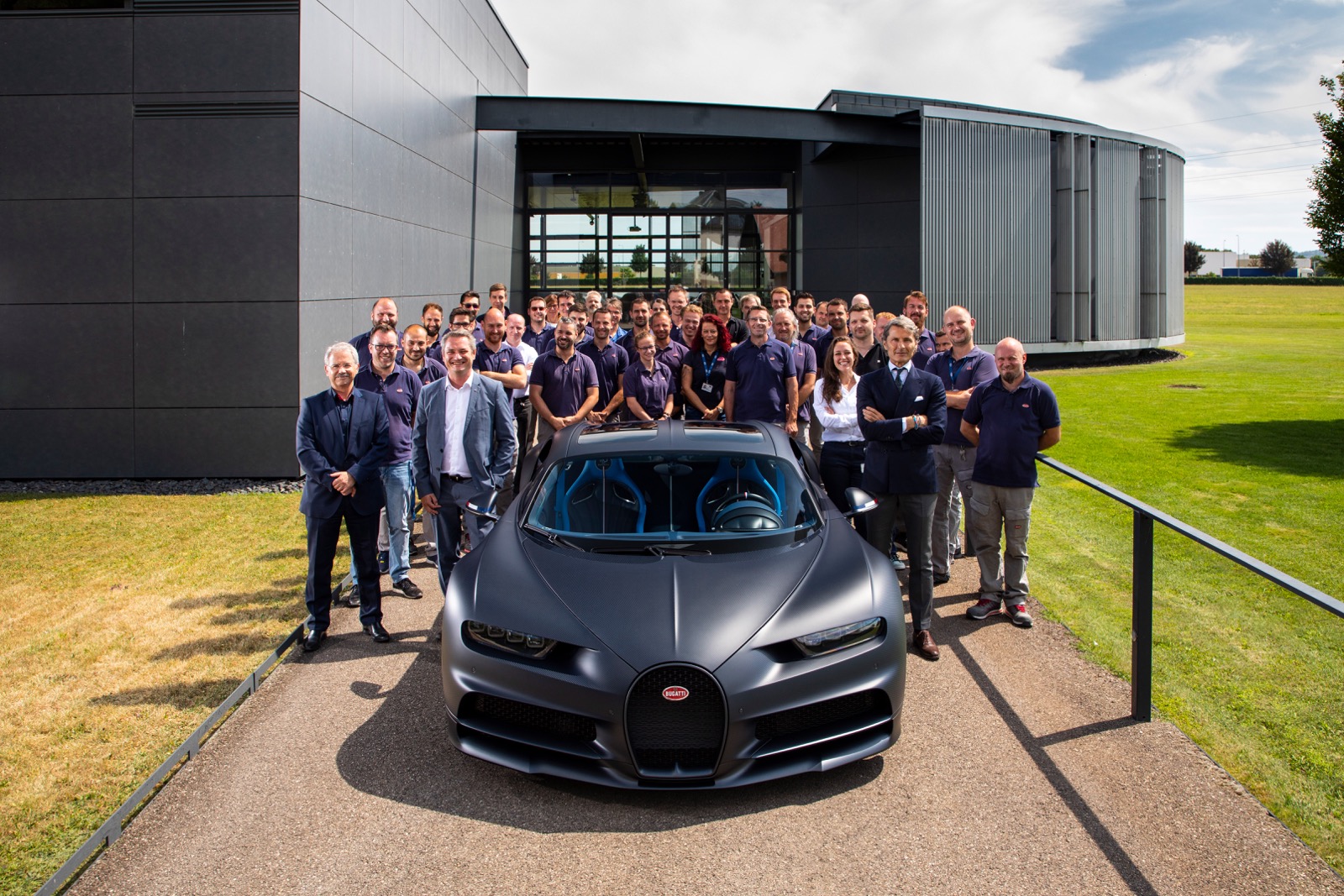
200th Bugatti Chiron leaves the factory

Bugatti has a production cycle unlike many other super- and hypercar manufacturers. Where Ferrari or McLaren sell and produce their limited edition hypercars in sometimes less than 18 months Bugatti produced 450 Veyrons over 10 years. The Chiron was originally planned to be produced for eight years as well although with the 200th having just left the factory after 2.5 years this is likely to be reduced to 6.5 years.

For designer Achim Anscheidt the longer production runtime obviously provides additional challenges as the car not only has to reflect the taste of the moment but also appeal to customers eight years later and beyond. Careful consideration and a long-term design philosophy is a very timeless design with a clean and elegant interior as well as exterior.

Bugatti Design

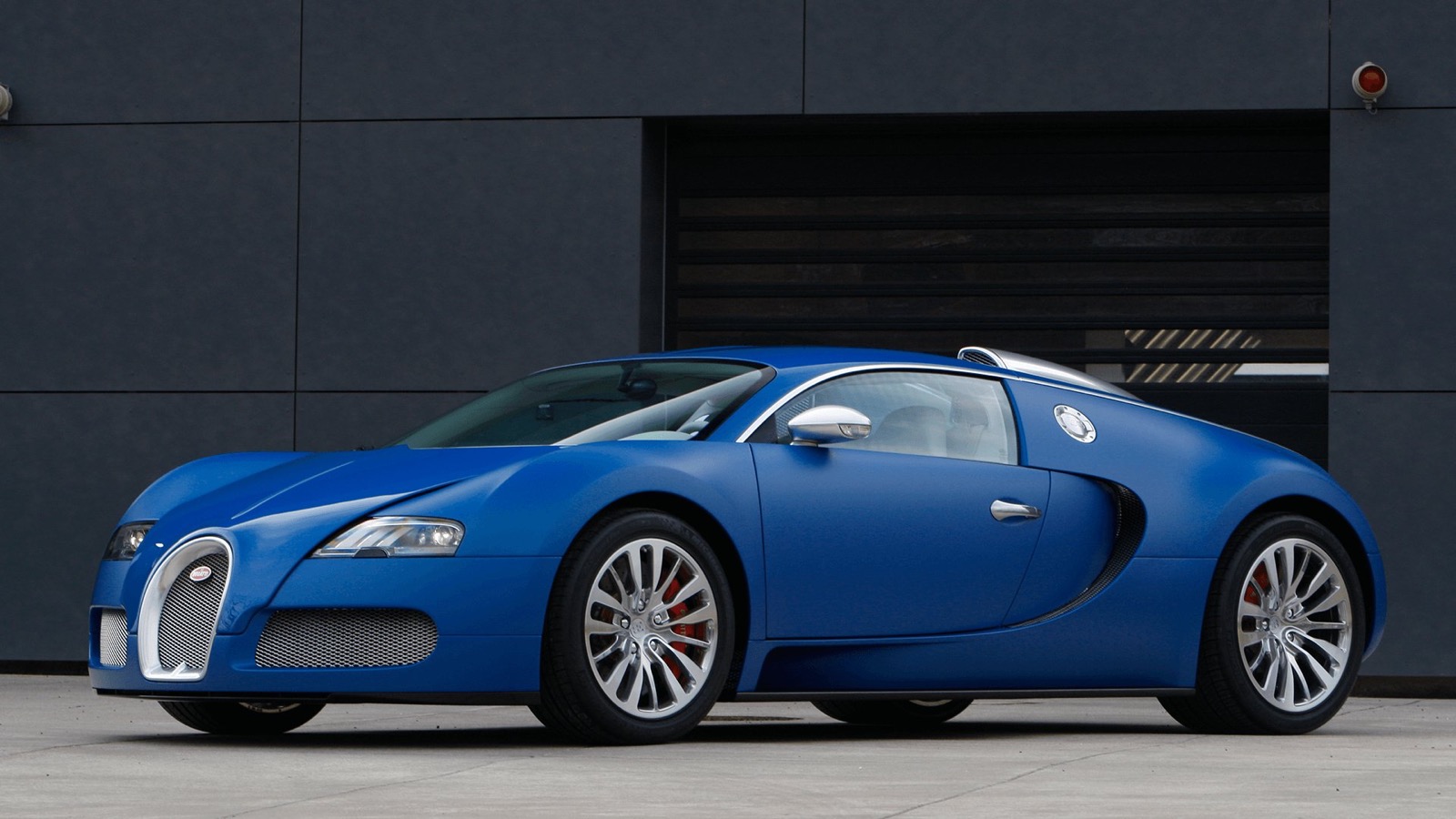
To understand the impact of this design philosophy you only have to take a look at the Veyron to see the impact it has on the car’s appearance further down the line. Only a very small low resolution digital display gives away that the Veyron was designed at the end of the last century. Inside the Veyron certainly does not look like a car that is approaching its 20th design anniversary.

Things are changing at Bugatti though. During the Veyron-era the future of Bugatti was long uncertain with the decision to built the Chiron postponed more than once. Since Winkelmann took over at the helm of Bugatti we saw the introduction of the limited edition 5 million euro Bugatti Divo, a more sporty version of the Chiron called the Chiron Sport and the one-off Le Voiture Noire. Achim Anscheidt smiles and says it is good to have a dedicated CEO at Bugatti. In the past the Bugatti CEO was also CEO of Bentley and this was certainly a compromise.

Bugatti Veyron

Bugatti Veyron

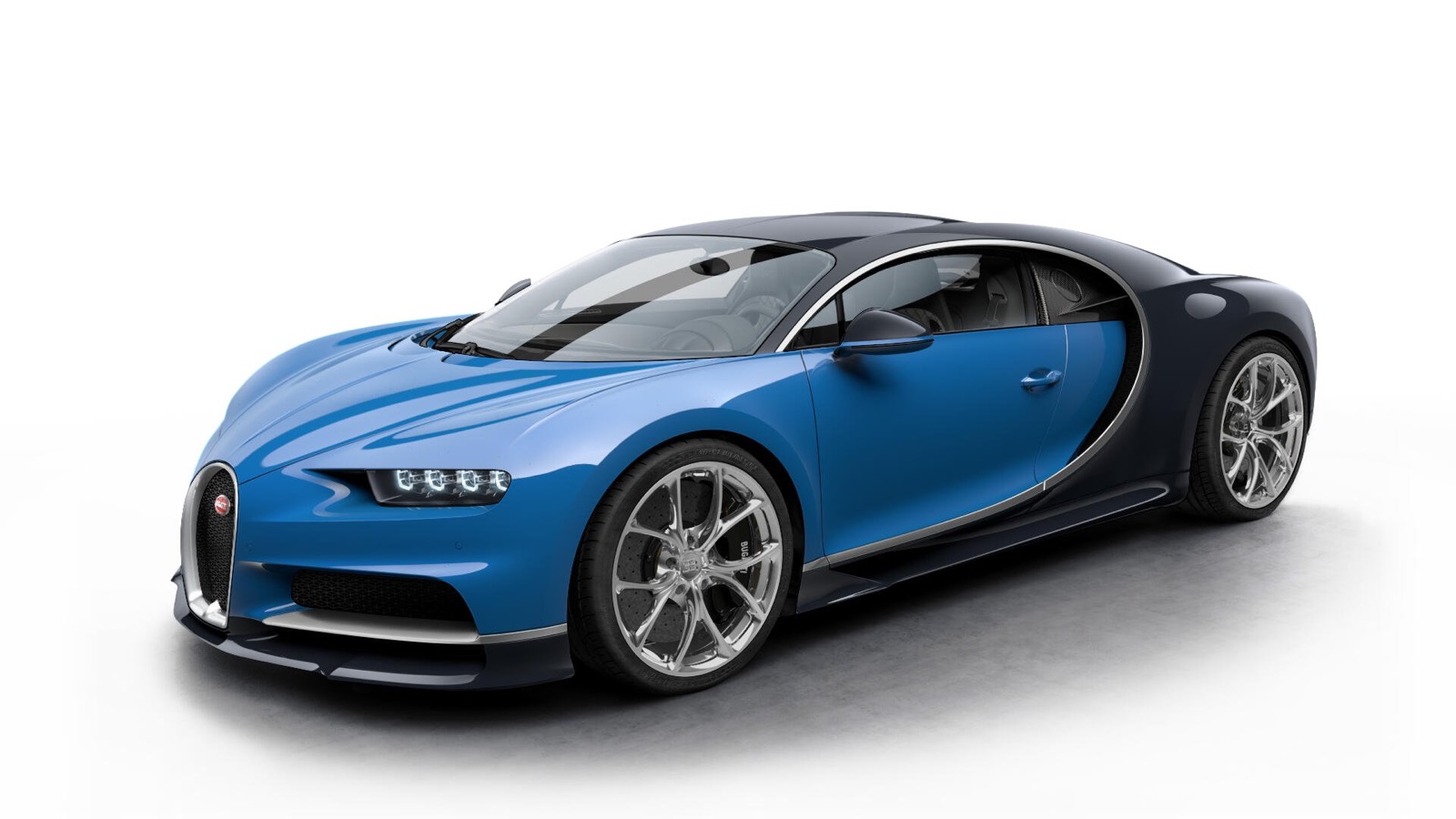
Bugatti Chiron

Bugatti Chiron

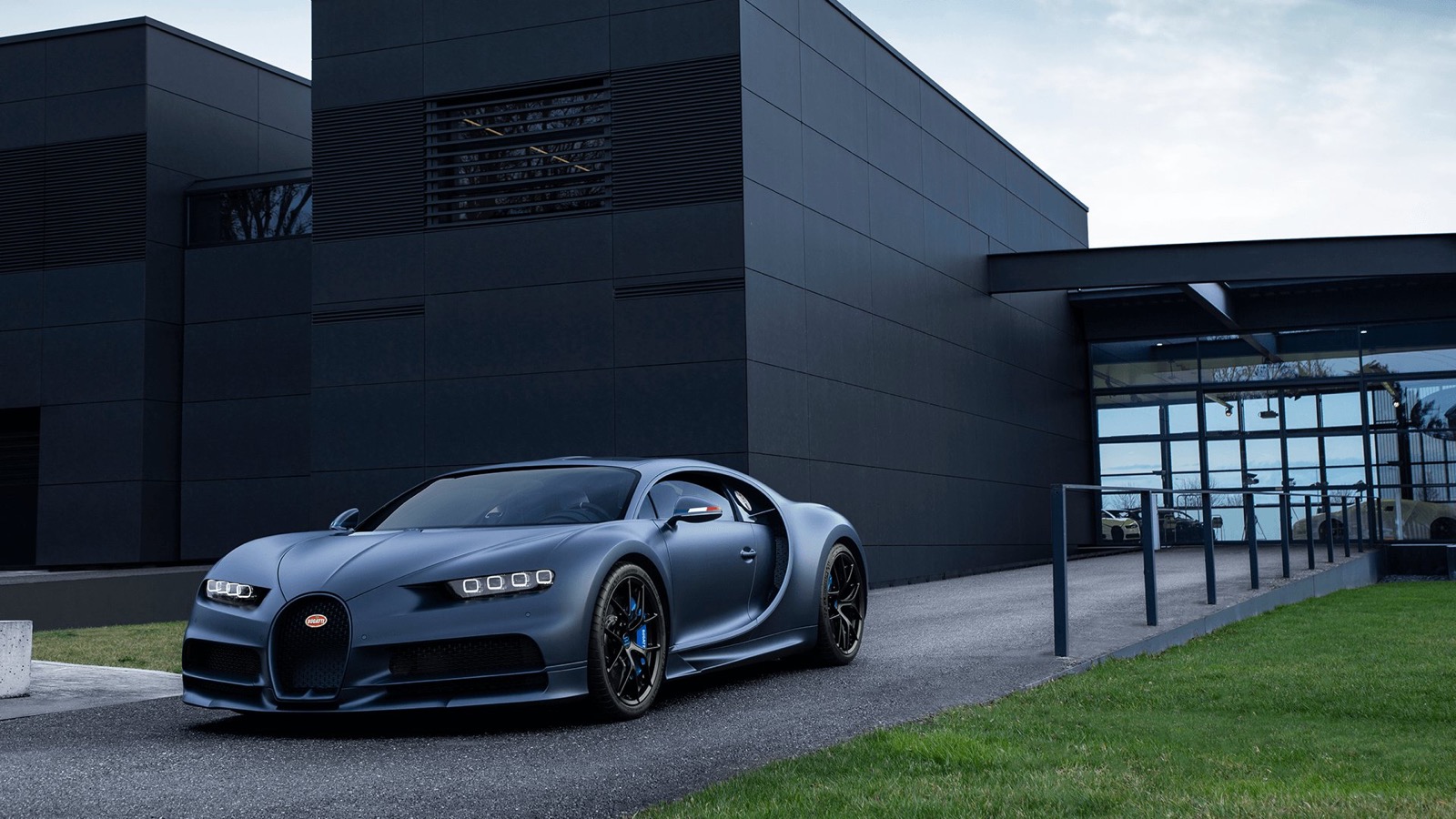
Bugatti Chiron Sport

Bugatti Chiron Sport

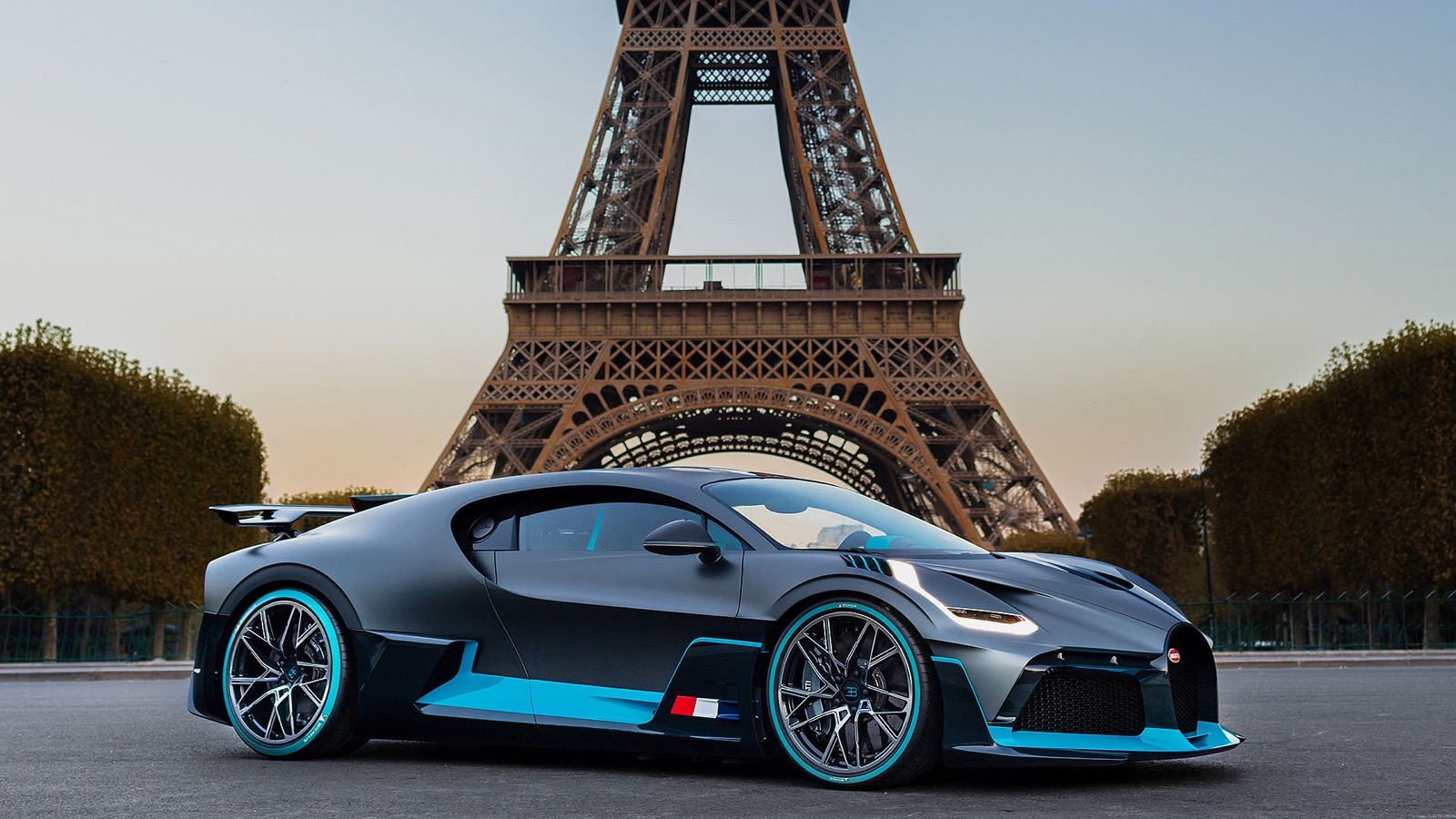
Bugatti Divo

Bugatti Divo

Bugatti Le Voiture Noire

Bugatti Le Voiture Noire

Bugatti has a great level of autonomy when it comes to creating Chiron-based special editions and reviving our long coach build tradition as we did with Le Voiture Noire. “For key decisions that require significant investment like adding a second model we still have to get the green light from Volkswagen in Wolfsburg” Winkelmann adds.

Asked about his objectives for Bugatti Winkelmann is clear: “It is key to maintain exclusivity but also create more momentum by creating and showcasing more models that appeal to clients and fans around the world.” For Winkelmann two events clearly stand out as the place to put Bugatti in the spotlight: The geneva motor show in March and Monterey Car Week in August. “The high concentration of clients as well as global exposure provide the ideal setting to launch a new hypercar.”

Another thing high on Winkelmann’s agenda is affirming Bugatti as a French brand and forging even closer ties with the region around Molsheim and France in general. Already a majority of the production staff is French and part of marketing and communications previously based in Wolfsburg have moved to Molsheim too.

Bugatti factory in Molsheim, France

Inside the Bugatti Atelier

New meets Old

Motorsport plays a key role in the early history of Bugatti so can we expect a return from Bugatti to the world of motorsport? Anscheidt answers that the Chiron is not the right car for motorsport but that it would be a dream to see Bugatti return to motorsport some day. We can only say that hopefully the new WEC ‘Hyper Sport’ class enables Bugatti to return to Le Mans rather sooner than later.

A return to motorsport or not, it is clear that with a restructuring at the top of Bugatti and a dedicated new CEO a lot is changing at the prestigious French brand. The 110th anniversary marks the start of yet another era for Bugatti. The next step will be shown at Pebble Beach in August and we can’t wait to see the next era unfold.

GTSPIRIT NEWSLETTER

The Complete Lincoln Buying Guide: Every Model, Explained

Lincoln is Ford Motor Company’s luxury division, based in Dearborn, Michigan. It was founded in 1917, initially producing Liberty V12 aircraft engines. Ford bought Lincoln in 1922 to serve as its luxury marque to counter Cadillac and other high-end manufacturers, which has been the brand’s role since. Ford paired Lincoln with its mid-level Mercury brand in showrooms for decades, until the company discontinued the latter in 2010.

Traditionally, Lincoln has made large, heavy and luxurious sedans, with iconic nameplates like the Continental and the Town Car. Lincoln provided presidential limousines from the 1930s to the 1980s. (While Gerald Ford may have told America he was “a Ford, not a Lincoln,” he rode in a Lincoln.)

This century, Lincoln has adjusted to the automotive market. The company has shifted focus to luxury SUVs, to its success; it even dabbled, briefly, with the pickup truck market in the form of the Mark LT, a rebadged Ford F-150.

Lincoln embraced three-letter nameplates with gusto during the 2000s, which created considerable confusion: In 2015, for instance, Lincoln simultaneously sold the MKC, MKS, MKT, MKX, and MKZ. Mercifully, Lincoln has been phasing out these abbreviations in favor of model names as of late, opting for traditional or nautical/aeronautical themes.

Lincoln Terminology

Atkinson Cycle: A type of engine combustion, used on the MKZ hybrid. It’s ideal for hybrids because it delivers better fuel efficiency than the alternative Otto cycle, but weaker low-end power; in hybrids, however, this can be made up for with electrical motors.
Black Label: Top-of-the-line Lincoln trim offering a range of luxury themes and finishes, as well as personalized customer service.
The Lincoln Way: Specialized smartphone app offering special Lincoln features including service pickup and delivery and remote start. Also a marketing slogan.
SS-100-X: Secret service code name for the Lincoln Continental convertible limousine in which President Kennedy was assassinated.
Suicide Door: A door with a hinge at the rear instead of the front. Lincoln has been offering limited runs of present-day Continentals with them. The name comes from being a considerable safety hazard before seatbelts were introduced.

Buying Guide

MKC

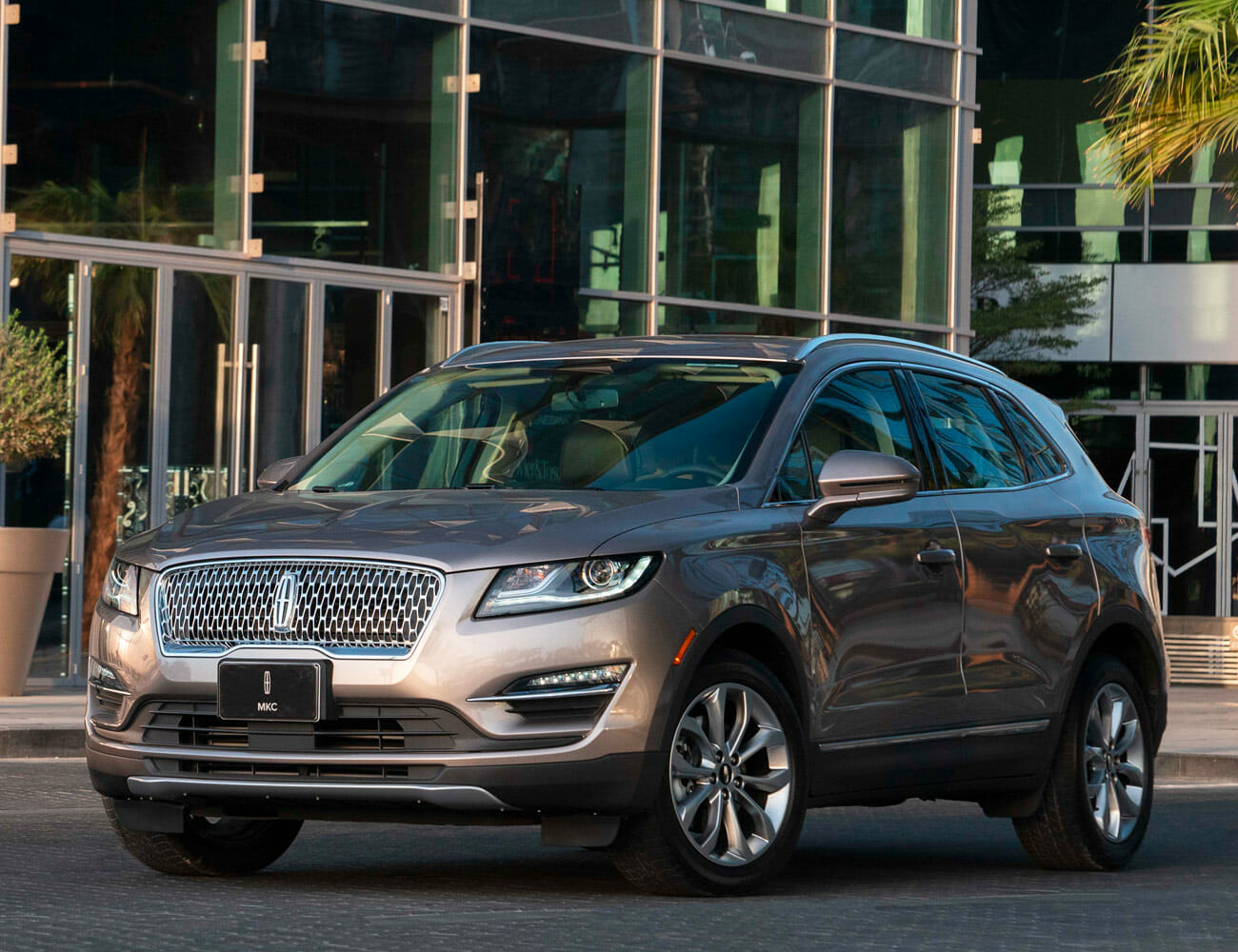
The MKC is Lincoln’s entry-level compact crossover. It shares a platform with the Ford Escape. The MKC debuted in 2013, and will be replaced by the Corsair after the 2019 model year. There are two engine options: a 245-horsepower turbocharged 2.0-liter and a 285-hp twin-scroll turbocharged 2.3-liter. The smaller engine offers rear-wheel-drive in addition to all-wheel-drive, which is standard on the larger engine. Both use a six-speed automatic transmission.

Body Style: Crossover

Models:

• Standard
• Select
• Reserve
• Black Label

Engines:

• Turbocharged 2.0-liter inline-four
• Turbocharged 2.3-liter inline-four

Base MSRP: $33,995

Corsair

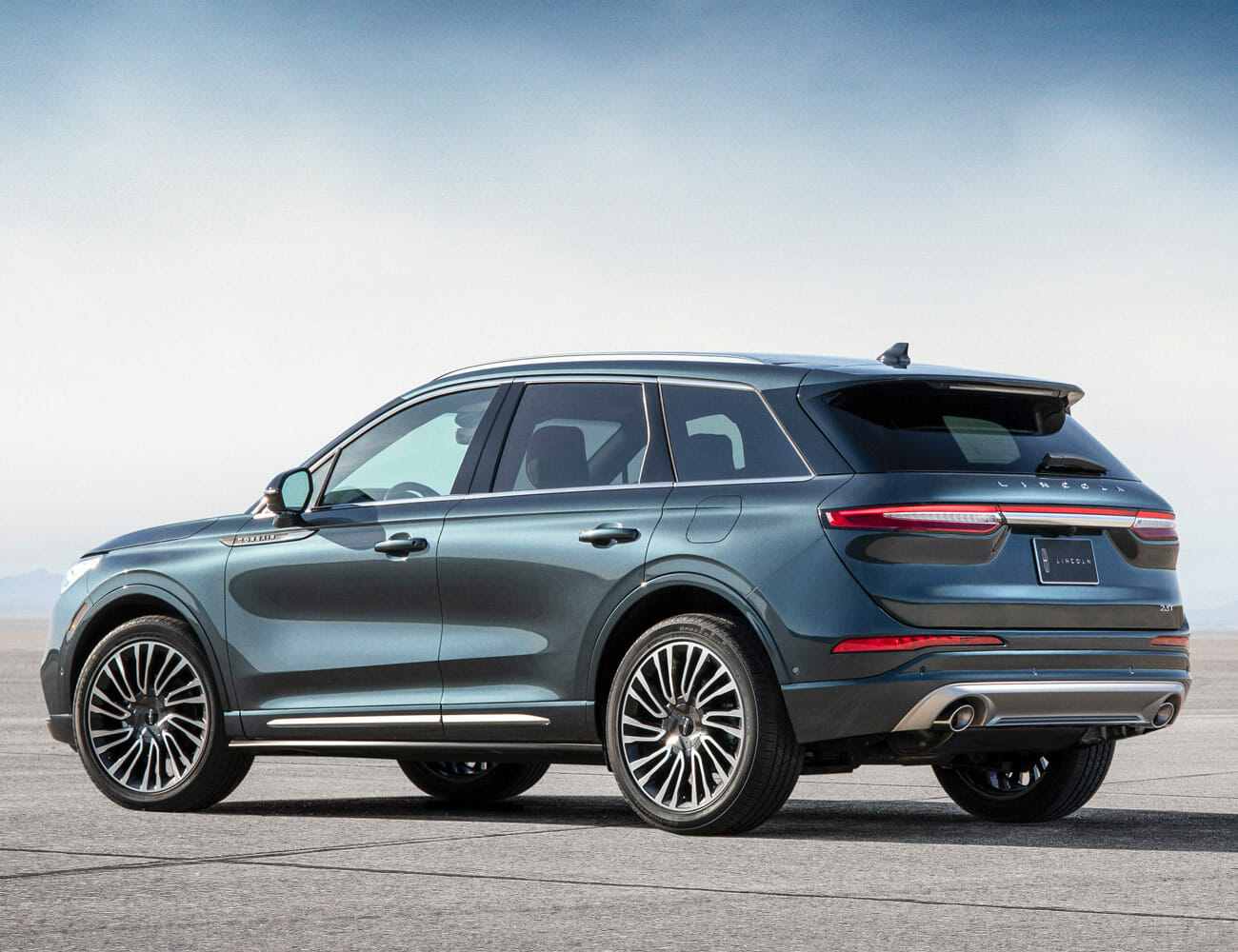
The Corsair is Lincoln’s entry-level compact crossover, new for the 2020 model year, that is set to replace the outgoing MKC. It’s built on the same platform as the new 2020 Escape. It has similar powertrain options to the MKC, but paired with an eight-speed automatic transmission. The Corsair has drawn positive initial reviews for its premium styling, particularly compared to Cadillac’s rival XT4. Lincoln contends that Corsair is “inspired” by the Latin word cursus, meaning journey — as opposed to the English word “corsair,” meaning pirate or pirate ship.

Body Style: Crossover

Models:

• Standard
• Reserve

Engines:

• Turbocharged 2.0-liter inline-four
• Turbocharged 2.3-liter inline-four

Base MSRP: $35,945

Nautilus

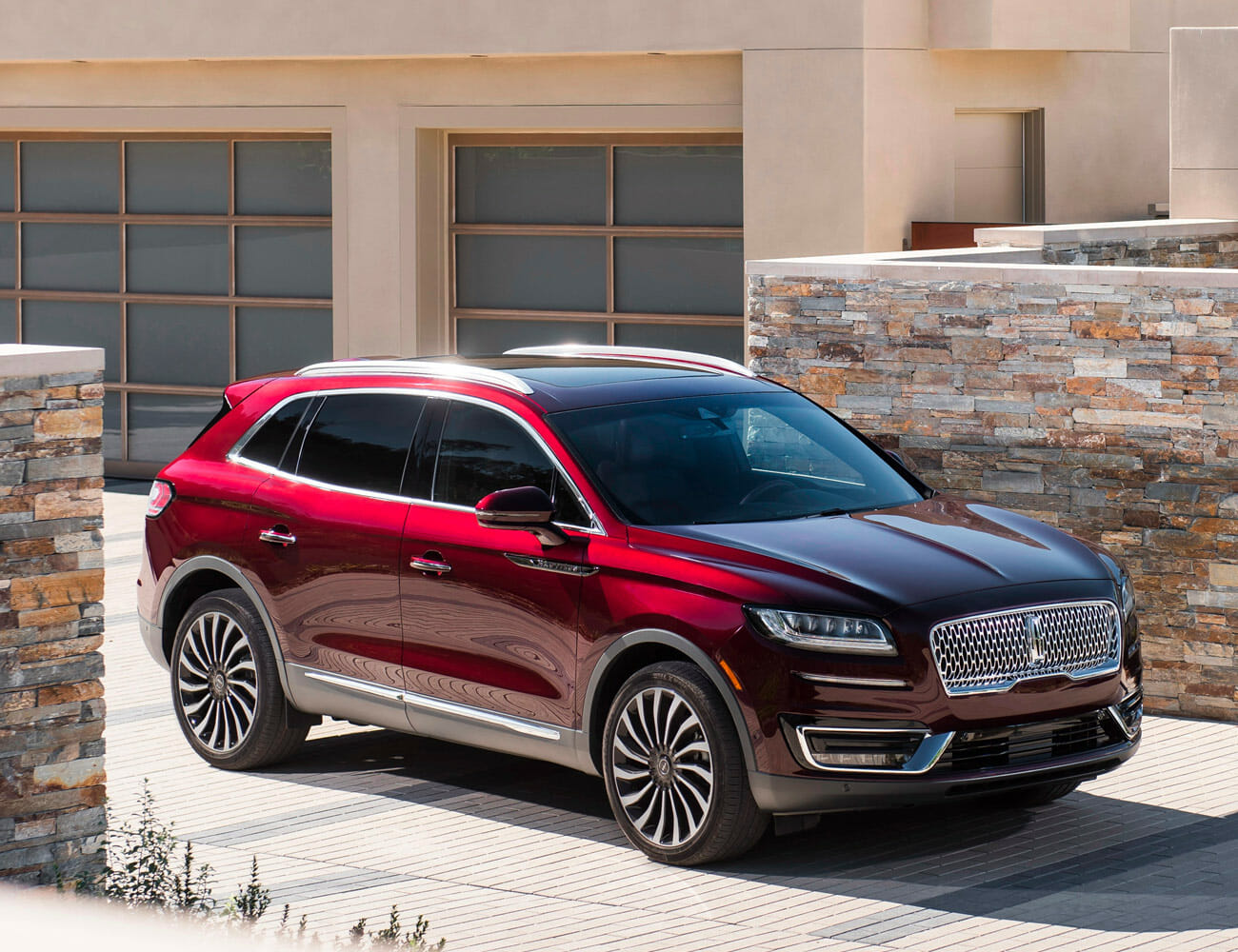
The Nautilus is a facelifted and rebranded version of the MKX midsize SUV. The major change was a design move from a split-level grille to a rectangular one. The Nautilus shares a platform with the Ford Edge. It can be fitted with a 2.0-liter inline four making 245 hp or a 2.7-liter V6 making 335 hp, paired with an eight-speed automatic and either front-wheel-drive or AWD.

Body Style: Crossover

Models:

• Standard
• Select
• Reserve
• Black Label

Engines:

• Turbocharged 2.0-liter inline-four
• Twin-turbocharged 2.7-liter V6

Base MSRP: $40,340

Navigator

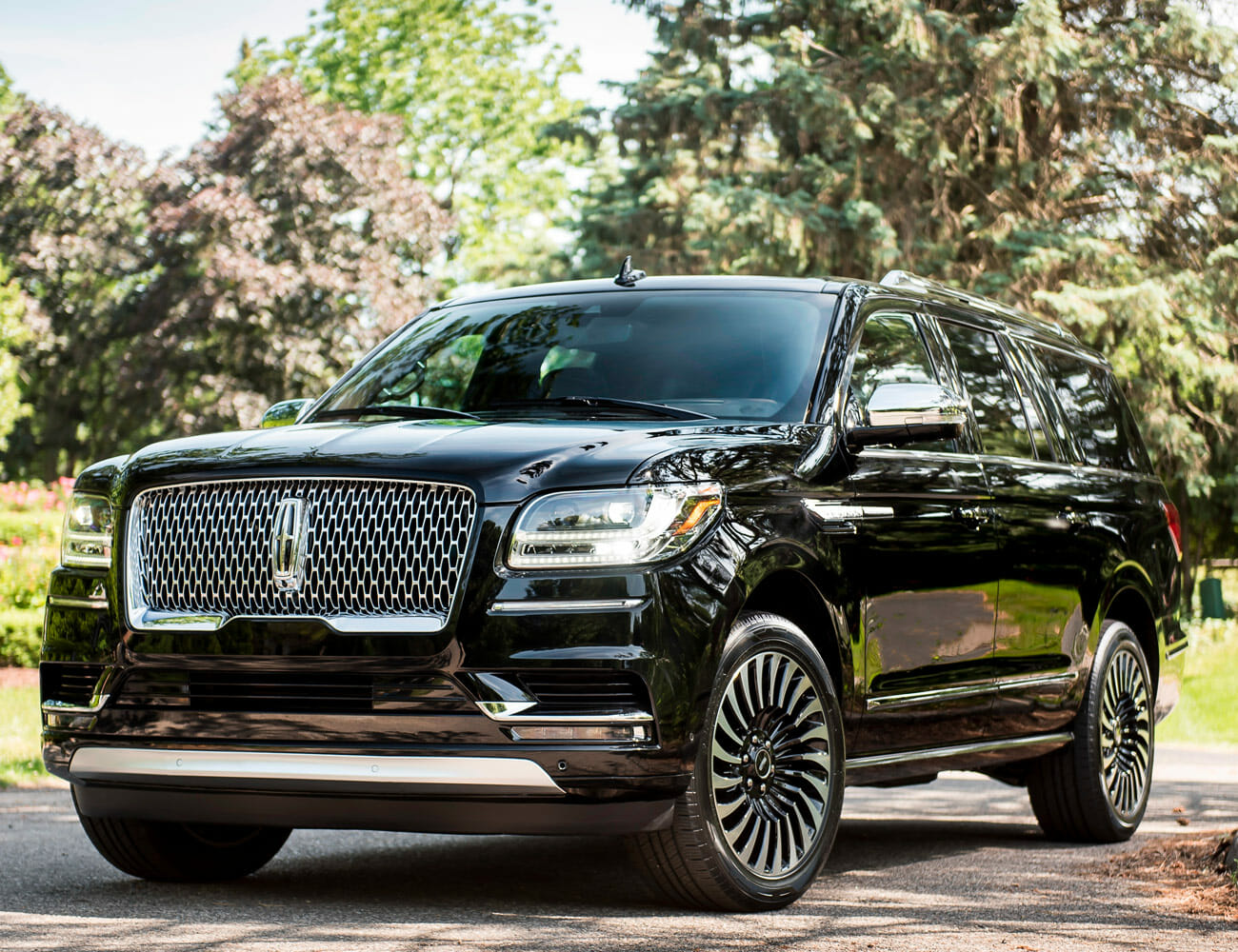
The Navigator is Lincoln’s full-size, body-on-frame SUV, built on the same platform as the Ford Expedition. The fourth-generation was new for the 2018 model year. The Navigator’s engine, a 450-hp 3.5-liter V6, is the most powerful ever to appear in a Lincoln. The Black Label ($96,395) is the most expensive  production car sold by the Ford Motor Company, apart from the limited-run Ford GT supercar. The Navigator has a 10-speed automatic transmission; lower trims come standard in RWD with optional four-wheel-drive, while upper trims receive 4WD standard. The Lincoln Navigator was our Vehicle of the Year in 2018.

Body Style: SUV

Models:

• Standard
• Select
• Reserve
• Black Label

Engines:

• Twin-turbocharged 3.5-liter V6

Base MSRP: $73,205

MKT

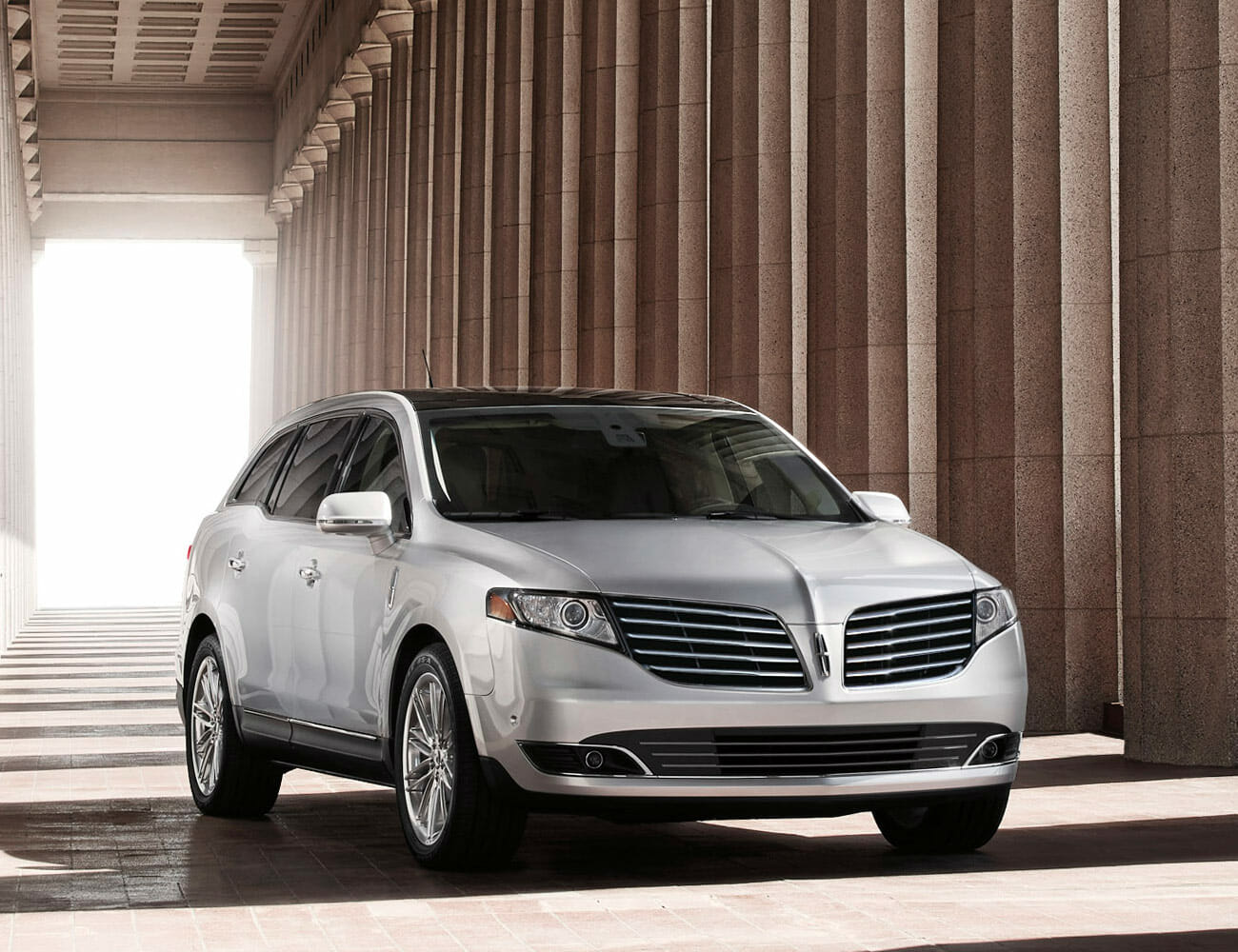
The MKT is a full-size wagon-like crossover. Popular with limousine fleets, it was a functional replacement for the now-defunct Town Car sedan when it debuted for the 2010 model year. It uses a 3.5-liter V6 making 365 hp, a six-speed automatic transmission, and AWD. It seats up to seven passengers. It will be replaced by the Aviator for the 2020 model year.

Body Style: Crossover

Models:

• Standard
• Reserve

Engines:

• Twin-turbocharged 3.5-liter V6

Base MSRP: $49,500

Aviator

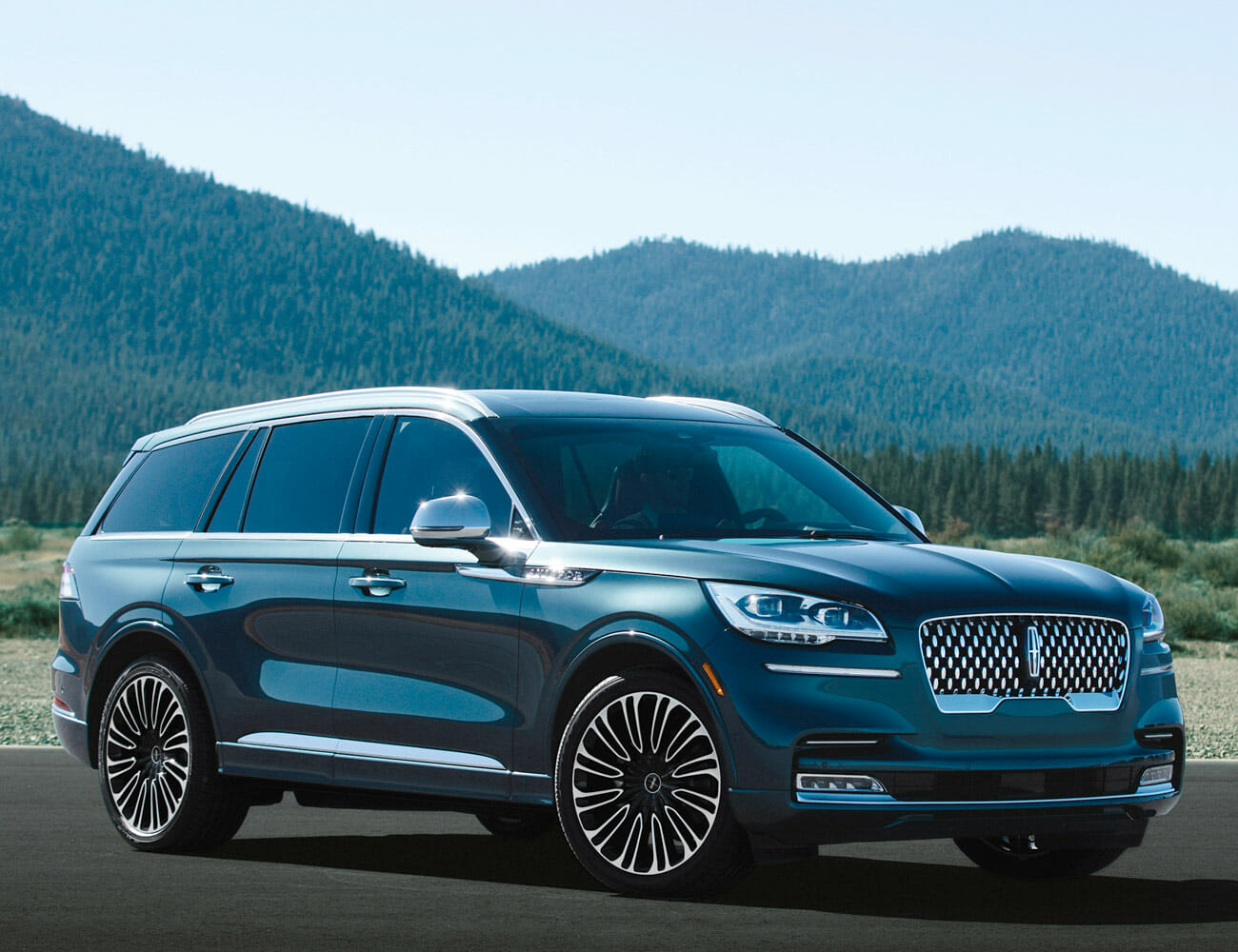
The Aviator is Lincoln’s three-row midsize crossover that slots between the Nautilus and the Navigator. Based on the new Ford Explorer and sportier than the outgoing MKT, it’s designed to go after rivals like the BMW X5. The base engine is a twin-turbocharged 3.0-liter V6 making 400 hp. Grand Touring models offer a plug-in hybrid version of that engine producing a combined 450 hp and 600 lb-ft of torque. The Aviator comes with a 10-speed automatic transmission and either RWD or AWD.

Body Style: Crossover

Models:

• Standard
• Reserve
• Grand Touring
• Black Label
• Black Label Grand Touring

Engines:

• Twin-turbocharged 3.0-liter V6
• Twin-turbocharged 3.0-liter V6 hybrid

Base MSRP: $51,100

MKZ

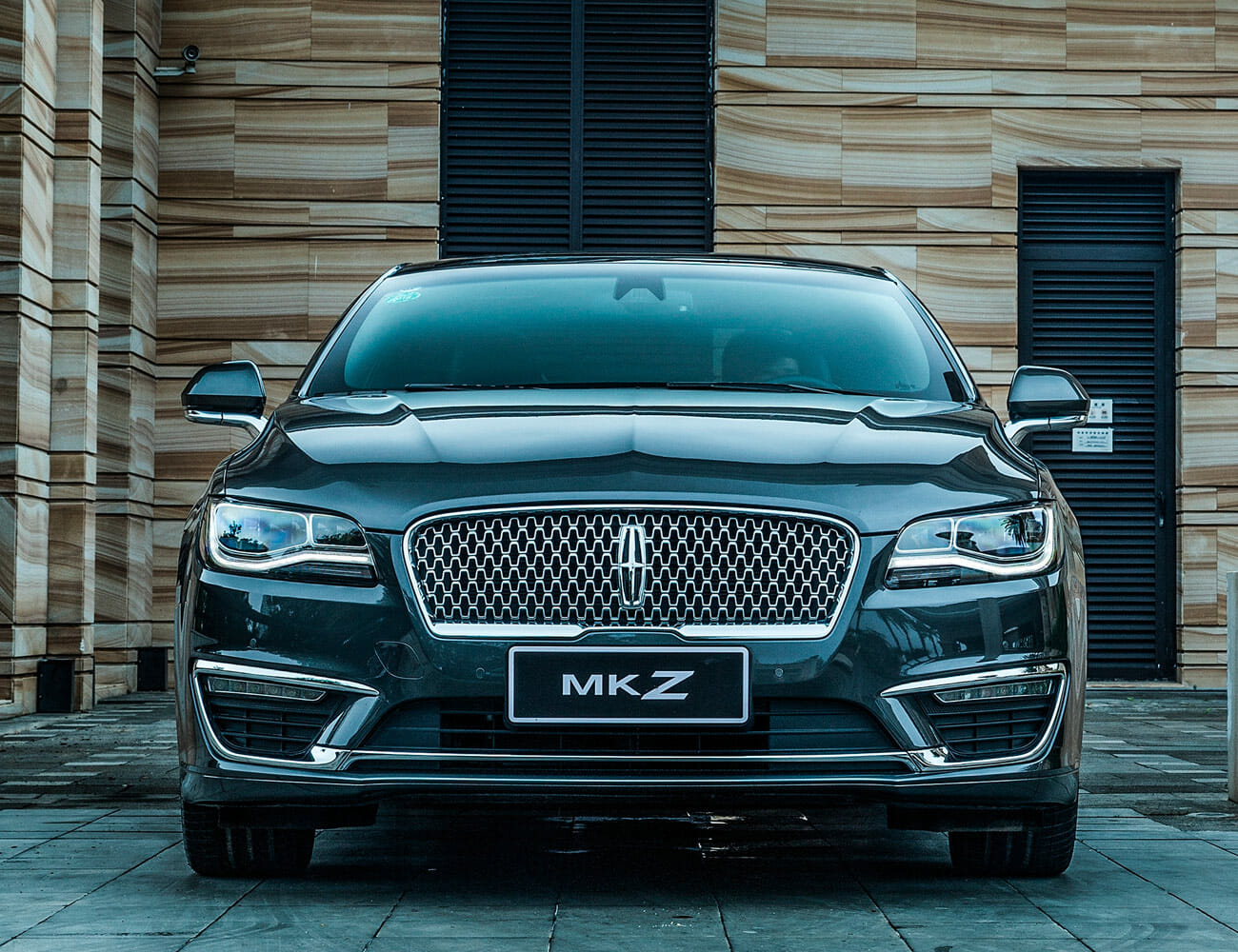
The MKZ is Lincoln’s entry-level midsize sedan. The second generation debuted for the 2013 model year. The base engine is a 2.0-liter inline four making 245 hp connected to either FWD or AWD drive systems through a six-speed automatic. There’s a bigger 3.0-liter V6 engine making 350 hp in FWD form or 400 hp in AWD models, paired with a six-speed automatic. The 2.0-liter hybrid system produces a total of 188 hp, achieves 40 mpg combined, and uses a CVT.

Body Style: Sedan

Models:

• Standard
• Standard Hybrid
• Reserve
• Reserve Hybrid
• Reserve II
• Reserve II Hybrid

Engines:

• Turbocharged 2.0-liter inline four
• Twin-turbocharged 3.0-liter V6
• 2.0-liter Atkinson cycle inline-four hybrid

Base MSRP: $35,995

Continental

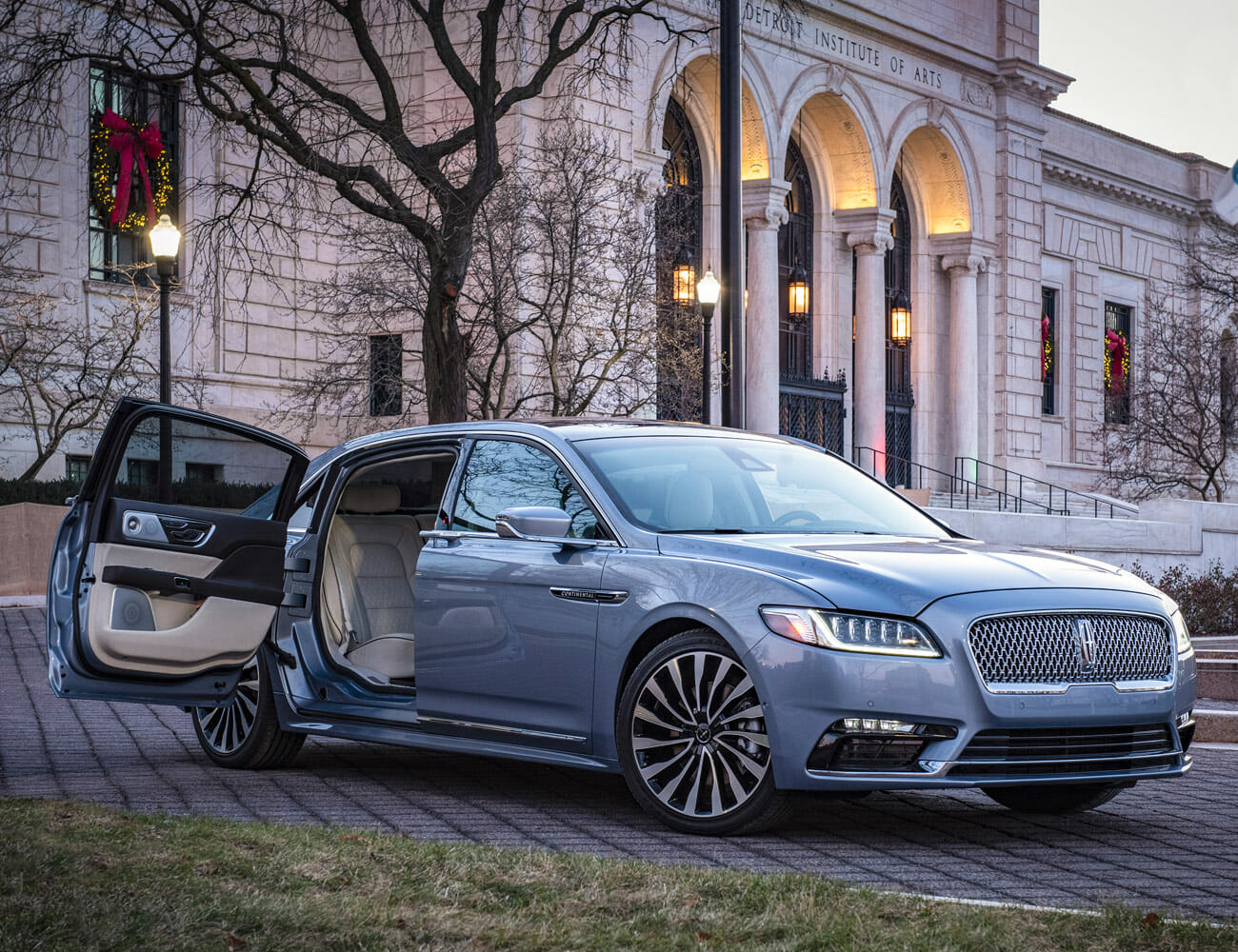
The Continental is Lincoln’s full-sized sedan. After years of being deceased, it was revived with a new generation for the 2017 model year, replacing the MKS. The base engine option is a naturally aspirated 3.7-liter V6 making 305 hp. Lincoln also offers the Continental with a twin-turbo 2.7-liter V6 making 335 hp and a twin-turbo 3.0-liter V6 making 400 hp. All versions have a six-speed automatic. The Continental can come with either FWD or AWD. A suicide door version was made briefly for the 2019 model year’s limited-production 80th Anniversary Coach Door Edition; these doors will return in greater numbers for the 2020 model year.

Body Style: Sedan

Models:

• Standard
• Select
• Reserve
• Black Label

Engines:

• 3.7-liter V6
• Twin-turbocharged 2.7-liter V6
• Twin-turbocharged 3.0-liter V6

Base MSRP: $46,145

Note: Purchasing products through our links may earn us a portion of the sale, which supports our editorial team’s mission. Learn more here.

2020 Chevrolet Corvette C8 leaks ahead of its official debut

The inevitable has happened, folks. Photos and a few details of the 2020 C8 Chevy Corvette leaked out before the official reveal tonight. Esquire hit “publish” on its prepared story, then quickly pulled it from its website. It was too late, though, as Motor1 managed to capture screen grabs of the story before Esquire was able to retract it. We’ll preface this by saying that it’s not official information from Chevrolet, but it sure does look legit to us.

One interior shot leaked earlier today, but these three photos give us exactly what we’ve been wanting. Drink in the details for now — these pictures are certainly GM press photos — but we’ll have plenty more detailed photos to share with you when GM drops the curtain for real. The Esquire leak included a few C8 specs, as well. It claims the standard engine will be a 6.2-liter V8 named LT2 that makes 495 horsepower and 470 pound-feet of torque. A 0-60 mph time of under 3 seconds is also quoted for the Z51 Performance Package in the story. So yes, it’s going to be fast.

Just as we figured, there is no manual transmission option detailed in the leaked story. Instead, Motor1 says the Corvette will have an 8-speed dual-clutch transmission to do all the shifting. The aforementioned Z51 package supposedly adds upgraded brakes, better cooling and a louder exhaust. Another detail Corvette fans will be happy to learn is that the removable roof option is still there with the C8. We’re assuming there’s a place to store it in whatever rear storage solutions Chevy has come up with.

A detail we put less credence in is Esquire’s price estimate. The story claims a price of around $70,000, but we probably won’t be able to confirm this for some time.

Watch the 2020 C8 Chevy Corvette Stingray debut here

Wake up. It’s Corvette time. July 18, 2019, has crept up on us without any major C8 leaks (except for this one), and it’s time to watch the reveal. The live stream is embedded directly above at the top of this post. Go grab a beer, or Mountain Dew, or whatever you might need to stay awake for the whole ordeal (we’re not sure how long it’s going to last).

Chevy says it’s firing up the stream at 10:50 p.m. Eastern, or 7:50 p.m. Pacific for those at the event in California. The actual show begins 10 minutes later at 11:00 p.m. ET. It’s going to be a long night for those of us on the East Coast, so let’s hope Chevy makes some serious fireworks.

You can catch up on everything that we know prior to the reveal in, well, our ‘Everything we know’ post. And if the interior photo leak posted by Bozi Tatarevic on Twitter is anything to go by, we’re in for quite the show, ladies and gentlemen. We’ll have all the coverage for you as it’s happening out in California, so keep it locked on Autoblog for all the details on the mid-engine Corvette.

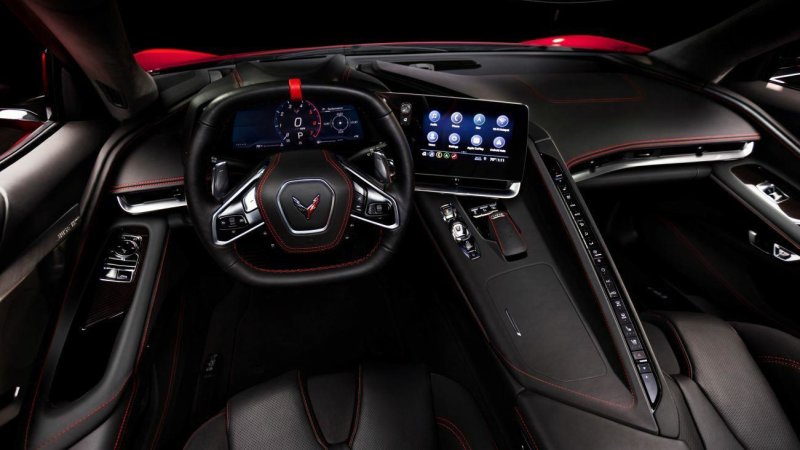
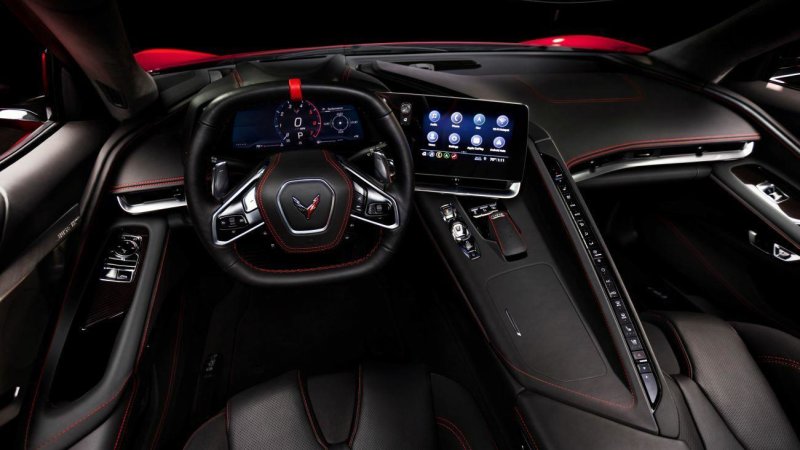
This is the interior of the C8 Chevy Corvette

Here’s the interior of the brand-new C8 Chevrolet Corvette way before you’re supposed to see it. Instead of trying to figure out the where, how and why of the image’s release, let’s instead break down what we’re seeing.

Besides the steering wheel and paddle shifters that Chevy already released, the most obvious takeaway is that the C8’s interior will be packed with a lot more technology and features than the C7. We see a digital gauge cluster with performance meters front and center along with what we assume is a large LCD touchscreen to the right. There looks to be a head-up display directly in front of the driver, too.

We’re not sure how enthusiasts will react to the C8’s push-button transmission, but the most controversial piece that we can see from this view may be the massive single row of buttons on a protrusion that clearly delineates the driver’s seat from the passenger’s. We think we see climate control buttons, but we’re not really sure what else is located in the lineup.

In addition to the great button divide, it seems that the center console itself is pretty wide, and combined with the protruding door panel on the driver’s left, the driver’s cockpit is clearly the focal point of the cabin. There are more buttons on the steering wheel, which, along with the mouse-like controller to the right of the push-button PRNDL, will likely be used to switch infotainment and driver information screens.

Considering the fact that the engine is mounted behind the passenger compartment, the view ahead out of the windshield looks to be pretty clear and unencumbered in comparison to the current front-engine C7 Corvette.

We’ll be seeing the rest of the C8 Corvette later tonight. You can watch the livestream right here on Autoblog, which we’ll bolster with live impressions from the reveal. Stay tuned!

Lotus Evija to go for Nürburgring EV record

No matter how many times Nürburgring records are made or broken, they still stand as an important automotive measuring stick – at least in a marketing sense. Granted, there are different Nürburgring lengths even on the Nordschleife, and then it all comes down to whether the vehicle is a production car, or completely experimental, or electric, or. … Anyway, numbers are numbers, and some numbers are smaller than others, and the Nürburgring is a legendary place to go fast. One of the future plans for Lotus is to bring its upcoming Evija electric hypercar to the ‘Schleife and see if it can go faster than the NIO EP9.

PistonHeads’ article on the Evija featured some interesting tidbits from Louis Kerr, principal platform engineer at Lotus. Kerr said the Evija should be “comfortably quicker” than the NIO EP9 at the Nordschleife, meaning they are gunning for a production EV lap time of way under 6:45. The Evija’s 70kWh battery pack has reportedly been optimized to provide 2MW peak flow for a sustained seven-minute period, which is practically tailored for a record Ring lap. After that, the batteries would heat up too much to provide peak power. The swappable battery pack can also take “ultra-fast” charging of up to 80kW thanks to active cooling of its li-ion cells manufactured by Samsung. The relatively handy swap-ability of the battery pack is done for the sake of future-proofing, as it means the 70kWh capacity can be upgraded by owners when technology progresses further.

Kerr also said that the Evija should be able to hit 62mph from zero in less than the 3 seconds advertised so far, and the targeted 3-second figure should be treated as a “worst case scenario”. The Evija could thus also be able to reach 300 km/h (186 mph) even faster than 9 seconds, as stated. Lotus CEO Phil Popham also said Lotus would be able to build up to 130 units of the Evija, and that several contracts have already been signed with future buyers.

Krautmotors Custom Made a BMW F 850 GS Motorcycle in Honor of the 100th Anniversary of Bauhaus

This year is the 100th anniversary of the Staatliches Bauhaus, aka Bauhaus, aka one of the most influential art schools and design movements of all time. In order to celebrate that influential centenary, Krautmotors custom-built…

SEMA High School Vehicle Build Program Jeep Wranglers

Customizing our own ride with our own two hands and some fierce skills is our personal dream. The fact that some high school kids got to do that very thing makes us both happy and…

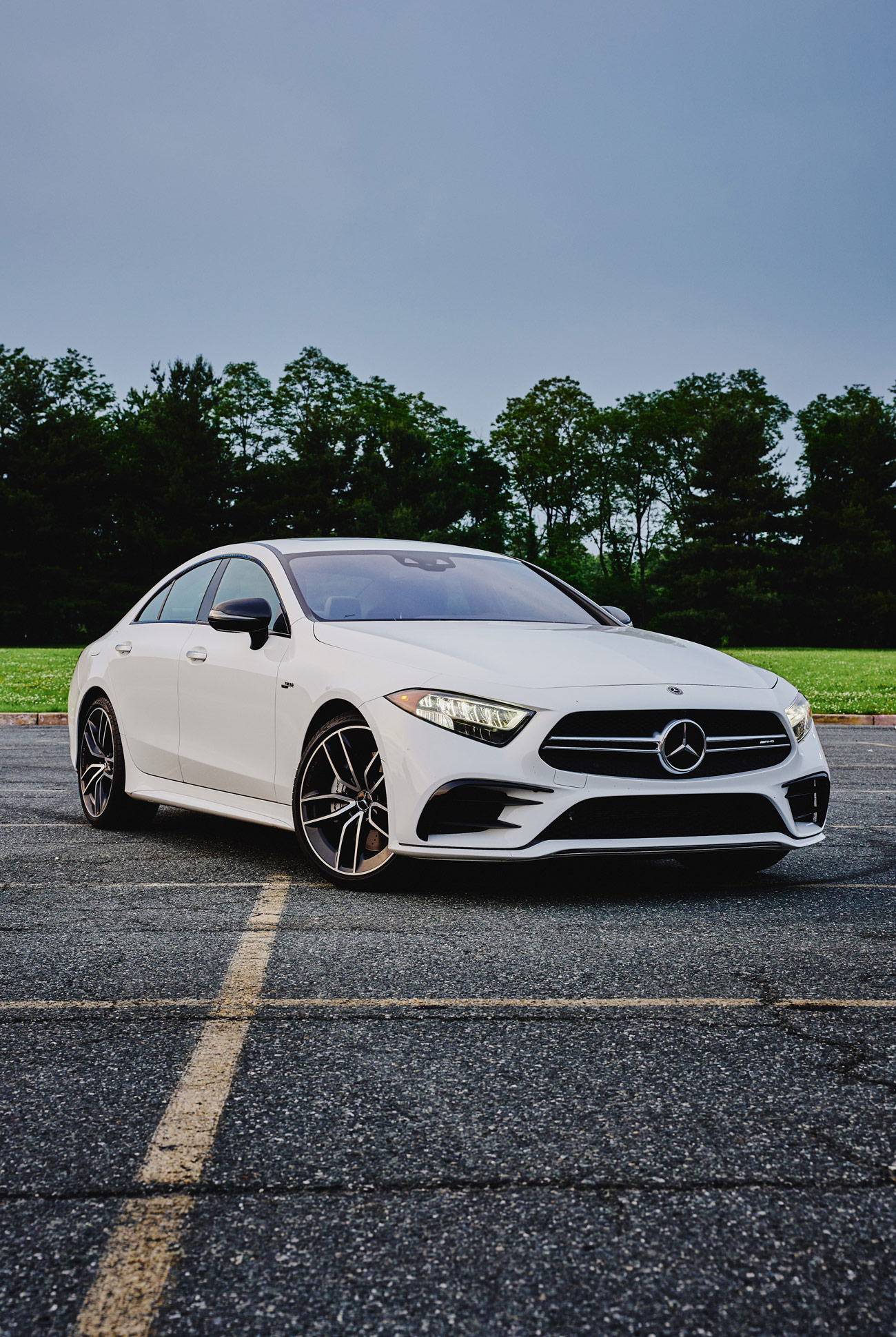
2019 Mercedes-AMG CLS53 Review: Here’s How You Make a Jack-Of-All-Trades

It’s not unreasonable to say that Mercedes-Benz invented the concept of a “four-door coupe” when it first introduced the CLS-Class back in 2004. That E-Class-based car was notable for its reasonable rear legroom, a plunging roofline…and a decidedly un-coupe-like four doors, which led to a design trend that’s been annoying pedantic car writers ever since.

But if you can ignore the merits of that argument, the CLS — now in its significantly curvier third generation — is a striking car to behold. It looks long but lean, aggressive yet practical, and all the while maintaining a strange sense of being exotic. (Though that last point is perhaps owed to the fact that Mercedes sells surprisingly few examples of the CLS; in 2017, the whole model line barely outsold the never-seen-it-on-the-street AMG GT sports car in the US.)

The most intriguing version of the still-fresh CLS-Class, however, must be the CLS53 AMG, which pairs the swoopy styling with AMG’s newest Goldilocks-level performance. It’s not the earth-ripping V8 power of the 63 series, it’s not the basic CLS450 spec…so it must be perfect, right?

The Good: The CLS53 shows off the variety of upsides that come with sexing up a German sedan and putting 429 horsepower in it. The engine is fantastic — one of the best implementations of modern downsized-and-turbocharged powerplants — and the handling makes the car feel smaller than it actually is. The interior styling is cribbed almost entirely from other Mercedes-Benz models, and like all of them, it makes for an incredibly pleasant place to sit. Likewise, the exterior styling is more hits than misses.

Who It’s For: The CLS53 is tailor-made for someone unwilling or unable to pick a side. Want enough power to get in trouble but not enough to test your life insurance policy? Want fun styling without giving up real back seats? Want high features tech without ditching internal combustion? You’ve found your car.

Watch Out For: There are some styling aspects, like the rear bumper and front fascia, that don’t particularly work to this reviewer’s eye, but that’s all subjective. That said, for such a jack-of-all-trades car, the suspension is too stiff and the exhaust too loud —  seemingly ported over from the speedier, less-well-balanced end of the AMG spectrum.

Alternatives: Audi S7 ($81,200), Porsche Panamera 4S ($104,000), BMW 840i Gran Coupe ($84,900)

Review: My venue for testing the CLS53 — a long-range cruiser if there ever was one — was a drive from New York City down to Charlottesville, Virginia, a round trip of about 850 miles. After arriving, my dad, drawn in by the curves and cocaine-tastic white paint, initiated the car-evaluation-walkaround that only dads are capable of. After a couple minutes of poking around, he paused and said, “Not the worst way to spend $80,000.”

The core premise of the CLS53, of course, is compromise. It attempts to be the best of all worlds in pretty much everything it does: handling, comfort, power, speed, sportiness, price, size, space, even emissions. Naturally, because of how silly of a plan that generally is, it falls on its well-sculpted face in a couple of these categories. But surprisingly, the CLS 53 nails a lot of them.

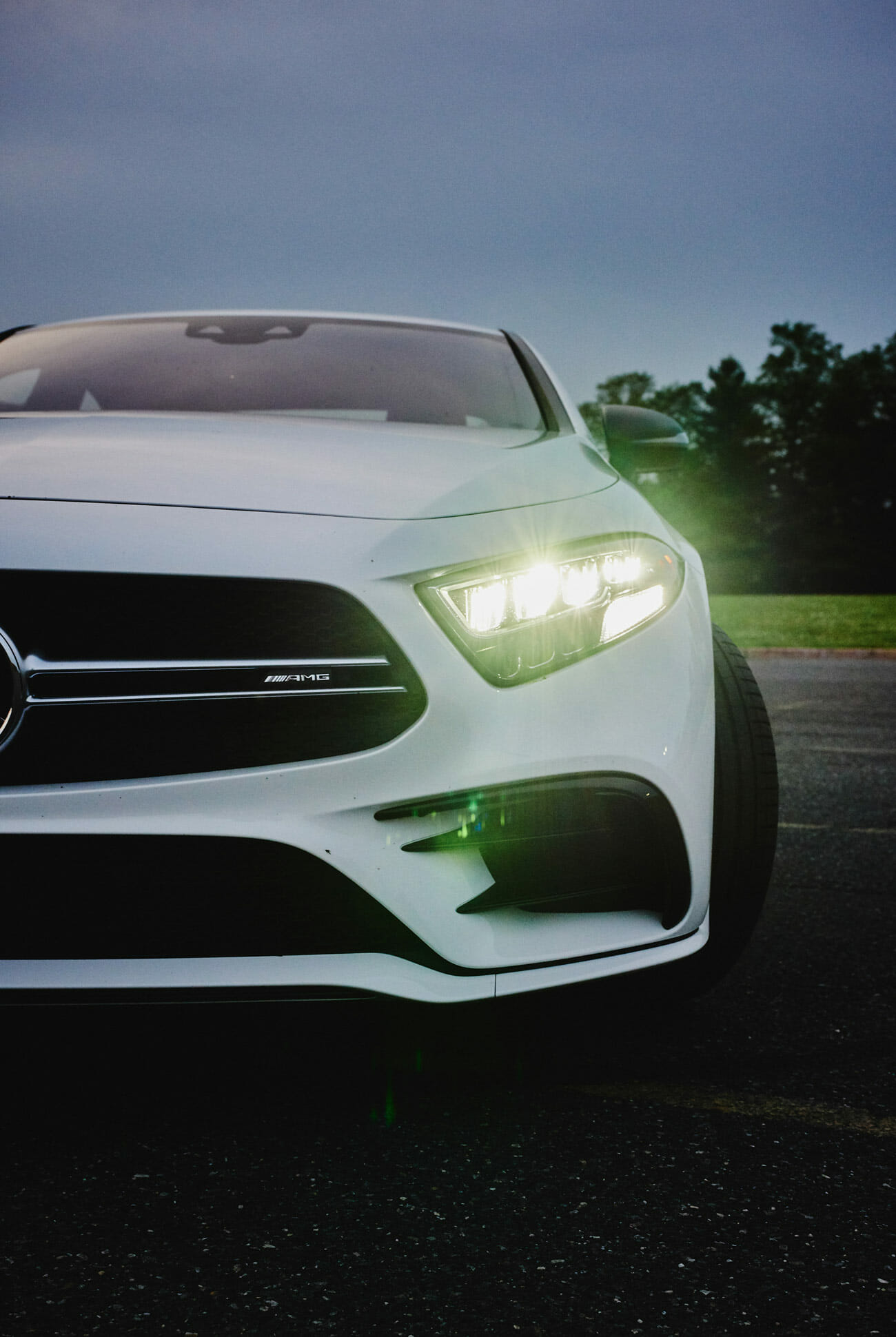
The third-generation CLS-Class’s looks definitely improve on what was already a pretty attractive formula. In profile, the CLS53 is a very pretty car, justifying how this kind of coupe-ish styling became a thing 15 years ago. The back is where most of Mercedes’s latest design language comes into play: it’s super-curvy, with a suitably sporty little ducktail spoiler. That being said, the US-spec version is hampered by two goofy little tack-on plastic bumpers surrounding the license plate. The rest of the exterior carries over more of MB’s coupe styling than sedan looks, but at times it can be a bit of a strange mashup. The front end, for example, served up Ford Mustang vibes every time I looked at it.

The interior, likewise, commits fully to being design-forward, and damn, do the results look great. Big swooping forms, wood carved to mold around the futuristic vents, the best steering wheel in the business and a pair of gigantic LCD screen that seem to merge into one to span from gauge cluster to the infotainment system. Tech-wise, it’s the same as every other well-equipped Mercedes on the market — think the responsible older brother of a Tesla. No touchscreens, carefully measured self-steering capabilities on the highway — but most of the fun stuff is there, down to the reconfigurable LED ambience lights.

The strongest indications that you’re in the sportier, AMG-enhanced CLS come from both the cute red stripe at 12 o’clock on the steering wheel and the half-dozen buttons in the central console allowing you to tweak the suspension, engine, transmission and loudness coming out the tailpipe. Though as far as I can tell, you can basically just forget them once you set everything to the Individual mode; I spent just about every mile in the comfiest suspension setting (anything else will turn your pelvis into powder), the most aggressive engine setting (if you’ve got it, flaunt it), and the quiet, or “Balanced,” exhaust setting.

A quick note on that: the alternative to the “balanced” exhaust is called “Powerful.” That setting is loud enough to take you from amused to embarrassed pretty quick, especially when some guy pulls up next to you in a -63 series or a BMW M5, both of which can sound more subdued but will ruin the CLS53 off the line.

Performance-wise, the car is a bigger blast than its middleweight status might make you think. It’s not an obscene, overpowered manchild machine like the 63 AMGs; it’s a little more measured, a little more usable, a little less brutal. It’s a big, heavy car, but the new inline-six that’s the defining feature of the 53 series is a bit of an engineering marvel. M-B takes an already-decent 3.0-liter engine and adds a twin-scroll turbo with an electric auxiliary compressor (which brings more boost at lower rpm without compromising top end power) and a weird little electric starter-generator whose a torque-filling capability isn’t crazy-noticeable but allegedly adds 21 horsepower. The net result is 429 horsepower, with 384 lb-ft of torque at a delightfully low 1,800 rpm.

Dynamics are maybe the area where the CLS53 is the most of a compromise — it’s gotta live up to coupe handling and sportiness expectations, while being bigger and more comfortable like a sedan. But in a testament to Daimler’s engineering teams, it works. If anything, it’s probably biased a little too much towards coupe sharpness — a fact that became clearer after 14 hours of high-speed road tripping.

Verdict: All told, the Mercedes-Benz CLS53 is a perfectly reasonable way to spend $80,000 or so on a car. Certainly, nobody could accuse you of being irrational; it does just about everything well. But there’s room to have a little more fun in this life. After all, a smaller, sharper Mercedes-AMG C63 S coupe or Audi’s RS 5 Sportback are about the same price. Who really wants to be Goldilocks?

2019 Mercedes-AMG CLS53 Specs

Powerplant: 3.0-liter turbocharged inline-six with electric starter-generator hybrid assist; nine-speed automatic; all-wheel-drive
Horsepower: 429
Torque: 384 pound-feet
0-60 MPH: 4.4 seconds
EPA Fuel Economy: 21 mpg city, 27 mpg highway

Mercedes Benz provided this product for review.

Read More Gear Patrol Reviews

Hot takes and in-depth reviews on noteworthy, relevant and interesting products. Read the Story
Note: Purchasing products through our links may earn us a portion of the sale, which supports our editorial team’s mission. Learn more here.

Phony Fauxrrari and Shamborghini replicas seized in Brazil

A shop in the state of Santa Catarina in Brazil has been raided and shut down by police after it was discovered that it was turning out shoddy replica supercars. The Fauxrrari and Shamborghini (we borrowed the latter clever term from the Associated Press) copies themselves look impressively detailed considering that they were reportedly coming out of a father-son operation, but the engineering, underpinnings and powertrains are surely a wee bit shy of what’s flowing out of the real factories in Italy.

According to the Folha de São Paulo newspaper, one replica was powered by the engine from a Chevrolet Omega, which we knew at one time in the U.S. as the Cadillac Catera. Scrolling through the image gallery above, though, we see at least one Ferrari knock-off that appears to have a bright red intake manifold behind the passenger compartment, so who knows? Police reported that the replicas were being offered on unknown social media channels for between $45,000 and $60,000. Needless to say, that’s nowhere near the price of a real Ferrari or Lamborghini. And this isn’t the first (and likely, not the last) time this has happened, either.

According to the AP, the raid was conducted after at least one of the Italian marques tipped off authorities. Eight vehicles in various states of completion were found, along with tools, molds and what looks to be a treasure trove of car parts. It’s not clear how many finished vehicles may have rolled out of the shop, or how many may already be in the hands of buyers. The father and son duo who ran the operation have been arrested on industrial property charges.

This 1958 Ferrari 250 GT Series I Could Fetch $8 Million at Pebble Beach

An Iconic Car To Go to Auction

The auction company Gooding & Company will have plenty of cars to auction off at Pebble Beach this year. One of the standout models is the 1958 Ferrari 250 GT Series I you see here in photos. The car is expected to fetch between $7 and $8 million. 

Only 40 250 GT Series I Cabriolet of the cars were built. Of those 40, only four featured coachwork by Pininfarina. This is one of those four, which is what makes it such a special car. Finished in black, the car is absolutely gorgeous. As you can see, the interior features a green carpet and green leather seats. The cabin of the car is absolutely stunning. The green pairs nicely with the black exterior. 

Italian aristocrat Prince Alessandro Ruspoli previously owned the car, according to The Supercar Blog. He was a Ferrari VIP and since his ownership, the car changed hands several times. Over the course of its life, the car was shipped to the U.S. and underwent a full restoration. It has since won many contests. This is a numbers-matching car, and Gooding & Company offers a well-documented history for the car, making it even more desirable. 

Exclusive: We Asked Chris Harris About Electrification, Manual Transmissions, and the Future of the Supercar

Interesting Insights From the Top Gear Host

Season 27 of BBC America’s Top Gear just recently premiered. It’s genuinely the best season of the show since the departure of the show’s long-time talent. The new three hosts have good chemistry, and it makes for plenty of fun and some good laughs.

We had a chance to sit down and chat with Top Gear presenter Chris Harris before the season premiere. In addition to talking with him about the show, we also asked him some questions about the industry in general. Over the course of our conversation, it became clear that Harris believes the industry is going through a major transition. 

Hybridization, Electrification and the Internal Combustion Engine

mclaren videosmclaren videos

One of the key things he pointed to was electrification. He said that he recently spent time in Morocco and didn’t believe it would have the infrastructure to support electric cars. He said many other places in the world will be the same way. “I think there’s a dichotomy between the developing world and the Western world,” he said.

As a part of that Harris said the internal combustion engine will likely live on, saying it “has much longer to live than people realize.” While Harris said gasoline engines will continue on, he’s not ruling out adding electrification to the ICE equation. “It will be hybridized,” he said. “It will be made more and more efficient. It’ll be made cleaner and cleaner, but I think it’s there for a while.”

That’s not to say that Harris is against electric cars. “The electric dream, which when it works well, is brilliant,” he said. “If you live in LA and you have a supercharger on your way to work and a charger at home there’s no way you would buy a petrol engine car. You’d have to be a flat earther, I think.”

However, he said that for rural communities, even in the developed world, electric cars largely don’t make much sense. “If you live in a rural community in the Midwest, and depending on how you live your life, you’re not going to buy an electric vehicle.” 

The Future of Supercars

Ferrari SF90 Stradale

Ferrari SF90 Stradale

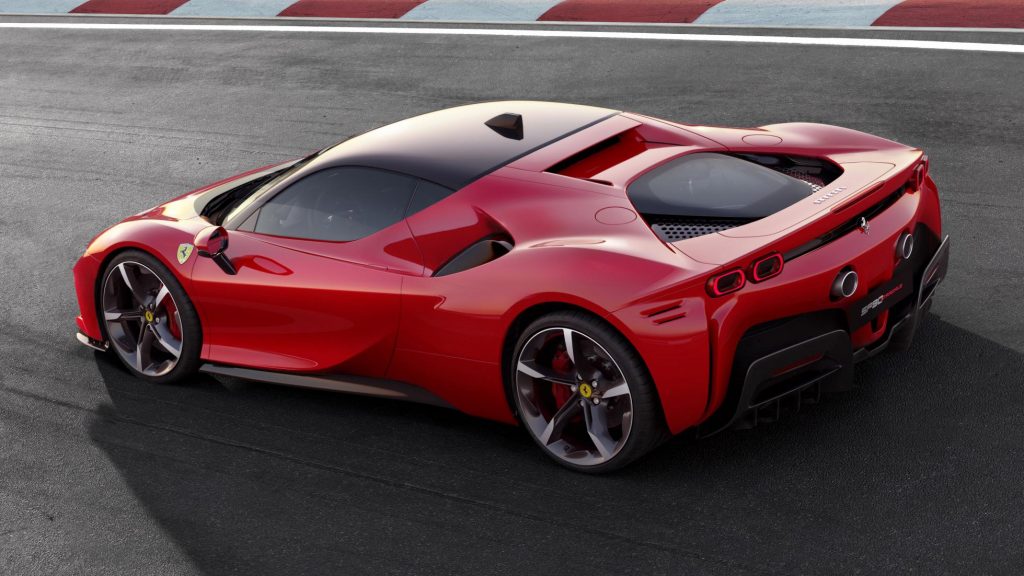
We discussed many things during the course of our discussion. One of them was the Ferrari SF90 Stradale and other hybrid supercars. Chris didn’t seem to be overly optimistic about the car and some of the other supercars out there at the moment.

I think we’re going into an era of the supercars that won’t be viewed kindly in 20 years time because they’re at a transitional point in technology,” said Harris. He discussed the weight and complicated powertrains of the vehicles. Harris said he’d rather have a lower horsepower and lighter weight machine. “It’s contrary to how we all live,” he said. “Really you want to go a bit slower and have a bit more fun at lower speeds.” 

He also discussed concerns with the batteries in these hypercars. “What happens with these hybrid batteries in 15-year’s time? What’s the battery life like? I’m hearing horror stories of people fitting new batteries to their Ferrari’s or McLaren P1s,” he said. 

The Manual Transmission

manual transmissionmanual transmission

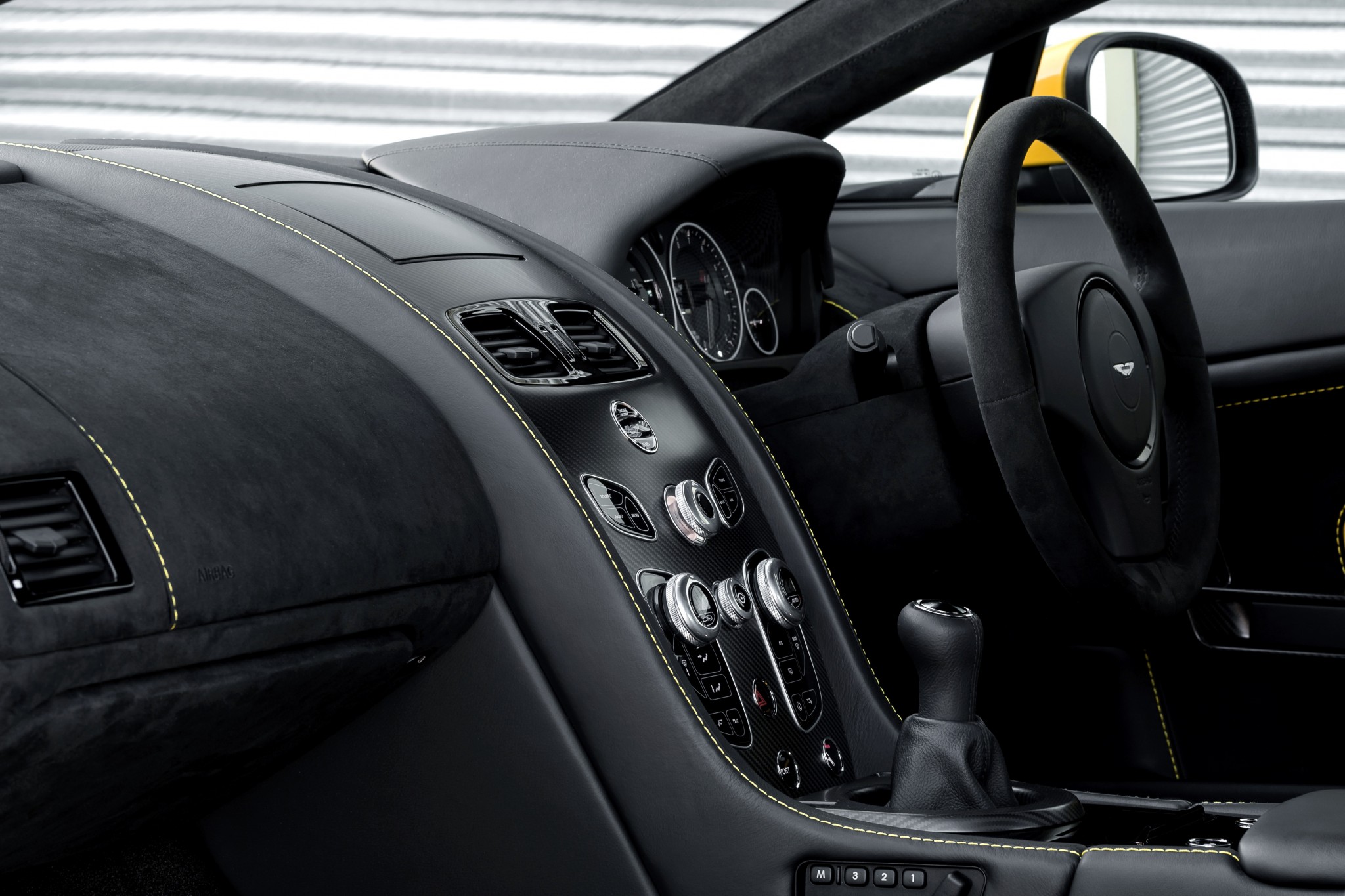
I also asked Harris about his thoughts on the manual transmission. While the manual is quickly disappearing from many cars on earth, Harris thinks some automakers, like Aston Martin and Porsche, will continue to build cars with this option in them for some time. 

“I think the last petrol engine car that Porsche makes will have a manual gearbox in it,” Harris said. “People want them. There are enough people out there that want them.”

Harris said he’s all for keeping the manual in as many cars as possible. He discussed the super-fast supercars with paddle shifters and sounded a little annoyed that there were so many. “I’m over it,” he said. “I really am.” That’s not to say that he doesn’t still enjoy driving them, but he’d rather have a manual car for a fun car. “If I want to go driving I’ll have more fun in my 2CV.”

A Bentley Designer Explains How Electrification Shapes the Brand’s Future

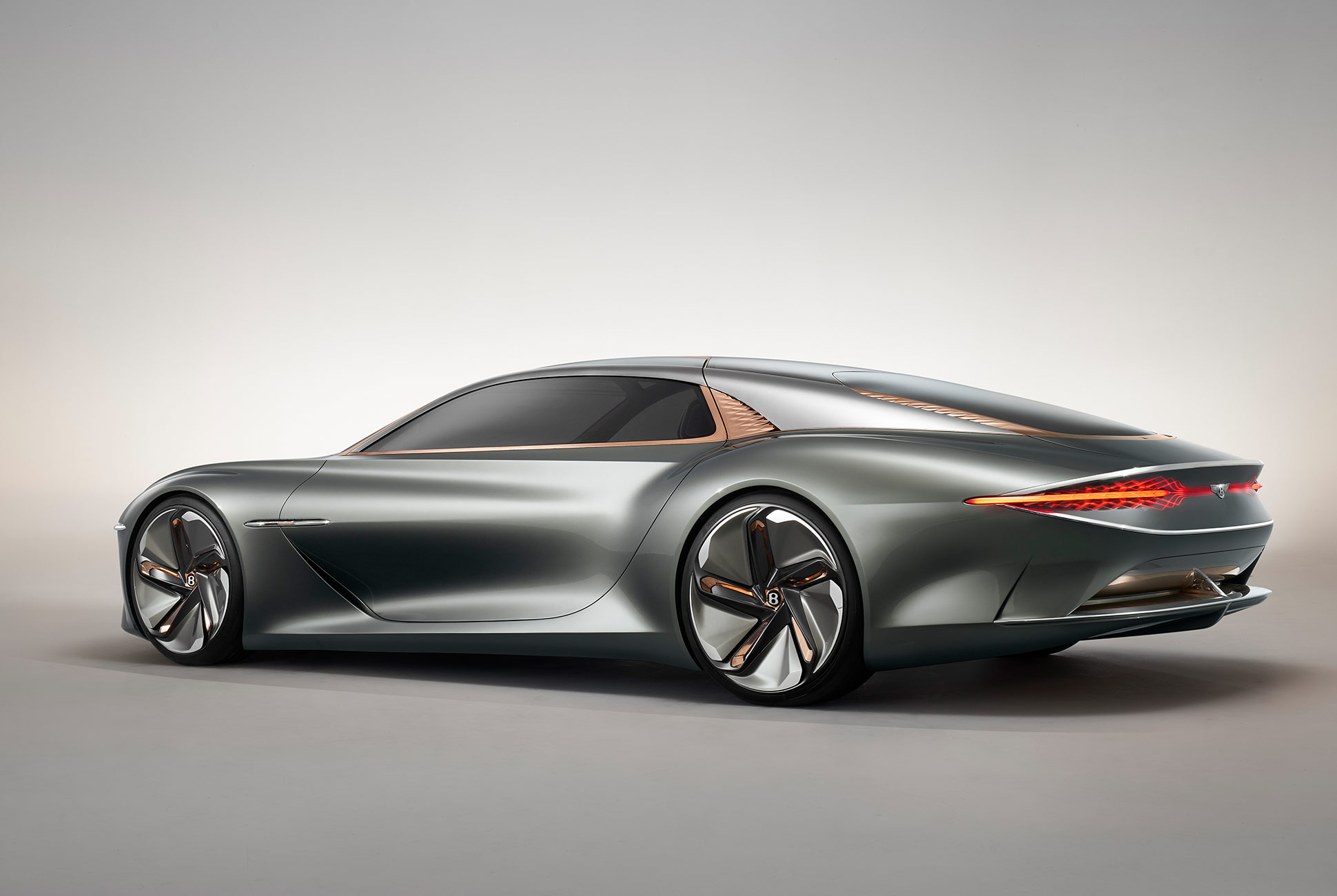
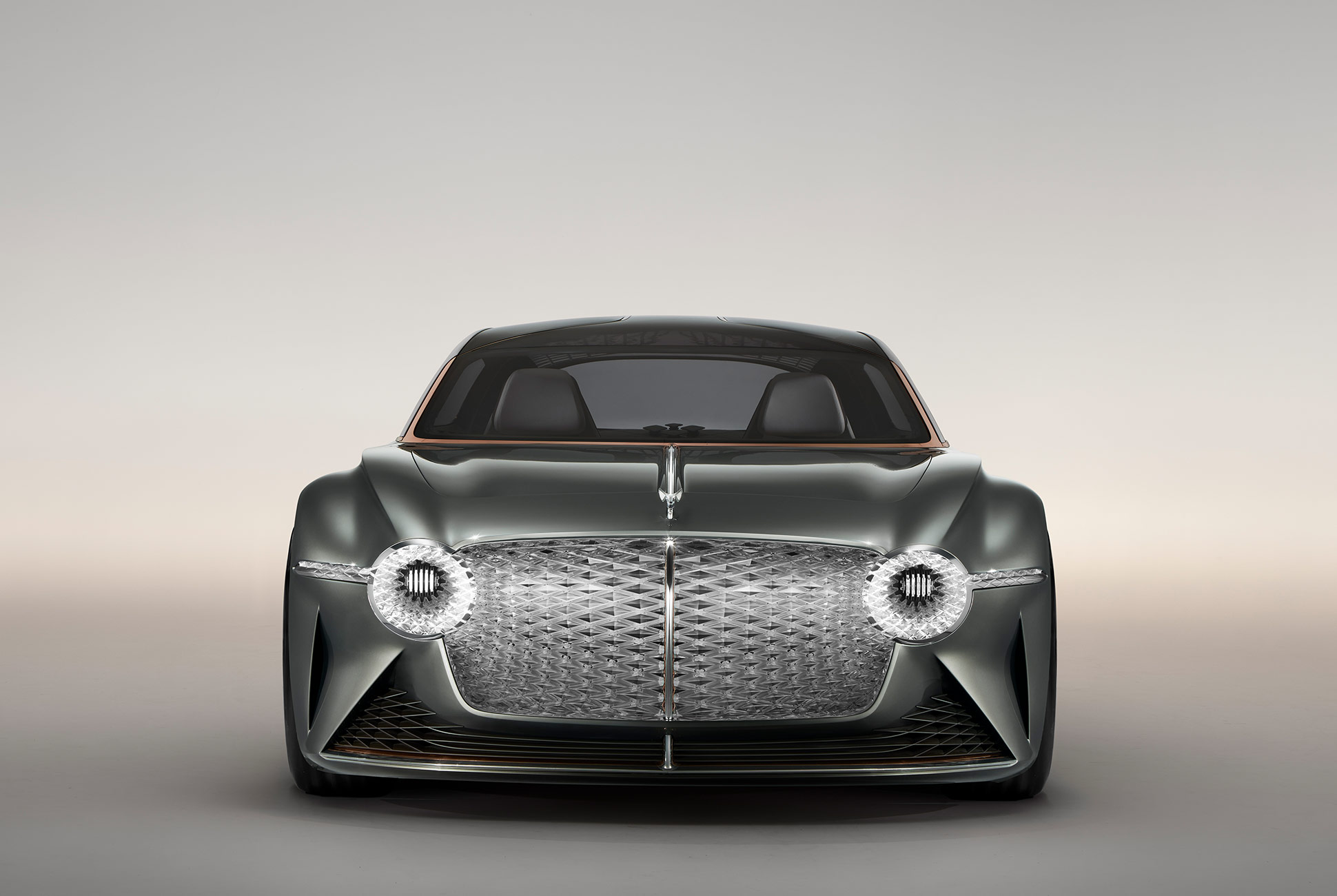
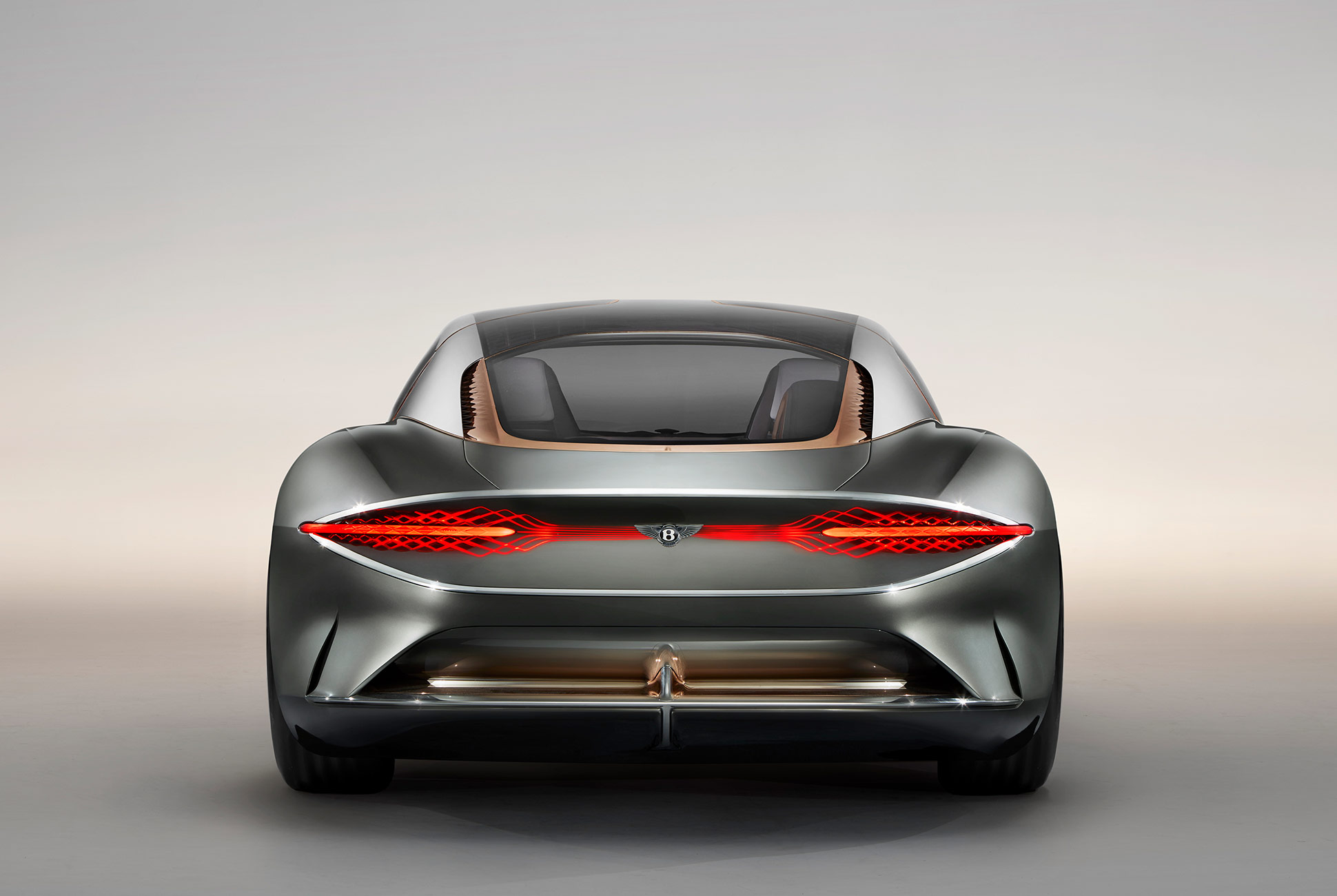
Wen Bentley unveiled its EXP 100 GT concept last week at its headquarters in Crewe, England—on the day of its 100th anniversary—the manufacturer delivered the first concrete hints that this ultra-premium marque was seriously contemplating its role in future mobility.

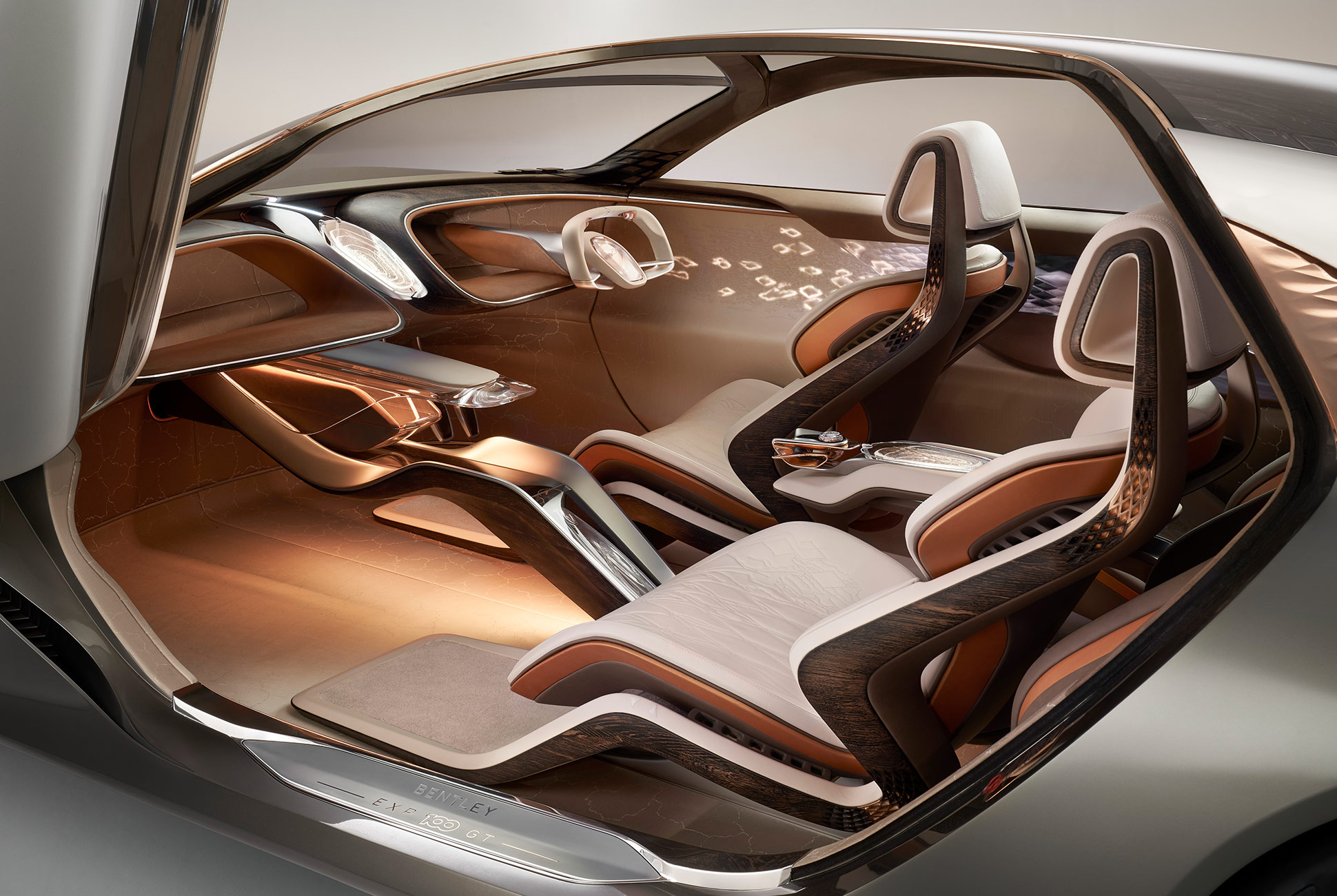
Yes, the long, low car looks every bit the sleek and aerodynamic sport coupe you’d expect from Bentley, but it’s got autonomy baked into the design, via a reconfigurable interior, it’s fully electric, and it debuts a lighting system meant to communicate its intentions to those around it. In effect, it’s joining the conversation in a meaningful way, a gesture that many might be forgiven for assuming would be “beneath” the brand.

We sat down Bentley’s head of exterior design, John Paul Gregory, to find out how the new vehicle reflects a divergence from Bentley’s usual path. Gregory has been with Bentley for 11 years, and has led the development of the outward appearances, most recently, of the new Continental GT and GT Convertible and the forthcoming Flying Spur.

grey_placeholder

Q: First, talk to me about being a Bentley designer. How does one internalize the aesthetic of such a brand?
A: I think the reason I was given the job in the first place is really because I proved that I understood the spirit and the character of Bentley, rather than just executing a line here and a line there. Designing for Bentley is much more than that. There are certain formulas we can follow, but that doesn’t always work. It’s not binary. It’s more working on intuition and trusting your own experiences and your instincts a little bit. So you keep experimenting, keep moving form and volume around—and sometimes you have to rip it up and start again. At Bentley, our design process is longer than a mass-manufactured car, so we have that slightly longer design process in which to add in that extra level of refinement. That’s something that is a really important part of our endeavor.

Q: What was your goal with the EXP 100 GT concept?
A: This is a design statement of Bentley in the future. We got together with all our stakeholders internally and had long conversations with the board, saying guys, we’re 100—how are we going to celebrate? What are we going to do? Of course, on top of it being our birthday, we have this unprecedented shift and transition in the automotive industry. So we decided to use this as an opportunity to have a celebration and honor our wonderful brand, and at the same time set out what type of brand we want to become in the future. We wanted to show what type of cars do we want to make.

grey_placeholder

Q: How does electrification impact design?
A: Electric cars don’t have to be soulless boxes. They can still have automotive appeal and they can still refer to your heritage. Yes, there’s a completely new set of technical constraints, but you’re still playing with recognizable DNA. With this concept—it’s a very big car, and it’s got that Bentley statement as a big, bold coupe. But electrification gives us the opportunity to talk about future drivetrains, and with a large footprint we can spread the batteries out. This allows for quite a unique and configurable interior space. You can choose two, three or four seats, and that flexibility impacts the exterior proportions.

When you start talking about the silhouette of this car, it’s quite different from normal. The proportions are affected by the electric drive, which was the birth of this configurable space. What that means is that the front windscreen is much further forward than it normally would be. In the past, you would have these enormous bonnets because there are enormous engines inside, and the windshield is very far back. It’s what we call the dash-to-axle ratio, or the “prestige mass”—the distance between the door and the center of the front wheels. It’s normally very large on a Bentley, but in this car it’s actually quite small.

We’ve also wrapped around the A-pillars a little bit further, so we’ve got a lot of curvature in the front screen. What that does is give you get a completely different aspect, depending on where you look at the car.

grey_placeholder

Q: Do you feel constrained by the need to have this cool new tech look like a Bentley?
A: A lot of these electric startups don’t have a heritage to draw from. They have really nice-looking cars, but all of the design follows current trends so they all end up looking similar. Many designers would say that’s a blank canvas, and there’s nothing restricting us. But actually, having a heritage to draw from is in my eyes a positive. It’s the challenge of placing that instantly recognizable heritage onto this new technology.

Of course, the big topic around that with this car is the grill. Do we completely abstract the Bentley face? I said no, let’s take this wonderful 100 years of heritage and celebrate it and still use it, but in a different way. Here we’re playing a lot with the topic of light, which will become a way of communicating with others as this autonomous world develops. As that technology develops, light will help make sure the outside world knows what the car is doing. That’s a wonderful communication tool, while at the same time it provides a sense of occasion. As the owner walks up to the car, the car wakes up. It can almost sense the driver’s mood and maybe help them get into a better one. So it’s got this kind of luxury theater on top. The whole front end is super-exciting for me as a designer.

Q: There’s a lot going on with this car. How do you reign yourself in?
A: We’re playing with different topics, and because it’s a show car we’re able to push that bandwidth and see how far can we stretch it out, but make sure it’s still a Bentley. It goes back to what I was saying before about spirit and character. Bentley’s about dominance and presence, and those lights are reminiscent of so many other wonderful cars—the Blower, the Continental Type R. But it’s obviously an abstract version of that.

Q: As with many show cars, it feels like there’s something else beyond just Bentley’s heritage influencing it, even in this case elements of fantasy or science fiction. Is that deliberate?
A: You’re absolutely right—concept cars do often have that feeling. With Bentley, concepts are usually precursors for something that we want to create very soon. This, however, is purely visionary, and it means we could take the shackles off a bit, especially because we don’t have the production feasibility behind them. I think it’s important that the cars have that feeling—that we’re able to dream a bit.

grey_placeholder

Q: Final question: When you get together with other designers in the industry, what’s on your minds?
A: We’re all having conversations about this big shift in the automotive industry, and how it’s being interpreted differently. There are a lot of successful interpretations of what’s happening, and we’re beginning to talk about the challenges together. But everyone’s in the same boat. We know that this is happening, and it’s really important as a brand that you put your stamp on things. In our case, we’re still going to make inspirational cars, not these autonomous boxes. I think people in the design community respect that, because the only reason you get into this game is because you’re passionate about cars and passionate about car design. I think that that this car still represents that.

10 Cool Cars From the 2000s Sure to Become Future Classics

Automotive nostalgia for the Nineties is having a moment. (Call it the Radwood effect.) After all, fawning over rad Japanese tuner cars from those days is more fun than reconciling ourselves with the fact that it’s been 25 years since Weezer’s self-titled blue album came out.

But all this enthusiasm for the 1990s had us wondering: Could the 2000s be next? Prices for cars from that era are still reasonable. And the defining features of many fun cars of the era — manual transmissions, naturally aspirated engines, not being crossovers — should age well moving forward.

Here, then, are 10 future classics for your consideration (and potential investment in).

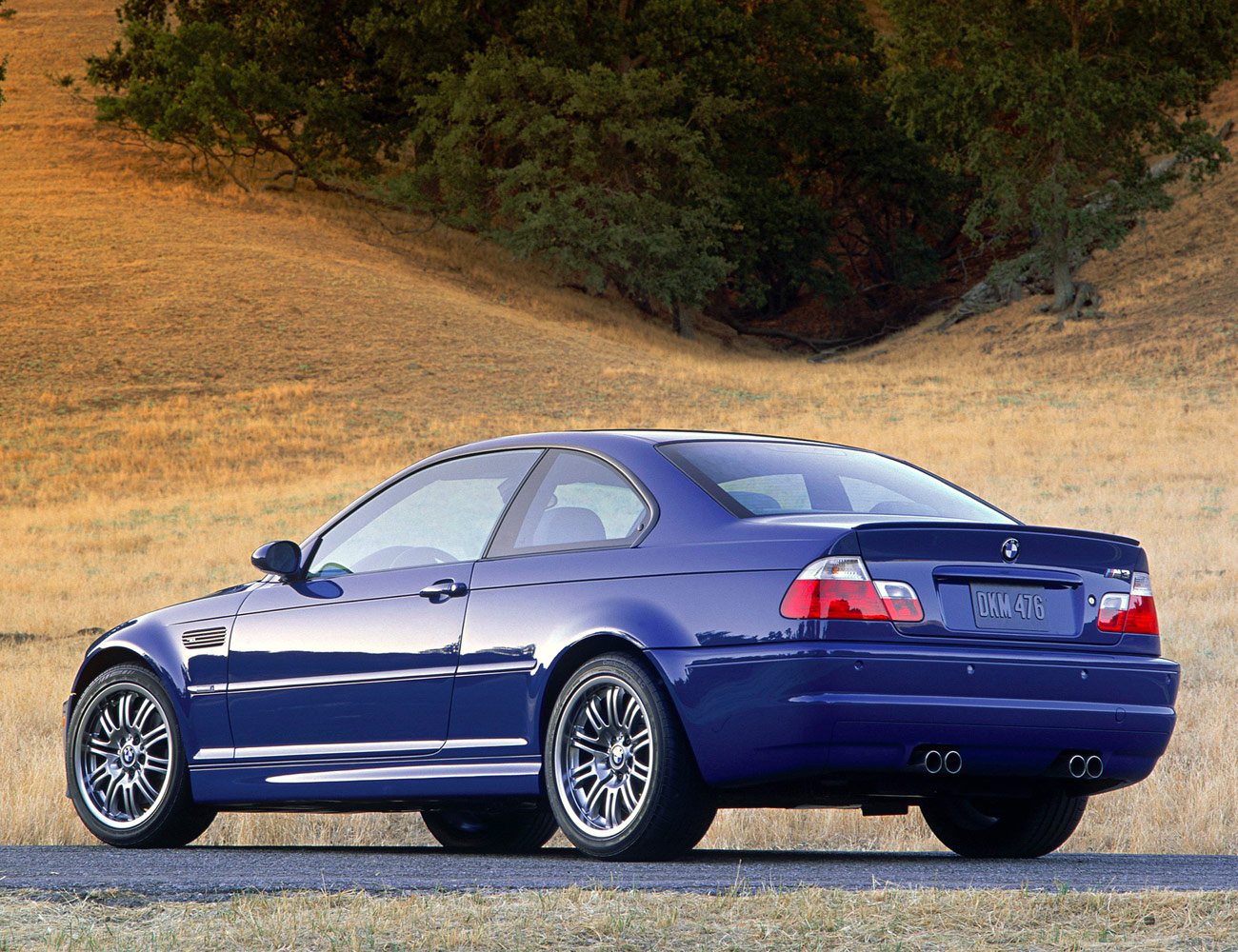
BMW M3 (2000-2006)

There are the uber-purists who believe BMW lost its way in the early 1990s. For everyone else, the early 2000s were the halcyon days for BMW, with that era’s cars being a perfect fusion of modern engineering, classic BMW driving dynamics, and somewhat-conservative styling.

The E46-generation M3 may be, simply, the best car BMW has ever built. It packed the S54 3.2-liter naturally aspirated inline-six engine, with 338 horsepower and an 8,000 rpm redline. Whether it would come with a six-speed manual was a question one need not bother asking.

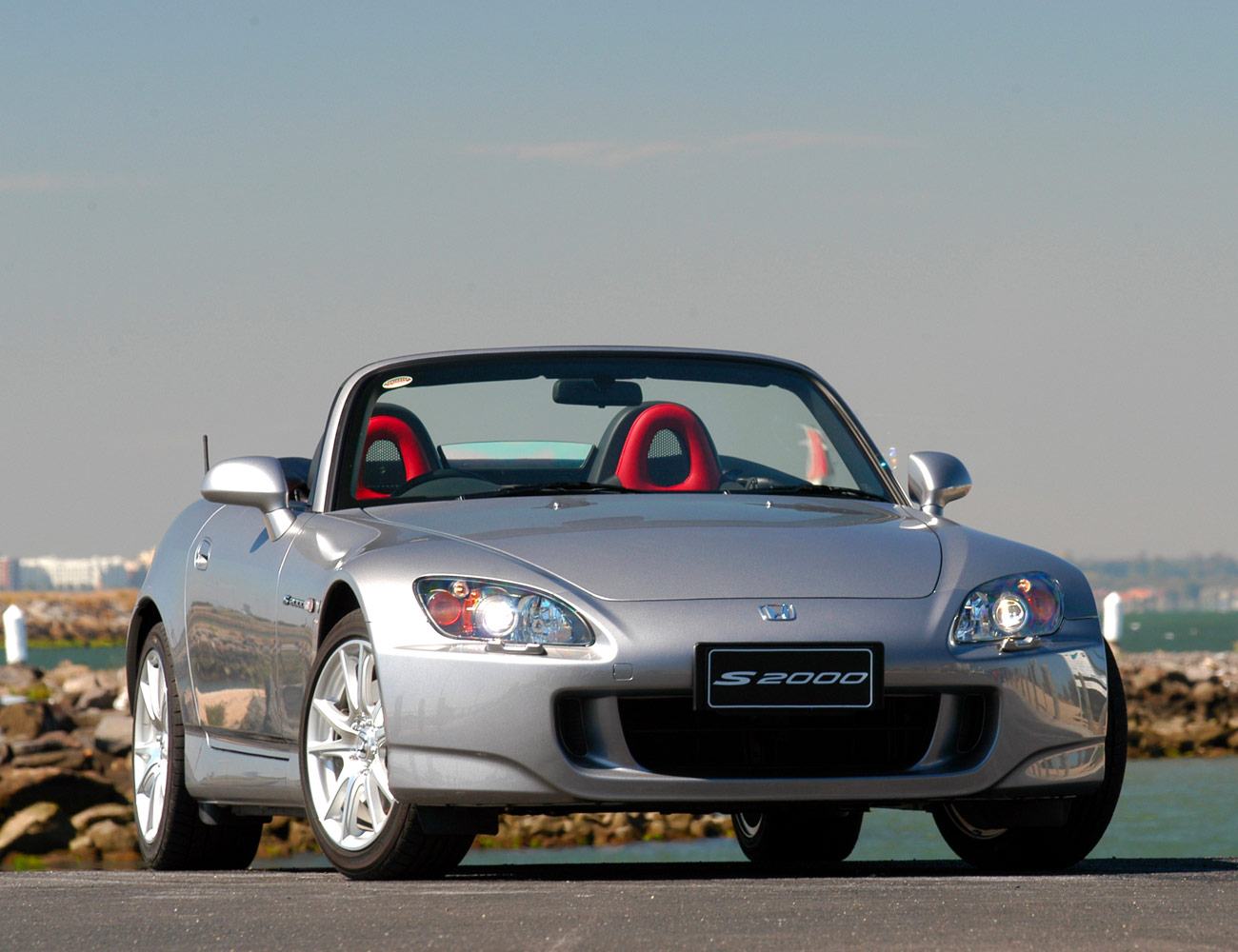
Honda S2000 (1999-2009)

The Honda S2000 may be the ultimate purists’ roadster. The original version had a naturally aspirated 2.0-liter VTEC putting out 247 hp — an impressive 123 hp per liter. It (only) had a six-speed manual, 50/50 weight distribution, and rear-wheel drive. With a 9,000 rpm redline and a power curve that topped out right near that limit, it was built to be driven hard. It’s also not bad to look at, whether it’s from before or after the 2004 facelift.

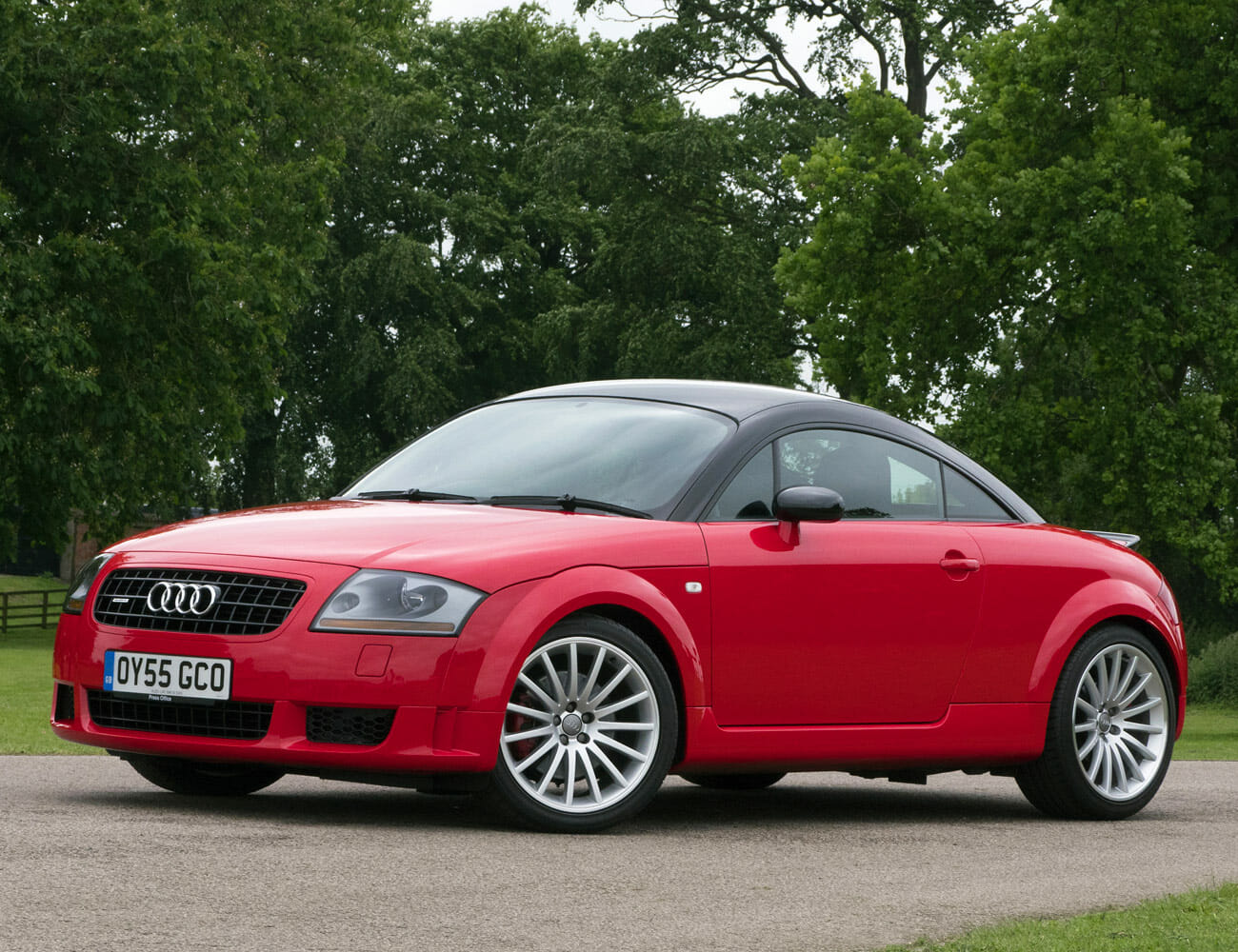
Audi TT (1998-2006)

The Audi TT was one of the most stunning, innovative concept cars ever — and it made it to production with its sleek Bauhaus look intact. The TT Mk1 was far more of a cruiser than a track car; the first models had to be recalled for dangerous handling at high speed. But a 225-hp engine, a smooth Audi six-speed stick, and baseball-stitched leather made it a fun car for most drivers. The best testament to the TT may be how many owners have pushed them past 150,000 miles.

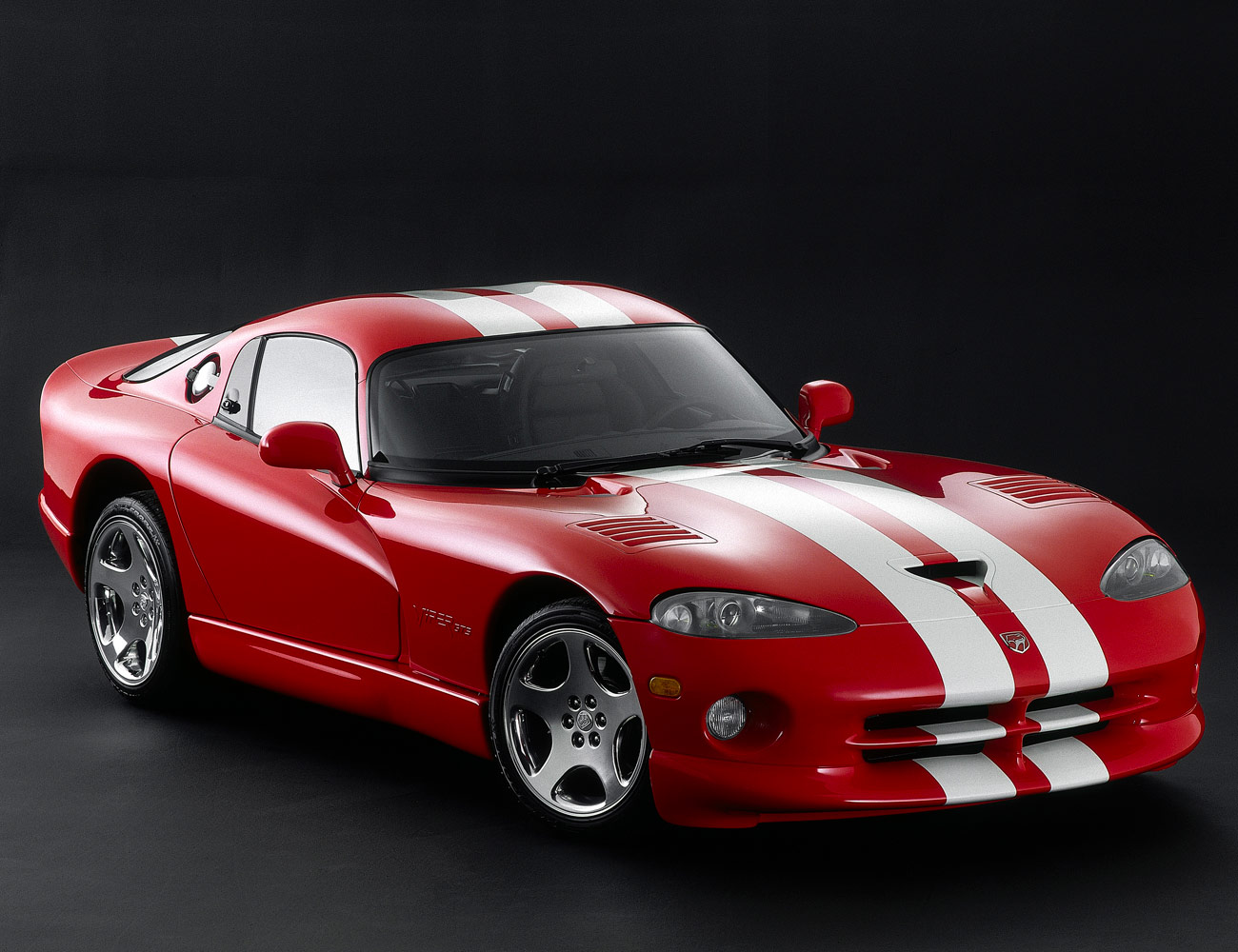
Dodge Viper (1996-2002)

The Dodge Viper was the proud antithesis of the modern sports car. It had a stupidly large engine, a manual transmission, and no driving aids whatsoever. (Look out for trees.) The second-generation SR II had an 8.0-liter V10 putting out 450 hp and a six-speed manual. It kept the distinctive styling and stripped-down feel of the original, but in addition to a power upgrade, the later model added features like airbags, standard AC, and anti-lock brakes — things any sane driver would want.

Ford Mustang (2005-2014)

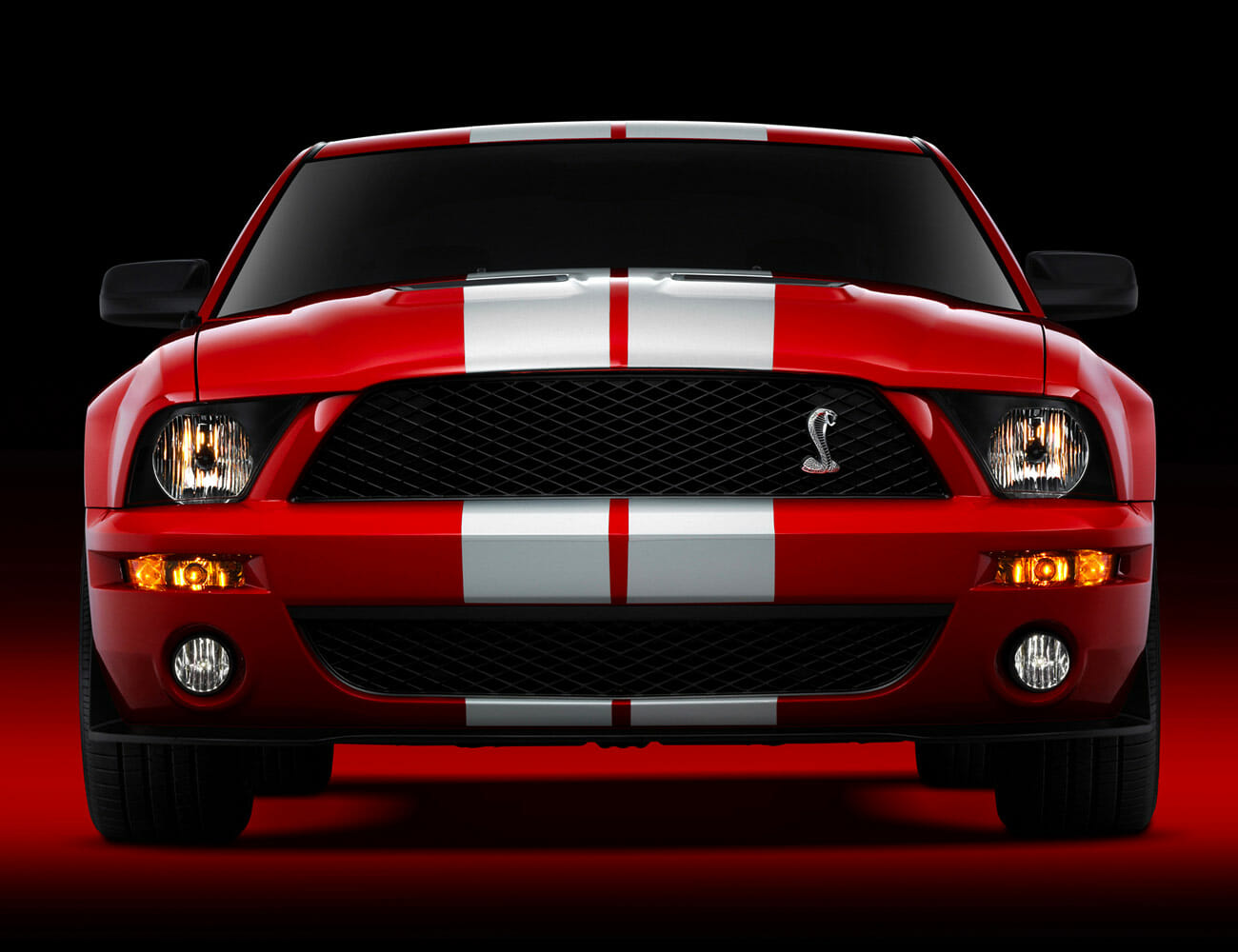
With the S197 — better known as the fifth-generation model — Ford decided the Mustang should look like the Mustang again. The company emulated the boxier style of the first generation and produced its best-looking Mustang since the original. It was not a mind-blowing performance upgrade over the fourth-gen, but it held true to Ford’s initial vision for a car that looked awesome, made a lot of noise and came at a price nearly everyone could afford. Indeed, it may have been too affordable: Ford opted to axe an independent rear suspension that would have improved the ride significantly but made it much more expensive.

Jaguar XK (2007-2014)

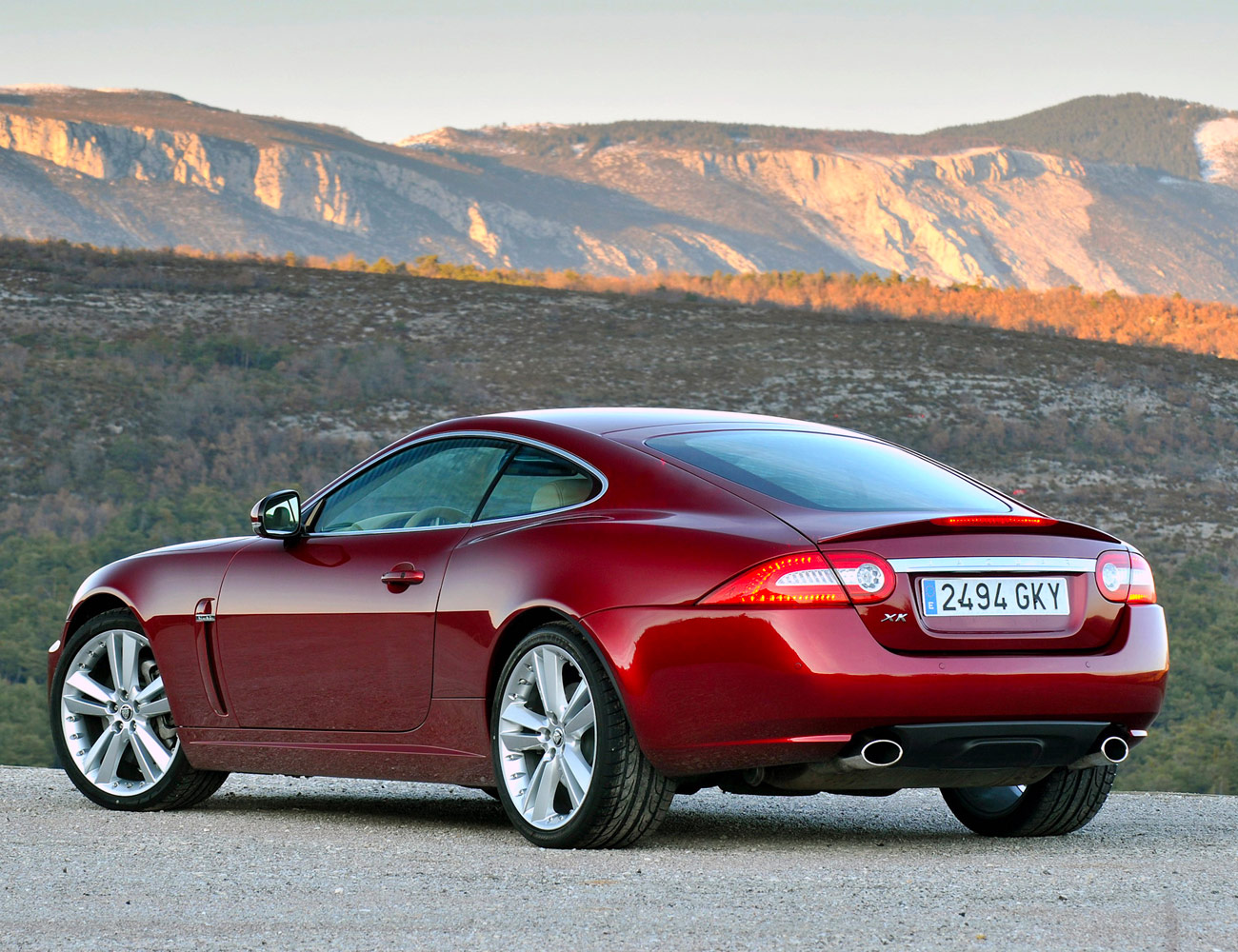
The Jaguar XK was Jaguar’s 2+2 grand tourer. Famed designer Ian Callum penned the second generation, and it was one of the cars that helped reestablish Jaguar as a sporty, sexy car manufacturer. There was no manual option, only a six-speed ZF automatic, but the XK makes up for it by offering three variants: naturally aspirated V8, supercharged V8, and even beefier supercharged V8. This wasn’t a Bond car, but it’s a car that can make you feel like James Bond on a budget: Even well-kept performance XKR versions with low mileage gavel for less than $30,000 on Bring a Trailer.

Volkswagen Golf R32 (2004)

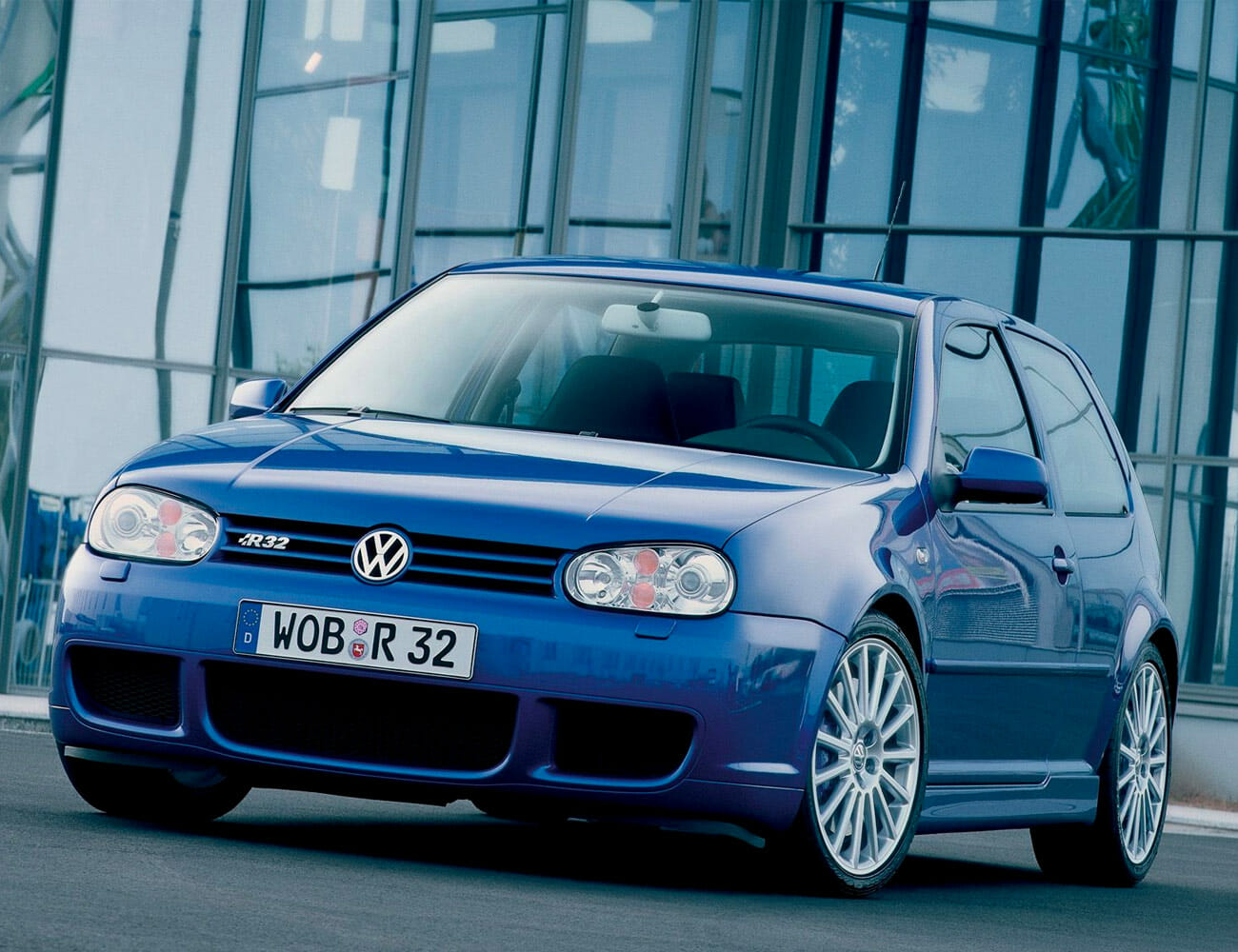
The R32 is among the standouts from the Volkswagen Golf line. It was VW’s halo Golf for the Mk4 generation, and only sold in the U.S. for the 2004 model year. The R32 had every option and a massive (for a hot hatch) 3.2-liter VR6 engine putting out 238 hp and 236 lb-ft of torque. It also came with two excellent transmission options, a six-speed manual or a six-speed dual clutch transmission — the first to appear in a production car.

Saab 9-5 Aero (2000-2009)

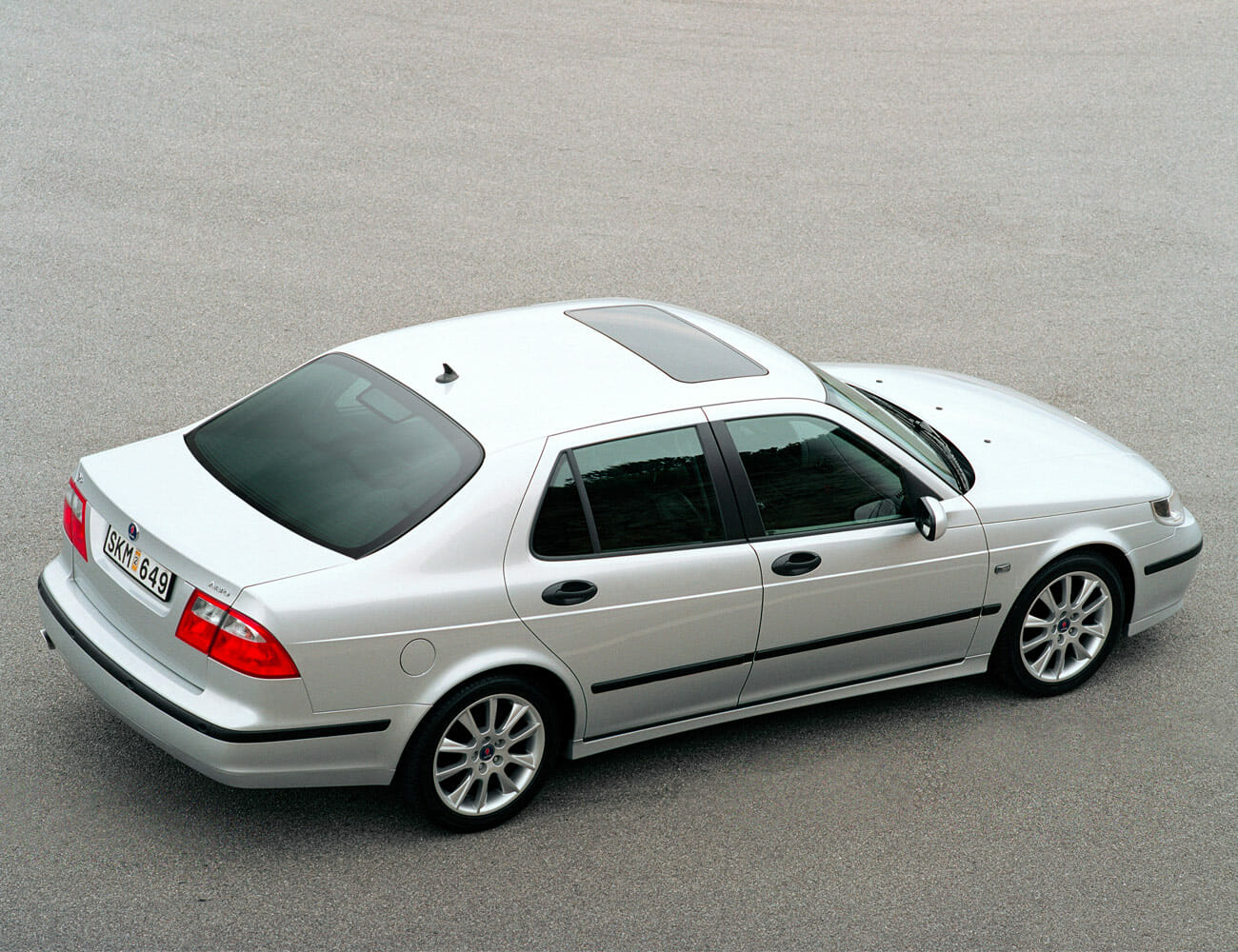
Saabs were quirky, comfortable and Swedish — before the fallout of the GM bankruptcy made the brand all but defunct in the early 2010s. The 9-5 Aero was a performance version of the 9-5 executive sedan. It was a Saab that could haul ass — to a degree. The torque-heavy 2.3-liter turbo four’s output figures of 250 hp and 258 lb-ft were reportedly significantly understated. It could also be fitted with a five-speed manual.

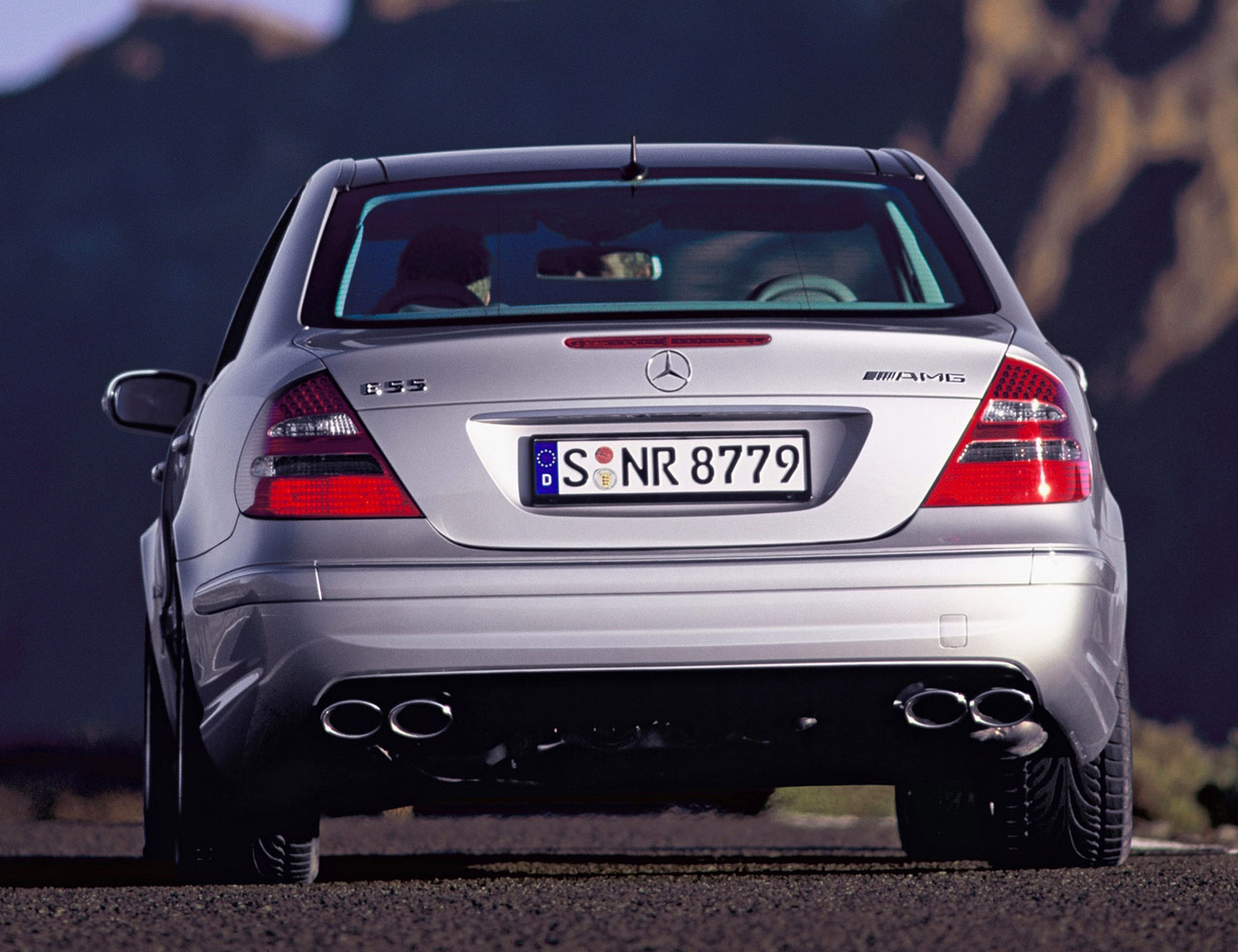
Mercedes-Benz E55 AMG (2003-2006)

The second-generation Mercedes-Benz E55 AMG was the precursor to the E63 AMG. It came as both a sedan and a wagon, and its supercharged 5.4-liter V8 produced 469 hp and 516 lb-ft. When new, it was the fastest four-door vehicle in the world: It accelerated from 0-100 mph in less than 10 seconds, more than a second quicker than the Audi RS6 and faster than a Corvette Z06. It only offered a five-speed automatic, because Mercedes’ seven-speed at that time could not handle the torque.

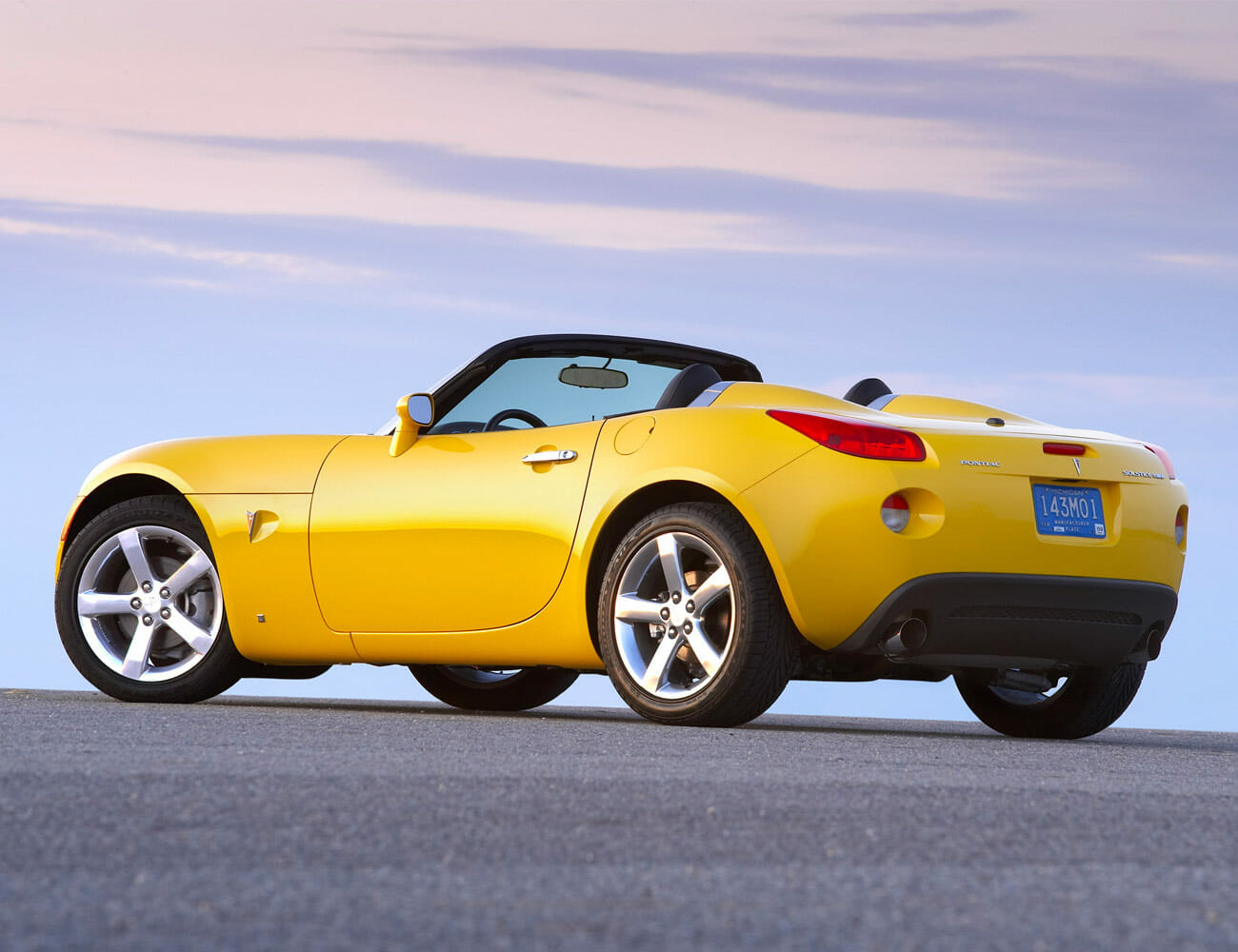
Pontiac Solstice GXP (2007-2009)

GM gave the Pontiac brand the boot during its restructuring — sadly, just as it was producing fun, intriguing cars. The Solstice was a classic two-seater, available as a coupe or a convertible. The GXP version had a 2.0-liter turbocharged inline-four putting out 260 hp and 260 lb-ft (though it could be tuned beyond that at the dealer) and an available five-speed manual. It weighed less than 3,000 pounds, and accelerated from 0-60 mph in 5.5 seconds. The car’s production also included some period-perfect GM cost-cutting measures, but we won’t hold that against it.

Note: Purchasing products through our links may earn us a portion of the sale, which supports our editorial team’s mission. Learn more here.

The 2020 Lotus Evija: a 2,000hp EV That Starts at $2.1 Million

Lotus, the storied British car brand best known for its Elise and Evora sports cars, unveiled the ultra-exotic Evija earlier today. In addition to giving the much-teased “Type 130” a proper nameplate, the Evija is also notable beyond the grandeur that its specifications provide: the all-electric hypercar is also the first car released by the brand since its purchase by Geely Automobile Holdings a year ago.

And what a car it is.

Big Numbers

Lotus has been hyping the Evija, going as far as saying that the Evija will be a mind-blowing supercar. That’s a direct quote from Lotus CEO Phil Popham, by the way. In 2019, you only successful blow minds with number and specs that keep (ultra-rich) enthusiasts jaws glued to the floor.

In that respect, Lotus isn’t playing around. The Evija really is something incredible.

Claimed 2020 Lotus Evija Specifications

Horsepower 1,973 hp / 1,471 kW
Range 250 miles
Time to full charge (w/ 350kW charger) 18 minutes
Time to full charge (w/ 900kW charger) 9 minutes
Target curb weight 3,700 lbs / 1,680 kg
MSRP $2.1 million
  • 1,973 horsepower / 1,471 kW
  • 250-mile range
  • 18-minutes to fully charge (with a 350kW charger)…
  • … 9-minutes to a full charge on an 800kW charger
  • Target curb weight of 3,700 lbs (1,680 kg)
  • A pure electric 4WD drivetrain

Sadly, the only small number tied to the Evija is its production cap, which is pegged at 130 examples.

Target Performance Specifications

You’d be correct to think that the power behind the Evija would push it to be capable of some amazing things, and according to Lotus, you’d be right.

0-60 mph Under 3 seconds
0-186 mph Under 9 seconds
Top speed “In excess of 200 mph / 320 km/h”

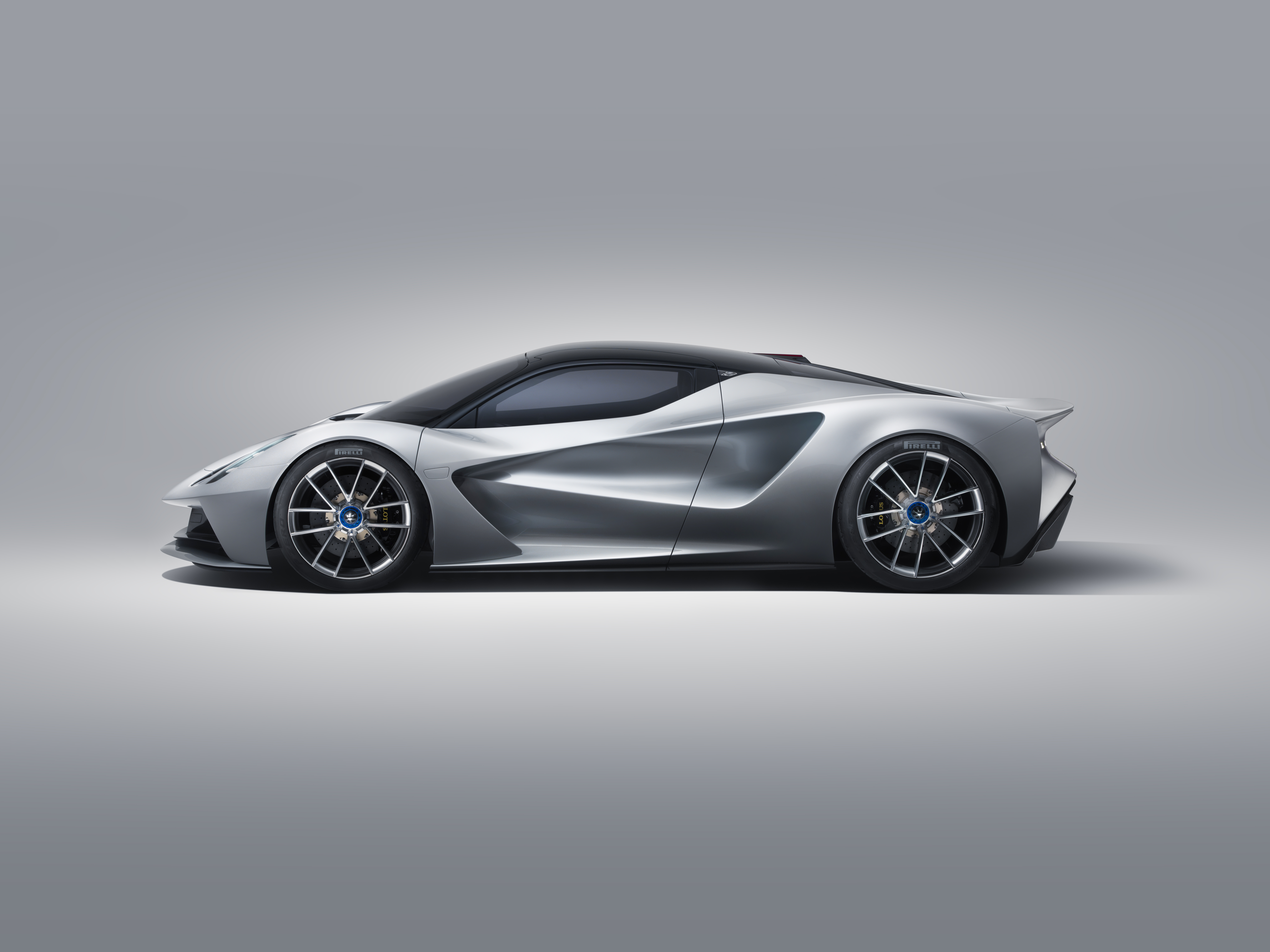
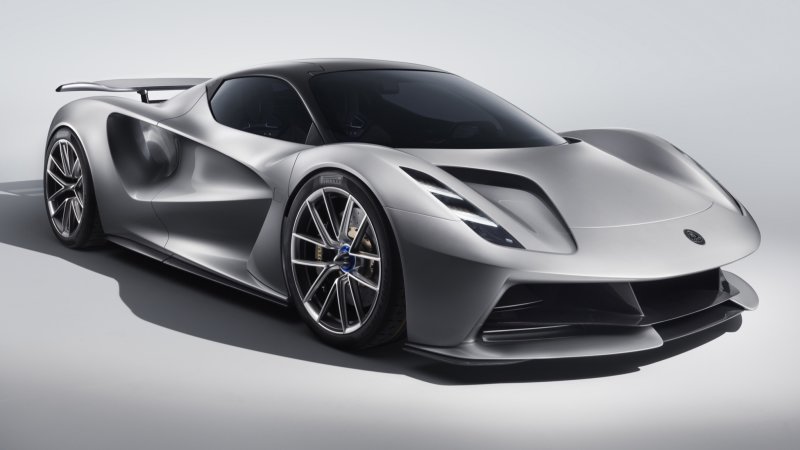
2020 Lotus Evija Side Profile2020 Lotus Evija Side Profile

As you can see, the Evija is no joke of an electric hypercar. In many ways, it’s lived up the hype from the company’s CEO. The car features two electric motors to achieve its power output, and the battery is placed in the middle of the car where a typical internal combustion mid-engine car would have its beating heart, meaning this helps with weight distribution. 

The electric motors are sourced from Integral Powertrain Ltd, and feature a helical gear ground planetary gearboxes that are extremely slim. The gearbox and motor are all packaged together into one cylindrical unit for each drive unit, meaning it’s all quite compact and lightweight. 

An Exterior Design Like No Other

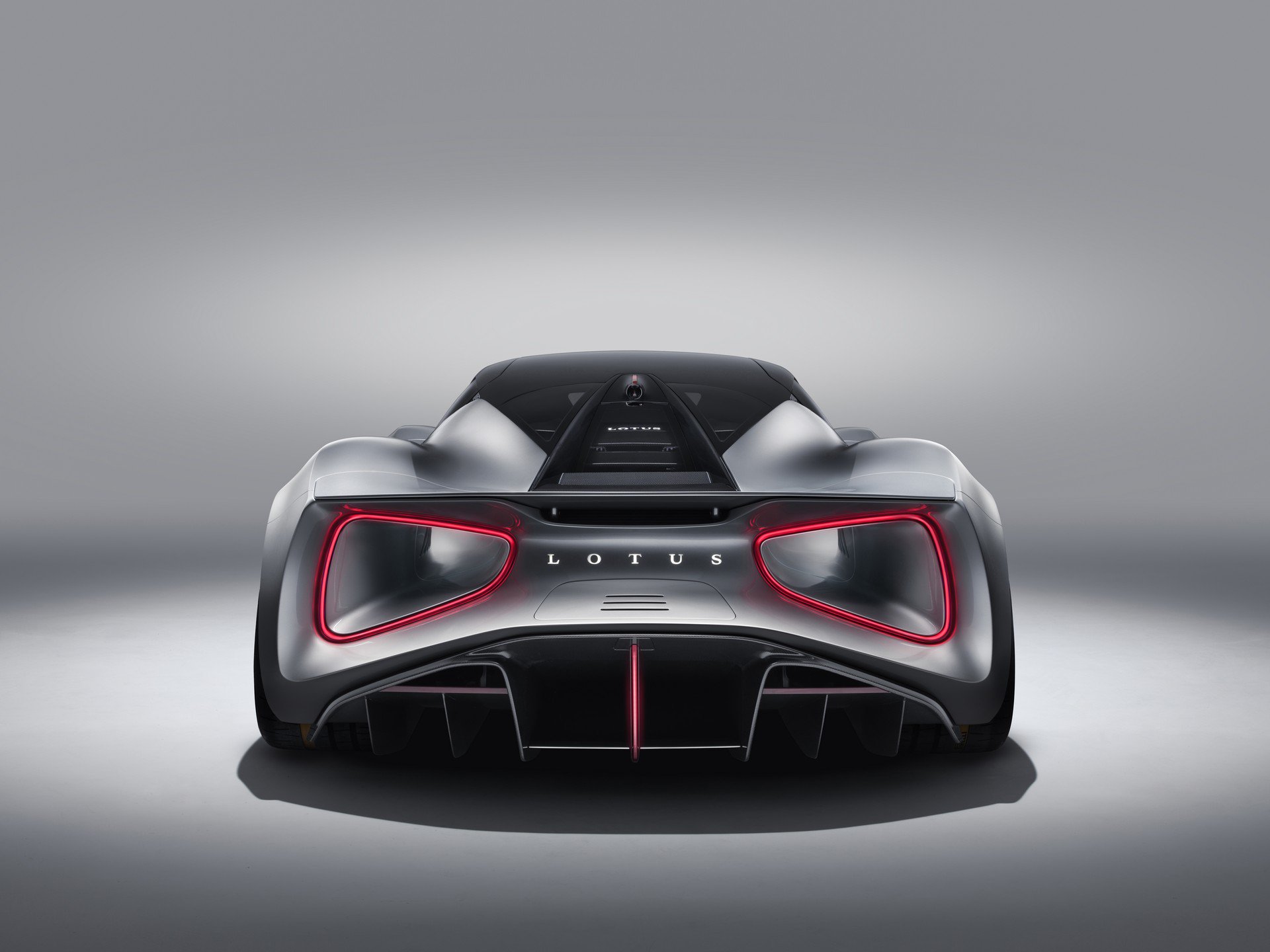
Looking at the Evija is one thing. The car features a seriously beautiful design, but it’s about more than looks with this car. The model features curves, creases, and vents unlike any other car on the road. At the rear of the Evija, there are dramatic Venturi tunnels through each rear quarter. This not only directs airflow properly but provides a dramatic look for the Evija that is unexpected and more than welcome. 

2020 Lotus Evija2020 Lotus Evija

According to Russell Carr, Design Director, Lotus Cars, the company looked a Le Man’s race cars use airflow. It’s not just about getting air to push the car in one direction. “We studied how Le Mans race cars use airflow creatively to go over, under and around the vehicle, but also through it,” Carr said.

The Evija is the first car to feature a single-piece carbon fiber chassis that weighs just 284 pounds. That’s insanely lightweight. The vehicle sits a mere four inches above the ground. The car also features active aerodynamic elements including an integrated air diffuser that extends from the B-pillar to the rear of the car. There’s also an active rear spoiler that is flush to the rear of the car whenever it’s not in use. 

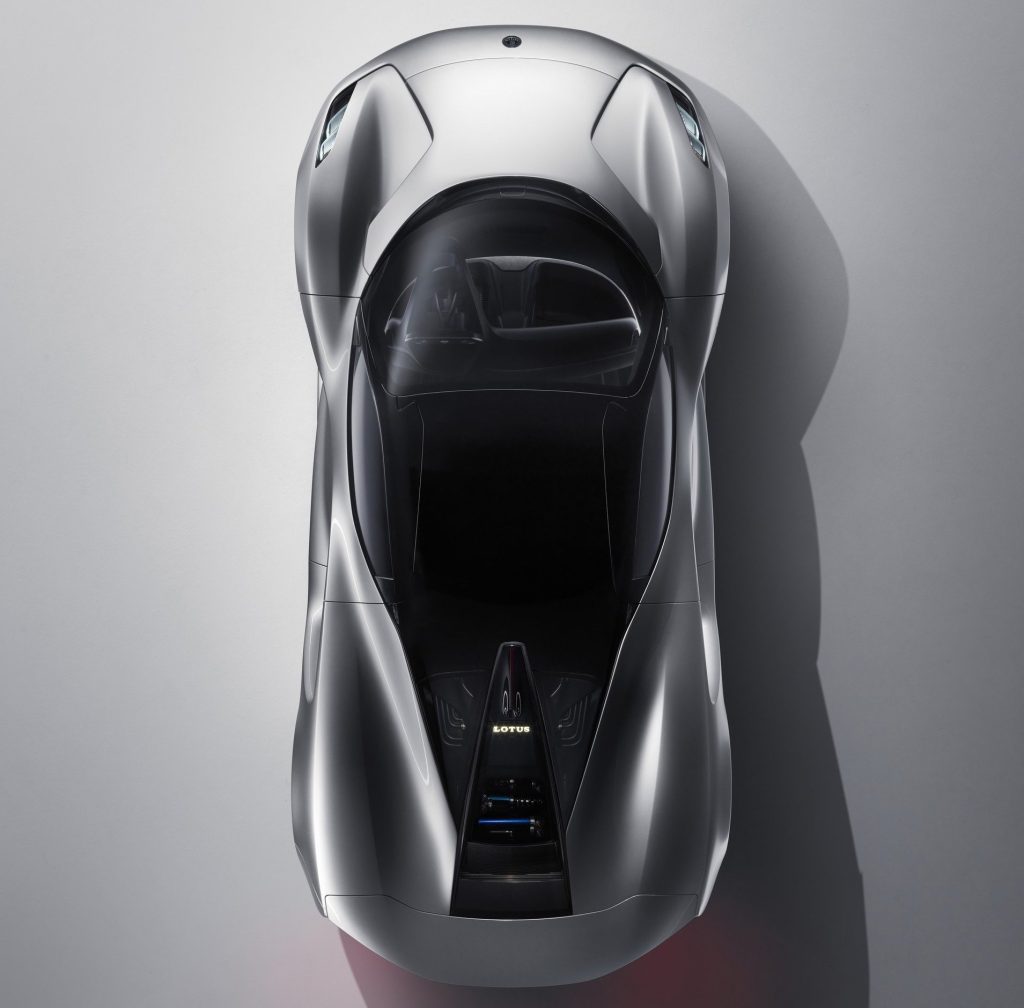
2020 Lotus Evija top down view

2020 Lotus Evija top down view

Additionally, the car features no side mirrors further reducing drag. Instead of side mirrors, the car gets cameras placed in the front wings of the car. There’s also a camera built into the roof of the car providing a rearview for the driver. Images from these cameras are displayed on three different cameras inside the car. 

A Motorsports-Inspired Interior

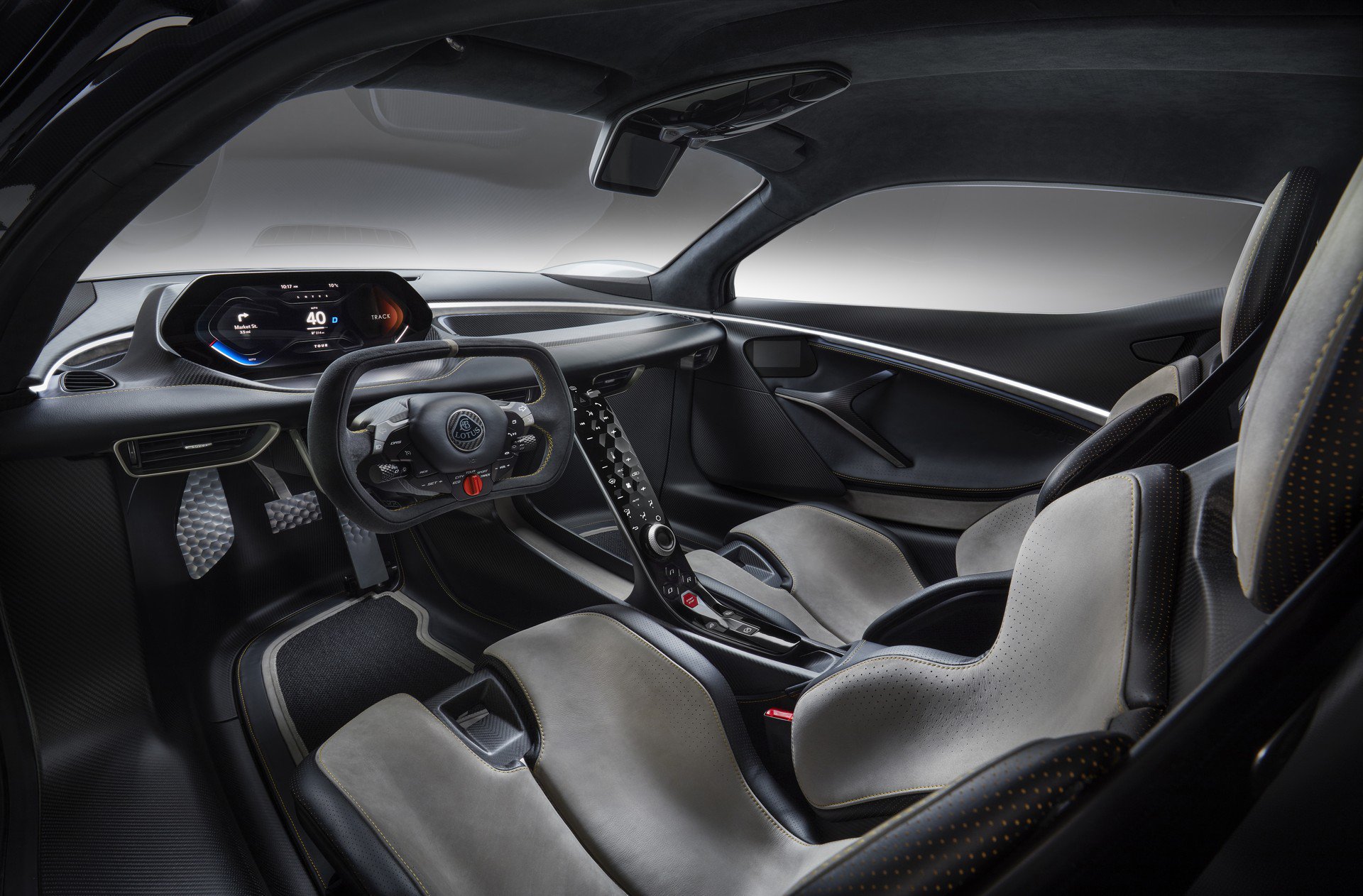
The interior of the Evija is minimal, futuristic, and driver-focused. The cabin features a special “floating wing” dash. This is just one of the elements that give the car a futuristic feel on the inside. The doors of the car are two dihedral doors. These doors feature no door handles and can be operated by the key fob. 

Inside the cabin, you’ll see more carbon fiber than you know what to do with. The car features two seats that feature a thin metal band that has the words ‘For The Drivers’ engraved on it. 

2020 Lotus Evija interior2020 Lotus Evija interior

Lotus sought to feature the perfect balance between a track car and a road car on the inside of the Evija. This means the car has a minimal, driver-focused interior design but with plenty of what you expect in a road car. There’s a single large screen in front of the driver that has everything you’ll need. 

The seats are trimmed in thick Alcantara-finished pads and offer adjustment. The steering column is adjustable for both rake and reach and features a unique race-car-like design. Three-point seat belts are standard but Lotus will provide four-point harnesses if wanted.

In the center of the dash is the drive mode selector, which can transition the car from Range, City, Tour, Sport, and Track. The differences between the modes should be pretty self-explanatory. Within the infotainment system of the car is Apple CarPlay and Android Auto as well as connection to the cloud for over-the-air updates for the car.

In addition to all of this, Lotus is offering customers the chance to wholly personalize their cars. The company is offering marquetry-style badging for all of the Evijas. Lotus can inlay metal elements into the carbon fiber keeping the meal inlay flush with the surface of the carbon fiber. This allows for unique customization opportunities.

As we said above, the company plans to only build 130 examples of the car. Each one will run $2.1 million and demand a deposit of $310,177. That’s a lot of money, but this is a car like no other. 

The Lotus Evija is the company’s first all-electric hypercar

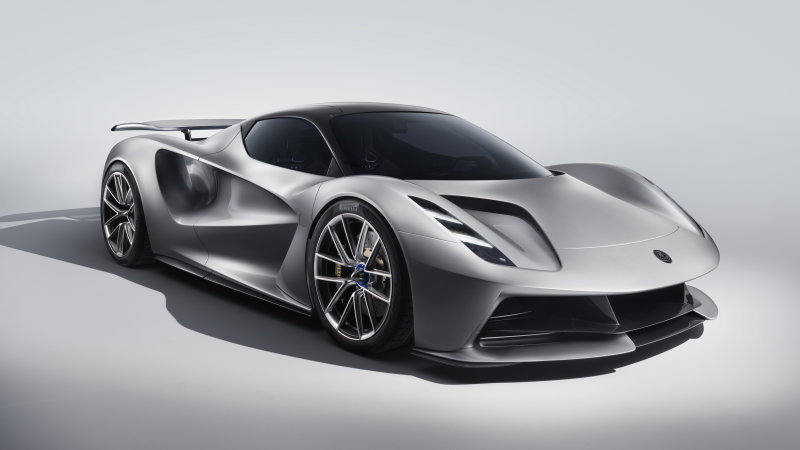
Internally known as the Type 130, the new Lotus Evija combines several firsts for the British company into one wild shape. First of all, it’s the company’s first in-house all-electric car – the Lotus chassis provided to the likes of Tesla for the first Roadster doesn’t count. It’s also the company’s first hypercar, claiming an astonishing (and provisional) 1,973 horsepower. Perhaps more importantly, it’s the first all-new car from the company since the Evora, and the first to be conceived entirely under the ownership of China’s Geely.

Yup, that’s a lot of firsts. It’s not the first EV hypercar – it’ll have competition from the likes of Rimac and the upcoming Pininfarina Battista, plus the next-gen Tesla Roadster assuming that does eventually hit the market – but it’s definitely early on the scene. And just look at it – the styling is wild, incorporating some continuing Lotus themes – particularly around the greenhouse – but with an overall direction that’s much brasher than the company’s other products. The deep side sculpting resembles is complex and stylized, as are the rounded, narrow quadrangle taillights supported by a massive rear diffuser.

The front is arguably the least distinctive and biggest departure for the company. The verticality of the headlamps seems like a blend of the Ferrari F8 Tributo and the old Lamborghini Gallardo, without really aping either. Look closely and it appears to be an evolution of the shape of the Evora’s lamps, but without that context fresh in your mind it’ll appear more generic supercar than something uniquely Lotus.

The bodywork has some neat party tricks. Active aerodynamics allow for an F1-style Drag Reduction System, and there’s a deployable rear spoiler. There are no fixed side-mirrors; little cameras deploy from the front fenders and another camera embedded in the rear of the roof provides a rear view.

It’s also different. The extruded, bonded aluminum architecture we’re familiar with from the Elise/Exige line and the similar but unique Evora are gone, replaced by a company-first one-piece carbon fiber monocoque tub. Lotus is targeting a curb weight of approximately 3,700 lbs, and the lightweight tub (just 284 lbs) contributes to that.  The battery is housed behind the seats, and feeds power to four individual motors, providing all-wheel drive and infinitely variable torque vectoring. It’ll claw its way to 62 mph in less than 3 seconds, says the company, with a top speed exceeding 200 mph.

The battery is a 70 kWh unit, providing a claimed 250 miles of range on the European test cycle and the ability to charge at 350 kW. That’d give an 80% charge in 12 minutes and a full charge in 18 minutes, Lotus says. When 800 kW chargers become available, the battery will have the ability to utilize those.

Handling is provided by spool-valve dampers, which are Multimatic units, but the wild part is that there are three dampers for each axle. Two are located at the corners and control the wheels, with the third mounted inboard to control what Lotus refers to as “heave” – this sounds preliminarily like a sort of pushrod anti-roll system, but we’ll have to learn more about it to be sure.

Lotus claims they’ll limit production to just 130 units, matching the internal vehicle designation. Sure, why not? And it’ll be built out of the company’s base in Hethel, U.K., although it’ll be interesting to learn more about the origin of its component parts. Remember, Geely also owns Volvo (and its Polestar sub-brand) and Lynk & Co., and the Polestar 2 will be produced in China. The company and its subsidiary brands are taking a hard turn towards electrification, and there’s likely to be an economy of scale working in the Evija’s favor.

The Evija will set you back about $2.1 million, the company says. Production starts next year, and a $300k deposit will secure yours. The order books are open, so don’t delay.

2020 Mercedes-AMG GT R Pro costs $200,000

Last fall, we were introduced to the 2020 Mercedes-AMG GT R Pro, an even more hardcore version of the Mercedes-AMG GT R. Now we know how much it costs: $200,645 including destination charge. That’s about $40,000 more than the regular GT R.

So what does an extra $40,000 get you? Well, it doesn’t get you any more power or torque, which remain at 577 horses and 516 pound-feet. But it does get some track goodies such as an adjustable coilover suspension, carbon ceramic brakes and extensive use of carbon fiber for the roof, trim, and aerodynamic parts. These changes allowed the GT R Pro to lap the Nurburgring Nordschleife in 7 minutes and 4.6 seconds, which Mercedes finally revealed was about 6 seconds faster than the regular GT R Pro. The price also gets you exclusivity, as only 750 will be built. They’ll be at dealers later this year.

While the GT R Pro’s price is the big news about the Mercedes-AMG GT, the rest of the GT coupe and convertible lineup is getting a number of updates for 2020. They all get a standard 12.3-inch display for instruments and a 10.25-inch screen for infotainment. They also get revised side skirts and rear diffusers, and the GT C gets new exhaust tips. A front camera has also been added for easier low-speed maneuvering.

2020 Nissan GT-R Nismo Guide: History, Specifications, & Performance

Table of Contents

Introduction

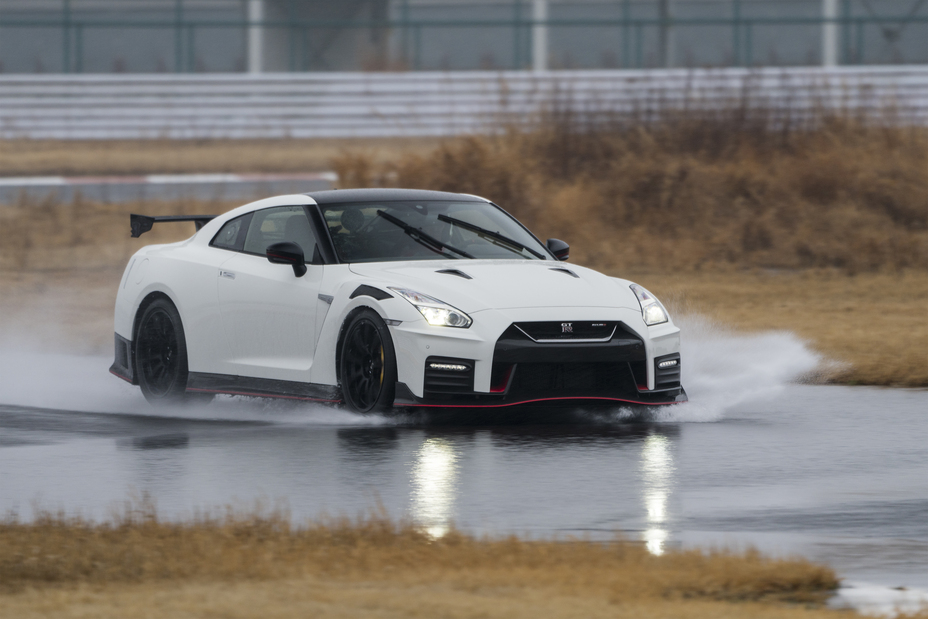
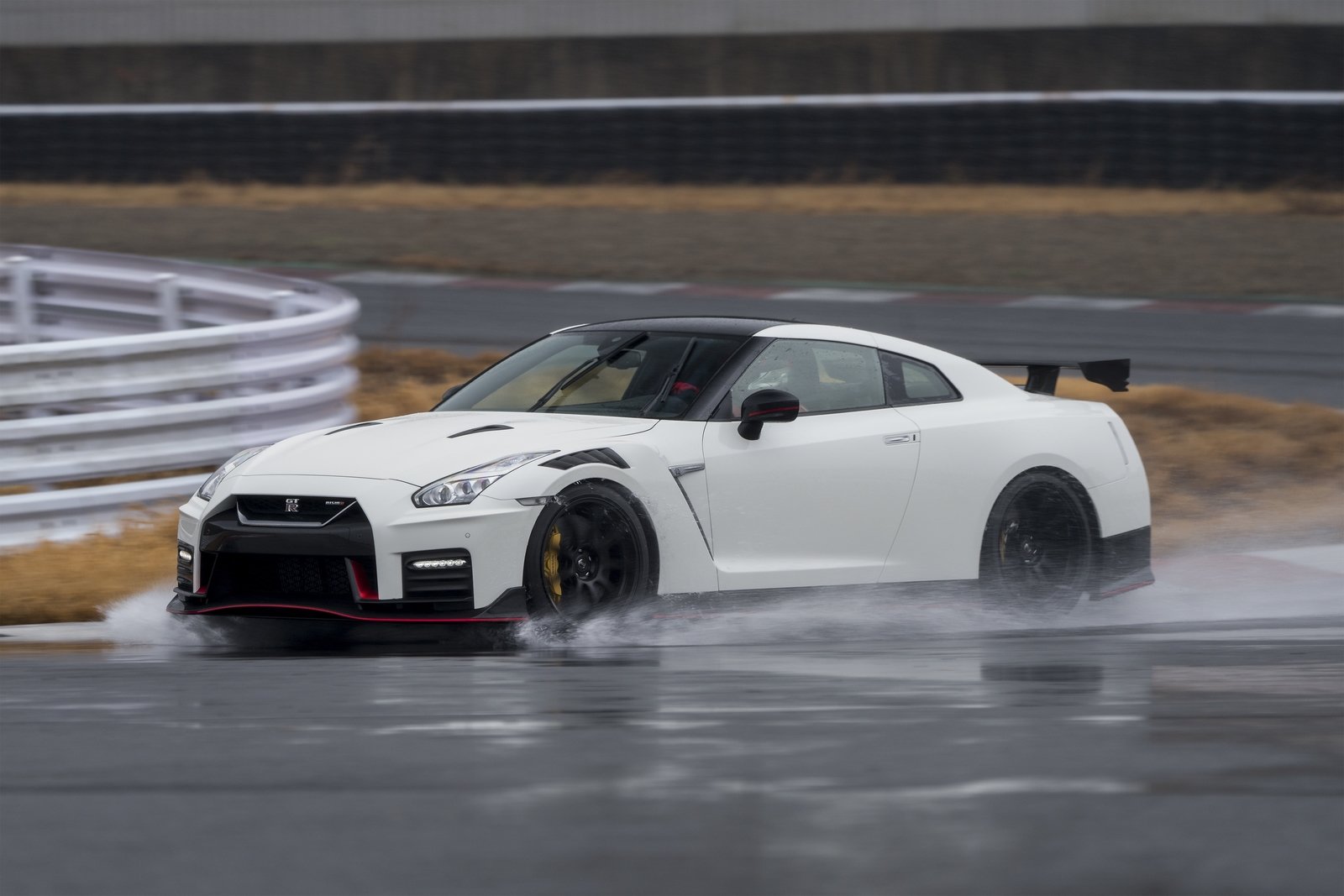
2020 Nissan GT-R Nismo2020 Nissan GT-R Nismo

Celebrating its 50th anniversary last year, the GT-R moniker has had an undoubtedly storied past. The current iteration of the GT-R, known as the R35, has produced another fine chapter in book of automotive legend. The latest apogee in this ongoing tale is the impending release of the 2020 Nissan GT-R Nismo, which was unveiled at last year’s New York International Auto Show.

Now entering the 11th year of this golden generation, the R35 has seized the opportunity to become a household name in mainstream motorsport stardom. With that being said, the achievement of so many milestones is also revealing in how long it has been in the scene. 

Therefore, it would be serendipitous if this latest GT-R Nismo also drew the curtains on the R35, ushering an era of fresh ideas, and ultimately the next generation of the GT-R.

The 2020 Nissan GT-R Nismo is the first production-spec GT-R to benefit from sharing parts directly from the GT-R GT3 race car. In summary, the new GT-R Nismo is lighter, more responsive, has better aerodynamics, is more efficient at cooling and brakes greater than ever. 

What this should inevitably translate to – likely in the near future, as the release date approaches – is the fastest lap time set by a factory assembled and street-legal GT-R at the Nürburgring.

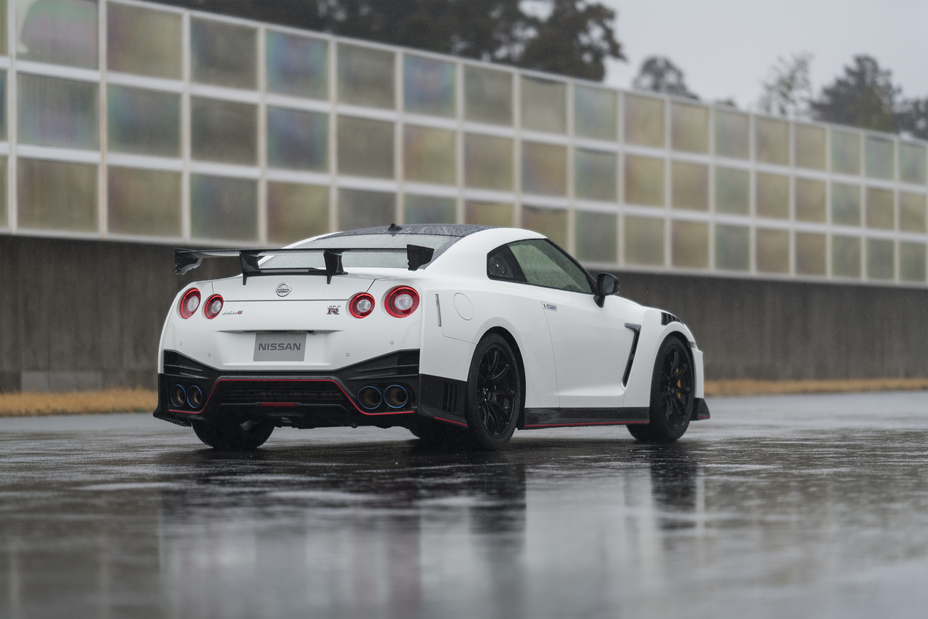
Each of the changes on their own isn’t particularly notable compared to the 2019 Nissan GT-R Nismo. Both cars look mostly the same, with a keen eye required to spot the changes – such as the vented front fenders, redesigned wheels, lighter-weight exterior components, bigger brakes, and beefier tires

In fact, overall power figures for the 2020 car remain unchanged; the key difference is that this newest version utilizes the same turbocharger hardware used in its GT3 version, which Nissan claims will significantly improve engine response and acceleration.

Over the past 10 years, the Nissan GT-R has been the subject of perpetual tweaking, refining, and perfecting. The 2020 Nissan GT-R Nismo is the culmination of a decade’s worth of experience, knowledge, and mastery of one’s craft. 

It is Nissan’s interpretation of what the quintessential modern supercar needs to be – the perfect balance of refinement for the road and performance for the track. I have no doubt that the latest Nismo will be the most complete representation of this philosophy that we have seen.

Engine & Performance

Specifications:

  • Engine Type & Size: 3.8L Twin-Turbocharged V6
  • Horsepower: 600 hp @ 6,800 rpm
  • Torque: 481 lb-ft @ 3,600 rpm
  • O-60 mph: 2.5 seconds

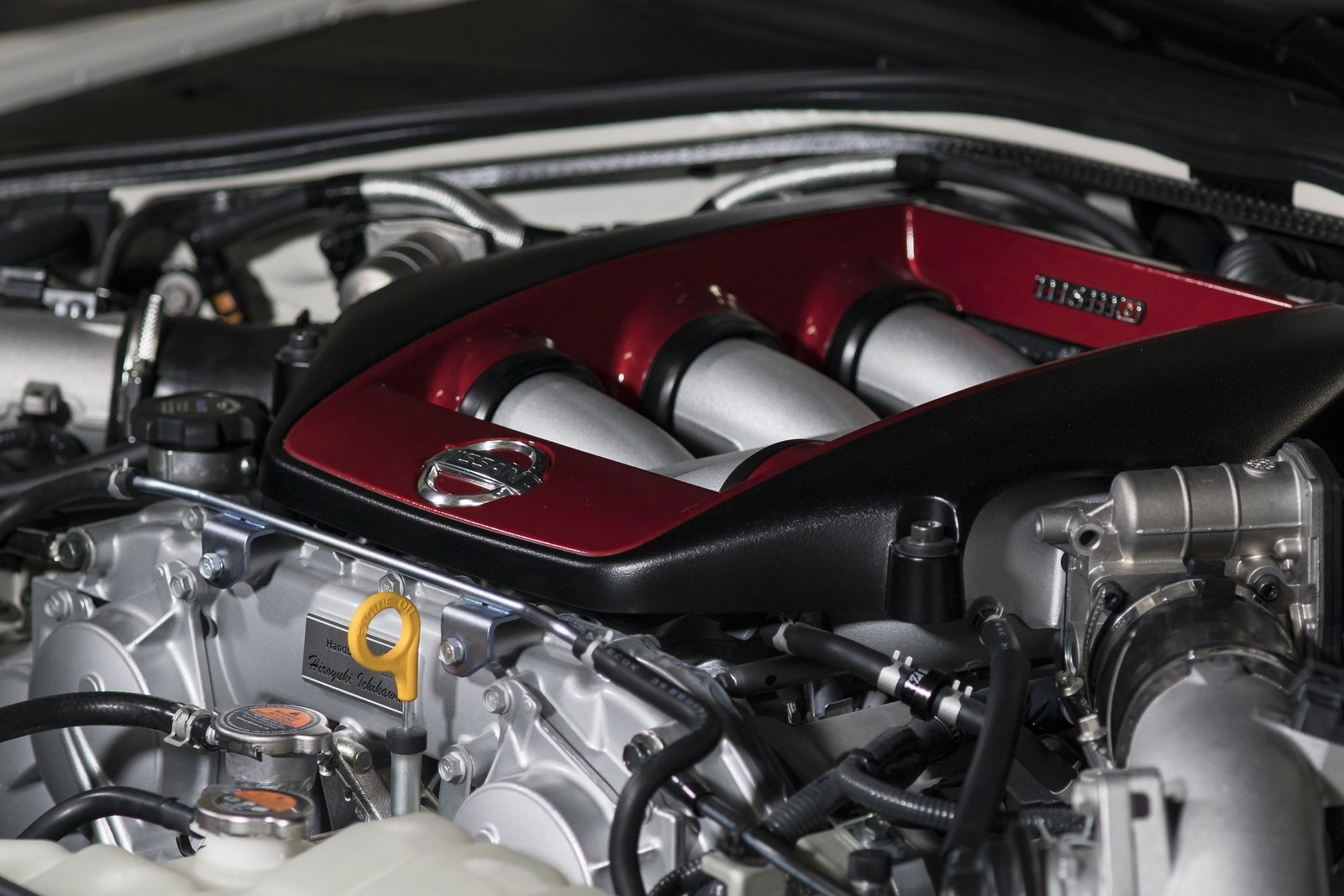
The 2020 Nissan GT-R Nismo employs the same 3.8L twin-turbocharged V6 that has continued to evolve over the life-cycle of the R35. Since its inception, the VR38DETT power plant has undergone numerous stages of updates which have made it more powerful than the version before – the new Nismo is no exception, as the most powerful and advanced version to come out of the Tochigi assembly plant.

Producing 600-horsepower @ 6,800 rpm and 481 ft-lb of torque @ 3,600 rpm, overall output remains unchanged compared to the 2019 Nissan GT-R Nismo – but that’s just on paper. Where it really matters is in the exclusive turbocharger design which is borrowed directly from the GT-R GT3 race car. 

The modified turbine architecture further optimizes flow rates and improves acceleration response by 20% thanks to quicker spooling, even under the same level of boost pressure. A new titanium exhaust provides the finishing touch, enhancing the car with a more pronounced growl and a bit of weight reduction.

2020 Nissan GT-R Nismo Engine2020 Nissan GT-R Nismo Engine

Mated to the engine is a revised version of the evergreen 6-speed dual-clutch transmission, which continues to send power through car’s legendary all-wheel-drive system. It now features a smarter ‘R mode’ which allows for lightning-quick and smoother gear shifts. 

The adaptive shift control program allows the GT-R Nismo to seamlessly transition between a Jekyll-and-Hyde personality – civil manners while on public roads and pure unhinged performance on the racetrack, even without needing to manually switch driving modes.

Nissan claims that the combination of all these improvements will allow the 2020 Nissan GT-R Nismo to accelerate from 0-60 mph in 2.5 seconds. The GT-R in any of its guises is certainly no slouch, but that is absolutely mind-boggling. Those are hypercar numbers.

Chassis & Handling

With how well composed the previous year’s version of GT-R Nismo was, it would be understandable – and to a degree, forgivable – if Nissan had decided to forego any major changes in the handling department. However, in tandem with Nismo, they are on the never-ending quest to continue improving the GT-R in any, and every way possible. 

To complement the car’s overall engine performance improvements, a retuned suspension setup further improves cornering stability along with an enhanced yaw rate response and smoother ride quality, effectively adding refinement without sacrificing its handling capabilities. The steering also feels more linear and is more precise; only the most minimal input corrections are needed at speeds of up to 300 km/h. 

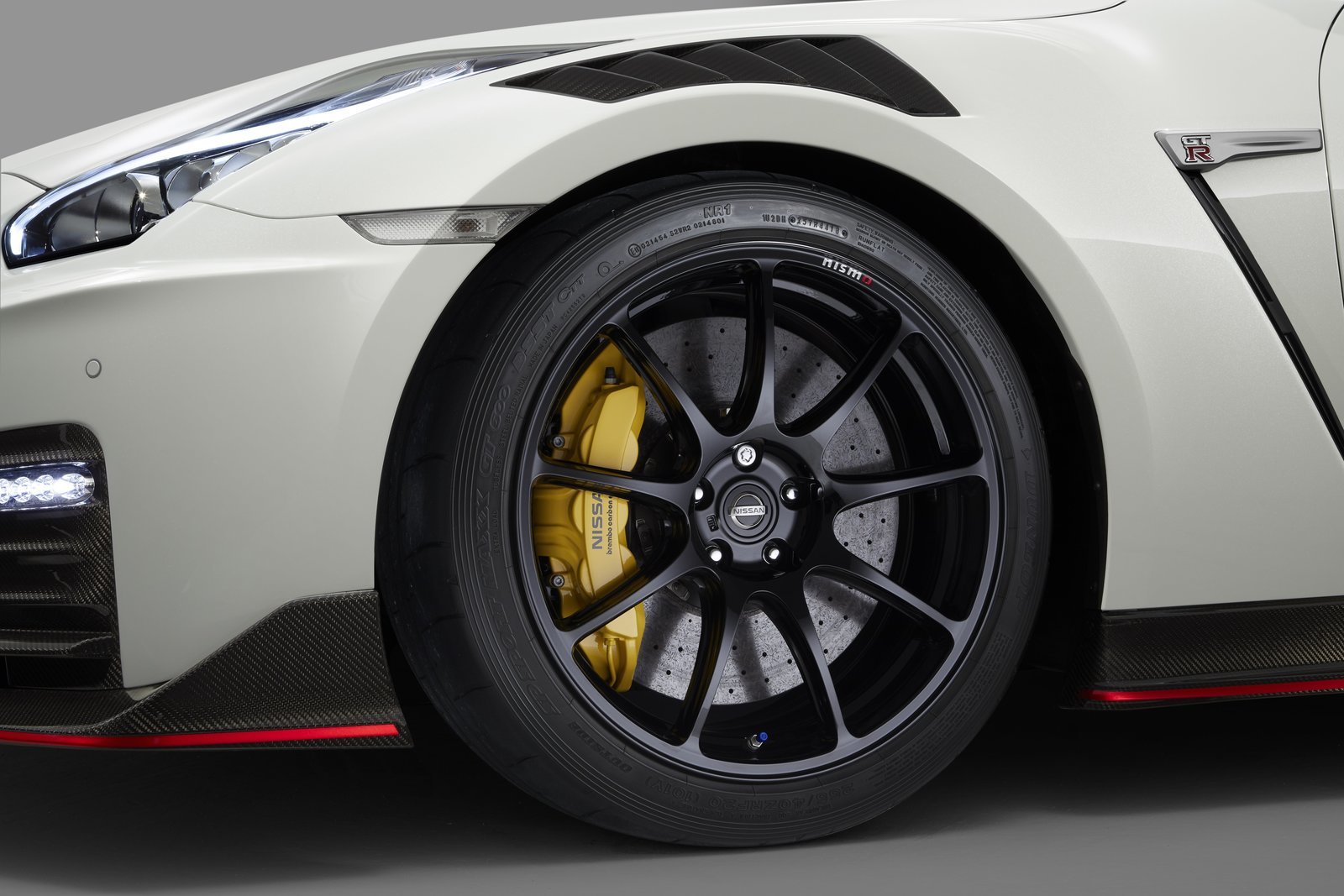
The 2020 Nissan GT-R Nismo also benefits from new Brembo carbon-ceramic brakes which are inspired by the GT3 race car. As part of this setup, larger brake rotors are provided in the front and rear – 16.1” and 15.3” respectively – and provide better stopping performance and weight reduction. 

However, as all things ‘carbon-ceramic’ go, the inevitable costs to replace these consumables will likely be sky-high.

2020 Nissan GT-R Nismo Tires2020 Nissan GT-R Nismo Tires

The redesigned 20-inch wheels are the lightest and most rigid factory-made versions so far, and feature a new 9-spoke face. The wheels are wrapped in Dunlops specially designed for use on the 2020 GT-R Nismo, and provide an 11% increase in contact patch – good for higher cornering forces and improved steering response.

 Design, Styling & Interior

At a cursory glance, the 2020 Nissan GT-R Nismo looks essentially the same as any of the previous Nismo versions and is certainly not easy to mistake as a GT-R in general. More discerning eyes will immediately be able to distinguish the new vented front fenders, which are a unique feature on the 2020 edition. Aside from being eye-catching, the vents help to cool the engine and contribute help to increase downforce over the front tires. 

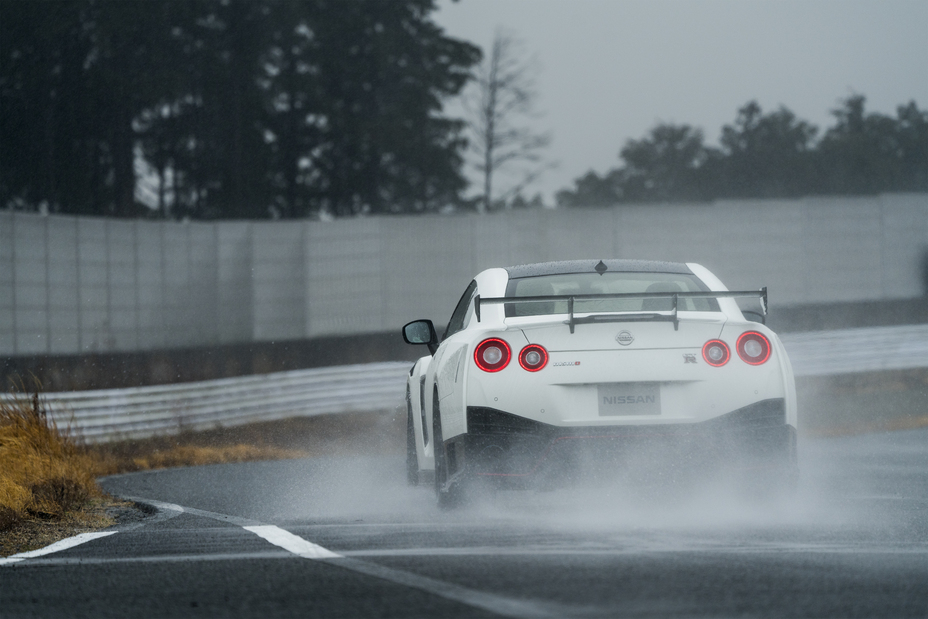
Other less-standout-ish changes include a new front and rear bumper, front hood, side sill covers, trunk, and rear wing, all made of carbon fiber (plus an optional roof, made from the same). Compared to the 2019 Nissan GT-R NISMO, the 2020 version manages to shed about 67 pounds thanks in huge part to this carbon fiber diet.

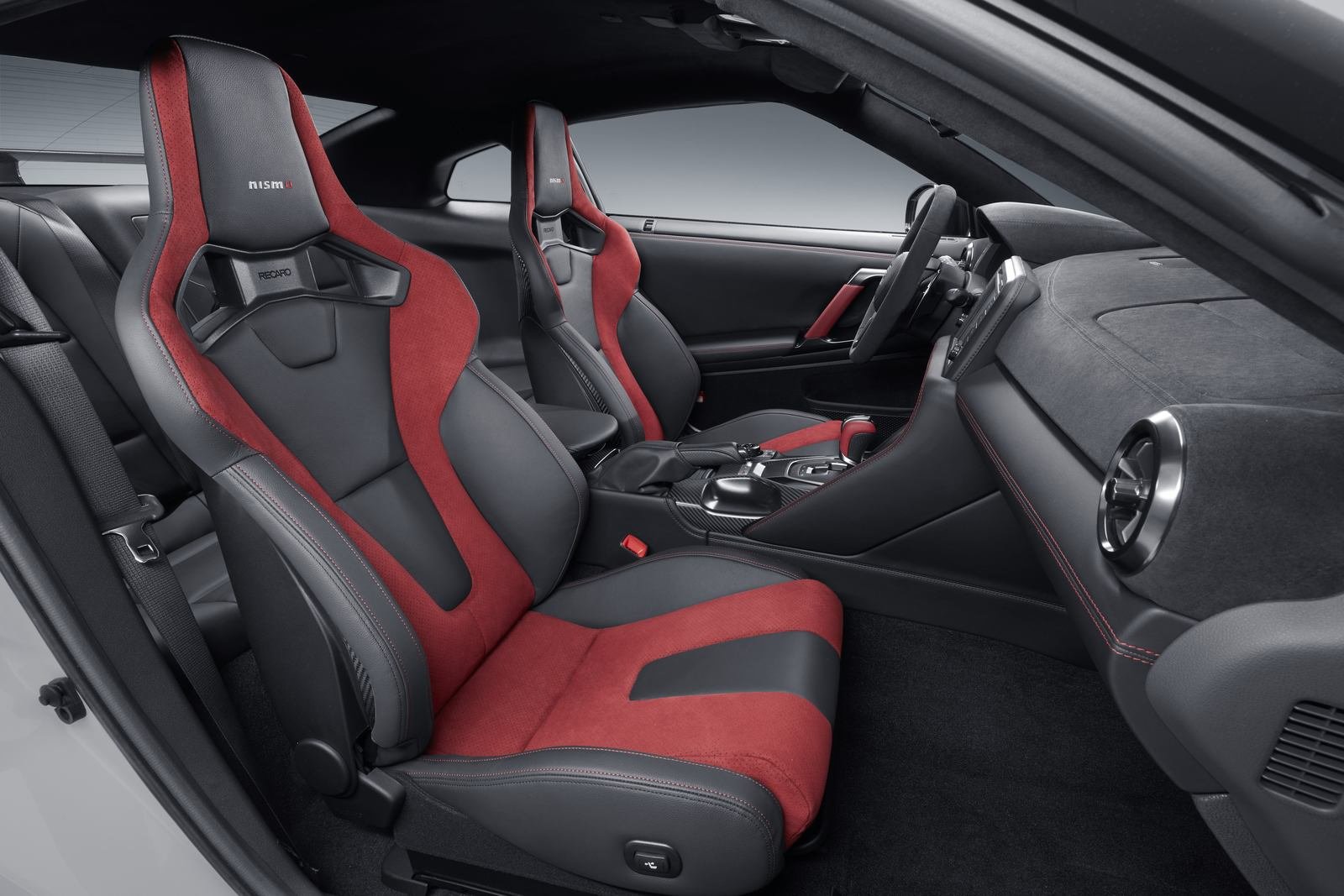
Much fewer considerations were made in re-jigging the interior, although new seats with improved bolstering are provided. The interior layout remains identical to last year’s Nismo model and continues to be based on the GT-R’s most recent interior design refresh which was performed back in 2016. 

Nissan’s collaboration with Polyphony Digital (creators of PlayStation’s Gran Turismo series) continues to ensure that features such as the instrument cluster, infotainment system, and multi-function display continue to stay relevant and inspired.

2020 Nissan GT-R Nismo Interior2020 Nissan GT-R Nismo Interior

 Pricing

While the Nissan GT-R has been improved upon with every passing year since 2009, so too has its price been increasing accordingly. While it is not unreasonable to expect that a better product should command a higher price tag, the 2020 Nissan GT-R Nismo is still a car based on a chassis that is now entering its 12th year of service. 

The GT-R continues to be relevant with its overall performance capabilities and sufficiently thoughtful refreshes; there is no doubt that this latest model will be the best GT-R yet. In spite of this, however, we may be approaching the ceiling of what buyers find acceptable spending on a design that could be teetering towards an overstayed welcome.

Official pricing has not yet been released by Nissan. With that being said, the 2020 Nissan GT-R Nismo will inevitably become the most expensive version so far, likely to be priced a smidge higher than the 2019 version, which had an MSRP of $175,540 USD. 

That means you should be prepared to dole out at least $180,000 USD to get your hands on the new GT-R Nismo, and closer to the $200,000 mark with all the option boxes ticked.

Performance & Specifications Summary

Model & Pricing Info

Make Nissan
Model GT-R
Generation R35
Sub-Model Nismo
Car type Coupe
Category Limited Series Production Car
Built At Tochigi, Japan
Introduced 2019
Base Price (US) $280,000 (est.)
Units built TBD

Chassis, Suspension & Powertrain

Curb Weight 1,744kg (3,844 lbs)
Layout Front-engine, All-wheel Drive
Body / Frame Aluminum-steel composite monocoque, carbon fiber elements
Suspension (F) Independent double wishbone aluminum, integral tube-frame structure, six-point mounting
Suspension (R) Independent multi-link aluminum suspension, integral tube-frame structure, six-point mounting, aluminum upper/lower links (spherical bearing design)
Steering Vehicle-speed-sensitive power rack-and-pinion, aluminum steering rack, four-point mounting, with stiff insulators
Brakes Carbon Ceramic Discs 16.1” front, 15.3” rear), Brembo Brake Calipers (6-piston front; 4-piston rear)
Tires Dunlop tires (bespoke)
Transmission 6-Speed DCT

Engine, Output & Performance

Engine V6
Displacement (Litres) 3.8L
Position Longitudinal
Aspiration Twin-turbocharged
Power (hp) 600 hp @ 6,800 rpm
Power (hp) / litre 157.9 hp / litre
Power (hp) / weight 0.34 hp / kg
Torque 481 lb-ft @ 3,600 rpm
0-60 mph time 2.5 seconds
Average Fuel Consumption 19 mpg (combined)

Image Gallery

The 2020 Nissan GT-R Nismo retains the silhouette that makes it undeniably ‘Godzilla’. Though relatively unchanged from last year’s Nismo model, and easy to identify from afar as an R35, new features such as the scalloped vents on the front fenders are identifying features of the Tochigi’s latest rendition.

In my opinion, the 2020 Nissan GT-R continues a tried and trusted recipe of Japan’s ‘everyday supercar’. Some would say that it’s about time Nissan started serving a new dish – but there is no denying that there will always be a palette for the R35, and this is the tastiest concoction yet. While the due date for a new generation of GT-R is certainly approaching, the latest Nismo collaboration is still very much a car to be craved.

Since there have not yet been any journalist reviews of the 2020 Nissan GT-R Nismo, here is Doug DeMuro’s review of the 2019 model. Although the 2020 Nismo is certainly an improvement, I suspect many of his talking points will carry over for the newer car – most notably its value-for-money when compared to its competitors, and even to the ‘regular’ GT-R.

[embedded content]

A documentary which chronicles the build process from start to finish, of a 2020 Nissan GT-R Nismo. The story is told as seen through the eyes of ‘Takumi’ – master technicians who possess special qualifications that allow them to be involved in the assembly of a GT-R. 

[embedded content]

Nissan’s official cinematic for the car.

[embedded content]

Original Press Release

2020 Nissan GT-R NISMO Strengthens Grip On Speed

Racing-inspired upgrades make ultimate performance available to select drivers

2019/04/16

NEW YORK – The 2020 Nissan GT-R NISMO made its world debut today, with race-car-inspired upgrades and tuning improvements that maximize its exhilarating performance.

The model was showcased alongside the new 50th Anniversary Edition as Nissan celebrated 50 years of GT-R heritage at the New York International Auto Show.

“The 2020 GT-R NISMO has evolved into a balanced, yet extreme, performance car,” said Hiroshi Tamura, chief product specialist for the GT-R. “Pursuing driving pleasure is the most important concept behind GT-R, and the new NISMO’s performance suggests it is a car that belongs on the race track – but is also at home on the open road.”

Designed for a pro, built for everyone.

For the 2020 GT-R NISMO, Nissan engineers set out to take race-proven technology and make it accessible and comfortable for drivers of all skill levels. Vehicle control and predictability were critical in achieving this; thus, they adopted the theme “absolute street and track performance” when developing the car.

Setting the most potent and exclusive of all GT-Rs apart from the rest of the pack is the amount of carbon fiber found throughout the car, including the front and rear bumpers, front fenders, hood, roof, side sill covers, trunk, and rear spoiler. 

Each component has been improved to cut weight, increase downforce and enhance aerodynamics. These exterior parts alone have resulted in a total weight savings of 10.5 kilograms, in addition to nearly 20 kg of reductions from other upgrades and new components.

The front fenders now resemble those on the GT3 GT-R. Scalloped vents help funnel hot air away from the engine bay and provide exceptional downforce onto the front tires, without additional drag. 

They also improve aerodynamics by smoothing out airflow along the body, with special consideration given to avoiding the rear spoiler, promoting high-speed stability. A new compression process gives the carbon fiber roof a lightweight, tight weave.

The 2020 GT-R NISMO’s exclusive 20-inch RAYS forged aluminum wheels are lighter than before and incorporate a nine-spoke design that enhances their rigidity. Newly designed Dunlop tires, with a wider tread and fewer grooves, increase the contact patch by 11%. This results in higher cornering force, enhanced steering response and improved rolling resistance when compared with the previous model.

Inside the cabin, exclusive GT-R NISMO front seats are designed to focus on holding the shoulder blades and lower body points, giving the driver a better sense of car and body as one. 

2020 Nissan GT-R Nismo2020 Nissan GT-R Nismo

2020 Nissan GT-R Nismo2020 Nissan GT-R Nismo

2020 Nissan GT-R Nismo2020 Nissan GT-R Nismo

2020 Nissan GT-R Nismo2020 Nissan GT-R Nismo

Transcending perfection

Few cars possess the GT-R’s driving performance. For the 2020 model, the engineers sought to improve what was essentially already mechanical perfection, “making small tweaks to squeeze out as much as possible from the engine and chassis,” according to Tamura.

Nissan’s 3.8-liter V6 24-valve twin-turbocharged engine – each handcrafted by its own takumi technician – remains the heart of the GT-R’s drivetrain. The GT-R NISMO features an exclusive turbocharger design – direct from the GT-R GT3 race car – with modified turbine shape and fewer blades. This optimizes the flow rate and enhances the acceleration response by 20%, without a loss of horsepower.

The car’s revised 6-speed dual-clutch transmission features a refined “R mode” that not only shifts faster but also optimizes gear selection, especially when exiting corners. This enhances the feeling of acceleration and deceleration on both road and track. 

The adaptive shift control has also been programmed to adapt shift schedules to the user’s driving style. This makes it possible to drive in a law-abiding way on public roads and in a highly spirited fashion on a race track, without manually changing modes.

The car’s exhaust note is the product of a revised titanium exhaust with handcrafted burnished blue tips.

When it comes to handling, the 2020 GT-R NISMO has few equals. Its updated suspension tuning improves cornering stability, with enhanced yaw rate response and smoother ride quality. The steering features better linearity and precision than ever, requiring minimal corrections at speeds of up to 300 kph (186 mph).

The absolute performance theme is also fittingly reflected by the addition of a carbon-ceramic brake system. The combination of the Brembo carbon-ceramic rotors — 410 mm upfront and 390 mm at the rear — and Brembo calipers significantly improve reaction time, durability and overall stopping performance. At the same time, their lightweight nature decreases the unsprung weight on each wheel, allowing the car to trace the intended driving line in a highly precise manner. 

The carbon and silica carbide structure of the rotors is nearly as hard as diamonds. When paired with the new material of the brake pads, they generate more friction for an enhanced controlled feeling in all types of braking situations. The new materials also help decrease braking footwork by shortening the brake pedal stroke. The newly developed high-rigidity calipers are dipped in bright yellow paint that can resist temperatures of more than 1,000 degrees Celsius.

“We have built the 2020 GT-R NISMO for our customers to be the ultimate track and street vehicle,” Tamura said. “It is about total balance management, not just chasing power figures. The new NISMO has been brought to a new level, with enhanced engine, handling, braking, and aerodynamics.” 

2020 GT-R NISMO specifications (U.S. spec)
Engine VR38DETT, V6 twin-turbo charged DOHC
Displacement 3.8L
Horsepower 600 hp
Torque 481 lb-ft /3600-5600 rpm
Overall length 184.6 in. / 4690 mm
Overall width 74.6 in. / 1895 mm
Overall height 53.9 in. / 1370 mm
Wheelbase 109.4 in. / 2780 mm

Contact

Dan Passe

General Manager, Global Product Communications 

+81-(0)45-523-5549 

[email protected]

Koji Okuda

Deputy General Manager, Japan Communications

+81-(0)45-523-5552

[email protected]

For more information about our products, services, and commitment to sustainable mobility, visit Nissan Global. You can also follow us on Facebook, Instagram, Twitter, and LinkedIn and see all our latest videos on YouTube.

Final Verdict

4.5/5

As the proud owner of a GT-R (2012 Black Edition), the Nismo cars have always garnered from me, a sense of awe, excitement, and fanfare that I’ve come to associate with cars given the blessing by Nissan’s iconic racing division. 

The 2020 Nissan GT-R Nismo is no different, and I also have no doubt that it will be the best iteration of the GT-R to come out of the infamous Tochigi factory in Japan.

Aside from being an objectively impressive machine, there are two issues that I predict will arise from one problem – its price.

Likely to start at around $180,000 USD, the new GT-R Nismo is an expensive car, putting it in the same price territory as the exotic cars it was set to hunt down, then defeat, with its superior bang-for-buck. 

This can no longer be the case, as it is now priced very similarly to its main rival – the Porsche 911 Turbo S. This could prove to be a hard sell for a pragmatist, who will also consider that the GT-R is now entering its 12th year based on the same design. 

The second issue is that you can get 95% of the car at 60% of the price, just by looking at another car in the Nissan lineup – namely the good ol’, regular, ‘Plain Jane’ GT-R. With an established aftermarket ecosystem to draw from, it would be easy and relatively inexpensive to wring out that extra 5% of performance to match the Nismo on paper.

But at the end of the day, you and I both know that doing so won’t make it a Nismo, and it never will. Even if one went as far as taking a normal GT-R and fitting it with all of the legitimate Nismo hardware after the fact, it still wouldn’t even be close. That perhaps, is what makes the Nismo an ultimately desirable car. 

The Nismo badge alone, speaks to a heritage and brand power that simply cannot be replicated. In that same light, the 2020 Nissan GT-R Nismo precludes conventional scrutiny and needs to be appreciated with a more idealistic approach. Only then, could one understand why it is such an amazing car. 

Rivals

Porsche 911 Turbo S
Acura NSX
Audi R8
Nissan GT-R Track Edition
Corvette ZR1

2002 Honda NSX-R Guide: History, Specifications, & Performance

Table of Contents

Introduction
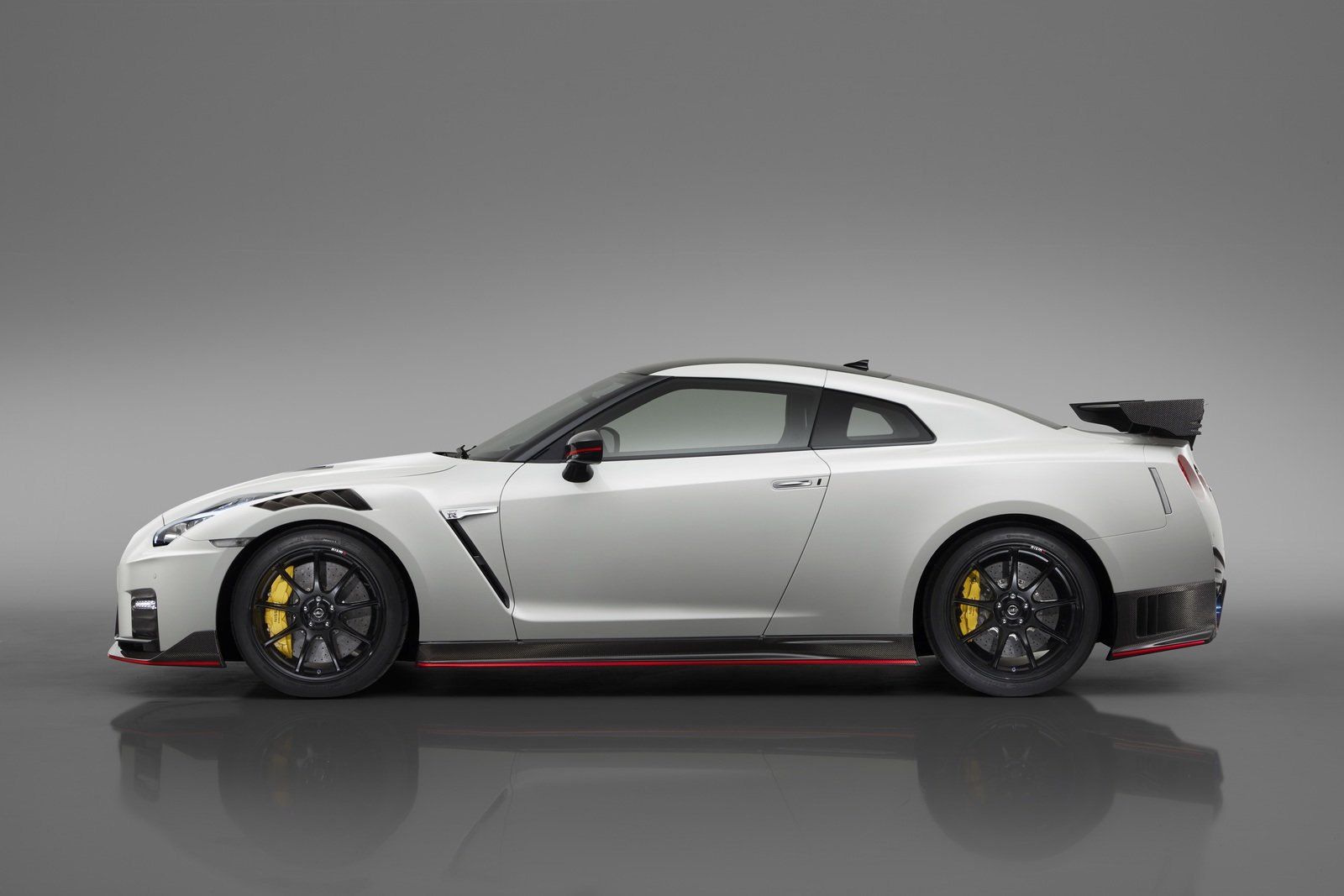
2002 Honda NSX-R Diagram2002 Honda NSX-R Diagram

The best way to introduce the 2002 Honda NSX-R, would be to tell the story of how it came to be.

Birth of a Legend

The Honda NSX – or Acura NSX as it is branded in North America – is a car synonymous with Japanese supercar legacy. When the NSX was first introduced to the world in 1990, it sent shockwaves throughout the automotive dimension, pioneering an unprecedented amalgamation of characteristics and engineering principles. 

This first iteration of the NSX had a 15-year run starting with model year 1991 (NA1), with production ending in 2005 after having undergone several minor changes in between, and a major refresh in 2002 (NA2).

The First Everyday Supercar

Not only was the first Honda NSX undeniably exotic through its appearance, mid-engined layout and performance figures (for the time, at least), it was also purposed with the same amount of thoughtfulness the rest of the Japanese automaker’s product line had received. Ultimately, the NSX was both an affordable and more reliable version of supposed industry equivalents. 

At a time when the words ‘supercar’ and ‘reliability’ couldn’t be spoken in the same sentence, the formula Honda used to create the NSX resulted in a vehicle that was truly unique for its time – it had all of the desirable characteristics of a supercar, but was packaged with the same reliability, build quality and sensibility of a Honda Accord. 

Shaping the Future

In many respects, the NSX became the blueprint from which even the most renowned supercar makers would template their own designs, with Gordon Murray – the principal creator of the McLaren F1 – openly crediting the Honda NSX for being the reference point he used to build what would become, one of the world’s most iconic supercars
Suffice to say, the NSX earned the respect of industry competitors and automotive enthusiasts alike, with its influence remaining apparent even in the supercars of today. After a prolonged sabbatical, Honda released the second generation of the NSX in 2016. Like the original NSX, it set out on a similar mission to ruffle, if not redefine, the automotive landscape. 

Although the newest version was certainly more technologically advanced than its predecessor and had all the attributes to be well regarded in today’s ultra-competitive and crowded supercar space, it was ultimately not well received especially when compared to its debut appearance. 

Perhaps this is because the rest of the major players had caught up, or even surpassed Honda at the game they had created, therefore diluting the new iteration’s overall impact in today’s terms.

Honda NSX-RHonda NSX-R

2002 Honda NSX-R

Shortly after the facelift in 2002, Honda released a Type-R version of the NA2 NSX which was exclusive for MY2002 and for the Japanese market only – just like it did for the NA1 NSX in 1992. By this time, the Type-R moniker had become the official signature of ultimate Honda roadcar performance, and the 2002 Honda NSX Type-R (officially abbreviated to NSX-R on this occasion), certainly lived up to its badge. 

Chief Engineer and Honda Legend, Shigeru Uehara set out with his team to create the most complete version of the NSX the world would see. 

While the main focus was on weight reduction, an abundance of mechanical and chassis refinements were also made to the NSX coupe on which it was based, in order to produce a roadcar that could challenge the best and the brightest of supercars of the era, despite being built on a platform that had already completed over 10 years of service.

And that, it did.

Engine & Performance

Specifications:

  • Engine Type & Size: 3.2L Naturally Aspirated V6
  • Horsepower: 290 hp @ 7,300 rpm
  • Torque: 224 lb-ft @ 5,300 rpm
  • O-60 mph: 4.7 seconds

Since the 2002 Honda NSX-R was based on the NA2 coupe, it was the beneficiary of an enhanced version of the 3.2L DOHC V6 employed in the aforementioned. Also piggybacking on the refresh was the use of a 6-speed manual transmission, as opposed to the 5-speed that was mated to the NA1 version’s 3.0L unit. In typical Honda fashion, the manual gearbox in the NSX-R is about as good as it ever gets with three pedals.

Honda – along with all Japanese automakers at the time – were still hamstrung by an informal, but honorably self-enforced gentlemen’s agreement which limited the horsepower of production cars. 

This meant that the NSX-R’s output was slightly exceeding the boundaries of the rules where no car could produce would have higher than 280-horsepower, apparently in the name of safety. Nevertheless, Honda would find a way to enhance engine performance through means which would avoid infractions – at least on paper, which is all that mattered to regulators.

Honda NSX-R engine testingHonda NSX-R engine testing

For starters, each NSX-R engine was hand-assembled by specially appointed technicians who used special instrumentation and techniques normally reserved for building race car engines. This meant that all rotating components such as the pistons, rods, and crankshaft were precision weighed and matched in order to achieve extremely small weight differential tolerances. 

The full rotating assembly was balanced to a level of accuracy which was ten times that of the regular NSX engine. While not technically increasing power output, this process resulted in significantly better throttle response and a more free-reving and ultimately, a better performing engine. This has led many to speculate that the 2002 Honda NSX-R’s rated 290-horsepower @ 7,300 rpm and 224 lb-ft of torque @ 5,300 rpm, is likely understated in order to satisfy the agreement.

Improved throttle response will typically create the impression of increased power, so Uehara also had the accelerator pedal modified to be much more sensitive to driver inputs, most notably at the beginning of the pedal’s now shorter stroke. 

As a result of all of these changes – along with chassis and handling improvements – the 2002 Honda NSX-R was able to outperform many of the day’s modern supercars, despite being in the 10th year of the same design and often having up to a 3-figure horsepower handicap.

Chassis & Handling

The 2002 Honda NSX-R would reap the benefits of weight reduction and enhanced rigidity over the regular NSX coupe. This was primarily achieved through the generous use of carbon fiber to replace most of the larger aluminum exterior panels, which included the front hood and rear spoiler. 

Carbon fiber was not reserved only for the car’s body, as Recaro carbon-kevlar racing seats replaced the standard leather seats, while lighter and stronger forged versions of the 17” wheels were installed.

The most notable difference between the NSX-R and all of the other trims would be the former’s removal of power steering. Not only did this contribute to the car’s overall weight reduction of around 220 pounds, but it made for a completely transformed driving experience compared to the latter. 

Admittedly, thanks to the addition of firmer suspension setup, this requires extra effort to drive the car at low speeds or on harsh surfaces while traveling at the posted city speed limits.

Honda NSX_RHonda NSX_R

Where, when and how this could be considered an improvement over the regular NSX, is where things really matter. Once at speeds of over 80 km/h – and certainly while driving through road courses with long, winding and sweeping corners – the absence of power steering really starts to make a lot of sense. 

The steering wheel becomes perfectly weighted and the driver’s connection to the road translates to an untethered, unadulterated driving experience – one which has not likely been duplicated to such a degree by any road-legal production car since.

During such spirited driving excursions, the aerodynamics also become noticeable and the feedback the driver receives from the NSX-R provides a sensation of absolute control and a purest connection to the tarmac which can only be described as clairvoyant – the car allows you to feel everything that was, is, and could be happening as you drive it, particularly at the limit.

 Design, Styling & Interior

To the untrained eye, the 2002 Honda NSX-R wouldn’t be overly distinguishable from the regular NA2, or even from the 1992 NSX Type-R NA1. It should be clear by now that the NSX-R is the summation of intricately considered details, so this should come as no surprise. Compared to the previous iteration, its larger 17” wheels, fixed headlights and hood scoop would be the only sure giveaways. 

Much like the car it is based on, the NSX-R has excellent visibility from inside the cockpit and is ergonomically efficient with an ideal seating position and thoughtfully placed instrumentation, buttons, knobs, and switches. 

As is traditional Honda demeanor, there is nothing particularly fancy or outstanding inside, but everything comes together as it needs to. Honda even decided to leave a surprising amount of amenities in the car, with e Bose stereo, air-conditioning and electric windows remaining intact.

Honda NSX-R Inner StylingHonda NSX-R Inner Styling

Actually, that might not be entirely true, as you begin to notice the red Recaro racing buckets you’re now seated in after years of relishing the moment you’d get near one of these legendary cars. They’re bolstered such that they remain comfortable, but are also clearly designed to prevent you from sliding around in your seat during those huge cornering Gs. 

Thanks in large part to the Honda NSX, red Recaros have achieved a cult status of their own, and are extremely popular amongst a wide range of automotive enthusiasts.

 Pricing

Not much is known about what the price of the 2002 Honda NSX-R was when brand new, or even an official number on how many were made. But there are a lot of other things that we do know, or that can be said with confidence.

The first is that it would have cost quite a bit more than the $89,000 USD equivalent it would take to get a regular NSX of the same year. The second is that the prices of all of the NA1 and NA2 NSXs are only going up – and the NSX Type-R and NSX-R will certainly be no exception to that trend.

Coincidentally, earlier in 2019, a 1992 NSX Type-R and 2002 NSX-R went up for auction in Japan. With the auction house claiming that only 140 examples of the NSX-R were made, this pristine example of an incredibly rare and sought after car is estimated to command anywhere between $345,000 – $436,000 USD

That should rule out all but the most dedicated and financially endowed collectors, of which there should be a sufficient number to meet any supply/demand requirements, even at those prices. 

Performance & Specifications Summary

Model & Pricing Info

Make Honda
Model NSX-R
Generation NA2 
Car type Coupe
Category Limited Series Production Car
Built At Tochigi, Japan
Introduced 2002
Base Price (USD) $150,000 (est.)
Units built 140 (est.)

Chassis, Suspension & Powertrain

Curb Weight 1,270 kg (2,800 lbs)
Layout Mid-engine, Rear-wheel Drive
Body / Frame Aluminum monocoque, carbon fiber elements
Suspension (F) Independent double wishbone suspension with forged control arms
Suspension (R) Independent double wishbone suspension with forged control arms
Steering Rack and Pinion
Brakes Carbon Ceramic Discs 16.1” front, 15.3” rear), Brembo Brake Calipers (6-piston front; 4-piston rear)
Tires 215/40/17 Bridgestone Potenza R070 (front and rear)
Transmission 6-Speed Manual

Engine, Output & Performance

Engine V6
Displacement (Litres) 3.2L
Position Mid-engined, Longitudinal
Aspiration Naturally Aspirated
Power (hp) 290hp @ 7,300 rpm
Power (hp) / litre 90.7 hp / litre
Power (hp) / weight 0.23 hp / kg
Torque 224 lb-ft @ 5,300 rpm
0-60 mph time 4.7 seconds

Image Gallery

Just by looking at the car, it becomes readily apparent how influential – and now, timeless – the first-generation NSX has become. The NSX-R was the pinnacle of this very special car, which created a movement, and can claim huge credit in how the supercar landscape has evolved to its present state.

In my opinion, the 2002 Honda NSX-R remains a true testament to the purist’s rendition of the original ‘everyday supercar’. During a time when nostalgia is running rampant, and there is a propensity to be charmed by the simpler things in life in this rapidly changing world, this car remains a beacon in the preservation and revisiting of a beautiful and storied past.

I would like to start off by saying how jealous I am of Torque GT, for having the privilege of driving an NA1 and NA2 NSX Type-R / NSX-R back to back. With a thoughtful tribute to the late Aryton Senna and his role as a technical consultant during the development of the NSX, they adequately cover all the bases when it comes to the technical and historical details about how each of the cars came to be.

[embedded content]

Part of my childhood – and a huge influence in my love for cars – was the show Best MOTORing. There was nothing better than watching ‘Dori-Dori’ Keiichi Tsuchiya – the original Drift King – beat the crap out of cars on the race track and provide his opinion on said car, often while driving it. Tsuchiya loved the NSX-R so much that he has one as personal car, which is about the highest compliment an automobile can receive.

[embedded content]

Jethro Bovington from DriveTribe provides some mesmerizing, in-depth video commentary which compares to the NSX-R to the new, second-generation NSX. Anglesey Circuit in the UK provides both the backdrop and proving grounds for this assessment. If you want to find out why he would rather have a Honda NSX-R over a Ferrari F40, you should watch this video.

[embedded content]

Final Verdict

5/5

2002 Honda NSX-R2002 Honda NSX-R

By the turn of the millennium, the 2002 Honda NSX-R was likely the only version of the NSX still able to keep up with the rapidly shifting curve of supercar performance – if only just barely, according to on-paper technical specifications, anyway. 

Afterall, the NSX-R – driven by legendary Japanese race driver Motoharu Kurosawa – lapped the Nürburgring in 7 minutes 56 seconds; a time equal to what a brand new Ferrari 360 Challenge Stradale could manage. The NSX-R accomplished this despite a 100-horsepower differential in favour of the prancing horse. In 2002, and perhaps even more so today, the NSX-R is still a very proper representative of exotic car royalty.

This is even more so apparent when looked at in a puristic context, as we see automotive manufacturers competing more for technological superiority – in a ‘numbers mean everything’ game – rather than the less stats-oriented-approach that seems to garner its fandom more through charisma and emotion. 

This is especially interesting after seeing as how the new second-generation NSX – despite its superior technological augmentations – has failed to seduce modern automotive opinion and we’re instead seeing first-generation NSXs skyrocket in value.

It is quite funny how that works; that even in today’s world of sub 3-second 0-60 times, hybrid engines, insane nurburgring lap times, etc. that the nostalgic allure of more fundamental engineering principles cannot sway even the some of the more methodical of automotive enthusiasts. 

I can understand why this is the case, as to achieve the performance stats of today, most modern cars are literally bogged down by electronics. The NSX-R weighed only 2,800 pounds and the idea of a production car without power steering seems so ancient.

When positively describing the characteristics of a car these days, the word ‘balanced’ is probably one that gets thrown around too freely. In my opinion, the NSX-R was the car that truly pioneered and properly defined what that word means when used in this context. 

Today, the NSX-R is undoubtedly not the car you would use to compete on the racetrack with any modern performance vehicles. What it is, however, is one of the last bastions of the purest and most privileged driving experiences we could aspire to have as drivers and automotive enthusiasts.