All posts in “Cars”

McLaren to Build Open-Cockpit Speedster

A Limited Run Hypercar

How fast will you dare to go in an open-top speedster? How fast before the skin on your face flaps in the wind? Those are the first questions we had when we read that McLaren would produce a speedster hypercar. According to Autocar, the company plans to build a speedster that will sit at the top of the company’s model line right up there with the Senna and the Speedtail

Designed for the road, the point of the speedster will be to maximize the driver’s engagement and enjoyment. It’ll do this while still providing extremely high levels of performance and technology. According to Autocar, the unnamed source who discussed the model will feature a more fluid interpretation of the company’s design language. 

The car is supposed to have McLaren’s 4.0-litre V8 twin-turbocharged engine. The model won’t include any electrification. Official power numbers aren’t known but Autocar suspects it’ll be below the Senna’s 789 hp. The vehicle will likely get a dual-clutch gearbox and should weigh even less than the Senna. The price will likely fall around $1.9 million. 

Autocar reached out to McLaren for further details but the company wouldn’t reveal any more information and said they couldn’t comment on possible future vehicles. We’ll keep you updated with any new developments. 

Special Report: Experiencing Race Cars With Ginetta

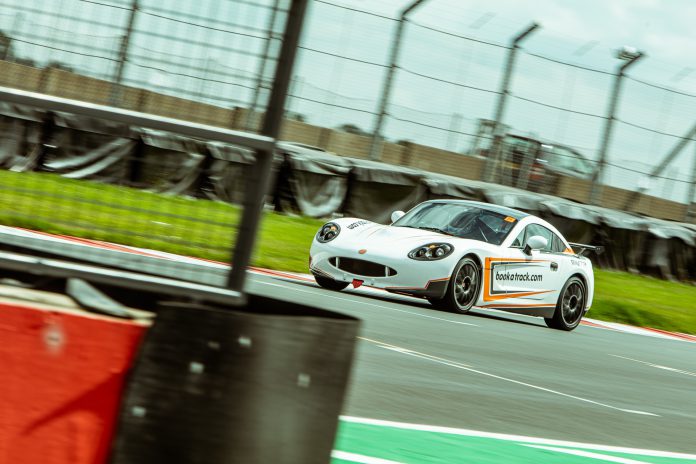
I’ve had a few rather odd weeks in this job. A couple of weeks ago I was at the 40th birthday party of the G Wagon. I flew from Graz into Le Mans on a private charter to spend a couple of watching racing that makes Formula 1 drivers look like kindergarten kids playing in those beds that are shaped like a race car. It was spectacular. There was no sleep and I had my first night of rest in 72 hours once I was home. It was cut short by a 6am alarm – I had a train to catch. It would take me to Donington Raceway to drive something like nothing I had ever piloted before – an LMP spec track car that you can purchase if you happen to be the sort of person that lives for adrenaline rushes comparable to those I imagine Felix Baumgartner enjoys. This is the story of how I drove the Ginetta G58.

I’ve been familiar with the Ginetta brand for a decade or so having seen one of their cars on display at the British International Motor Show when I was 11. The British manufacturer is synonymous with entry level race cars and managing a number of racing series. McLaren Formula 1 driver Lando Norris competed in and won a Ginetta Series at just 14 years of age.

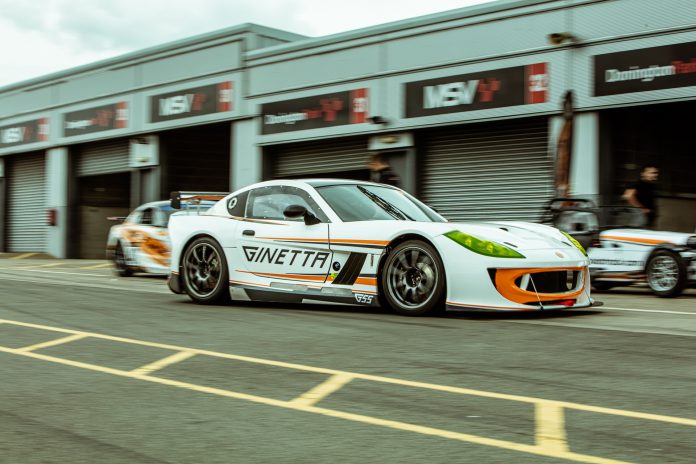
Back to Donington, the end goal was to drive the G58 in anger around the track. The problem is, there is only one seat and the G58 has a 6.2 litre V8 which produces 575 horsepower and weighs just 940 kilograms. It runs on slicks and costs £239,000. Trusting a ham fisted oaf such as myself would be frankly irresponsible. To make sure I was competent enough, Ginetta lined up their less potent machines for me to get up to speed in and prove that I’m up to the challenge. Game on.

First up, the G40 GRDC. This is where you would put your £39,000 if you had no experience but wanted to have a punt at seeing if you have some talent behind the wheel. The peppy little 1.8 puts out 135 bhp, but weighs a slender 840 kgs. There are no driver assistance systems and it’s a manual.

Onto the tarmac and it’s evident that this is more of a challenge that I first anticipated. Having driven 700+ horsepower road cars in anger on track and the street, I thought this would be something akin to driving one of those red and yellow Little Tikes cars we all had as kids. I was wrong. The lack of assistance and a manual gearbox had me locking up, changing into the wrong gears and generally embarrassing myself.

There is an inherent purity about the G40, my inputs have such an uncorrupted and immediate impact that being smooth becomes the priority. After the first five laps, things settle down a little and I discover the car’s and my own rhythm. My instructor, who races these things professionally, seems a little less scared for his life – I swear I saw him messaging his girlfriend telling her that he loved her on my first few laps.

After a drama free second ten minute stint, I was invited to upgrade my wheels to the G55. Things were getting serious. Apparently I had done something right as I was told to head out unaccompanied. The G55 competes in the Ginetta GT4 Supercup and it is an incredible machine. There’s a 3.7 litre Ford V6 packing 380 bhp. The car weighs in at just 1085 kilograms. The Hewland 6-speed sequential manual has me feeling far more comfortable – this is the sort of thing I’m used to. There’s also adjustable traction control and ABS. I’m less apprehensive and more excited to do a couple of long stints in this. Out onto the track and the gearbox is whining, the engine is singing and I’m smiling. The traction is immense and I’m far more at home on the circuit. It is all coming together, this is the car that is always on your side, goading you to brake a little later and get on the power earlier. It is a masterpiece.

Ten minutes pass very quickly and I don’t want it to end. Back in the box I’m waxing lyrical about how much I want one (I’ll need £89,000) and then am told that I need not do a second stint in it because I’m being trusted with the big boy – the G58. I’m back to being a bit scared.

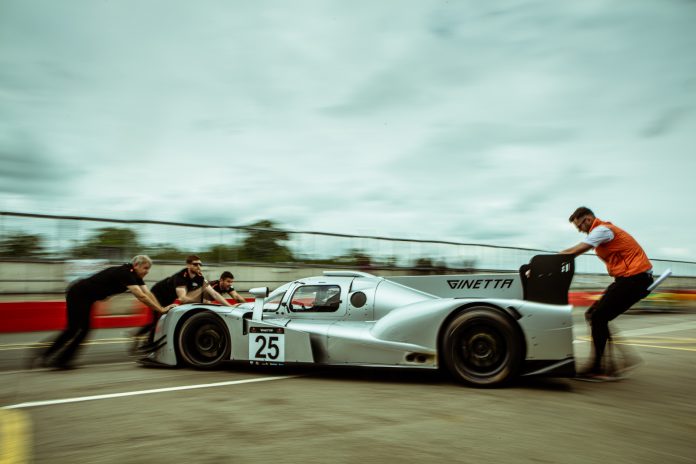
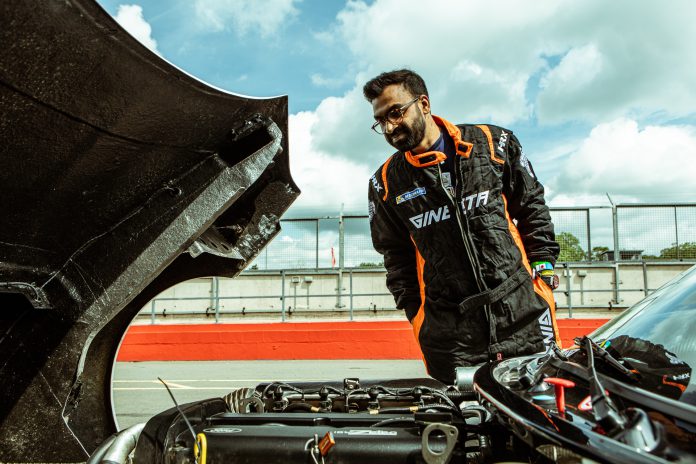
The G58 is a Le Mans Prototype level car. No one else lets you turn up and buy such a machine this fast. Yes, you can buy the likes of the Ferrari FXXK, Aston Martin Vulcan and McLaren P1 GTR. They all cost around £1million or more. The G58 is a fraction of the aforementioned at £239,000 and it is faster. Yes, it’s about 20 seconds faster around Silverstone than the FXXK and that has 1000 plus horsepower, active aero and hybrid tech. The Ferrari also needs an entire race team and you can drive it when and where Ferrari want you to. Ginetta will let you do what you like with it and you’ll need one mechanic to give you a hand to get it going.

The interior is tiny, good thing I am too. The seat is large to allow the trio different sized journalists to all be shoehorned in. I require a mass of sponge padding to stop me bouncing around like a squash ball. Ignition engaged, starter button depressed, the V8 barks into life with a low and lazy rumble. This is an engine happier being pushed hard in the upper echelons of the rev range rather than sitting at idle. I’m pushed out of the box and into the pit lane. Engaging first and getting off the clutch is a task that catches out the best when dealing with a straight cut racing box. The chances of stalling are huge, the alternative is to pile on the revs and do a huge smokey burnout…both result in you looking like an utter ape. I, somehow, get it right and I’m hurtling towards the pit exit with more speed I was expecting. The first corner approaches and the tyres are stone cold – grip is low but so are my expectation of the brakes. I almost come to a complete halt. They are powerful and the car is so light that I need to recalibrate my brain.

I feel like I’ve forgotten everything I learnt, I’m forgetting corners and desperately trying to get heat into the tyres. After two laps of tippy toeing around like a total amateur I’m starting to get back into some sort of comfort zone and it is all coming together nicely. I’m gritting my teeth and am white knuckled entering corners with huge speed and teasing myself to brake later and later, pushing all of my body weight into the stop pedal via my left foot. I’m grinning. This is unbelievable. Another thing, besides my talent, that it unbelievable is just how easy it is to drive the G58 quickly. It is so manageable to the extent that I can imagine how endurance racing drivers can go on for 24 hours. The car flatters you and the smoother you are, the better it feels. You feel the downforce working as you fire yourself into corners with speed you can scarcely believe. The grip from the warm slicks is terrific and coerces you into going quicker and quicker.

As track experiences go this is by far the most dramatic and physically challenging days I’ve had. I cannot imagine anyone, however experienced, getting into the G58 for a stint and stepping out without sweat on their brow, shaking with excitement/exhaustion.

Whilst in the pitlane, and having recovered from my time on the track, I caught up with Lawrence Tominson, Chairman of Ginetta. Lawrence talked me through the next endeavour the company is exploring, the Akula, Ginetta’s first attempt at a supercar crushing road car that embodies, and keeps up with, their track bound race cars. With 600bhp and 520lb of toque being produced by the 6 litre V8, the Akula has the numbers to go toe to toe with the best from McLaren, Ferrari and Porsche. The Akula goes a step further on track with a kerb weight just 1150 kilograms which is unparalleled by typical supercar manufacturers. For context, the McLaren Senna bumbles in at 1374 – fatty.

Power and weight are great, but breaking lap records requires more and, on paper at least, the Akula has lots more to offer courtesy of real LMP-derived aero. It looks like it belongs in a pitlane, that is certain.

Ginetta have always been synonymous with track performance and racing. Driving a collection of their finest race cars illustrated just why they are held in such high regard. Time will tell if the Akula will be able to challenge the best supercars in the world – I hope to get behind the wheel myself in the next few months. One thing is guaranteed – I will never forget the time I drove an LMP spec race car, now I just need to rob a bank and buy one.

GTSPIRIT NEWSLETTER

The Lotus Evija Is Electric Hyperbeast We All Want

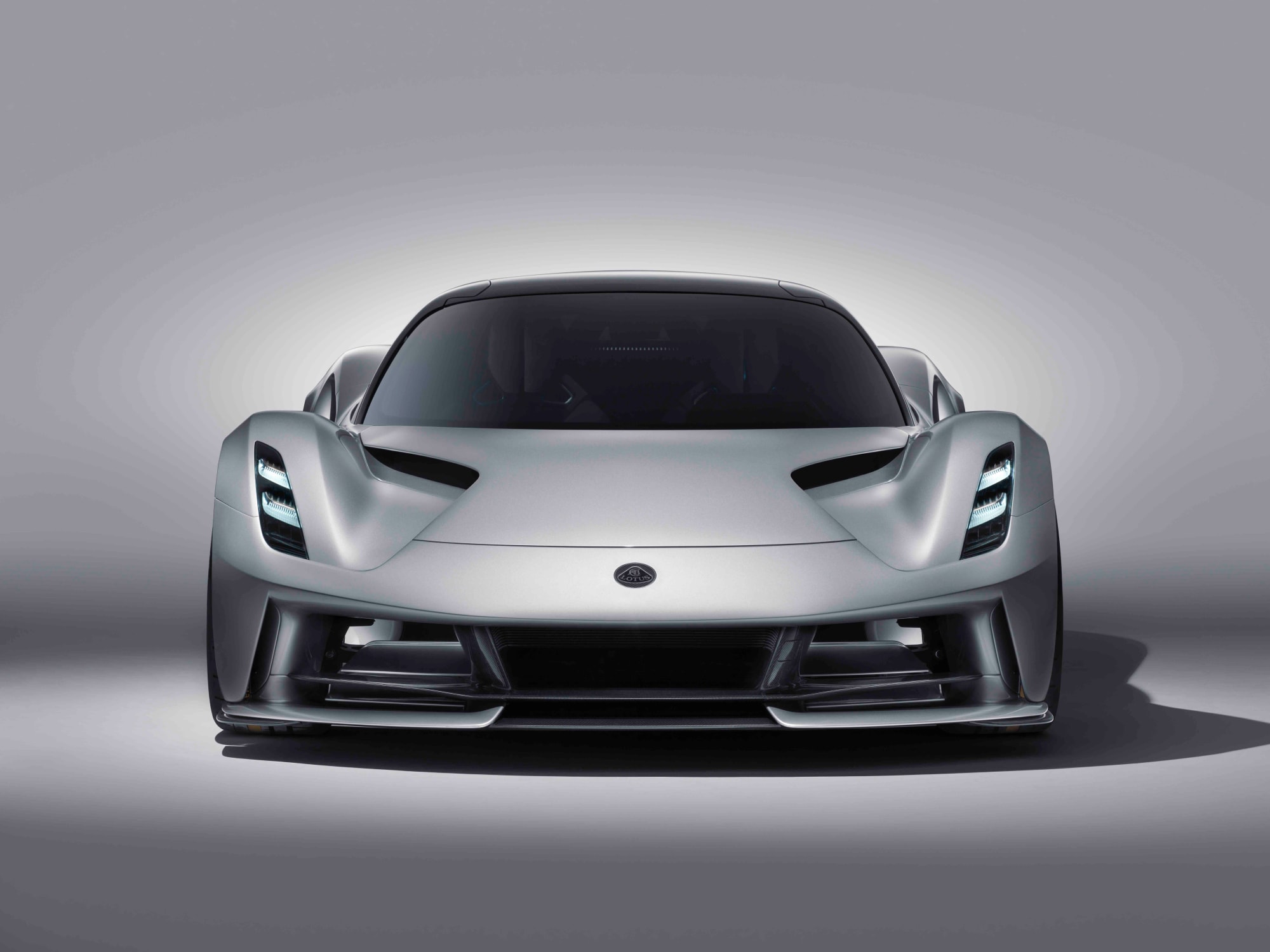
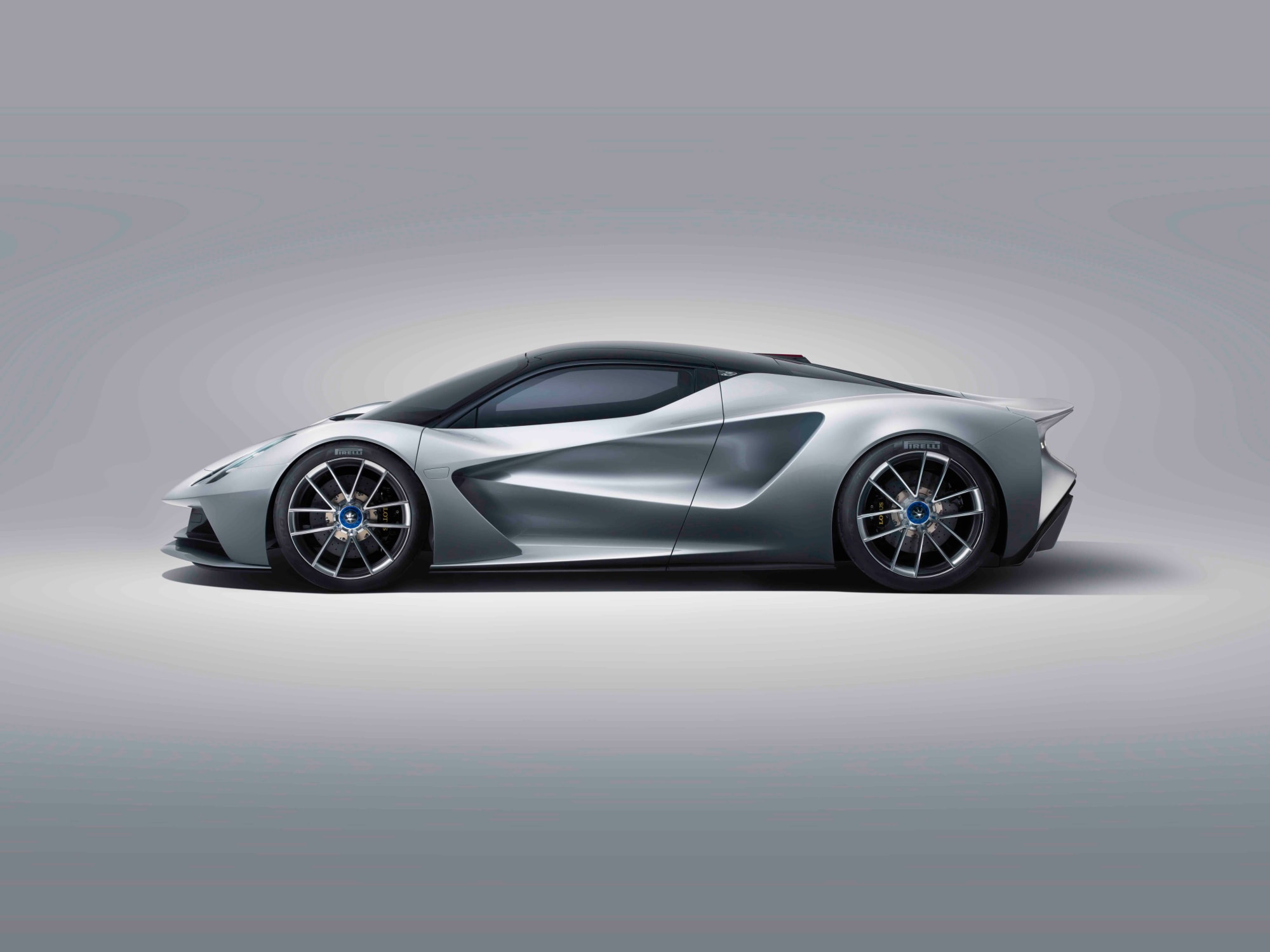
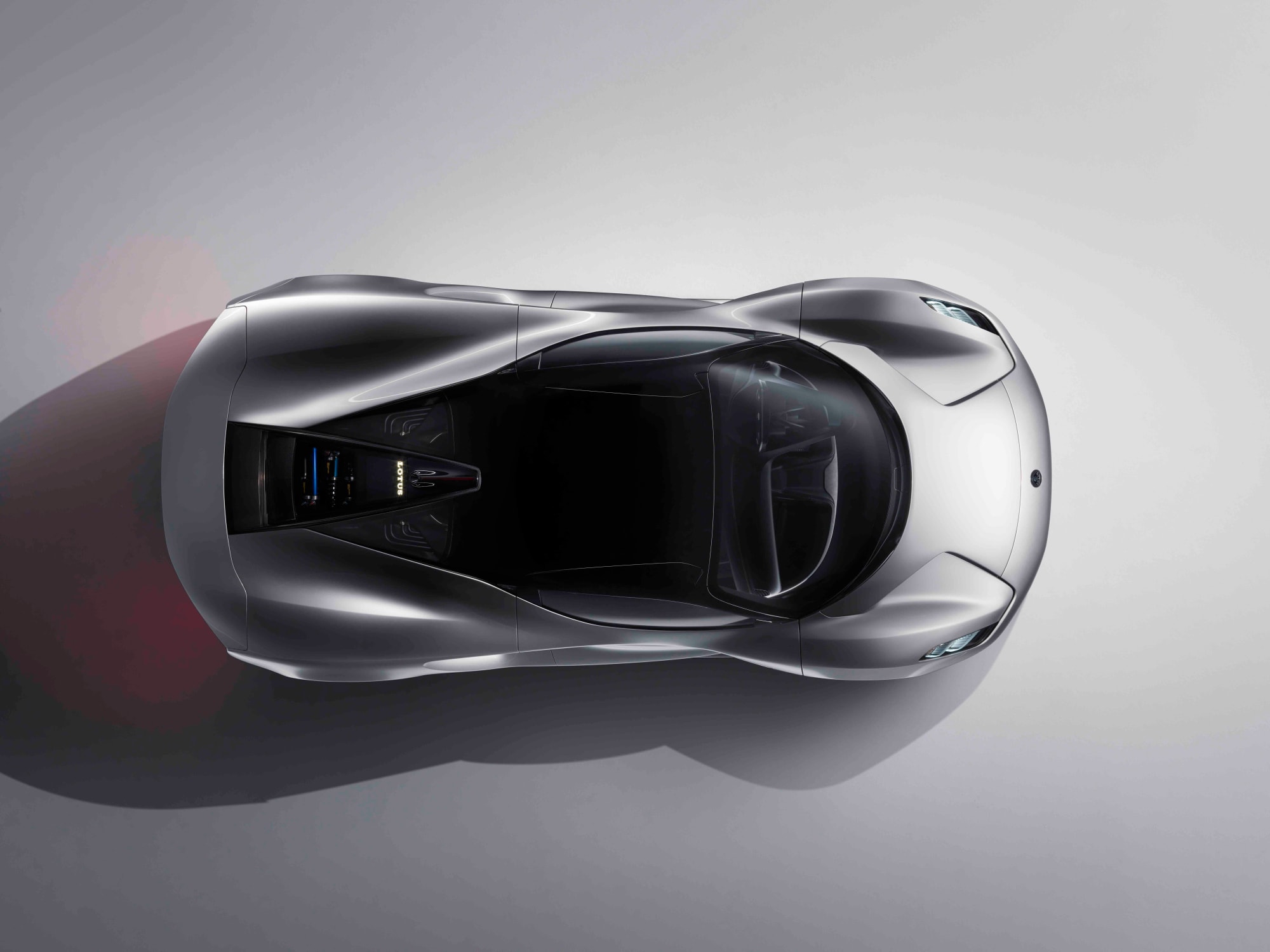
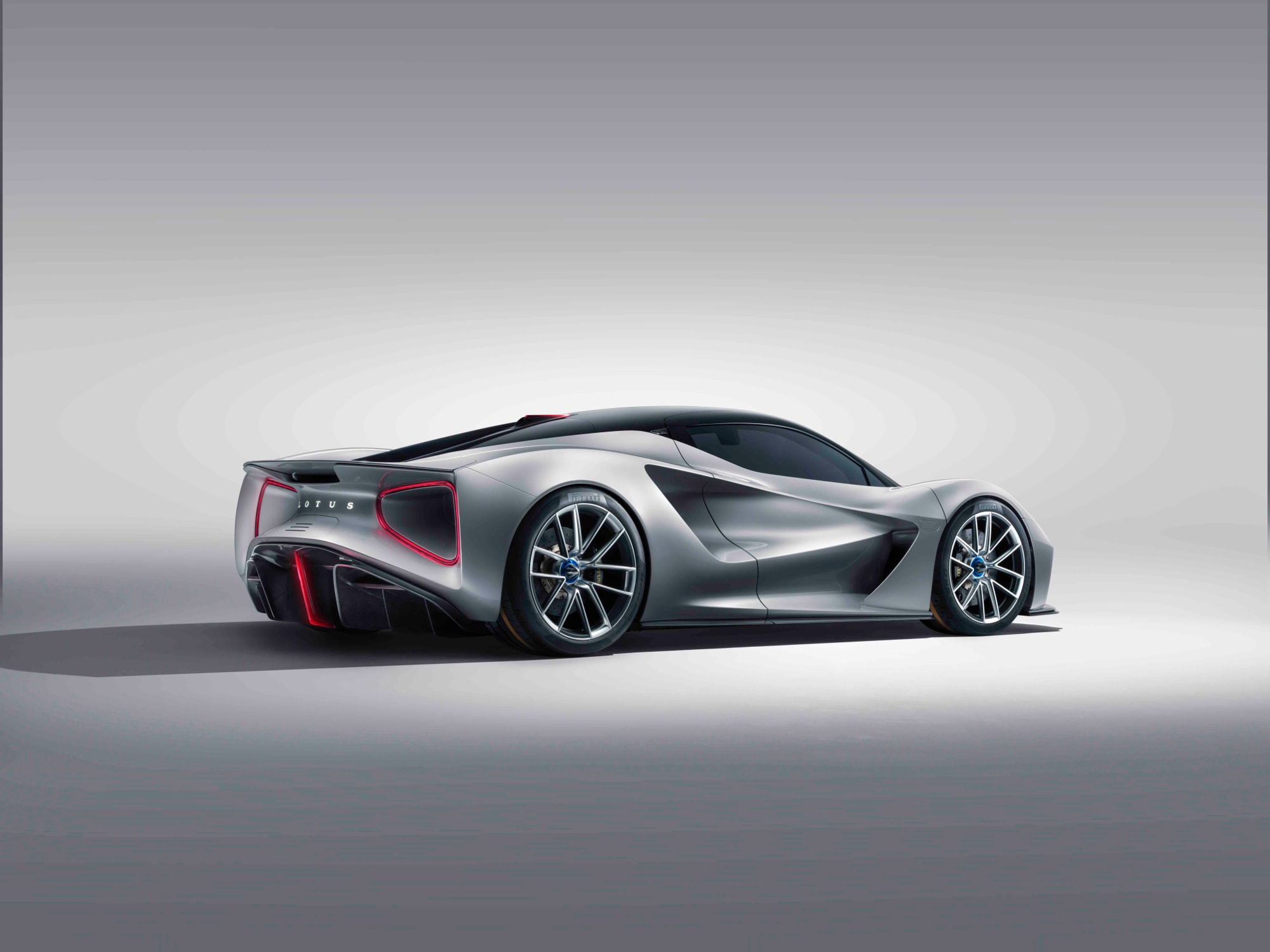
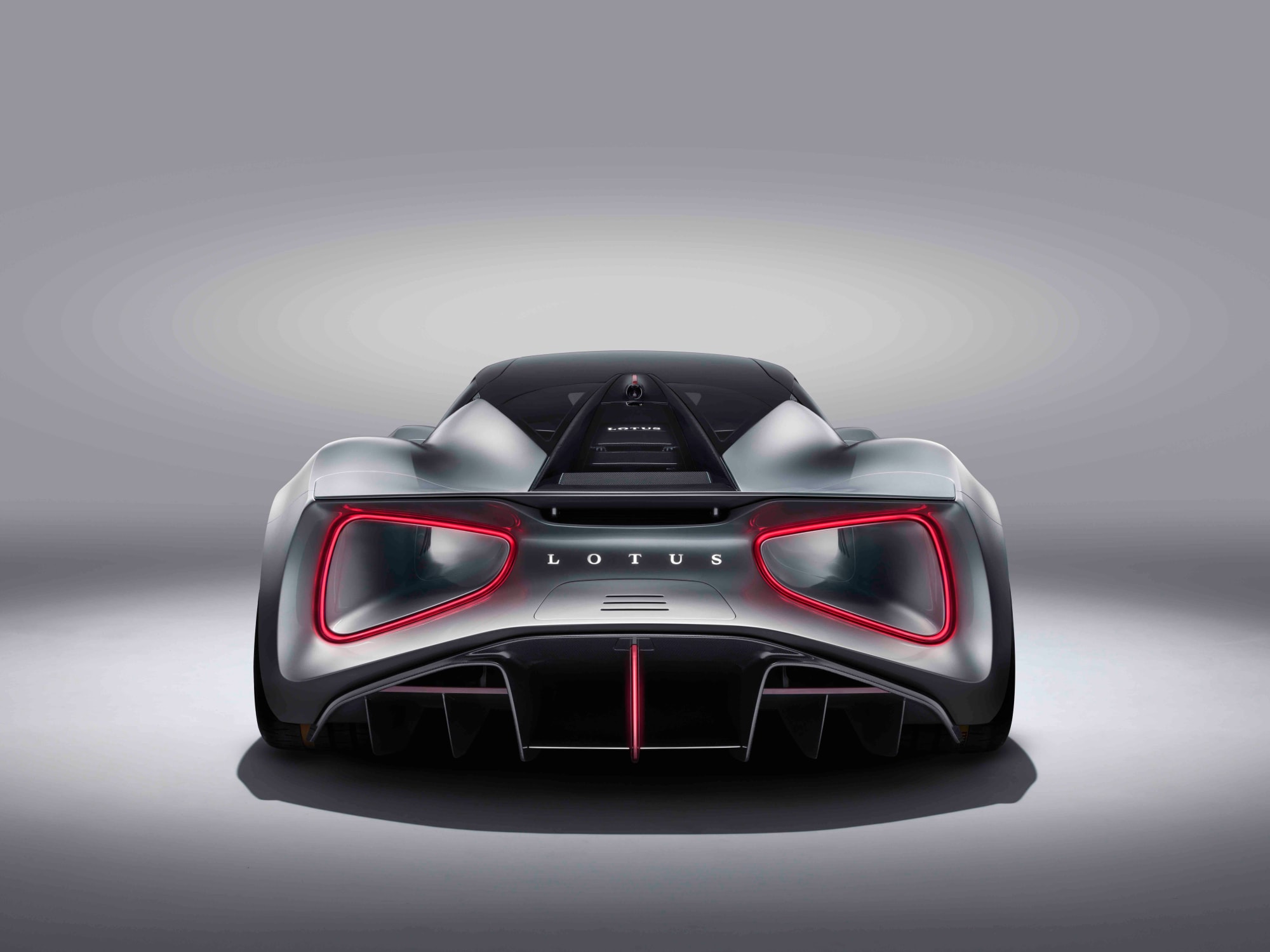
Lotus has unveiled the Lotus Evija, an electric hypercar with a spec sheet that it has the potential to step up to some of the fastest cars of the world. A common, if unfair, gripe with electric cars is that they’re not fast enough. That’s something Tesla is trying to excise, and now Lotus is doing the same.

Just 130 units will be made, in true hypercar fashion. Each will start at a whopping £1.5 million, or about $1.86 million when converted. But aside from its price, the other jaw-dropping detail is its horsepower. It’s 1,972, thanks to four electric motors, one dedicated to each wheel.

We don’t mean to be hyperbolic here, but that is just bonkers. The car will have a top speed of over 200 miles per hour and can go from zero to 60 in just under three seconds. Lotus targets 250 miles of range, which seems quite high considering the performance. Charging won’t be a problem, as well. Lotus says you can juice this baby up from zero to 80% in just 12 minutes, and a full charge requires just 18 minutes. That is, sorry for sounding like a broken record, insane. Want to hear something crazier? Lotus says when 800kW charging becomes available, those 18 minutes will drop down to just nine. Nope, not a typo.

Now, on to the design. The car looks some sort of a crossover between famous supercar brands like Ferrari and McLaren. Big holes make up the bodywork for utilitarian flair. For aesthetic pleasure, you’ll find a massive diffuser on the rear end. Which is all to say it looks as it performs. More info when you hit the link below.

CHECK IT OUT

Photos courtesy of Lotus

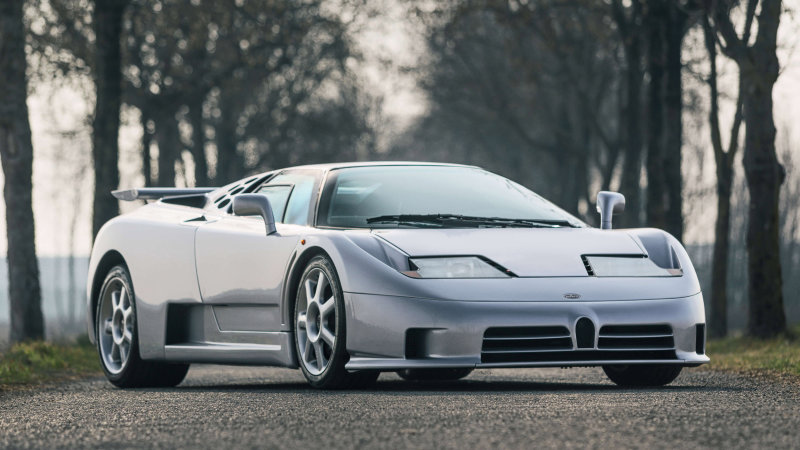
Bugatti reveal for Monterey rumored to be inspired by EB 110 SS

In June, The Supercar Blog heard that Bugatti had a special edition planned for reveal during Monterey Car Week. At the time there were zero details on what we might be in for; the only iota of news was that part of the production run had already been sold. TSB just picked up on this Instagram post from June 4 by Girardo & Co, a classic-car sales company, that could point to the answer:

This is a touch self-serving on Girardo’s part, seeing that the company is selling a Bugatti EB 110 SS — and has been since at least March of this year, when we wrote about it. However, that doesn’t mean the suggestion isn’t true. For those who don’t know, Italian businessman Roman Artioli bought the Bugatti brand in 1987. The only product to leave the company’s Campogalliano factory was the EB 110 in the early 1990s, an alien-looking coupe powered by a quad-turbocharged, 3.5-liter V12 putting out 553 horsepower and 456 pound-feet of torque. The even rarer EB 110 SS juiced proceedings up to 603 hp and 479 lb-ft. On a side note, if Girardo & Co really does have the last one built, it would be an improved version engineered by German firm Dauer, one of only five made.

Circumstantial evidence lends credence to Bugatti interest in the EB 110. Road & Track writes that Artioli visited the carmaker’s Molsheim headquarters this year, marking the first visit by the Italian to his former charge. Then, last week, Bugatti released a paean to the EB 110 and Artioli, applauding the coupe as “The first modern super sports car,” and praising the man with, “Because of his initiative and thanks to his efforts, Bugatti has been revived in the modern age.”

Bugatti has verified something new for Monterey. Whether or not it pays respects to the EB 110 SS, it has apparently already been shown to prospective clients. A supposed run of just 10 examples is planned, some of them sold, each retailing for 8 million euros, or about $9 million. The wraps will come off at The Quail, A Motorsports Gathering, on Aug. 16. Until then, the Bugatti Instagram account is posting breadcrumbs with video highlights from the brand’s history, with 1909, 1911, 1924 and 1926 accounted for so far.

1958 Ferrari 250 GT Series I Cabriolet Steps Up For Auction

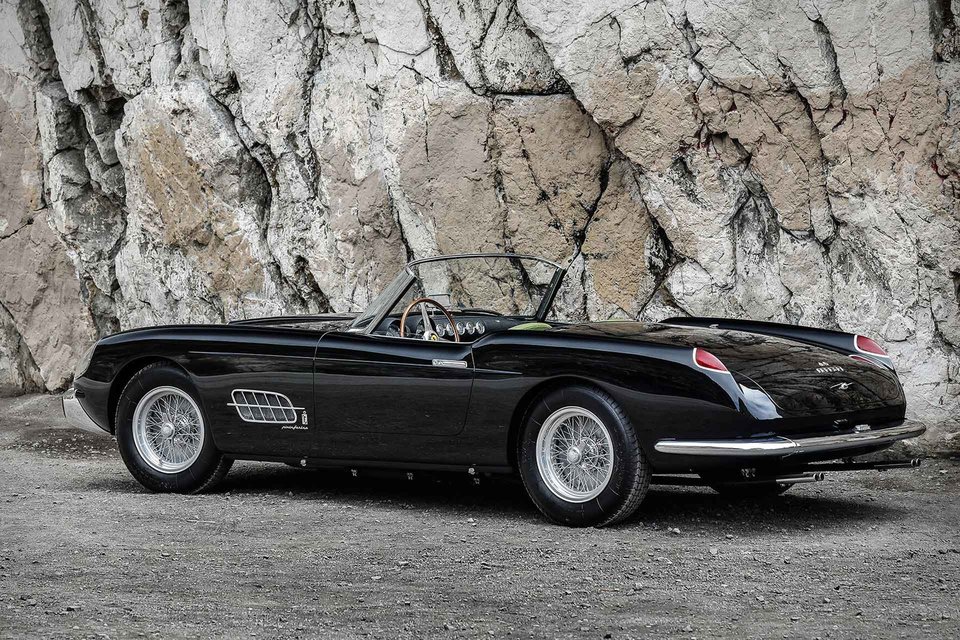
The 2019 Monterey Car Week is bound to start off with a bang, what with Bugatti rumored to reveal a new limited-edition hypercar. But Bugatti’s potential new offering won’t be the sole highlight at the show, though. Another expensive ride is claiming its share of the spotlight — the 1958 Ferrari 250 GT Series I Cabriolet.

There, the car will go up for auction, care of Gooding & Company. So, what makes the ride so special? Well, a couple of reasons. First, it’s one of only GT Series I Cabriolets ever built. Second, it’s only one of four that bears distinctive coachwark details courtesy of Pininfarina. Those details include covered headlights, side vents, bumperettes.

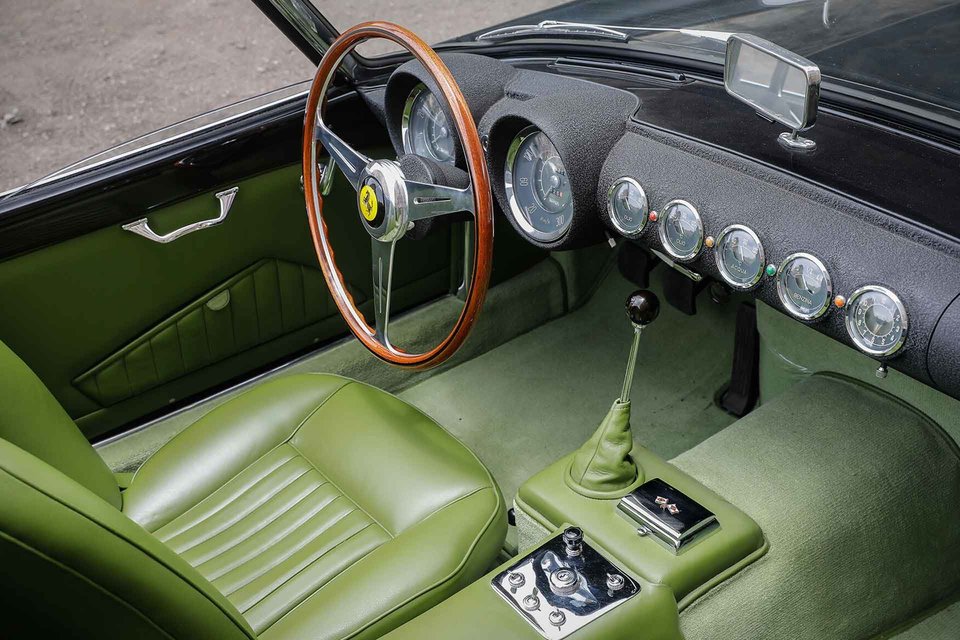
The color combination is unique as well. The exterior, as you can see, is finished in black. Inside, you’ll find it’s much green. That’s leather, mind you. This unit, more specifically chassis number 0789, was handbuilt by Pininfarina. Famous playboy and actor Prince Alessandro Ruspoli of Rome first owned it. Ruspoli eventually sold the car though. It later came into the possession of a handful of Italian enthusiasts between the 1970s and 1980s.

At some point, the car entered stateside and went to Ron Hein, an award-winning car restorer and collector. Hein gave the 1958 Ferrari 250 GT Series I Cabriolet a rigorous do-over. So good that he even earned First in Class at the 1994 Pebble Beach Concours d’Elegance and a bunch of other contests. This is the first time the car is heading to a public auction. Better get those checks ready.

BID HERE

Photos courtesy of Gooding & Company

The Corvette C8 has electronically adjustable brakes. Here’s how they work

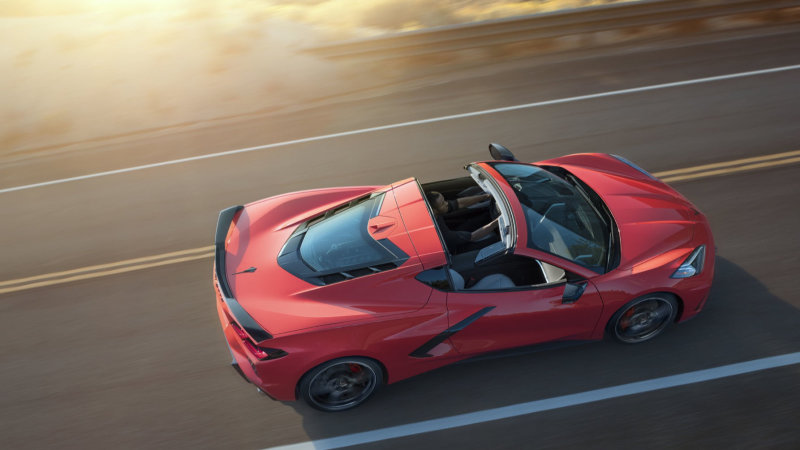
There’s a whole laundry list of firsts for the 2020 Chevrolet Corvette, but one of them that really stood out to us is the new brake system that Chevy calls “eBoost brakes.” That’s just a fancy marketing term for brake-by-wire. What this ultimately lets the driver do is adjust the brake pedal feel depending on the mode they put it in.

Plenty of other cars utilize brake-by-wire (mostly hybrids), but performance vehicle applications are still rather scarce — the Alfa Romeo Giulia and Stelvio Quadrifoglio also use it. If you’re unfamiliar with the technology, just compare it to throttle-by-wire, a widely accepted technology seen in pretty much every new car today. It’s the same essential concept. The driver presses down on the brake pedal, sending a signal to a computer. This “force” is then transferred to all the brakes using traditional brake fluid. Chevy is able to eliminate the conventional vacuum-based power brake system, which it says “provides an advantage in efficiency.”

GM is right about that. The C8’s “eBoost” unit combines four components — master cylinder, vacuum booster, vacuum pump and electronic brake control module — into one single unit. That means the system is more space- and weight-efficient than a traditional braking system. Chevy specifically claims that this is one of the reasons why the C8 has as much luggage room as it does — fitting two golf bags into the trunk of a mid-engine car is no small feat.

Back to what it means for the driving experience, though. Chevy makes a couple bold claims here that will require driving to confirm. For one, Chevy says the system “enables consistent brake pedal feel in all driving conditions.” We’re also told that there is “no unwanted feedback during aggressive or track driving.”

Certainly GM has worked hard at tuning in the correct pedal feedback for adverse driving conditions. Remember, the pedal you’re pushing now is essentially just a big variable capacitor. An “adjustable” button sending an electronic signal, if you will. Most of us are accustomed to the feeling of traditional brakes on slick surfaces, but GM has to tune all that in with this new system. The bit about tuning out unwanted feedback during aggressive or track driving is also intriguing. Most track rats will know the feeling of fading brakes as the pedal becomes mushier deep into lapping sessions. Alfa lets drivers know the brakes are too hot via a light on the dash with its brake-by-wire system. We imagine Chevy has a similar solution for the C8. Your brakes will likely feel perfectly normal until that point, though.

Perhaps most interesting of all is that Chevy is adding brake pedal feel to the list of elements changed by the adjustable drive modes. Here they are below with a description from Chevrolet.

  • Tour: provides a comfortable brake feel for everyday driving
  • Sport: provides drivers with an option for more jump-in and a more aggressive feel
  • Track: provides a smooth and progressive feel at the limit that allows drivers a wide range of modulation for trail-braking

We’ll admit, adjusting the feel of the brakes through modes is a novel idea. However, we also understand that there are plenty of folks who may not want that long-standing consistency to change. BMW says it’s bringing a similar feature to the M8, and Alfa already adjusts the brake feel depending on the mode you’re in. One could even label brake-by-wire as trendy in the sports car world at this point.

Providing the basic architecture for brake-by-wire in the new Corvette platform also leaves the door open even further for electrification plans down the line. We saw a report suggesting exactly that the day after the car’s reveal. This is just one more element of the C8 Corvette we’re eager to try when the time comes to get behind its slightly square wheel. 

The Saleen S7 Will Return With 1,500 hp

That Will Make Its Top Speed 289 mph

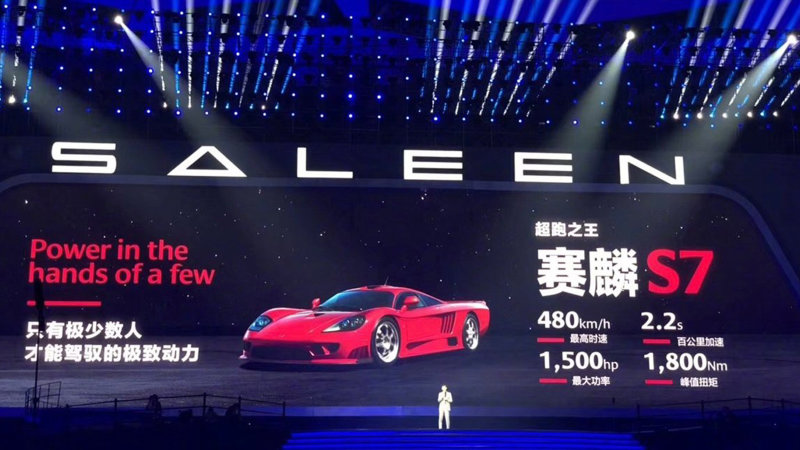
Some cars just won’t die. At the top of that list right now is the Saleen S7. The car originally came out in the year 2000, and now 19 years later, the Jiangsu Secco Automobile Technology Corporation will bring the model back again—it has done so in the past—with even more horsepower.

This time, the car makes a whopping 1,500 horsepower from a 7.0-liter Ford Windsor V-8 with two turbochargers. The engine will also produce about 1,327 lb-ft of torque, according to Jalopnik. That kind of power will rocket the S7 from 0-60 mph in just 2.2 seconds and give the car an insane top speed of 298 mph. 

The company has said it will produce the vehicle in limited numbers. The last time the company decided to sell the S7, they made only seven models. It’ll be interesting to see how many it decides to make this time around. We’re hoping for 70, but we highly doubt that. 

There’s no word yet either on the price of this insane car, but you can bet it’ll be an expensive machine. The Saleen S7 isn’t the only car that the company is working on. It also has the S1 and an SUV and an electric minicar, according to Motor Authority. We’re pumped to see a new higher-performance S7, but we want to see those new cars be made a priority, too. 

Ecurie Car’s Ecrosse LM69 Is a Reimagined Jaguar XJ13 Racer

A Beautiful Car, Indeed

The company Ecurie Cars recently released the first images of the reimagined Jaguar XJ13 it calls the Ecrosse LM69. This car takes the iconic racer and makes a car for the road out of it. The company’s mission is to make a vehicle as close to the original vehicle as possible in small volumes. The company wants to remain true to the spirit of the vehicle, and judging by these photos it’s done just that. 

Ecurie said it will build 25 of the road-going recreations. The company has developed a vehicle that totally looks the part. Not only does it look the part, but the car also features a quad-cam V12 engine. While it mostly follows the old car’s formula, there are some new aerodynamic elements, a fixed roof, and a permanent rear wing.

The car is made of a special composite material, which means it weighs less than the original car on which it’s based. The technical details of the car have not yet been announced. The vehicle will be handbuilt at the company’s factory in the UK. 

For those who don’t know, the Jaguar XJ13 was designed and built back in 1966. Jaguar did so to keep its title at Le Mans. However, when the racing rules changed the car was excluded from competing, which means this car never actually raced.

2020 Audi SQ7 TDI Next to Receive V8 Diesel

The Audi SQ7 TDI follows on from the release of the Audi SQ8 TDI last month. The facelift model for the second generation receives the same technology as its sportier brother combined with the visual updates applied to the Q7 range at the start of the year.

The previous generation 2 model of the Audi SQ7 TDI featured the same 4.0 litre V8 power plant. Audi’s system for the V8 includes twin turbochargers mounted close to the engine with a supplemental third electric compressor. The third compressor is powered from Audi’s 48-volt system and fills the gap between the turbos spooling and the arrival of that diesel power.

Power remains exactly the same as the outgoing model; 429 hp and 664 lb-ft of torque. The SQ7 TDI hits the 100 km/h mark slightly quicker though with a 4.8 seconds, although the reason why is not entirely clear!

The SQ7 TDI gets all of the trappings of the Q7’s mid-life refresh. These include sharper styling, slimmer headlights and a new front grill. On top of this, the SQ7 gets S-specific details. They include a revamped grille, aluminium mirror details, quad chrome exhaust pipes and 21-inch cast aluminium wheels.

The Audi SQ7 TDI goes on sale in Germany at the end of July and will cost €94,900, with the seven-seat model starting at €96,420.

GTSPIRIT NEWSLETTER

Breaking down the 2020 Chevy Corvette C8’s Z mode and digital instrument cluster

GM has a few extra tricks to show off on the 2020 Chevy Corvette C8, and the car’s mode selector is one worth highlighting. Not only does it have a fantastic-looking dial on the center stack, but there’s also a new button on the steering wheel.

The silver switch marked with a Z activates (surprise!) “Z mode.” If you’re familiar with BMW’s M switches on the steering wheel of M cars, this functions similarly to that. Chevy says it’ll put the car into a hybrid between Sport and Track mode, but the owner can customize the mode to make it exactly what they want it to be. One press of the button will load up your preset powertrain, steering, suspension, brake and exhaust modes. You can then select between a few options within each of those categories, including Tour, Sport and Track.

Another new custom mode is called “MyMode.” This one works a lot like Z mode, except it remains activated through key cycles. The only catch is that you can’t set a powertrain setting in MyMode, which means suspension, braking, steering and exhaust settings will remain intact.

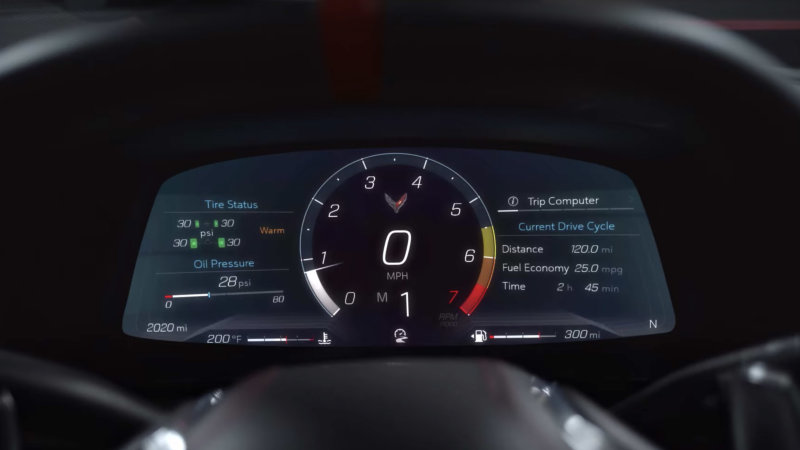
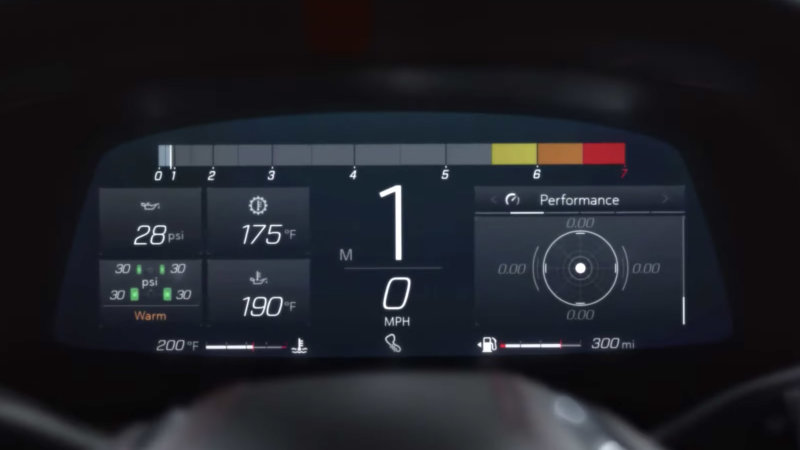
You’ll notice some big changes in the digital instrument cluster as you toggle through modes. The Tour mode offers up basic information you’ll want to see at a glance. There’s a super easy-to-read tachometer front and center with a digital speedometer right below it. As many cars do these days, Chevy gives you some warning as you approach redline with the yellow and orange transparent dashes leading up to the solid redline at 6,600 rpm. Useful information is splayed out to the left and right, including a tire temperature status notification. We can also see one screen of the car’s trip data. This particular C8 looks to have managed 25 mpg, which is the exact EPA highway rating for the 2019 C7 Corvette. Chevy hasn’t released mileage numbers for the C8, but we imagine there won’t be a major change from the C7.

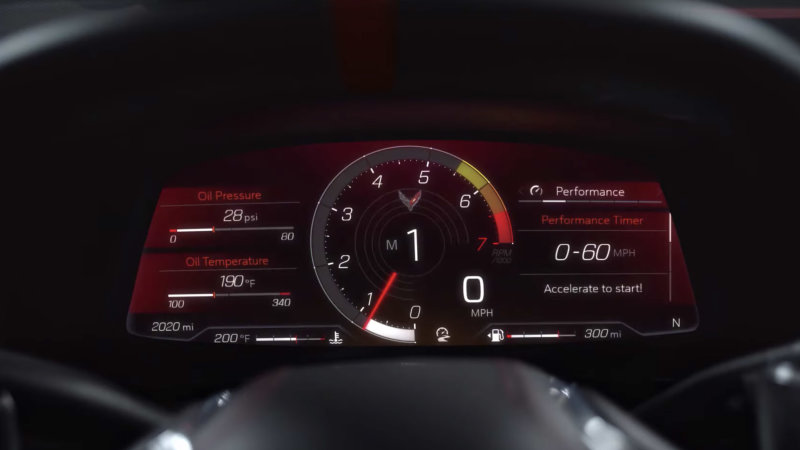
The Sport mode ratchets things up a notch by giving you a racy red background and tightening up the tachometer. It adds little dashes between the numbers and prioritizes gear position over the digital speedometer. Vital temperatures are also displayed off to the left, but we imagine both sides are scrollable with much more data. Chevy seems to be particularly excited about the in-dash performance data recording, adding an exclamation point to “Accelerate to start!” You’re darn right.

Chevy’s Track mode, with its horizontal tachometer, actually reminds us a bit of McLaren’s new minimal track display. This mode ditches any semblance of useful street data in exchange for a layout prioritizing gear position and your current position in the rev range. Maybe you’re old school and want the round tach, but this is what Chevy deems best for racing.

Without driving the car it’s difficult to determine if the displays and mode switching work how we’d like them to, but it’s safe to say everything looks rather attractive. Z mode sounds perfect for punching up the car’s performance on short notice if you hit a fun patch of road, but it could also work as your go-to button every time you hop in the car.

If you still haven’t caught up on everything C8 related, make sure to check out our reveal post with all the details. The convertible is worth your time to check out, as well.

[embedded content]

The Saleen S7 is back with 1,500 hp and 1,328 lb-ft of torque?

According to automotive journalist Greg Kable and Car News China, Saleen plans to tout a four-car lineup that includes the S1 supercar, an SUV, a microcar, and a limited return of the S7 LM. The S7 will reportedly make its triumphant return, again, with even more power, quicker speed off the line, and a higher top speed. Thus far, it is unclear how many will be produced.  

Saleen has endured an up-and-down road in the past few years. Back in 2016, the company announced it would build an exclusive run of an improved S7 LM supercar with 1,000 horsepower. Then in 2017, Jiangsu Secco Automobile Technology Corporation bought out the the American company and the S7 LM was again relaunched with 1,300 horsepower. The same year, Saleen unveiled the S1 supercar, which was a relaunched version the Henrik Fisker-designed Artega GT. Now, the company is gaining its footing and looking to expand beyond recycled vehicles. 

At a recent event in China, Saleen showed off a plan with four different vehicles. The S7 LM still runs on the twin-turbocharged 7.0-liter V8 Ford Windsor engine, but it now reportedly makes 1,500 horsepower and 1,328 lb-ft of torque. Saleen claims it will be able to do zero to 62 mph in 2.2 seconds and has an estimated top speed of 298 mph. As with all 300-ish speed claims, take that with a grain of salt. The S1, which will reportedly be built in China, will boast 457 horsepower, 426 lb-ft of torque, a 3.5-second zero-to-62 sprint, and a 180-mph top speed.  

Aligning with the current automotive trends, Saleen also introduced an SUV and an electric city car. The SUV, named the MAC, will run on an internal combustion engine that will make 400 horsepower and 332 lb-ft of torque. Production is estimated for the second half of 2020. The city car is called the Maimai, has an estimated range of up to 190 miles on a single charge, and is powered by electric motor that makes 107 horsepower. 

We’ll update as soon as we know more. 

LM Spec McLaren F1 to be Sold in Monterey by RM Sotheby’s

One of Only Two Cars Like It

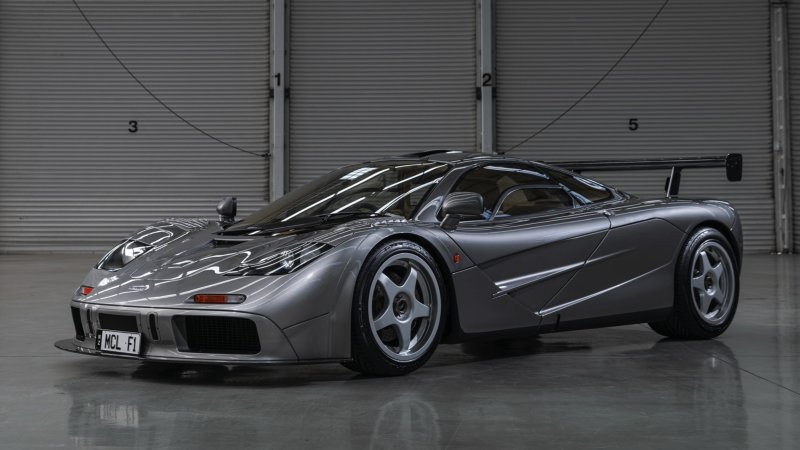
The McLaren F1 is a car that’s burned into the brains of many motorsports and car enthusiasts as the ultimate machine. The car is a legendary one. McLaren built 64 production road cars, 28 F1 GTR racers, two long-tail GT cars, and seven prototypes. The company also built five F1 LMs, according to EVO. Two of the production road cars were later converted to LM cars. One of these will go up for auction in Monterey at the RM Sotheby’s sale in August. 

The conversion cars received complete makeovers. They also got numerous upgrades, including a full aerodynamics kit, transmission cooler, upgraded radiators, modified exhaust, 18-inch GTR alloy wheels, new air conditioning, different lights, upgraded suspension, and a new steering wheel. 

The car that will be on sale in Monterey is said to be in amazing condition. The car’s previous owners cared for it meticulously over the years. All of its history, including maintenance, has been well-documented ensuring the next owner of the car knows everything about it. While it’s unclear what the car will bring at auction, EVO Magazine notes that due to the previous sales of similar cars you can expect this model to fetch over $15 million and maybe even more than $20 million. 

Lamborghini Aventador S Roadster vs McLaren 720S Spider in a Drag Race, Rolling Start Race, and Brake Test

Some Very Important and Serious Racing

If you’re a fan of Carwow’s content on YouTube, then you know the company makes a point of being rather goofy. Mat Watson, the man behind the wheel for most of the channel’s videos, makes a point to be a little silly. In the video below, he and Yianni Charalambous the owner of Yiannimize take the McLaren 720S Spider and the Lamborghini Aventador S Roadster and pit them against each other in a drag race, a rolling race, and a braking test. 

Despite the fact that the weather is less than cooperative, the two cars race with their roofs either off or in the lowered position. With a little bit of rain spitting, the two begin racing. We’re not going to spoil the fun of the races by discussing the results here, but we can say it’s an entertaining time. 

Both cars appear to be pretty easily matched, honestly. The racing isn’t super scientific but it’s a lot of fun to see these two cars hitting high speeds on a track. We’d be even more interested if they were on a racing circuit. While straight-line speed and stopping distances are interesting, they’re only part of the equation. We’ll keep fingers crossed there will be more videos coming in the future. 

[embedded content]

2019 BMW M2 Competition Review: Ma Deuce Picks Up More Firepower

If there’s one car left in the BMW lineup that can claim the clearest link to the driving spirit and purity of purpose that made the brand a legend, it’s the M2 coupe. In 2018, BMW tossed the original M2 to the curb, replacing it with the M2 Competition. In most M models, that appended word simply means a slightly spicier tune for the engine and suspension; here, though, it means a whole new motor beneath its hood. Specifically, the inline-six known as S55, which first appeared in the current M3 and M4 cranking out 425 horsepower. The 2 Series version is tamped down to just 405 horses — but odds are good you’ll never notice the difference.

The Good: The M2, in effect, takes all the good things about the M4 — power-rich inline-six, a choice of seven-speed dual clutch or six-speed manual transmission, the M Division’s trademark blend of ride and handling — and folds them into a smaller, (ever-so-slightly) lighter package. It’s living proof that the company hasn’t completely cashed in on its reputation as the maker of Ultimate Driving Machines in order to pay for a profitable future packed with crossovers and electric cars.

Who It’s For: Driving enthusiasts with a little money to burn, but who wouldn’t be caught dead in a Chevy Camaro ZL1 or Shelby GT350. Also, purists who still haven’t forgiven BMW for creating the X5 back in the late Nineties.

Watch Out For: Your annual gasoline, tire and oil expenditures may quadruple, because you won’t be able to stop driving the damn thing.

Alternatives: Porsche 718 Cayman ($56,900), Chevrolet Corvette Stingray ($55,900), Jaguar F-Type ($61,600), Toyota GR Supra ($49,990)

Review: My BMW M2 Competition test car, regrettably, came with seven forward gears in the case and flappy paddles behind the thick-rimmed steering wheel. Not that that’s a bad transmission, per se; it clicks off gears with militant precision with the transmission dialed up to its most aggressive, and sashays between them almost imperceptibly when left relaxed. But the stick shift simply feels like the more appropriate fit for the car. (Bizarrely, not only does it deliver better fuel economy than the automatic and its extra cog, it also delivers faster acceleration, according to Car and Driver.) The tiny two-door’s proportions sit within inches of the beloved E36 M3 (the wheelbase is actually identical), so each and every trait that brings it closer to feeling like the reboot of that car is appreciated — and none more so than a manual gearbox.

The M2’s taut lines might be exhibit A in the case that BMW’s current styling language succeeds in inverse proportion to the size of the vehicle it’s slathered on. (Exhibits B and C: the new X7 and facelifted 7 Series.) The hips are curvy enough to make a Kardashian insecure, the sheetmetal forward of the A-pillar an intimation of muscle and sinew quivering beneath the surface. But those tidy proportions come back to bite the car’s owners in the ass when he or she climbs inside; the front seats have enough space for most adults, but largely at the cost of rear legroom, which diminishes to Aston Martin-like levels.

Not that you’ll give an owl’s patoot about that once you fire this car down a back road. That chunky steering wheel may not offer the same levels of feedback as its spiritual forbears, but the M-developed electric-assisted power steering is quick and accurate, working with the suspension to carve through corners with unerring precision.

Lying smack between those thicc rear wheels lies an electronic limited-slip differential, which helps distribute the meaty stream of power flowing from the engine from where the torque plateaus at 2,350 rpm until the horsepower peak falls off as 7,000.  The resulting combination of go-fast and turn-fast bits makes the BMW positively addictive when the asphalt starts bending — or when you need to go all Ronin through a wolf pack of slower cars on the highway.

It’s so compelling, once you blast down a dreamy stretch of winding, empty two-lane, you’ll probably spin the car around and take it the other way all over again. I say this because, well, that’s exactly what I wound up doing. Whatever you’re heading to, it can wait. Besides, with all that power under the hood, you can always make up some of the time along the way, right?

Verdict: While you certainly can pile options onto the M2 Competition, you can’t do so to the extent possible with other cars in the lineup; fully loaded, it still doesn’t crest $70K. More importantly, though, you don’t need to in order to experience the car at its best. Even the stripper model you can buy for a shade under $60,000 will deliver more real-world thrills than many sports cars costing twice as much.

That, perhaps as much as any transmission or engine, is proof that BMW has something special on its hands. If I were a betting man, I’d snap one up tomorrow and sit on it on the expectation that low-mileage examples will prove pretty much depreciation-proof. But I’m a driver, not a bettor — and there’s no way I’d be able to keep from putting way too many miles on it.

*For the record: “Ma Deuce” was the nickname for the WW2-era M2 .50-caliber machine gun. 

BMW M2 Competition Key Specs (Dual-Clutch Model)

Powertrain: 3.0-liter twin-turbo inline-six; seven-speed dual-clutch gearbox; rear-wheel-drive
Horsepower: 405
Torque: 406 pound-feet
0-60 MPH: 4.0 seconds
EPA Fuel Economy: 17 mpg city, 23 mpg highway

BMW provided this product for review.

Read More Gear Patrol Reviews

Hot takes and in-depth reviews on noteworthy, relevant and interesting products. Read the Story
Note: Purchasing products through our links may earn us a portion of the sale, which supports our editorial team’s mission. Learn more here.

See the Lotus Evija in detail in this 23-minute video

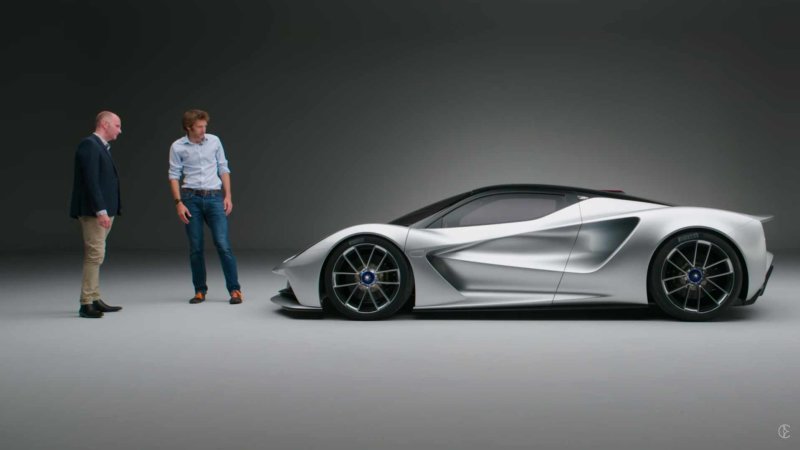
Henry Catchpole splits his time as a contributor to Evo magazine with on-camera work for Carfection. The ever-gracious Englishmen took to the studio again recently to pore over the brand new Lotus Evija — and his first gift to us is the electric coupe’s proper pronunciation: ee-VYE-yah. For a full 23 minutes, Catchpole tours the coming Lotus hypercar with Lotus’ head designer Russell Carr. The two men sweep over the car from front to rear, Carr explaining the origins and details of the many shiny bits that attract Catchpole’s eye.

The spec sheet alone is attention-getting. A 70-kWh battery fuels a powertrain rated at 2,000 horsepower and 1,254 pound-feet of torque. All-wheel drive and torque vectoring are made possible by electric motors motors front and rear, but the setup is novel. A single drive unit on each axle combines a motor and inverter, but we’re told each wheel gets its own gearbox. The package is a little shorter and wider than a Porsche 911, but sits seven inches lower than the roof of the German. Scales bend to the weight of 3,700 pounds in spite of magnesium center-lock wheels, that grandeur managed in part by six Multimatic spool-valve dampers, three on each axle. Just 130 Evijas will be produced, starting next year, each one starting at around $2.1 million.

Lotus has filled the coupe with visual flourishes. The Lotus badge on the front is metal inlaid into the carbon fiber bodywork. Carr said he wasn’t sure the engineers would be able to finalize that for production, but the designers are hoping. Fans inside the headlights keep the lumens cool, while movable DRLs and turn signals angled like the winglets on an airliner make the lumens look cool. Another neat lighting trick: The “T” in the word “Lotus” on the rear fascia acts as the reversing light. Two features we haven’t yet seen on the latest batch of hypercars are adjustable seats, and a strip of metal in the headrests that can be etched the slogan of a customer’s choice. And in spite of all the firsts for Lotus in this car, there’s one holdover from the Hethel carmaker’s other compact sports cars: A dearth of luggage space. The only cubbies are polygonal-shaped holes in the rear of the door sills.

It doesn’t sound so bad when Catchpole explains it, though, so check out the video.

2019 Maserati Levante Trofeo Review

When Maserati introduced their Levante SUV a few years ago, I was immediately smitten. Not only was it a great looking SUV but the interior felt so exceptional – full of rich wonderful-smelling leathers, aluminum, carbon fiber, and artfully design – that I immediately began trying to arrange a loan so that we could review it. At the time, the Levante only came with a V6, which promised decent power along with it’s Q4 AWD. It didn’t seem particularly exciting, but it had a sportiness and refinement that appealed to me.

It turns out that while Maserati was offering the V6 Levante to the general public, it’s engineers were secretly working on a top secret skunk works-style after-hours project: building a V8 Levante. Why? Because some people are never satisfied with basic. Because the potential to be the best SUV was there. At some point they let management in on it. The execs must have been impressed because it received their blessing, was introduced in 2018, and went on sale in 2019.

In February of this year, in the middle of a particularly bad and prolonged ice storm, Maserati delivered a Levante GTS to us for a review. The GTS had a Ferrari-engineered and -built 3.8L bi-turbo V8 under the hood and a trick electronically-adjustable suspension that adapted to all possible conditions but also raised and lowered the vehicle to give more ground clearance or to provide better aerodynamics. After spending a week with it through an ice storm, through heavy snow, through heavy rain, and even a day of warm dry weather, we came away extremely impressed with the Levante GTS. In fact, we thought the Levante GTS was the ultimate SUV. It is an exceptional vehicle.

Recently Maserati offered us a few days with their new Levante Trofeo – their ultimate iteration of the Levante. Boasting an even more powerful Ferrari-engineered and -built bi-turbo V8 and a new “Corsa” suspension setting, the Trofeo is built track-capable and is just as wonderfully luxurious and technologically loaded as the GTS.

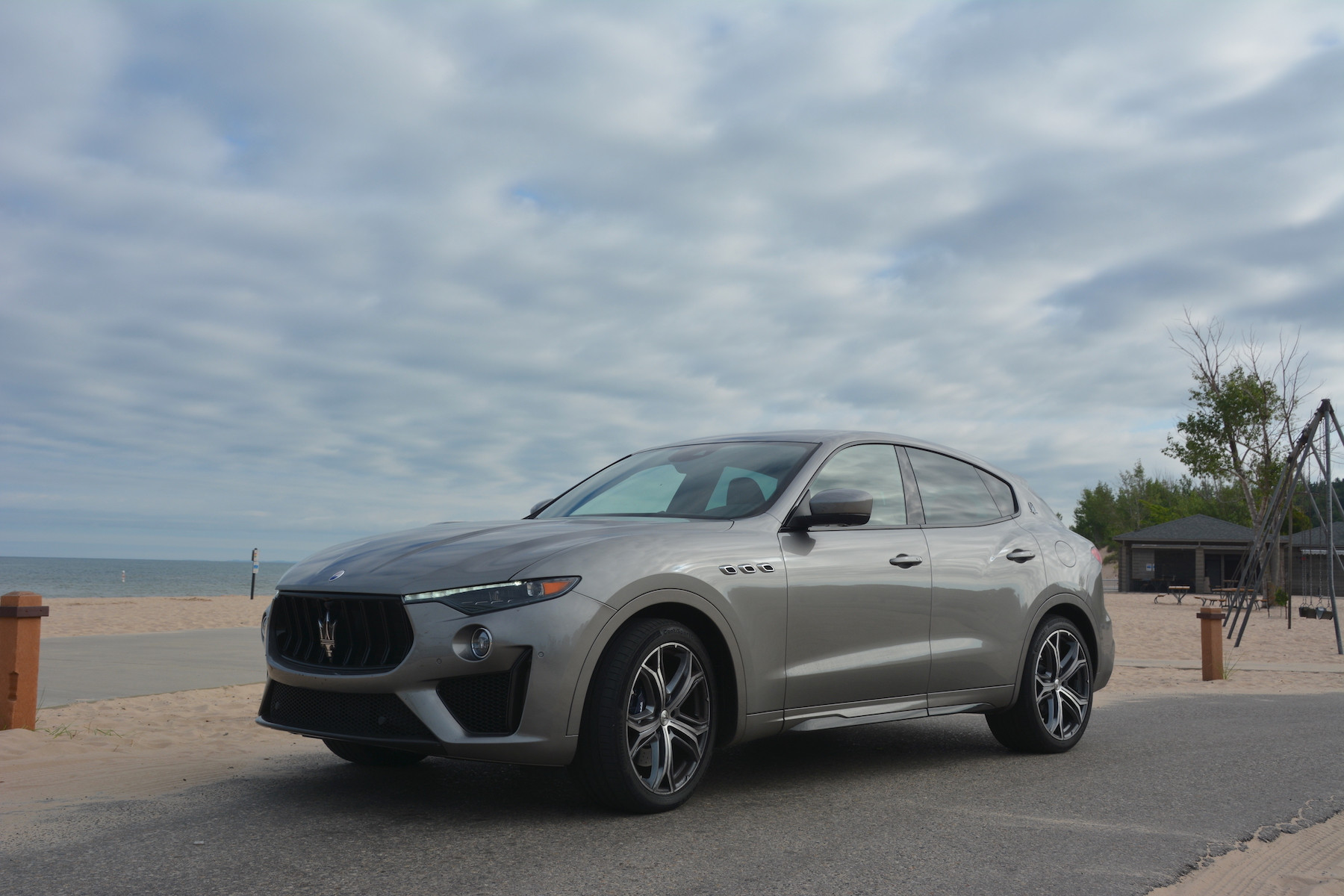
We accepted the invitation so fast we swear we heard a sonic boom. So on a hot, sticky summer day the Levante Trofeo was delivered for us to explore for a few days. It was still as gorgeous looking as we remembered it.

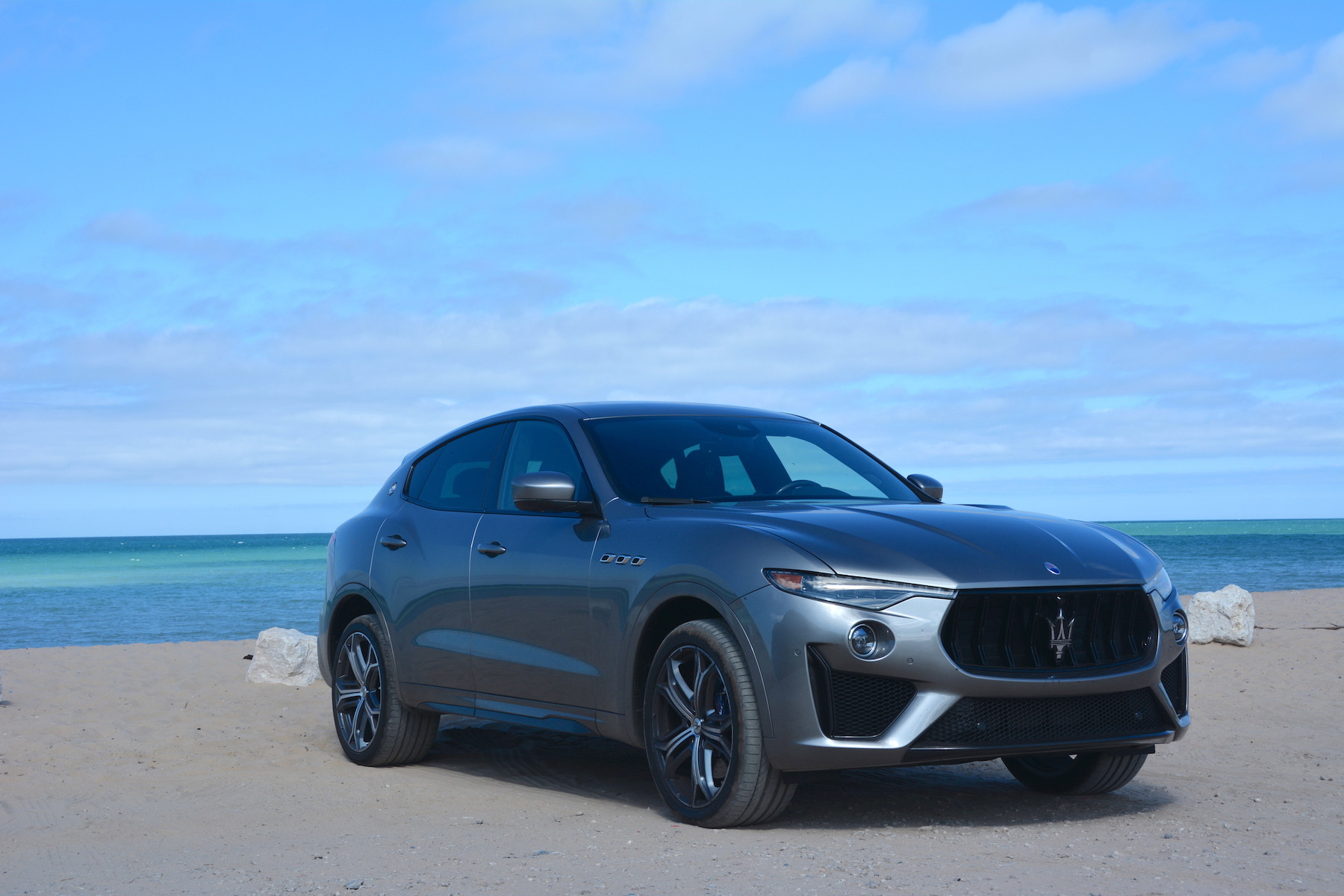
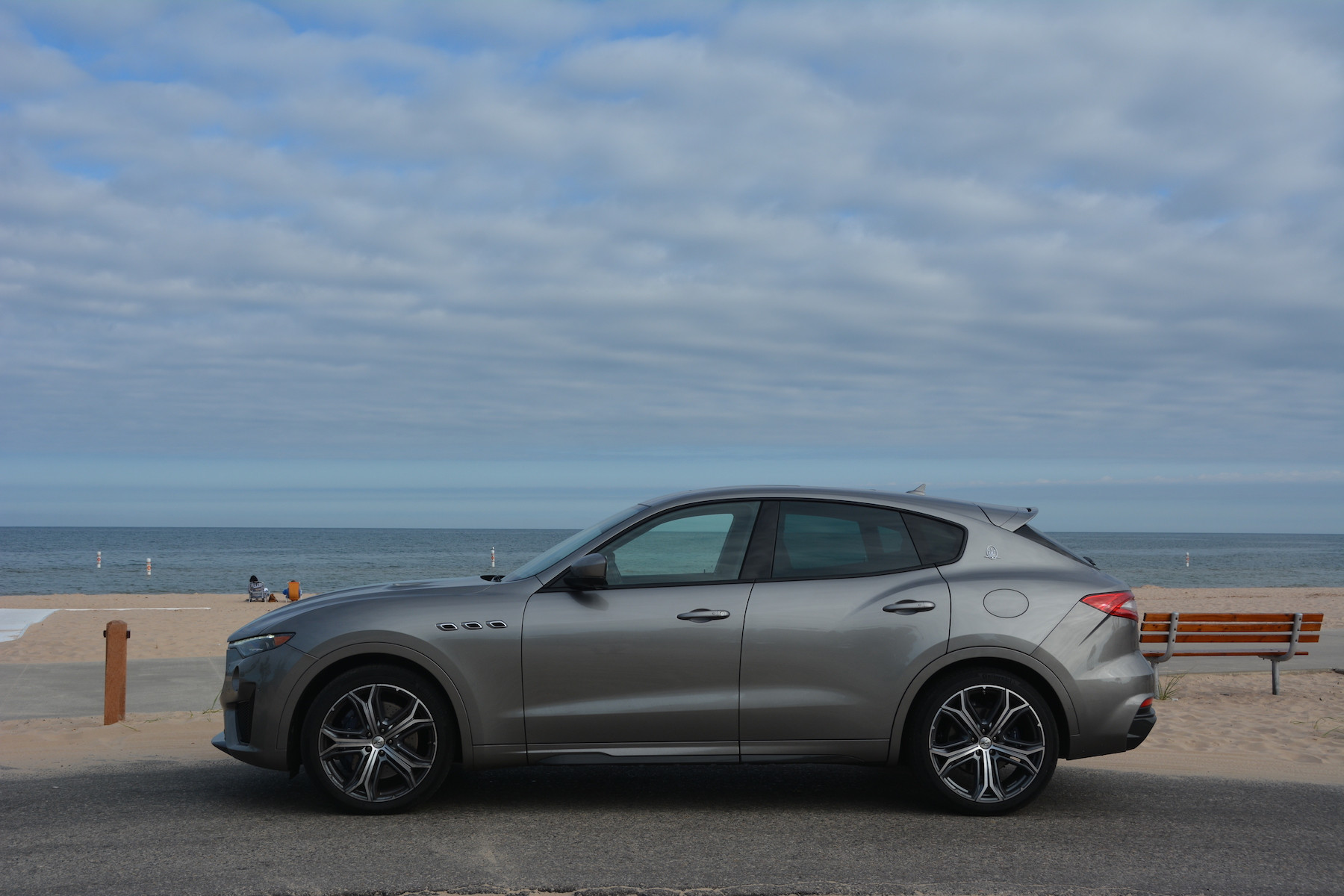
Visually, the Trofeo initially appears identical to the GTS. Only a sharp eye will discern the new 21” wheels, the carbon fiber accents on the rockers, the carbon fiber front splitter and fascia ducts for the brake cooling, and the chrome Trident Trofeo badges on the C-pillars. Even with these flashy accents, the purity of the Levante design shines through.

Maserati Levante Trofeo For Sale

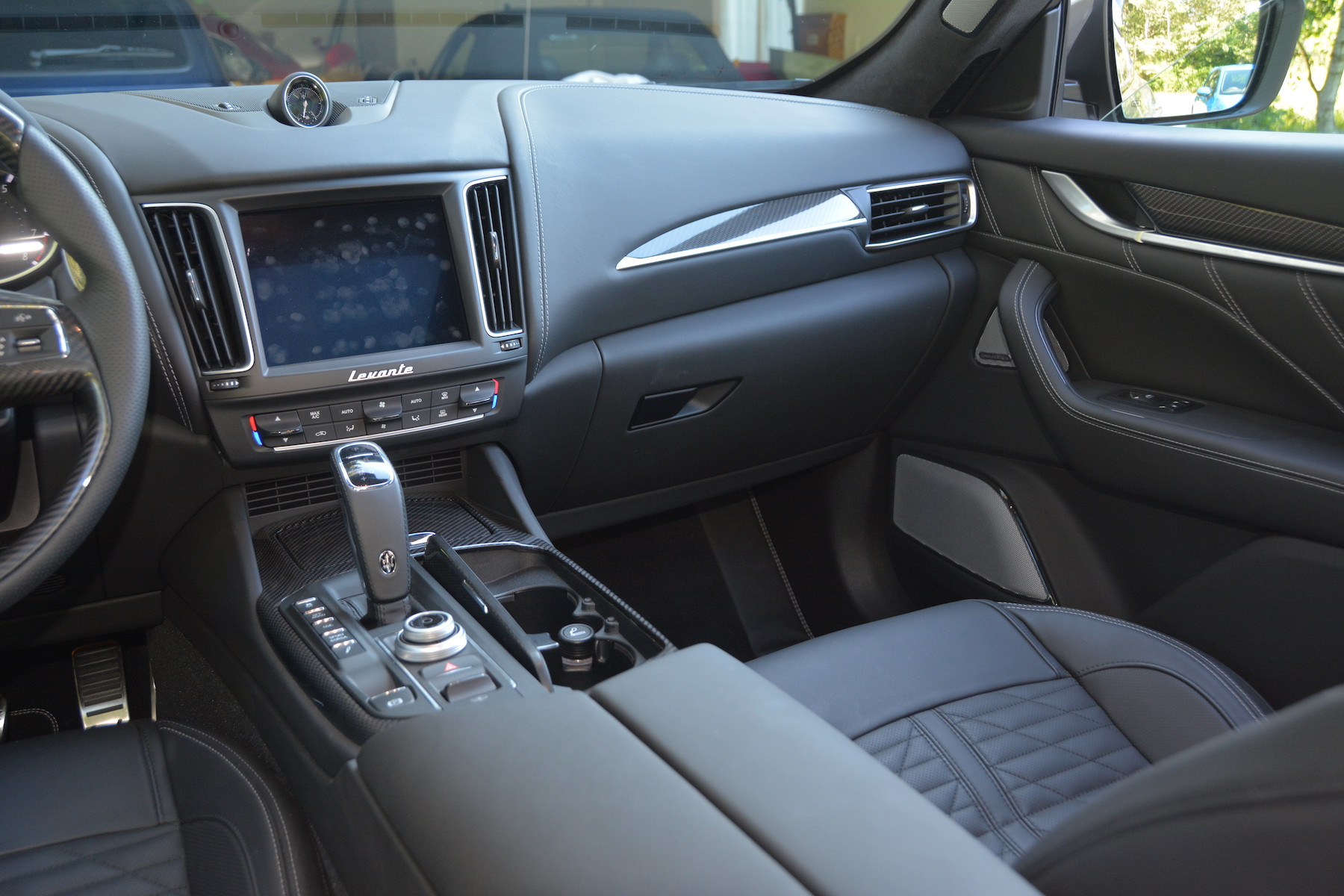
The inside is identical to the GTS too – rich dark gray leather and glossy carbon fiber brightened by aluminum trim bits. The controls are laid out in a logical and intuitive arrangement. None of the controls require any head scratching to figure out. Everything is obvious and simple, as it should be. The front seats are well bolstered but easy to get into and out of. They’re both heated and ventilated for extra comfort. The rear seats are less bolstered but have plenty of legroom for adults, are heated, and fold flat for extra cargo capacity. The steering wheel is carbon fiber with leather inlays where you most often grab it. The molded carbon fiber paddles behind the steering wheel are simply a work of art that hint at what Maserati is capable of with carbon fiber.

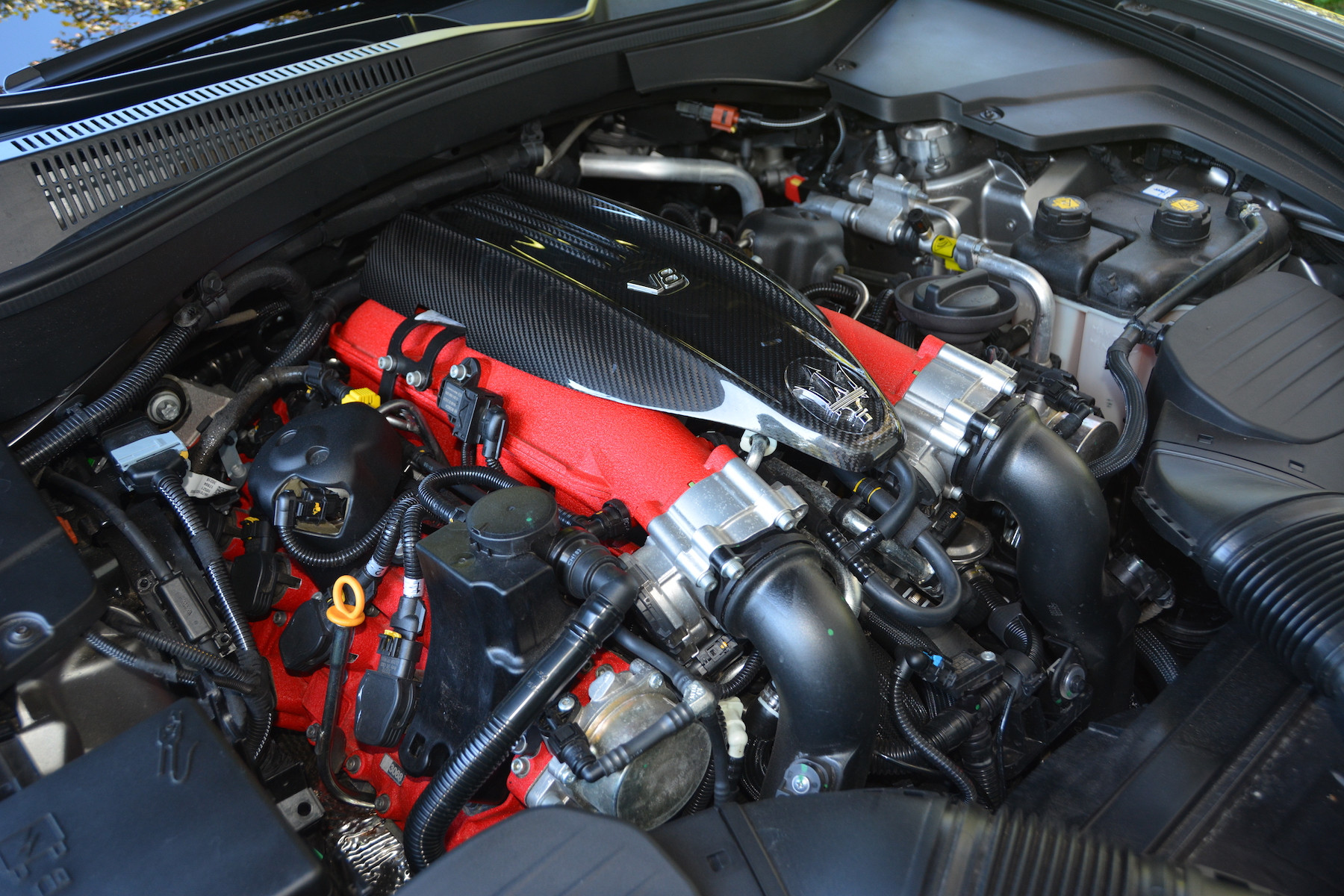
Pop the hood and one of the most beautiful engines ever greets you. Underneath a narrow carbon fiber engine cover, emblazoned with a chrome Maserati Trident, sits a surprisingly narrow V8 with breathtakingly gorgeous blood-red crinkle-finish valve covers and an identical air plenum. GORGEOUS. It elicits low whistles and heavy breathing from everyone who sees it. The sounds it makes will literally make you weak in the knees. Ferrari’s influence is clear and perfectly suitable for this Maserati.

Maserati Levante Trofeo Ferrari Engine

This engine has 40 more horsepower than the Levante GTS – a total of 590 hp – making it the most powerful Maserati ever buiilt with the exception of the legendary MC12 Corsa. How’s THAT for impressive? In fact, it has the highest specific output of any Maserati (156hp/L). And 730Nm of torque. All that power is channeled through Maserati’s 8-speed transmission to the Q4 AWD system. Most of the power goes to the rear wheels, but up to 30% is sent to the front wheels when accelerating or rear wheel slippage is detected. The 8-speed transmission is remarkably smooth and shifts are split-second fast. Unlike a lot of paddle shift systems on the market today, the paddle actuated shifts are immediate; there’s zero hesitation between the click of the paddle and the transmission’s shift.

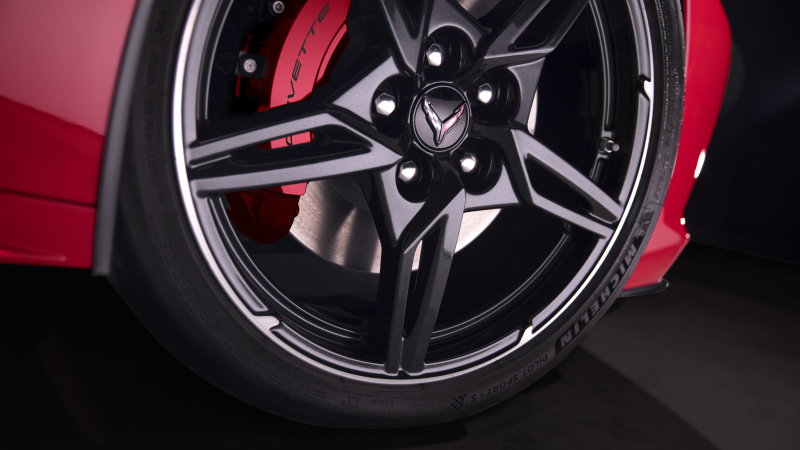
The Brembo brakes are some of the largest we’ve seen on an SUV. Thick ventilated 380mm disks fill out the 21” wheels and are straddled by enormous 6-piston Maserati blue calipers. They stop the Levante like a brick wall stops a scooter. Demonstrating them will literally hang your passengers up in their seatbelts. That you can stop such a large and heavy vehicle with as little drama as these do is amazing.

Maserati Levante Trofeo Side View

The suspension consists of classic unequal length wishbones up front and an advanced multilink system in back. Combined with magnetoheleogical shocks that firm up at the push of a button and height-adjustable airbags, it might be the most sophisticated suspension available. The basic ride is plush but confidence inspiring. Pushing the button on the center console with the shock absorber icon firms up the suspension and makes it more sensitive to changing road conditions.

Pressing the Sport button lowers the vehicle about an inch and makes the engine, transmission, and suspension more responsive. The ride firms up but is still comfortable. Holding the Sport button longer engages Corsa mode, which lowers the ride height about another inch and firms up the suspension even more and makes everything even more responsive. The I.C.E. (Increased Control & Efficiency) button retards the engine and makes the drive system more sensitive in lousy weather conditions. Off-Road raises the suspension nearly two inches for improved ground clearance and gives a near 50/50 front/rear power distribution. With so many options, the Levante Trofeo is nearly unstoppable and certainly exceedingly capable in all conditions and environments.

If that all sounds technologically impressive, it’s even more impressive to drive. Pressing the start button fires that glorious engine which rumbles quietly but authoritatively under the hood. Moving the shifter into R, the backup camera image shows you both what’s behind you and also what’s around you. Back out carefully, straighten the wheel, shift into D, and we’re off.

Maserati Levante Trofeo Interior

The engine note grows in intensity but remains muted unless you wind it out above 4000 rpms, at which point the exhaust valves open and the sound level rises with a roar. Acceleration is brutally fast – if you want it to be. Maserati gives it’s 0-60 time as 3.9 seconds and that’s about exactly what it feels like. Cornering is surprisingly sharp and body roll is controlled no matter your speed. As you progress from standard drive mode to Sport mode to Corsa mode, your performance levels, suspension firmness, and engine noise levels all increase.

I suspect it’d give even the gorgeous GranTurismo a run for it’s money. The Trofeo is also a great grand tourer. With the windows up and the a/c on, traveling down the freeway at 85 mph, the Trofeo is as quiet as a soundbooth inside. There’s minimal wind noise, minimal engine noise, and minimal suspension bumps coming through the chassis. This is the kind of vehicle you’d absolutely love on a cross-continent trip, then be tempted to take to the track and give a few Porsches a run for their money. It’s so capable you can easily forget it’s essentially an SUV though “SUV” doesn’t really do it justice. It’s more of a multipurpose machine – off-road adventurer, sports car, and executive luxury car – in the shape of an SUV.

But one of the most fun things about driving a Maserati is that everyone wants to experience it. “I’ve never been in a Maserati! Can I sit in it?” Most certainly. “I’ve never ridden in a Maserati before. Can I get a ride?” Absolutely! Let me demonstrate the Launch Control! And in reference to the Joe Walsh song “Life’s Been Good To Me (So Far)”, “Can it really do 185?” It can. Or so Maserati tells me. We didn’t try but having experienced how quickly it can rocket up into triple-digit speeds, we don’t doubt them. When you drive a Maserati, crazy things start to happen. People stop you and ask about it. Take it to an event and you find yourself taking four other guests on a quick demo drive. Enemies become friends. Police start following you. You find your wife sitting in it in the garage, reading through the owners manual.

Maserati Levante Trofeo Review

Frankly there’s everything to love and very little to dislike. In fact, the only complaint I had was that my right knee could have used some padding to protect it from the hard plastic on the center console. Small price to pay though when that engine is growling like a mad animal from under the hood and the scenery is stretching out and blending together like you’re making the jump to hyperspace.

I suppose I could also complain about the gas mileage but let’s be honest…I wan’t driving the Trofeo for fuel efficiency. More for effect. And there was plenty of effect.

The Trofeo – quite possibly the very pinnacle of the Maserati line – is priced at $173,000. That’s a lot of money, but given the amazing capability of the car and the amazing engine, we don’t really think it’s unreasonable. It certainly won’t be for Maserati’s well-heeled clients. We actually think it’s reasonable. And we want one in our garage.

GTSPIRIT NEWSLETTER

Porsche 964 Specs & Performance Numbers

As part of our ongoing process to organize all the information on Supercars.net, we pulled together the most important specs and performance numbers into one easy to read table. For the Porsche Type 964 you will find everything from model years to top level models as well as engine type and classification, power numbers and torque figures. We also have performance numbers like acceleration times and top speed. Specs-wise we decided to focus on the length, width and weight numbers for the 964 models. Below is an outline of what we cover:

Variant Grouping / Production Years / Production Numbers / Engine /  Engine Code / Cooling Induction / Engine Capacity (cc) / Engine Capacity (liters) / Compression Ratio / Maximum Power & RPM (HP) / Maximum Power (HP) / Max Power RPM / Maximum Torque (NM) / Maximum Torque & RPM (ft lbs) / Maximum Torque (ft lbs) / Maximum Torque RPM / 0-60 mph (seconds) / 0-100 mph (seconds) / 1/4 Mile (seconds) / Top Speed (mph) / Top Speed (kph) / Length (MM) / Width (MM) / Weight (lbs) / Weight (kgs)

To see all the details simply click on the “+” button to see it for all the specs and the performance numbers. 

One of only two McLaren F1s in LM-Specification headed for auction in Monterey

Of all the McLaren F1s out there (106 of them, including racecars and other variants), this 1994 F1 in LM-Specification is about as special as they get. Incredibly, it’s going up for auction in Monterey at the RM Sotheby’s auction house during Monterey Car Week. Why a McLaren F1 owner would ever want to sell their car is beyond us, but we’re sure the millions of dollars on the other side of the gavel look pretty alright.

This F1 happens to be one of two in existence in LM-Specification. In case you weren’t familiar with the model, McLaren upgraded two standard F1 road cars to this particular specification at the factory after the production run had finished. That means the engine was upgraded to the unrestricted 680-horsepower GTR spec. An extra-high downforce kit was also added, consisting of a huge rear wing, revised nose and different front fender vents. Other differences between this and a normal F1 include race-spec dampers and springs adjusted to their softest settings, 17-inch wheels, a transmission cooler, two more radiators and a modified exhaust system.

What it doesn’t have is the barren interior from the hardcore LM. Instead, McLaren gave it an upgraded air conditioning system, radio, new headlights and a different steering wheel. That means you have the more aggressive performance with a slightly more comfortable living space, a combination we like. McLaren says it made all these changes over two rounds of modifications in 2000 and 2001. The car was also repainted from its original blue to the silver you see now in that timeframe. 

This particular F1 has 13,352 miles on the odometer, and it has been given a full written history and evaluation by MSO. There is no estimated value on the F1, but we’re sure it’s going to nab many millions of dollars. To whoever ends up purchasing this fine McLaren, we envy you greatly.

C8 Chevy Corvette could be electrified in future variants, report says

We’re less than a day removed from the official reveal of the 2020 Chevy Corvette Stingray, but there’s already a report out from Autocar claiming that electrified versions of the mid-engine sports car are on the way. The report cites a couple of different sources for the news.

When queried if an electrified Corvette could feature mild-hybrid technology or use a small electric motor, a Corvette project member told Autocar that “you would not look stupid if you said that.”

GM President Mark Reuss had this to add: “The company is committed to a strategy of 0-0-0: zero emissions, zero crashes, zero congestion. All of the technology rolling into this vehicle is meant to support that. This platform can carry a lot of different things into the future for General Motors. We’ll see. Stay tuned.”

GM gave us some details about what it called the “digital vehicle platform” in the reveal last night. It features a whole new electrical architecture, which could be designed to support electrified versions of the Corvette. How far GM goes with its electrification plan is yet to be known. Maybe they’ll do the Acura NSX route and produce a normal hybrid vehicle, or perhaps they could go as far as a plug-in hybrid. The easiest thing to do would probably be a mild hybrid, though, offering modest performance gains. Regardless of the configuration, we’re geeked to see what GM can come up with for an electrified Corvette. 

Making the Corvette greener could also mean all-wheel drive, because Chevy would likely have an electric motor or two powering the front wheels. Perhaps that’s too far for Corvette traditionalists, but we say bring it on. The base Corvette revealed last night is an epic 495-horsepower pushrod V8 supercar with a sports car price. Do we need something quicker than the sub-3-second 0-60 mph promised? Maybe not. But will we take it if Chevy plops it in our laps via electrification? Absolutely.

The Jannarelly Design-1 Is the UK Sports Car of Your Dreams

Lightweight, Fast, and Fun

Many would say a good sports car has to be lightweight and have rear-wheel-drive at least. Well, that’s the basis for the Jannarelly Design-1, but this car has much more than just those two things. It’s made of either a composite material or carbon fiber and located behind the driver is a 3.5-liter, Nissan-sourced V6.

The engine isn’t some crazy billion horsepower mill. It makes a strong, but modest by sports car standards, 325 hp. Pair that with the curb weight of either 1,675 pounds or 1,785 pounds depending on the materials, and you have a car that will do a 0-62 mph sprint in just 3.9 seconds. 

Jannarelly plans to unveil the Design-1 in full at the UK debut at Salon Privé. That event will take place from September 5 to 8. Anthony Jannarelly sounded excited about the car’s reveal in this quote on Carscoops:

I was often asked if I drove a Lykan and the more I said no, the more I wondered what kind of car I would like to drive on a daily basis. I started sketching some ideas during a flight and then met my now partner, Frederic Juillot, who made boats and composite parts and is also based in Dubai. Such was the enthusiasm, that we decided to go the whole way and launch our own sports car brand and so Jannarelly was born.

The car can be had in a wide variety of configurations. These include a hardtop, soft top, and even a low-level windshield speedster version. The exterior and interior of the car can be extensively customized as the customer wants. This makes the Jannarelly perfect for anyone who wants a seriously special car.