All posts in “Cars”

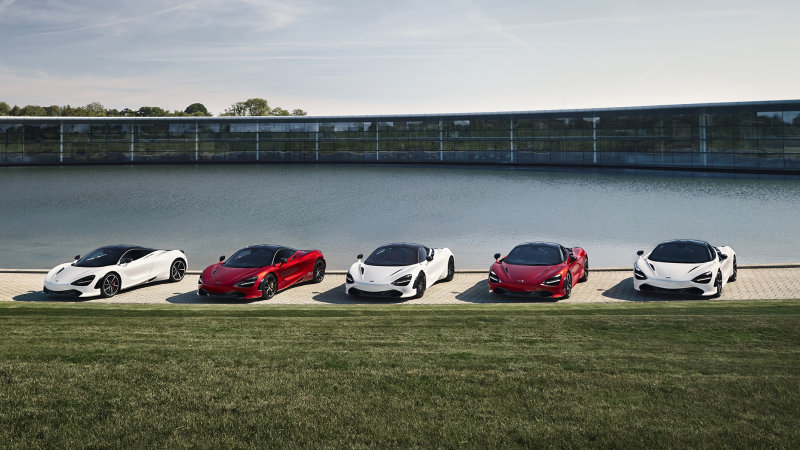
McLaren 720S MSO Apex Collection celebrates high-speed grip

McLaren continues to toy with the 720S while we wait for the supercar’s next major revision. A little too late for Fashion Week but just in time for the fall/winter season, the MSO division has released the Apex Collection for the coupe. The collection name refers to apexes at five famous European grand prix circuits, the same tracks McLaren has used to test and reaffirm its brand values for more than 50 years. A crowning touch is that each car is identified with the high speed that a McLaren performance driver achieved through a particular apex.

The speeds, corners, and tracks are: 103 miles per hour through Eau Rouge at Belgium’s Spa-Francorchamps, 85 mph through Mobil 1 Kurve at Germany’s Hockenheim, 110 mph through Abbey at Great Britain’s Silverstone Grand Prix Circuit, 104 mph through Signes at Circuit Paul Ricard in France, and 90 mph jinking through the Ascari Chicane at Monza in Italy.

The Apex Collection builds on the 720S Track Pack, which sheds about 50 pounds and adds carbon fiber exterior trim, a sports exhaust, and the McLaren Telemetry System. Further customization involves MSO extended side sills, extended shift paddles behind an MSO steering wheel marked at the 12 o’clock position with a dual-color Alcantara, and an MSO throttle pedal and key shell. Visual identifiers outside are limited to MSO Apex logos on the rear fenders.

McLaren will make three of each theme, for 15 cars total, six of them in right-hand drive, all reserved for the European market. They’ll each command £288,813 in the U.K. ($355,641 U.S.) to take home, before options. That’s a £36,000 ($44,200 or so) premium over the standard 720S Track Pack, but MSO throws in a few extras beyond the exclusivity. Every buyer gets a Formula 1 Paddock Pass to a grand prix, and a shotgun ride in a 720S for a Pirelli Hot Lap during the weekend. 

And as a sly way to goose participation in the Pure McLaren track driving events, the English carmaker invites Apex Collection buyers to learn how to increase their skill at apex speeds at one of the courses held across Europe. Of course, a Paddock Pass and Pure McLaren combined cost a whole heap less than £36,000, but exclusive clubs cost exclusive money.

Chevrolet May Be Planning to Destroy the Ford Raptor

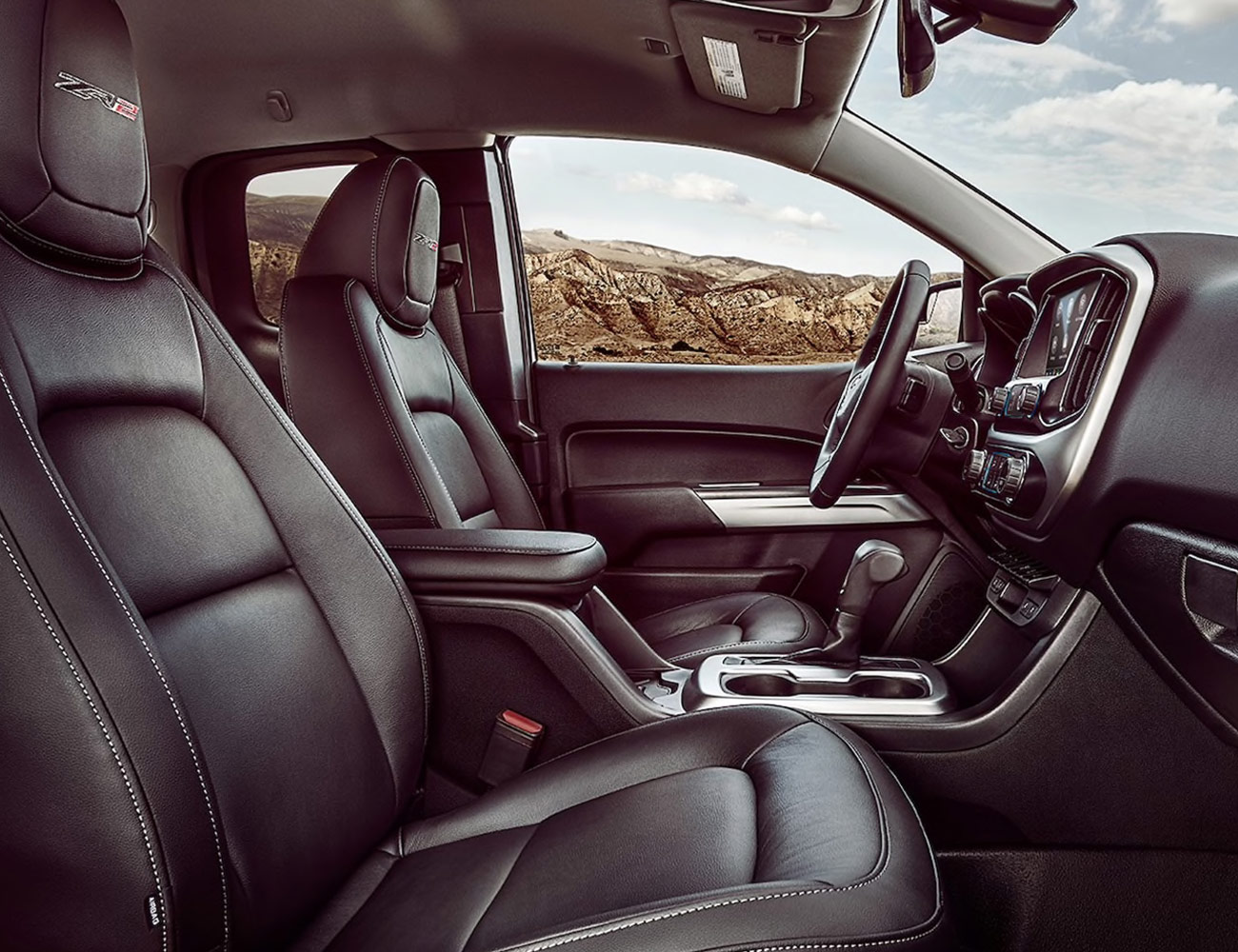
For the last decade, Ford’s F-150 Raptor has largely owned the badass full-size off-road pickup truck market. Ram has its Rebel and Power Wagon, but neither delivers quite the same level of high-speed terrain-crushing capability; like the Toyota Tundra TRD Pro, those rigs are made more for traditional off-roading than the free-wheeling fun that is the Raptor’s milieu. Chevrolet has the Colorado ZR2 and ZR2 Bison, but while they offer Raptor-like off-road upgrades, the Colorado is a full size smaller than a regular F-150, let alone the wider, beefier Raptor.

The Raptor’s reign as the fiercest predator in the pickup ecosystem may be about to end, however. A new report claims Chevrolet is currently hard at work developing a version of the Silverado designed to take the fight to FoMoCo’s toughest truck.

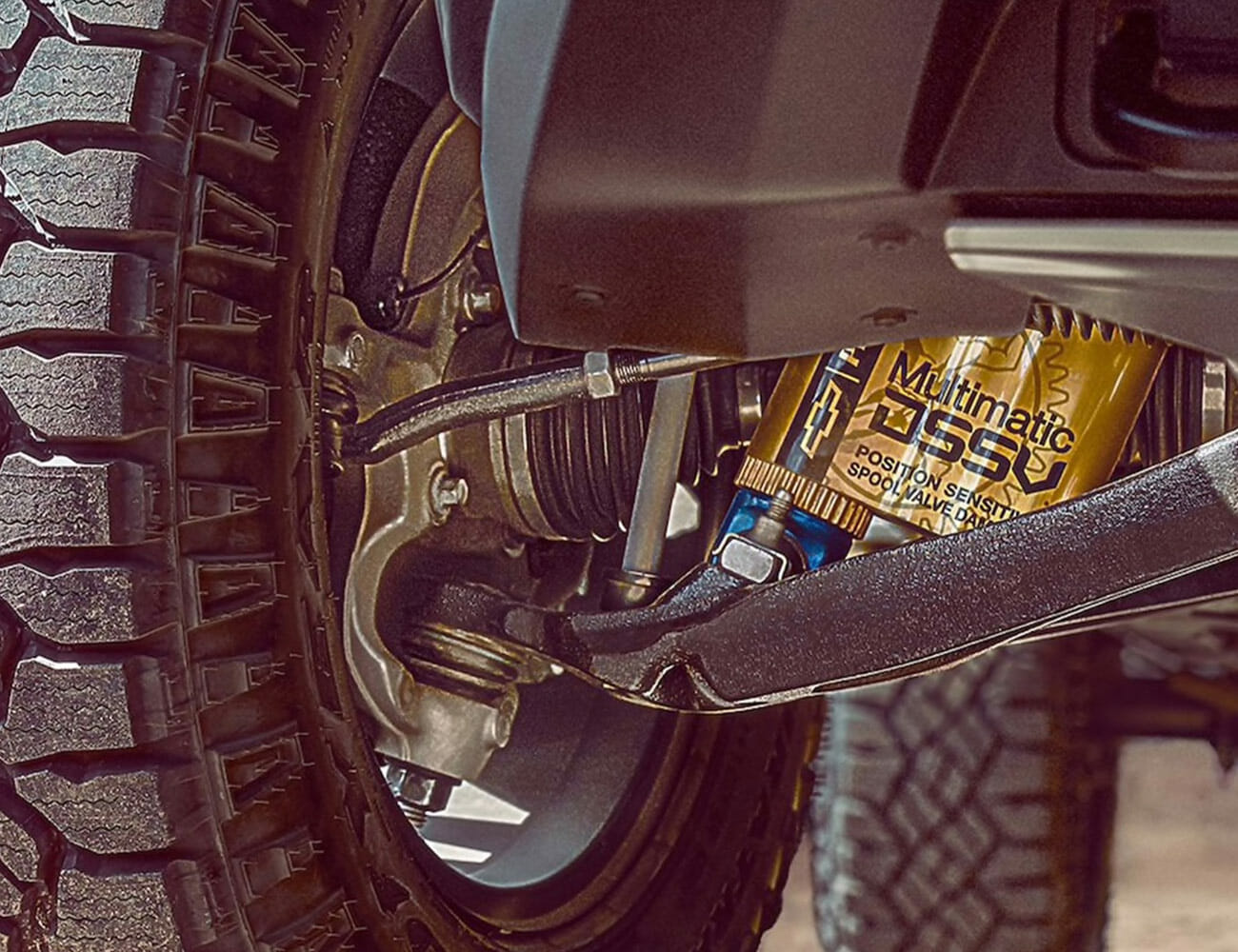
According to Muscle Cars and Trucks, the new all-terrain truck will be called the Chevrolet Silverado ZRX. If the name reminds you of the ZR2, well, that’s likely intentional; MC&T‘s report suggests that the new truck will largely use the same sort of recipe GM applied to its midsize off-road truck. The Silverado ZRX will reportedly pick up a rock-hopping suspension featuring the same sort of delightful Multimatic DSSV dampers that deliver a remarkable blend of comfort and capability in the ZR2, as well as locking differentials for both front and rear axles, and a host of other upgrades and changes to improve its capabilities beyond the pavement, including tweaks that improve approach and departure angles.

Power upgrades aren’t in the cards, according to the report. Then again, it doesn’t really need them to battle the Raptor; the Silverado’s current top-tier engine, a 6.2-liter V8, is a variant of the engine found in the Camaro and Corvette, cranking out 420 horsepower and 460 pound-feet. (It’s also tied to the same 10-speed automatic used in the F-150 Raptor, as that transmission was a joint Ford/GM project.)

That motor would put the ZRX in a similar league as the Raptor — though the Ford’s 3.5-liter twin-turbo V6 still would have the edge with its 450 horses and 510 pound-feet of torque. Then again, given that the ZRX is reportedly slated to arrive for the 2022 model year, GM has plenty of time to squeeze a little more power out of its fabled small-block.

If all this is true — and it sounds like a solid money-making gambit to us — Chevrolet won’t be alone in pursuing Ford’s ferocious truck. Ram is currently hard at work whipping up a Raptor-fighter called the TRX (get it?) that combines off-road goodies with the supercharged Hellcat motor that makes a bare minimum of 707 horsepower everywhere it goes. Rumor has it Ford may ultimately counter that by packing the Raptor’s engine bay with its new 7.3-liter V8 known internally as “Godzilla,” thus pushing the saurian one-upsmanship about as far as it can go.

Here’s one more chance to order a brand new Ford GT

As has been established, getting a new Ford GT is incredibly difficult. Even when Ford introduced a second round of production and allotments for the 2019 Ford GT, it only added a few hundred cars. If you missed out on getting one of the coveted order slots, Petersen Automotive Museum has another chance for you. It and RM Sotheby’s will auction an order allotment for a new GT.

What that means is that you’ll be able to order a completely new GT built to exactly your specifications. There are no stipulations on what version you can order, which means you can select it in Hertiage Edition with Gulf racing colors or in Carbon Series with lightweight parts. It will be exactly the GT you want.

Of course, the downside to buying the car at auction means that it may end up costing significantly more than the retail price of about $450,000. But the good news is that all the money will go to benefit the Petersen Automotive Museum Foundation, which provides money to school STEAM (science, technology, engineering, art and math) programs, as well as help support the care and maintenance of the museum’s cars. If you have the means and the desire, you can bid on the Ford GT allotment on Oct. 5.

Koenigsegg Regera sets new 0-249-0 mph record

A couple of years ago, Bugatti made headlines by setting a record time to accelerate from 0 to 249 mph (400 km/h) and then come to a complete stop. Then Koenigsegg used an Agera RS to break that record by a whopping 5.52 seconds. Now the company has broken its own record.

The new record is 31.49 seconds, 1.8 seconds faster than last time. And for good measure, the company abandoned the metric system and also did the run to an even 250 mph and back to 0 with a time of 32.48 seconds. Koenigsegg did this not with the Agera RS, but rather the Regera. The Regera is the company’s wild hybrid sports car that features a trio of electric motors and a twin-turbo V8 making 1,500 horsepower. It doesn’t have a gearbox either, opting for electric power to start, and engaging the gas engine for high speed.

In case you were curious, accelerating to the 249 mph speed was the slowest part of the run, taking 22.87 seconds. Getting back down to 0 only took 8.62 seconds. The entire feat was completed in the span of 1.27 mile, with the braking portion taking just over a quarter of a mile.

Now that Koenigsegg has put the Agera RS and Regera through this record event, we’re hoping the new Jesko gets a shot at the record, too. It makes 1,600 horsepower, and the company is aiming for a top speed nearing 300 mph. With specs like that, it could even top the Regera’s record.

All-electric Genovation GXE breaks its own speed record

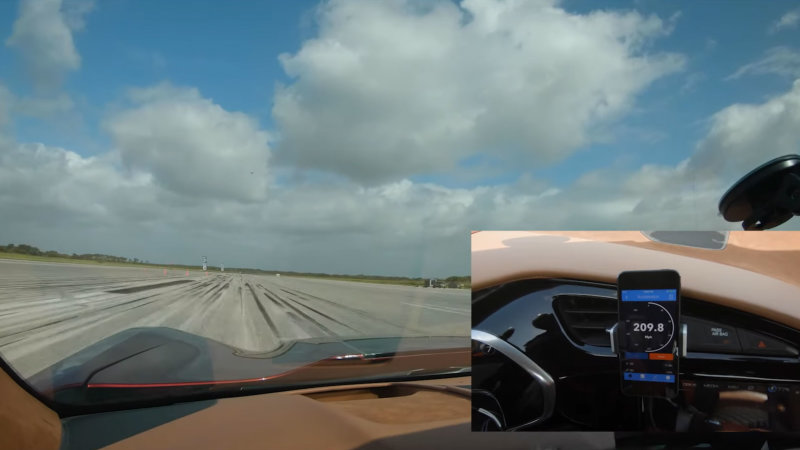
The Genovation GXE — the initialism standing for Genovation Extreme Electric — is a C7 Chevrolet Corvette Grand Sport that turned in its small block V8 for a big block battery pack. The latest specs we got on the coupe at this year’s Consumer Electronics Show promised a 60-kWh battery juicing two electric motors that pack something like 800 horsepower and 700 pound-feet of torque. The Rockland, Maryland-based Genovation just set a new top speed record for street-legal electric vehicles: 210 miles per hour.

The benchmark breaks the previous record set in 2016, also by Genovation. In February of that year, the company’s first-gen GXE hit an unequaled trap speed of 186.8 mph. They outdid that a few months later by going 205.6 mph. The first-gen car ran with a 44-kWh battery and was about 100 hp and 100 lb-ft down on the latest GXE. Then, as now, all the superfast runs happened at the Johnny Bohmer Proving Grounds at the Kennedy Space Center on Merritt Island, Florida, with none other than Johnny Bohmer at the wheel. The International Mile Racing Association was again on hand to see to certification and all of the official particulars.   

Genovation still plans a 75-unit run for the GXE at a price of $750,000 per, last we heard — a long way from the first-gen’s $330,000 price. That will get buyers a C7 ‘Vette tweaked with those batteries, a 175-mile range, plus a programmable active suspension, a huge set of Brembos behind carbon fiber wheels, a 10.4-inch infotainment touchscreen, and a 10-speaker JBL stereo to shatter the sounds of electric silence. Beyond the record-setting vitesse, the GXE offers two transmission options as yet unseen on any other EV: a seven-speed manual or an eight-speed automatic. Deliveries to the fast and few will should begin in early 2020.

Honda’s Overlanding-Spec Passport, As Tested By a First-Time Camper

Back in August, Gear Patrol consumer marketing manager Caitlyn Shaw needed both a way to drive to the Mid-Atlantic Overland Festival and a place to sleep for a couple nights when she arrived. Luckily, Honda obliged by serving up something along the lines of its own overlanding concept.

When my colleague heard I’d be taking the new Honda Passport to this year’s Mid-Atlantic Overland Festival, he wasn’t convinced it would do the job. The new Passport is Honda’s answer to the increase in consumer demand for vehicles fit for an active outdoor lifestyle — so much so that Honda outfitted the one they sent to us with a rooftop tent called a Roofnest — but it’s still a crossover, not a truck-based traditional SUV like the Land Rover Defender.

A weekend driving the Passport was more than enough proof to me, however, that Honda is serious about moving into the off-road and overlanding space — and combining the Passport with the Roofnest covers all the bases. The combo was ideal for a first-time camper (and solo traveler) like myself; it got me comfortably through Manhattan traffic just as well as it did through dimly-lit country roads to the festival grounds and the trails surrounding it.

In the city, the Passport felt smooth and luxurious. Making calls and listening to podcasts via Bluetooth was significantly easier than doing so in comparable vehicles I’ve ridden in. I was surprised by how much I enjoyed the driver-side armrests, which are a small feature that made being stuck in lower Manhattan traffic a bit more bearable.

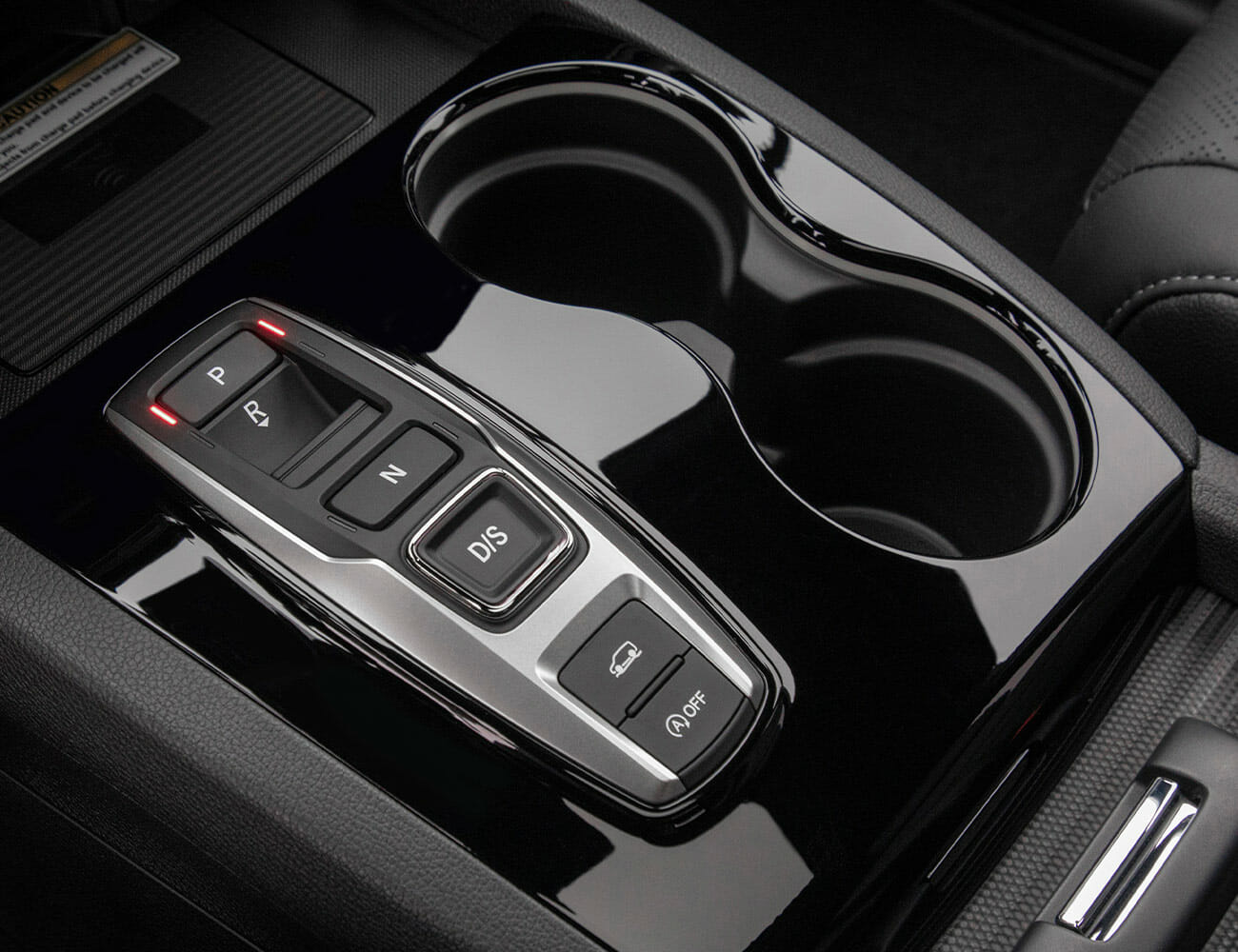
On the flipside, I didn’t care for the lack of a proper shifter. The Passport uses a series of buttons instead of a lever; I felt that the button shifters forced me to take my eyes away from the road and my surroundings. While a seemingly small downside, it would be a dealbreaker if I were considering the Passport for everyday use.

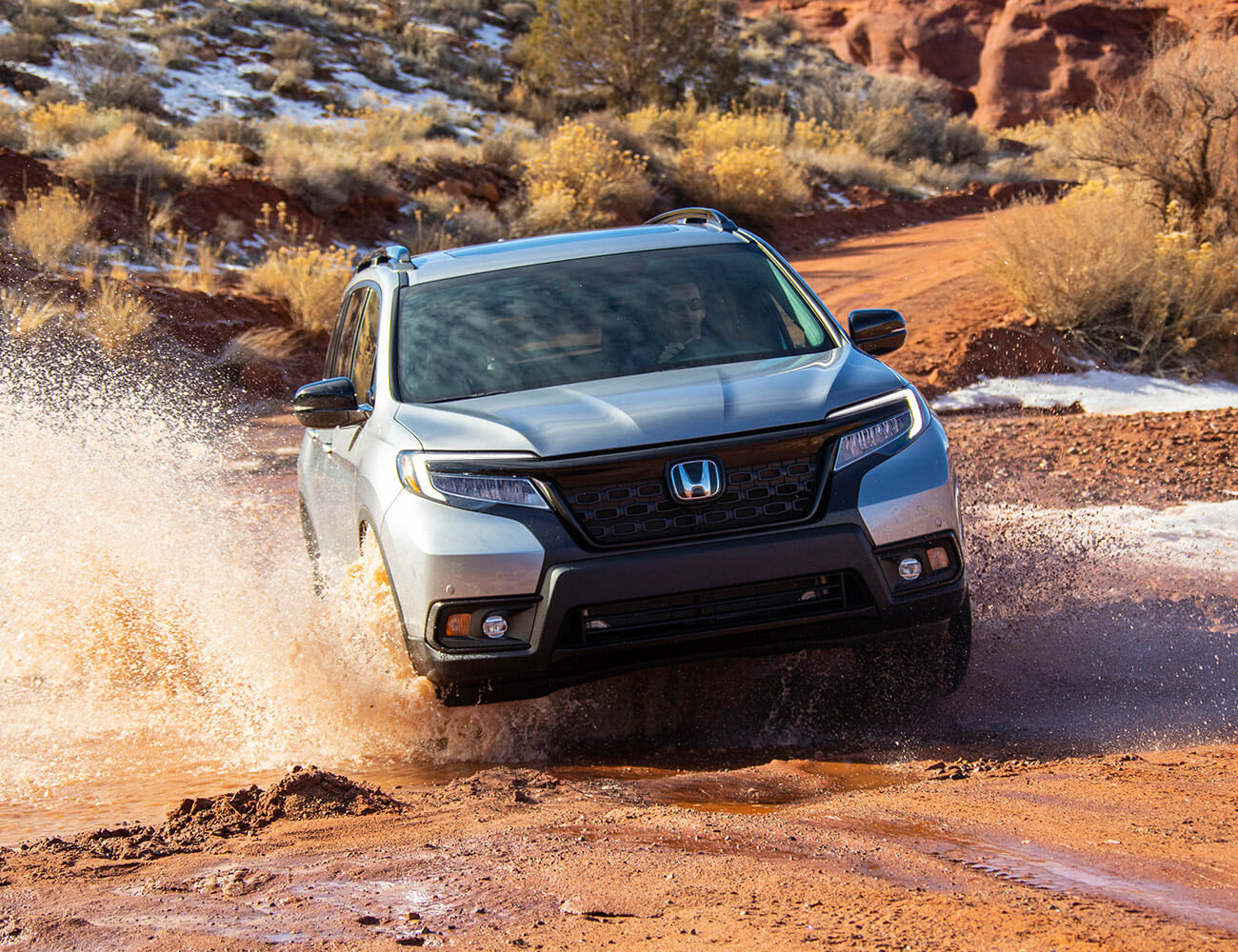
Where the Passport shone, though, was where the pavement ended. The route to the festival required driving through rocky roads, up and down hills and through narrow passageways between camping rigs. The best indicator of how smoothly the Passport handled this is the fact that I didn’t think about it at all; I felt just as safe in the pitch-dark hills of western Pennsylvania as I did stuck in NYC traffic or cruising down the highway.

I might even argue that the Passport is better-suited to life off-road than it is for life in the city, where features like lane departure or brake warnings aren’t as helpful as they could be. Situations that are common in the city, like abrupt lane merges and bumper-to-bumper traffic, confuse the car’s sensors; they can make those safety features seem more like distractions than helpful additions. 

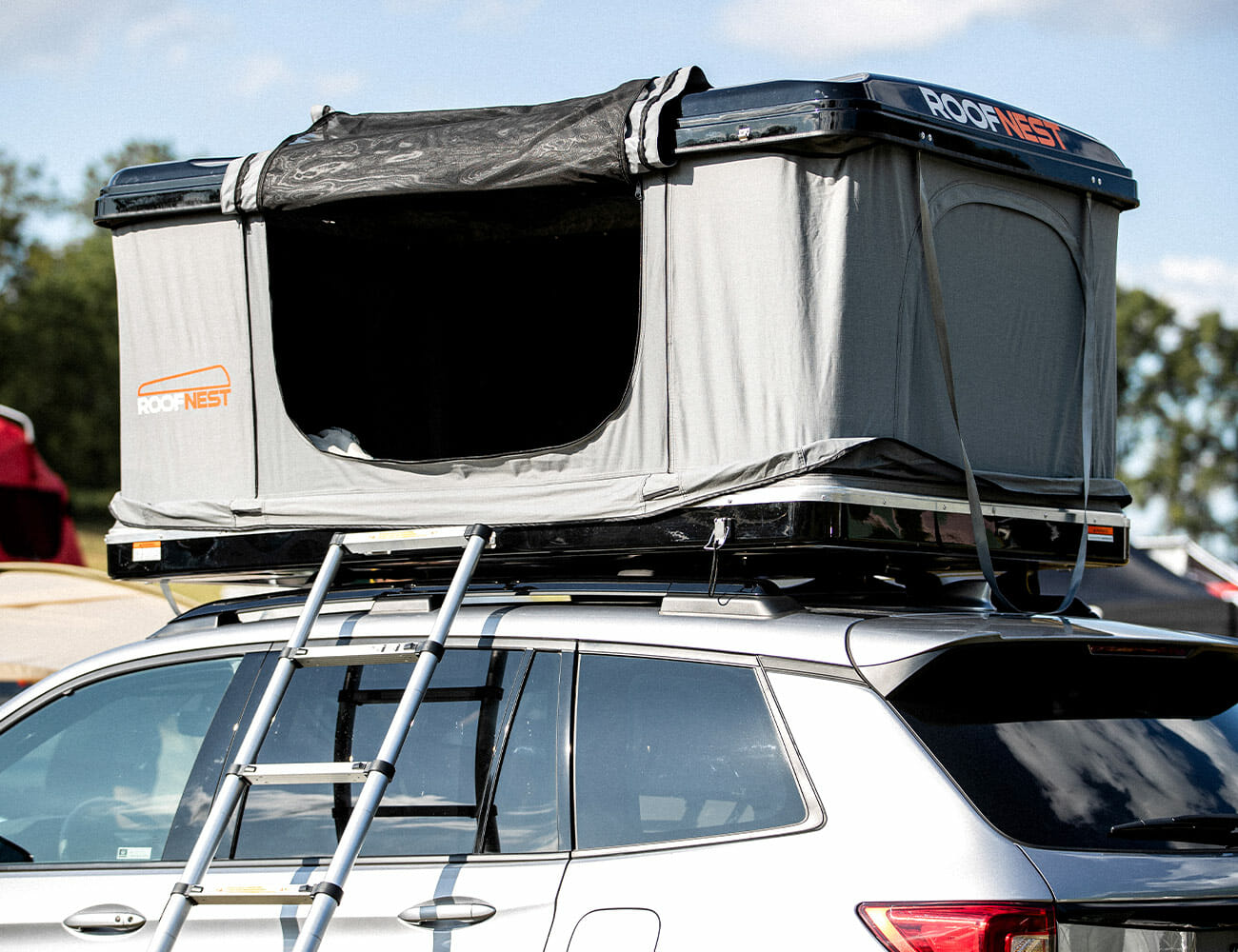
The Roofnest tent atop the Passport was perhaps the easiest part of the entire experience for this first-time camper. To assemble my rooftop home, all I had to do was pop open the collapsible ladder and latch the top end to the roof, climb up and open a few clips surrounding the tent case. The tent itself was super roomy, with a built-in memory foam mattress, and I slept soundly — even if I was a little cold.

Collapsing the tent was more difficult than putting it up — the company makes clear that it’s supposed to be a two-person job — but I got it done solo, and managed to head away from Overland Fest for a supply run, then come back and reassemble my camp without a hitch.

The marriage between Honda Passport and Roofnest tent may not be one you picture for either product, but it was damn fine for my first weekend of camping and off-roading. With the new Passport, Honda has managed to build a car that made camping for the first time and driving alone across three states feel safe, easy and approachable — and even a tad luxurious.

These Are the Best Cars for Fall Leaf Peeping

Fall is a magical time of year. Football ads invade your television. Every beverage and food becomes miraculously pumpkin-spiced. That fly wool cardigan you bought makes an appearance the exact second the temperature drops below 60 degrees. And, in northern climes, autumn is the time to head out into the countryside and watch the leaves turn from green to fiery shades of gold, red and orange.

Here, then, are the ideal cars in which to get your leaf peeping fix. It may seem like an odd mix at first glance, but trust us — we’ve chosen each of them for a very good reason.

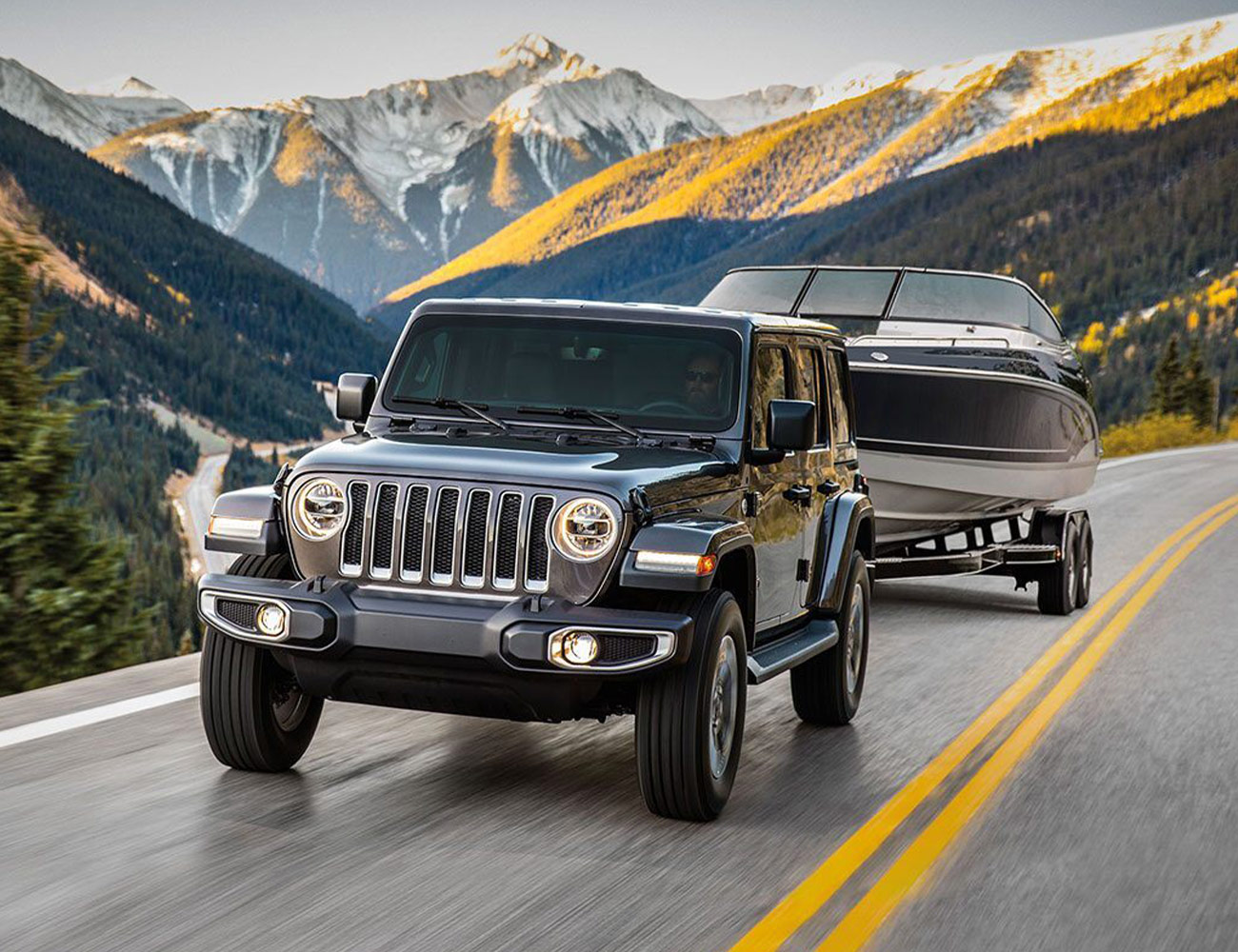
Jeep Wrangler

The Jeep Wrangler will take you anywhere. Just as importantly, you can optimize it for maximum visibility. Pop off the roof and doors and you’ll see more fall foliage than in any other SUV. You can even lower the windshield for the full autumn breeze effect.

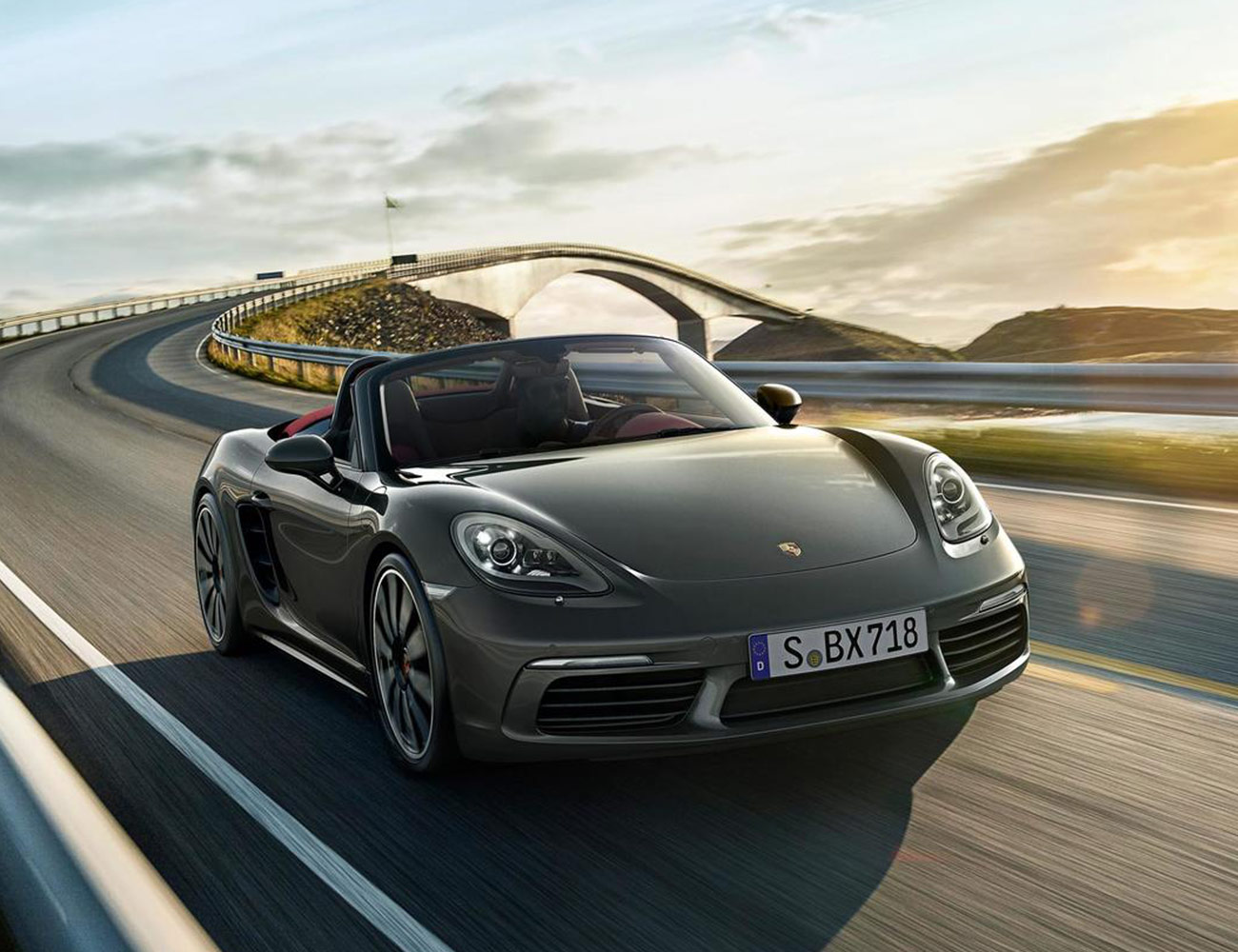
Porsche 718 Boxster

Porsche makes performance cars that are comfortable to drive every day. The 718 Boxster and Cayman may be the best all-around Porsches on sale, but only the Boxster lets you drop the top to check out some leaves. (Porsche will even give you a flat-six in it again.)

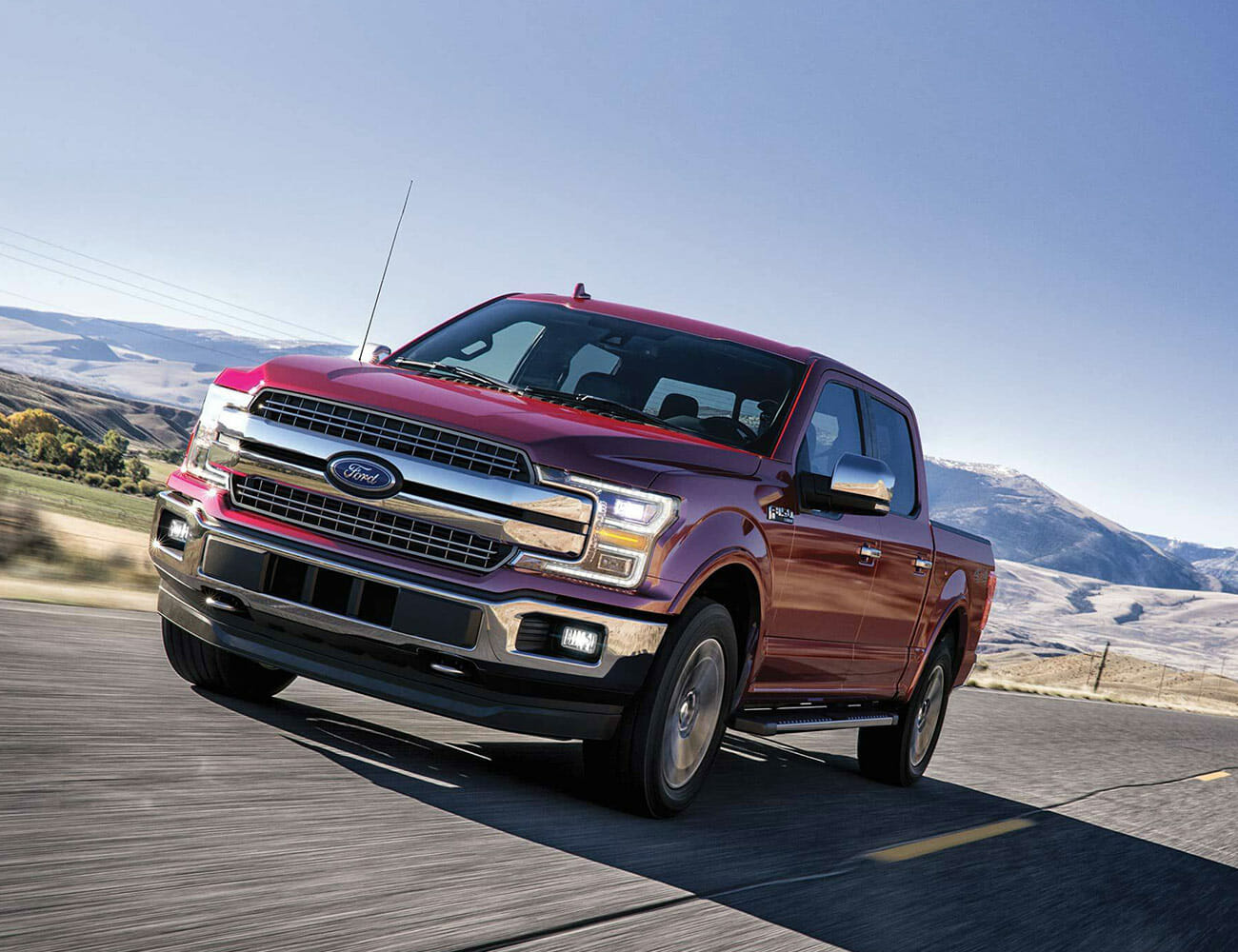
Ford F-150

Full-size pickups are built for dealing with nature. The F-150 combines large windows, a commanding ride height and the option for an expansive dual-panel moonroof to better see the trees.

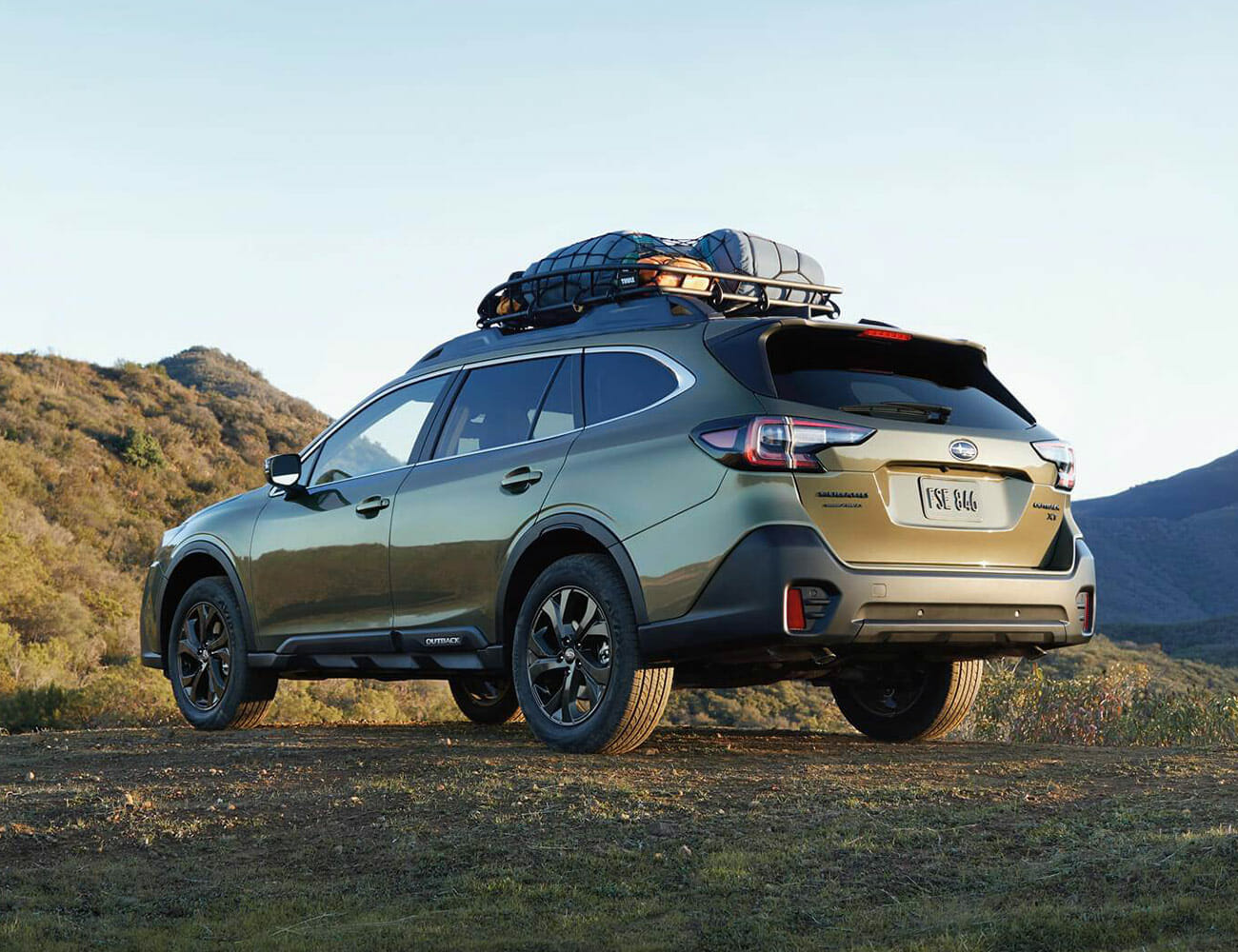
Subaru Outback

The new Subaru Outback can conquer almost any terrain you’d reasonably throw at it. Subaru builds it for optimal visibility with its ride height, big windows and narrow pillars. And you’ll blend in nicely with the locals while leaf-peeping on those New England backroads.

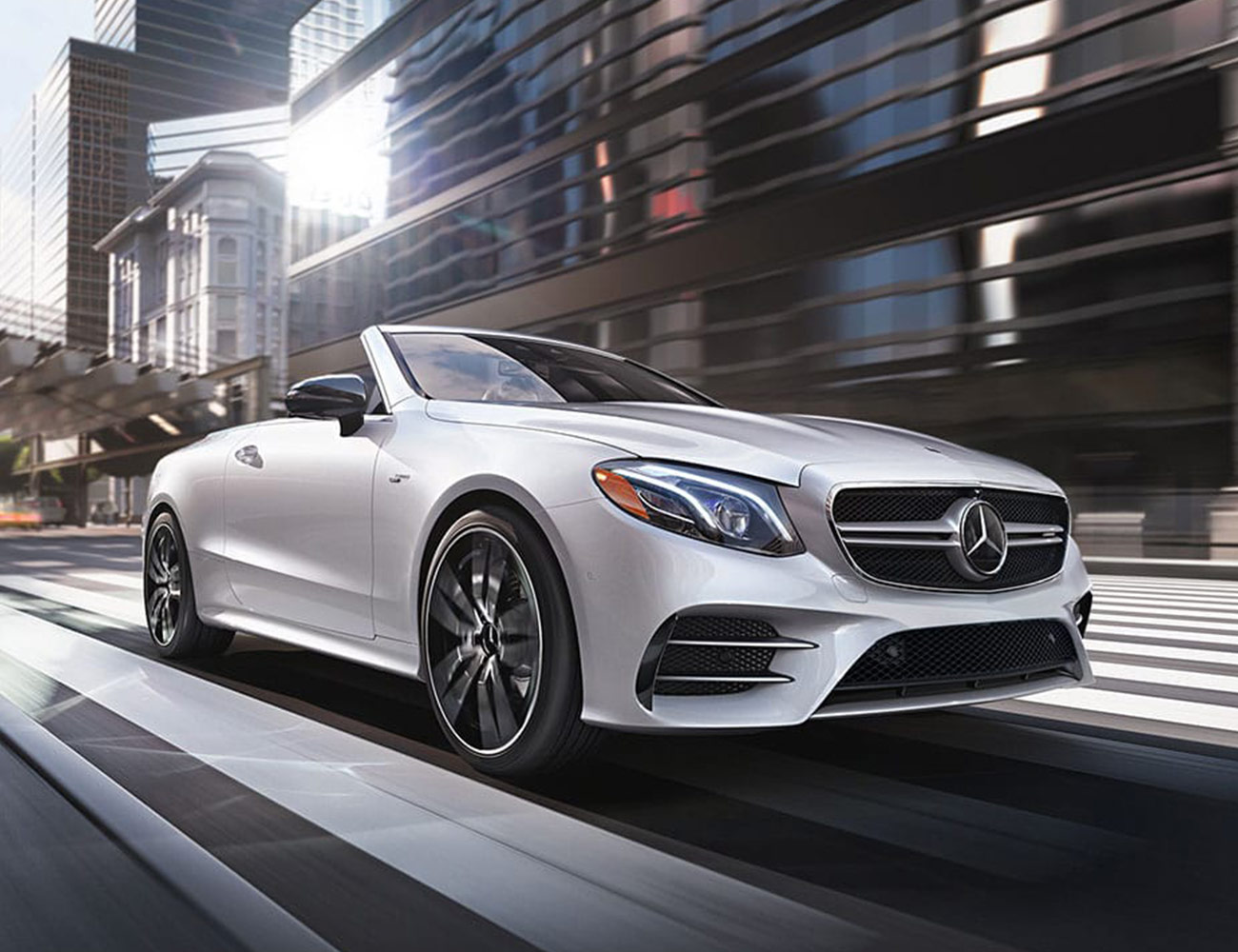
Mercedes-AMG E53 Convertible

The Mercedes-AMG E53 has one of the smoothest engines on the market. It can carve the heck out of mountain roads, making the air sing with its raucous exhaust note. It can also pipe down and behave when fellow leaf peepers clog those same mountain roads.

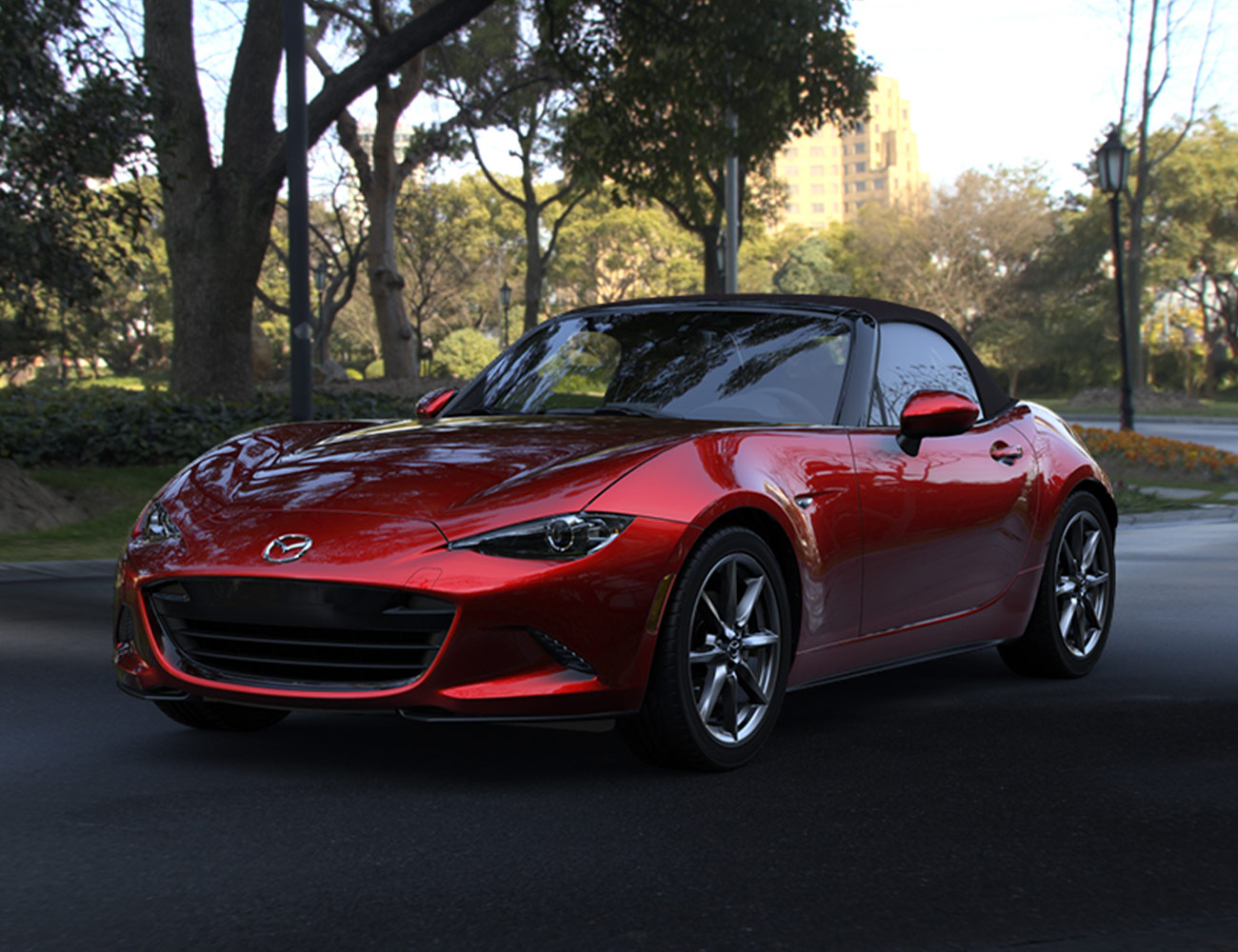
Mazda MX-5 Miata

The Mazda MX-5 Miata RF offers maximum autumn versatility thanks to its folding top. It also looks spectacular, which is as important in autumn as any other season.

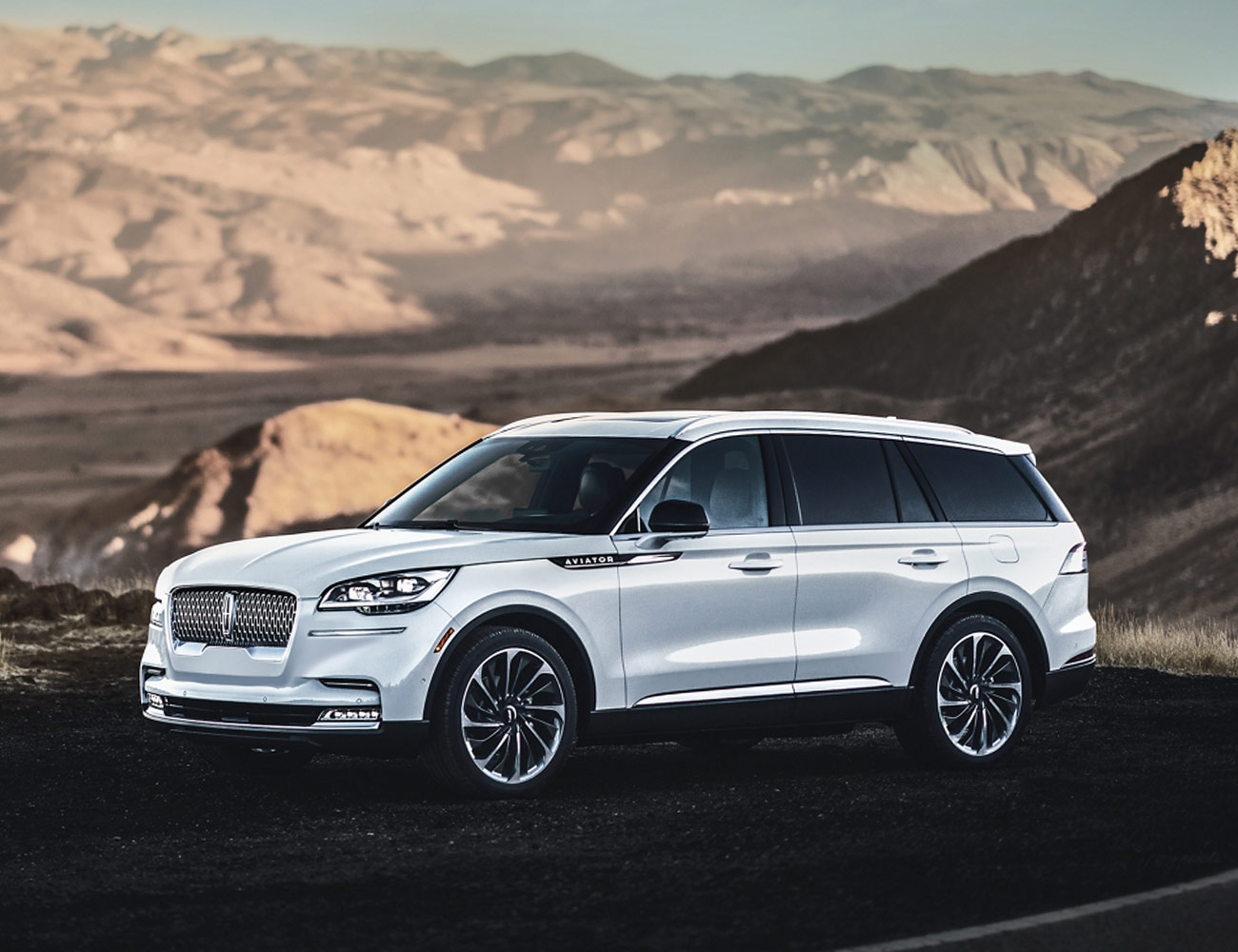
Lincoln Aviator

With a panoramic roof and massaging seats, the Lincoln Aviator may be the most comfortable vehicle for any adventure, whether that’s a foliage tour or traversing an unclear metaphor with Matthew McConaughey.

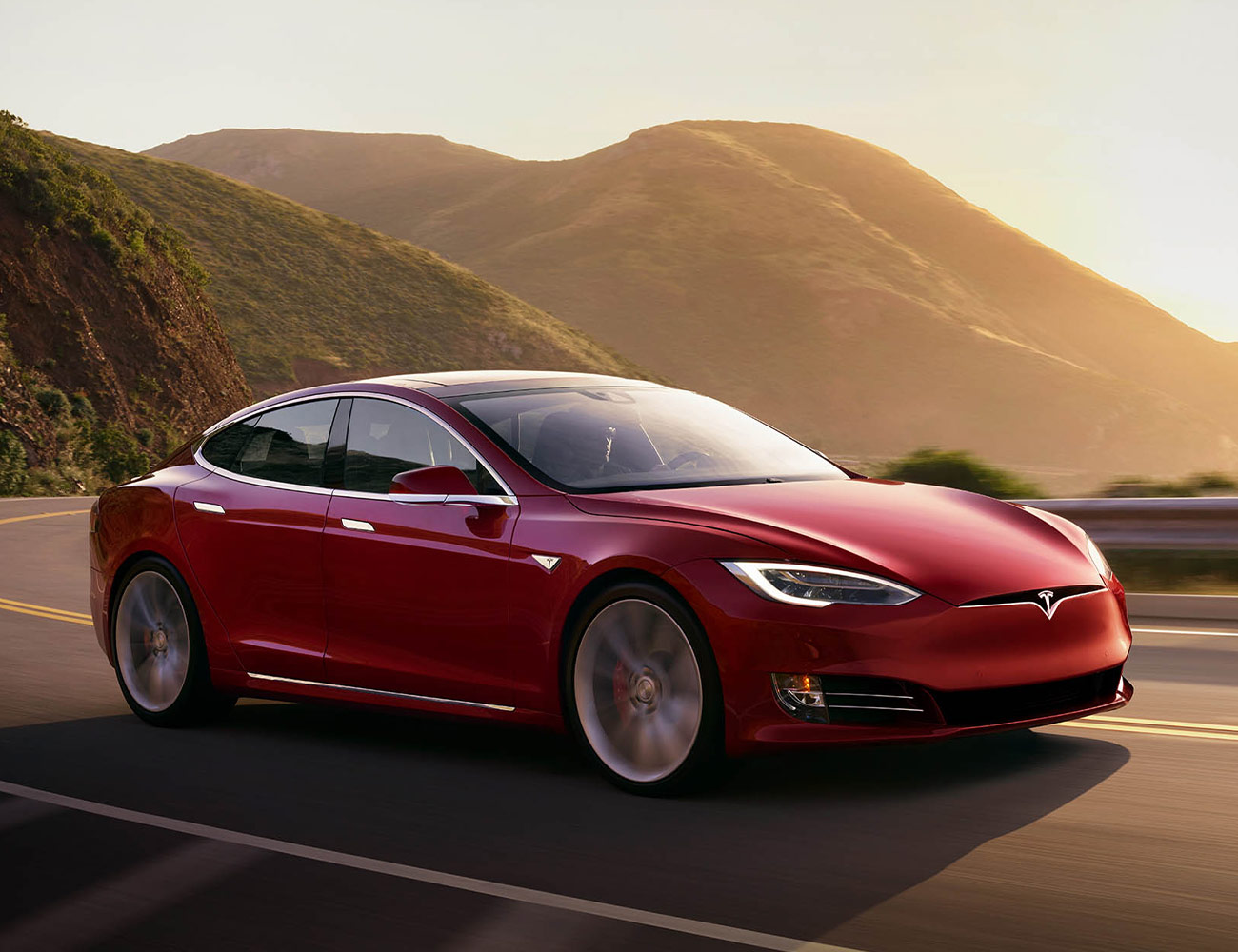
Tesla Model S

The Model S can be outfitted with a glass roof, accelerate with ludicrous speed and leaves no pollutants in its wake to trouble the trees. Just make sure there’s a Supercharger along the route before you head out.

Note: Purchasing products through our links may earn us a portion of the sale, which supports our editorial team’s mission. Learn more here.

Watch and weep as Rimac repeatedly crash tests its C_Two electric supercar

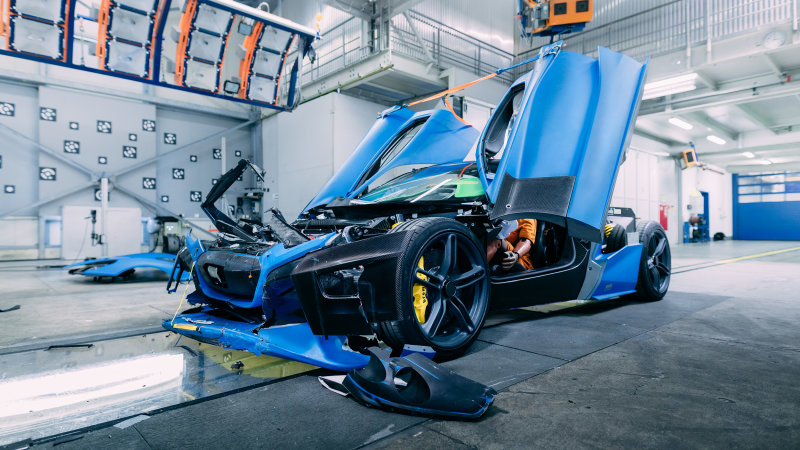
As Rimac continues to develop and homologate its electric C_Two, it has taken fans and interested parties along for a behind-the-curtain ride. Through a series of clips, the company has shown office and manufacturing tours, footage of its aerodynamic examinations, and recently, a teaser of the supercar crash testing. But that teaser didn’t show any actual impacts. This new one does, five times over.

Rimac, a brand Porsche and Hyundai have both partnered with and invested in, is aiming to make the C_Two available across all major markets in the world. It’s a lofty goal, as Rimac has to undergo the same homologation process as any other major manufacturer. That means meeting the same safety requirements, which requires repetitively crashing C_Two prototypes, each estimated to be worth more than $1 million. That type of cost is tough for low-volume manufacturers, so it’s of paramount importance that each test gleans as much information as possible. 

A lot of digital testing has occurred for Rimac to get to this point. Engineers run millions of computer simulations and thousands of material and component tests before even building an experimental prototype. Then Rimac has to get the physical car to a point where its tests and results match the digital results.

In this video, the engineers detail one specific issue they came across. During front-end crash testing, part of the rail structure “peeled off like a banana,” seen at about 3:05. A problem such as this didn’t even show up in digital testing. Check out more on the process, and see Rimac crash its crown jewels into a wall. 

Now that the first round of crash tests is successfully completed, we can proceed to the next stage of development with full confidence. The next step in the development of the C_Two is to further improve our design together with perfecting the correlations of our virtual simulations.

Toyota Supra Too Pricey for You? Buy a Subaru BRZ Instead

The Fast and the Furious-era Toyota Supra was perhaps the ultimate sleeper car. You could buy it for cheap, then build it into an absolute rocket. The bulletproof 2JZ inline-siz engine and stock components could handle, to use the technical term, a [expletive deleted]-ton of power. It was a car that could embarrass the owner of a European sports car who paid a much steeper price.

Toyota’s new 2020 Supra has its virtues, but no one would call it a sleeper. The new Supra not only commands European sports car owners’ attention — it is a European sports car. BMW designed its engine, and Magna Steyr is manufacturing it.

The new Supra also comes with a corresponding European-sports-car price tag. The base model Supra costs north of $50,000, and that’s if you can find a dealer who will honor the manufacturer’s suggested retail price. That’s expensive in its own right, and especially expensive if it’s the start of your build.

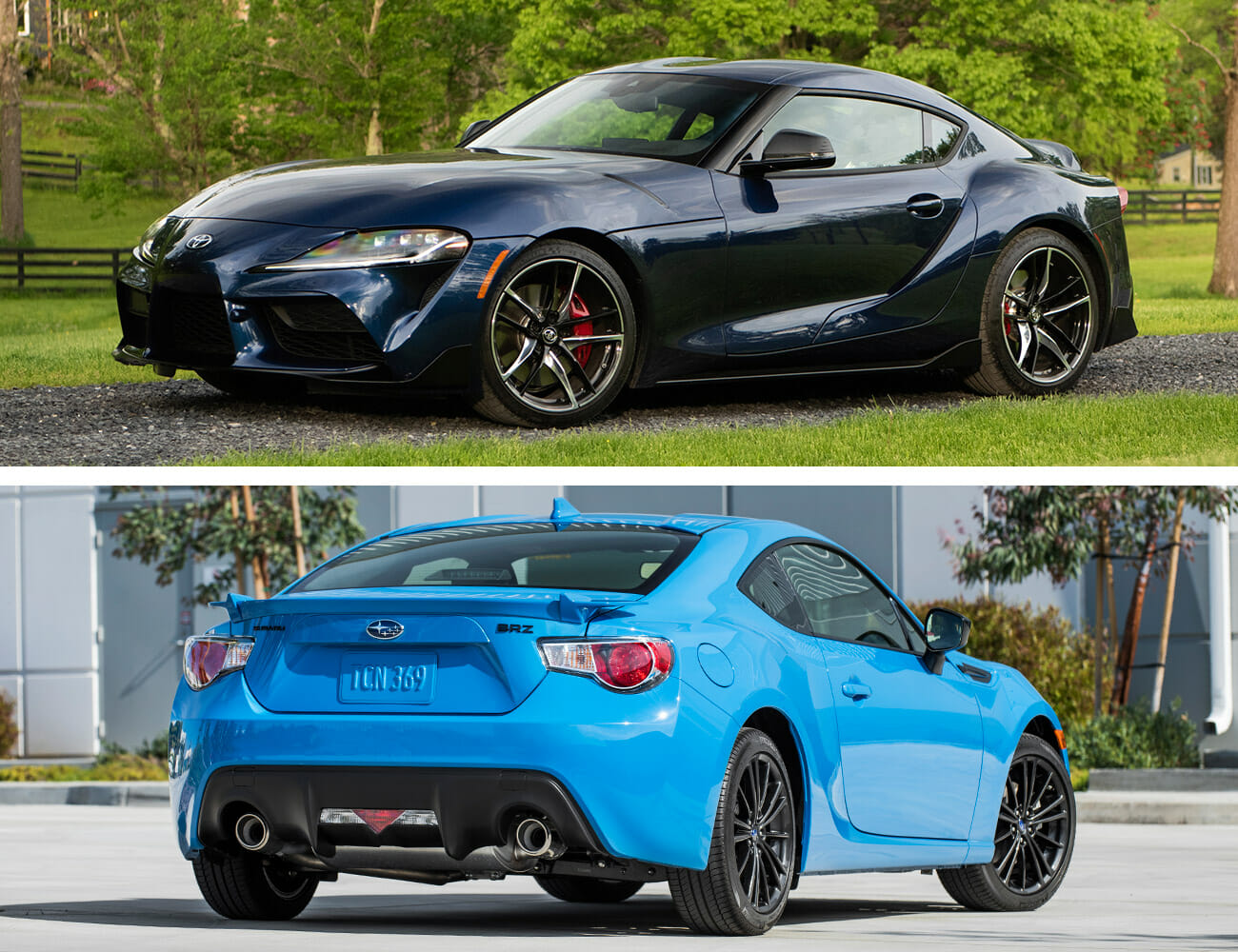
So if you admire the Supra but can’t afford one, consider its humble Toyobaru cousin, the Subaru BRZ (or its twin, the Toyota 86).

Buying a BRZ requires far less money than a Supra. The base model starts at $25,745. You can splurge for the comforts of the Limited trim and still come in under $30,000.

Like the Supra, the BRZ is a pure driver’s car. It’s a delightful-handling, rear-wheel-drive drift machine that wants you to push it to the rev limiter. (Sure, the BRZ has an underwhelming naturally aspirated 2.0-liter boxer engine putting out just 205 horsepower, but that just gives you more chances to push it to the limit.)

The BRZ is not the original Supra. You can’t add infinite power to the car without substantial upgrades. But you can add some with an ECU tune, new air intake and exhaust systems and the turbocharger its Japanese co-parents never gave it. Those additions would cost far less than than the $20,000 difference between it and the Supra.

Plus, adding a little power goes a long way with the BRZ. While the same rough size as the Supra, the BRZ is around 600 pounds lighter. It can’t match the Supra’s raw power, but it can deliver some everyday driving thrills.

Even on top of the cost difference, the BRZ has a few advantages over the Supra. There’s no speculating whether Toyota will ever offer a manual or handing your expensive car off to a third party to alter dramatically. The BRZ can have a manual transmission. The BRZ has a more restrained style than the sculpted Supra — a polite way to say that the BRZ is a better-looking car, even if it will get fewer people looking at it.

Another point for the BRZ, not entirely trivial to Japanese sports car enthusiasts: the BRZ is an actual Japanese sports car, designed and built in Japan.

The new 2020 Toyota Supra may be, as Formula 1 legend Fernando Alonso affirmed at its launch, “totally lit.” But the Subaru BRZ can offer ample fun at a far more affordable price — especially if you dip into the slightly-used market.

2020 Audi RS7 Sportback Review

There forever has been and, hopefully, will always be an inexplicable level of cool associated with a fast German saloon car. Perhaps it is that they are based cars on which are typically a little beige, boring and, more often than not, diesel barges that trundle down the autobahn minding their own business. Then the skunkworks departments at the likes of M, AMG and RS get to work and the results are snarling hulks that both look and feel like swollen hulks of the timid cars they once were.

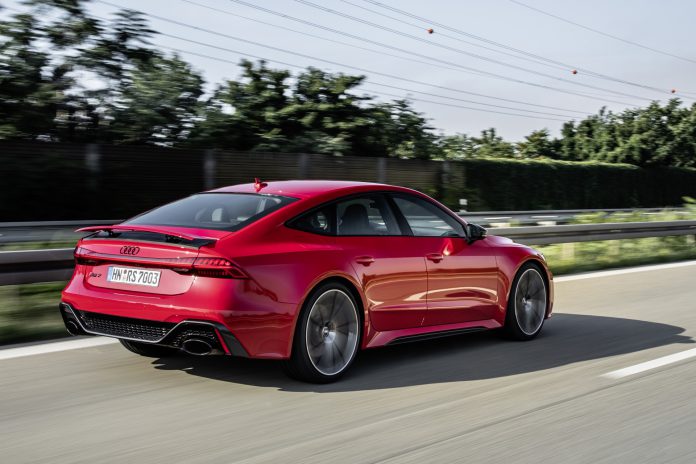
Since the turn of the millennium, there have been a couple of personal highlights: the E60 BMW M5 saloon and estate which both featured derivatives of the Williams F1 V10 that howled like nothing else, and the Audi RS6 Avant that also featured a mighty large V10 taken from the Lamborghini Gallardo. The recently replaced Audi RS6 is also up there nestled amongst the best. The pressure is on for the new one to deliver, but the opportunity to drive the RS6 is a few months away. To whet the appetite, Audi asked if I would like to drive the RS7, a car that seems to have been somewhat overshadowed by the mass hankering the market had for the RS6, despite both cars sharing the same mechanicals underpinnings. Could the latest iteration steal the hearts of many as the RS6s of the past had? To find out, I flew to Frankfurt.

Let’s get the numbers bit out of the way: at the heart of the package sits a 4.0-litre V8 engine producing 600 hp and 800 Nm of torque. 100 km/h is dispatched in just 3.6 seconds with a 250 km/h top speed. The Dynamic package removes the limiter, pushing this up to 305 km/h.

A 48-volt system runs a belt alternator starter with car recover 12 kW of power for use between 55 and 160 km/h. The system is meant to provide instantaneous power to the drive while offering the ability to coast on electrical energy with the engine switched off. The cylinder on demand technology further aids fuel consumption. Power is fed to a Quattro permanent all-wheel-drive system through an eight-speed tiptronic transmission. The RS7 gets a launch control function with torque control provided through a sport differential, part of the optional Dynamic and Dynamic plus packages.

That’s that, what does this all feel like off the paper and on the tarmac? Well, that depends on one decision that owners will have to make, it makes a rather considerable difference: suspension. The RS7 can be optioned with either the standard, more comfortable, RS adaptive air suspension or an optional sport suspension with Dynamic Ride Control, that is the one you want. Why? The optional DRC set up is harder and, yes, it is touch harsher on the road. Make no mistake, it is still comfortable when you’re cruising, but when you get a hustle on, the body control and the limit before understeer and tyre squeal become a factor, is far higher.

I am no track day magician, but I was finding the handling limits of the car in the air suspension fitted cars remarkably easily. The conventionally sprung car felt far more up for a good time, and as a result, I feel it is worth the comfort trade-off. All cars tested rode on massive 22 inch wheels all around.

What about the performance? My first thoughts on the autobahn were ‘oh, it’s not THAT quick’, I then looked down and noticed I had hit the top speed. In gear acceleration in first, second and third in particular, is astonishing. It feels every bit 592bhp quick. At speed, the sensation of power is somewhat stymied by the lack of a certain characteristic: sound. There is a huge 4.0-litre V8 under the hood, but you would have no idea judging by the sound in the cabin. It is a little depressing, but it is a sign of the times in a world muzzled by the legislative necessity for the awful OPF. Audi combated my comment stating that they wanted to keep the noise authentic and refused to pipe fake sounds into the cabin…if you listen carefully you can hear BMW M retreating into the bushes.

Back to the bends, there is a lack of something here too, steering weight and feedback. This is a gripe that I’ve had with Audis for years, the chances of this being remedied in the RS7 were slim, it is a little difficult to understand what the front tires are doing and where the limits of adhesion are when there is such an absence of palpable communication coming through the wheel. That being said, there is good news too. The car is savagely fast out of bends and the 48 volt antiroll system masks the weight as well as you could ask from a car that weighs in at 2,500 kilos. As previously mentioned, the DRC suspension is where the car is at its best. It must also be noted that the gearbox is fine on the way up, but hesitates on downshift – third to second, in particular, seems to take an age.

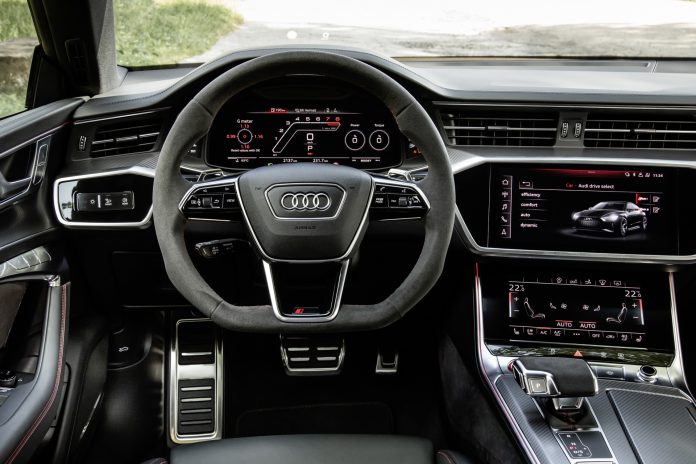
Inside there are a few niggles, but on the whole, the interior is a very pleasant place to be. There are lashings of leather, alcantara and plenty of room in the front and rear. There are also walls of screen. The dash is impressive and there and a multitude of configuration options to display as much data as I’ve seen in a machine this side of an F16. For me, the two stacked central touch screens are a little fiddly on the move and require more concentration than I would like to give them when pushing on or trying to focus on a twisty stretch of tarmac. This, I guess, is personal preference and others may love them as much as I loathe them. On the whole, I feel there could be more going on in the interior to set the RS apart from the series A7 to reflect the changes to the exterior. It lacks a special touch.

On the whole, the RS7 is a mighty fine piece of kit. If you’re in the market for an M5 to E63, the RS7 really is a viable alternative. It is a little softer and quieter than the aforementioned cars, but is by no means slower. It features all the tech you could ever need, is spacious and in plenty fast. Audi claim 0-100 in 3.6, I saw 3.2 time and time again with the deeply effective launch control activated. To answer my opening question, yes, I really think this car deserves adoring fans as there is plenty to love in this new RS7 as there has been in every RS6 to date. Now we need to see just how impressive the new RS6 is.

GTSPIRIT NEWSLETTER

2019 Mazda MX-5 Miata Review – The Best Gets Better

WOW.

Just…WOW.

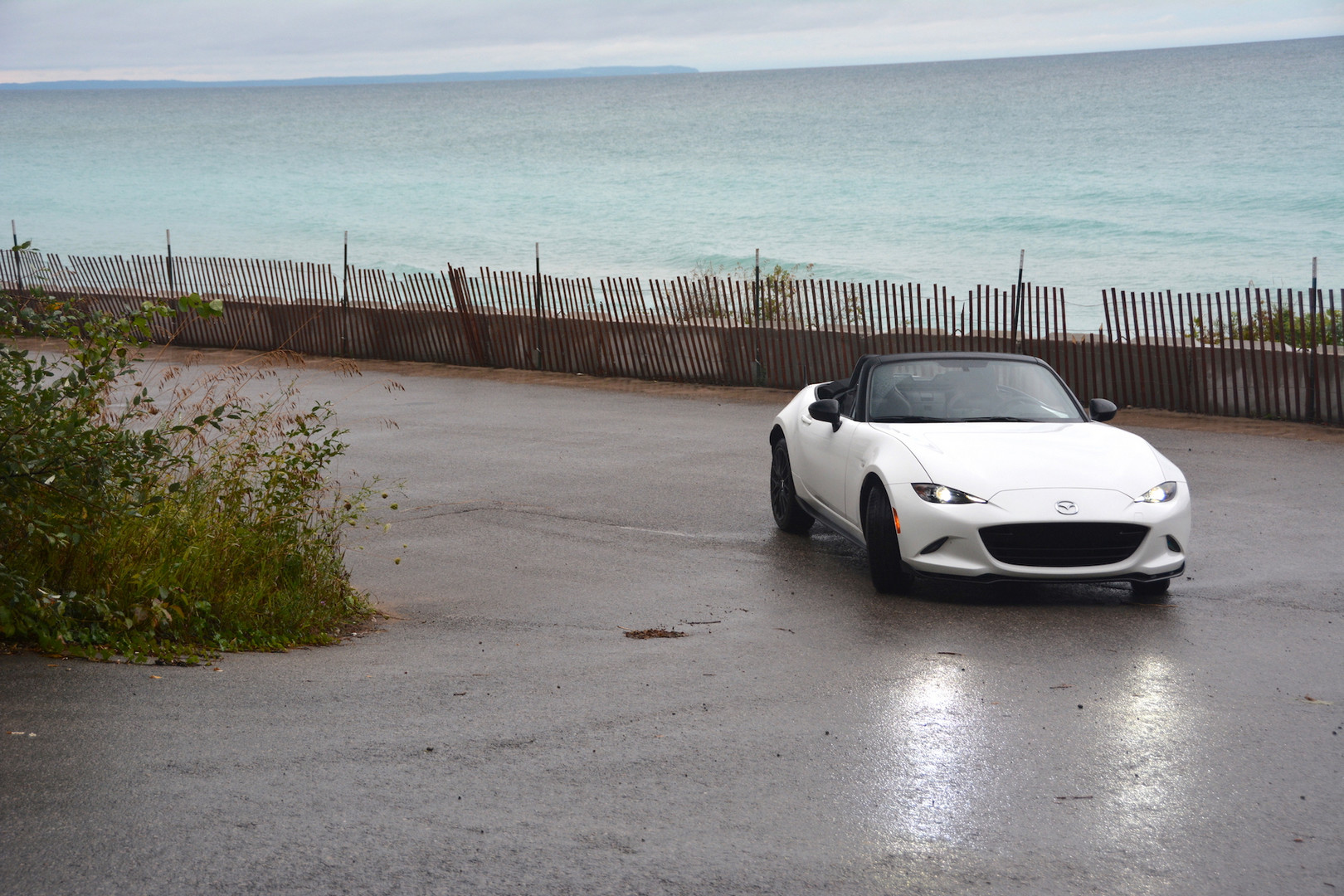
The rain is beating fervently against the windshield and I’ve tossed the top up again and raised the windows to stay dry. The wipers beat back and forth, throwing sheets of water off the windscreen. I slow as the standing water on the road gets deep enough to challenge the tires steady traction. I’ve been driving the 2019 Mazda Miata all afternoon, pushing it up one of my favorite roads that hugs the eastern shoreline of Lake Michigan, rising and falling over the hills and dunes, winding back and forth through the orchard valleys and fading seasonal resort towns, following the ribbon of asphalt to a Zen-like state. And I’ve been having a fantastic drive.

2019 Mazda MX-5

Now in it’s 4th generation, the MX-5 Miata has been blessed with a revised engine for 2019. It makes an additional 25 hp over the 2018 model and it makes an incredible difference. Saying that the 2019 Mazda MX-5 Miata is the best MX-5 ever doesn’t do it justice. The car is a masterpiece.

There doesn’t appear to be any exterior changes. It’s still the same small car it’s always been. The new design has been around since 2016, and whether you like it or not, it’s got a little more attitude than prior models. It looks a little more aggressive, a little more confident. Our car arrived in Arctic White with the black 17” BBS wheels and bright red Brembo brake calipers that come with the BBS-Brembo-Recaro package that adds nearly $5,000 of brand name performance items to the car. It’s a nice looking car, in my opinion. Most people I spoke with liked the newer, more aggressive design of the ND.

Inside is a surprisingly comfortable interior. The Recaro seats are the central visual draws. Heavily bolstered and grippy, they hold you in place nicely during sporting maneuvers. The seats are a little narrow for my wide butt (I’m 6’1″ and 235lbs) but if I removed my wallet, I was able to make myself comfortable. The seats are heated on the Club and Grand Touring models, which is an extremely welcome feature and makes top-down driving on cool evenings much more enjoyable. The tops of the doors mimic the exterior bodywork, giving the impression that the windshield was set atop a barchetta-like platform and a nice interior was dropped into the shell. It’s a design attribute that people really liked. It’s still a bit, uh, intimate inside but if you’re used to Miata interiors, you’ll be comfortable.

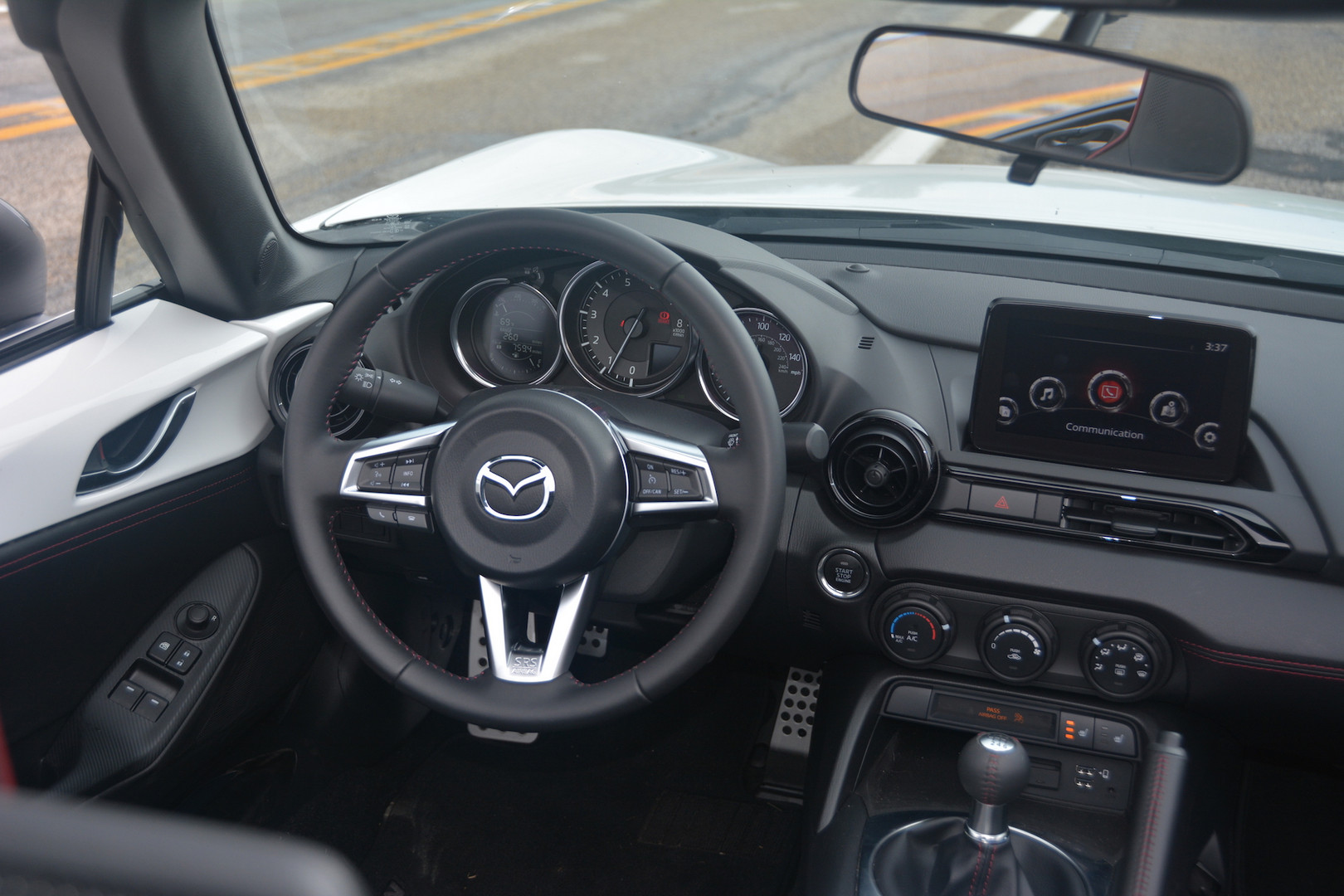
The gauges are real gauges, not digital, and they’re all easy to see and read, completely unobstructed by the steering wheel, which shows Mazda is sweating the details. The steering wheel is thin but leather wrapped and grippy. Radio and cruise controls are on the steering wheel. HVAC controls consist of three knobs in the center stack. Radio and Sat-nav controls are found in the touch screen on the dash. Surprisingly the touch screen is perfectly visible in the sun with the top down. There are a lot of little things to like too. There’s a thin layer of cushioning material on the center console for your elbow to rest upon, which was a thoughtful touch. The cup holders are removable and configurable. And there’s finally a rear-view camera for help when reversing too. There’s been a lot of thought put into this small interior.

Mazda MX-5 Interior

Out back, the trunk is surprisingly large. The opening is small but the storage area is both deep and wide. For giggles I bet my wife she couldn’t fit in the trunk and she proved me wrong. She not only fit, but there was plenty of space left for a modest cooler and a beach bag.

The motor, a naturally-aspirated direct-injected all-aluminum 2.0L four-cylinder, is improved this year. GREATLY improved. Horsepower has jumped from 155 to 181 hp and torque has slightly risen from 148 to 151 lb-ft. MX-5 Miata engines have never been bad – they’ve always gotten the job done for little investment – but they’ve never been inspiring. All that has changed. The new, upgraded motor is a game-changer. Not only does it feel much stronger than last year, it revs extremely eagerly and it now revs 1,000 rpm higher to 7500 rpm. Most strikingly, it’s still revving strongly when it hits the cutout. It’s a *perfect* match for the car and *completely* transforms it. The sound is strong and playfully aggressive. There’s never any drone – just a sound that encourages you to push the throttle further.

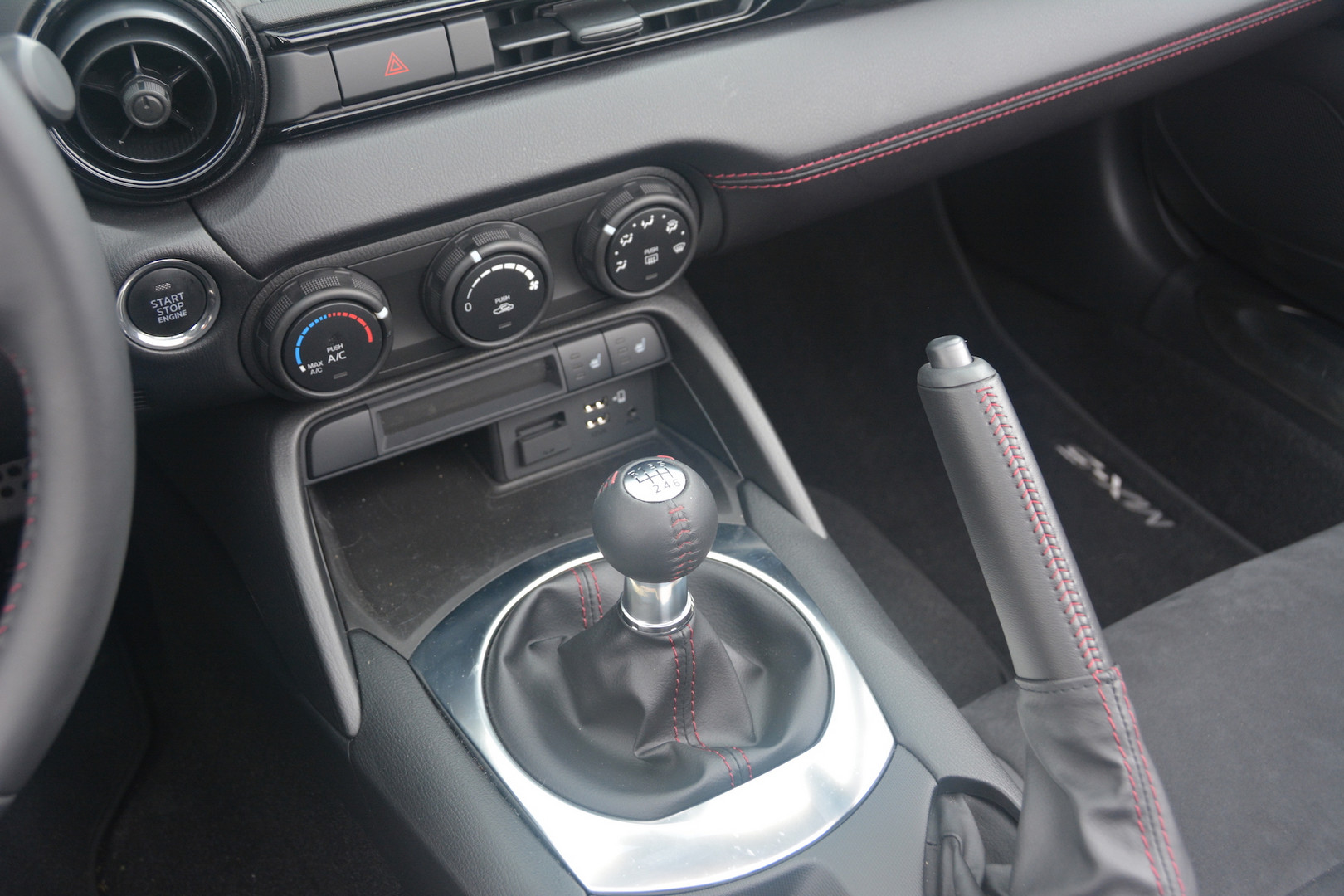
The engine is hooked up to what might be the sweetest manual 6-speed transmission ever built. The gears are evenly spaced and well-suited for the engine and chassis. The gear shifter is an absolute delight. I’ve never experienced a shifter that is so smooth and buttery while maintaining the direct mechanical linkage that the MX-5 Miata is so famous for.

The steering, which is electrically-assisted, is well balanced and direct and intuitive. Turning into a curve happens just as you intend, without any surprises or mis-steps. You almost think yourself through the corner, rather than steer yourself through it.

The chassis on the Club model is standard Miata sport suspension. It consists of stiffer springs, firmer Bilstein shocks, thicker stabilizer bars, and a limited-slip differential. The front uses coilovers and unequal-length A-arms and the rear utilizes coilovers and a multi-link arrangement. Much firmer than any MX-5 sport factory suspension I’ve experienced, it still allows quite a bit of lean in corners but that’s not necessarily a bad thing.

Mazda MX-5 Review

There’s a lot of travel available in the suspension and when you push the chassis you can feel it doing amazing things beneath you as you glide through corners. The car always feels sure-footed. The chassis is so communicative that while driving quickly in the rain, you can feel exactly what the tires are doing beneath you. Using just the feedback through the steering wheel and your butt in the seat, you can ride the knifes-edge between slip and grip. It’s amazing. Turn the traction/stability control off and you can slide the back end around corners with little effort and great drama. It’s a very neutral and balanced and forgiving chassis; a great platform to learn on and take advantage of.

The brakes also provide excellent feedback. There’s no sponginess or grabbiness in the pedal. There’s just good solid feeling and measured response. Again, you get a very intuitive braking experience; very communicative. And once you get a feel for it, you can brake like a pro in no time. I don’t know if the Brembo calipers in the BBS-Brembo-Recaro package are much better than the standard Mazda ones – the Mazda ones were never bad, by any means – but I thought these were great. You’re never caught out in a braking situation, no matter how sudden. And they look great too. More than one person commented on the Brembos.

The MX-5 Miata has always been a great car, no matter what year, what generation, what options. There’s a reason Mazda has sold well over a million of them and they’ve been on every “Best” list since their initial introduction, which is amazing since it’s always used a mildly massaged economy car engine. The engine has always been “good enough” while the mechanically direct transmission, the amazing suspension, strong brakes, and direct steering, have always worked together in an almost mystical way to provide one the most engaging and pure driving experiences you’ve ever had.

Having the top down and the wind in your hair just pushes the experience over the top. Now, with this new engine, the experience is ten times better. Now, the car pulls harder, revs faster and higher, sounds better, and just encourages you to wind the motor out every opportunity you get. It’s the icing on the cake. Suddenly the idea of buying a used MX-5 Miata, as good as they are, is the lesser option. The new engine makes this such a superior machine that even buying an early ND will leave you disappointed. It’s that much better.

Mazda MX-5 Manual

In our time with the 2019 MX-5 Miata, with out right foot solidly pushed into the carpeting, we averaged between 28-31 mpg, which impressed us greatly. Apparently there’s quite a bit of economy in this new engine as well, though you’d swear it was a race engine.

The Club-level Miata comes in at $29,590. With the BBS-Brembo-Recaro package, our example stickered at $35,405. So worth it though. It’s actually a steal for what you’re getting. In fact, the only other car I’ve driven that is this pure of a driving experience is the Alfa Romeo 4C, which is more than twice the price.

If you’re a MX-5 Miata fan, this is the version you’ve been waiting for. If you love driving in it’s purest expression and form, this car is for you. If you love the idea of top-down driving, this is the car for you. Well done, Mazda. This Miata is even more incredible and we love it.

GTSPIRIT NEWSLETTER

2019 Chevrolet Colorado ZR2 Bison Review: The Jeep Gladiator’s Most Dangerous Foe

When it made its splashy debut at the 2017 Los Angeles Auto Show, the Chevrolet Colorado ZR2 proved General Motors wasn’t planning on ceding the tough-guy off-road pickup space to Ford’s F-150 Raptor, Toyota’s TRD-tuned Tundra and Tacoma TRD Pro or the (then) forthcoming Jeep Gladiator. Equipped with a high-end suspension that added height and compliance, locking differentials fore and aft and flared fenders, it gave Chevy a chance to grab some of the growing overlanding market — and the huge potential for sales found there.

Most hardcore off-roaders don’t leave their trucks stock, though; they kit them out with all sorts of replacement parts and add-ons, functional and cosmetic alike. Rather than let the aftermarket have all the fun, GM adopted an “if you can’t beat ’em, join ’em” approach; the carmaker reached out to American Expedition Vehicles — which, up until that point, primarily specialized in parts for Fiat Chrysler trucks and SUVs — and offered them a chance to upfit the ZR2 and sell the completed product through Chevy dealers.

AEV, not surprisingly, said yes. The resulting product was dubbed “Bison,” in homage to the horned North American mammal on the company’s logo — and the Colorado found its place amongst the great off-roaders on sale locked down even tighter.

The Good: The ZR2 Bison adds even more off-road capability to the already-mighty ZR2. AEV adds on no fewer than five hot-stamped Boron steel skidplates to protect from underbelly attack, stamped steel bumpers front and rear, a winch mounting spot up front, a recovery point in the rear. unique wheel flares and rims wrapped in 31-inch Goodyear Wrangler DuraTrac tires, a pair of fog lights and a new grille that trades the brand logo for its name in all caps, just like a certain other off-road truck.

All that also adds a hefty dose of handsomeness. The basic ZR2 is capable, but a little bland from some angles and awkward from others; the cut fenders up front look oddly incomplete, while the stern view looks a little too similar to a Home Depot work truck rental for the money. AEV’s updates give the ZR2 the sort of aggro appearance it deserved from the get-go.

Of course, all the inherent goodness of the Colorado ZR2 is still here: the Multimatic DSSV dampers that perform miracles when it comes to balancing ride and handling (fun fact: Multimatic DSSVs are also used on the likes of the Aston Martin One-77 and Ford GT), full-time four-wheel-drive, the choice of a gasoline-powered V6 or a turbodiesel inline-four, the option for either an extended cab or crew cab layout, a simple, thoughtfully laid out interior and the ability to tow up to 5,000 pounds.

Who It’s For: Off-roading enthusiasts who dig AEV’s vibe; overlanders looking for a brand-new truck with diesel power; Bowtie fans who want a badass rig of their own to keep up with their Mopar- and FoMoCo-fanboy neighbors.

Watch Out For: Merging from a stop into high-speed traffic can be a bit more nerve-racking than in most modern vehicles. The ZR2 isn’t slow by rock-crawler standards, but its hefty weight means the V6 has to work a little harder than you might be used to, both from a stop and when trying to accelerate at highway speeds. (Expect to get to know the sound of that engine at high revs quite well.)

Perhaps to compensate for that, Chevrolet gave the truck particularly aggressive throttle response once you clear the first inch of pedal travel —  which, in turn, can make the delicate inputs needed for careful off-roading a tad difficult at times. Don’t be afraid to resort to left-foot braking to moderate your progress.

Alternatives: Jeep Gladiator Rubicon ($43,545+); Toyota Tacoma TRD Pro ($46,665+); Ford F-150 Raptor ($52,885+)

Verdict: $50,000 may seem like a lot for a midsize pickup truck. This Chevy, however, is far more than just the sort of simple rig that defined the class back in the 60s;  it’s equally adept shuffling kids to school and hauling mulch from Home Depot, just as happy crawling over rocks as it is cruising across a state. Considering the broad spread of capabilities that come with the ZR2 Bison at that price — or, by contrast, how far north of it a Gladiator Rubicon can shoot if you go wild with the options list — its price tag makes it seem like something of a bargain. Especially if you were already planning on slapping off-road accessories on your new truck.

2019 Chevrolet Colorado ZR2 Bison: Key Specs

Powertrain: 3.6-liter V6 or 2.8-liter turbodiesel inline-four; eight-speed automatic; four-wheel-drive
Horsepower: 308 (gas); 186 (diesel)
Torque: 275 pound-feet (gas); 369 pound-feet (diesel)
Ground Clearance: 8.9 inches
Curb Weight: 4671–5012 pounds (depending on extended cab vs. crew cab, and gasoline vs. diesel — the latter engine is heavier)

Chevrolet provided this product for review.

Read More Gear Patrol Reviews

Hot takes and in-depth reviews on noteworthy, relevant and interesting products. Read the Story
Note: Purchasing products through our links may earn us a portion of the sale, which supports our editorial team’s mission. Learn more here.

450hp Manual: Details Leaked on 2020 BMW M2 CS

Details on the BMW M2 CS are beginning to emerge. Alleged leaks apparently confirm key aspects of the hardcore 2 Series model. The details allegedly arrive through attendees of a private event in Belgium last week.

The Bimmerpost insider confirmed that BMW’s 3.0 litre straight six engine will get a boost up to 450 hp. The power will be fed to the rear wheels through a manual gearbox with the automatic DKG gearbox an option.

BMW will also fit active suspension And updated sports brakes with red calipers. Carbon ceramic brakes will be optional. The M2 CS will be offered with 763 M wheels in gold or black, with regular or sport cup tires.

Plenty of carbon fibre components will complement the looks. A new hood, roof, outside mirror covers, trunk lip spoiler, front spoiler lip, rear diffuser, central console and door handle will all feature carbon fibre elements. The M2 CS badge is apparently finished in chrome and Alcantara also features heavily in the door and seat design.

The seats are lifted straight from the M4 Competition seats and feature red stitching. The back seats are now fixed so cannot be folded. BMW are expected to offer just 4 colours for the M2 CS; Alpine White, Misano Blue, Hockenheim Silver and Saphire Black.

We are expecting to see the BMW M2 CS very soon with production of the 2,200 models to begin in April.

GTSPIRIT NEWSLETTER

Lamborghini Sian’s supercapacitor hybrid system explained by company’s CTO

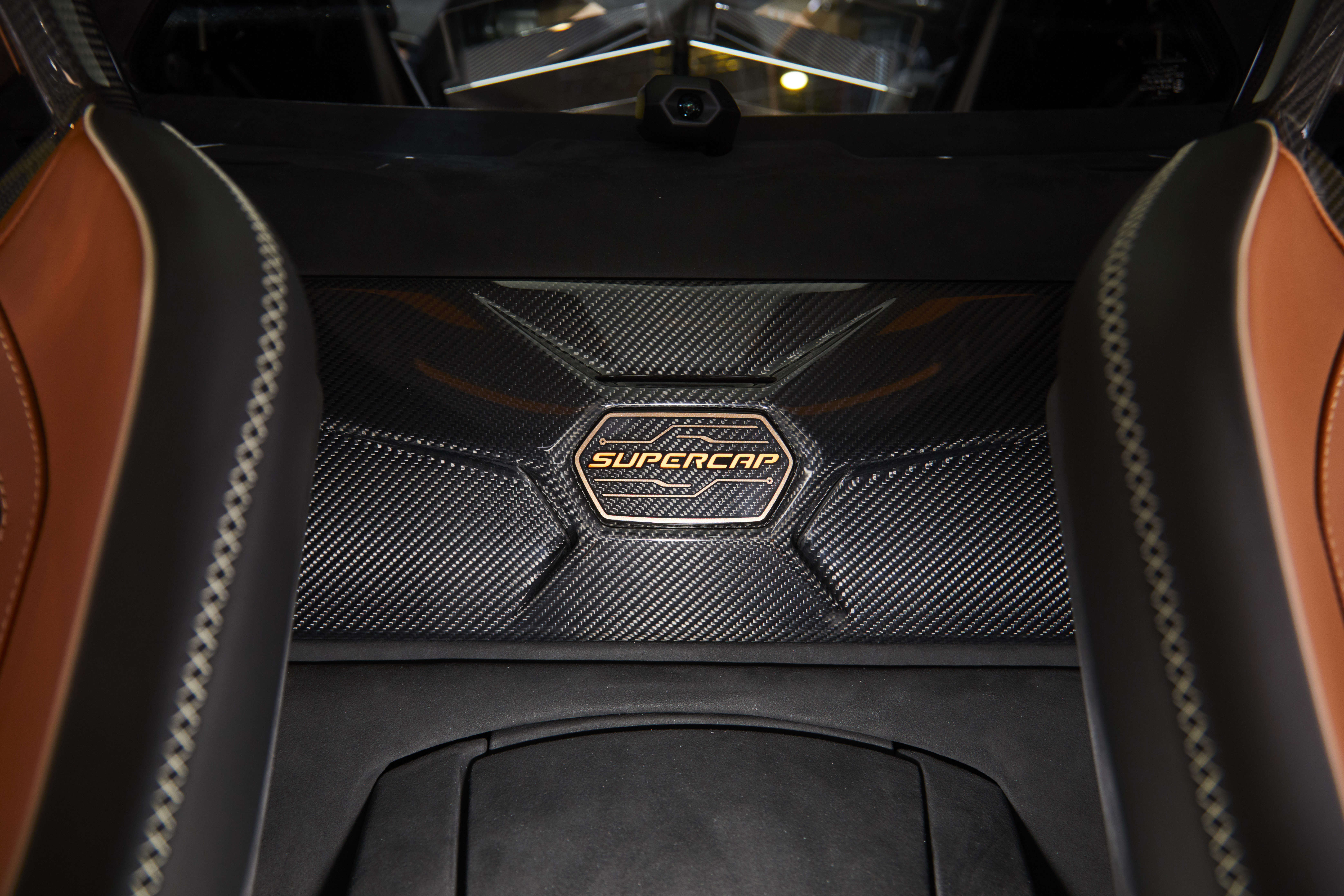
“We are a game-changer and a provocateur,” Lamborghini’s CTO, Maurizio Reggiani told Engadget. The automaker has a long history of making waves with traffic-stopping designs and more recently, innovative tech. At last week’s Frankfurt Motor Show, the Italian company unveiled its Sian hybrid supercar. But it ditched the traditional battery pack in favor of a supercapacitor to power an electric motor, which is exactly what you would expect from the Italian company.

Typically a hybrid uses a lithium-ion battery pack to store energy. Then when needed, it transfers an electrical current to a motor (or motors) to either help the gas-powered engine or take over propulsion entirely. It’s a recipe that has successfully improved gas mileage and sold over six million examples of the Toyota Prius, not to mention countless other hybrids.

“It’s too easy to follow,” Reggiani said. “If you want to move for the first time in electrification you must guarantee that the implementation will not destroy the DNA of a car and brand.” With that in mind, the automaker went with a supercapacitor instead of a battery.

According to Reggiani, the supercapacitor offers up three times the power of a battery pack from the same weight and packaging. Plus, it stores and discharges energy much quicker. The spent power can be fully regenerated very quickly during normal braking.

Reggiani explained that this could be particularly useful while cornering. Going into a corner, the driver applies the brakes and replenishes any spent energy. Then, as the driver accelerates out of the corner, all the available power is there for acceleration. Then as the driver brakes for the next curve, the process starts all over again.

Plus, the supercapacitor doesn’t have to cool down like traditional battery, it’s just ready to go at all times — which is exactly what Lamborghini owners want.

The output of the 48-volt motor installed into the gearbox is 34 horsepower which brings the total power output of the V12 Sian to 819 horsepower. While 34 horsepower doesn’t seem like much, it means the vehicle can do zero to 62 miles per hour in under 2.8 seconds. That’s Tesla Model S Performance and Porsche Taycan levels of fast.

But there are other benefits. The electric motor reduces the torque hits of the gears shifting. You know those momentary losses — then explosions of power — you feel in the car as it speeds up, that’s the vehicle going through its gears. Lamborghini’s hybrid system reduces those so it’s a smooth transition up the driver’s desired speed.

That results is additional traction over a traditional gas engine since the tires are not tasked with handling torque hits while accelerating. That means the contact patches (the part of the tires touching the road) are under less stress and the rubber is less likely to break free from the asphalt.

Reggiani said that the traction increase is 10 percent between gear shifts while going from first to fifth gear and a 20 percent increase between sixth and seventh gear. The byproduct is better grip while accelerating out of those corners thanks to the supercapacitor.

Reggiani does note that the supercapacitor, while great for the Lamborghini in terms of speed, isn’t so hot for emissions or mileage. For that, he concedes that right now traditional battery packs are the way to go.

Plus, we shouldn’t expect to see a supercapacitor in the automaker’s Huracan model anytime soon. Supercapacitors and battery packs won’t make their way into the existing lineup, instead Lamborghini will release new electrified models in the future. To make this a reality the company has invested in two laboratories to research both supercapacitors and battery packs.

For now, the Sian hybrid is limited to 63 vehicles. So it’s a very exclusive coming-out party for Lamborghini’s electrification plans. Reggiani is ready to push the technological limits of cars while still staying true to the automaker’s brand.

“It’s important that from a technical point of view, we are able to prove that there are different possibilities. We can do something completely different where nobody investigated before. This is our way to be Lamborghini.”

Lamborghini’s nimbleness, willingness to experiment, and its dedicated (and very rich) fan base have given rise to a host of technologies that may or may not make its way into passenger vehicles the rest of us can afford. Other automakers need to create cars that’ll sell hundreds of thousands and that limits their ability to explore new technologies on the road with actual customers. Today’s supercar supercapacitor could find a home in tomorrow’s pickup truck, towing a horse trailer. The research has to start somewhere, even in the car that looks like the Batmobile.

This story originally appeared on Engadget.

The Complete Full-Size Pickup Truck Buying Guide: Every Model, Explained

Full-size trucks are the quintessential American vehicles. Americans build them; they buy them far more than any other type of car; and perhaps most importantly of all, they have the landscape to make use of them. Profits from full-size trucks provide the American automotive industry’s lifeblood. The Big Three may call themselves mobility companies committed to a zero-emissions future, but it’s selling full-size trucks that will pay to develop that future.

Much like country music, the full-size truck has redefined itself, broadened its appeal and defied entrenched stereotypes over the past couple of decades. Vital competition in this segment has made full-size trucks some of the most sophisticated, capable, practical and luxurious vehicles on the market. The Big Three can’t afford for their full-size trucks to be anything less.

Pickup Truck Terminology

AFM: Active fuel management. A technology that allows the engine to reduce the number of cylinders being used under light loads.
Crew Cab: Term used by most manufacturers for a double cab with four full-size doors.
DFM: Dynamic fuel management. A General Motors technology that allows the engine to choose from between 17 different cylinder firing combinations as needed, for greater efficiency.
Eco: Prefix that indicates some effort has been made to make this engine more efficient…or that the manufacturer wishes to market it as such.
eTorque: Mild hybrid system for Fiat Chrysler engines that adds low-end torque.
Half-ton: Another name for the full-size segment. It used to correlate to payload capacity. It no longer does.
Hemi: Chrysler engine with a hemispherical induction chamber. These are large-displacement, high-output engines used on trucks and muscle cars.
Light-Duty: Another name for the full-size truck segment. Distinguishes these trucks from the “heavy-duty” vehicles optimized for hauling and towing, such as the F-Series Super Duty and Ram 2500.
Long Bed: A truck bed with a length of around eight feet. This length appears most commonly on work trucks. Most buyers opt for a shorter bed for easier handling.
Payload: The amount of weight a vehicle can carry, including passengers and cargo.
Towing Capacity: The amount of weight a vehicle can tow.

Buying Guide

Ford F-150
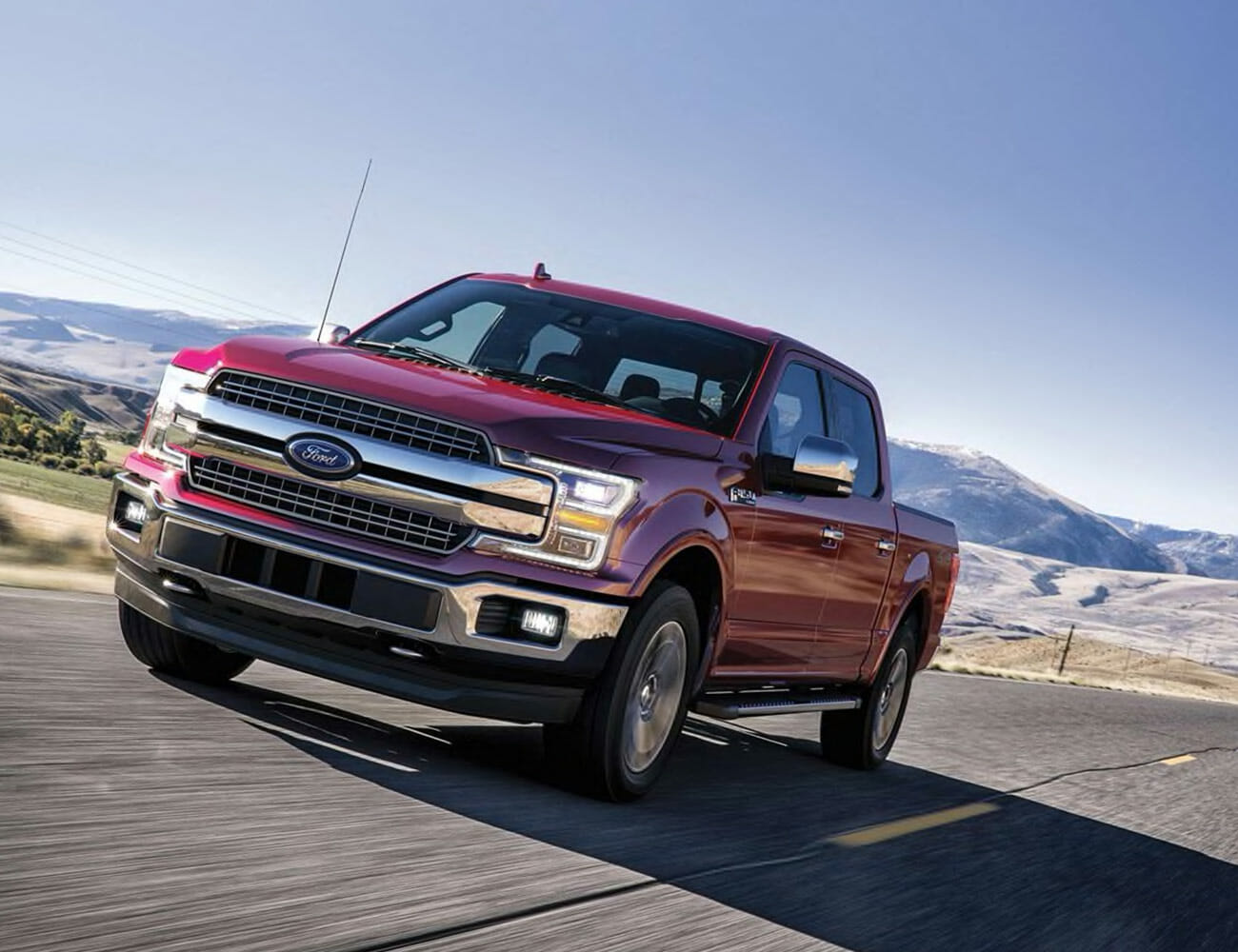
Thanks to sheer volume, the Ford F-150 defines the full-size truck market. The F-Series has been America’s best-selling vehicle for more than 30 years running; in 2018, Ford sold more than 900,000 of them in the U.S. No other vehicle eclipsed 600,000.

The current (13th) generation appeared for the 2015 model year. Whether you require a basic work truck, a road-going yacht or a badass offroad rig to attempt the Baja 1000 (hi there, F-150 Raptor), Ford has you covered.

Ford made some forward-thinking changes with the last generation. They shifted the body from steel to a lighter aluminum-heavy construction (a move ridiculed by competitors at first, then imitated). Ford also favors turbocharged V6 engines over traditional V8s. These offer a higher output on paper, but many truck buyers still prefer a V8. (Ford may finally give them one on the Raptor.)

Ram and Chevy’s latest truck generations may have caught up. But Ford should move the bar forward again with its next-generation model launching next year, which may include game-changing hybrid and electric F-150s.

Body Styles:

• Regular
• Supercab
• Supercrew

Box Length:

• 5.5 feet
• 6.5 feet
• 8 feet

Trims:

• XL
• XLT
• Lariat
• King Ranch
• Platinum
• Raptor
• Limited

Engines:

• 3.3-liter V6 (290 hp, 265 lb-ft)
• Twin-turbocharged 2.7-liter V6 (325 hp, 400 lb-ft)
• 5.0-liter V8 (395 hp, 400 lb-ft)
• Turbocharged 3.0-liter diesel (255 hp, 440 lb-ft)
• Twin-turbocharged 3.5-liter EcoBoost V6 (375 hp, 470 lb-ft; 450 hp, 510 lb-ft)

Max Payload: 3,230 lbs (3.5-liter EcoBoost)

Max Towing Capacity: 13,320 lbs (3.5-liter EcoBoost)

Base MSRP: $28,495

Chevrolet Silverado 1500
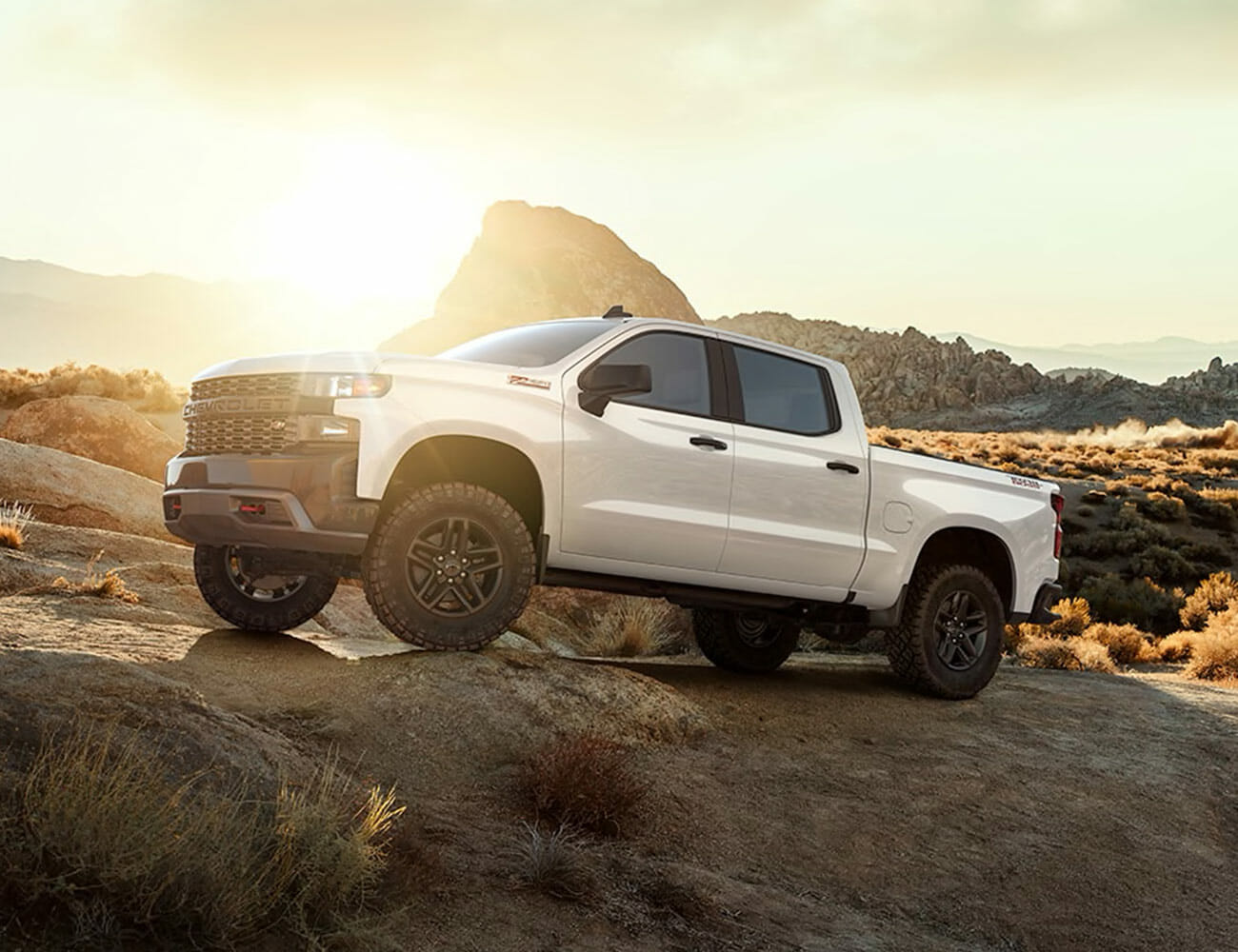
The fourth-generation Silverado was redesigned for the 2019 model year. Chevy’s strategy for competing with Ford has been to offer plentiful customization: If a customer has a particular taste, Chevy will provide an option to meet it. The Silverado has eight different trim levels, each with a corresponding grille design. Buyers can choose from three cab sizes, three box lengths and five different engines. Then you hit a near-endless array of accessories and details.

The Silverado has largely stuck with V8 engines. Tempting outside-the-box buyers with the “2.7-liter engine” which is a (gasp!) four-cylinder has not gone well. The fuel-efficient inline-six diesel engine may do better.

Where the Silverado has struggled is distinguishing itself from competitors. GM’s higher-end luxury options and more innovative technologies largely went to the now-higher-end Sierra. Which is great — for the Sierra.

Body Style:

• Regular Cab
• Double Cab
• Crew Cab

Box Length:

• Short (5 feet 10 inches)
• Standard (6 feet 7 inches)
• Long (8 feet 2 inches)

Models:

• WT
• Custom
• Custom Trail Boss (4WD only)
• LT
• LT Trail Boss (4WD only)
• RST
• LTZ
• High Country

Engines:

• 4.3-liter V6 (285 hp, 305 lb-ft)
• Turbocharged 2.7-liter inline-four (310 hp, 348 lb-ft)
• Turbocharged 3.0-liter inline-six diesel (277 hp, 460 lb-ft)
• 5.3-liter V8 (355 hp, 383 lb-ft)
• 6.2-liter V8 (420 hp, 460 lb-ft)

Max Payload: 2,250 lbs (4.3-liter V6)

Max Towing Capacity: 13,400 lbs (6.2-liter V8)

Base MSRP: $28,300

GMC Sierra 1500
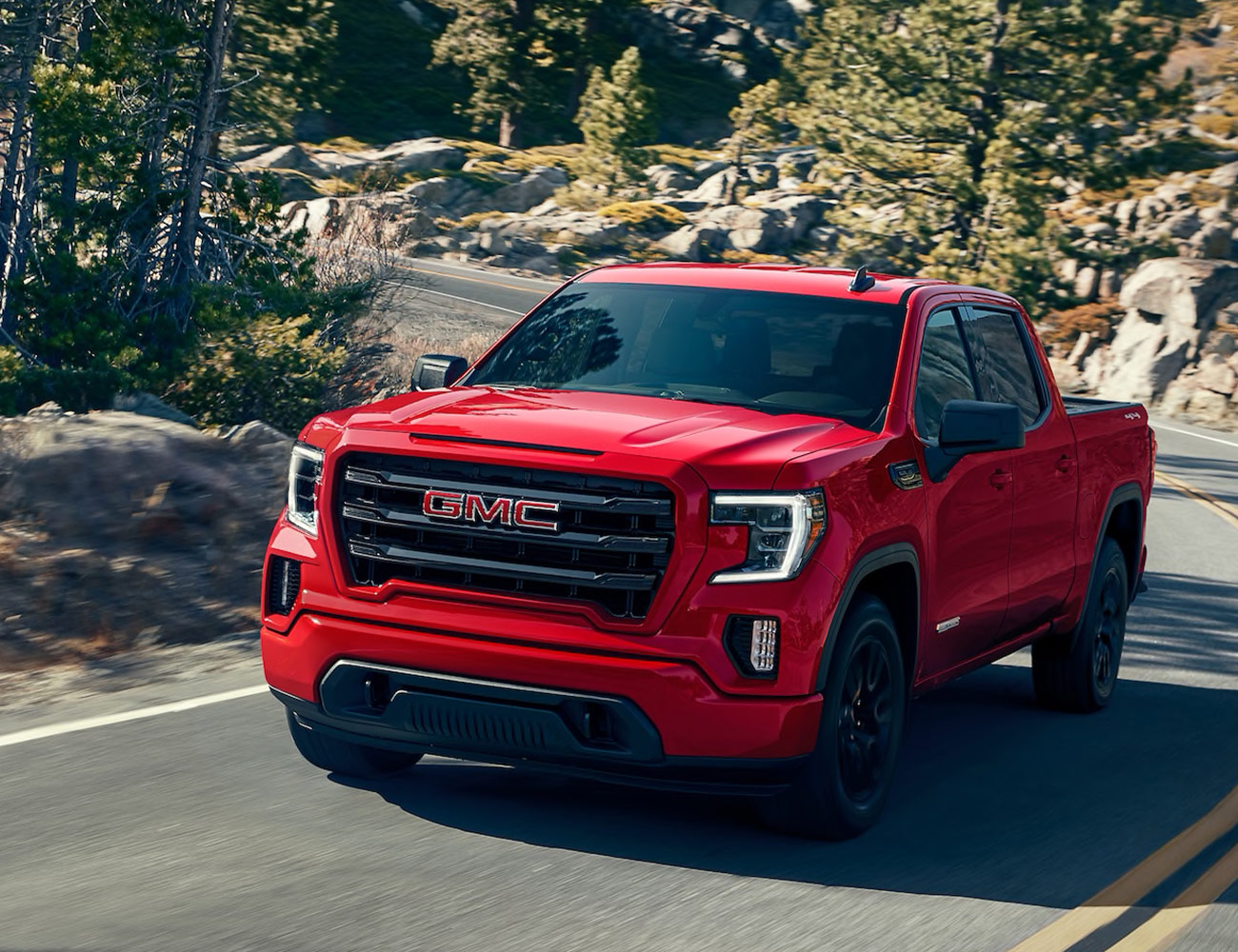
The GMC Sierra has had trouble differentiating itself from the Silverado over the years, mostly because it has been mechanically identical. GM has sought to change this with the new generation, redefining the Sierra as the higher-end rig and giving it the features to back that up.

If the Silverado and Sierra are still corporate twins, the Sierra is the better-looking, more interesting one. It gets the super-lux “Denali” trim and the premium off-road Raptor-rival AT4 trim. The Sierra also gets the first crack at innovative features like the MultiPro six-function tailgate and the CarbonPro carbon fiber bed.

Body Style:

• Regular Cab
• Double Cab
• Crew Cab

Box Length:

• Short (5 feet 10 inches)
• Standard (6 feet 7 inches)
• Long (8 feet 2 inches)

Models:

• Sierra (base)
• SLE
• Elevation
• SLT
• AT4
• Denali

Engines:

• 4.3-liter V6 (285 hp, 305 lb-ft)
• Turbocharged 2.7-liter inline-four (310 hp, 348 lb-ft)
• 5.3-liter V8 (355 hp, 383 lb-ft)
• 6.2-liter V8 (420 hp, 460 lb-ft)

Max Payload: 2,240 lbs (Regular Cab)

Max Towing Capacity: 12,500 lbs (6.2-liter V8)

Base MSRP: $38,395

Ram 1500
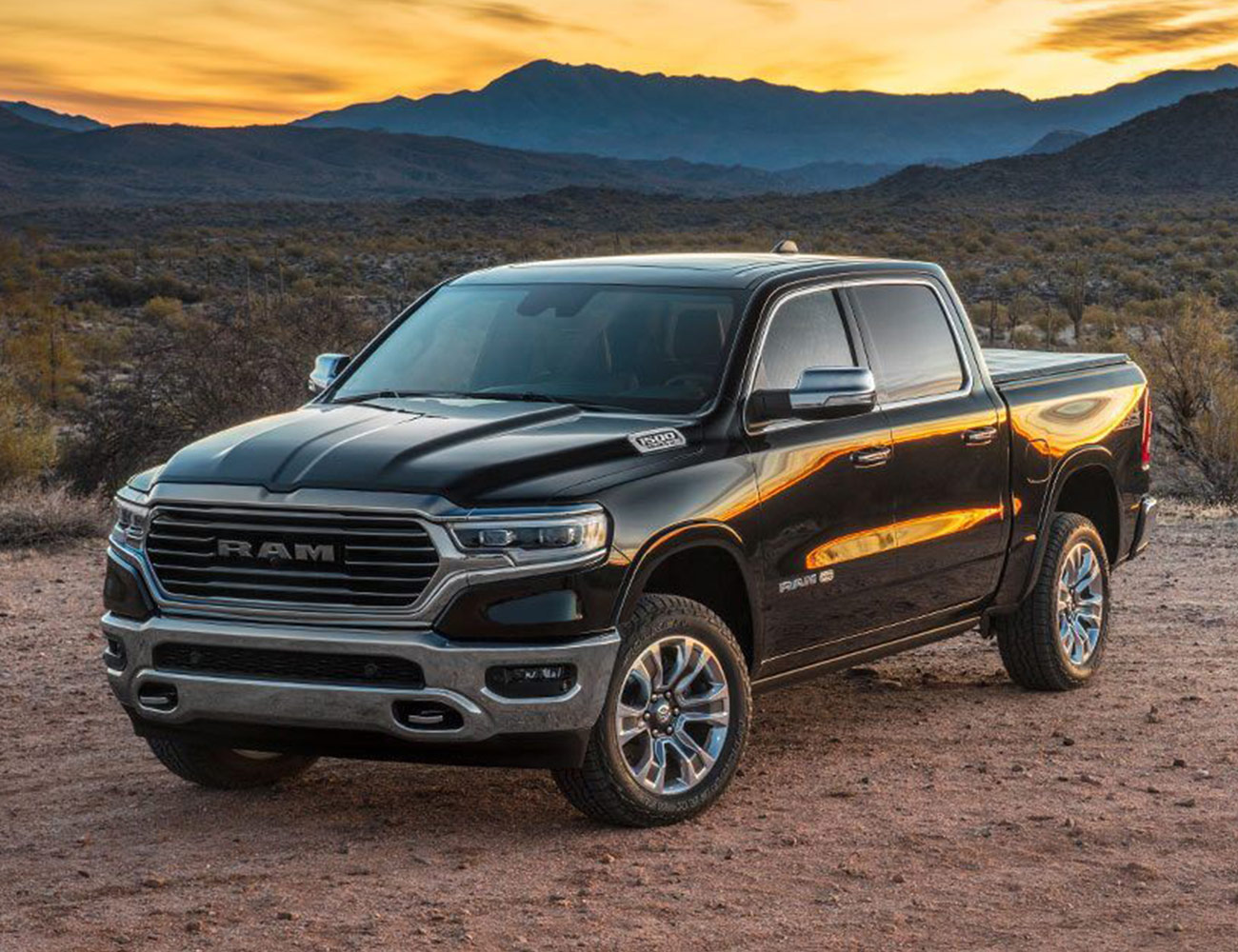
Ram became an independent brand apart from Dodge for the 2010 model year, following the Fiat-Chrysler merger. Ram debuted the fifth-generation 1500 pickup for the 2019 model year. Ram focused on offering a premium experience, whether that is ride quality, interior styling and materials, or technology such as a massive 12-inch touchscreen. That focus has earned the Ram 1500 rave reviews, and the pickup won multiple “truck of the year” awards.

The Ram 1500 has a simplified engine lineup compared to competitors. Ram dispensed with both the two-door cab and the long box, leaving those variants to the “Ram Classic.” If you’re into multifunction tailgates, the Ram 1500 has one that splits 60-40.

Body Styles:

• Quad Cab
• Crew Cab

Box Length:

• 5 feet 7 inches
• 6 feet 4 inches

Models:

• Tradesman
• Tradesman HFE
• Big Horn/Lone Star
• Laramie
• Rebel
• Laramie Longhorn
• Limited

Engines:

• 3.6-liter V6 w/eTorque (305 hp, 269 lb-ft)
• 5.7-liter HEMI V8 (395 hp, 410 lb-ft)
• 5.7-liter HEMI V8 w/eTorque (395 hp, 410 lb-ft)

Max Payload: 2,100lbs (3.6-liter V6)

Max Towing Capacity: 12,750 lbs (5.7-liter V8)

Base MSRP: $33,440

Ram 1500 Classic
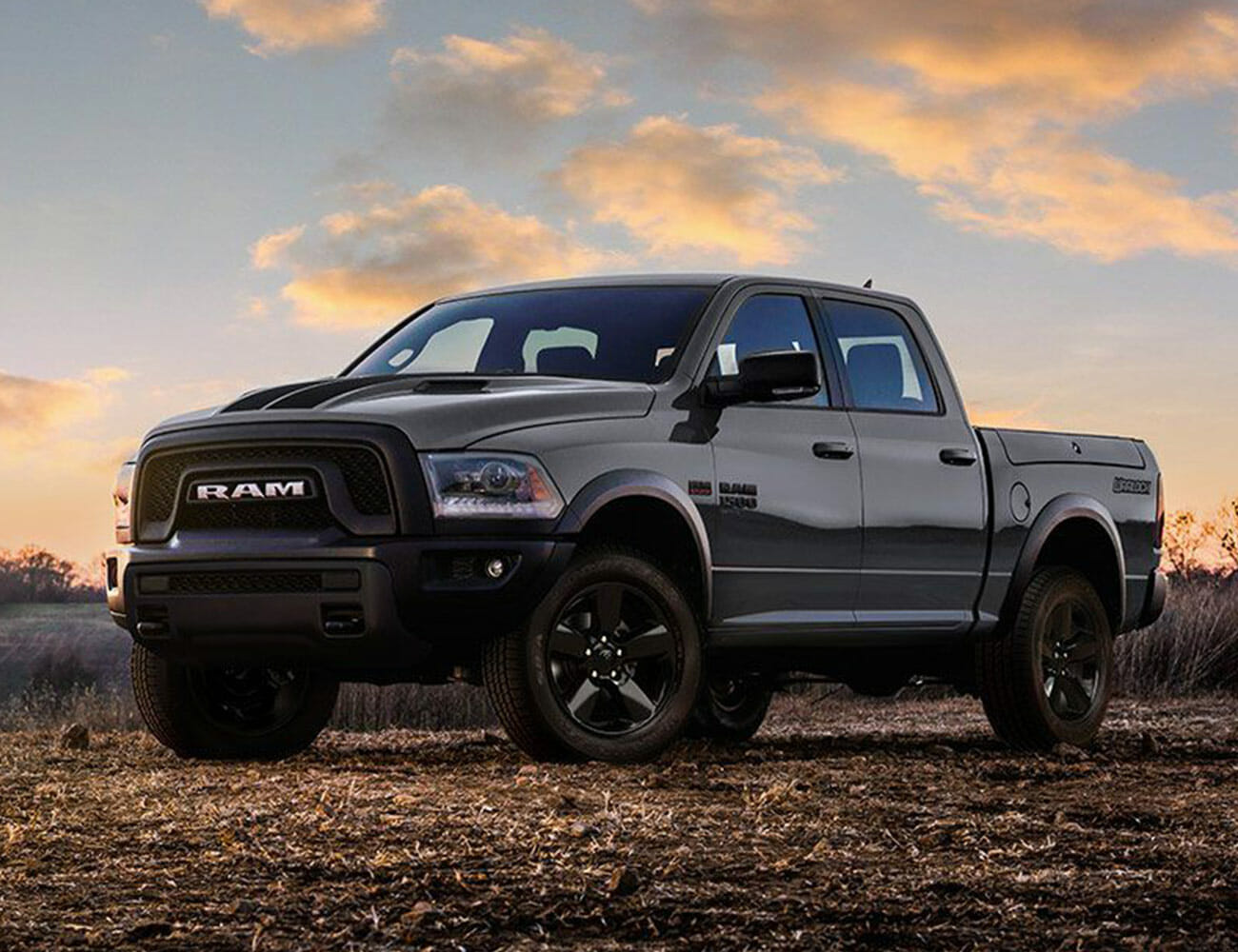
Ram kept the fourth-generation 1500 in production after the fifth-generation debuted. The older truck is now a budget model with a pared-down trim lineup. With the base-level Tradesman starting at $27,645, it undercuts the rest of the full-size pickup market. The strategy has been so successful, Ram passed the Silverado for number-two best-seller overall. Ram plans to keep the previous model in production, and even update it.

Body Styles:

• Regular Cab
• Quad Cab
• Crew Cab

Box Length:

5 feet 7 inches
• 6 feet 4 inches
• 8 feet

Models:

• Tradesman
• Express
• Warlock
• Big Horn

Engines:

• 3.0-liter EcoDiesel V6 (240 hp, 420 lb-ft)
• 3.6-liter V6 (305 hp, 269 lb-ft)
• 5.7-liter V8 (395 hp, 410 lb-ft)

Max Payload: 1,880 lbs (3.6-liter V6)

Max Towing Capacity: 10,470 lbs (5.7-liter V8)

Base MSRP: $27,645

Toyota Tundra
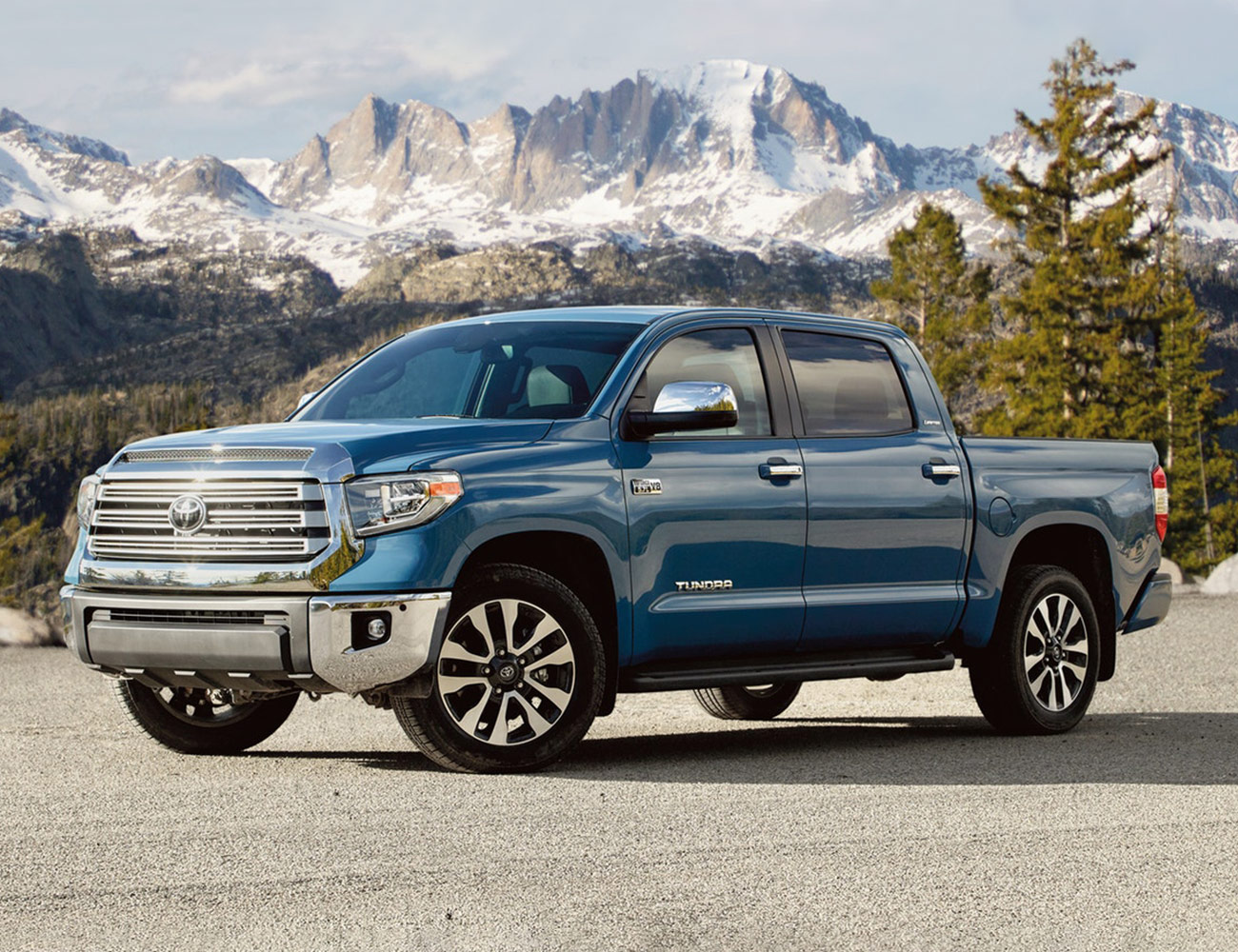
Toyota launched the first Tundra for the 2000 model year. It was the first Japanese full-size pickup for the American market. It’s more akin to the rest of Toyota’s SUV/truck lineup than its American segment competitors. Updates are rare: The second generation debuted way back in 2007, and was last facelifted in 2014.

The Tundra is the full-sized truck for Toyota fans. It offers the brand’s notable strengths: impressive build quality, formidable off-road chops and unbelievable resale value. Attempts have been made to add luxury (i.e. the 1794 Edition) and off-road cred (the TRD Pro). But the Tundra is a generation behind its American competitors, particularly when it comes to fuel economy; it earns just 15 mpg combined.

Body Style:

• Double Cab
• Crewmax

Box Length:

• Short (5 feet 7 inches)
• Standard (6 feet 7 inches)
• Long (8 feet 2 inches)

Models:

• SR
• SR5
• Limited
• Platinum
• 1794 Edition
• TRD Pro

Engines:

• 5.7-liter V8

Max Payload: 1,730 lbs

Max Towing Capacity: 10,200 lbs

Base MSRP: $33,425

Nissan Titan
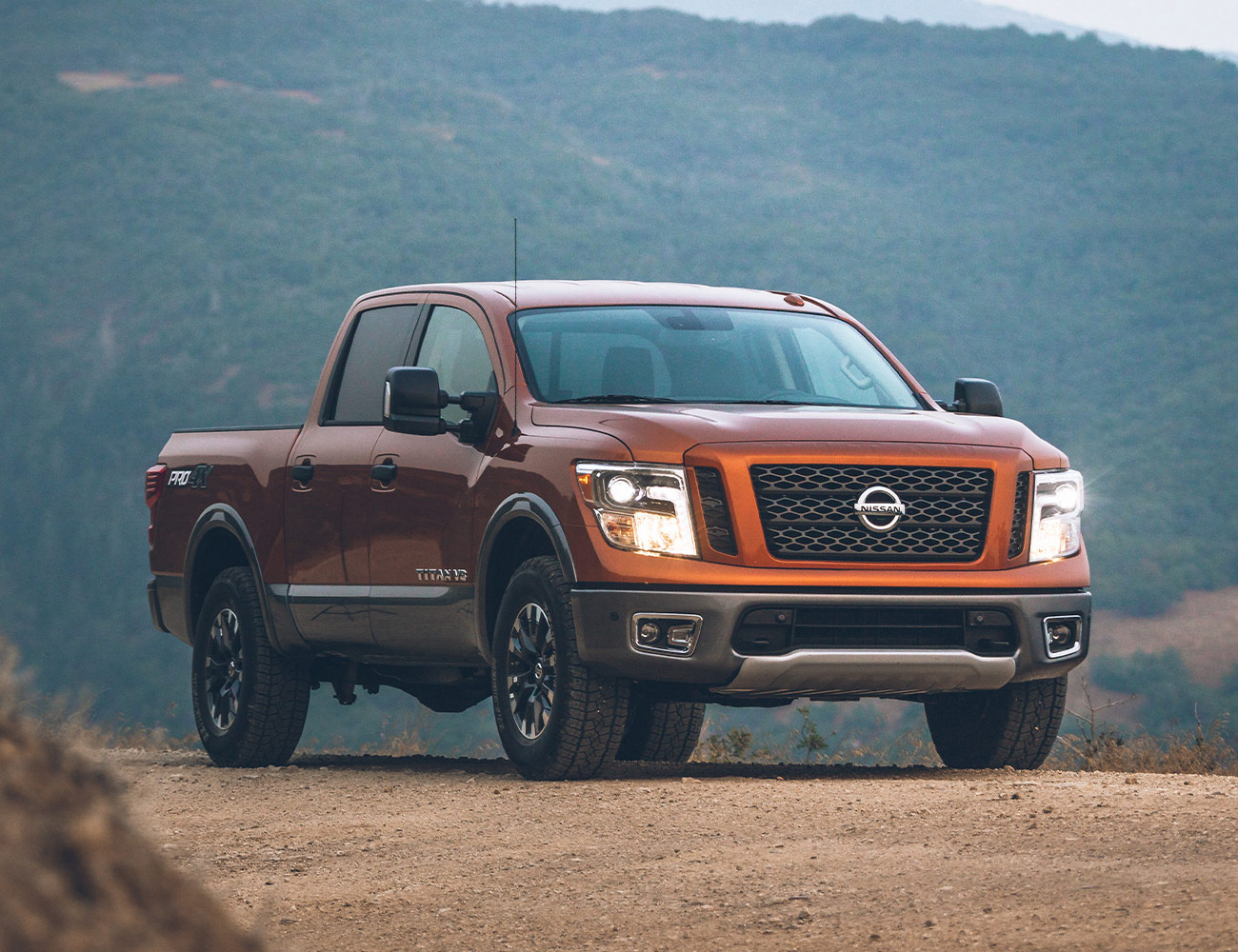
Nissan launched the Titan full-size pickup in 2004. The second generation debuted in 2016. It offers a simple lineup, with one engine option (a 5.6-liter V8) and no ability to mix and match cargo boxes. While the Titan is newer than the Tundra, it does not match up with the Big Three competitors in capability, particularly in towing.

What the Titan can offer, compared to competitors, is a value proposition. A buyer who wants a single-cab, long-box work truck and a V8 with reasonable options (power doors and windows, carpet) can it there at a lower price point with the Titan than itscompetitors.

Body Style:

• Single Cab (8-foot box)
• King Cab (6.5-foot box)
• Crew Cab (5.5-ffot box)

Models:

• S
• SV
• SV Midnight Edition
• PRO-4X
• SL
• SL Midnight Edition
• Platinum Reserve

Engines:

• 5.6-liter V8 (390 hp, 394 lb-ft)

Max Payload: 1,930 lbs (Single Cab 4×4)

Max Towing Capacity: 9,660 (Single Cab 4×2)

Base MSRP:$30,690

Note: Purchasing products through our links may earn us a portion of the sale, which supports our editorial team’s mission. Learn more here.

This Company Will Make Your Custom Land Rover Defender Dreams Come True

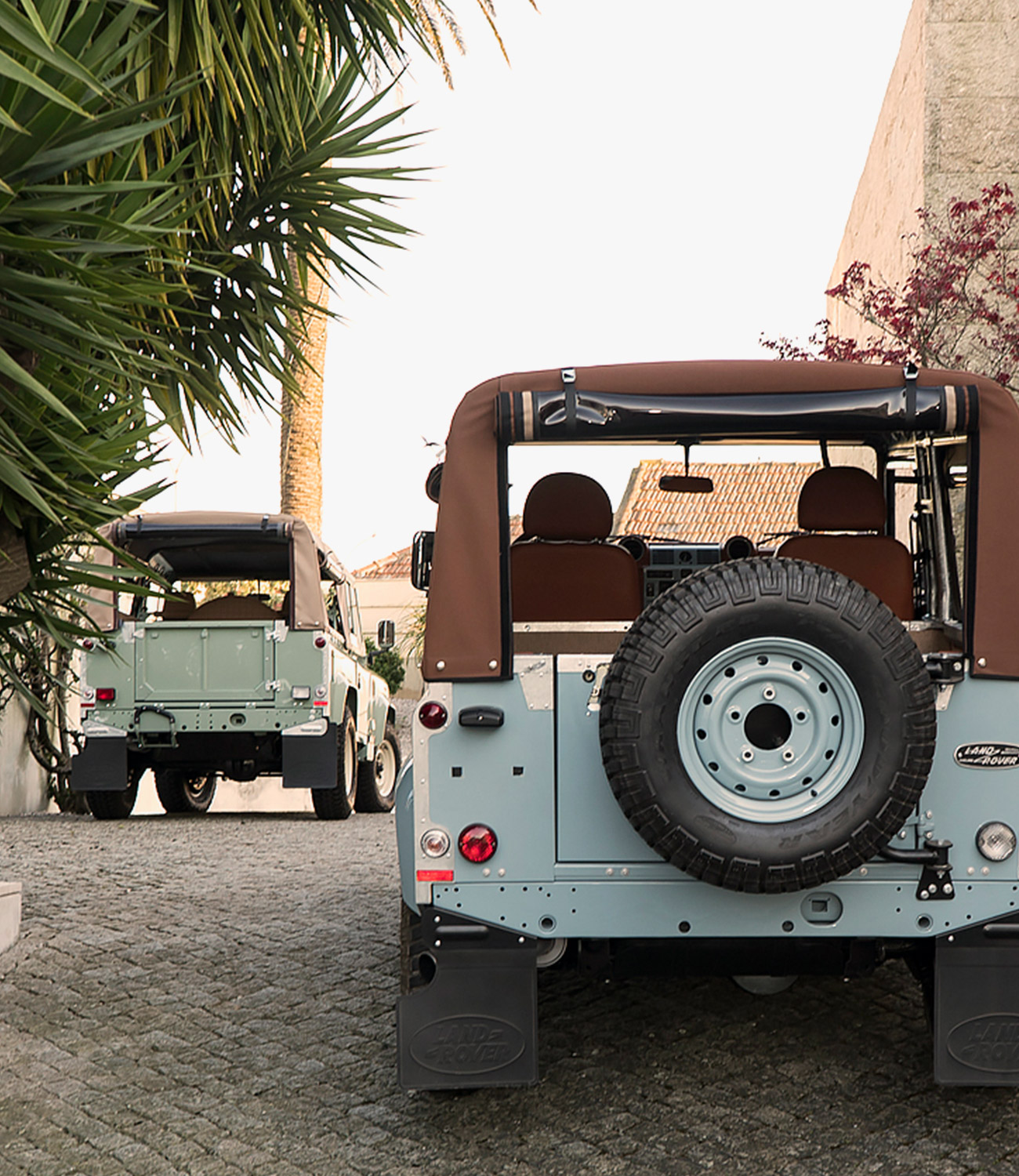
Time to start thinking about cashing out that 401(k) early. Virginia-based classic car import firm Commonwealth Classics is collaborating with Portuguese restorers Unique Masterpieces on “The Commonwealth Line,” a run of restored, heritage-inspired Land Rover Defenders. Unique Masterpieces will build the trucks, while Commonwealth Classics will import and sell them to U.S. customers.

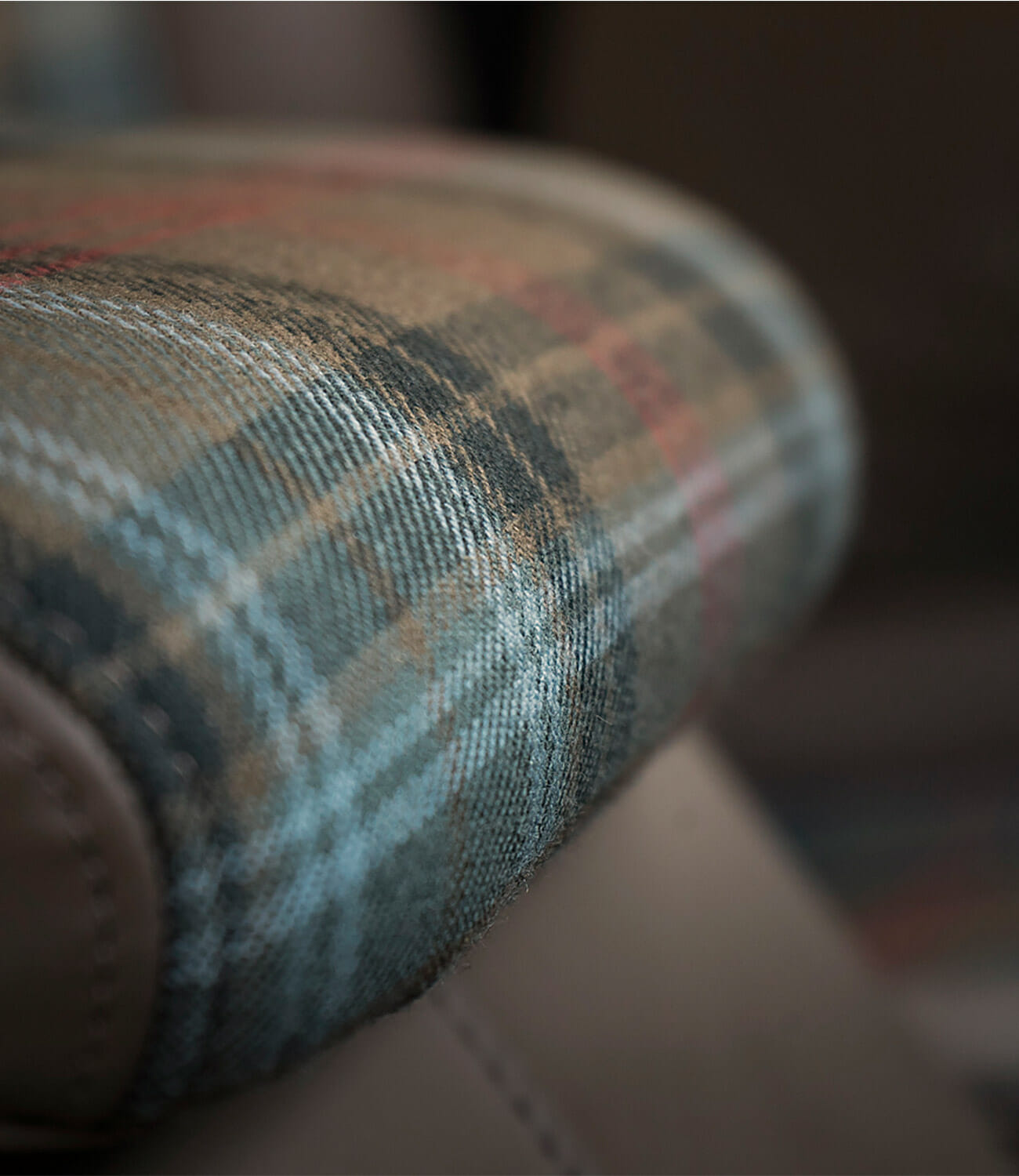
The Commonwealth Line offers a sumptuous, upscale take on the Defender. Unique Masterpieces sources the importable vehicles from around Europe. They stick with stock engines, but give them a full rebuild. All restoration work but for the custom-dyed canvas tops and leather wrapping is performed in-house by Unique Masterpieces.

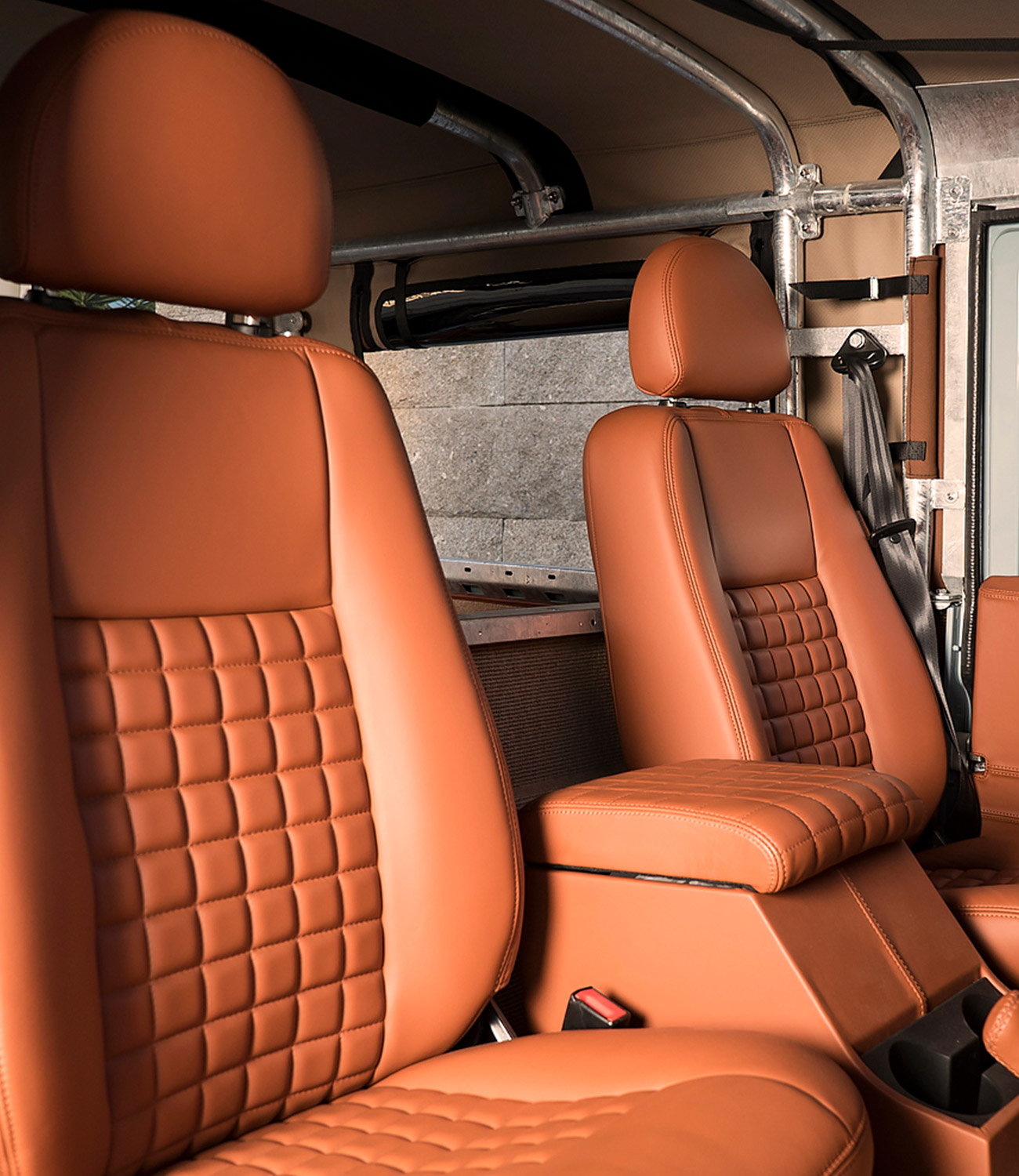
Primarily, Commonwealth and Unique Masterpieces will use Defenders produced from 1991 to 1995 using 200 Tdi and 300 Tdi inline-four turbodiesel engines, though they also offer a 3.5-liter V8. They can source Defender 90, 110, and 130 models (including pickups) for a total of 30 different body and top configurations, as well as more than 40 different leather color options.

Related Video: The New 2020 Defender

[embedded content]

Commonwealth offers two different Defender finishes: the standard, more traditional “Heritage Finish,” and a more performance-oriented, design-forward “Signature Finish.” After the finish, customers can add on five different packages. “Performance” adds about 30 percent more power to the engine; “Trail” adds a winch, a hitch, heavy-duty front springs, and locking rear differentials; there’s also “Sound,” “Comfort” and “Tailgate.” (Don’t forget the 16-inch custom-painted Wolf steel wheels.)

Buying a Defender this exquisite is likely a lifestyle decision more than one made because you need a solid off-roader; as such, you likely have some fancier hobbies to go along with it. Commonwealth Classics has you covered. Potential add-ons for the Defender include a bespoke matching two-horse trailer and a cubby containing a cedar-lined humidor. If you want to make this Defender a real gentleman’s club on wheels, you can add some wood flooring.

As one would imagine, you’ll pay for quality. Optioning out a Commonwealth Line Defender won’t come cheap. Defender 90 builds start at $125,000, and Defender 110 builds start at $135,000. That price — more than twice the base cost of a new 2020 Defender — includes a 12-month warranty and 12 months of standard maintenance.

Commonwealth Classics is currently accepting two new Defender builds per month. The production process takes four months. Customers can monitor their build’s progress with a password-protected site, photos, and text updates. You can configure your build here.

The 1990 Lexus LS400, Driven Today: We Need Cars Like This Again

I was eight years old when the Lexus LS400 debuted at the 1989 Detroit Motor Show. My budding love for cars at that tender age manifested in my idolization of bella macchinas from Italy. I was aware Japanese cars existed — a Honda Accord and a Mazda 626 sat in my parents’ garage — but I didn’t fantasize about driving those slow, utilitarian boxes, not when I could drift away into posters of Testarossas and Countaches.

Three decades later, I’ve driven my pin-up heroes —  at least when they deigned to properly function and weren’t overheating or shaking to pieces on the side of the road. Then, a couple months ago during a Lexus event in Costa Rica, I sampled a pristine example of the 1990 LS400 — and realized I’d spent my boyhood worshipped at the wrong altar.

It shouldn’t really be a surprise that the LS400 still feels like an impossibly perfect vehicle 30 years after it was built. Any car that cost more than $1 billion in development over six years (in Reagan-era money, no less) and saw more than 450 prototypes precede the final iteration should emerge as a benchmark which future luxury sedan models ought to measure against.

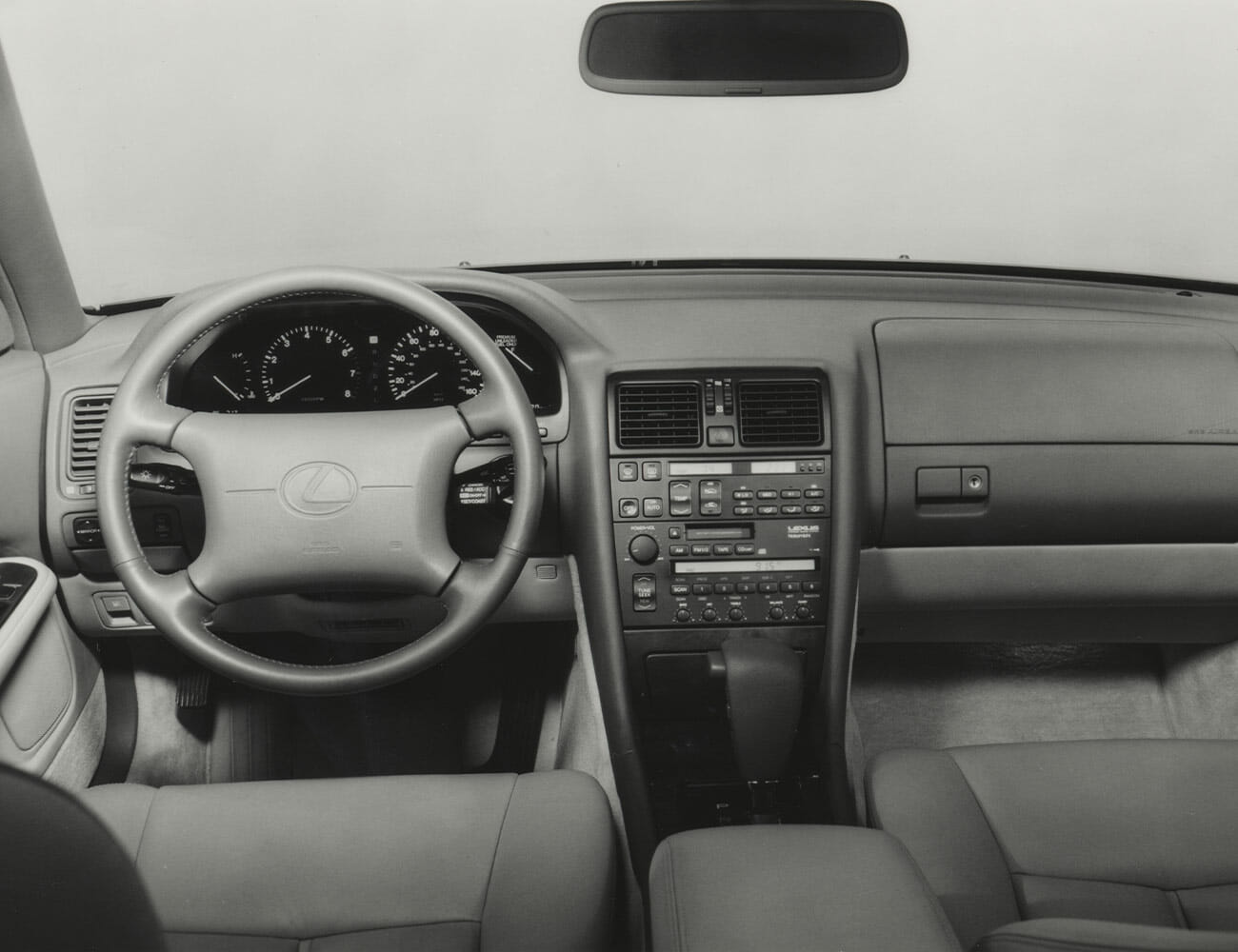
Slipping into the plush driver’s seat today, it’s boggling how far ahead of its time this cabin was. Holographic, electro-luminescent gauges stare back at you, and there’s an electrochromic rear-view mirror at your disposal. Push-button dials for an equalizer for the radio were standard. There’s even a power switch for the height-adjustable seatbelt. The car is the epitome of omotenashi, a Japanese term that roughly translates into “anticipating your guests needs before they even know what they want — and exceeding them.”

The key turns over a 4.0-liter V8 engine that houses a stable of 254 horses — and, more importantly, simply purrs. The LS400 has the ability to run all the way up to 160 mph; sink your foot to the floor, and the shuffle from 0 to 60 transpires in 8.5 seconds. These numbers may seem paltry by today’s standards, but this car positively flew in 1990.

The main arterial highways of Costa Rica are clean and calm, but the pockmarked B-roads leave something to be desired…unless you’re in the LS400, that is. The luxobarge glides over the roughest crud with aplomb, a credit to the double-wishbone front and rear suspensions. (Air suspension was an option, too.) Toyota engineers nailed the steering feel and ratio; it’s direct and responsive, and you’re never adjusting or shuffling around to get a corner right. And the LS400 can hang in a turn, far better than some of its contemporary cousins.  When I sampled the new GX 460 (and its less-than-stellar road manners) afterwards, I pined for the comfort and handling of the LS400.

The LS400 was fabricated from sandwiched steel, in a bid to mitigate vibration; flush door handles and windows were employed to further reduce wind noise. The result is a cabin so quiet, it still rivals modern Mercedes-Benzes and Bentleys. In fact, the ride is so smooth, cushy and serene that were you to be blindfolded and asked if you were in the backseat of the LS400 or a Rolls-Royce Silver Spur from the same era, you’d be hard-pressed to determine which vehicle you were enjoying.

When Eiji Toyoda set out to create a luxury brand to recapture the buyers his business was losing when they graduated out of Toyota’s lineup, the marques that were defining the segment were Mercedes-Benz, BMW and Jaguar. The LS400 proves even today that Lexus had a winner right out of the gate. It had S-Class presence and drove every bit as well, but only set your wallet back the price of an E-Class.

When my short test drive ended — Lexus wants to keep the mileage on the vehicle low, though with unrivaled mechanical reliability, the brand needn’t fret — I didn’t want to relinquish it. Forget the LFA; create posters of the LS400.