All posts in “Cars”

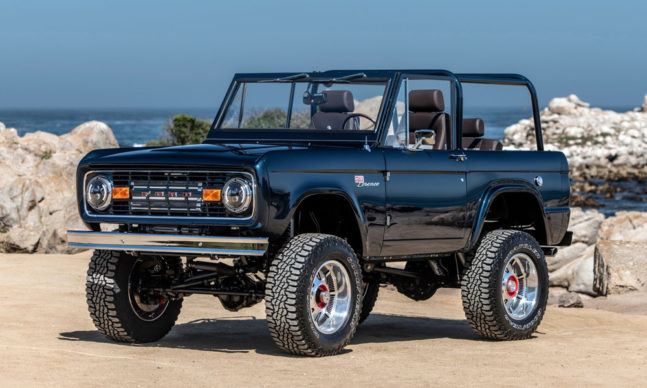
1974 Gateway Bronco Modern Day Warrior

Gateway Bronco has built one of the finest Ford Bronco restomods we’ve come across, and at its heart supports a worthy cause for Alzheimer’s education. Thanks to meticulous adherence to the Bronco ethos combined with…

Which New BMW 3 Series Is the Better Buy?

When it comes to cars that can do it all, few carry the cache of the BMW 3 Series. Over the past 45 years, Bimmer’s compact car has blended performance, comfort and usability in ways that have made it one of the benchmarks other automakers aim for when developing their own sedans.

Still, like the BMW M5, the 3 Series has had somewhat of a rocky road in the last few years. The luster earned in earlier generations faded a little with the fifth-generation model of the early Aughts, then dimmed a bit more with the sixth-gen version that was sold for almost the entire current decade. While still speedy and luxurious, they were largely considered to have lost some of the style and joie de conduire that defined past versions. So when BMW revealed the all-new seventh-generation car at the Paris Motor Show last year, the world held its breath to see if those motor-loving Bavarians could bring back the magic.

The new model, known internally as the G20 generation, certainly has plenty of visual pizzazz; indeed, it’s perhaps the most aggressive 3 Series since the E36 that debuted during the first Bush administration. But with the new model also came a change in the powerplant department: whereas past 3ers had offered multiple power levels below the domain of the sporty M Division’s wares, here in the States, only one car would come without the 13th letter of the alphabet appended to its name — the 330i. The only more potent version would be the M340i, designed as a halfway point between the base car and the forthcoming M3.

The Big Differences

As anyone with some basic knowledge of BMW nomenclature has probably figured out by now, the largest difference between these two 3ers is what lies beneath their hoods. Those numbers long since stopped corresponding to exact displacements, but bigger numbers still mean bigger engines: the 330i packs a turbocharged 2.0-liter inline-four making 255 horsepower and 294 pound-feet of torque, while the M340i uses a turbocharged 3.0-liter inline-six that spins up 382 hp and 369 lb-ft.

Further setting the M340i apart: a limited-slip differential for the rear axle, a stiffer suspension that gives the car a 0.4-inch-lower ride, and wheel camber revised for better grip. It also scores a distinct grille where the traditional upright valances have been replaced with odd shapes that, from a distance, vaguely resemble the dotted lines notating the different cuts of meat on a butcher’s illustration of a cow.

The Similarities

Apart from that, however, these two 3 Series models are about as similar as they come. Or rather, they can be, if you spec the 330i to match the M340i by picking the M Sport package, which includes a more aggressive front fascia, a sport-tuned suspension and variable-ratio sport steering (delivered via the same chunky steering wheel found in the M340i) for an extra $5,200.

Unlike the aggressive M Sport six-cylinder car, however, you can also opt to have your 330i in more sedate form; just opt for the Sport or Luxury packages, which also open the door to different paint and trim options you can’t have in the other version.

Both 3 Series models come with a sole choice of transmission (an eight-speed automatic) and the same two choices of driven wheels (rear or all four). Whereas Americans used to be able to choose between a wide variety of 3 Series body styles, the lineup has currently been culled down to just four-door sedans; coupes and convertibles have been rebranded under the 4 Series moniker, while the station wagon and the bloated Gran Turismo versions have both been tossed from showrooms. (Europeans, of course, can still buy a 3 Series wagon; perhaps BMW will take a page from Audi and bring the two-box 3er here at some point, but that seems unlikely for now.)

What’s That Mean in the Real World?

95 percent of the time, driving an M340i feels exactly the same as driving a 330i. Both 3ers are comfortable highway cruisers, as you’d expect of any car born in the land of the autobahn; even at speeds well above what your driver’s ed teacher would advise you to do, it’s rock-steady and reassuring.

My 330i had the M Sport package, and the resulting sport suspension meant it felt pretty much as capable as the M340i in the turns I pushed it through. Admittedly, I wasn’t pushing the cars anywhere close to their limits — I had passengers and cargo in the car both times I reached fun stretches of road — so it’s likely that the M340i would be more confident and rewarding at max attack than the lesser car.

Both cars suffer from the poor steering feel that’s an unfortunate characteristic of many BMWs today. While the helms are responsive, there’s little of the feedback that characterizes great steering and helps bring joy to the act of driving. So far as your hands are concerned, you might as well be turning a very fast-acting video game racing rig, not something connected to the front wheels.

Optioned up the way my test cars were, they both came with all the bits of high-tech frippery BMW has to throw at the 3er, too. The new Live Cockpit Pro is just a fancy name for the sort of reconfigurable digital instrument panel found on plenty of cars nowadays; it’s certainly clear and effective, though it does pack a couple of minor issues, like a tachometer that goes in a counterintuitive counter-clockwise direction and a theoretically-useful central display zone that can’t be used to show anything of actual use. Wireless Apple CarPlay is a handy, BMW-only feature that makes you both more likely to use its hand features and could help save your cell phone battery (every other version of CarPlay involves leaving the phone plugged in for long periods, which is exactly what it doesn’t like). And the gesture-based infotainment controls that let you change the volume or radio station with a wave of your hand remain one of the more delightful new features in the automotive space, even if they don’t work quite as reliably as you’d like.

The remaining five percent of the time, of course, are those moments when you’re driving with, as JFK would have said, vigah. 382 horsepower is nothing to scoff at, and nobody makes inline-sixes quite as smooth and delightful as BMW; pushing your foot into the accelerator produces a thrilling burst of fluid acceleration that’ll make you wonder if, like the Supra that shares an engine with it, this Bimmer is making more power than claimed.

Yet even that five percent isn’t as great a difference as you’d think. The limited-slip differential in back no doubt makes it faster around a track, but in the real world, the 330i feels plenty well-balanced in the turns. And the turbo four found beneath the lesser 3’s hood is no slouch; it’ll still zip from 0 to 60 miles per hour in five and a half seconds or less, which is fast enough to hurl you onto highways, around traffic and down winding back roads with glee. (Plus, it racks up far better fuel economy than the six-cylinder; Car and Driver found it averaged 42 miles per gallon at 75 mph.) The gearbox is every bit as clever as the M340i’s, leaping to the right gear whenever you need.

Granted, the four-cylinder engine lacks the characteristic purr of an inline-six, but that’s ultimately a minor concern for a sedan like this. A sweet engine note matters only for those few seconds you’re flooring it, and the 330i is quick enough that you won’t have to listen for long. Besides, if you really can’t stand it, that’s what the stereo is for.

The Verdict

Unless you’re planning on hitting the autocross or race track every couple weekends, it’s hard to see any reason to fork over an extra $10,000 or more for the M340i. That’s not a slight against the M Sport model; it’s more a credit to how solid the basic 330i is. It may not be the default choice in its class anymore — there are too many great competitors out there, from the Kia Stinger GT and the Genesis G70 to the Jaguar XE and the Alfa Romeo Giulia — but it’s still a solid choice for anyone looking for a blend of fun and practicality in their daily driver.

BMW provided these products for review.

Read More Gear Patrol Reviews

Hot takes and in-depth reviews on noteworthy, relevant and interesting products. Read the Story
Note: Purchasing products through our links may earn us a portion of the sale, which supports our editorial team’s mission. Learn more here.

Prepare Your Car for Winter With These Essential Items

As they used to say on some old TV show: winter is coming. That means it’s time to prepare your vehicle for the onslaught of cold air and frozen water that’s fast approaching. That could mean buying some high-end snow tires (indeed, it should mean that if you don’t have them already). But you should also pick up these portable, reasonably-priced pieces of gear and keep them in your car ahead of winter’s arrival, just in case. These items will let you be prepared for most cold-weather eventualities — without commandeering too much trunk space.

Grand Trunk Throw Travel Blanket

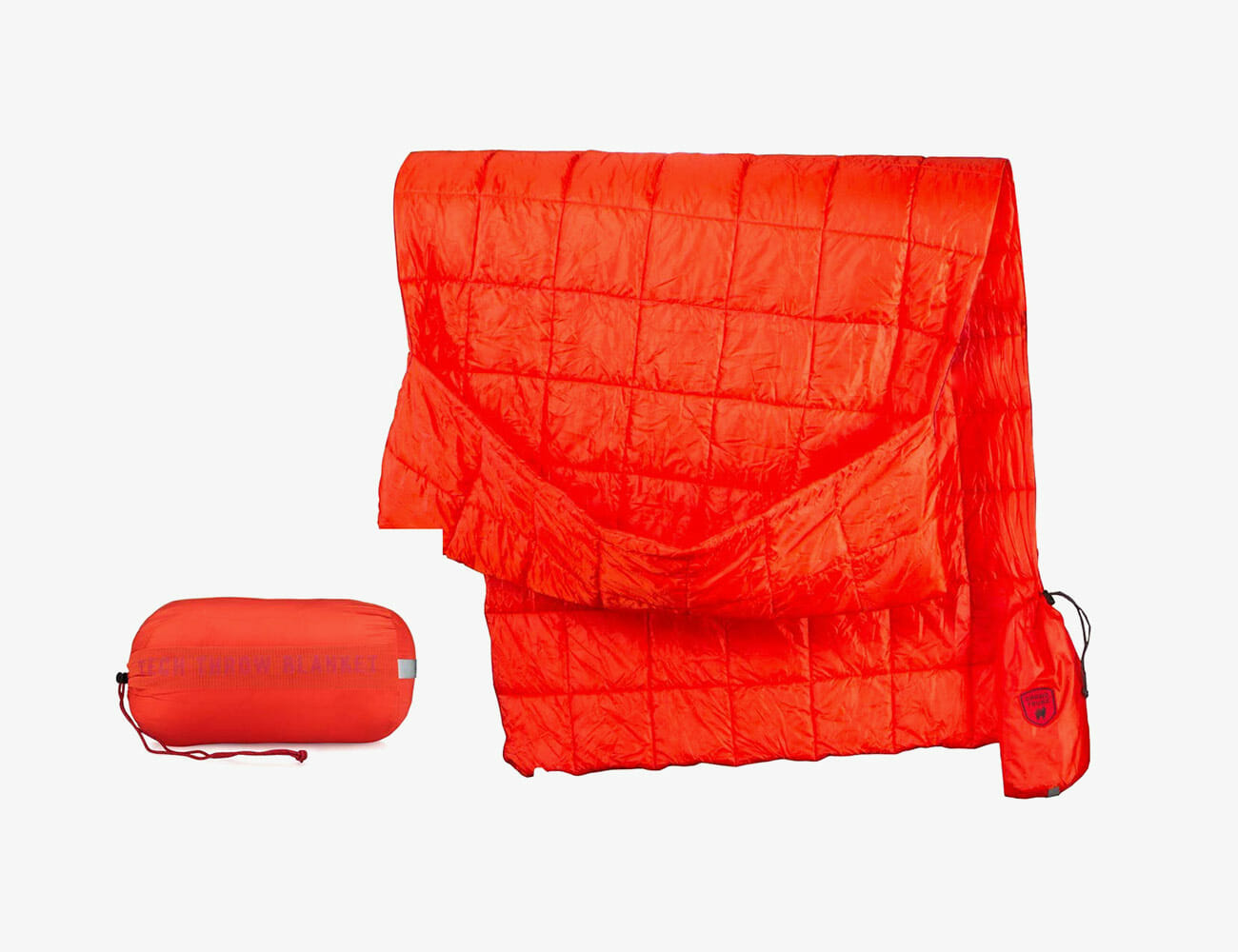
Grand Trunk’s throw travel blanket is lightweight and portable, and comes with an attached carrier bag. It features a particularly cozy foot pocket. It’s machine washable. And it may not match whatever motif your significant other has going on in the bedroom or living room, so your car is an excellent place for it.

Birdrock Home Snow Moover Small Car Brush and Ice Scraper

You can go cheap with your ice scraper and brush. You can go expensive and complicated, too. Birdrock Home offers the simple, compact, lightweight Goldilocks option: an ice scraper and brush with a foam grip and non-scratch jaws, for a little less than $20.

Streamlight ProTac 2L-X Flashlight

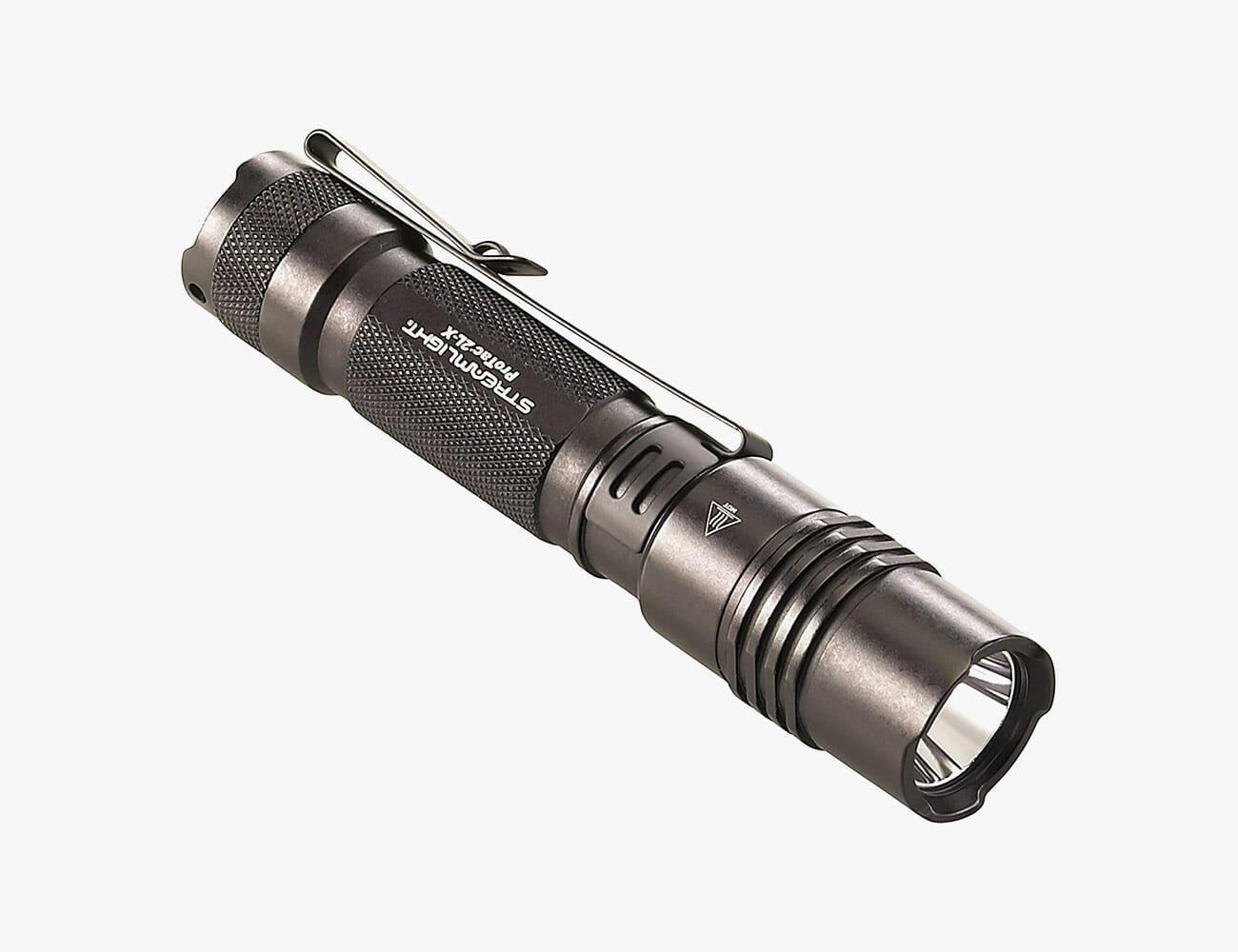
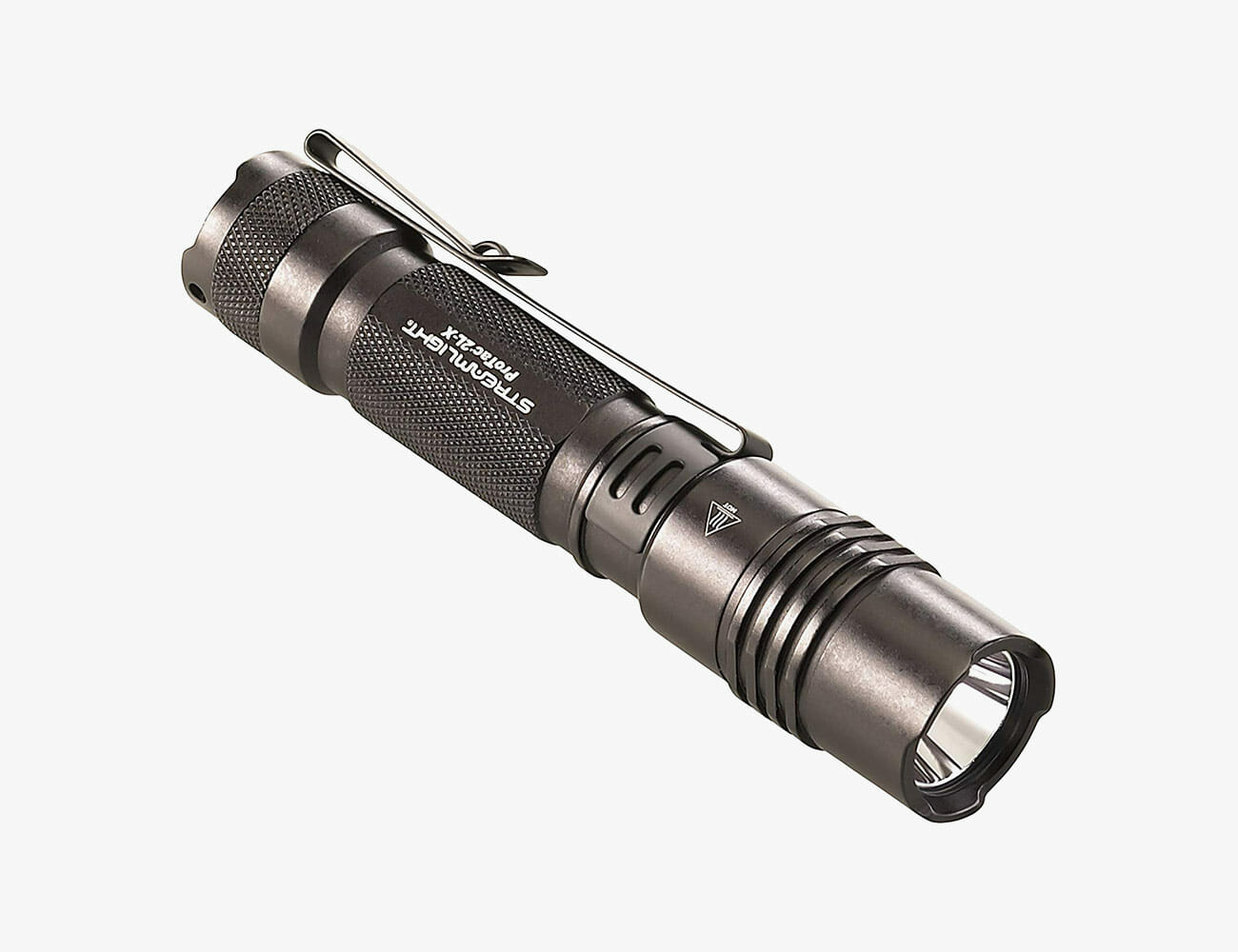
It’s dark a lot of the time during winter. Make yourself — and what you’re working on — more visible with the Streamlight ProTac 2L-X. It’s waterproof, made from durable anodized machined aircraft aluminum and has three different operating modes, including a strobe light for signaling for help.

Lifeline Aluminum Sport Utility Shovel

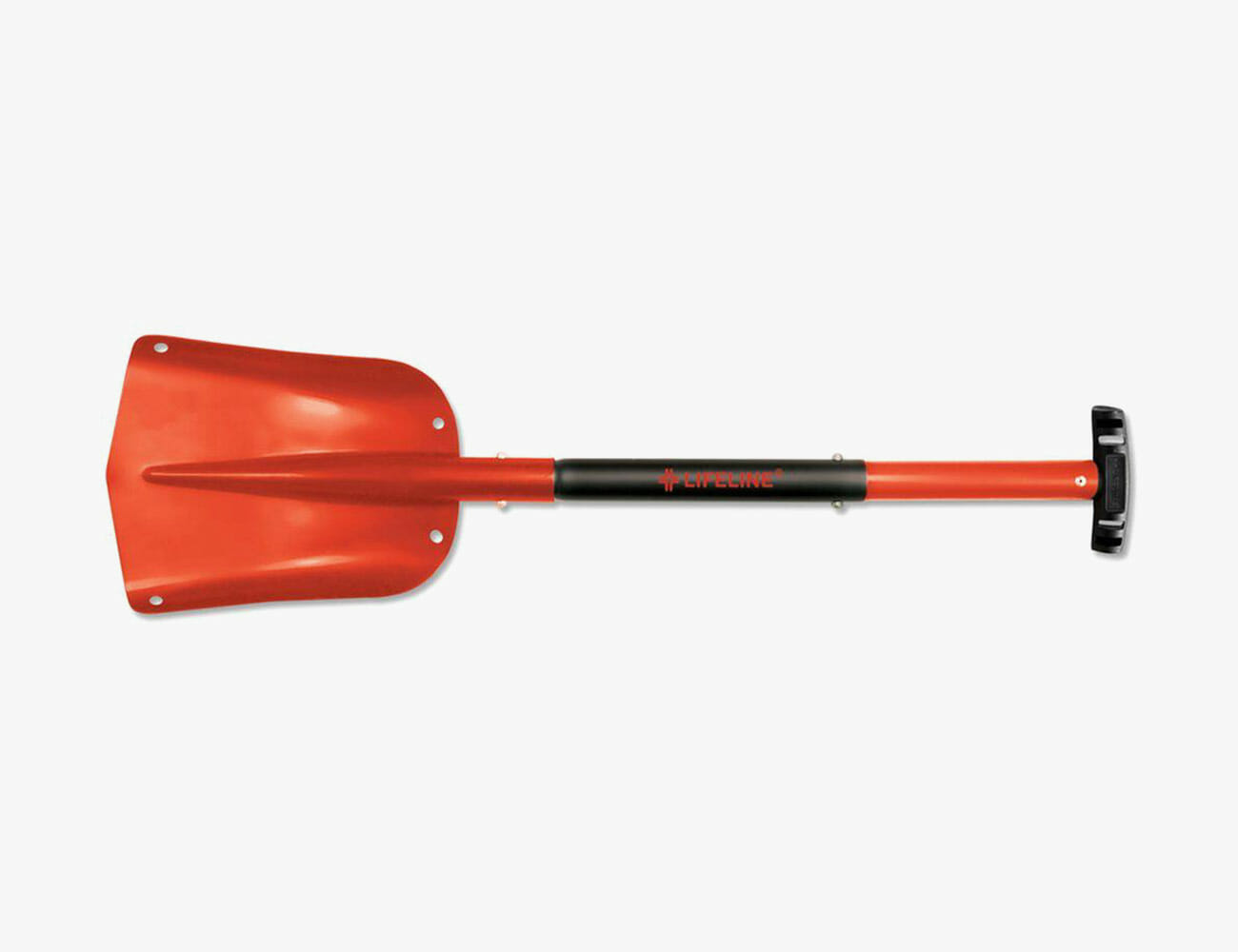
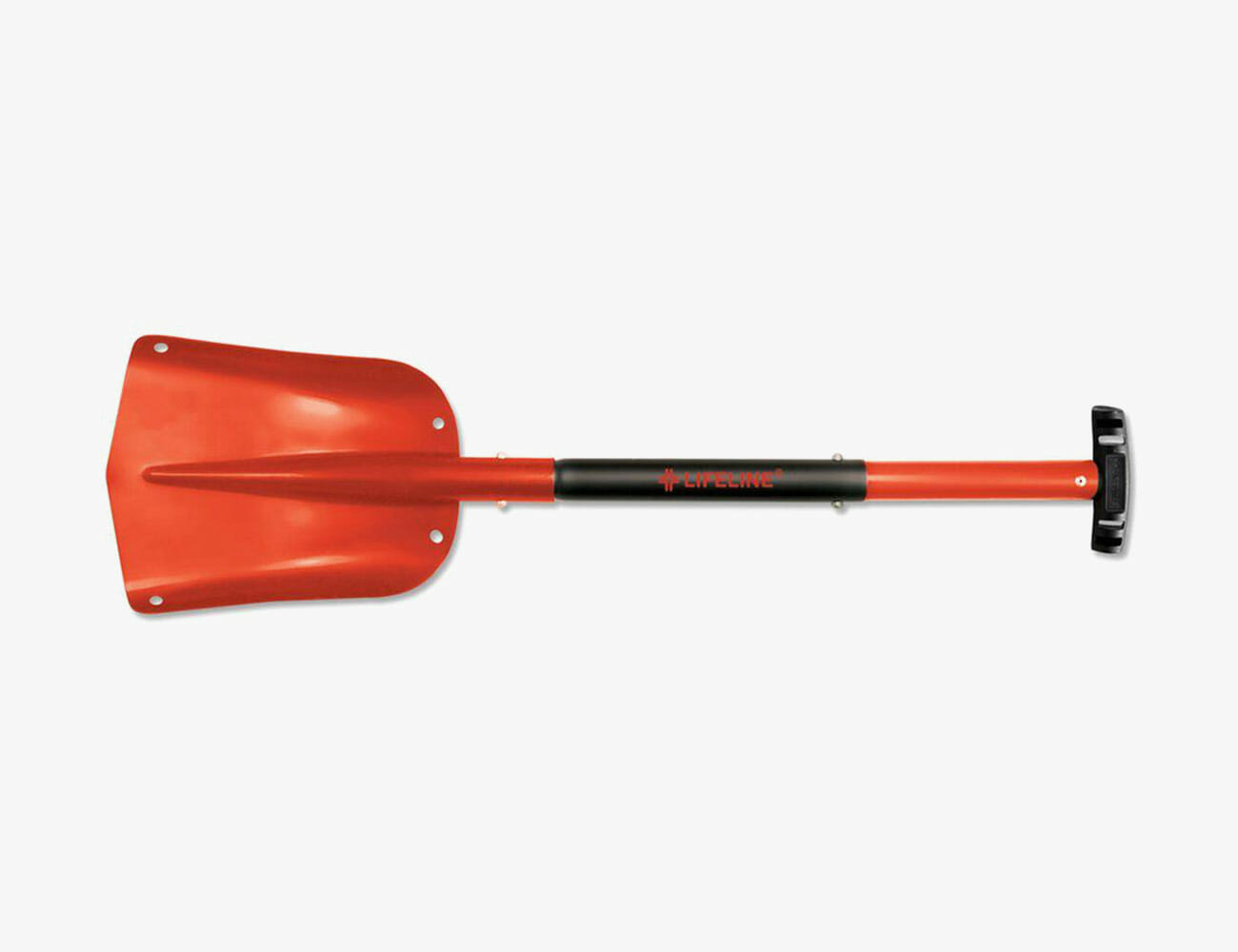
This bit of gear makes it easy to forget you’re lugging a shovel around — until that day you need it. This aluminum shovel from Lifeline weighs just 1.6 pounds. It separates into three pieces for easy storage. You can also adjust the length for better leverage.

Jackery Bolt 6000 Portable Charger

Your smartphone is your connection to the outside world in an emergency, and how you’ll keep your children entertained during better times. The pocket-sized Jackery Bolt 6000 can charge up to three devices at once, and charge an iPhone to full multiple times over. It also has a helpful built-in flashlight.

Carhartt Men’s W.B. Waterproof Breathable Insulated Glove

There are better gloves for sports and specified tasks, and there are fancy deerskin gloves for a night on the town. Carhatt’s W.B. glove is a reasonably-priced all-arounder that’s insulated and waterproof. You won’t mind keeping them in your car.

SlimK LED Emergency Road Flares

A flare gun may be overkill: you probably won’t need to signal the Coast Guard from your car. These LED road flares from SlimK are an excellent alternative. They have nine different flashing modes, up to 36 hours of battery of life, and can be viewed from up to a mile away at night.

HotHands Hand Warmer Value Pack

You need to keep your extremities warm during an emergency — or pretty much any winter event. So pick up a value pack of HotHands hand warmers and keep them in your glove box. They air activate in 15-30 minutes.

Note: Purchasing products through our links may earn us a portion of the sale, which supports our editorial team’s mission. Learn more here.

Before Winter Hits, Make Sure Your Car Has These Essential Items

As they used to say on some old TV show: winter is coming. That means it’s time to prepare your vehicle for the onslaught of cold air and frozen water that’s fast approaching. That could mean buying some high-end snow tires (indeed, it should mean that if you don’t have them already). But you should also pick up these portable, reasonably-priced pieces of gear and keep them in your car ahead of winter’s arrival, just in case. These items will let you be prepared for most cold-weather eventualities — without commandeering too much trunk space.

Grand Trunk Throw Travel Blanket

Grand Trunk’s throw travel blanket is lightweight and portable, and comes with an attached carrier bag. It features a particularly cozy foot pocket. It’s machine washable. And it may not match whatever motif your significant other has going on in the bedroom or living room, so your car is an excellent place for it.

Birdrock Home Snow Moover Small Car Brush and Ice Scraper

You can go cheap with your ice scraper and brush. You can go expensive and complicated, too. Birdrock Home offers the simple, compact, lightweight Goldilocks option: an ice scraper and brush with a foam grip and non-scratch jaws, for a little less than $20.

Streamlight ProTac 2L-X Flashlight

It’s dark a lot of the time during winter. Make yourself — and what you’re working on — more visible with the Streamlight ProTac 2L-X. It’s waterproof, made from durable anodized machined aircraft aluminum and has three different operating modes, including a strobe light for signaling for help.

Lifeline Aluminum Sport Utility Shovel

This bit of gear makes it easy to forget you’re lugging a shovel around — until that day you need it. This aluminum shovel from Lifeline weighs just 1.6 pounds. It separates into three pieces for easy storage. You can also adjust the length for better leverage.

Jackery Bolt 6000 Portable Charger

Your smartphone is your connection to the outside world in an emergency, and how you’ll keep your children entertained during better times. The pocket-sized Jackery Bolt 6000 can charge up to three devices at once, and charge an iPhone to full multiple times over. It also has a helpful built-in flashlight.

Carhartt Men’s W.B. Waterproof Breathable Insulated Glove

There are better gloves for sports and specified tasks, and there are fancy deerskin gloves for a night on the town. Carhatt’s W.B. glove is a reasonably-priced all-arounder that’s insulated and waterproof. You won’t mind keeping them in your car.

SlimK LED Emergency Road Flares

A flare gun may be overkill: you probably won’t need to signal the Coast Guard from your car. These LED road flares from SlimK are an excellent alternative. They have nine different flashing modes, up to 36 hours of battery of life, and can be viewed from up to a mile away at night.

HotHands Hand Warmer Value Pack

You need to keep your extremities warm during an emergency — or pretty much any winter event. So pick up a value pack of HotHands hand warmers and keep them in your glove box. They air activate in 15-30 minutes.

Note: Purchasing products through our links may earn us a portion of the sale, which supports our editorial team’s mission. Learn more here.

This Is Our First Real Glimpse of the All-New BMW M3

The year 2019 has been jam-packed with the debuts of some of the most hotly-anticipated new cars, trucks and SUVs in recent memory, with vehicles like the Land Rover Defender, the Porsche Taycan and the Subaru Outback popping out from under camouflage. But there’s one notable car scheduled to arrive soon that we still haven’t seen yet: the new BMW M3.

At least, we hadn’t seen it until now.

The image above — first posted to the Facebook page of Evolve Automotive, then pushed into broader circulation by the sleuths at Autocar — appears almost certainly to be a leaked image of the all-new M3’s rear end. (While it’s obviously possible it could be a well-made fake, details like the presence of the reflections and light patterns on the car lead us to believe it’s the real deal.)

As you can see, two pairs of burly exhaust pipes — seemingly real ones, not the fake type we’ve decried in the past — protrude from below the rear bumper, and are surrounded by an aggressive, body-colored rear diffuser. (Autocar points out that the actual diffuser may be a larger part that fits over the red area we see here; we’ll have to wait and see if they’re correct.) A thin black spoiler along the trunk lid looks surprisingly similar to the one found on the M3’s Italian competitor, the Alfa Romeo Giulia Quadrifoglio. Wider fender flares around the rear wheels give the hips a beefier look.

What else do we know about the new BMW M3?

The new M3 is based on the G20-generation 3 Series, which went on sale in the spring of 2019.

It’s expected to use the same twin-turbo inline-six found in the BMW X3 M and X4 M that we drove earlier this year; like those cars and the new M5 alike, it will likely arrive in both regular and Competition forms, with the former likely making around 480 horsepower and the latter breaching the 500-hp barrier.

While all-wheel-drive and a fast-shifting automatic transmission will be on tap for higher-end versions, BMW has also stated that the new M3 will come in a so-called “pure” version that offers a manual gearbox and rear-wheel-drive.

Oh, and the related M4 coupe and convertible may look…well, they may wind up looking like this. Children, avert your gaze.

The Ford Bronco Could Outdo the Wrangler at Open-Air Off-Roading, Thanks to This Cool Idea

It’s all but inevitable at this point: Ford will debut the new Bronco sometime next year. Based on reports we’ve heard and seen so far, Ford plans to compete for Jeep Wrangler buyers by outdoing the Wrangler at its own game. The latest seemingly Bronco-related Ford patent, uncovered by AllFordMustangs, is for a method to remove the a vehicle’s roll cage, which would seemingly offer an even more al fresco driving experience than the Wrangler.

The patent shows an off-road-ready SUV with B- and C-pillars that could be unbolted and removed with relative ease. Owners would then need to attach shorter replacement pillars to accommodate the three-point seatbelt.

It’s an intriguing idea, and would offer a much more traditional open-top driving experience than the Wrangler. The question is, will this patent make it to production?

For Ford to implement this feature, it would have to deliver a strategic advantage. Do customers want this? This seems like a fair amount of effort on the driver’s part to remove a small obstacle from their sightline. It’s not clear what the precise benefit is. Better aesthetics? The classic Bronco looks fine with a roll bar. If anything, the roll bar seems like something most Bronco owners would want to accessorize rather than remove.

Removing the roll bar could also be very expensive for Ford. Ignoring whether or not it’s street-legal (which it might potentially not be), ditching the roll bar would also make the Bronco more dangerous during a rollover while off-roading on private property. Sure, Ford may be be targeting the more casual portion of the Wrangler’s audience with the Bronco, so rollovers might be less likely — but being less safe is not a great look. Implementing that feature may require paying for an additional safety feature to counter it…but would that be worth even more engineering and cost?

Still, it’s all conjecture for now. We don’t yet know what features will appear on the production Bronco…though we bet easily-removable hardtops and doorless side airbags have a better shot of making it to production than detachable roll bars.

The Quick and Easy Guide to Choosing a Children’s Car Seat

One rite of passage all new parents have to undergo these days: choosing a car seat. Sometimes it’s a choice that comes when filling out a baby registry; other times, it’s a choice they make when buying one themselves. No matter how they get there, it’s likely the first time those parents have encountered car seats since they occupied one, and they might find themselves a bit confused by the changes that have hit the youth-safety world since then.

After all, safety standards are continuously evolving. Children now require multiple types of car seats as they age. There are a lot of brands, many with confusing Scandinavian- and Italian-sounding names. Price tags can be extravagant, and it can be hard to figure out what all the myriad features do.

To help clear things up, we’ve put together a quick guide to help you navigate the confusing world of child seats. One important thing to note: more expensive does not necessarily mean safer. All seats from reputable providers must meet NHTSA crash test standards. Generally speaking, the more expensive seats simply bring added ease of use and better-quality materials.

Infant Car Seat

Infant car seats are, you guessed it, for infants. They are lightweight and portable, and they face backwards when installed correctly. They tend to be used for children between 4–30 lbs. Unless you have a future NFL lineman on your hands, that seat should last through the first year.

These seats often have a base they click into, and may come with a companion stroller. They have a padded newborn insert that can be removed as the child grows.

Chicco KeyFit 30

The Chicco KeyFit 30 is easy to install, with or without its base. It works with a wide range of strollers and can be removed or tightened with one hand. The shell is lined with EPS energy-absorbing foam to protect against impacts. Crucially, it offers the same performance as some of the top brands for about $80–$100 cheaper.

Nuna Bugaboo Turtle

Another option: the Bugaboo Turtle by Nuna infant car seat. It is designed for maximum portability, with an ergonomic handle and a weight of just 8.8 pounds. There’s a removable and washable insert made from lightweight merino wool. It can be paired with the Bugaboo Fox stroller to create a complete travel system.

Convertible Car Seat

Convertible seats are adjustable for different stages of a child’s life. Most are 3-in-1 models that accommodate infants, younger toddlers who still sit facing backwards and older toddlers who face forwards. They offer a broader range of weight capacities than infant seats — typically around 5–65 pounds. They are heavier and far less portable, however; a convertible seat typically remains in the car.

Britax Advocate ClickTight

The Britax Advocate ClickTight convertible car seat has a steel frame, an impact-absorbing base and three layers of side impact-absorbing technology. It also features an anti-rebound bar that reduces the force of a crash. It offers 14 different harness positions and seven different reclining options to accommodate almost every child.

Graco Extend2Fit

For a budget option, consider the Graco Extend2Fit convertible seat. It’s easy to install with its “one-second in right LATCH” system. It’s versatile, with 10 different headrest positions, six-position reclining and a four-position extension panel that can add about five inches of legroom. It’s a single seat that can handle your kid from the hospital to preschool.

Clek Foonf Mammoth

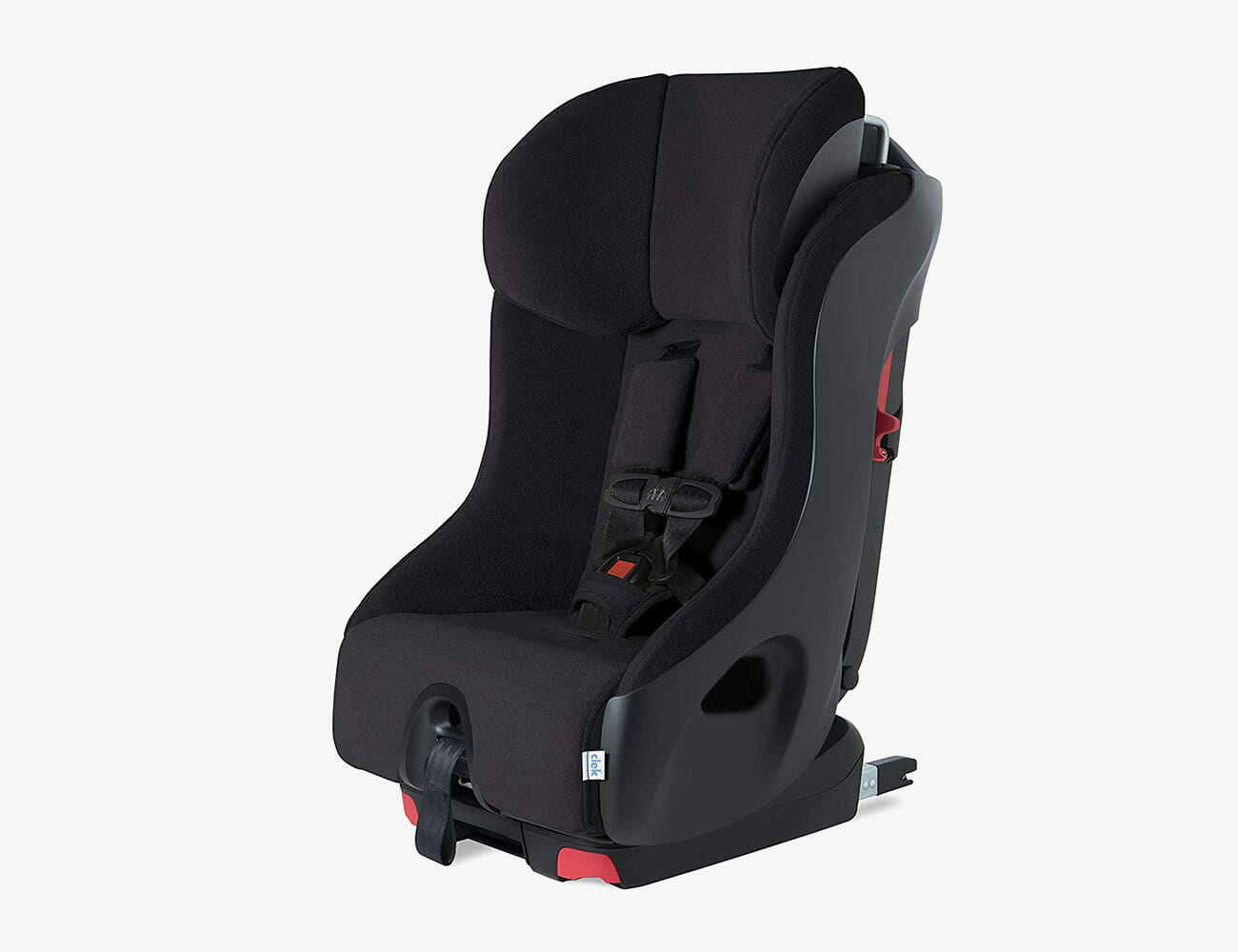
If money is no object, consider the Clek Foonf Mammoth. Besides being fun to say, the Mammoth version is flame-retardant free and uses 100 percent merino wool fabric to help your child regulate temperature during all four seasons. The 33-pound car seat describes itself as “built like a tank” with a solid metal substructure, inner and outer energy-absorbing foam layers and aluminum honeycomb crumple technology. Be advised, you will need a Clek Infant Thingy (sold separately) to use the seat for infants.

Booster Seat

Children move from a convertible seat to a booster seat when they exceed the height and/or weight restrictions of the former. It boosts the child to a position where the seatbelt lays across their chest as it would on an adult. These can be both high-back or backless. The child uses the booster seat until he or she is 4’9” tall — or until the seatbelt fits normally and their knees bend at the edge of the seat.

Chicco KidFit 2-in-1

The Chicco KidFit 2-in-1 booster seat can be used as both a high-backed or backless booster seat. It has ErgoBoost double foam padding for extra comfort. It’s also easy to clean; the fold-out cupholders are removable and dishwasher-safe, and the seat pad and armrest cushions can be removed and machine-washed.

Peg Perego Viaggio Flex 120

For a more upscale option, check out the Peg Perego Viaggio Flex 120. It can be adjusted in four different ways and offers five different recline levels for maximum comfort. It has an aluminum-reinforced backrest to protect against whiplash. When not being used, this booster seat folds in on itself for easy storage.

The 8 Best Family Cars For New Dads

grey_placeholder

Some helpful suggestions for your first “adult” vehicle. Read the Story

Note: Purchasing products through our links may earn us a portion of the sale, which supports our editorial team’s mission. Learn more here.

2020 Porsche Macan Turbo Review

Porsche have been extremely busy recently. The Taycan has been dominating the headlines and the German brands agenda and, as a result, it is not difficult to forget that the SUV market is where Porsche make most of their money. The Macan and Cayenne are more important than ever before. I drove the updated Macan and Macan S on Mallorca a few months ago and now the range topping Turbo has been treated to the same facelift. I went to South Africa to see if it was any good.

The Macan sits in purgatory, it has been updated but is still essentially a generation old compared to other models such as the Cayenne, Panamera and 992, the interior is a mix of old and new. This dominated my initial impressions, somewhat unfair seeing that I had been in the most modern and futuristic car in the world, the Taycan, just two days before. The reason for the Macan not being completely overhauled is simple. The next generation is set to be dominated by electric variants, I am promised that there will be combustion variants, but they may be market specific.

The mid-sized SUV market is one that has been evolving at an impressive rate. The Macan Turbo used to rule the roost, its success inspired the likes of Mercedes-AMG, Alfa Romeo and others to up their game. The Turbo faces competition that simply outgun the Porsche. The GLC 63 from AMG is a powerhouse and the Stelvio Quadrifoglio is a magnificent car to push through twisty roads. BMW’s X3 M is a recent addition to the list of rivals.

With such illustrious competition, the Macan must shine, it does, but it is not the fastest and arguably no longer the most desirable car in the class. That being said, it is still mighty fine in a number of respects. The steering feel is magnificent, the same can be said for the braking feedback, but only after you adapt to the unbelievably sensitive pedal (potentially better without the optional carbon ceramics on my test car). The good old 3.6-litre V6 is out, replaced by the 2.9 V6 twin-turbo (hot V) that you’ll find in the Audi RS5 as well as the Cayenne and Panamera. In the Macan it packs 434bhp, 39 more than in the Macan Turbo it replaces. Maximum torque of 406lb ft is developed between 1800 and 5600rpm via a seven-speed PDK transmission. This means, with Sport Chrono equipped, 0-100km/h is done in 4.3-seconds. Not bad considering this is a near 2 tonne car (1945kgs).

The new engine is not as impressive, the accompanying soundtrack leaves much to be desired and the gearing is far too long. Fortunately the chassis is a highlight worth shouting about, typical Porsche. The car handles in a way that a two tonne SUV simply should not be able to. Over rough South African roads it is pliant, even on 21-inch wheels, and remains impressive as you start to push on harder, this comes courtesy of the optional air suspension. It begins to trip over itself under braking where the mass has nowhere to try and disguise itself, even with the dampers in their sportiest mode. Push harder still into bends and it will understeer. Traction is supreme but it is led by the front wheels. There is no oversteery tomfoolery that you could provoke in the aforementioned rivals despite Porsche Torque Vectoring Plus doing its thing via the rear diff.

The Macan Turbo is a car that represents itself as a well balanced, competent and attractive car to own. It is a car that will never let you or the family down as a city city car or a highway cruiser. There is enough power and poise to meet your daily needs and it will still put a smile on your face when you find yourself on your favourite road when you left the 911 at home. It is a fabulous all-rounder. It is the sensible choice, if you want something a little more spicy turn to AMG, if you want something to set your pants on fire, it has to be the Quadrifoglio.

GTSPIRIT NEWSLETTER

This High-Tech, Off-Road Camper Van Is the Future of #VanLife

While #vanlife may have once been the domain of old VWs and off-road-modified Econolines, it’s about to get a serious high-tech upgrade. German motorhome manufacturer Hymer has partnered with chemical giant BASF on the VisionVenture campervan to give us a window into what the near future of camper vans will likely look like. The concept incorporates 20 high-performance plastics, 100 3D-printed components, and a new type of reflective paint to present a “near-production glimpse into the future of van life.”

That glimpse of the future includes an awesome panoramic, yacht-like deck in the rear of the vehicle. It also involves quite a bit of cool new technology and innovative material. The VisionVenture employs so-called “Chromacool” paint that reflects infrared light, reducing heat on the surface of the vehicle — and consequently in the cabin, by as much as seven degrees Fahrenheit. That paint minimizes the strain on the air conditioning, permitting heat-conscious van buyers to expand their color palettes beyond “white” and “very nearly white.”

Another key feature is the self-inflating pop-top roof that rises in less than a minute. An Elastollan coating provides the top with added water and wind resistance. The air in the inflatable walls serves as additional insulation, as well.

The high-tech construction also allow for some interesting use of materials. BASF’s Veneto Slate, used as the walls in what’s delicately described as the “wellness area,” is a flexible material with a thin, lightweight natural slate surface. The camper van also uses a mixture of plastic and hemp fibers as a lightweight alternative to wood for cabinet doors and kitchen fronts.

Sadly, don’t expect this precise van to hit the streets anytime soon — or down the road. “Near-production” more likely means Hymer will incorporate some of these VisionVenture features on its campers and motorhomes, rather than crank out this exact model. In the meantime, however, you can check out the in-production present of #vanlife with this Sportsmobile 4×4 overlanding beast, or this forbidden fruit Westfalia model.

2020 Ford Mustang EcoBoost HPP Review: The Boost Is Loose

The total package is remarkable. It starts with the aforementioned 2.3-liter Focus RS engine, modified with a larger turbocharger and larger radiator and running at 22 pounds of boost. 90 percent of peak torque is founded between 2,500 and 5,300 rpm, a range 40 percent wider than a base Mustang EcoBoost engine. The car pulls hard, revs climb all day, yet it’s not brash; it’s all usable power. And it’s very well-mated to the chassis; it feels genuinely more nimble than the Mustang GT. Having a four-banger under the hood saves some weight up front as well, allowing for an oh-so-nicely-balanced weight distribution of 53/47.

The car’s balanced proportions can be complemented via two options; to see what’s what, Ford had journalists hit up California’s undulating Highway 1 just north of the Golden Gate Bridge to test themselves. Option number one, the High Performance Pack, adds performance tires, brakes, and chassis and aero bits from the Mustang GT Performance Package to the EcoBoost. You can up the experience by opting for the Handling Pack on top of that, and you should: it’s transformative. You could never DIY-upgrade your car to the extent of what this $1,995 option brings to the table: magnetic ride dampers, a limited-slip differential, 19×9.5-inch Pirelli P Zero Corsa4 summer tires, a thicker rear swaybar and a pair of grippy Recaro seats.

All of these components effectively shrink the Mustang: the package urges you to carve through abrupt off-camber canyon turns, tap the brakes, then accelerate out with more confidence than you would in plenty of other cars, ones with more power and less attention to handling detail.

This Mustang is loud, too. Rev the motor to the max (in Sport+ mode, of course) then upshift, and you’ll get exhaust pops loud enough to trigger janky car alarms. Bopping around town, the rev-matching 10-speed automatic is a little jerky, but some time with the car ought to help drivers learn its quirks and adapt. (Still, we suggest the six-speed manual.)

While you can’t hear much of the turbo hiss inside the cabin, it is audible from the street — or inside with the windows down. Speaking of inside, the car’s interior is pretty basic; that said, you can option it up with items like a digital instrument panel, extended leather and color-matched dashboard stitching.

Every car picks up a gimmicky (albeit thoughtful) dashboard plaque with a unique chassis number plate. And aside from two conservative “High Performance 2.3L” badges mounted to the quarter panels, there’s not a whole lot to commemorate what might only be a 10,000 unit run. Perhaps they should have made the Handling Pack standard, gone all-in with this as a special model, and dubbed it an SVO for nostalgia’s sake

Verdict:With so many choices on the entry-level sports car field, the HPP with Handling Pack is a dark horse candidate — but one that can run with the best of ‘em.

2020 Ford Mustang EcoBoost HPP: Key Specs

Powertrain: 2.3-liter turbocharged inline-four; six-speed manual or 10-speed automatic; rear wheel drive
Horsepower: 332
Torque: 350 lf-ft
EPA Fuel Economy: 20 mpg city, 27 mpg highway
Curb Weight: 3,632 lbs

Ford hosted us and provided this product for review.

Read More Gear Patrol Reviews

Hot takes and in-depth reviews on noteworthy, relevant and interesting products. Read the Story
Note: Purchasing products through our links may earn us a portion of the sale, which supports our editorial team’s mission. Learn more here.

BMW Introduces 2 Series Gran Coupe for 2020

First off, the 2020 BMW 2 Series Gran Coupe is not a coupe, it’s a four-door. Rivaling Mercedes’ A Class & Audi’s A3, it’s a solid choice in the entry-level luxury category. Larger than Beemer’s other 2 series cars and smaller than the 3 series, the Gran Coupe’s defining feature is its sloping, fastback-ish rear profile.  Available with several options for performance/power, it is every bit the refined, modern BMW inside & out.

Volvo Rolls Out Its First All-Electric: The XC40 Recharge

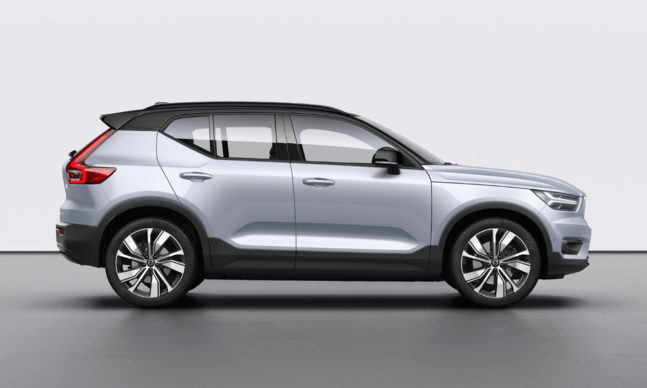
With the ambitious goal of producing only electric vehicles by 2025, Swedish automaker Volvo has just unveiled its first-ever all-electric, the XC40 Recharge SUV. Based on the existing XC40 platform, it is powered by a 78-kWh battery and a pair of electric motors, to produce an impressive 402 HP and 487 lb. ft. of torque, with a range of 200-250 miles. Volvo is also giving Recharge buyers a year of free charging.

2015 Lamborghini Huracan is getting twin-turbo Chevy power for SEMA

Lamborghini purists avert your eyes, we have yet another LS swap on our hands. The crew behind the YouTube channel B is for Build is bringing a 2015 Lamborghini Huracan to the 2019 SEMA show. But it’s not just a case of someone doing an LS swap to troll the world, nor is it just a basic LS.

According to a press release from turbocharger manufacturer Garrett, which will host the Chevy-powered Lambo, the car was an engine-less wreck having been in a fire. So B is for Build team is rescuing a Lamborghini that would have otherwise been scrapped, not tearing apart an otherwise fine car. The engine that’s going in isn’t just a junkyard LS V8, either. It’s a 7.0-liter example from a company called Texas Speed.

[embedded content]

The team is also adding a pair of turbochargers, and according to the YouTube channel, it should make 1,500 horsepower at the wheels. That’s in Koenigsegg and Bugatti territory. Making it all the sweeter is the fact the engine will be bolted up to a six-speed manual transmission, which came from an Audi R8. It looks like they’ll even retain the sweet gated shifter the R8 had.

You can check out how the build is going at the B is for Build YouTube channel. We’ve also embedded the latest video in which they start this twin-turbo monster for the first time. Jump to 10:54 to get straight into the successful start-ups.

2019 Aston Martin designed by Daniel Craig is this year’s Neiman Marcus car

The Neiman Marcus holdiay gift catalog is known for its extravagant offerings that sometimes involve cars. One year there were gold-painted Infiniti Q60 coupes, and another year there weren’t high-powered Mustang convertibles, which ended up at a Michigan Ford dealer. This year, Neiman Marcus is offering some special James Bond-themed 2019 Aston Martin DBS Superleggera supercars.

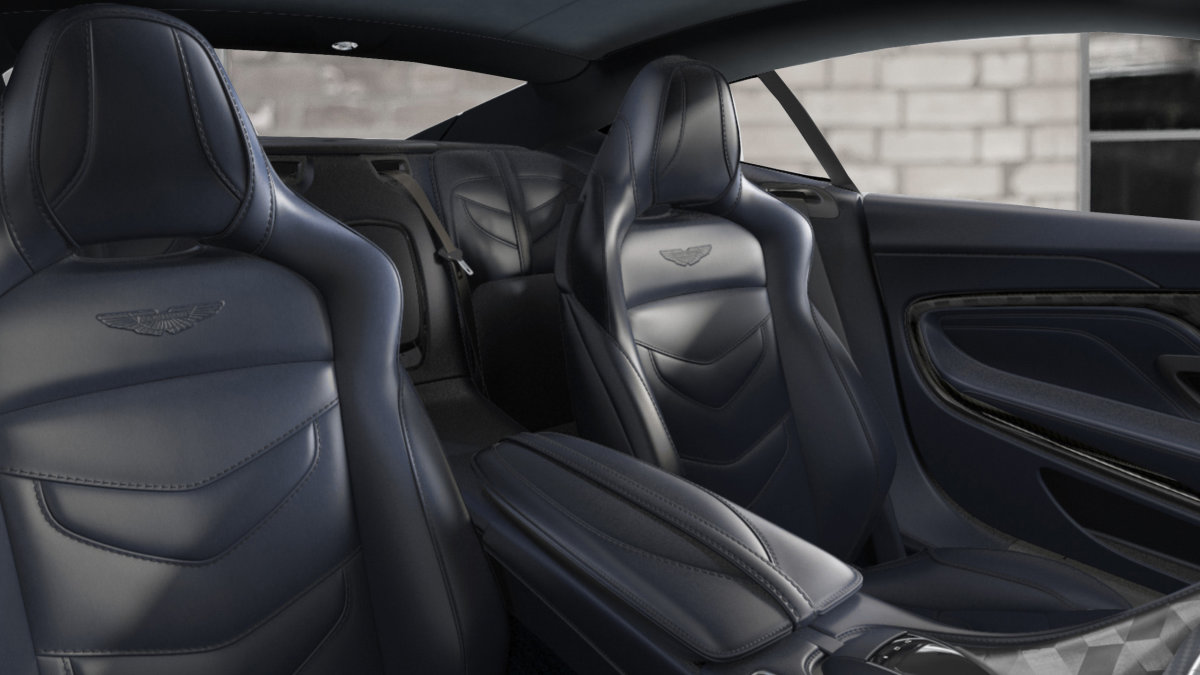
Only seven will be built, and they’re all done to the specifications set by current 007 actor Daniel Craig. They’re quite attractive and subtle, with a gray-blue paint and matching leather interior. Nothing changes on the performance front, but we doubt anyone will be disappointed by the 715 horsepower and 664 pound-feet of torque produced by the standard twin-turbo 5.2-liter V12.

With each car, Neiman Marcus will include a special Omega Seamaster Diver 300M watch, with dials that have the trademark 007 gun barrel rifling design. And of course, only seven of these watches are being made. Buyers of the Aston and its watch will also get tickets to the world premiere of the latest Bond film, “No Time to Die.” Also, 12% of the purchase price will go to Opportunity Network, a charitable organization that helps minority and low-income students get into and through college.

All of this can be yours for the also-Bond-themed price of $700,007. That’s more than twice the $304,995 base price of a normal Superleggera. Such is the cost of exclusivity.

Lunaz Design Electric Classic Cars

Purists might consider electrifying automotive legends just plain wrong, but Lunaz Design is taking the glorious automotive past and infusing them with zero-emissions powertrains that extend the lives of these special cars. The company takes…

Porsche Taycan Turbo S Review

This is a big deal and perhaps the most significant car I have ever written about in my short, prepubescent life as an editor writing about cars. I am also a sceptic of electric cars, I am just not a fan, this is a chance for Porsche to change my views. Some 350 journalists have been driving the Taycan before me, specifically the Turbo and Turbo S models, on a mega road trip starting in Oslo. Nineteen days later, the convoy would reach the spiritual home of Porsche, Stuttgart and I had the honour of driving the final leg of the journey from Berlin.

Stepping into the Taycan is quite an overwhelming experience for me. Knowing that I would be able to finally drive a car I have sat in on multiple occasions before and even been a passenger in when in pre production form, it was my time to drive one of the most eagerly anticipated and important cars in a decade.

When I jump behind the wheel the first thought is that there is a wall of screens to comprehend. There are a lot of screens, four in this car (including optional passenger screen). That being said, it all is very clear and logical, futuristic but still familiar in a typical Porsche way. If you have not previously sat in a Taycan you may need a second to: a) know whether or not is is on, b) find the gear selector (it is hidden to the right of the wheel like it was in a 918 Spyder).

Orientation completed, what is it like to drive? Crawling around the congested streets of Berlin in a Taycan is a quiet and tranquil experience. Then you find yourself in the left turning lane but you need to take a right. Sport Plus engaged…red, red, red. GREEN. I am pinned to the seat and crossing four lanes and feeling like a naughty school child. The feeling of speed is intensified by the synthesised spaceship noise the accompanies the neck snapping acceleration, the noise can be turned on or off at the touch of a button. So it goes like a Porsche, a very fast one at that. The Taycan Turbo S will do 0-100 in a blistering 2.8 seconds, that GT2 RS quick, in a family saloon that will fit four adults and has two boots. As I am sure you would have seen, the Taycan Turbo S recently set the fastest Nurburgring lap time for a four door EV with a sterling time of 7min42, a time that was seemingly set on very ordinary tires, bring out the Cup 2 Rs and watch Tesla cry.

Out onto the country roads of rural Germany the Taycan can stretch its legs, and boy, it has legs. The acceleration from standstill is potent, instant and and honestly, takes your breath away. When you’re up to speed you can focus on placing the car fabulously using the brilliant steering, typical Porsche. Thread it through a corner and the acceleration out of the bend dominates again. Into the next one and it dawns upon me that I am chucking a 2.4 tonne car through the corners like a car that weighs a tonne less. The weight is all down in the floor, the Taycan has a lower centre of a 911 and it shows. There is little to no body roll, there is supreme control and composure. The only time the illusion wears thin is under heavy braking, you can’t cheat physics forever. It stops well and hard using the giant carbon ceramics, but the inertia can be felt.

So it is a revelation for electric cars in the way it drives, it has a futuristic interior and it looks the part. The car is fabulous, but then we come to the other side of the coin: the infrastructure.

When setting off from the start line in Berlin the navigation was set and the car displayed an estimated battery change percentage upon arrival. It read 12% to the lunch stop where the car would be charged at one of the Ionity 800watt chargers. 12% is a reasonable level and my passengers and I felt confident that we could arrive without giving the range much thought. Remember that quick lane change in the city that I mentioned earlier?

That switch into Sport Plus and the pedal to the metal acceleration cost 1% of that 12% estimate. A few amusing accelerations from standstill to the speed limit cost a further 5%. A short 3km autobahn blast to the vmax of 260km/h and the estimated battery upon arrival is at 1%. With more than 100kms to go, the famed range anxiety set in. I shift into Range mode to try and earn back some precious power. This is where things get a little dull, there are some stunning roads coming up, but I cannot push or my passengers and I will be stranded on the side of the street playing I Spy.

Some careful driving and arduous steady kilometres later we are close to the destination with around 4% charge remaining. Into sport plus I hope to make the most of the remaining power, only to find the car is warning me to preserve the remaining charge and it has limited the max speed. Killjoy.

Throw in a short unexpected detour, such as dropping a friend to a train station a few kms off the route and you will not make it to your final destination without having to visit another charger on the way, make sure it supports 800watts or you’ll be sat around for far too long staring at the percentage of charge in a service station memorising the Burger King menu.

The Taycan is a fabulous machine, one that has, without a doubt, changed perceptions and the expectations of electric cars. I cannot help but question how the concept of electric cars can be considered feasible in a world where the infrastructure is not yet ready to alleviate the woes of range anxiety. We are so accustomed to the convenience of having endless access to petrol stations where we can brim our tanks with fossil juice in seconds. Until we can charge our batteries in less than the time it takes to do a shot of espresso and chomp down a Snickers bar, there will always be sceptics of the need to build in 20-30 minute stops to recharge a battery. For day-to-day short commutes in congested towns and cities like London, the efforts of the BMW i3s or Renault Zoe are far more compelling. A week of commuting can be completed on a single charge overnight on the weekend, a real alternative to combustion motoring. Why claim that electricity is ready to replace fossil fuels in all scenarios?

GTSPIRIT NEWSLETTER

No Car Sparks Joy Like the Lamborghini Aventador SVJ

One of the principal tenants of Gear Patrol is that the right product can serve and enrich people’s lives. But to do that, you have to find the right product for the task — or the right task for the product.

I bring this up because the Lamborghini Aventador SVJ is, admittedly, very rarely going to be the ideal product for whatever the task at hand. It’s a car that costs as much as a mansion. It’s so wide that parking feels dangerous — those scissor doors aren’t for show, they’re so you don’t ding adjacent vehicles half a block away — yet the interior is as cramped as the cockpit of the fighter jets it looks like it wants to be. It rides low enough that it’ll scrape over rocks the size of squirrel boogers. Its mighty V12 vents heat as prolifically and consistently as Old Faithful, blurring what little backwards visibility you have in a haze.

The list of tasks and people for whom the Aventador SVJ is the perfect product for the job is, as a result, fairly short. If you’re looking to lap the famous 12.9-mile German racetrack called the Nurburgring Nordschleife faster than any other production car, it’s the right machine for the task. If you’re a billionaire Gotham City crimefighter looking for a car to bridge the gap between his diurnal and nocturnal rides, you couldn’t do better.

And, as it turns, it’s the perfect car to surprise someone with a birthday ride.

My mother, who lives in Vermont, insists upon but one gift for her birthday every year: for me to visit and take her out to dinner at her favorite restaurant in a surprise cool car. With each passing year, however, she’s insisted upon something more exciting than the year before; given that 2016’s visit involved a BMW Z4, 2017’s pop-in came in a Chevy Corvette Grand Sport and 2018’s birthday revolved around a Mercedes-AMG GT C, this year requires something in the supercar category in order to raise the bar yet again. Hence: this half-million-dollar-plus Lamborghini.

The fact that this gives me an opportunity to cane a 759-horsepower supercar on some of New York and Vermont’s most bucolic roads? Totally a coincidence.

Getting to those roads, however, involves bobbing, weaving, and crawling along the worst of New York City’s streets. The Lambo isn’t happy in the city; driving it along the avenues and side streets feels like walking a tiger on a leash. Every pothole sends a crash through the carbon-fiber body, in spite of the best efforts of the magnetorheological dampers. Those brass-colored rims wear just enough tire to grip the road; any additional sidewall would hurt the handling, which means there’s almost none to soak up any imperfections in the city’s very imperfect pavement. Traffic, thankfully, gives it a wide berth, no doubt scared off by the feral face, Grigio Telesto paint job and the spoiler large enough to be pulled off a Boeing.

Once out of the city, the Raging Bull starts to come into its own. The Taconic Parkway that winds north from the Bronx to the edge of Albany is so narrow, the Lamborghini’s 83 inches of width seems to suck up every micron of the lane — which is particularly jarring when there’s a rock wall on one side of you and a Chevy Suburban on the other. Still, if you can’t move from side to side, you can always move forwards or back. The brakes take a little getting used to, thanks to a dash of softness at the top of the travel, but once they bite, they do it like a great white shark; this Lamborghini will stop from 60 miles per hour in less than 100 feet, which means bopping back to find a gap is breathtakingly easy.

Or, of course, you could try and pass that annoying car alongside you. Well, not try; you can pass that car alongside you, pretty much no matter what it is or how fast it’s going. Snap the long paddle protruding to the left of the steering wheel once or twice to drop the seven-speed gearbox down a cog or two to put the 6.5-liter engine into the sweet spot of its power band, and the gas pedal becomes the trigger on a catapult, launching you forward with what feels like the sort of force usually reserved for NASA employees and Navy pilots. But while you come for the thrust, you stay for the sound: the scream flowing from those 12 cylinders as they pump faster and faster qualifies as a religious experience for gearheads.

As the miles go on, the Lambo’s secrets start to reveal themselves. The drive mode selector is best toggled to the ever-so-appropriate Ego mode, which lets you personalize the suspension, engine and steering setting: Corsa (the raciest) is best for the steering, as it locks the rack’s ratio (it’s variable in the other modes); Strada (the most relaxed) is ideal for the suspension, as you’ll want every dram of compliance you can steal here; and Sport (the intermediate) is best for the throttle, because it frees up the throttle and exhaust without being quite as grating as angry Corsa. The cabin — which seemed surprisingly accommodating for my six-foot-four-inch frame at first — proves too cramped for more than a couple hours of seat time without stopping to stretch; I climb out limping more than once, my legs cramping up from the seat bolsters pushing incessantly into my thighs.

Above all else, though, every quiet country bend and empty rural route reveals how stunningly, stupefyingly delightful this Lambo is to drive. The SVJ is the second car to benefit from Lamborghini’s miraculous air-vectoring “Aerodinamica Lamborghini Attiva” system, which shunts the air rushing past about to adjust the car’s aerodynamics. It even helps the car turn faster, blocking airflow on one side or another in a manner not unlike dragging a kayak’s paddle in the water helps it turn. A display on the instrument panel lets you see when it’s working…though at the speeds where it works, you probably ought to be staring at the road.

What matters is that it gives this massive car the sort of agility you wouldn’t normally associate with something of its size. Combined with the razor-sharp steering rack and the rear-wheel steering, the SVJ feels nimble as a new Supra when you push it.

And while the car’s speed is apparent even on fast-moving highways, it’s only once you find a clear stretch of road that you can really experience it. The naturally-aspirated V12 pulls hard no matter what speed it’s turning at, with the power rising and rising all the way to its 8,500 rpm peak — just 200 rpm shy of redline. You barely touch those last thousand rpm in the real world; partly because the engine spins up so fast that you don’t want to slap against the rev limiter, but more because, well, you never need that last burst. It’s just so damn fast.

The end result is a car that feels like it could beat anything on a winding road. An old ad for the Ford GT comes to mind: In what gear do you know that nothing can catch you? It’s not hard to see how this Lambo could beat all production car comers at the Nurburgring; that track is effectively the ultimate winding road, one that just happens to be behind some tall fencing.

Would I buy it, if I had the $518K-plus needed to park this wild machine in my garage? I never would have thought so before this, but yeah. In part, because it is as capable as those looks lead you to believe; it can cash the checks its design writes. But more because, well…it’s just plain fun.

Not just in the traditional sense espoused by the likes of your Miatas and M3s, although there’s more of that than you’d expect. Not just because you drive it knowing it may well be the last of the cruel old Lamborghinis, the final installment in a raw, guttural line stretching back to that first obscene Countach of nearly 50 years ago. The Aventador’s replacement, should there be one — hardly a given — will, at the very least, presumably have its V12 fury tempered by hybrid technology and a dual-clutch transmission, if not see that 12-cylinder engine swapped for one with eight or 10 pistons like the sorts found in the Urus and Huracan.

But the most entertaining part of the Aventador SVJ isn’t how much fun it is to manhandle down a winding road or crack through traffic. It’s the reactions you get from everyone else around you. To borrow a pop culture reference from a little while back, it Marie Kondo-es the road: the Aventador SVJ sparks joy wherever it goes. Nothing makes people stop and stare like a Lamborghini. That’s doubly true for a scissor-winged V12 bull like the Aventador, and triply true for this bewinged badass. It’s like the SVJ taps into some primal genetic memory of what a sports car is. Stop for gas (a frequent occurrence), and people wander over to ask questions. Passengers (and occasionally drivers) of other cars whip out phones to take pictures as you flash by. Crowds spontaneously form around it wherever it’s parked. I chase a motorcyclist down a back road for a few miles; when he turns off ahead of me at the end of it, he throws his fist in the air like Judd Nelson at the end of The Breakfast Club. 

At the end of the journey, I pull up in front of my mother, and she starts laughing uncontrollably, as though she’s doing an impromptu Joker impression.

“Okay, this is pretty cool,” she says as she drops into the passenger’s seat. She drops an expletive or two in there, as well.

So how am I going to top this with an even faster, wilder car? Thankfully, I don’t need to. Mom says she wants to go off-roading in a Jeep Gladiator next year.

2019 Lamborghini Aventador SVJ: Key Specs

Base Price (Price as Tested): $517,770 ($583,470)
Powertrain: 6.5-liter V12; seven-speed sequential manual gearbox; all-wheel-drive
Horsepower: 759
Torque: 531 lb-ft
0-60 MPH: 2.5 seconds (Motor Trend testing)
Top Speed: The scary side of 217 mph

Lamborghini provided this product for review.

Read More Gear Patrol Reviews

Hot takes and in-depth reviews on noteworthy, relevant and interesting products. Read the Story
Note: Purchasing products through our links may earn us a portion of the sale, which supports our editorial team’s mission. Learn more here.

Lamborghini has built more Huracans in 5 years than it did Gallardos in 10

Production numbers can be pointless without some sort of context that validates the information. For instance, 14,022 cars built in five years sounds like nothing, but when it’s added that those 14,022 units are Lamborghini Huracans, it’s more impressive. That specific number is significant because it matches the number of Lamborghini Gallardos produced during its 10-year run, even though the Huracan has only existed for 5 years.

Lamborghini has been doing extremely well as of late. Year-over-year sales rose for the eighth consecutive year in 2018, and the Urus SUV is bringing in gobs of new customers. Reportedly, the company might even cap its production for 2020 at 8,000 units in order to maintain a certain level of exclusivity. At the core of the company’s identity is the V10-powered Huracan. In the first half of 2019, the Huracan accounted for roughly 26 percent of the 4,553 cars sold, a number that represents a 96-percent increase compared to the same time period in 2018.

Since it first debuted as a coupe for 2014, the Huracan line has expanded quite a bit with numerous different styles and performance levels. There’s the rear-wheel drive model, the Performante, the EVO, and Spyder variants. The 14,022nd car built is a Huracan EVO coupe wearing a Grigio Titans paint scheme, and it’s headed to a customer in Korea.

There’s no reason to believe Lamborghini demand will slow. The Urus has quickly become a cash-cow in a crossover-hungry market, and the possibility of an electric 2+2 as a fourth model could boost the brand even more.