All posts in “Cars”

Aspark Owl: World’s Quickest Electric Hypercar Wows in Dubai

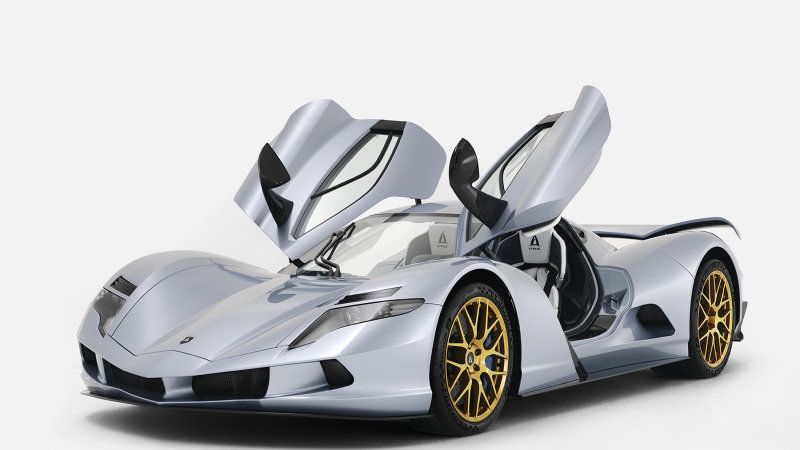
Aspark, a Japanese hypercar upstart, used the Dubai Motor Show last week to launch its almost production ready electric hypercar. The company has been developing the Aspark Owl for some time now. It first emerged in concept form at the Frankfurt Auto Show 2017. Since then, Aspark have been working to develop the technology that sits at its core.

Design

Aspark Owl Side

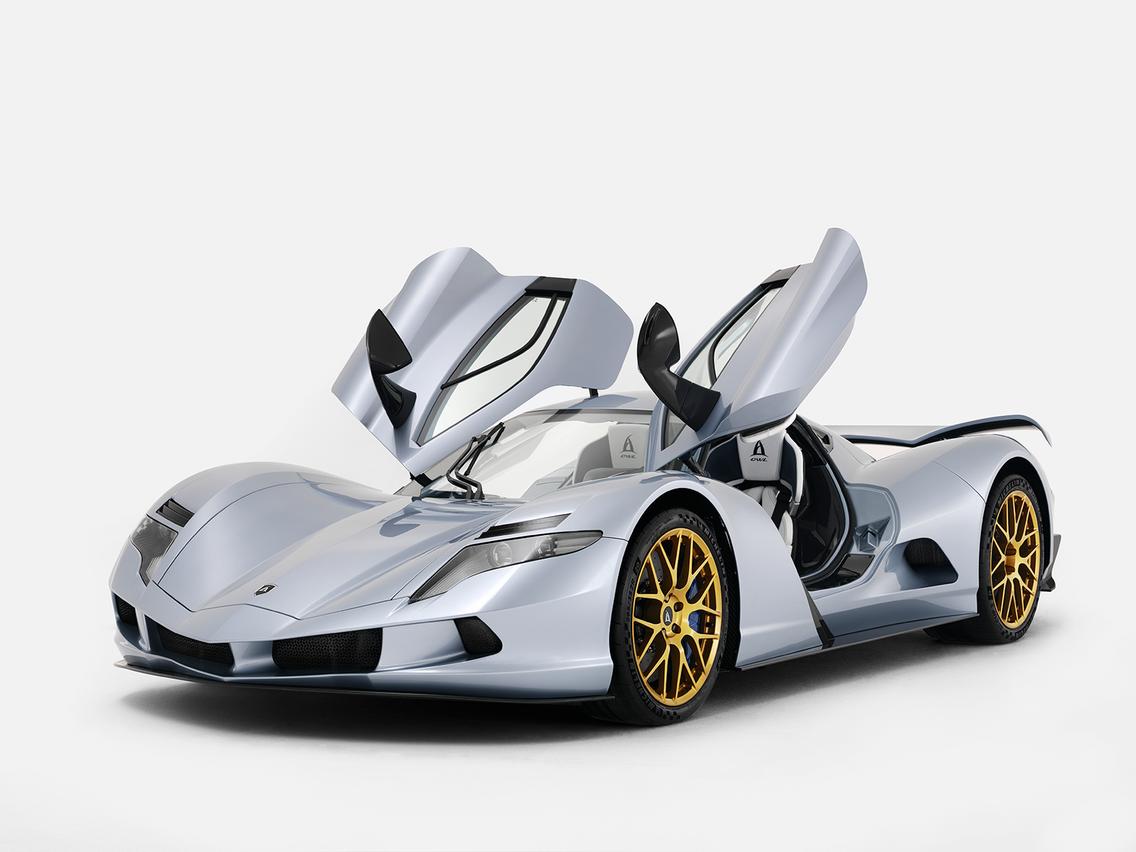
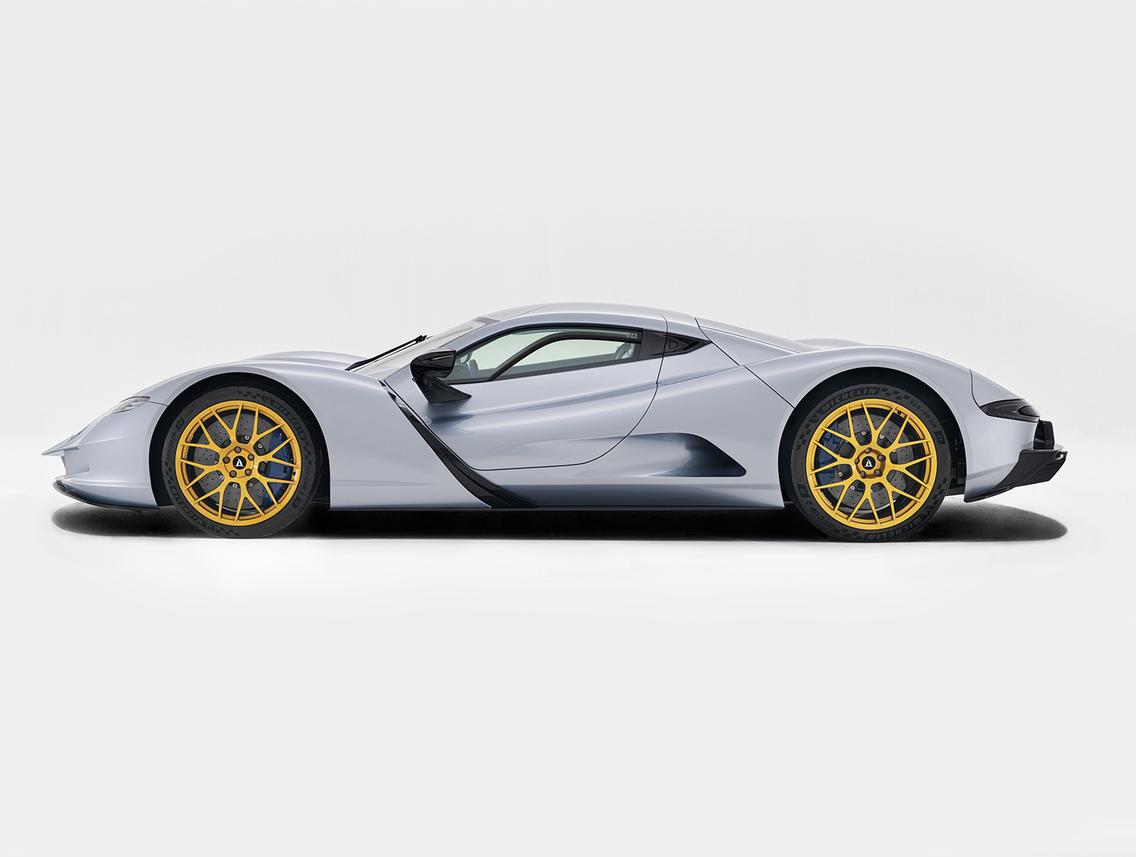
The Aspark Owl is typically hypercar in its proportions. Long, low and sleek is the formula. For the production version, the external mirrors have been added which incorporate cameras. The side glass shape has also been refined.

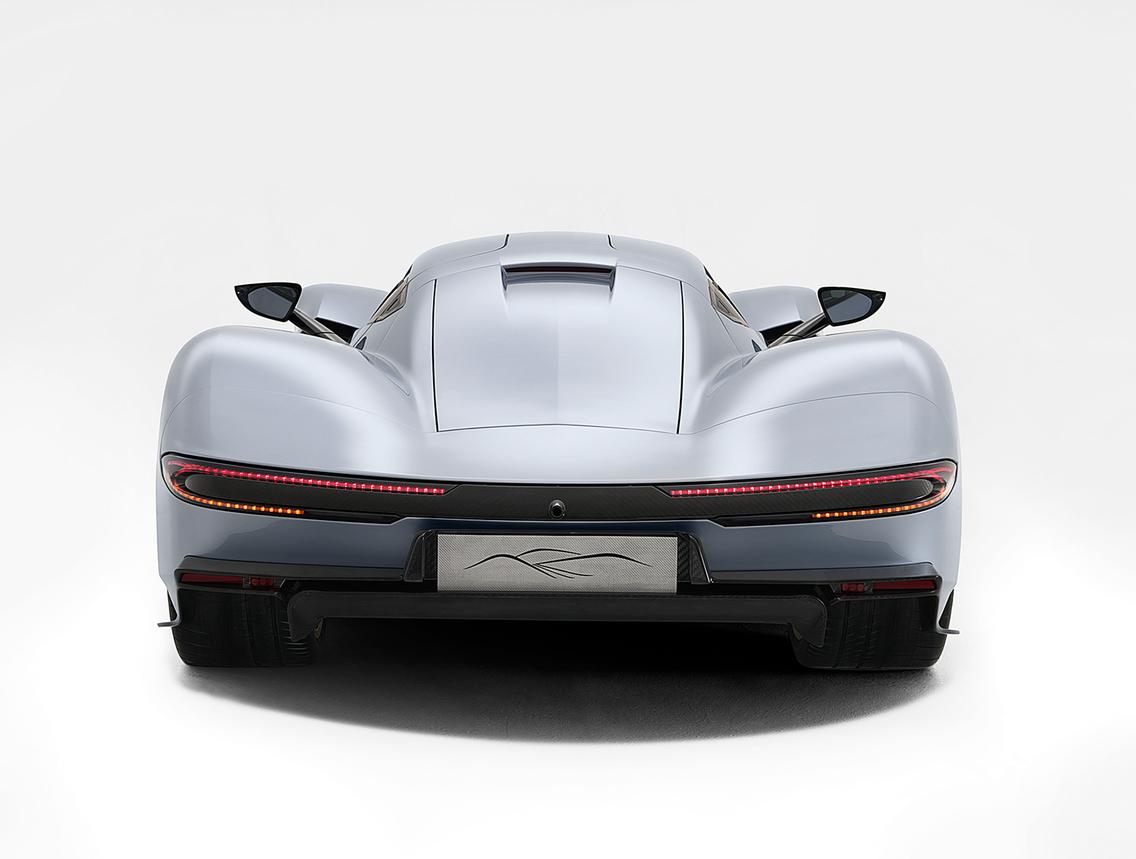
At the rear, the active rear wing deploys automatically at speeds of 150 km/h to increase high speed stability. It retracts once speed is reduced below 100 km/h. The doors are dramatic “falcon” style with the Owl left-hand-drive only.

The Owl sits on a one-piece carbon monocoque constructed from CFRP. It weighs just 120 kg thanks to honeycomb design. The bodywork is also CFRP and adds just 180 kg. It is strengthened by stainless steel frames under the roof. The battery pack is mounted centrally.

Power

Aspark Owl Electric

The Aspark Owl aims to be the most powerful electric car. The system uses four electronic motors with a total system output of 2,012 hp. Torque is quoted at 2,000 Nm, making the Owl three times more powerful than a Formula E car.

The 64 kWh lithium ion battery can be charged in 80 minutes through a 44 kW system. Increases in charging capability are expected in 2020. Range is 450 km which seems respectable for a ballistic hypercar!

The chassis uses a hydraullic double wishbone system with automatic ride height adjustment between 80 and 160 mm. Braking is handled through 10 pistons at the front and 4 pistons at the rear. Both clamp on to ceramic discs.

The power allows from some pretty incredible statistics. 0 to 60 mph takes just 1.69 seconds, 300 km/h arrives in 10.6 seconds. Aspark reckon that the Owl should hit 400 km/h too. The Aspark Owl weighs just 1,900 kg which is commendable for a fully electric car.

Interior

Aspark Owl Front Side

Space appears to be the Aspark’s achilles heel. Aspark quote just 50 litres of luggage space which means customers will have to pack light. It does come equipped with all of the mod cons though.

Aspark offer a rear camera system, USB connections, an MMI system and four interior display screend. There is an ambient lighting system and switches have been fitted to the ceiling as a unique feature.

Availability

Aspark Owl Rear

The Aspark Owl is now production ready. Aspark plan to deliver the first customer cars during the second quarter of 2020. The Owl will get a limited production run of 50 cars, each one different from the last.

Production will take place in Turin, Italy at the home of Manifattura Automobili Torino. Each example will cost 2.9 million Euros with a deposit of 50,000 Euros required to secure a place.

Competition

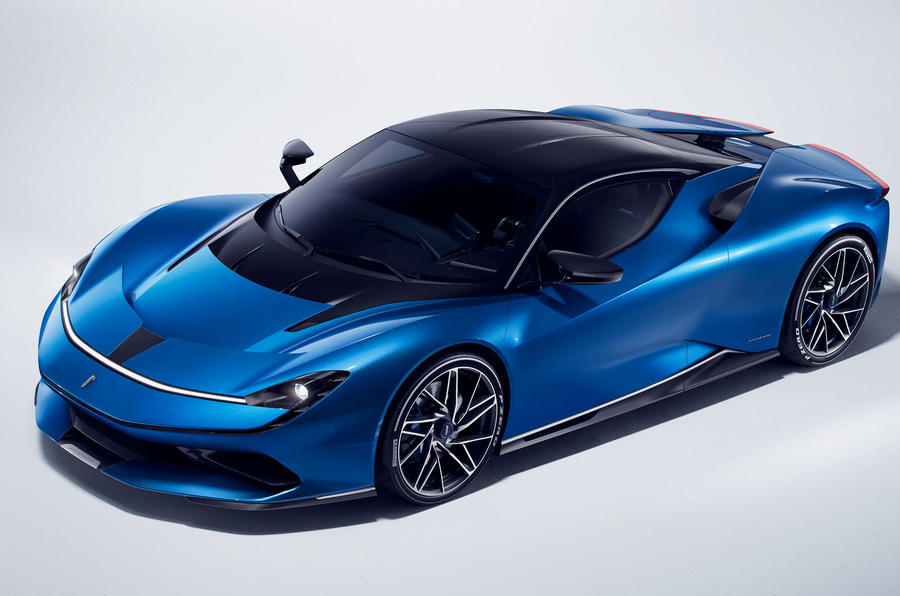
The competition is clear. In one corner you have the Pininfarina Battista, in the other, Lotus’ Evija. Both lay claim to almost 2,000 hp of all-electric power. Yet the market also includes competition from the NIO EP9 which has already proved itself on the Nurburgring, and the Rimac C Two.

Gallery

GTSPIRIT NEWSLETTER

A Ford Engineer Reveals 10 Things You Need to Know About Self-Driving Cars

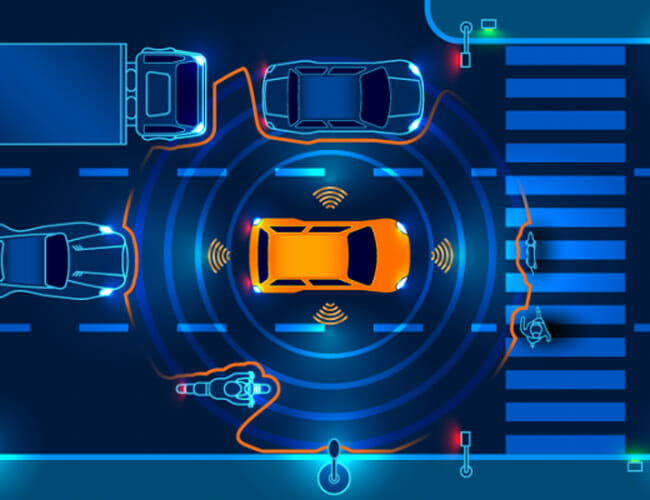
Self-driving cars, it seems likely, are transportation’s future. When they finally arrive, autonomous vehicles and the new technologies involved seem poised to deliver profound societal and economic changes. It will alter how, or even whether, we buy personal automobiles. Yet, it’s a topic rarely covered in much depth outside of the nerdiest automotive publications; for most of us, it’s something you read about occasionally, most likely after there has been an accident with one of the self-driving prototypes dotting the country’s roads.

But it’s something that deserves to be discussed more. The technical aspects and implications of this forthcoming transition are complex. The timeline for full autonomy — which stretches from “next year” to “never,” depending on who you ask — can be confusing.

So for some clarity, we decided to talk to an engineer who knows something about it: Ford AV LLC’s chief operations officer John Rich. Here’s what he had to say about autonomous driving, which he termed “the most ambitious technical endeavor since the dawn of the automobile.”

Autonomous driving will be safer

Safety is the most critical concern with autonomous vehicles. Safety is the reason for autonomous driving to come into existence in the first place, in order to reduce the number of accidents —  so it’s no surprise that it’s the most critical concern when it comes to developing self-driving cars. It stands to be the major hurdle between autonomous driving and public acceptance.

But Rich says the industry is still defining what “safe” means.

“We are steadily unifying into industry working groups that seek to define the standards around these things and start to look towards how you define good enough,” Rich said. “I don’t know the answer to that yet. I do know it has to be much, much better than a human being.”

But he believes the industry will get there.

“Smart people are going to be wrestling with that question and trying to define this in a way that brings confidence to consumers, regulators, and ourselves,” Rich said. “We can do this in a manner that is really, really helpful for society, which deals with an unacceptable number of traffic deaths every year. We know we can do better than that human-driven system. We’re in the process of defining the hurdles and the qualifications and the assurance to the public that this is a good and safe thing to do.

You probably will never own a fully-autonomous car

Autonomous driving will hit the commercial realm first — and most prominently. The technology is expensive; it’s easier to amortize those costs across fleets of vehicles. You’ll likely see it used for tasks like delivery and freight-hauling initially; well-defined, low-variance routes are simpler to program into autonomous vehicles.

Rich does not see autonomous vehicles as being privately owned, at least, not anytime soon.

“What most of the well-funded, advanced efforts are proposing is not a private endeavor by any stretch of the imagination,” Rich said. “It is a situation where the fleets will be owned and operated. The technology is so sophisticated, and the needs of that fleet are so great that it is not something that will be in the realm of private ownership.”

The basic layout of a car may not change too much.

Autonomous driving will allow vehicle designers to rethink car interiors, conceivably reorienting them toward productivity and comfort versus the act of driving. But Rich advises not to let your imagination run too wild. Safety concerns will keep cars from changing too radically.

“I don’t want you to completely reimagine the vehicle as a gondola with periphery seating,” Rich said. “There are things that have evolved to this state for a lot of very good reasons around safety.”

Ford is skipping straight to Level 4 — full autonomy — instead of the intermediate steps.

Ford is focusing its investment on vehicles reaching Level 4 autonomy, which the NHTSA describes as “capable of performing all driving functions under certain conditions.”

Rich believes Level 4 is where self-driving technology becomes transformative.

What Are the Levels of Autonomy?

The Society of Automotive Engineers defines six levels of vehicle autonomy roughly as such:

Level 0: No features that can actively steer the car
Level 1: Simple features that help steer the car (such as lane-centering assist) or speed up/slow down (active cruise control
Level 2: Features that combine active steering assistance and active speed control
Level 3: Features that can drive the vehicle under limited circumstances, but require the driver to constantly ready to take over
Level 4: Features that can drive the vehicle under limited circumstances, but will never require you to take over under those circumstances
Level 5: Features that can drive the vehicle at all times under all conditions
Read More

“There’s a massive gulf between [Levels] 3 and 4. It’s the economically transformative chasm to cross,” Rich said. “Instead of being a driver-enhancing feature, it becomes a business game-changer.”

The scale and complexity involved mean that reaching Level 4 is not a natural, linear progression from Level 3.

“Ourselves and the Waymos of the world and a few others really made a decision that we believe the progression was not a natural progression beyond Level 3, and that the suite of technologies and approaches were so fundamentally different, that investing in building through the levels was flawed logic,” Rich said. It’s “no longer about individual vehicles. It’s about large fleets of vehicles and intense investments in specific geofences.”

Level 5 — the Holy Grail of self-driving cars — is a long way off

Apple co-founder Steve Wozniak, long a proponent of autonomous vehicles, has said he doubts he will see Level 5 autonomous vehicles during his lifetime. Rich agreed with Wozniak’s comments — at least, as they relate to Wozniak’s lifetime.

“I think Wozniak was right,” Rich said. “There were a lot of snide comments after he made the comment that he just turned 69, and how much longer of a lifetime does he have given he’s not necessarily thin — fat guys like me took offense to that — but I think he was absolutely correct in his statement that the true Level 5 vision of autonomous driving is a long, long way off.”

But Level 4 should happen sooner.

Rich believes Level 4 will arrive far quicker than Level 5.

“We’re going to see this in a modest amount of time. It’s not tomorrow. But you’re seeing elements of it with Waymo’s efforts to pull a driver on a very controlled, limited route. You will see expansions of these capabilities over a modest time frame that allows this to come into fruition,” Rich said. “What we don’t think we’re that far away from is a geofenced endeavor.”

Geofenced areas will be big.

Geofences are the specific areas where Level 4 vehicles have been cleared to operate autonomously. Rich believes these areas will be large enough to make an economic impact.

“Geofences are not postage-stamp-sized plots where tourists can move around the city center,” Rich said. “Geofences are massive metropolitan areas where the majority of GDP for that region takes place. By geofences being significant in size, it enables scale and economically transformative things to happen.”

Sensor technology is a major technical hurdle.

Camera and sensor technology remains a significant obstacle toward autonomous driving. Any system needs to be able to spot dangerous situations at a great distance and at high enough speed to react to them faster than a human would. And that technology needs not just to exist, but be cost-effective enough to put in vehicles.

“The sensing is, of course, difficult and extremely important,” Rich said. “The thing that [Elon] Musk chides is LIDAR. And LIDAR is an immensely important sensor. But there’s a suite of sensors that have to work together to solve a variety of different sets of challenges. None of those are easy.”

But technical challenges are only part of the equation.

Rich is keen to point out that solving the technical hurdles is only one component of a more complex problem.

What Is LIDAR?

LIDAR, which is an acronym for “LIght Detection And Ranging, is a sensor system that uses invisible laser pulses to map an area in great detail at high speed. Read More

“It is the most ambitious technical achievement that the industry has attempted. But it also has enormous societal adoption concerns that existing systems have to be morphed to,” Rich said. “If you were clean-sheeting this, it would probably be a lot easier. You would have more infrastructure, you’d design the streets to be more compliant, and you’d probably establish rules from the start. Unfortunately, we have regulations, we have roads, we have behaviors, and we have a lot of other cars on the road.”

Autonomous driving will work in all types of weather…eventually.

Adverse weather can befuddle the sensors needed for autonomous driving technology. (That’s true even for the driver assistance features found on current passenger vehicles.) There’s a reason a lot of autonomous vehicle testing occurs in places like Arizona. “The challenge of dry weather is great enough right now that we tend to like situations with happy weather,” Rich said.

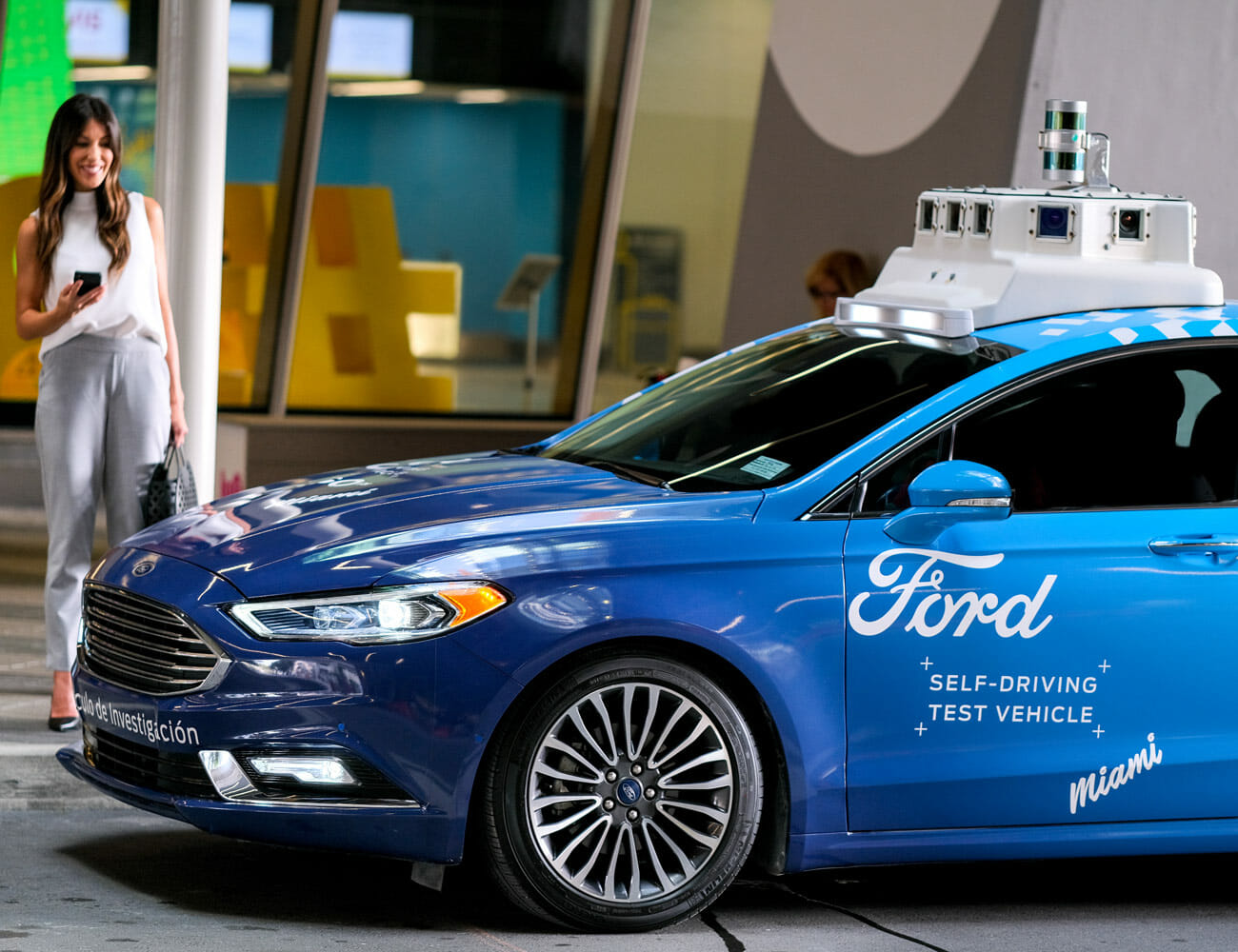
Ford, though, is beginning to branch out to get more data. “We are purposely picking cities like Miami and D.C. that do get a variety of weather conditions so that we start to get that type of information,” Rich said. “We will learn over time how to deal with varying rain conditions, and then eventually we will learn how to deal with the fluffy stuff.”

Rich believes that autonomous technology will, eventually, be better at handling weather than humans.

“Autonomous vehicles, in the end, will be much better drivers in snowstorms than humans are — that doesn’t take much if you watch what happens here [Detroit] when the first snow comes — but in the near term, we’re taking data on it certainly.”

Note: Purchasing products through our links may earn us a portion of the sale, which supports our editorial team’s mission. Learn more here.

Everything You Need to Know About Ford’s Mustang-Inspired Electric SUV

The Fast Facts:
— Ford has revealed a new electric crossover, the Mustang Mach-E, that goes on sale in 2020.
— It’s the first time the Mustang name has been used on anything but a muscle car.
— The Mustang Mach-E comes in both rear- and -all-wheel-drive, and can go up to 300 miles on a charge.
— It can add 47 miles of range in just 10 minutes on a high-speed charger.
— A high-performance GT version that goes on sale in 2021 will do 0-60 MPH in less than four seconds.
— Pricing starts at $43,895.

And just like that, the Blue Oval’s course changed. On Sunday night, Ford unveiled its all-new Mustang Mach-E at an event on Los Angeles, rolling out the electric SUV with the help of new brand ambassador, actor Idris Elba.

The sporty ride initially put Mustang fans on edge after its name was announced — they’re fearful the crossover would sully the brand — while at the same time energizing EV enthusiasts eager for carmakers to tap the performance potential of electrification. Now the car is here, and the masses will commence passing judgment immediately.

However, we caught a sneak peek at the new machine earlier this month, when Ford showed it off behind closed doors while detailing its accelerated (but still painstakingly comprehensive) gestation.

Work began in earnest in 2017, with the creation of “Team Edison,” named after the famous inventor and friend of Henry Ford.  The development involved massive market research and a design process that made use of a new computer-aided design application that allowed for instantaneous alterations on the fly.

There are, of course, two key questions here: Is the Mach-E faithful to the Mustang’s heritage, and is it a decent EV? The answer to the former is complex, and goes to the heart of the challenge.

“This is Silicon Valley meets Route 66.”

“This became a massive point of tension within the company, as you guys can imagine,” said Jason Castriota, Ford’s brand director for battery-electric vehicles. “Not only are we talking about taking the Mustang and putting it into an SUV body style, we’re also talking a Mustang going electric. So what does that mean?”

Stylistically, it means the Mach-E echoes the lines of the famed pony car — currently enjoying enormous popularity and off-the-charts performance, the latter via its 760-hp Shelby GT500 variant — though it remains obviously a crossover. It has a low front end and sporty proportions — particularly the large wheels and the stretched dashboard-to-front-axle ratio — with design language that carries over from the coupe. This includes the front fascia, though it’s missing the typical grille, and the sculpting along the doors and fenders.

Despite the stouter dimensions, the parallels are indeed present, and seem to work in the vehicle’s favor. It looks good — not like a mere overlay of Mustang cues on a random SUV.

Conceptually, Ford’s research also suggested that the gearheads who value the Mustang brand may have more in common than originally thought with the tech geeks who groove on, say, Tesla’s ease of use and innovation.

“The Mustang customer is pretty unique. They like to challenge the status quo, and they love the freedom the power of the open road that the Mustang has always represented,” Castriota said. “When we looked at this new EV new customer — younger, tech-savvy, super progressive –we saw a lot of connective tissue between the two, particularly challenging the status quo. This is Silicon Valley meets Route 66.”

From a performance perspective, the car should be a fairly exciting ride, thanks to the low center of gravity typical of EVs and its own low profile. Expect that excitement to accelerate as you go up the options tree: initial models will have options for single-motor rear-wheel-drive and dual-motor all-wheel-drive powertrains, with slightly larger motors in the stern to give the power delivery a hint of rear bias. 0-60 times will range in the mid-three-second-range to the mid-fives.

Time will tell if the stylistic and performance links between Mustang and Mach-E — and Mach-E and Silicon Valley — will actually sell electric cars. Previous attempts to spin the Mustang brand toward a new generation of consumers had decidedly mixed results; the notorious Mustang II, on sale from 1973 to 1978, arrived at a similar inflection point in the automotive industry, with an oil crisis that sent fuel prices skyrocketing (and fuel-economy standards even higher). That second-generation Mustang was far from a muscle car, competing with a new generation of small imports and offering anemic performance and handling.

Still, the Mach-E isn’t technically a new Mustang, but rather a Mustang-inspired SUV. As such, its competition is less sports cars than current EVs. At first blush, it seems well-made for the task. Evidence gathered during the preview suggests the car has the kind of deep-tissue engineering required for a fully-realized EV. This includes a new driver interface and infotainment system adapted from the new Sync 4 that’s more intuitive and dynamic than other variants, featuring a prominent physical dial to counter the all-touchscreen interfaces found in many cars these days.

The in-house-developed battery technology and the charging capabilities are also notably impressive. Ford has partnered with VW spinoff Electrify America to ensure it can tap the latter’s growing network of 150-kW chargers, enabling up to 47 miles of range for every 10 minutes on the plug.

The Mach-E will come in five different flavors, with prices starting at $43,895, before the $7,500 federal EV tax credit and other state and local incentives. The entry-level Select model will have either rear- or all-wheel-drive and 18-inch rims, with a targeted 230-mile range; the AWD variant will spring from 0 to 60 in 5–6 seconds. The Premium model, also available in RWD or AWD, will start at $50,600 before tax breaks; the rear-drive-only California Route 1 model will start at $52,400. The GT — not due until 2021, a year after the launch models roll out — will start at $60,500, offering AWD, 20-inch wheels and a mid-three-second 0-60 time. The First Edition will clock in at $59,900 with AWD and 19-inch wheels, as well as a projected 270-mile range and mid-five-second 0-60 time.

Power ratings will also vary, from 255 hp and 306 lb-ft of torque for the RWD Select up to 333 hp and 429 lb-ft for the First Edition. (The company hasn’t yet announced the GT’s specs.)

Ultimately, of course, the real question of how the car upholds the Mustang legacy won’t be fully decided until we get the car on the road to see how it handles — then see how the Mustang Mach-E GT performs once it’s released. If that car can muscle its way down a drag strip competitively with other performance EVs, including certain Teslas, the Jaguar I-Pace, and the Porsche Taycan, it’ll be able to wear the Mustang badge proudly. If it’s ultimately perceived as anything less, Ford may have another Mustang II on its hands.

Could This Mercedes G-Wagen Be Your Vintage Off-Roader for Less?

The Mercedes G-Wagen is hilariously expensive and the embodiment of ostentation. But if you can look past many of the people who buy them, the G-Class is a durable and capable off-roader, and the build quality is probably worth it. Mercedes is committed to the model for the long term.

An excellent quality about the G-Wagen is how little its boxy exterior has changed since its inception. Even aging examples, with a bit of love, can look very much like the modern rig — for less. Case in point: this 1988 Mercedes 300GD that’s up for auction on Bring a Trailer.

That 300GD has the largest diesel engine Mercedes offered on the 460, the 3.0-liter inline-five. It has a five-speed manual transmission, a dual-range transfer case and locking differentials. Crucially for California residents, it’s a pre-1997 diesel engine, so it does not need to pass smog regulations.

Note that this is not the most show-quality, pristine vintage off-roader one could find. It lived a previous life in Norway before being imported, and it shows with some notable instances of bubbling and corrosion on the bodywork. Total mileage on that diesel engine is unknown.

Counterpoints? It’s affordable. Current bidding is significantly under $10,000. A little weathering may add some charm if you’re using the G-Wagen for family beach house duty. It could also be a reasonably priced base for a restoration.

Even Today, Morgan Motor Company Is Still Building Cars Out of Wood

A version of this article originally appeared in the Craftsmanship issue of Gear Patrol Magazine as part of a story with the headline “Die Hard.” Subscribe today

When H.F.S. Morgan crafted his first namesake vehicle, in 1909, his product was modern: an ash frame affixed to a steel ladder-frame chassis under metal body panels was inline with English coach-built autos of the era. More than a century later, as sleek electric cars roll off robotically-assisted assembly lines elsewhere in the world, some of Morgan Motor Company’s century-old woodworking tools are still in use at the brand’s Malvern Link factory in England’s West Midlands.

The frames begin to take shape.

The new cars do have modern touches — today’s Morgan chassis is made from strong, lightweight aluminum instead of the traditional steel — but the core of the vehicle’s body is still made from rigid, durable ash wood. That traditional approach is a point of differentiation for the brand, and also a point of pride. One need not fix what isn’t broken, the company thinking goes, and a wooden frame keeps the machine lithe, a coveted attribute in a sports car. (The company also claims its wooden frames receive superior crash-test ratings.)

Wood is also relatively simple to work with — though that’s not to say the process is easy. Each component is marked from a template, cut, routed and joined, glued and sanded. As the pieces come together, the larger unit is dipped in a treatment solution and then hand-sanded before a quality-control inspection. Finally, aluminum body panels are added atop the structure. The process requires eight weeks of labor, and Morgan’s 180 workers complete around 800 cars per year. And aside from necessary wiring, there’s virtually no plastic in (or on) a Morgan vehicle.

The metal body work, checked by hand.

If you’re wondering how well century-old automotive manufacturing techniques hold up, Morgan reports that when a Roadster model built in the 1950s was recently delivered to the factory for a refinishing, the frame was devoid of rot or other imperfections. Try saying that about a Chrysler Imperial from the same era.

Note: Purchasing products through our links may earn us a portion of the sale, which supports our editorial team’s mission. Learn more here.
Ford’s Newest Tech Offering Steals One of BMW’s Coolest Features

The march of technology never stops, and that’s just as much true with automotive infotainment as it is smartphones. Ford’s freshly-revealed (and long-awaited) new setup, Sync 4, is proof of that.

One key feature Sync 4 will offer is wireless phone connection. Bluetooth won’t just handle calls anymore; in Sync 4, you won’t need a USB cord to use Apple CarPlay and Android Auto from your smartphone. It will be a cool feature for buyers tempted by vehicles like the new Explorer.

Ford is not the first manufacturer to offer such wireless phone connection. It appears in new BMW vehicles — but with two key differences. First, BMW does not support Android Auto; and second, BMW has turned Apple CarPlay into a subscription plan costing $300 for the vehicle’s life or $80 per year after the first year.

That great technological feat of wireless Apple CarPlay connectivity was BMW’s ostensible justification for charging extra to use it, while virtually every other manufacturer (including far less-premium brands than BMW) offers wired CarPlay for free. Ford, one of those more plebian brands, now provides a more comprehensive service for nothing.

Will Ford’s new service shame BMW into ditching its CarPlay subscription plan? Probably not. BMW can get away with charging for CarPlay, presumably, because its buyers won’t care about a small add-on fee at the point of purchase. Even if buyers notice, a $300 charge likely isn’t a matter that many would buy a different car over. (Taking forever to add CarPlay and Android Auto has not hurt Toyota sales, for instance.) An X3 buyer won’t storm out and buy a Ford Escape instead because of the infotainment.

Unless Mercedes-Benz or Audi starts zinging BMW about the subscription plan in advertisements and drumming up a campaign against it, you can probably expect the subscription plan to stick around — and most BMW customers not to notice, so long as they’re splashing around cash on M-inspired styling features.

The Man Who Owns the Vintage Car Collection at the Heart of ‘Ford v Ferrari’

Pictures 1, 2: 1961 Ferrari 250GT SWB. Pictures 3, 4: 1957 Ferrari 625 250 Testa Rossa. Pictures 5, 6: 1962 Shelby Cobra.

Bruce Meyer is closer than most to the story at the heart of the new film Ford v Ferrari. Carroll Shelby, the famous automotive entrepreneur who (unsurprisingly) created the Shelby Cobra and (more surprisingly) helped make the Ford GT40 that crushed Enzo Ferrari’s race cars at the 24 Hours of Le Mans? Meyer was friends with him, and owns the first Shelby Cobra ever made. Ken Miles, the racing driver who helped Shelby and Ford develop the GT40? He owns the Ferrari 625 250 Testa Rossa Miles drove in 1962 for the delightfully named Otto Zipper.

To be fair, Meyer owns a lot of cars. He’s been collecting them since the ’60s, when he first took home a Chevy-engined Mercedes-Benz 300SL Gullwing and caught a bug that would last for decades. As founding chairman of the Petersen Automotive Museum in Los Angeles, he’s helped nurture and promote car culture in America; indeed, his aforementioned Cobra and Testa Rossa (seen above) are currently featured in the museum’s exhibit dedicated to the film. (His silver 1961 Ferrari 250GT SWB seen above is also featured in the flick, and appears in the exhibit as well.) That’s on top of “Never Lift,” the entire other exhibit of his cars on display at the Petersen right now, which focuses on racing rides he’s picked up over the years.

Meyer is well-known enough in the classic car world that when the crew of Ford v Ferrari started looking for cars to populate their sets with, they came to him. It was a change of pace for Meyer, who used to loan cars to movie studios often but stopped doing so around two decades ago. “Just because they always come back a little less than when they left,” he says by way of explanation. “With these cars…you exercise a little caution.”

(For context: A Ferrari 250GT SWB in great condition sold for $8.2 million this year at Monterey Car Week, while a 250 Testa Rossa sold for $39 million back in 2014.)

Still, he was willing to do it for James Mangold’s new film, which sees Christian Bale playing Ken Miles and Matt Damon playing his old friend Carroll Shelby.

“He really [was] a great automotive hero, and a great American hero, and worthy of praise,” Meyer says of Shelby, who died in 2012 at 89 years old. While Shelby’s methods and business approach occasionally led him to not acknowledge the contributions of his associates, Meyer says, he did more later in life to share his success with the people who helped make him a household name.

“At the end of the day, he won, in every sense of the word,” Meyer said.

Shelby, Meyer said, was an example of the hot rodding culture that first surfaced in pre-WWII America. “The entire Cobra effort, it was entirely American hot rodders,” he says, adding that the very first example of that beefed-up sports car was put together at the shop of famed hot rodder Dean Moon.

“Jazz, baseball, apple pie and hot rods,” Meyer says, “four things born here and perfected here.”

Perhaps unsurprisingly, given his feelings, he has a fair number of hot rods located in his ample garage. “I have like 10 ’32 Fords, which is more than anyone should have,” he says with a chuckle. How big a chunk of his collection is that, for the record? When asked, he demurs.

“I don’t really talk about numbers,” he says. “It’s not even a hundred.”

Special Report: The 2019 Aston Martin Vantage, better than a 911?

For decades the Porsche 911 has been the yardstick, the go to car for the affluent man or woman that fancies a great sports car that can thrill on the weekend and, if they so choose, trundle through commuter traffic without fuss or issue in the week. The formula has remained the same too – flat six at the back a couple of seats for the little ones just ahead of the engine a manual or auto transmission in the middle and a reasonably sized boot/frunk at the front. Buying a 911 is a no brainer, they hold value as a result of the ludicrous demand, they are almost all a joy to drive and they are as reliable as a Volkswagen Golf. Few challengers have come and gone, even fewer have the lineage or provenance of the 911 and few are as accomplished all rounders.

An Aston Martin would normally not cross a Porsche 911 buyers mind, the previous generation 2005-2018 Vantage was often considered a competitor. In reality there was a signifiant gulf between the two not only in abilities, but also the ownership experience. That all changed with the introduction of this, the latest generation Vantage. Why the sudden change? Well, the partnership with Mercedes-AMG brought a tried and tested, modern V8. The partnership extended to the infotainment system that was always a point of criticism in Astons of old. These updates significantly boosted the appeal of the Vantage, it started to catch buyers attention. Then the media drove the Vantage on road and track and the rave reviews did wonders for the credibility of the Vantage.

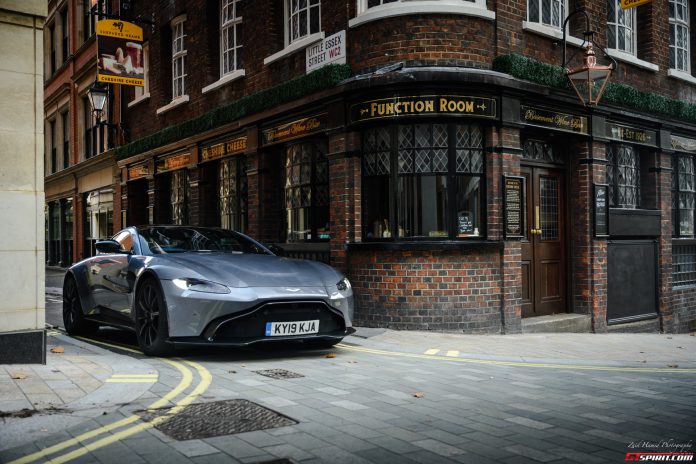
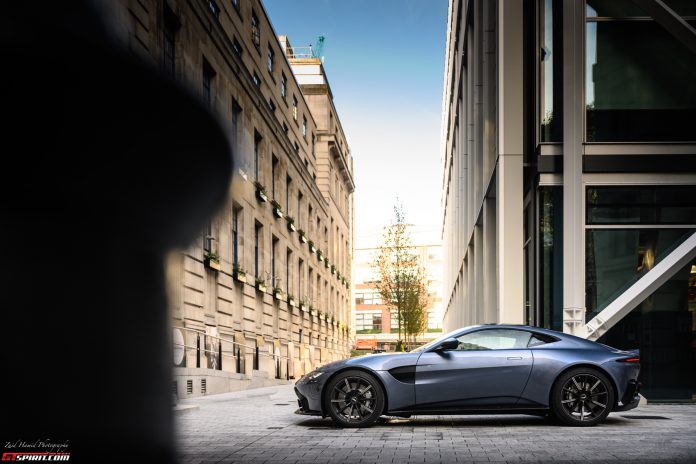
Here I am, in Q4 2019 having recently driven the Porsche 992 911 Carreras in S and 4S guises, both as coupes and cabriolets. I find myself somewhat well placed to draw comparisons with the Vantage that has just been delivered on my driveway. Styling is subjective, but it cannot be denied that the gaping Vulcan like front grill, dramatic taught lines and wide rear haunches provide a visual punch that knockout the subtle, stylish and suited Porsche. These cars are visually sending out different messages.

The same can be said for the interior, the 992 is clean, sharp, functional. The Aston is, again, a lot more dramatic with its button festooned square steering wheel. The dash is also littered with buttons and the gear selector is not a conventional stick, but the buttons that Aston have used for a number of years. The British contender lacks rear seats – for the few that shoehorn their children in the back seat or use them as extra storage space, this may be a dealbreaker. On the topic of space, there is no glovebox in the Aston.

Onto the engines. Once again, this is a story of contrasts. For cars that share a target audience, this is the biggest difference. Front mid engined V8 plays rear engined flat six. Both are turbocharged and both are available with auto and manual gearboxes. Start them up and another sensory contrast makes itself known – sound. This, for me, is a significant differentiator. The 992 sounds the same way as it looks, smooth and sophisticated. It turns heads but does not snap necks. The Aston does the latter, the V8 with the sports exhaust is rude on startup and in Sport+ or Track mode, it warbles like an old school V8, then splatters, bangs and howls as you push on. The whip cracks on up shifts and gun shots on downshifts are a far cry from the 911s image. The relation to the Mercedes-AMG’s noises is there, but the Aston is far more brutal, raucous and hard-edged. It is different enough.

The sounds accompanying the gearshifts may be entertaining, the shifts themselves from the ZF eight-speed cannot match the finesse and scarcely believable speed of the PDK box. The Aston’s steering is not hyper fast as many cars on sale today, but it does lack precious feel. Given that it is the first time Aston has adopted an EPAS system, it is fair to say that it will improve in the future as Porsche’s did.

The Aston wins on power, 503bhp vs a Carrera S with 450. 0-100 times are very similar, both will hit the measure in the mid threes according to their press releases. Porsche, as per, are conservative and in the real world would leave the Aston behind from a standing start.

As a daily driver the Vantage is fantastic. Around the congested London streets it is comfortable, the steering is light, the ride supple and the seats are comfortable. The brake pedal is a touch too sensitive but adjusted modulation over time alleviates this, a little more travel would be an improvement as would a glovebox. I suspect the reason for their being a lack of glovebox is the engine being situated so far behind the front axel, the dash itself is quite high. This means there is a sporty post box like view out of all the windows. Racy, not very good for general visibility. The blindspot from the wing mirror position also takes some getting used to.

The comparisons on tangible elements are all good and well. The majority of measures swing towards the 911, particularly when you consider the Carrera S is around £20,000 less than the Vantage. Then you turn to how the cars make you feel and this is where the Aston sets itself up fabulously. Could you imagine James Bond driving a 911? No. The feeling of rarity, bonafide specialness is part and parcel of owning an Aston Martin. If you drive through London you’ll need an abacus to keep count of the 911s that you’ll cross paths with in just an hour around Kensington and Mayfair. Vantages are far rarer, they command attention, something only the most hardcore 911s can do. This may sound trivial, but to me, and I suspect a genuine sports car owner, the way the car make you feel is taken into consideration. Mute the head and focus on the heart and there is a gulf separating the Porsche and the Aston, the Aston gives you this warm happy feeling that is a charm that few competitors possess.

It cannot be denied that the 911 is more accomplished in its abilities, in equal measure anyone considering a 911 would be foolish not to get behind the wheel of the Vantage, it is a fine machine and one that might just charm them off of their feet, perhaps for the drama and noise alone.

GTSPIRIT NEWSLETTER

Range Rover Too Pricey? Buy a Lincoln Aviator Instead

The Land Rover Range Rover is a luxury icon. Back in the 20th Century, it redefined Land Rover as a premium automotive brand, and redefined the SUV as a chic mode of transportation for the rich and famous. It projects an image of not just wealth, but sophistication and exclusivity. The archetypical Range Rover buyer has insightful thoughts about the wine list at any fancy restaurant, and probably would go fox hunting if it were still socially acceptable.

While “lesser” Range Rover models like the Evoque and Velar can be had for semi-reasonable prices, the iconic flagship Land Rover Range Rover is anything but cheap. The bare-bones standard-wheelbase Range Rover starts at $90,900; if you feel like getting fancy, you can option the top-tier SVAutobiography Dynamic trim north of $200,000. Even the “basic” floormats are $549.

But you can get the feelings of superiority and luxury you love in the Range Rover for much less…if you’re willing to buy domestic. Consider the new 2020 Lincoln Aviator.

Let’s begin with the appearance. Reviewers have praised the Aviator for its sleek, elegant exterior. It has a classic silhouette — classic, that is, because it vaguely reminds us of the Range Rover. It’s the same story on the inside, where the Aviator is all luxuriant leather and wood trim. Maybe it reads a little more “American luxury yacht” than “English gentlemen’s club,” but the effect is equally indulgent.

Lincoln plays up the exclusivity factor when it comes to the Aviator. There’s the “Black Label” buying and membership program, in which you don’t pick out colors for the interior, you choose a design theme. Lincoln does not give the Aviator run-of-the-mill door chimes or other notification noises that those poor sods buying Fords have to live with; the Aviator’s alert notes were curated by the Detroit Symphony Orchestra.

There’s also performance to consider. The Aviator’s base engine is a twin-turbo 3.0-liter V6 putting out 400 horsepower and 415 lb-ft of torque. To reach that sort of output in the Range Rover, you have to upgrade to the supercharged 5.0-liter V8. The Range Rover offers a hybrid model now? Cool. The Aviator has one too, and it puts out 494 hp and 630 lb-ft. If you’re counting, that’s 128 lb-ft more than the supercharged Range Rover SVAutobiography that costs about $100,000 more.

There’s also the small matter of build quality. Lincoln consistently gets recognized among the most reliable car brands. Land Rover vehicles, on the other hand, are almost as legendary for their maintenance costs as their luxury and off-roading prowess. So not only will you save money at purchase time, you’ll likely keep saving money over the years of ownership.

Range Rover’s branding is admittedly formidable. However, the Lincoln will give you that same timeless style and pampered feel for a little more than half the Range Rover’s price. No, buying an Aviator will not instantly turn you into Matthew McConaughey. But Range Rover ownership won’t exactly make you James Bond dashing off to Skyfall, either.

The Aspark Owl electric hypercar has 1,985 hp and a $3.3 million price tag

In 2017, Japanese electric hypercar maker Aspark showed the world its Owl concept at the Frankfurt Motor Show. Six months after that, Aspark showed a prototype Owl covering the 0-to-60-mph sprint in less than 2 seconds. Six months later, a more refined Owl appeared at the Paris Motor Show touting pre-production figures of 1,150 horsepower, 652 pound-feet of torque, and a dry weight of roughly 3,300 pounds. More absurd than any of that, Aspark wanted potential customers to put down a 1-million-euro non-refundable deposit. Now, a year later, the production-spec Owl touched down at the Dubai Motor Show having reworked its math, blowing up its output figures and asking for a rational deposit. The new totals come to 1,985 hp and 1,475 lb-ft from four permanent magnet synchronous motors, and a 4,188-pound dry weight.

The power boost works the expected effect on the 0-to-60 time, lowering it to a claimed 1.69 seconds. That’s on the road-legal, production-spec tires, either Michelin Pilot Sport Cup 2s or Pirelli P Zeroes. There’s an asterisk, though, in that the Aspark time was achieved with 1-foot of rollout, which is typically used by most car publications when testing 0-60 times. The earlier runs, which yielded times of 1.87 and 1.92 seconds, were run from a standstill but on Hoosier racing slicks. So proper zero to 60-mph sprints will be slower on street tires, however, the Owl is in with peers like the Rimac Concept Two (1.85 seconds) — at least on paper. Top speed is supposedly 249 mph. Ten-piston front brakes clamping carbon ceramic discs are apparently confidence-inspiring enough for someone to carry out acceleration runs in a parking lot.

The 800-volt, 64-kWh battery is good for 280 miles of range on Europe’s generous NEDC cycle, but Aspark says it’s working on a higher-capacity battery. A 44-kW on-board charger can restore the full charge in 80 minutes.

There’ve been a few other changes from the concept days in Frankfurt. A few tweaks were made to improve aerodynamics and aid worldwide homologation, like losing the louvered rear backlight for a smooth, windowless panel. The former fixed rear wing is now an active rear wing that rises at 93 mph and lowers at 62 mph. The concept’s side cameras are now side mirrors with additional cameras. And the side windows, thanks to an inset section like on the old Lamborghini Countach and Subaru SVX, open further.

The Owl’s built with carbon fiber body panels placed on a carbon fiber monocoque, the only metal reinforcement is used to strengthen the roof. That roof, by the way, is just 99.3 centimeters (39 inches) off the ground at the Owl’s standard ride height. A hydraulic suspension can raise the car 3.2 inches in two steps. 

Vehicle switches like the start/stop button are on the cockpit ceiling, while lower down, four screens convey information from the car, the infotainment system, and two side cameras. Drivers get cosseting features like climate control, ambient lighting, keyless entry, and a 50-liter luggage compartment, which comes out to a tiny 1.7 cubic feet. Safety kit includes anti-lock brakes, traction and electronic stability control, and an emergency stop alert.

Manifattura Automobili Torino in Turin, Italy, will build the Owl and expects to have the first customer unit delivered in April 2020. This is the same MAT that builds the Apollo IE and graced the world with the Ferrari F430-based MAT Stratos. Aspark will sell just 50 Owls for 2.9 million euros apiece ($3.3 million U.S.), and interested buyers are welcome to reserve a slot with a non-refundable 50,000-euro deposit. If buyers need more convincing, Aspark CEO Masanori Yoshida said he plans on taking the Owl to the Nürburgring early next year to claim the outright lap record.

2019 Alfa Romeo Giulia Quadrifoglio Review

The old guys were right.

As a youth increasingly intrigued by sports cars, I’d frequently spend my weekends out at the local road course watching various car clubs and racing associations test their mettle on the track. Back then, I’d read enough car magazines to know that Alfa Romeo was something of a revered name in automotive circles so I always looked forward to watching the Alfa Romeo club run.

The thing was, in the late eighties, the Alfas were all, well….OLD. 1960’s and 1970’s Giulias and Spiders. Their cars lacked a sexiness that I expected from Italian manufacturers. There was more exoticness (and breakdowns) at the Lotus Club gatherings. Were the glory days of Alfa Romeo long past? Had it remained on the European continent and bypassed the US? Looking around the paddock, I’d try to gauge the state of Alfa Romeo. The enthusiasm was still there in the smiles and bright eyes of the drivers. The flame still burned brightly for these guys, who proudly kept it alive. “Best cars ever,” they’d say. “There’s nothing like an Alfa Romeo.”

Alfa Romeo abandoned the American market shortly thereafter though and I assumed that Alfa Romeo was a fading entity passing into oblivion. Fast forward nearly 30 years and Alfa Romeo has returned to the American market. The brilliant yet underrated 4C, the excellent Giulia, and the fast and practical Stelvio are all extremely capable cars. As I drove each in turn over a two year period, I began to understand the appeal that Alfa Romeo had for those old guys at the track. They were fantastically fun to drive while being as practical as a Camry. And the Quadrifoglio – well, there isn’t a better car to help you understand the appeal of Alfa Romeo. And I’d managed to get my hand on one for a full week’s test.

I found myself on a wet twisty road in the forested hills of northern Michigan….

BOOM!

The landscape was starting to blur. The engine was winding out. My fingers brushed up against the cool-to-the-touch aluminum paddle shifters behind the wheel in anticipation. It’s like pulling the trigger on a gun.

BOOM!

I’m not sure whether it’s the blow-off valves or the exhaust valves but each shift prompts a loud boom and the acceleration pushes you back in the seat all over again. The power and sound swell exponentially. Ferociously. Addictively. It dumps a load of adrenaline in your system, which when combined with the scalpel-sharp and lightening fast steering, can actually induce sweating palms and involuntary shaking. Make no mistake – under that attractive sport sedan wrapper, the Giulia Quadrifoglio is a lean race car. It can scramble your brain, exhaust your nerves and body, and reorder your understanding of the supercar world.

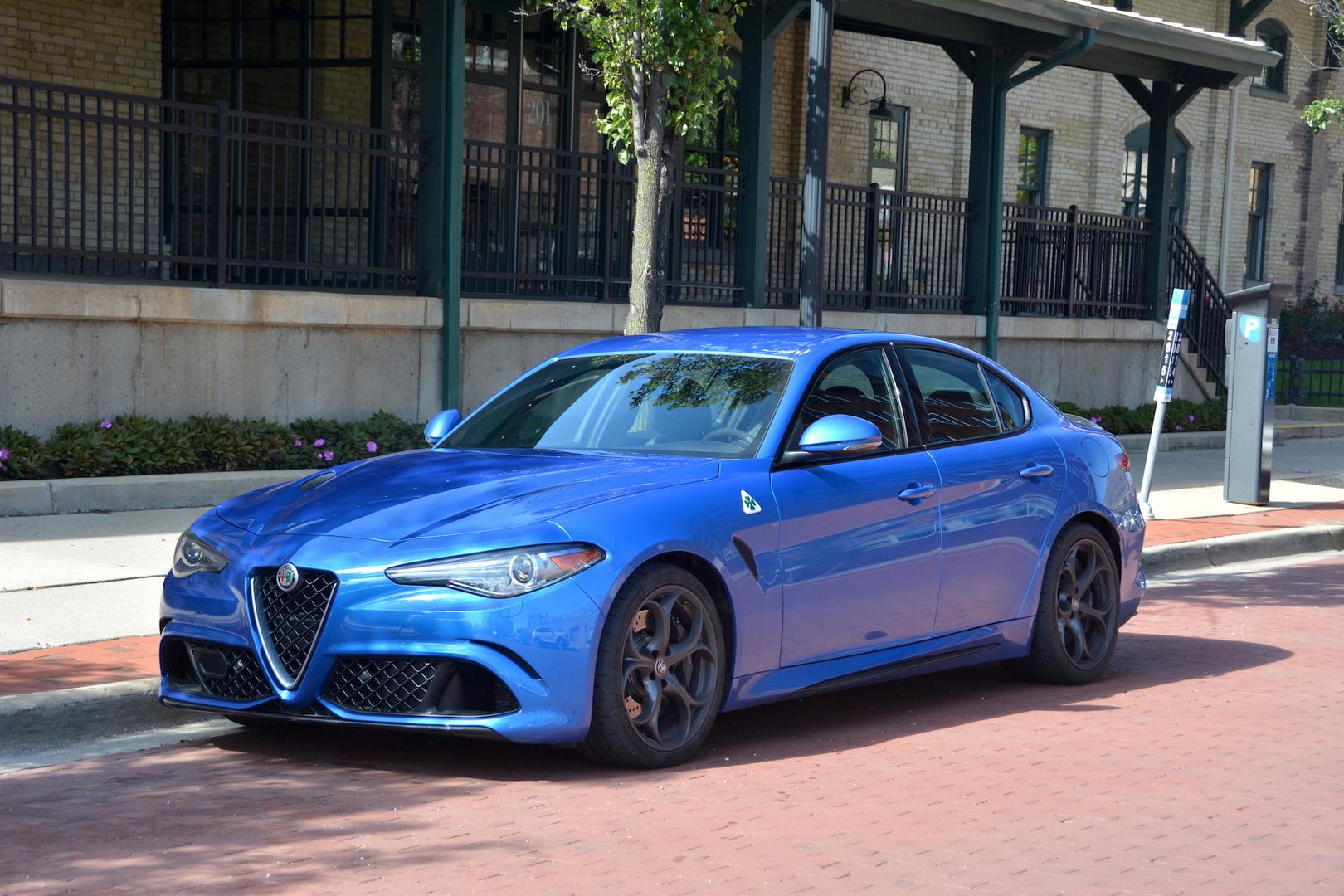
Alfa Romeo Giulia QV Blue

We drove and reviewed the Giulia Quadrifoglio last Autumn. Still in huge demand by the media outlets at the time, Alfa had to limit us to four days with it – a short loan since two of those days involve picking it up and dropping it off but it was a tempestuous four day affair. We fell hard and hopelessly in love with her. So after several months of heartache and longing, we decided to ask for a longer loan this year just to spend a little more time with her. Y’know…just to see if our memories were accurate or if time had embellished them.

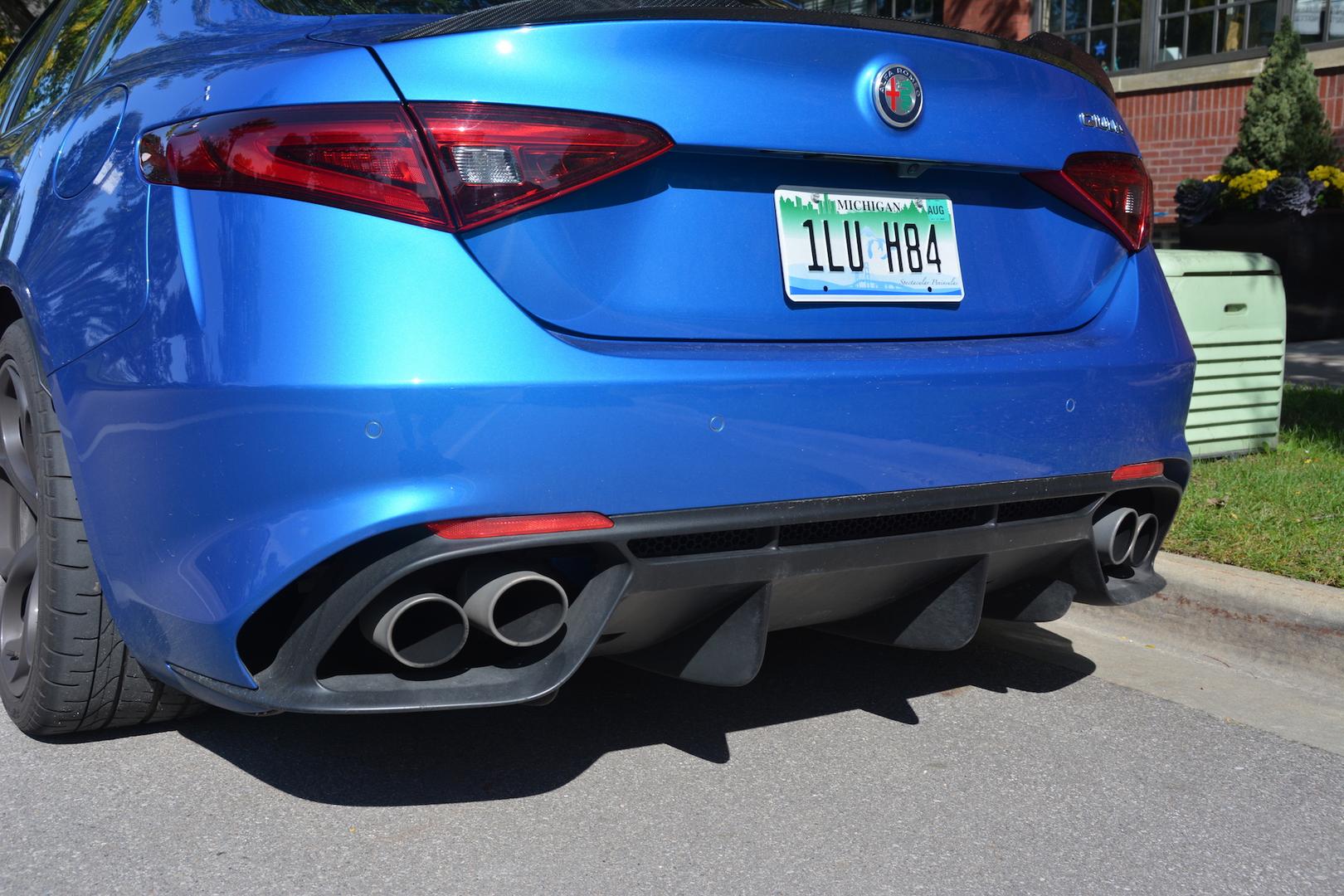
The Giulia they delivered was the same color as last years: Misano Blue. It’s an utterly beautiful shade of blue that was no doubt inspired by the Mediterranean Sea. The brake calipers this year were black instead of red and unlike last years car, the roof was body colored instead of the optional carbon fiber. The billet aluminum V in the front grille still looked great with the blue paint. Carbon fiber accents along the rockers and the rear spoiler stood out, giving it a very sporting but very aesthetically appealing appearance.

But it’s the heat vents and the white triangle badge featuring the four-leaf clover on the front quarter panels that really get your pulse racing. For these features designate this Giulia as a Quadrifoglio, or QV as it’s known by the the faithful. The QV stands for Quadrifoglio Verde (or “green four-leaf clover”) which has been applied to every Alfa Romeo racing car since early in the company’s ancient history. While it still decorates all their racing cars, it’s also applied to Alfa Romeo’s highest-level performance vehicles. The Giulia and the Stelvio each have a QV version and they’re both insanely fun to drive.

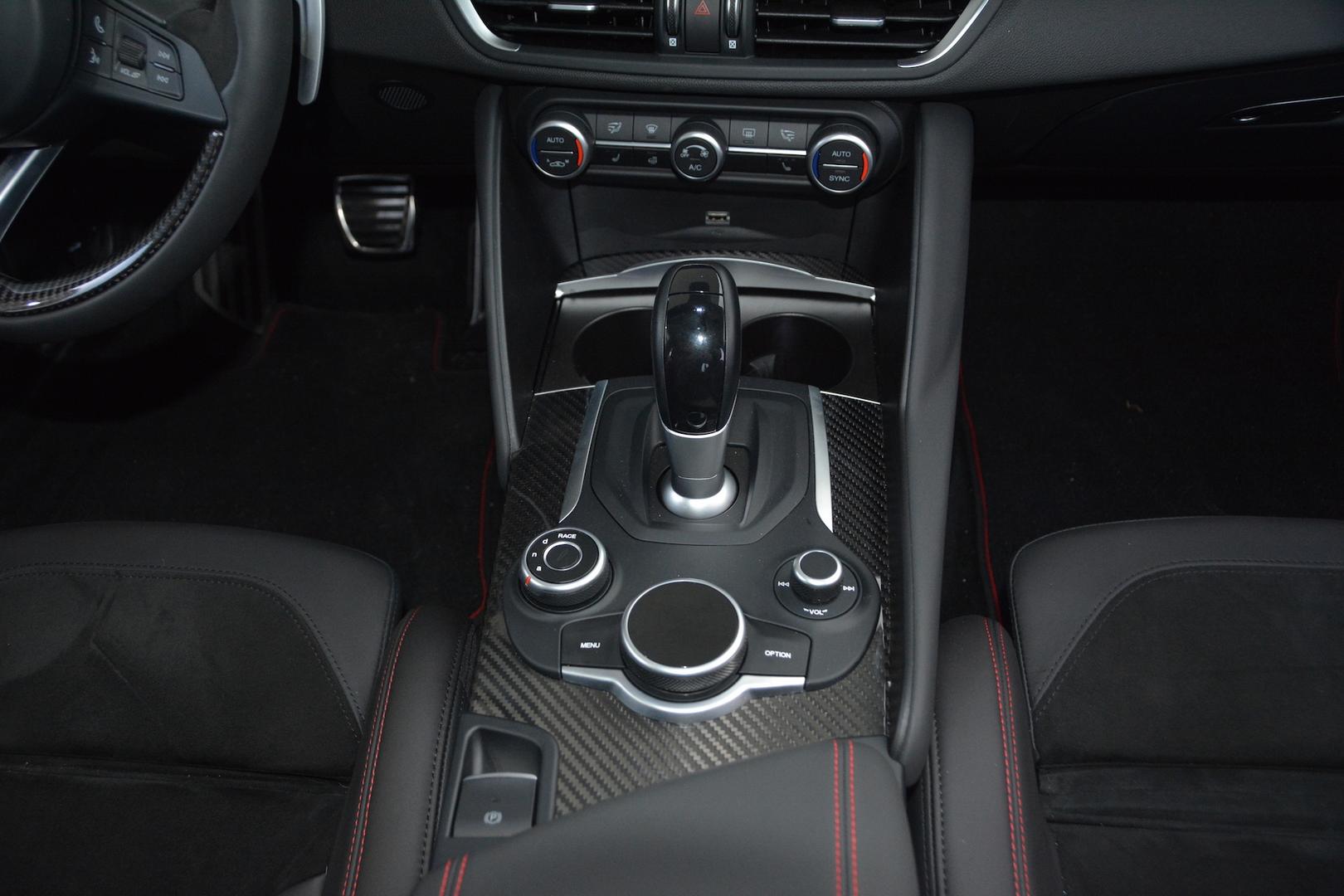
Inside is an appealing mixture of leather, suede, aluminum, and carbon fiber. The seats are leather with suede interfaces to help hold you in place. They’re heavily bolstered to hold you like a baseball glove holds a baseball. As a result, you don’t move much, even through radical transitions. They’re firm but still quite comfortable and they’re easy to get in and out of. They’re heated, as is the steering wheel. Carbon fiber trim is everywhere – the center console, the dash, the door latch bezels. Aluminum also factors prominently into the design.

2019 Alfa Romeo Giulia QV Center Console

The door pulls, the steering wheel spokes, the vents, and the paddle shifters are all in aluminum and control trim is colored silver to match all the aluminum. The gauges are large and easy to read – both a tachometer that redlines at 6700 rpm and a speedometer that reads to 200 mph (330kph). What surprises you most though is how roomy the interior is. Even with a passenger, you don’t ever feel crowded or tightly packed in. And the backseat not only has plenty of headroom for adults but there’s plenty of legroom for them also. Everyone wanted the front passenger seat for drives, but no one complained from the backseat either. The interior isn’t as comfortable and soft as, say, a Lexus but it’s still comfortable. It’s less a plush living room and more an office where there are minimum distractions so you can focus on the business of going fast.

And going fast is what the Giulia QV does best. The direct-injected and turbocharged 2.9L V6 makes 505 hp and 443 lb-ft and is tuned for maximum performance. Attached to a chassis that weighs only 3500 lbs, it provides massive thrust that can best be described as “rocket-like.” It makes this power through the entire rev range so no matter what gear you’re in, there’s enough power on call to warp space and time. It has a slightly rough idle, no doubt due to how highly it’s tuned, but once you’re rolling it’s a smooth as washed glass. It’s hooked to an electronic 8-speed automatic transmission with evenly spaced gears and beautiful large aluminum paddles behind the leather-wrapped steering wheel.

All this technology works together to reach 60 mph in under 4 seconds, 100 mph in about 7 seconds, a top speed of close to 190 mph (though we didn’t come close to that number – for obvious reasons) and a Nurburgring record time of 7 minutes, 32 seconds. Yeah, it’s amazingly fast. The mid-range and upper range powerband is enormous. Quickly downshift a few flips of the paddles and plant the throttle and the turbo’s rush of power catapults the car down the road like it borrowed an engine from one of SpaceX’s rockets.

All that power is arrested very capably by enormous Brembo brakes. The front discs measure 360mm in diameter and the rears measure 350mm. The 6-piston (front) and 4-piston (rear) calipers pinch down on the drilled discs with a vengeance and stop the car RIGHTNOW. While they’re extremely effective, they do feel a little spongy at first. Not something you’d expect from Brembo, so maybe they were a little tired from so many journalists abusing them.

The brakes hide behind attractive 19” Alfa Romeo 5-hole wheels that are shod with very sticky 245/35ZR19 tires. The grip doesn’t seem to end, though with judicious use of the throttle you can burn them up pretty easily. Otherwise the car just sticks and goes. It’s up to you whether you take the fast line or the hooligan line. Both are massively rewarding in the Giulia Quadrifoglio.

The suspension is firm but extremely effective at controlling the chassis movement in all situations, including the most extreme driving maneuvers. The front consists of double wishbone control arms and active coilovers, while the rear consists of a multilink setup. It’s all tied together by Alfa’s DNA selector on the center console. The round knob allows the driver to select A (all-weather), N (natural, or default), and D (dynamic).

All weather slows all the systems reflexes, retarding the engine responses, softening the suspension, and increasing the control of the various traction control systems. Natural is the natural default when you start the car and it’s a good blend of performance and comfort with the emphasis on comfort though the performance is available with a little push of the throttle. In Dynamic, the performance systems take center stage and the valves in the exhaust system open fully, the responses quicken, and a little slip is allowed into the performance envelope.

Finally, there’s Race mode which is engaged by turning the DNA dial past Dynamic to Race and holding it there for a few seconds. The nav screen lights up an image of the Giulia and it lists all the systems that have now been turned off. Suddenly your only safety net is your control over your right foot. You can immolate the rear tires. You can slide the back end around corners. You can immolate corners. If Dynamic turns on the performance, Race gives it a shot of ephedrine. You can’t imagine that the car can get any faster, yet it does. It becomes frantic, frenetic, furious.

Alfa Romeo Giulia QV Exhaust

While all that sounds amazing, you just have to experience it to believe it. If you enjoy spirited driving, you’ll love the QV. You quickly realize that it’s a friendly and forgiving platform, encouraging you to push a little harder than you did last time, and rewarding your efforts for trying. Within a few hours you’re able to push the QV so hard and fast that your focus and reflexes are forced to increase in order to keep up with the car’s abilities.

You don’t realize how much your reflexes have adjusted to this higher order of performance until you stop and take a break. As you wander the aisles of the convenience store or refuel the car, you notice that your breathing is shallow, your body is shaky, and your hands are sweating. You find yourself getting irritable with people who aren’t thinking and acting as quickly as you are. The only solution to this malady is to get another fix, to get back into the Giulia QV and plant your right foot again.

Surprisingly, and despite our best intentions, we averaged around 20mpg in the week that we drove it. While fuel economy isn’t exactly the Giulia QV’s specialty, it did quite well.

The base price was just above $74,000; just shy of $79,000 with a few decorative options and the delivery fee. People laughed when I told them it was a bargain but for the performance it delivers and the smile it plasters across your face, it really IS a bargain.

The Giulia Quadrifoglio has been reviewed by nearly everyone by now. It’s been universally lauded and rightly so. There are few cars that are as capable and entertaining on the market today. God bless the Italians for keeping things interesting. As for the reverence of Alfa Romeo, I get it now. I understand the appeal of Alfa Romeo; why those guys at the track with their old Alfas were so happy to be hanging out at the track on a cold October day, driving and sharing the day with other people who understood the Alfa Romeo appeal. There’s just something special, some undefinable thing that grabs you. The old guys were right. There’s nothing like an Alfa Romeo.

GTSPIRIT NEWSLETTER

2020 Aston Martin DBX Pricing Revealed, Costs More than Bentayga

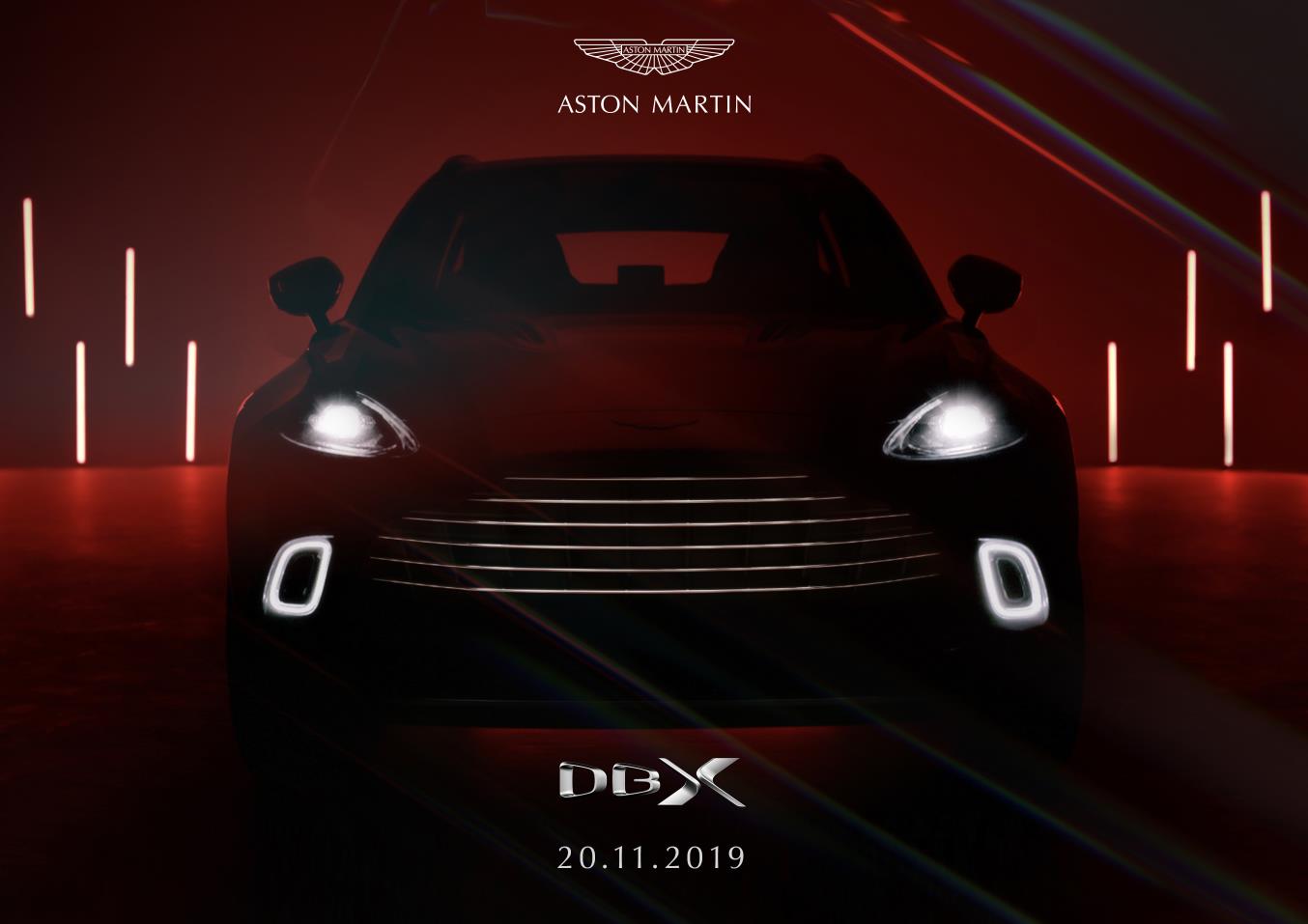
We are close to the release of the new Aston Martin DBX, Aston Martin’s first SUV. In an unusual take on stagnant PR strategy, Aston Martin has released details of pricing for the SUV, alongside pictures of its interior. The DBX is set for an official unveil on 20 November 2019.

Aston Martin has revealed that the DBX will carry a price tag of £158,000 in the UK, €193,500 in Germany, JPY 22,995,000 in Japan and $189,900 in the USA. These recommended retail prices are presumed to include applicable taxes in those regions. This places it in a price bracket above the Bentley Bentayga and slightly below the Lamborghini Urus.

The DBX has been a long time in development due to Aston Martin’s insistence on creating a new chassis. This has afforded its designers maximum flexibility to create something entirely bespoke with unique Aston Martin design cues. The platform will underpin a number of other Aston Martin projects too.

Aston Martin DBX_20.11.19

Under the bonnet, Aston Martin fits the 4.0-litre Mercedes-AMG V8, currently powering the Aston Martin Vantage. It is expected to get 550 hp and will use a nine speed torque-converter automatic gearbox, purchased through Mercedes-AMG. Aston Martin is expected to expand the powertrain options into the future with the possibility of a hybrid version soon.

The interior is expected to be roomy and futuristic. It will use the latest generation of Mercedes-Benz infotainment, adapted to Aston Martin’s individual requirements.

The Aston Martin DBX is make or brake for the British firm. It recently revealed that weak sales of new Aston Martin Vantage have contributed to a third quarter £13 million loss. On top of this, it was also revealed that the company borrowed $150 million at hugely expensive interest rates of 12%, this pushed the British manufacturers borrowing up to £800 million.

Yet with the Aston Martin DBX almost across the line, things are starting to look up for Aston Martin.

GTSPIRIT NEWSLETTER

Ferrari Roma: New V8 Coupe Revealed with 620hp

The covers have been lifted from the latest Ferrari Coupe. The Ferrari Roma packs a V8 under the front bonnet with a 2+2 setup. Designed with a simplistic, 50’s style, the Roma was revealed this evening at a Ferrari client event in Rome!

The release is not quite complete. Ferrari is teasing us with details of the powertrain and photos of the exterior. There is little else by way of detail though. A message on the company website suggests that this will be revealed at 13:30 CET tomorrow. The photos appear to be CGI renders.

Design

Ferrari Roma Side

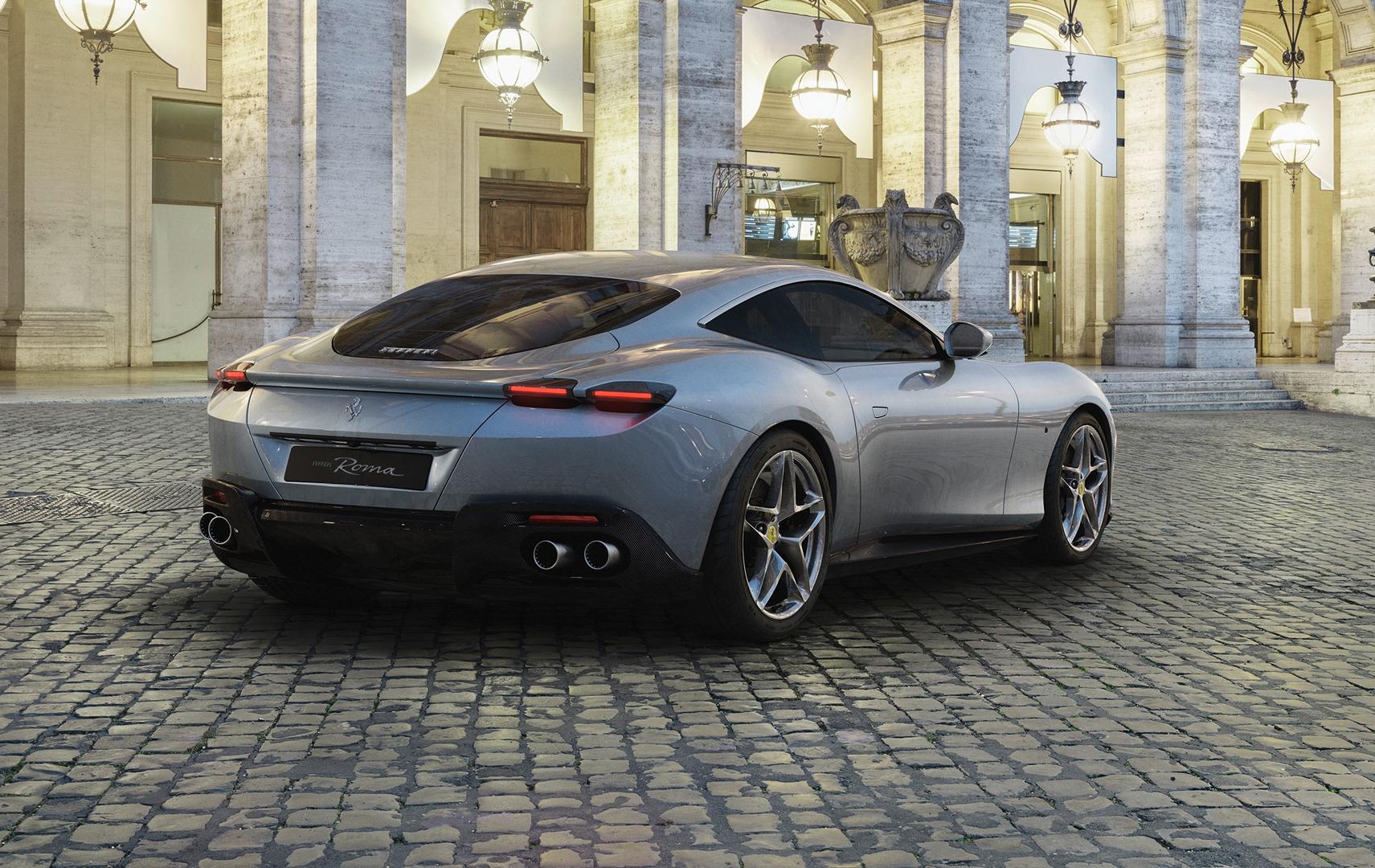
Despite its classic design cues, the Ferrari Roma is a modern front-engined GT car. The engine is mounted as far back as possible such that Ferrari describes it as “mid-front-engined”. It has a shorter front bonnet as a result, with short overhangs.

In contrast to some of Ferrari’s more fussy, aerodynamic designs, the Ferrari Roma gets a more minimalist design. The front features a sharp front nose with a futuristic front air intake and a prominent lip spoiler. The headlights are split by a daytime running light. The nose is extremely low, probably made possible by mounting the engine so far back.

Moving along the side. The Ferrari Roma features a side shape similar to that of the classic Ferrari 612. The resemblance is accentuated by a small circular side reflector mounted behind the front wheel. The doors get recessed door handles, similar in style to the Jaguar F-Type.

Towards the rear, a styling line crosses the entire length with narrow quad taillights. The bumper gets a set of quad tailpipes and a deep rear diffuser. All in, the design is classic and unpretentious.

Power

Ferrari Roma Rear

The detail we do have include the powertrain. It uses Ferrari’s 3.9-litre V8 power plant. Fitted with twin-turbochargers, it produces 620 hp and 760 Nm of torque. It’s enough for a 3.4 second 100 km/h sprint, a 9.3 second 200 km/h sprint and a 320 km/h top speed.

Tipping the scales at 1,472 kg, it weighs slightly more than the Aston Martin Vantage but less than cars like the Mercedes-AMG GT and Jaguar F-Type SVR. The power is coupled to a new 8-speed DCT gearbox which will also be used in the Ferrari SF 90 Stradale.

Ultimately, the Roma is a re-worked version of the Portifino, fitted with a fixed roof and updated styling.

Interior

Ferrari Roma

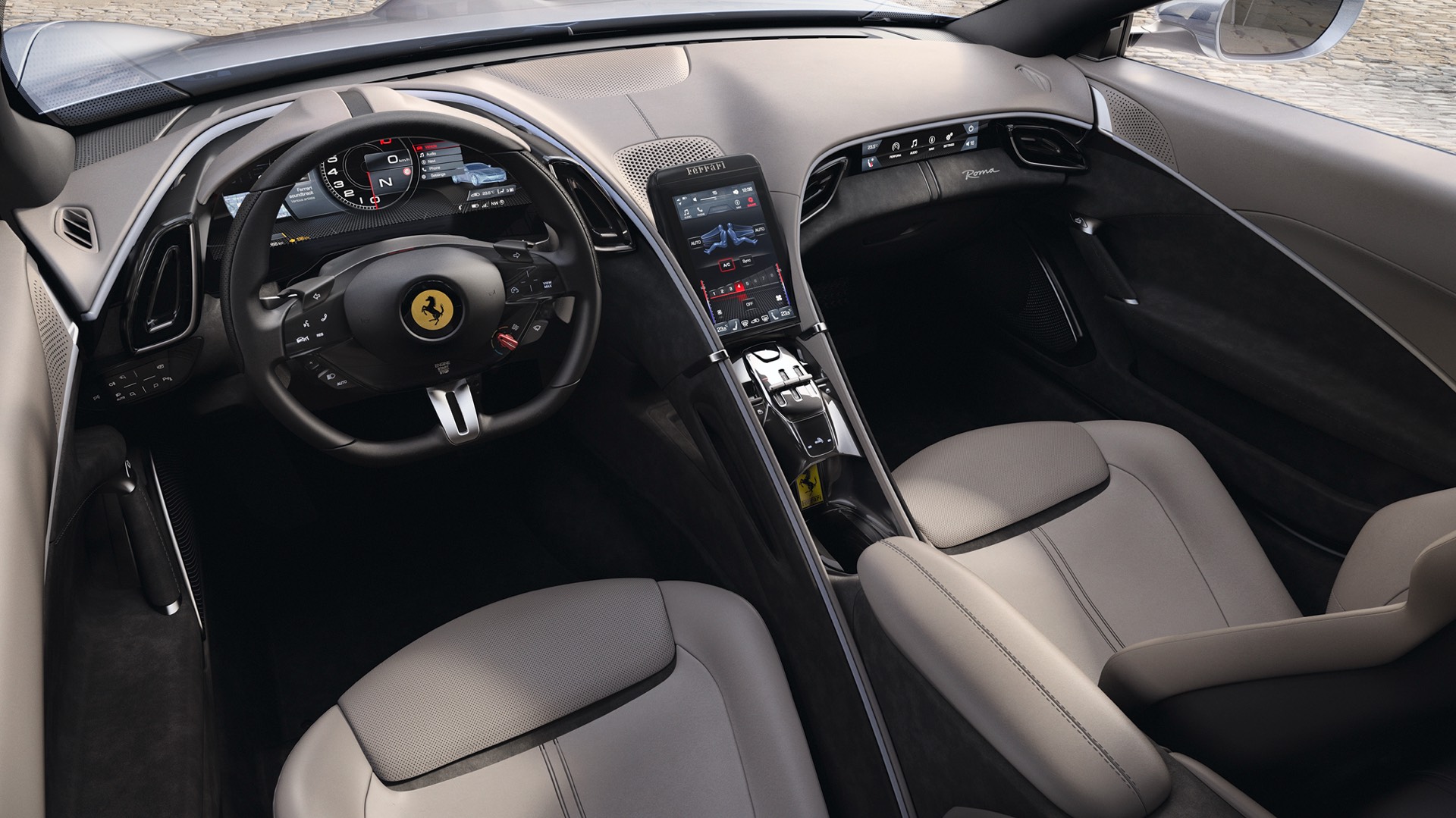
There is only one photo of the interior which shows a tightly packaged interior with a high centre console. A display handles most of the inputs for the air conditioning and comfort settings with a number of conventional switches retained below.

The passenger seat gets a display incorporated into the dashboard. On the driver’s side, the steering wheel includes the trademark Ferrari manettino dial. The dashboard is an up to date digital display.

Competition

Aston Martin Vantage AMR

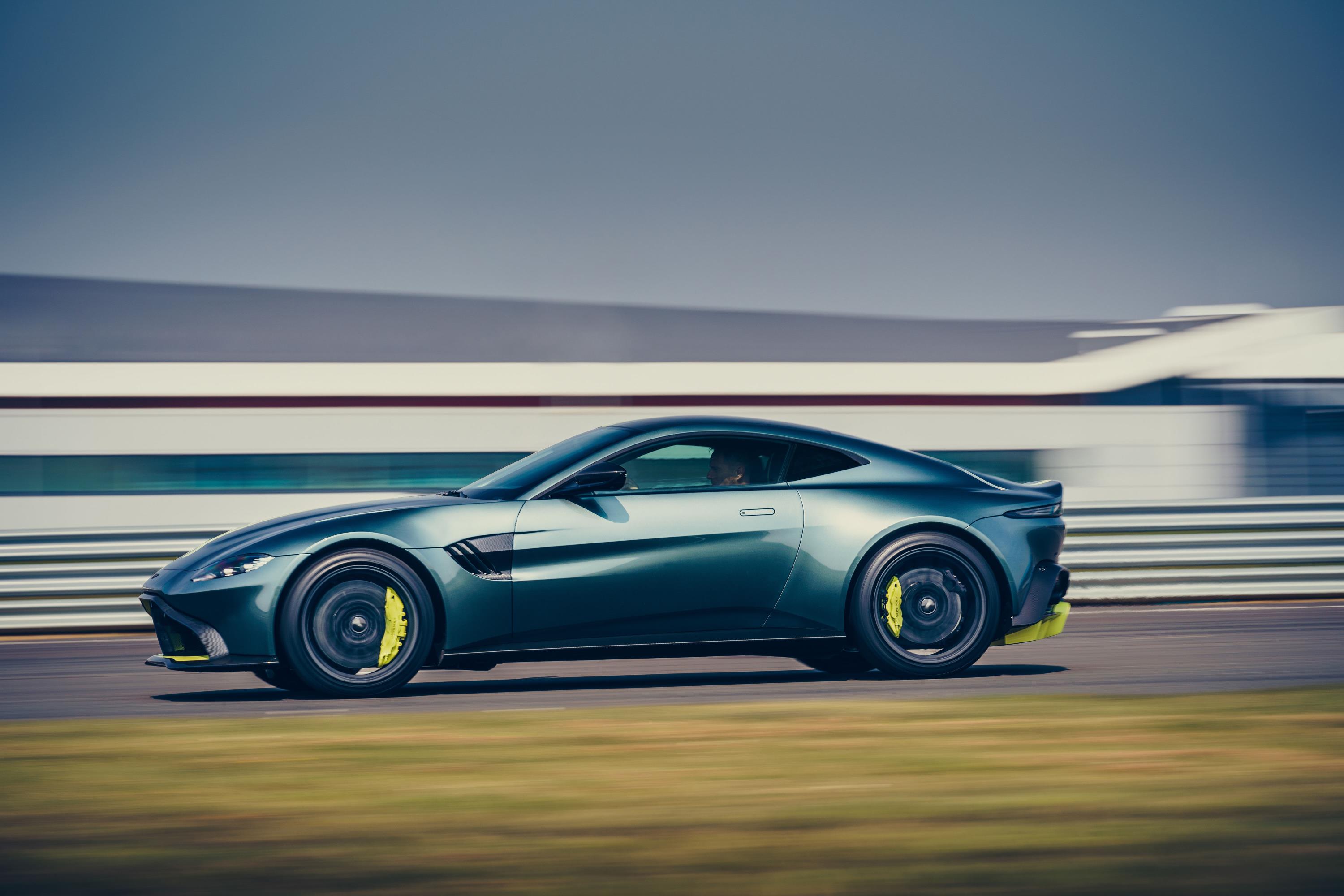
Without an idea on pricing, it looks as though the Roma is designed to compete at the lower end of the market with cars like the Aston Martin Vantage, Porsche 911 Turbo and Mercedes-AMG GT R.

We know that Bentley is working on something which might also give the Ferrari a run for its money. Maserati is known to have something in the pipeline, perhaps taking inspiration from the Roma.

Gallery

GTSPIRIT NEWSLETTER

Peugeot to contest Le Mans in 2022 with new hybrid hypercar

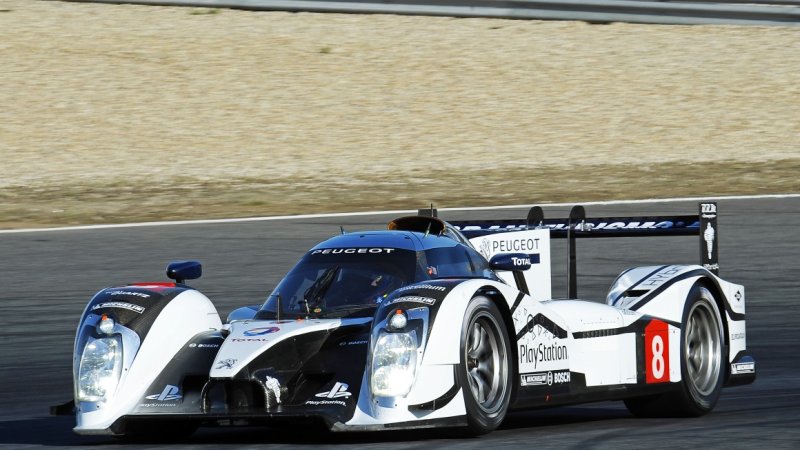
Peugeot is the third OEM to put its hand up for the new, so-called hypercar class in the World Endurance Championship, after Aston Martin and Toyota. The French manufacturer last competed at La Sarthe from 2007 to 2011 with its diesel-powered 908 HDi FAP, beating Audi in 2009. It quit the sport in 2012 to deal with dire financial issues, parking its brand new 908 HYbrid 4 LMP1 car (pictured) on the eve of the season opener. The announcement by parent company PSA Group put the return in 2022, giving it an even decade out of the sport before coming back with a racer that might make more waves on the street than on the track. Homologation rules require class entrants to build and sell 20 production versions of the race car, and Peugeot hasn’t built a production supercar in, well, ever.

We’re not sure how much building it’ll be doing here, either. Even though Peugeot Sport will play a key role in this effort, Sportscar365 reported in October that the French carmaker was looking at a “customer-based hypercar built by ORECA and run by Rebellion Racing.” Oreca and Rebellion are LMP-category stalwarts with OEM experience; the 47-year-old French team Oreca ran Toyota’s TS030 Hybrid in 2012 and has designed Rebellion’s cars, while the nine-year-old Swiss Rebellion team ran Toyota engines in its LMP car for the first four years of its existence. It’s possible the future Le Mans runner will campaign will be a technical partnership between the three outfits, a “semi-works effort run under the Rebellion banner.” Furthermore, the collaboration could start with Peugeot-branded engines supplied to the Rebellion R13 LMP1 car grandfathered into the series’s inaugural season that begins next summer.

As for Peugeot’s official debut, it’s not clear if the 2022 date means the first WEC race in the calendar year, or the 2022-2023 WEC season. The endurance racing calendar starts in September and overlaps calendar years. The 2019 season commenced in September, the first race in 2022 will be the fifth round of the current season. Peugeot promises more details in early 2020.

For the moment, Glickenhaus and ByKolles —run by former Formula One team boss Colin Kolles — are the other two manufacturers planning to compete at the top level in the new class in 2020. Porsche and McLaren have made noises about it but nothing’s come of it yet, and Lamborghini said in August that it’s looking closely at the regulations to gauge an entry.

Meet the $1.69 Million Sports Car That Doesn’t Have Windows or a Windshield

Generally speaking, the more money you spend on a new car, the more features you can expect to buy. Fork over $14,730 for a basic Nissan Versa, and you’re lucky to get power windows and air conditioning; drop six figures on a Bentley, and you fully expect it to coddle you in the lap of luxury with massaging seats and rotating displays made with sustainably-sourced wood.

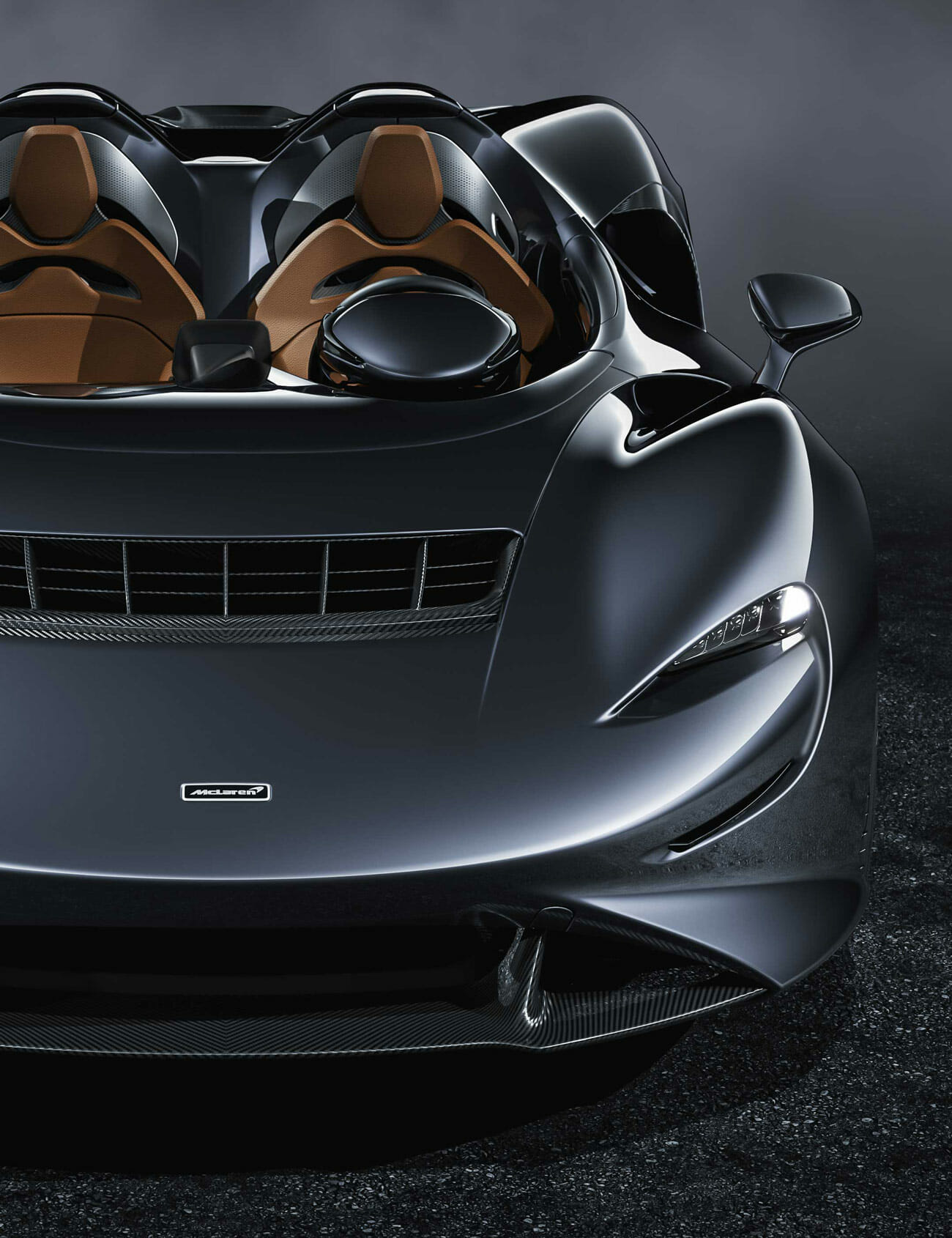
The new McLaren Elva, however, flies in sharp contrast to that trend. It costs a bare minimum of $1.69 million dollars, yet that seven-figure sum doesn’t even buy you a windshield or windows.

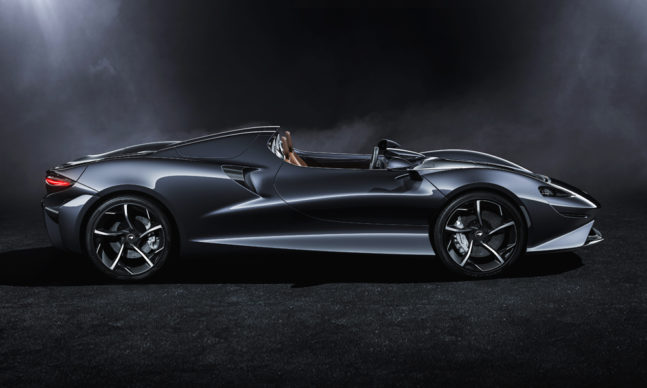
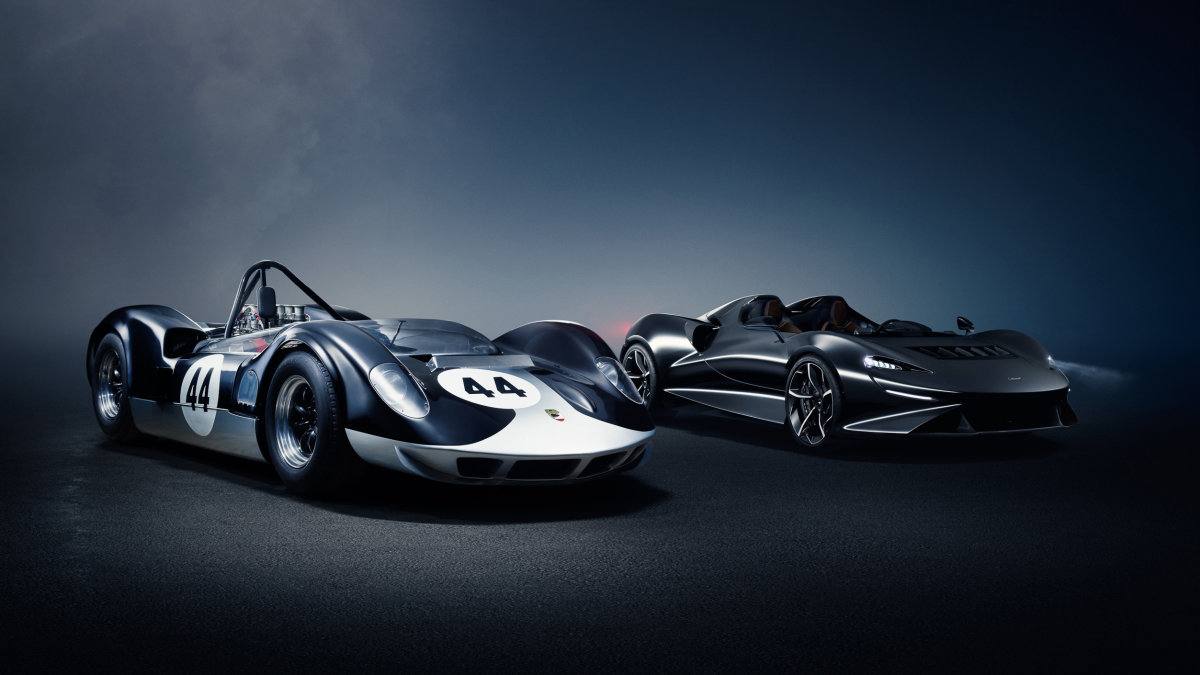
To be fair, that’s kind of the entire point of it. The Elva is the latest member of McLaren’s Ultimate Series of sports cars, its limited-run, top-of-the-line speed machines like the Senna and P1 that are whipped up for the brand’s most exclusive customers. It’s a two-seat speedster inspired by the McLaren-Elva sports cars company founder Bruce McLaren created half a century ago (one of which can be seen in the first image above); as those cars did without niceties such as wind-blocking glass, so does its 21st Century namesake.

To get around the lack of windshield, McLaren came up with a way to use the blowing breeze against itself to shield occupants. The new Active Air Management System, or AAMS, uses the magic of physics to suck onrushing air down into the clamshell nose and then shoot it up and over the passenger compartment at high speed, checking the other oncoming air molecules out of the way. The effect, in theory, should be something like an air-blocking force field; we’ll have to see how it holds up in practice. (Yes, that’s our way of asking McLaren to let us drive it.)

Beyond that, the basic building blocks of the Elva are familiar from pretty much every other modern McLaren: a carbon-fiber chassis packing a twin-turbo V8, with a seven-speed dual-clutch transmission sending power to the rear wheels. In this case, it’s a 4.0-liter version of the Macca V8, as seen in the 720S Spider; here, though, it’s been dialed up to 804 horsepower, eclipsing even the mighty likes of the Ferrari 812 Superfast, Lamborghini Aventador SVJ and Dodge Challenger Hellcat Redeye.

The lack of glass and a roof help the Elva achieve the honor of being the lightest Mclaren of the modern era, though the company isn’t releasing final weight figures just yet. It should vault from 0 to 60 mph in less than three seconds and from naught to 124 in just 6.7 — as quick as a Honda Civic Si does the 0-60.

McLaren does say that occupants are welcome to wear helmets, though the car’s upper body reportedly provides enough protection that you don’t need to.
That said, there will also be a version with a windshield available if you really don’t have the nerve to go fully al fresco. Place your order for one of the 399 examples now, and you should expect to have yours in hand by the end of 2020.

How to Survive Winter Driving

Keeping safe (and sane) while driving through the winter months takes more than a good set of snow tires — although that’s a good place to start. With the right gear and gadgets, combined with a higher of knowledge of car control, taking to the snow-covered roads the next couple of months could be a breeze. So do yourself a favor — brush up, stock up, and spring will be here before you know it.

11 Essentials for Winter Driving Survival

11-winter-driving-essentials-gear-patrol-feature11-winter-driving-essentials-gear-patrol-feature

The first step in safely battling through the impending harsh winter months is being properly prepared.

The Best Winter Tires of 2019

best-winter-tires-2016-gear-patrol-featurebest-winter-tires-2016-gear-patrol-feature

It’s all about having the right tools for the job, and getting from A to B during the winter is no different. Think of winter tires as an investment in peace of mind.

Essential Gadgets to Keep Warm in Your Old Car

5-gadgets-warm-car-gear-patrol-feature5-gadgets-warm-car-gear-patrol-feature

If you happen to own a car bereft of heating options, you’d be understood for swearing off winter driving altogether. But, should your driving needs and love for that old car be constants, there are a few upgrades available to help you endure the winter months behind the wheel.

How to Turn an Old Car into a Winter-Crushing Machine

winter-driving-geat-patrol-rally-schoolwinter-driving-geat-patrol-rally-school

Though an affordable older car is a great way to spare your shiny performance car the pains of driving through winter, it can also make for fun and safe winter conveyance.

Learning the Sweet Science of Car Control

Rally-School-Gear-Patrol-LEADRally-School-Gear-Patrol-LEAD

New England had just received a few feet of powder and was feeling temperatures well below zero. I’d attended a racing school before, learning car control and driving dynamics, but that was on nice, dry, grip-laden asphalt. The icy New England winter took car control to the next level.

How to Drift in The Snow, Like a Pro

winter-driving-geat-patrol-flickwinter-driving-geat-patrol-flick

To break down how to properly execute a Scandinavian Flick, we spoke to Wyatt Knox, an instructor at Team O’Neil Rally School and a guy who does this maneuver on a daily basis.

McLaren Elva: New V8 Speedster Revealed, 399 Units Only

McLaren has released details of a new Speedster model. The McLaren Elva is the latest model to join McLaren’s Ultimate Series. It is also the first roadster!

The Elva makes use of an open-cockpit, two seater design, evocative of the Bruce McLaren-designed 1960’s McLaren_Elva sportscar which raced in the Group 7 category. These cars came with Oldsmobile, Chevrolet or Ford V8 engines. The new Elva takes inspiration from the design of the McLaren-Elva M1A [Mk I], M1B [Mk II] and M1C [Mk III].

In terms of design, the two seater layout uses no roof, no windsreen or side windows (a windscreen is available as an option in most markets though). It is as pure as a modern-day experience could be with a big V8 out back. The low nose an pronoucnced front fenders give the driver good visibility. The rear butresses are kept to a minimum, using deployable roll-over systems to ensure safety.

McLaren has engineered a Active Air Management System (AAMS) into the aerodynamic profile. The system channels air through the nose and our of the front clamshell to divert air over the cockpit. It raises by as much as 150 mm to create a low-pressire zone. The system is activated by a button and works best at high speed.

The new McLaren uses a 4.0 litre, twin-turbocharged McLaren engineered V8 with 815 hp. It sits inside a bespoke carbon fibre chassis. In terms of performance, the Elva sprints to 100 km/h in just under 3 seconds and 200 km/h in 6.7 seconds.

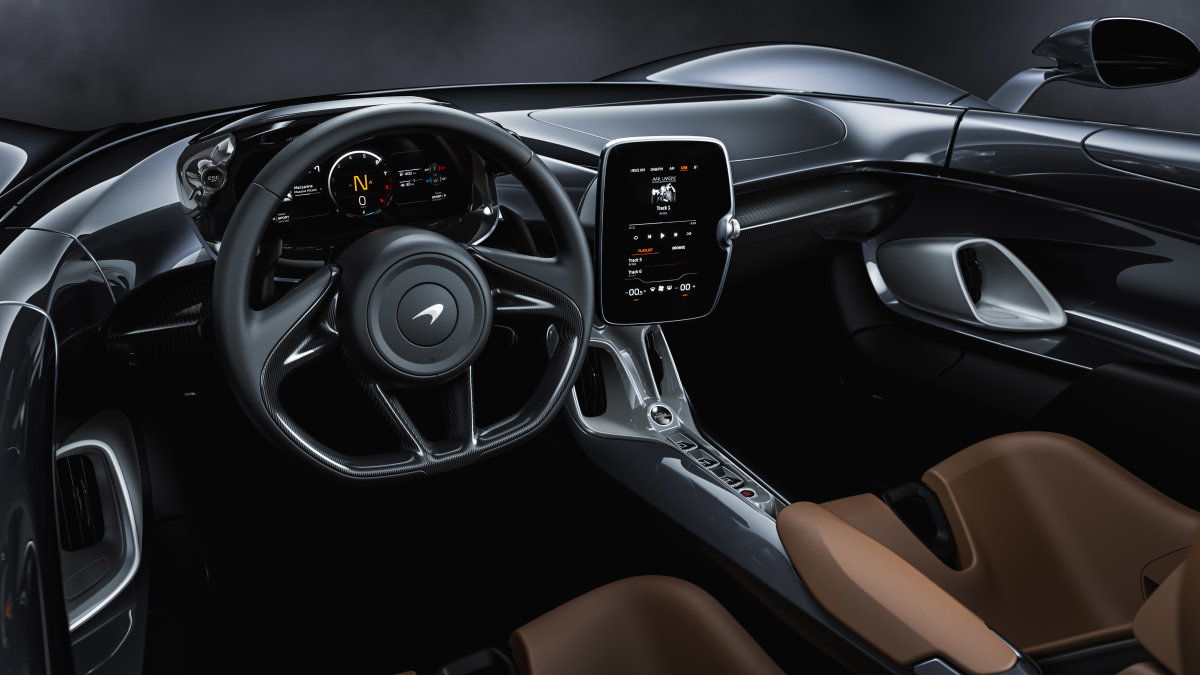
The interior is minimalist. It benefits from a new lightweight carbon fibre shell design seat. A six-point racing harness can be selected from the option list. A carbon fibre spar sweeps between the butresses and supports the engine start button, the controls and a dashboard screen. There is no audio system with weight kept to a minimum (this can be re-introduced at no additional cost).

399 examples of the McLaren Elva will be produced with prices starting from £1,425,000 including UK VAT. That price will shoot up depending upon the level of personalisation required by McLaren Special Operations.

GTSPIRIT NEWSLETTER

Own a Honda Accord? Here Are 3 Cars You Should Consider Upgrading To

Few cars on sale today blend comfort, convenience and playfulness quite like the Honda Accord. Now in its eighth generation, this family sedan has been winning hearts and minds here in America for more than 40 years, with millions upon millions gracing the roads over that time. Still, good as the Accord is, even loyal owners might reach a point where they start wondering what else is out there. Maybe they want more space, more power, more refinement; maybe they just want to try something new. We’re not here to judge, just to help you explore your options.
So if you’ve got an Accord parked in your driveway now but are thinking about taking a step up the automotive ladder, take heart: we’ve pulled together three cars that would make a great upgrade for about $10,000-$15,000 more than the $23,870–$36,100 that the Accord sells for.

If You Like How Roomy the Accord Is, Try the Toyota Avalon

Base Price: $35,800

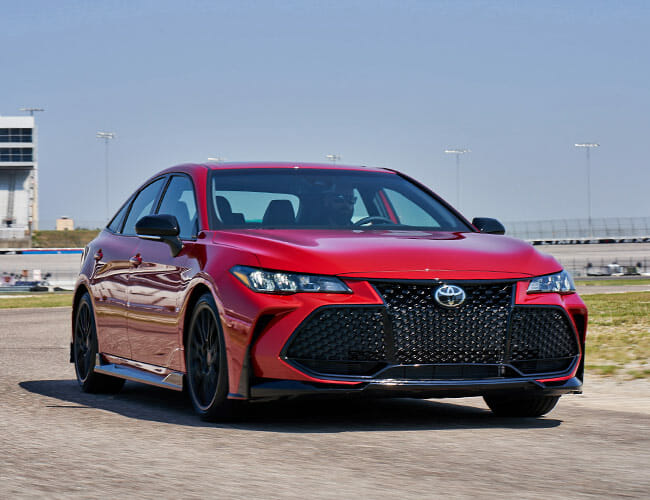
Not long ago, the idea of recommending the Avalon to anyone under the age of 70 would have been absurd. When Toyota revealed the fifth generation version in 2018, however, it changed the game. The switch to the company’s new TNGA platform and Akio Toyoda’s maxim of “No more boring cars!” helped create an Avalon that was as capacious and comfortable as ever, but with an added dose of playfulness. (There’s even a TRD version now, for God’s sake.)

The styling may be a matter of taste — we’re fans of it, at least in person — but there’s no arguing with its comfortable ride, peppy 301-hp V6 and Lexus-grade interior, especially in higher trims.

If You Like How Sporty the Accord Is, Try the Genesis G70

Base Price: $35,450

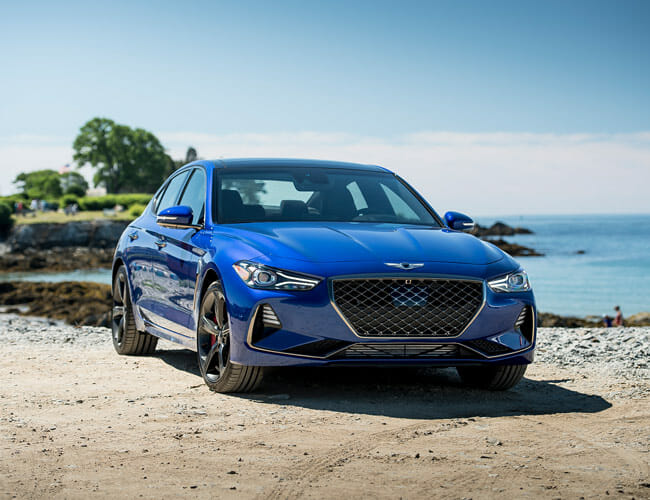
The third car out of Hyundai’s young luxury division is the sort of sporty sedan BMW would be proud to make. (Indeed, former BMW M division head Albert Biermann now runs the company’s R&D.) Like the Accord, the G70 is well-made, laden with convenient features and pleasing to drive.

Unlike the front-wheel-drive Honda, though, it comes in rear- and all-wheel-drive, which lets it put the power down more effectively (and more entertainingly). There’s a twin-turbo V6 option for those who want sports car acceleration. And if you’re one of the few people who bought an Accord with the turbocharged 252-hp 2.0-liter inline-four and a six-speed manual and loves it, great news: You can buy a G70 with a turbocharged 252-hp 2.0-liter inline-four and a six-speed manual for about seven grand more.
If You Like That the Accord Is a Honda, Try the Passport

Base Price: $31,990

We may roll our eyes and sigh when we think about how many people are trading in sedans for SUVs, but there are some advantages to SUV life that are hard to contest. Modern crossovers are easier to climb in and out of, and offer a commanding view that leaves drivers feeling empowered. Still, Honda has some of the highest brand loyalty in the industry, so it stands to reason that many buyers might not like to leave the brand behind when they ditch their sedan.

The Honda Passport has more ground clearance than the Accord, an all-wheel-drive system designed to handle varied terrain, and nearly three times the cargo space behind its second row as the sedan has in its trunk. It can even tow a small Airstream. Good luck finding an Accord that can do that.

McLaren Elva is the next Ultimate Series model, with 800 horsepower

McLaren’s latest Ultimate Series hypercar has been revealed, and its name is Elva. The McLaren Elva is an open roadster named and themed after the open race cars built by founder Bruce McLaren and the Elva sports car company in the 1960s. This new car is the lightest and one of the quickest cars from McLaren yet.

The new Elva’s resemblance to the classic race car is clear with undulating, exaggerated wheel arches, discreet rear air scoops, low nose and completely exposed cockpit. But it has trademark design cues from modern McLarens such as the squinting headlights, slender taillights and a tail dominated by air vents and a diffuser. The Elva has no roof or windows, but it does have McLaren’s typical butterfly doors, and a windshield will be available as an option.

Hidden under the voluptuous body is a version of the McLaren Senna’s twin-turbo 4.0-liter V8, but thanks to a high-flow exhaust, it now makes 804 horsepower and 590 pound-feet of torque. It’s coupled to a seven-speed transmission that sends power to the rear wheels only. McLaren says the engine will propel the car to 62 mph in under 3 seconds, and it will hit 124 mph (200 kph) in 6.7 seconds, which is faster than the Senna.

This is in part made possible by the Elva being the lightest McLaren road car yet. A final weight hasn’t been announced, but we know it’s less than the 2,900-pound Senna. Much of the credit for the weight savings goes to the new carbon fiber chassis and body, plus the lack of any kind of driver enclosure. McLaren doesn’t even include an audio system as standard (it’s a no-cost option) to help keep the weight down. The seats are made of carbon fiber. Even the brakes, which are based on the already light setup in the Senna, get titanium calipers that save about two pounds in total.

While light and serious, McLaren has still tried to make the driving experience reasonably comfortable. It has implemented a fancy set of vents, vanes and deflectors in the front of the car called the McLaren Active Air Management System to channel air around the passenger compartment. That way, the “cabin” is still tolerable even if you’re not wearing a full-face helmet. If you do decide to wear a helmet, there is a storage area under the cowls behind the seat that has space for your headgear. The seats can be covered in a variety of materials from leather with additional protective coatings to a new durable, breathable fabric. The Elva also gets McLaren’s latest infotainment system that spans eight inches and has a control wheel hanging off the side, almost like the crown on a watch. If you do plan on using the Elva purely for track use, though, you can skip adding the windshield or sound system and add the optional six-point seat harness instead. Or add all of them — McLaren will spec the car out however you want.

McLaren will spec out only 399 Elvas, though, so get your order in while you can. Make sure your bank account is healthy, too, as the base price for a McLaren Elva is $1.69 million. That’s roughly $700,000 more than the Senna, but it is a bit more exclusive, and it accelerates a little harder.