All posts in “Cars”

Soundcheck: Aston Martin Valkyrie begins to scream

In July, Aston Martin published the first video of the Valkyrie on track at Britain’s Silverstone Circuit during the Formula One Grand Prix weekend there. Test driver Chris Goodwin didn’t push the 1,160-horsepower coupe to its limits, merely massaging the throttle for the camera a few times. The English carmaker headed back to Silverstone this month with a group of guests in tow, and this time the test driver put a little more muscle into the fly-bys. Since the track was wet, the soundtrack still can’t be considered the ultimate experience, but even so, the 6.5-liter Cosworth V12 sounds exceptionally good.

This new video injects a high-pitched wail that was missing in July, the kind of wicked, soaring keen that jellies one’s organs and notifies the mind of blinding terrors on approach. In fact, the Valkyrie now makes all the noises Formula 1 fans wished the F1 race cars could make. That’s no hyperbole, either. Compare the modern Cosworth to the 3.5-liter Honda V12 in the 1991 McLaren MP4/6, the resemblance is clear. Remove the street-legal equipment on the Aston Martin and let Goodwin uncork it, as we expect to happen in next year’s World Endurance Championship, and it’s clear the WEC might have the best sounding racers in all of motorsport.

Deliveries are scheduled to begin before the end of the year, so Aston Martin should be wrapping up its validation testing on Verification Prototype 1 if it hasn’t already. After that come competition entries into the FIA World Endurance Championship (WEC). And after that, someone will need to convince at least one owner to drive the Valkyrie on the street so that we can all enjoy the noise.

Rimac CEO rules out SUVs, says brand will stay focused on supercars

It sometimes seems as if the entire automotive world is consigned to a future of nothing but high-riding sport utility vehicles, even among brands known for high-end sports cars. Porsche long ago gave into the craze with the Cayenne, Lamborghini has given us the Urus, we just saw Aston Martin unveil the DBX, and Ferrari has its own plans for a lifted performance family hauler. But Croatian electric vehicle maker Rimac Automobili is signaling that it’s not going down that road.

CEO and founder Mate Rimac spoke with Top Gear about plans for future models, telling the site, “We ourselves? No. We will not do a performance SUV. For sure.” He told the site he understood why automakers like Aston give in to the SUV craze, but insists Rimac will remain focused on two-seat supercars with innovative features in areas of aerodynamics and weight. “But I don’t want to make SUVs or stuff like that,” he added for good measure.

For now, Rimac has been working on homologating the C_Two, a limited-edition, 1,914-horsepower battery-electric supercar that it unveiled in 2018 in Geneva. It’s powered by four electric motors that draw from a 120-kilowatt-hour battery pack, boasts a range of 404 miles on the generous NEDC cycle, a top speed of 258 mph and adds 1,969 pound-feet of torque to the mix.

Production is set to start next year, capped at 150 examples, which have long been sold out at a base price of around $2.1 million. We’ll reportedly see the production version in March at the Geneva Motor Show.

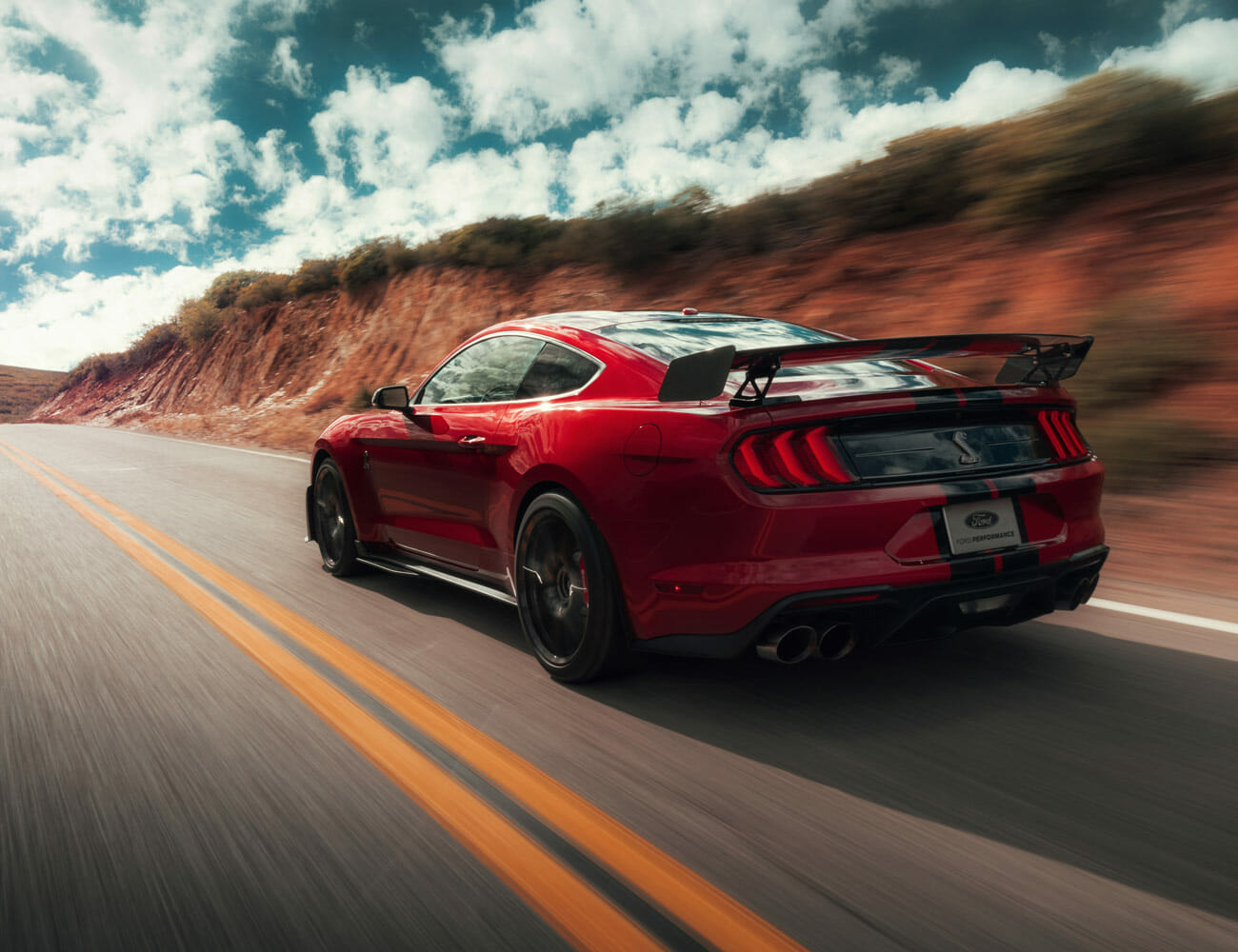
The 2020 Shelby GT500 Made Me Rethink What a Mustang Should Be

For most of its history, the Ford Mustang has never really been about handling. Cool? Absolutely. Fast? Yeah, for the most part — though the Malaise Era cars can only be considered as such by the standards of the day, and the V6 ‘Stangs of the early ’90s don’t even get that excuse. But when it came to turning, Mustangs generally were little better than any other car rolling out of Dearborn.

Sure, there were the occasional race-tuned models, like the Cobra R of 2000. But the Mustang, like most muscle cars, was ultimately about straight-line speed — and no version better represented that than the Shelby GT500. Each version was not only more potent than every Mustang before, but arguably wilder and crazier too.

That trend peaked with the GT500 that grew out of the fifth-generation Mustang, a 662-horsepower supercharged beast with a cue ball-topped stick shift and a solid live axle out back that made driving it feel like a carnival ride. It was the ultimate Mustang, a rolling Godzilla that could spin the tires at 60 miles an hour and crack 200 given enough room to run.

It was also one of the first new cars I truly fell in love with. It felt every bit what short-pants Will always expected a muscle car to be: big, bad, empowering. I burned rubber on side streets because it was so easy. I floored it in second gear on empty straightaways just to ride the lightning from 25 to 95. I revved the engine instead of honking in traffic to hear the horny T. rex roar coming out of the exhaust pipe. It was a silly car made spectacular by a supernatural engine.

So when Ford revealed that the sixth-generation Mustang’s version of the Shelby GT500 would not only ditch that engine for a new, smaller-displacement supercharged V8 but would also follow more in the steps of the track-focused GT350 than in the tire tracks of GT500s past — and worse, would be governed to a top speed of 180 mph — it’s safe to say I felt a bit angry. Betrayed, even. The GT500 I loved may have been rude, crude and lewd, but damn it, it was honest about where it came from.

Then Ford invited me out to Las Vegas to test the 2020 Shelby GT500 out on the street, the track and the drag strip. And I walked away loving it.

Ford Performance’s engineering work has, remarkably, delivered a muscle car that feels every bit as fast and furious as an honest-to-God supercar. The wonders they’ve performed on the platform and suspension to extract maximum on-track performance have paid off delightfully, both on the street and in the heat of battle.

Las Vegas Motor Speedway’s 2.4-mile billiard table-flat road course is hardly the most compelling track on the planet for a 760-hp car, given its lack of straights — the last time I was brought there to try a new car, it was the 275-hp Chevy Camaro 2.0T 1LE — but it proved a solid venue to discover how stunningly well-balanced and neutral the new ‘Stang’s handling is. The bevy of Ford Performance tuned software and hardware alike that separates this GT500 from lesser Mustangs turns a front-heavy muscle car into an honest-to-Edsel super sports car, one worthy of carrying the high-performance torch for the carmaker once the GT supercar fades away.

Yet it’s still easy to drive on the road, too. The ride never relaxes past firm, but it’s an O.G. Lexus compared to the last GT500, where pockmarked pavement could actually knock you out of your seat and into the air. There may be a P-R-N-D-M dial where the gear lever once sat, but the paddles behind the wheel — sourced from the F-150 Raptor, as far as I could tell — serve up the delight of choosing your own gear almost as well. There may be no heavy clutch to play with anymore, but you can still slot the drivetrain into any gear you like and feed on the unrelenting power, savoring its force like a fine bourbon.

The weighty steering, never a Mustang strength, is sharper, if not delicate or flowing with feedback. On the winding roads an hour outside of Vegas, the GT500 carved up turns with the intuitive ease of a sports car from Stuttgart, responsive and relaxed even at autobahn-worthy speeds — aided, of course, by downforce-boosting aerodynamics like the louvered hood and rear spoiler. (The $18,500 Track Package package adds carbon fiber wheels, a much bigger wing and splitter wickers, among other racy accessories; unless you’re planning on spending more time on closed courses than open roads, save the money.)

Of course, it still slaughters all comers on the straightaways, too. Indeed, if there’s one place where it feels subjectively less than the old GT500, it’s in how damned easy it is to humiliate almost anything in a straight line. Flooring it from a stop in the 2013 model felt like flying a D-558-II Skyrocket; in the 2020 model, it’s as smooth and simple as takeoff in a Dreamliner.

To prove how easy it is to launch the 2020 GT500, Ford took the assembled mass of media to the drag strip, so we could test out the two features designed to help even noobs squeeze every once of straight-line capability out of it: line lock, where the computer locks the front brakes while you floor the gas, allowing for a perfect burnout every time (which also warms up the tires for maximum grip); and launch control, where the computer holds the engine at just the right rpm no matter how hard you mash the throttle, leaving you to do nothing but lift your left foot off the brake and keep the right pinned to the firewall when the light turns green. Do it right, and you’ll go one-fourth of a mile in 10.7 seconds, hitting 60 mph just 3.3 ticks of the stopwatch after you launch.

Thanks to the spectacular new dual-clutch gearbox, there’s no worry about trying to nail a perfect 2-3 shift with a balky stick shift; it clicks off cogs right on cue in as little as 80 milliseconds. There’s no futzing with the pedals through the quarter, no dancing with the throttle to keep from overloading the tires. If the 2020 model were only easier to drive than its predecessor, it’d be easy to hate on it. The fact that it’s easier and faster, however, simply makes it better.

The 2020 Shelby GT500 may not be the all-American monster that its forefather was, but it’s far superior in almost every way. Whether or not it’s ultimately more worthy of being the reigning sovereign of the House of Mustang than its raw, animalistic predecessor was — well, that’s up to you. But I’m not ashamed to admit that it made me a convert.

Bentley Working on Topless Limited Edition W12 Speedster

Bentley’s centenary year has been a little quiet by the standards set by other automotive brands. We have seen a few special edition model, a refreshed Flying Spur and a concept car in the form of the EXP 100 GT. yet there has been nothing truest special for the enthusiast to lust after. That might soon change if the latest rumours are to be believed.

Bentley is apparently working on a Speedster model, inspired by the Bentley EXP 100 GT concept, which would compete with the McLaren Elva and Ferrari Monza SP2. The rumours arrive through British magazine Autocar.

Autocar suggests that Bentley is working on the “ultimate open-cockpit sports tourer”. It is expected to arrive in 2021 as a two-seat barchetta-styled tourer. This means, no roof and a very limited, Collectors’ Series, production run.

The rumours are suggesting that the Speedster model would use a conventional petrol power plant. The 6.0 litre W12 unit is the prime candidate and should produce in excess of 630 hp. With the removal of the roof, the Speedster should prove significantly quicker than the Bentley Continental GT.

The Speedster model would be produced through Mulliner, Bentley’s special projects division. It hasn’t produced a bespoke vehicle since it produced the Queen’s state vehicle in 2002. The cost is expected to be in excess of £1 million.

GTSPIRIT NEWSLETTER

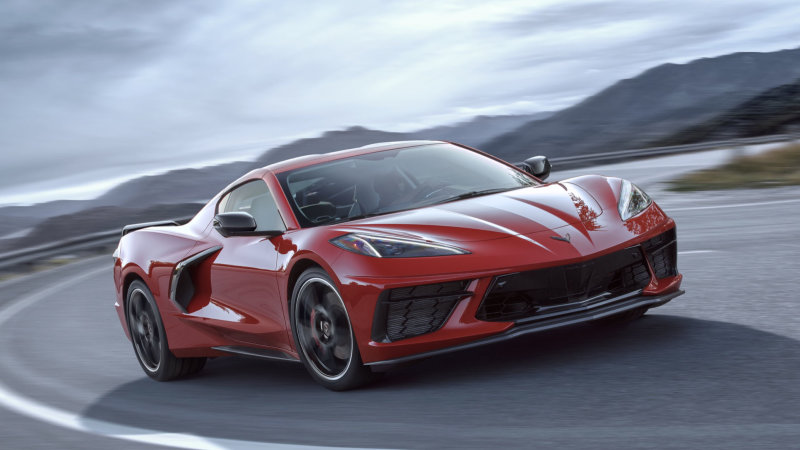
New C8 Chevrolet Corvette ZR1 engine rumor posits 900 horsepower

Let’s just go ahead and plan to feast on C8 Chevrolet Corvette rumors for the next few years. Two new reports have come out that drop new info on the ZR1 and gobs of details about what could turn into multiple hybrid Corvette models. Starting with Motor Trend, the magazine cites “a senior official at GM” for confirmation that the coming ZR1 will produce “an even 900 hp” from a performance-oriented hybrid powertrain. Displacement of the gasoline engine component remains a mystery. MT writes that the “ZR1 will build on the Z06’s all-new engine” with a block anywhere from 4.2 to 5.5 liters of displacement, but the potential vibration issues make the larger end of that range unlikely if the rumored flat-plane crank is involved.

Motor Trend sticks by sister publication Automobile‘s story that the Z06 will use an 800-hp twin-turbo engine based on the naturally aspirated 5.5-liter V8 in the C8.R. Countering that, Muscle Cars & Trucks believes the Z06 will go down to around 600 hp and use a naturally aspirated V8, with only the ZR1 getting the two turbos.

MT didn’t get any specs on the ZR1’s hybrid component, but Bozi Tatarevic happened upon internal GM documents that potentially fill in a swath of the picture. In a lengthy report for Jalopnik, Tatarevic suspects there could be “both a hybrid ZR1 and a hybrid base model Corvette.” The documents, along with cutaway models of the mid-engine sports car, show how the front area could house a single electric motor driven by a 1.94-kWh battery pack and power electronics packaged in the center tunnel. The e-motor, which is listed as running through an open differential, would produce about 114 peak horsepower and more than 880 lb-ft of torque after an 8:1 reduction gear. Being oriented toward performance, a pawl clutch would disconnect the motor and gear reduction from the front axle for better fuel economy. Said to be offered in coupe and convertible forms, the base Stingray with the LT2 V8 and hybrid system would throw something in the “mid-to-high 500 HP range if not more.”

Paperwork appears to show the motor would be mounted low enough in front for the Corvette to retain its frunk. In order to fit the shaft through the space currently occupied by the front dampers, the hybrid system will require split yoke dampers akin to those used on AWD versions of the Tesla Model 3. It’s possible magnetic dampers will be standard fit, as well as an electronic limited-slip differential running through a 3.797 final drive. Wheel sizes for what we’ll figure is the ZR1 would increase an inch front and back to 20 and 21 inches, respectively, with respective tire sizes of 275/30 and 345/25. According to codes in the document, carbon-ceramic brakes would be standard. 

We only have a few more years to figure out where all these pieces go, so while you wait, check out Tatarevic’s in-depth report for cutaway images and loads more details on issues like weight balance and benchmarking against the Acura NSX.

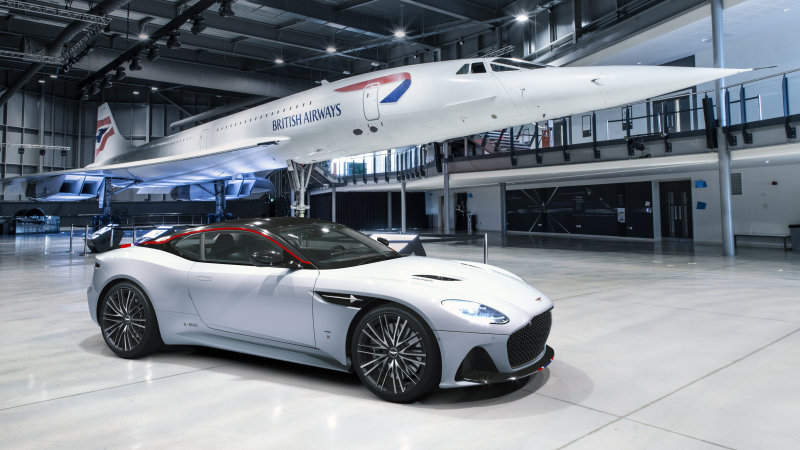
Aston Martin DBS Superleggera Concorde Edition Revealed – 10 Cars Only

In its centenary year, British Airways is also celebrating the 50th anniversary of one of its most iconic airplanes, the Concorde! Aston Martin appears keen to celebrate the groundbreaking, supersonic airplane too, revealing the special edition Aston Martin DBS Superleggera Concorde yesterday, 50 years after Concorde first took to the air.

For those few who haven’t heard of Concorde before. It flew between 1976 and 2003 as the first commercial supersonic passenger plane. It was operated exclusively by British Airways and Air France. It was developed and manufactured as a joint venture between Sud Aviation (later Aérospatiale) and the British Aircraft Corporation (BAC). It’s success was due to the fact that it cut travel times roughly in half, due to the fact that it could travel at supersonic speeds.

For its homage, Aston Martin’s Q by Aston Martin division has created 10 special edition versions of the DBS. It joins the Aston Martin Wings Series, following on from the Vanquish S Red Arrows Edition; Vantage Blades Edition; and the V12 Vantage S Spitfire 80. The commission comes via Aston Martin Bristol.

On the outside, the unique touches include bespoke side strakes milled from solid aluminium; a bespoke livery comprising British Airways colours on the roof strake, aero blade and rear diffuser; black tinted carbon fibre roof with Concorde silhouette graphic; the famous British Airways ‘Speedmarque’ logo in chrome on the front wings; a Q by Aston Martin wing badge with black enamel infill; authentic jet black painted Civil Aviation Authority aircraft identifier numbers and bespoke inspection plaques signed by Aston Martin Lagonda President and Group CEO Andy Palmer and British Airways Chairman Álex Cruz.

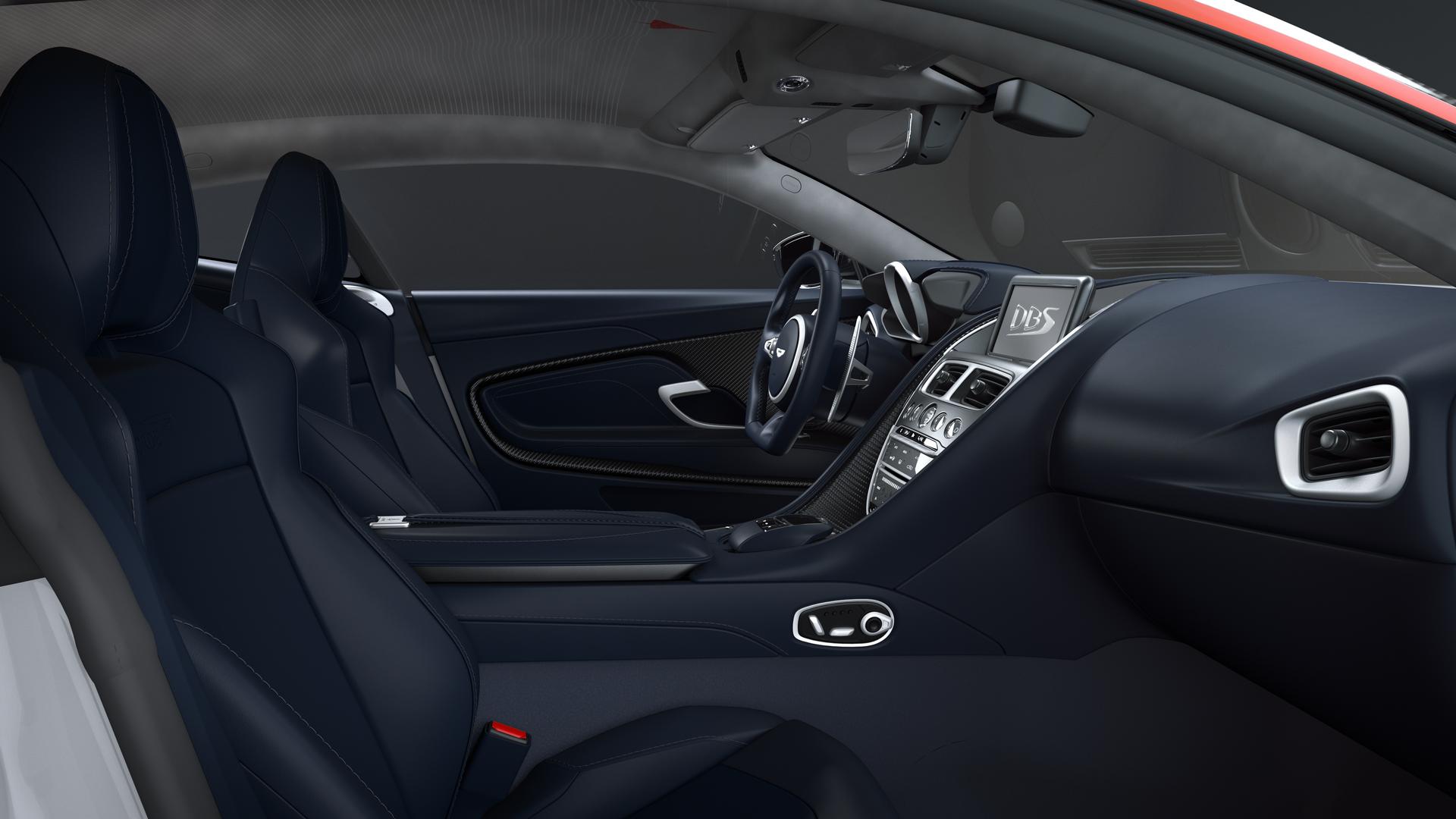
The interior gets predominantly blue design features. It includes the Concorde logo on the front seat facings; a Mach Meter graphic embroidered on the driver’s side sun visor; a unique headliner featuring printed Alcantara displaying a ‘sonic boom’ graphic; paddle shifters made from titanium from Concorde compressor blades; floor mats in Terence Conran design pattern; seatbelt buckle badges milled from solid aluminium and bespoke sill plaques.

Aston Martin DBS Superleggera Concorde Edition Interior

Aston Martin will handle the sale of the 50 unit production run. Parts of the proceeds from the sale of each individual car will be donated to the Air League Trust, a not-for-profit organisation that teaches under-privileged children how to fly, and offers support for them to work in engineering.

GTSPIRIT NEWSLETTER

McLaren Senna LM Spotted: Is This The Next Project for MSO?

The McLaren Senna is already one of the most track-focused McLaren models. It’s difficult to believe that McLaren could make it any more focused. Yet that seems to be what its special projects department, MSO, is working on with the McLaren Senna LM.

Pictures of a McLaren Senna LM prototype emerged today on popular forum Pistonheads. A single photo shows a Papaya Orange model parked outside an industrial unit. It’s missing its front left fender, either the result of an accident or partway through development.

The Senna LM is parked next to another Senna, hidden under a delivery wrapping but clearly missing its rear wing. Hiding in the car wash bay is a McLaren F1 road car too.

Renderings of the McLaren Senna LM have hit the web over the past month. They appear to show a car which dispenses with the Senna’s glass door windows in favour of a flatter carbon fibre door panel.

The renders also show a GTR-look front end without the extreme canards. There is a set of fender vents, a larger roof snorkel and a re-designed side panel. The rear looks like a blend of Senna GTR and road car too with some subtle tweaks, including a new rear panel.

It remains unclear whether the McLaren Senna LM will be officially sanctioned, like the GTR, or whether it will be produced third-party, like the McLaren P1 LM by Lanzante. Hopefully, we will hear more very soon!

GTSPIRIT NEWSLETTER

Gallery : 2019 Mercedes-AMG GT C Roadster

The Mercedes-AMG GT C is the roadster version of their ‘regular’ AMG GT. Facts and figures tell us the roadster comes with 557 hp (410 kW) and 680 Nm of torque. You only need 3.7 seconds to sprint from zero to 100 km/h (62 mph) and you can go on to a top speed of around 316 km/h (199 mph).

Photo shoot especially done for Mercedes Benz Belgium. Credits: Marc Devlieger.

GTSPIRIT NEWSLETTER

The Ford Transit Can Now Be Your All-American, All-Wheel-Drive Camper Van

For the 2020 model year, Ford at long last added an all-wheel-drive version of the Transit van to its lineup. Not surprisingly, this has delightful implications for anyone planning on using FoMoCo’s rig for #vanlife:  American company VanDOit is already customizing them into camper vans, in the form of their new VanDOit LIV model.

VanDOit’s modular system can offer a wide range of functionality and multipurpose use. The key feature is the bed platform: it’s on a hydraulic lift, allowing it to rise up to carry gear in the cargo area. It can also fold to accommodate a third row of removable seats, raising the potential seating capacity to eight.

The LIV can also incorporate several mods that make it well-suited for (at least milder forms of) overlanding. VanDOit can fit it with an EverShower portable shower that can be used inside or outside the vehicle. Buyers can also include a portable hot water system, roof-mounted solar panels, an enlarged battery capacity and a galley kitchen.

Pricing for the VanDOit LIV is reasonably affordable by camper van standards. The company estimates the cost for most builds to be between $59,800 and $108,800, Transit van included. Builds currently require a seven-month wait, however.

If you’re looking to do more robust overlanding, one solid alternative option could be Sportsmobile’s 4×4 Econoline camper, which offers Ford’s 6.8-liter V10, 16.5 inches of ground clearance and the same 44-degree approach angle as a Jeep Wrangler Rubicon. A realistic build-out of that vehicle would cost you quite a bit more than the LIV’s max price, however, so think hard about what sort of #vanlife you’ll actually be living before you make the decision.

Aston Martin DBS Superleggera Concorde Edition celebrates airspeed

This year is the 100th birthday of British Airways, as well as the 50th anniversary of the first flight for the Aérospatiale/BAC Concorde supersonic passenger jet. Today marks the 16th anniversary of the Concorde’s final hop, when Concorde 216 registered as G-BOAF flew from Heathrow to Bristol, England, with 100 BA employees on board, to roll into a display space at the Aerospace Bristol museum. That same plane was the last Concorde built, coming off the line in 1978 at BAC Filton Bristol. To celebrate the plane and BA and its aerospace neighbor, Aston Martin Bristol commissioned 10 special editions called the DBS Superleggera Concorde. Pieced together with the expertise of Q by Aston Martin, the coupe is the latest in Aston Martin’s aviation-inspired Wings Series specials, following the Vanquish S Red Arrows Edition, Vantage Blades Edition, and V12 Vantage S Spitfire 80.

Dressed in white, the coupe gets ornament in British Airways livery colors on the front splitter, roof strake, rear spoiler, rear diffuser, and inside the Aston Martin wings badge. A Concorde graphic decorates the black, carbon fiber roof, and a Concorde-shaped chunk of solid aluminum streaks through the side strakes. The British Airways “Speedmarque” logo is on the front fender above the black enamel Q by Aston Martin badge, the rear fenders wearing registration G-BOAF.   

Printed Alcantara on the Superleggera’s cockpit headliner displays a sonic boom graphic, the front visors get mach meter graphics, the front seats show off Concorde and Speedmarque logos. Pieces of titanium compressor blades from the supersonic bird have been turned into paddle shifters, and embossed solid aluminum seatbelt buckles shine the Concorde again. The floor mats adopt a design by Sir Terence Conran, he being one of three designers commissioned to upgrade the Concorde’s interior not long before the jet went out of service.

The 5.2-liter V12 engine holds steady at 710 horsepower and 664 pound-feet of torque, plenty of thrust for booming travel on the ground. Aston Martin Bristol says it will donate part of the proceeds from each sale to the Air League Trust, a nonprofit that teaches underprivileged children how to fly and helps open doors for them into engineering professions.

New Porsche hypercar could use F1-spec hybrid powertrain

Not long after the Porsche 918 Spyder went out of production in 2015, the automaker began internal debate about what kind of powertrain it would use in the follow-up. Four years later, the debate is ongoing. In 2017, Porsche voiced its desire to move its hypercar game on with a battery-electric powertrain, beyond the hybrid 918. The problem — echoed by McLaren — was that battery technology wouldn’t make such a BEV possible until at least the middle of the 2020s. In 2019, the same issues remain, with solid-state battery tech not progressing as quickly as hoped. Autocar reports that Porsche could switch to Plan B in the meantime, that being an as-yet-unused 1.6-liter V6 hybrid engine Porsche Motorsport developed in order to return to Formula One as an engine supplier.

Porsche has been mentioned as a potential new F1 entrant for years, but uncertainty at the Volkswagen Group and in the F1 rulebook compelled the German sports car maker to walk away from the opportunity, opting for Formula E instead. However, after leaving LMP1, 40 Porsche engineers from the Le Mans effort began working on a six-cylinder version of the 2.0-liter four-cylinder hybrid from the 919 Hybrid. That work turned into the creation of a 1.6-liter V6 hybrid along the lines of an F1 engine but without “the complex and expensive” MGU-H unit that converts exhaust heat into electrical energy. Motorsport chief Fritz Enzinger says that engine is still in development, having got as far as running on a test bench for “analysis with regard to series production relevance.”

There’s no info on the hybrid component yet, but Stefan Weckbach, who oversees Porsche’s EV projects, said the company could turn to its partnership with Rimac for that aspect.

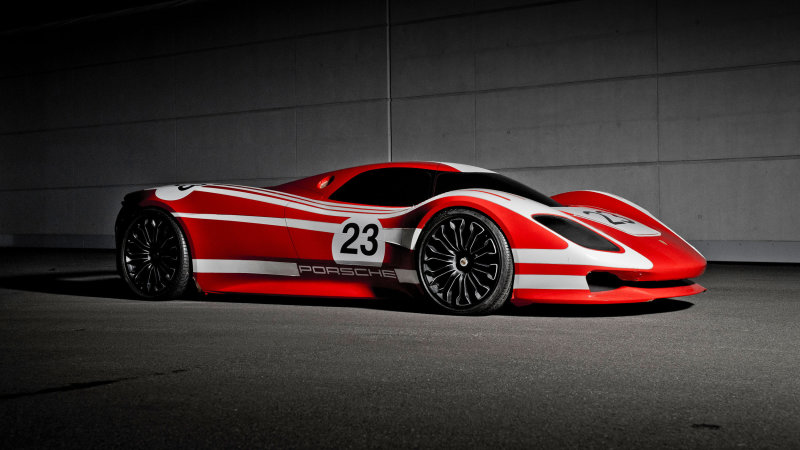
Even though Porsche has a motor ready, the board hasn’t decided on whether to go electric or hybrid, and sports car boss Frank-Steffen Walliser says he doesn’t care what kind of powertrain goes into the car as long as it can tick off a 6:30 lap time at the Nürburgring. So according to Autocar, what kind of bodywork might surround this powertain “remains at conceptual stage, with an introduction unlikely before 2023 at the earliest.” We don’t think the 917 Concept from 2014 would be a bad place to start. If Porsche goes with the 1.6-liter hybrid, though, the market would get a clearer competitor to the Mercedes-AMG One, and the platform could provide entries to the ACO’s new so-called Hypercar class in the World Endurance Championship and to IMSA’s Daytona Prototype class. 

6 Iconic Cars We’re Thankful for This Holiday Season

Thanksgiving is a special time of year here in the United States, one in which Americans come together to eat an excessively hearty meal and complain about their local football teams. It’s also a time for giving thanks — if you can find a spare moment between leftovers, scoring those great Black Friday deals and evading that one relative who really wants to talk politics.

In the spirit of the season, then: Here are six vintage cars we found across the Internet that are still in fine form. We can’t afford them. But we’re thankful others are out there to care for them and give them a loving home.

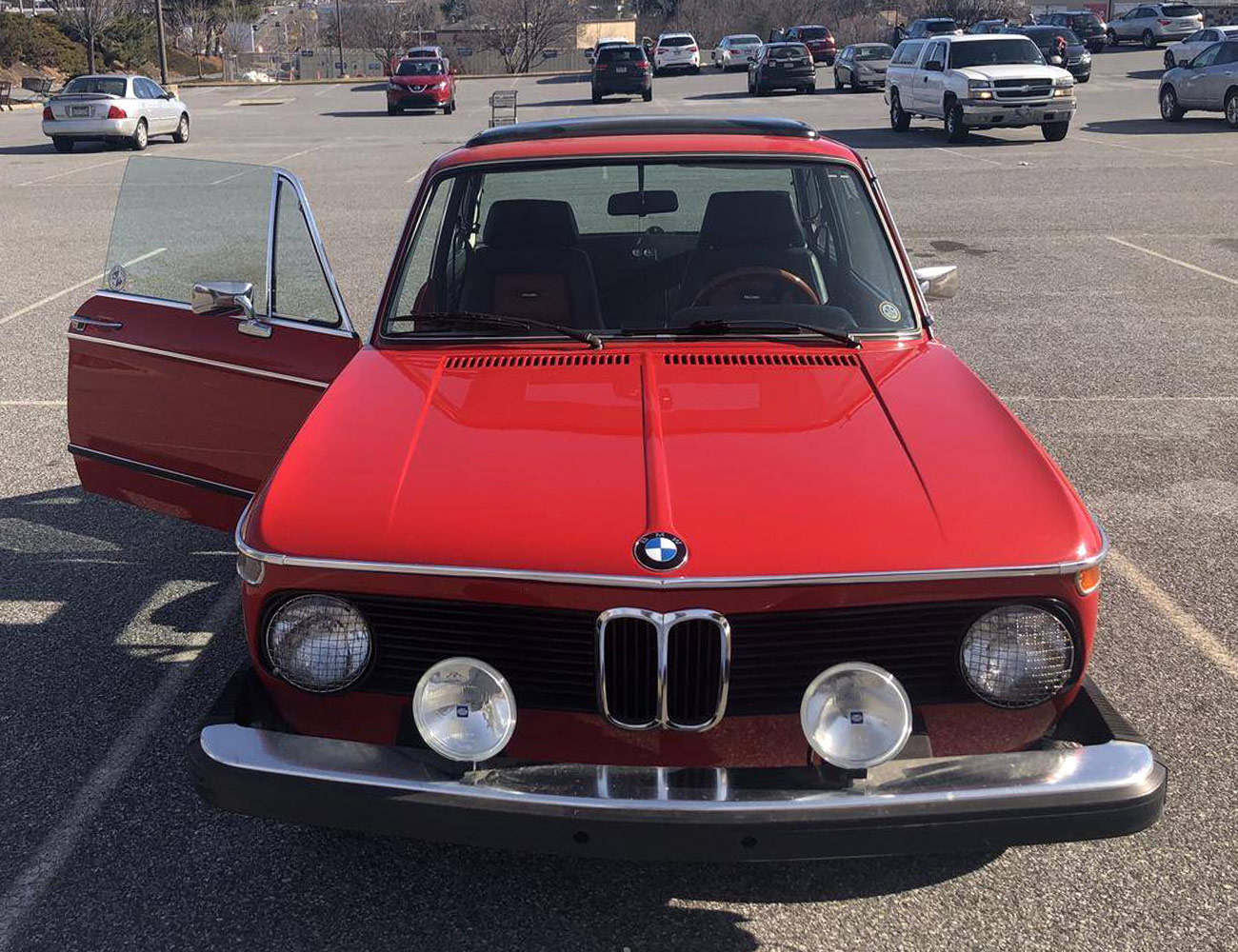
1974 BMW 2002Tii

Why We Like It: The quick and well-handling BMW 2002 helped establish the company’s reputation for producing “the ultimate driving machine.” These cars are anything but rare on the vintage car market, because so many owners have loved them, cared for them, and kept them running. This one’s a mostly-stock 1974 2002 Tii, which had a little extra horsepower as well as upgraded brakes and suspension components.

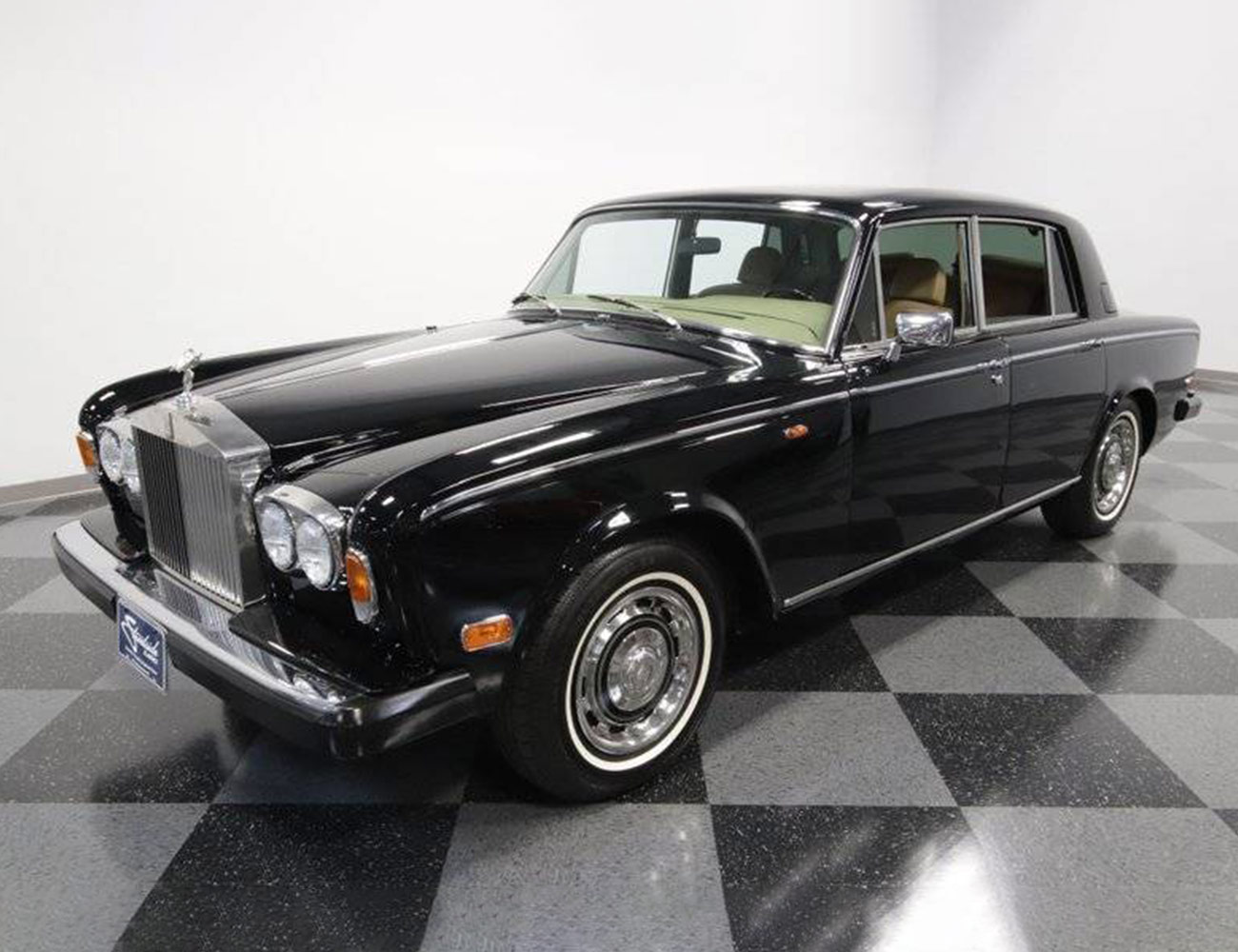
1978 Rolls-Royce Silver Shadow

Why We Like It: The Silver Shadow modernized Rolls-Royce in the 1960s and 1970s. It had standout features like a sublime hydropneumatic Citroën-sourced suspension. Because they were so popular and Rolls Royce produced so many of them, you don’t need to go have “Crown Prince” in front of your name to be able to afford one. In fact, the Oakland Raiders’ dentist previously owned this one.

1994 Land Rover Defender 90

Why We Like It: The classic Land Rover Defender 90 is timeless and charming. This sought-after 1994 North American spec version, won in a sweepstakes, was rehabbed by specialists at East Coast Defender. You may want to paint over that Barbour logo, but that Barbour-trimmed interior is, quite simply, magnificent.

1984 Toyota Land Cruiser

Why We Like It: The classic FJ40 Toyota Land Cruiser made the car an off-roading icon. This rig is not just any FJ40; it’s the holy grail version for North American buyers, since U.S. production of the FJ40 ended in 1983. Better still, the 1984 edition we didn’t get in the United States had a five-speed manual instead of the old four-speed. This 1984 version has had a frame-off restoration, hence the steep asking price.

1962 Austin Mini Beach Car

Why We Like It: The classic Austin Mini was an undeniably fun-to-drive, capable and cool car. This example is a super-rare Fiat 500 Jolly-style North American-spec Mini beach car, with no doors and wicker seats. It has been well cared for by a single family for its entire life. Why would you travel from your swanky vacation cottage to the beach in anything else?

1988 Mercedes-Benz 560SL

Why We Like It: The charming R107-gen Mercedes-Benz SL-Class hung around in the lineup for 18 years. The 560SL, as seen in this Gear Patrol feature, was that car at its most gravitas-laden, thanks to a big 5.6-liter V8. Why’d we choose this precise 1988 version? Well, my parents once owned this exact spec car, and I, very occasionally, got to drive it. So I’m extra-thankful for it.

Note: Purchasing products through our links may earn us a portion of the sale, which supports our editorial team’s mission. Learn more here.

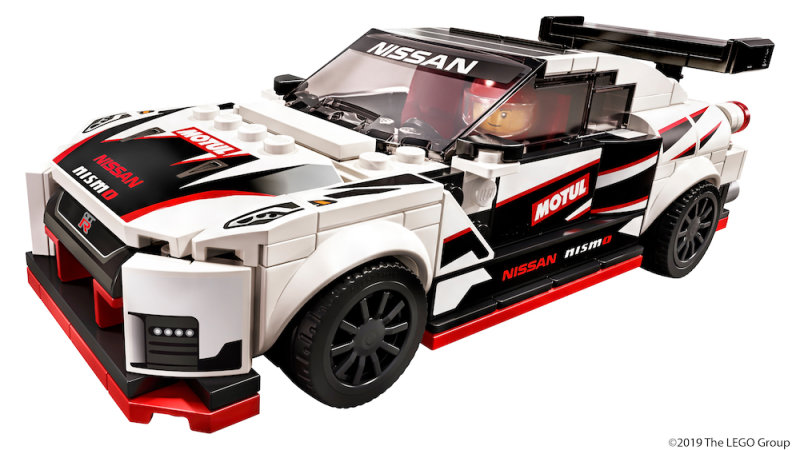
Nissan teams with Lego for 2020 GT-R Nismo

If you can’t afford to get your hands on a Nissan GT-R Nismo but have always wanted to own one, here’s your chance. The automaker is partnering for the first time with Lego Group to debut a Lego version of the GT-R Nismo supercar, set to debut in stores globally in January.

It’s the first-ever partnership between Lego and a Japanese carmaker, and it’s one of the first offerings in the 2020 Speed Champions-themed sets, which currently feature everything from a 2018 Dodge Challenger SRT Demon to a McLaren Senna. The 2020 Speed Champion models will also grow 25% larger than previous-year versions.

Helpfully, Nissan provided some specs comparing the 2020 GT-R Nismo, which is celebrating its 50th anniversary this year, and its Lego version. Chiefly, the former took more than 10 years of development time and is assembled from more than 90,000 parts, while its plastic-block version took roughly a year to develop and comes in 298 parts. It takes a normal builder about an hour to put it together, while an expert Lego builder can have a finished supercar in about 20 minutes.

Lego said the GT-R Nismo was at the top of its wish list for racing and drift car recreations, and it spent a lot of time devising different building techniques, especially to recreate the car’s iconic taillights. It leaves us wondering which highly buzzed-about Japanese sports car might be next. Toyota Supra, mayhaps?

Nissan unveiled the 2020 version of the GT-R Nismo earlier this year at the New York Auto Show, showing a car that wears a lot of carbon fiber, new front fender vents and a 20% improvement in acceleration response, among other changes.

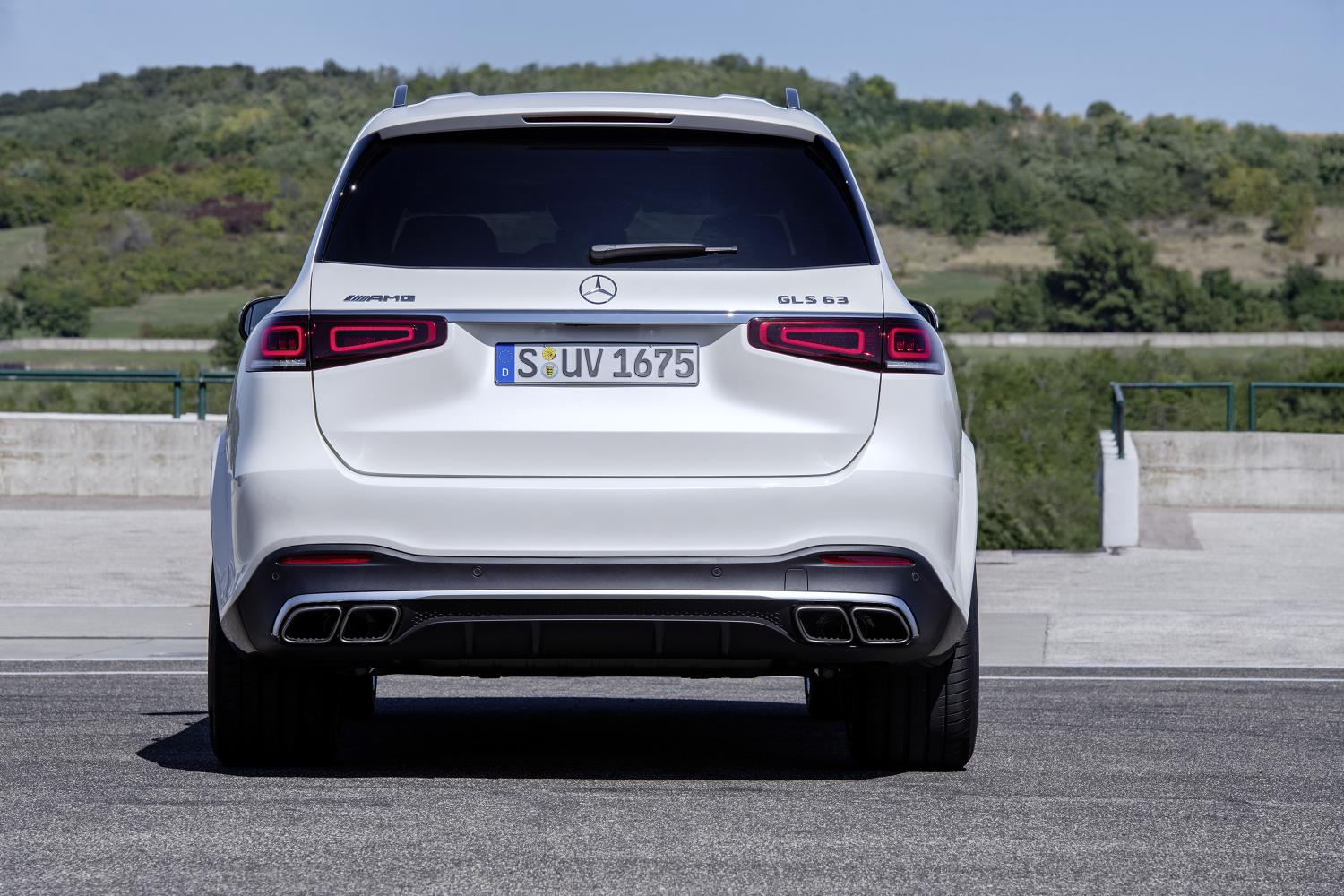
2020 Mercedes-AMG GLS 63 S: Flagship AMG SUV Revealed

During a week when the Mercedes-Maybach GLS 600 captured most of our attention, Mercedes-AMG also had a few announcements to make. The biggest (literally) was its new flagship SUV, the Mercedes-AMG GLS 63 S!

The biggest story here is that the Mercedes-AMG GLS 63 S gets the latest version of the ’63’ drivetrain. It receives mild-hybrid treatment for the first time.

As with other Mercedes-AMG models, it comes equipped with an integrated EQ Boost starter-alternator. The performance is short-term, however, it allows 22 hp of output and 250 Nm of torque. As well as the additional performance, the EQ Boost system supplies the 48-volt electrical system, recuperates energy, shifts the load point, enables gliding and restarts the engine with the start/stop function.

Otherwise, the V8 engine is pretty familiar with twin turbochargers mounted within the V. It produces 612 hp and 850 Nm of torque which helps reduce the 100 km/h sprint time to 4.2 seconds, with a top speed of 250 km/h or 280 km/h with the optional AMG Driver’s package. The power is routed through a 9-speed automatic transmission, configured specifically for this model.

The suspension benefits from AMG Ride Control+, air suspension with special spring/damper set-up and adaptive adjustable damping ADS+. The damping can be preselected in the usual three stages – “Comfort”, “Sport” and “Sport+”. The air suspension allows the ride height to be lowered by 10 mm in the latter two. In Comfort, the ride height only lowers at 120 km/h.

The Mercedes-AMG GLS 63 S uses active roll stabilisation for the first time too. Much like the system which Audi uses, the Mercedes-AMG system uses two independently operating, electro-mechanical actuators on the sway bars at the front and rear axle.

Safety systems also receive an update with the latest versions of the Active Distance Assist Distronic system and the Driving Assistance package Plus.

Mercedes-AMG GLS 63 S Rear

Overall, the Mercedes-AMG GLS 63 S also gets the usual AMG Dynamic Settings, Comfort, Sport, Sport+, Individual, Trail and Sand. The ESP settings also include “Basic”, “Advanced” and “Pro”.

The rest is pretty much the same as the new Mercedes-Benz GLS. The interior gets the latest MBUX infotainment system. The displays form a Widescreen Cockpit. The instrument cluster and touchscreen multimedia display merge into one and can be operated through a touchpad, Touch Control buttons on the steering wheel, by voice control or gesture control.

The interior also benefits from AMG sports pedals, ARTICO man-made leather and high-gloss anthracite limewood trim elements. The AMG seats use black AMG nappa leather as standard. The 3-spoke AMG steering wheel is also a new addition.

On the outside, the Mercedes-AMG GLS 63 S gets an AMG-specific radiator grille with vertical louvres in high-gloss chrome. The bonnet gets a heavily contoured power dome, AMG has also added flared wheel arches, side skirts and new exterior mirror housings. 21-inch, 10-spoke lightweight-alloy wheels are standard painted in tantalite grey with a high-sheen finish. Six further wheel variants up to 23 inches are available.

GTSPIRIT NEWSLETTER

Guangzhou Auto Show 2019 Highlights

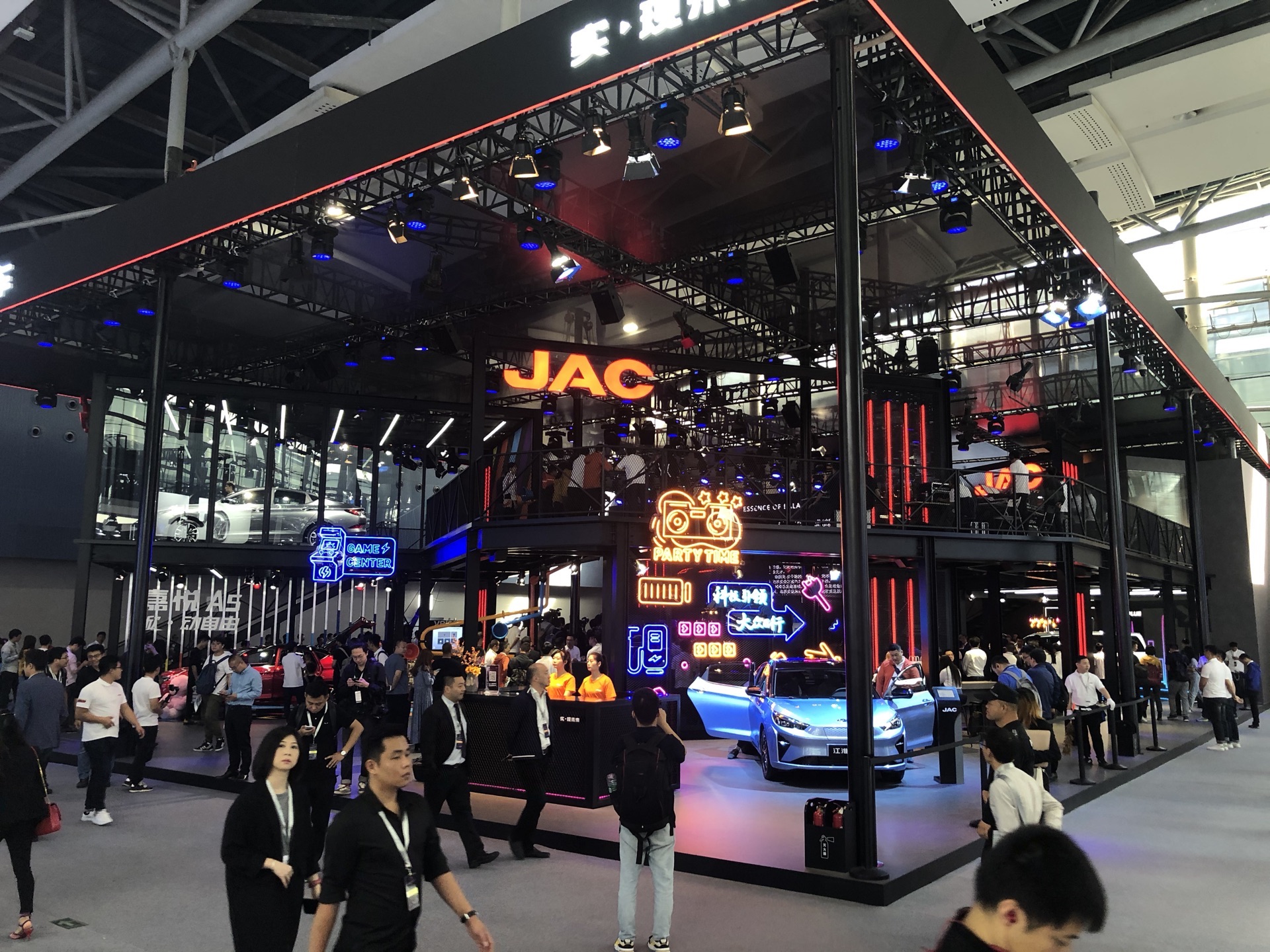
While most of the European and North American media are on the West coast of America for the LA Auto Show we headed East to the Guangzhou Auto Show 2019. As the second most popular Chinese motor show after the bi-annual Beijing and Shanghai shows it attracts more than 900,000 visitors annually. Guangzhou is the capital of the South-Eastern Guangdong province which is home to more than 100 million people and close to Hong Kong and Macao. The Guangzhou Auto Show provides an ideal opportunity to find out how the automotive market and car manufacturers in China are doing.

The first thing we noticed at Guangzhou China Import and Export Fair is the number of halls filled with exhibitors. Virtually all major Chinese and overseas brands are present at this year’s Guangzhou Auto Show and cover a total of 15 halls. Also for fans of luxury and exotic cars there was little to complain with AMG, Aston Martin, Bentley, Lamborghini, Lotus, Maybach, McLaren, Porsche and Rolls-Royce among others all showing their latest and greatest models in Guangzhou. From the popular performance brands only Ferrari is not there this year. A very strong contrast with the poor turnout at the recent Frankfurt Motor Show and certainly against the trend of dwindling interest in motor shows around the world from exhibitors and visitors alike.

Chinese manufacturers are catching up. FAST!

A few years ago one could easily mock the Chinese car makers for their odd brand appearance and sub-standard products. But Guangzhou Auto Show 2019 should be an eye-opener for the rest of the world. China is catching up and it is catching up fast. Hall after hall we are surprised by new Chinese car brands. Not only the cars they present are a significantly better than a few years ago also their brand appearance is much better. Nearly all Chinese car manufacturers offer visitors additional experiences – games, interactive presentations, live performances and more to keep visitors on the stand longer and connect with new audiences in a different way. Several brands took inspiration from how Mini presented itself and took that to the next level. It makes the actual Mini stand here in Guangzhou look dull in comparison.

What goes for the brand appearance also goes for their products. The exterior is very much up to personal taste and can be deceiving but interior design shows what Chinese customers want right now: large screens, touch and connectivity. Clearly new Chinese brands are taking less inspiration from established European brands and more inspiration from Tesla and smartphones. The young tech-savvy Chinese audience clearly digs it, the stands of the Chinese brands were buzzing all day long. The average buyer age is much lower in China as it is in Germany or the United States. Another key difference is that most customers buy their cars cash without financing or leasing.

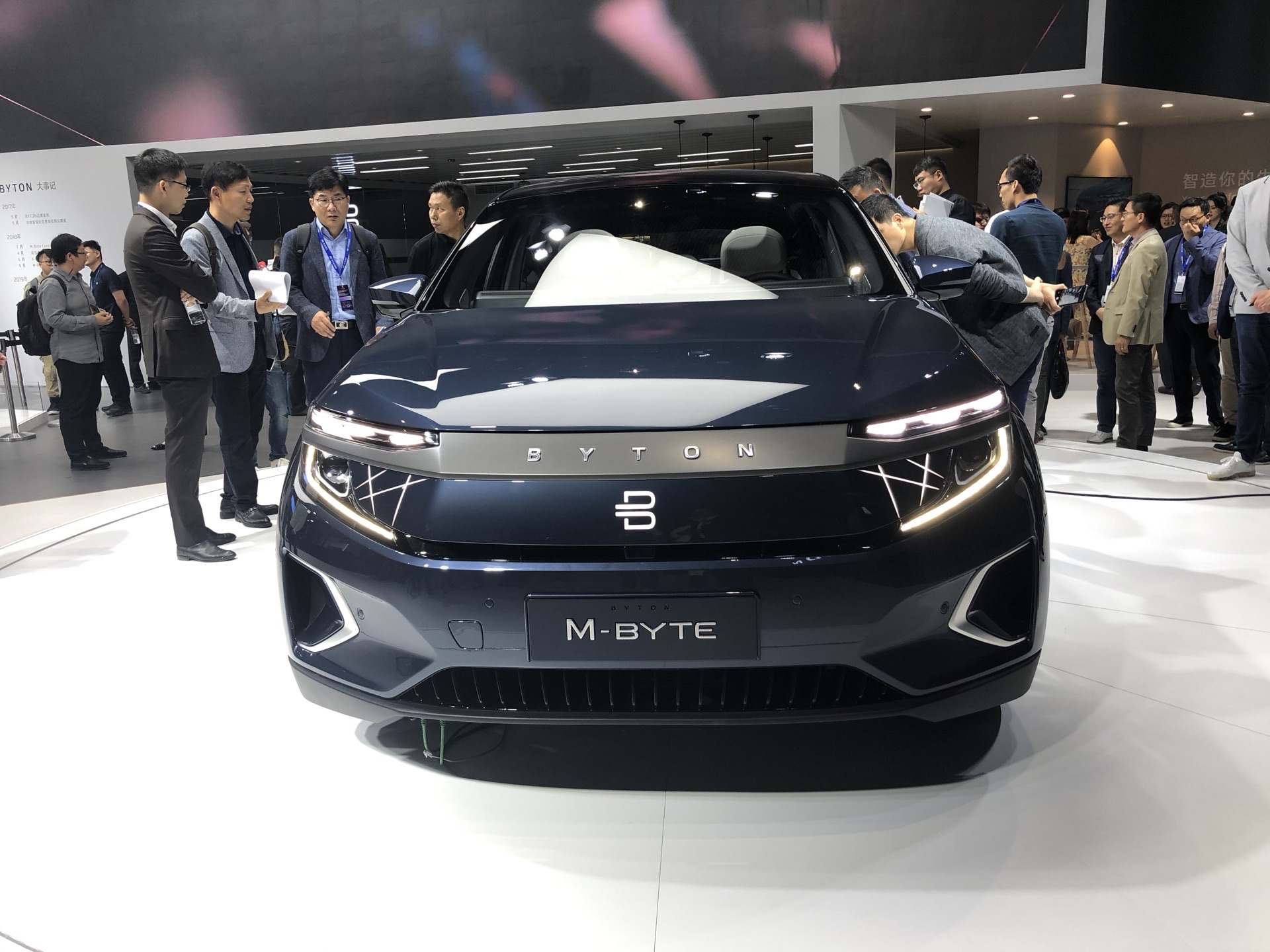
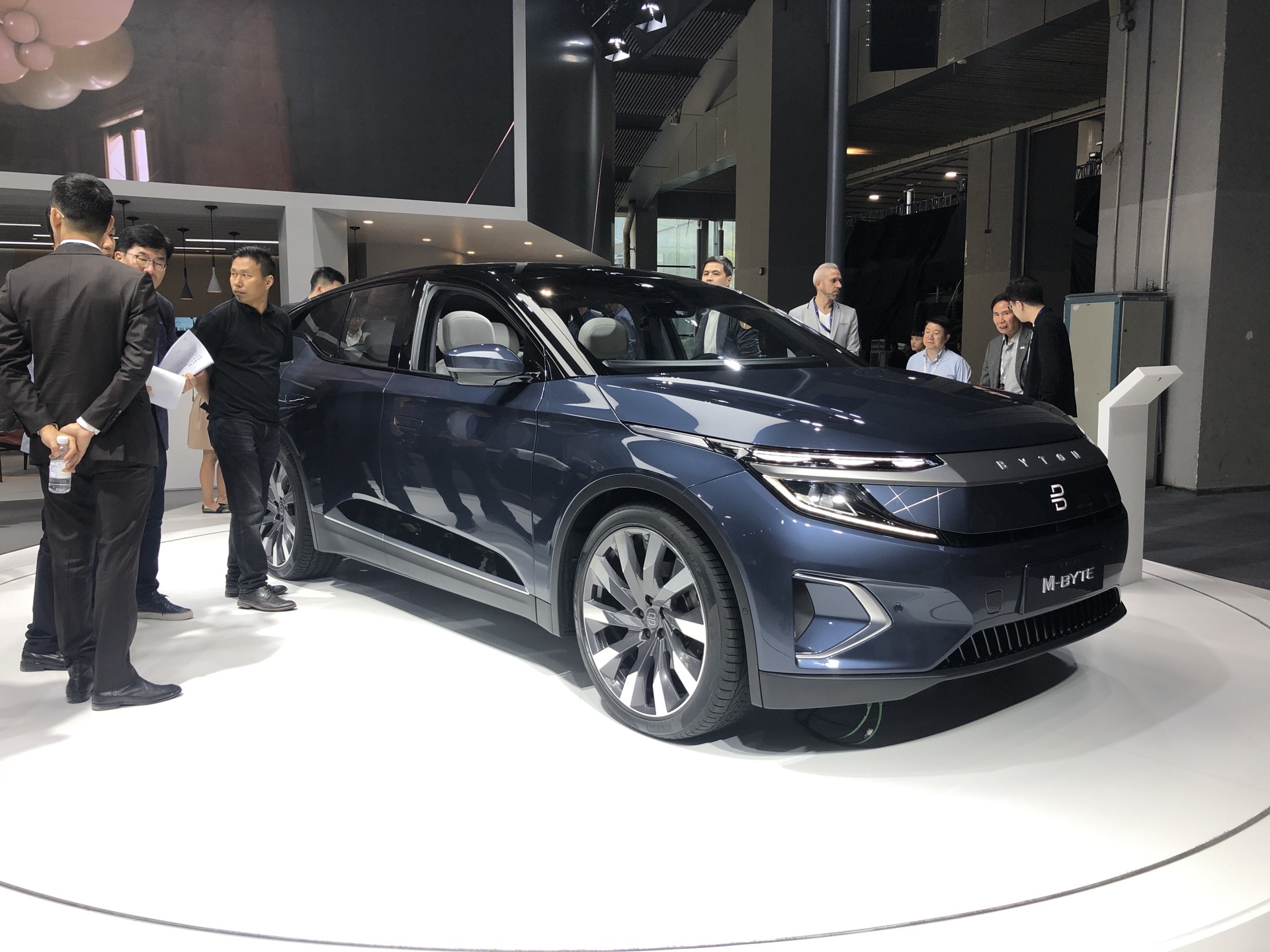
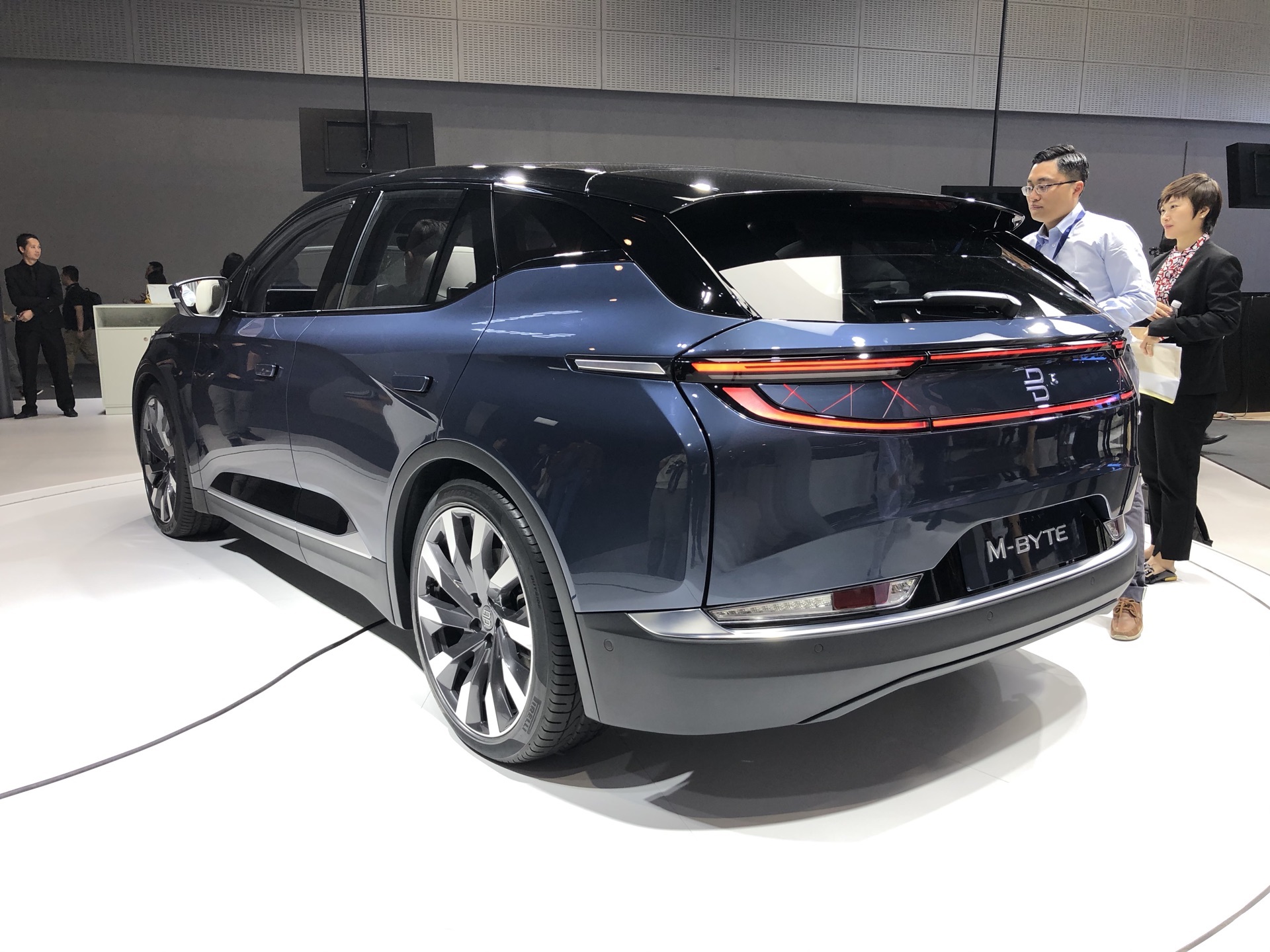
Byton M-Byte

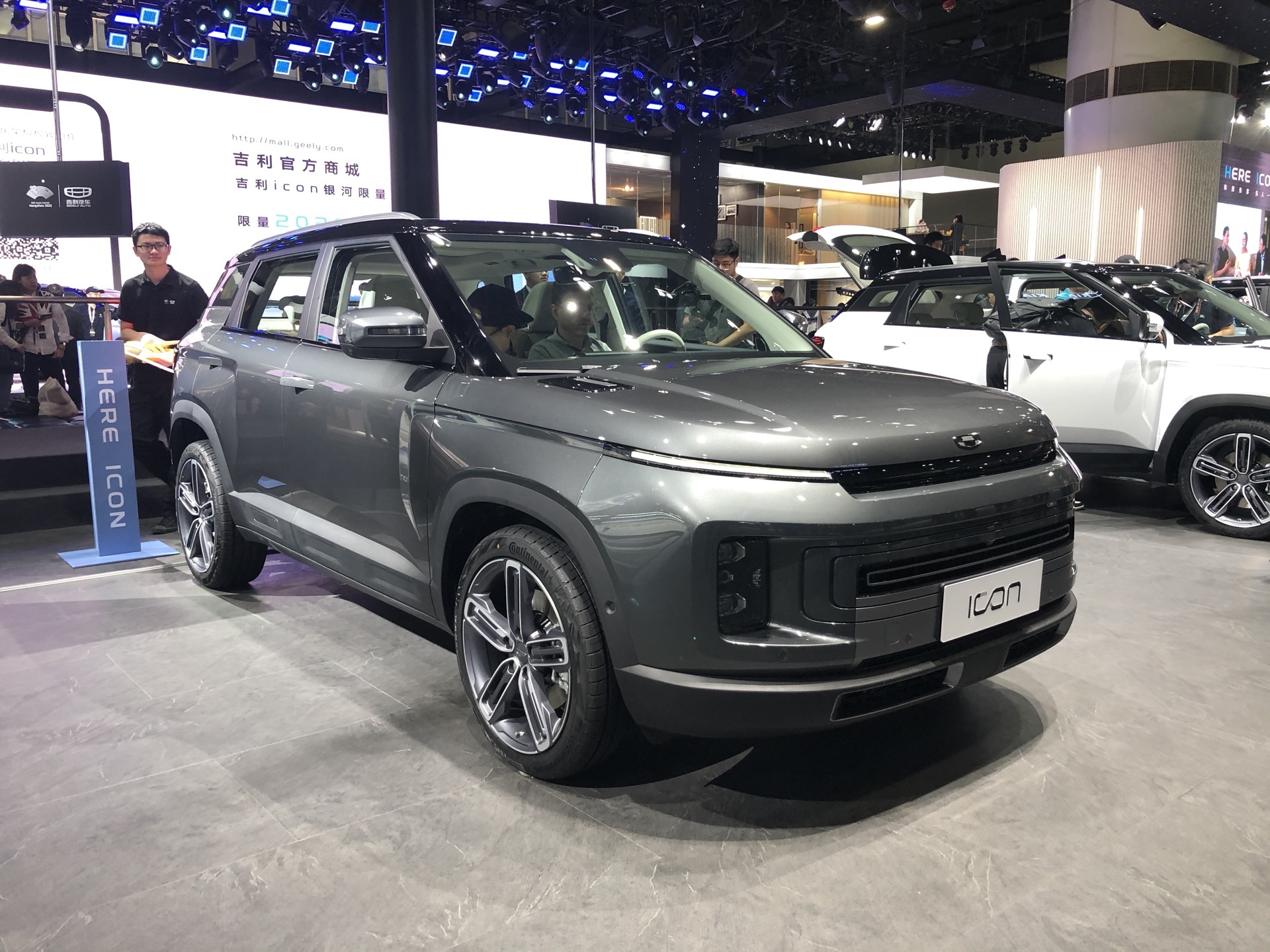
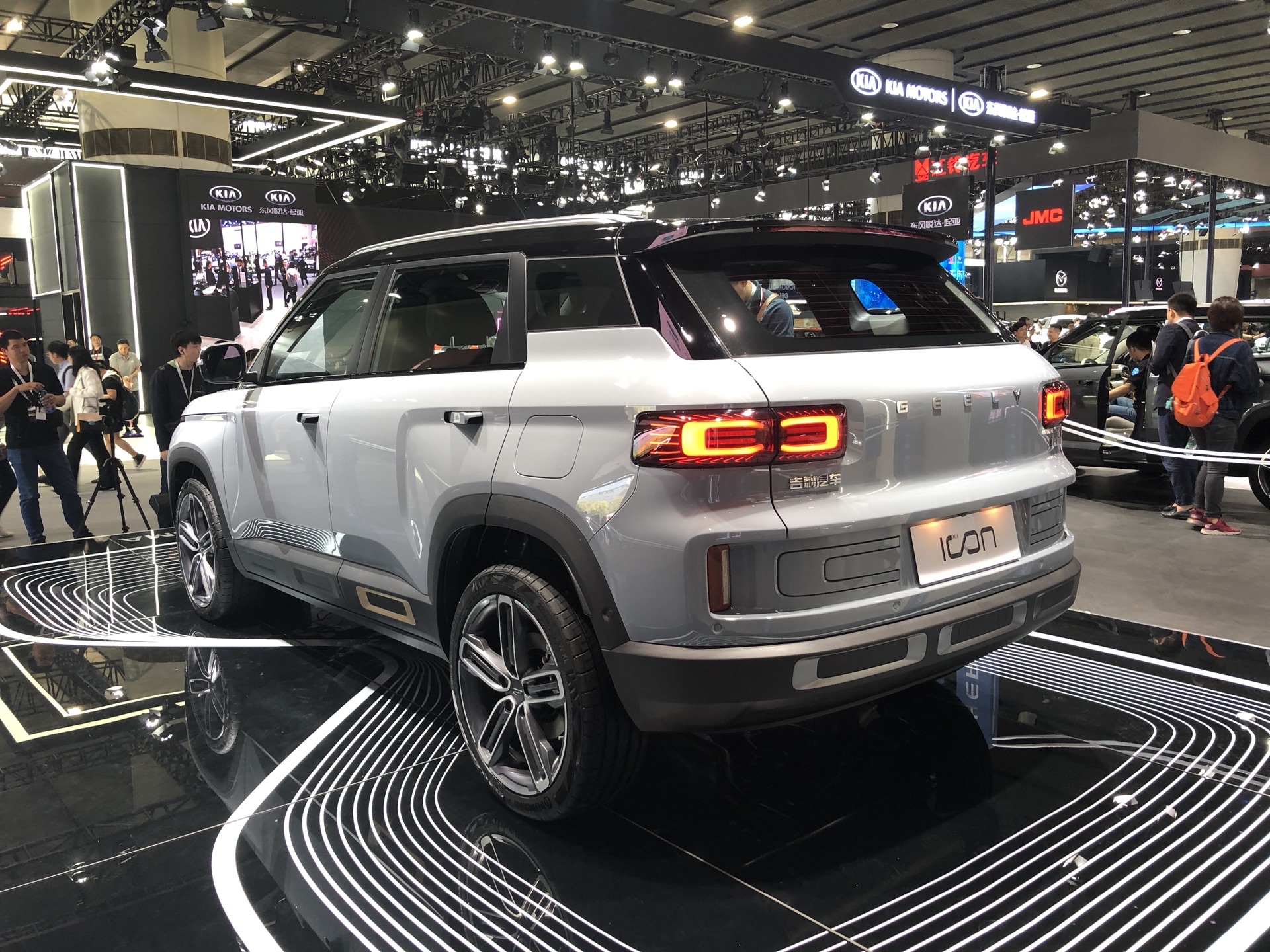
Geely Icon

Beyond the buzz at the stands of most Chinese manufacturers there were surprisingly few people at the Audi, Volkswagen and most of the Japanese brands. At closer inspection some of the China-only models Nissan, Toyota and even Volkswagen (like the Phideon and Lamando) offer in China look fairly dated on the inside with small screens and limited connectivity. At Volkswagen the Golf 8 was not there yet, instead the center stage was taken by the Volkswagen Tacqua (Chinese T-Cross), Touareg plug-in hybrid and the new Volkswagen Viloran MPV concept.

In terms of e-mobility there are some mixed signals coming from China. The number of State subsidised electric cars has seen a huge increase the last few years but as the government reduced both buyer- and manufacturer subsidies the number of electric cars sales tanked the last few months. Daimler CEO Ola Kallenius is carefully optimistic about sales of premium electric SUVs like the Mercedes-Benz EQC as in the luxury segment there are not many full electric models available yet and the luxury segment is less price-driven.

Concept cars at the Guangzhou Auto Show 2019

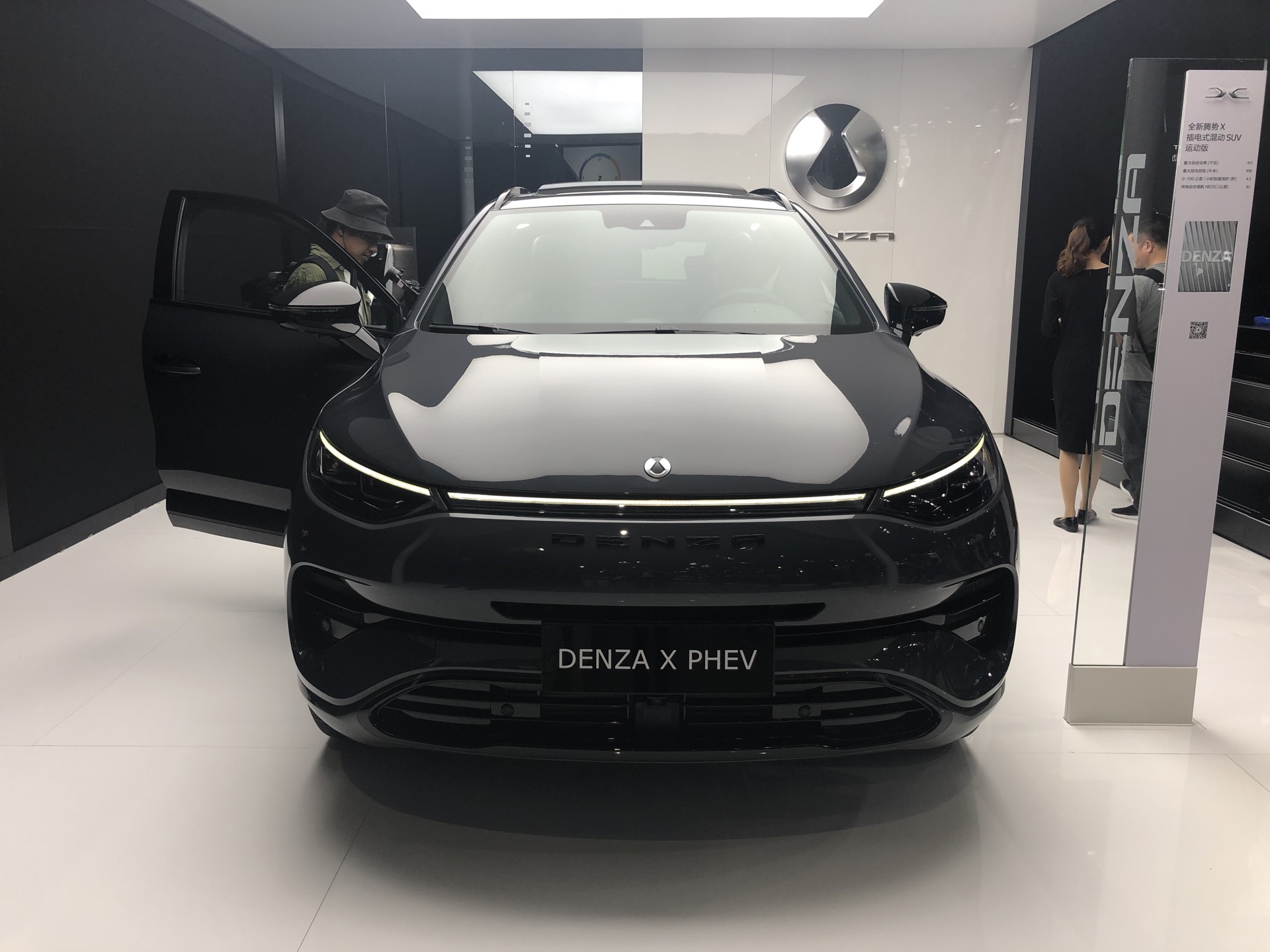
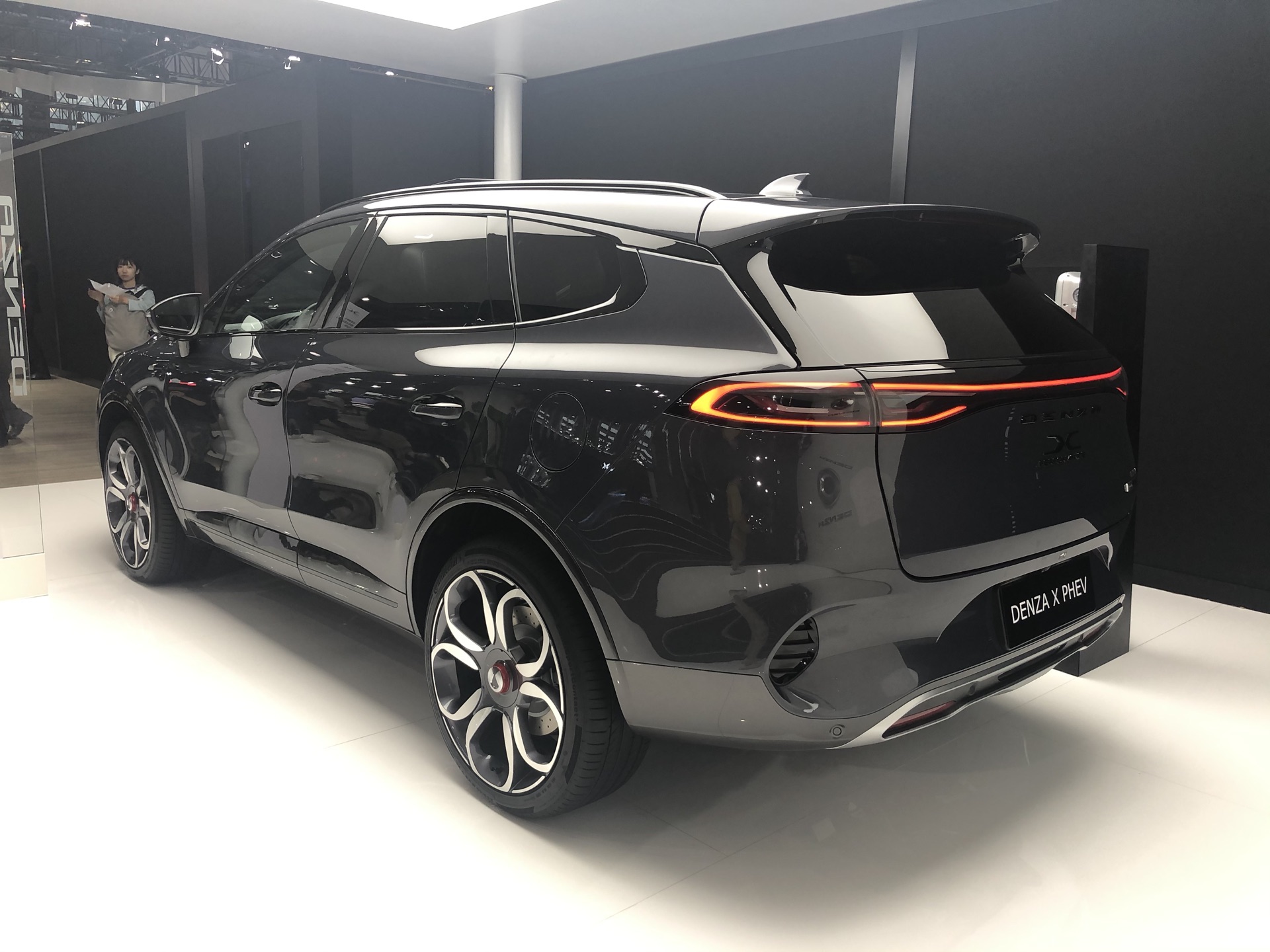
Denza X styled by Mercedes-Benz

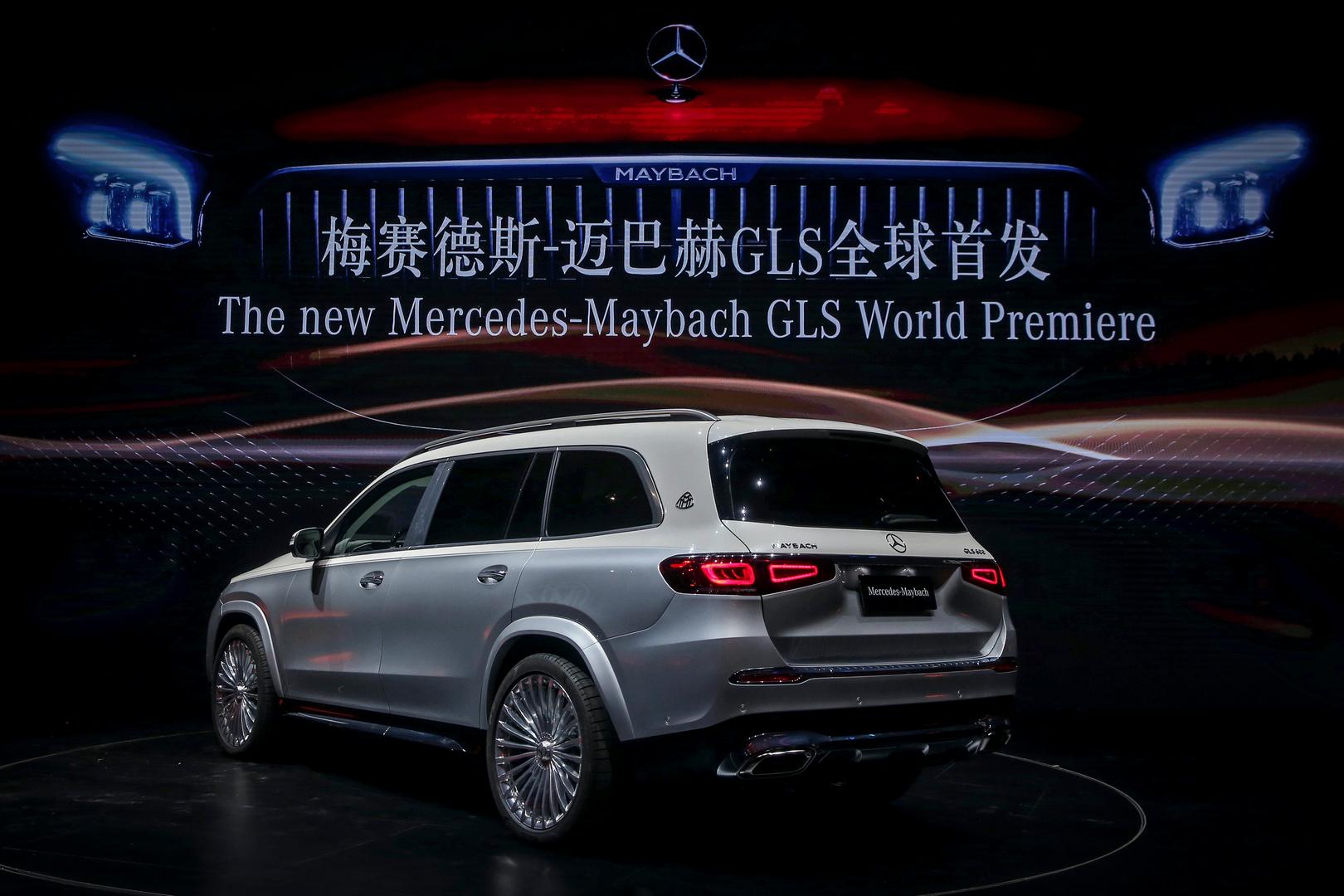
Like all other foreign manufacturers Daimler also has joint ventures in China to produce and sell at the massive Chinese market. The new ultra luxury Mercedes-Maybach GLS 600 celebrated its world premiere in Guangzhou. The Chinese long established a taste for luxury and over two thirds of all Maybach models are sold in China. Another car expected to do well in China is the new GLB. This compact SUV available as optional 7-seater variant is aimed to satisfy both the demand for SUVs as well as space. The Mercedes-AMG A35 L Limousine also celebrated its world premiere although this long-wheel base version will only be sold in China. Mercedes-Benz also brought the EQS show car to China to share the design vision of its upcoming full-electric flagship limousine.

Most interesting of them all was the introduction of the new Denza X. This Chinese SUV is available as a plug-in hybrid and full electric version. It is engineered and build by Denza (a joint venture between Daimler and BYD) in China but styled by Mercedes-Benz. Also available as 7-seater the full-electric version offers up to 520 km of range and does 0-100 km/h in 4.3 seconds. A modern exterior is complemented with an equally modern interior with a large touchscreen console and camera integration for video calls and WeChat. Pricing starts at 289,000 Yuan which translates to around 37,000 euro. Daimler CEO Ola Kallenius said it will be exclusively available on the Chinese market but new Smart models built by Geely in China will be sold in Germany and the rest of the world from 2022.

Denza X

For European car makers the magic letter in China is L

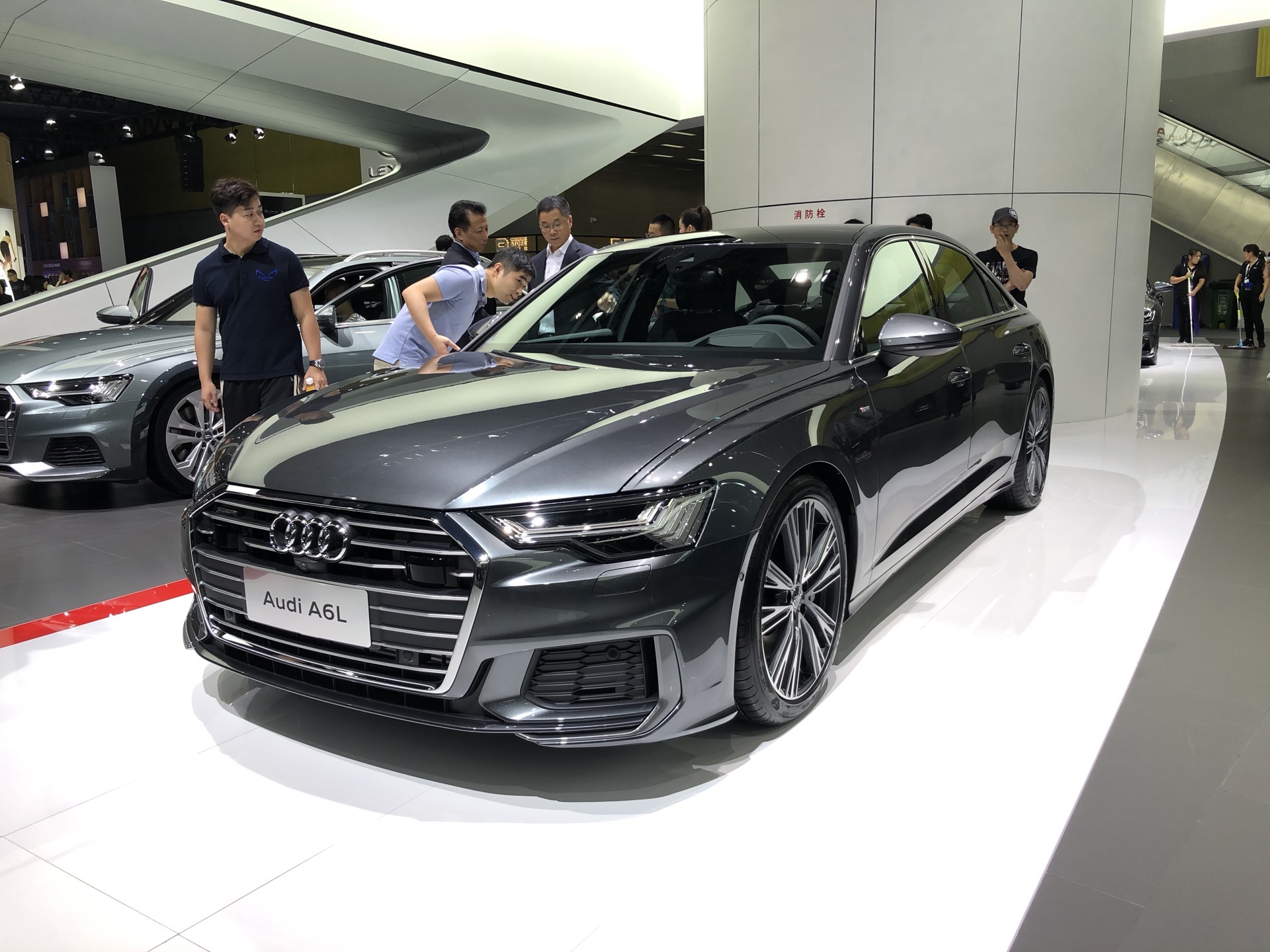
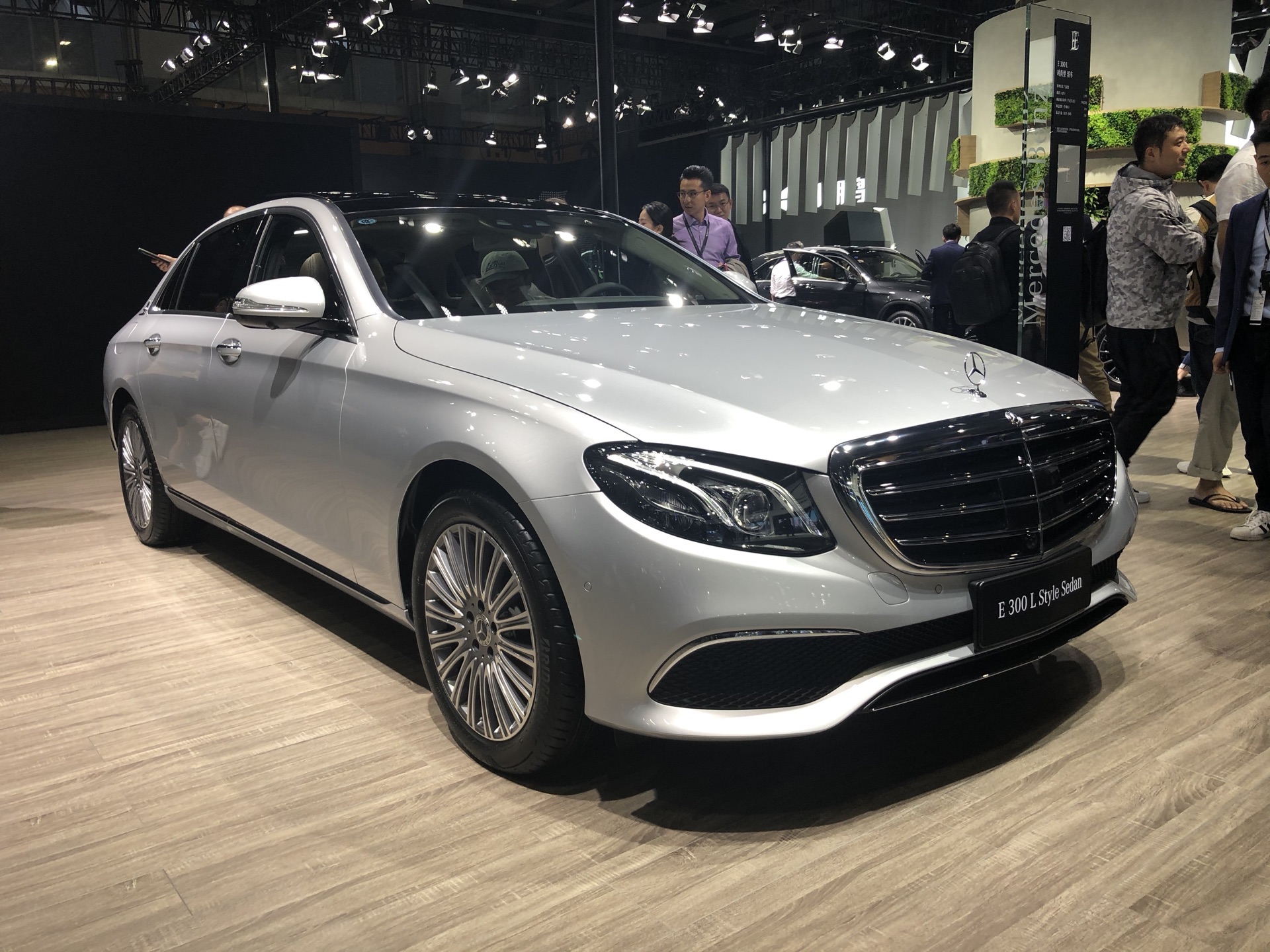
European premium car makers aiming to maintain or boost their sales have long learned to adapt to the Chinese wishes and customs. One letter is key to this success: L. It stands for long – or long-wheelbase – and aims to satisfy the demand for cars with large legroom in the rear. For a long time this desire for leg space had to do with the large number of chauffeur driven cars. But in todays China where even the majority of the premium cars are owner-driven the large leg space is a way of doing good by family members, friends and business partners taking place on the backseat.

Take place on the backseat of nearly any Chinese car at the Guangzhou Auto Show and you will find ample leg- and headroom. I’m 1.90m tall and already had plenty of space. Most European cars on the other hand feel very cramped in comparison hence the necessity for European car makers to create long versions of their models sold outside of China. Audi was the first brand to celebrate success with their China only A6 L more than a decade ago. Now you can find L versions of a variety of European premium cars including long-wheelbase versions of the BMW 3-Series, Audi A4, Mercedes-Benz E-Class, Volkswagen Tiguan, Jaguar XF L and many many more. The Chinese market is so important that some manufacturers decided no longer to offer a shorter version but to sell the long-wheelbase variant all around the world.

Audi A6 L

Mercedes-Benz E300 L

Jaguar XF L

A Toyota for 150,000+ Euro

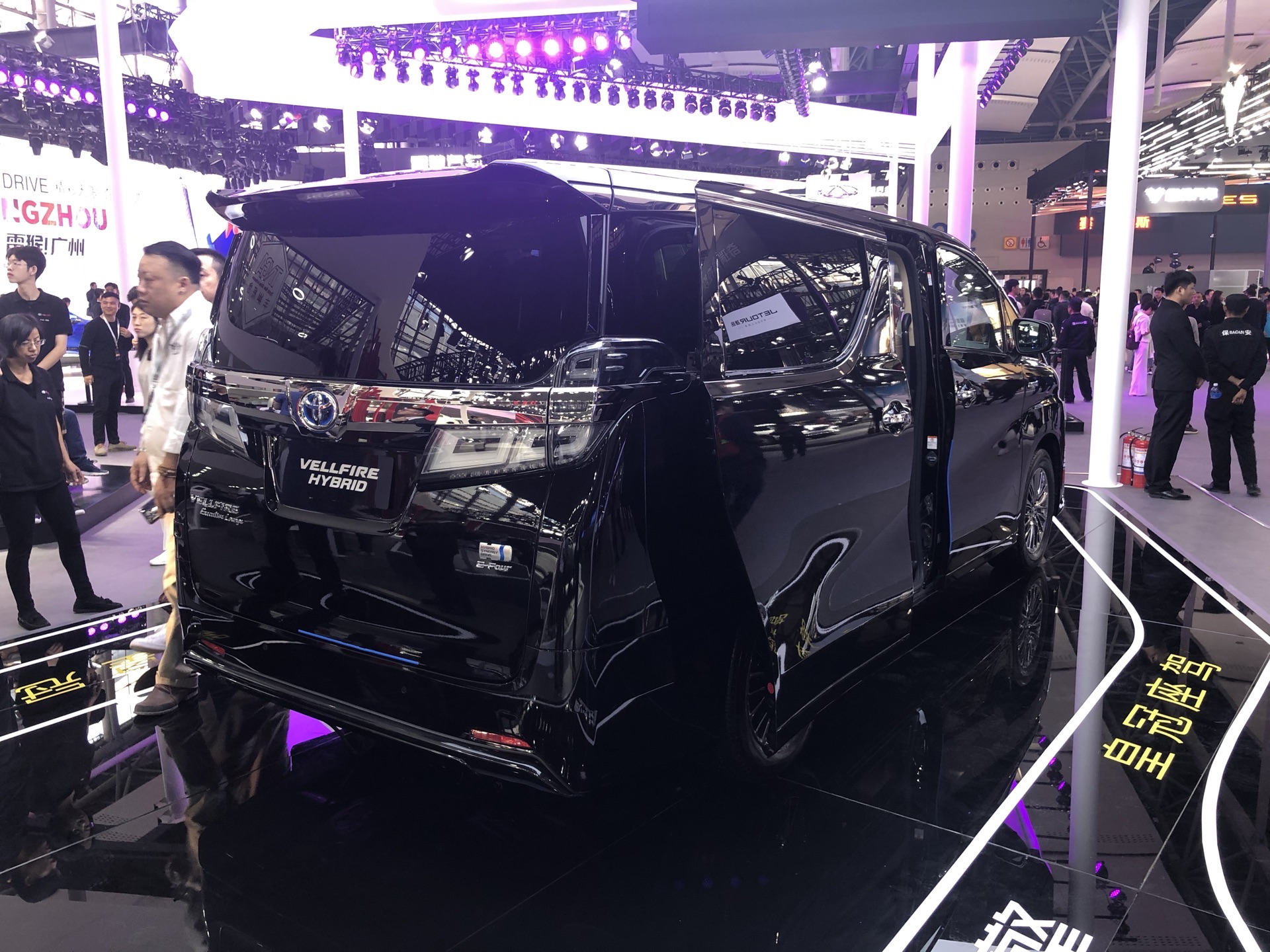
Believe it or not but one of the most desirable cars for wealthy Chinese is a Toyota. This Toyota Alphard minivan is so popular in fact that customers pay a premium to get the car quicker as there are significant waiting times. At the Guangzhou Auto Show Toyota showed the successor to the popular Alphard called the Toyota Hellfire. Equipped with sliding doors and two lazy boy seats on the second row it is very practical but far from beautiful. The price for this new Toyota? A whopping 1,200,000 Renminbi – over 150,000 euro and that is if you can even get your hands on one as the demand is more than the supply.

Toyota Vellfire

Copycats and Clones – Not gone but less

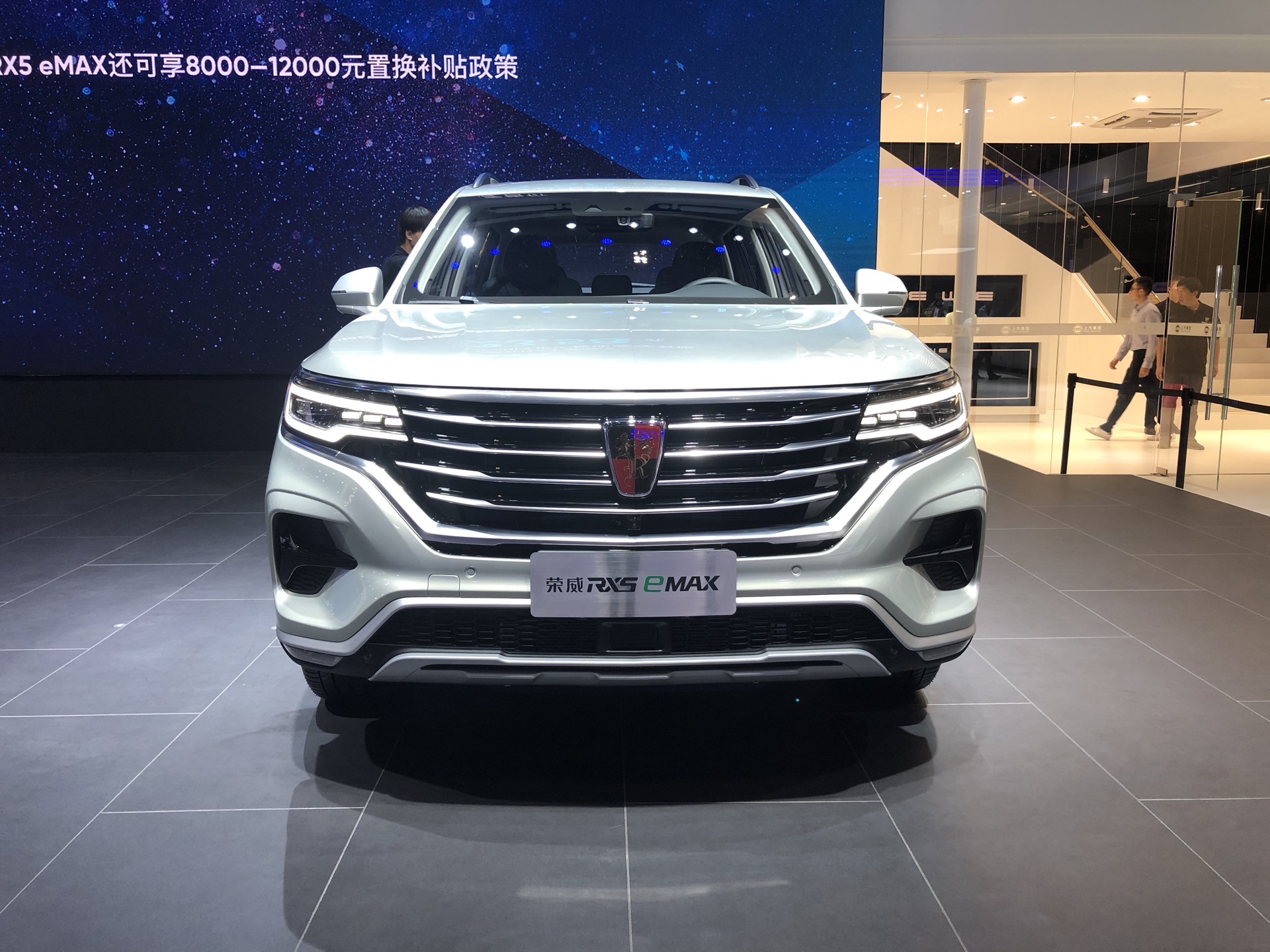
Most of us recall one or the other blatant copy car produced in China. The number of copied designs is becoming less and the unique designs of Chinese cars like the Byton M-Byte, Geely Icon and the Denza X are clear indications for the growing professionalism and maturity of the Chinese car manufacturers. Having said that we still found a few pretty clear examples of a copy-paste design job:

Enovate – Porsche Taycan copy

Roewe RX5 emax – Volkswagen Touareg clone

Beijing BJ80 – Mercedes-Benz G-Class duplicate

World Premiere for the Aston Martin DBX

Unveiled only a few days ago the Aston Martin DBX celebrates its global auto show debut at the Guangzhou Auto Show 2019. Equipped with a turbocharged 4.0 V8 from AMG and electronics from Mercedes-Benz the 2.245 kg SUV accelerates from 0-100 km/h in 4.5 seconds. The Aston Martin DBX has a top speed of 291 km/h. Ironically the DBX was the only SUV we sat in all day that felt a bit cramped in the back, so it might satisfy the Chinese desire for luxury but in terms of space it falls a bit short.

Chinese Tuning – Low-riders vs luxurious minivans

The tuning and customized cars on display in Guangzhou are generally divided in two categories with very little in between. On one hand of the tuning scene you can find tricked out lowriders and stanced cars that hug the tarmac and impress with more camber than most cars can handle. On the other hand there are dozens of companies specializing in personalizing and upgrading minivans – mainly the Mercedes-Benz V-Class. These tuning companies take the otherwise fairly practical V-Class into the realms of the before-mentioned Toyota Alphard. European tuning companies trying to cash in on the trend include Lorinser and Mansory.

Conclusion

The Chinese automotive market remains strong amid trade war turmoil and reduction of electric car subsidies. The Chinese car manufacturers have made incredible progress in terms of branding and product. Some Chinese brands still produce obvious copies of European premium cars but there number is getting smaller and smaller and the popular (new) Chinese brands set themselves apart by offering unique designs appealing to a young tech-savvy audience. It remains to be seen how the driving dynamics of the latest generation Chinese cars are but if they made as much progress there as with design it won’t be long until the Chinese car makers are ready to take over the rest of the world.

GTSPIRIT NEWSLETTER