All posts in “Cars”

Gordan Murray’s T.50 supercar partly revealed with its fan-assisted aerodynamics

Gordon Murray is one of the great names in automotive history. He worked with Brabham and McLaren in Formula 1, including the Ayrton Senna days. He was responsible for the McLaren F1 supercar, and he continues to develop unique concept cars. His latest machine, the Gordon Murray Automotive T.50, has already been announced, but now we’re getting our first good look at it, along with details on the aerodynamics that are being developed in collaboration with the Racing Point Formula One team.

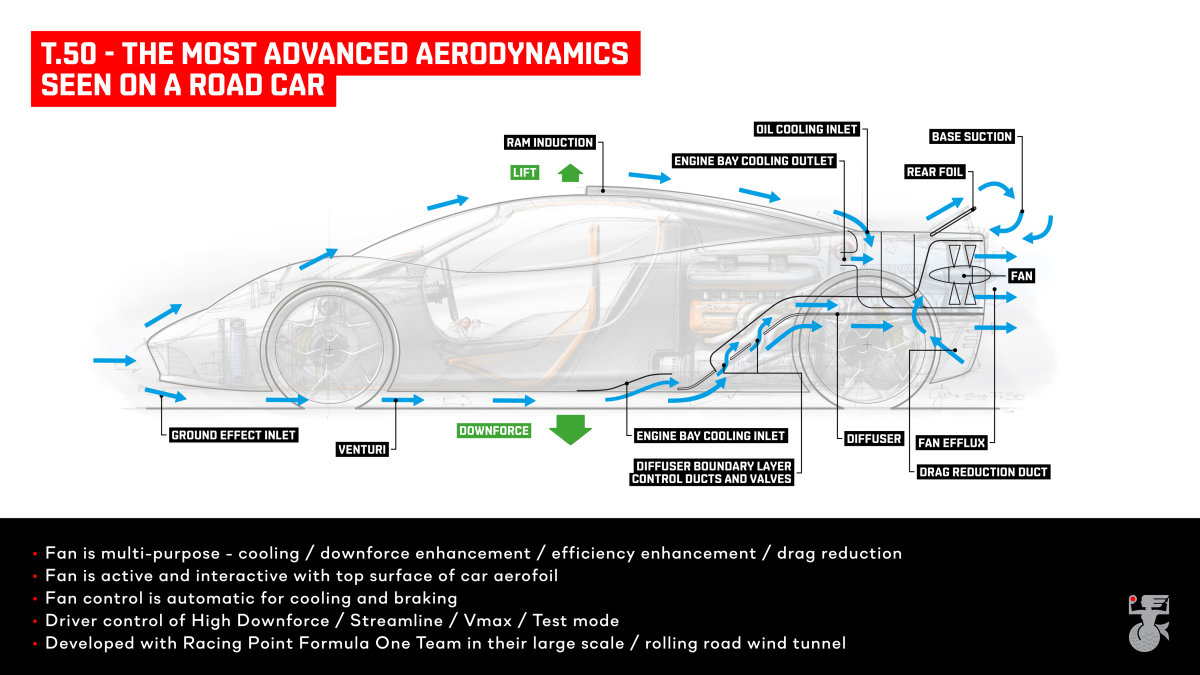
Murray’s company only released one photo and an aerodynamic diagram of the car, with the full reveal coming in May, but it reveals the most interesting aspect of the car’s design: its 15.75-inch fan on the back. The T.50 will take after the 1970 Chaparral 2J Can-Am race car and Murray’s own 1978 Brabham BT46B Formula One race car that used a combination of a fan and side skirts to pull air from under the car to create a vacuum underneath to suck it down onto the pavement. It can potentially provide massive downforce at speeds that won’t allow traditional aero devices like wings and spoilers to operate. The fan technology was a dead end in motorsports, banned in some series and never fully overcoming issues with debris being pulled into the system. And in the event that something went wrong, say the fan shut off or the skirts broke, there could be a sudden and dangerous loss of downforce.

But the T.50 won’t have to meet motorsport regulations, so that’s one issue addressed. And the company also notes that this system works without needing skirts around the car to produce a seal. Murray Automotive says the fan won’t just be for downforce, but also for reducing drag and improving cooling in some situations.

The aerodynamics are customizable, too, with six different settings. There’s an Auto Mode that simply adjusts based on how the car is being driven. The Braking Mode sets the spoilers and fan to produce maximum downforce for stability and grip. The company claims this reduces stopping distances from 150 mph by nearly 33 feet. The High Downforce Mode increases downforce by 30%. The Streamline Mode reduces drag by 10% for higher top speed and better efficiency. Test Mode is used when the car is stationary to demonstrate and check that everything is functioning. Then there’s the Vmax Mode that uses the Streamline Mode settings, but also kicks on the electric starter-generator motor to provide around 30 horsepower for up to 3 minutes.

Of course the looks and aerodynamics are only one part of an amazing package. As previously announced, the T.50 will use a Cosworth 4.0-liter V12 that redlines at 12,100 rpm. That’s about 1,000 rpm higher than the Mercedes-AMG Project One, which uses an engine directly derived from its Formula One race car. It will make 650 horsepower, and it will be coupled to the aforementioned starter-generator motor. All power goes to the rear wheels by a traditional 6-speed manual transmission. Everything is wrapped in a carbon fiber body and chassis that help the car to tip the scales at just 2,161 pounds. Suspension is a tried-and-true double-wishbone design for all four corners. The driver will take command of the car from a center-mounted seat just like the McLaren F1 supercar, and two passenger seats will be set back on either side.

Only 100 Gordon Murray Automotive T.50s will be built, and each one will cost over £2 million, or about $2.6 million. Many have already been claimed, but the company says there are still some build slots open. Deliveries of the finished cars will begin in January 2022, with all deliveries to be completed by the end of that year.

McLaren 620R: Special Edition, Road-Legal GT4 Racer Revealed

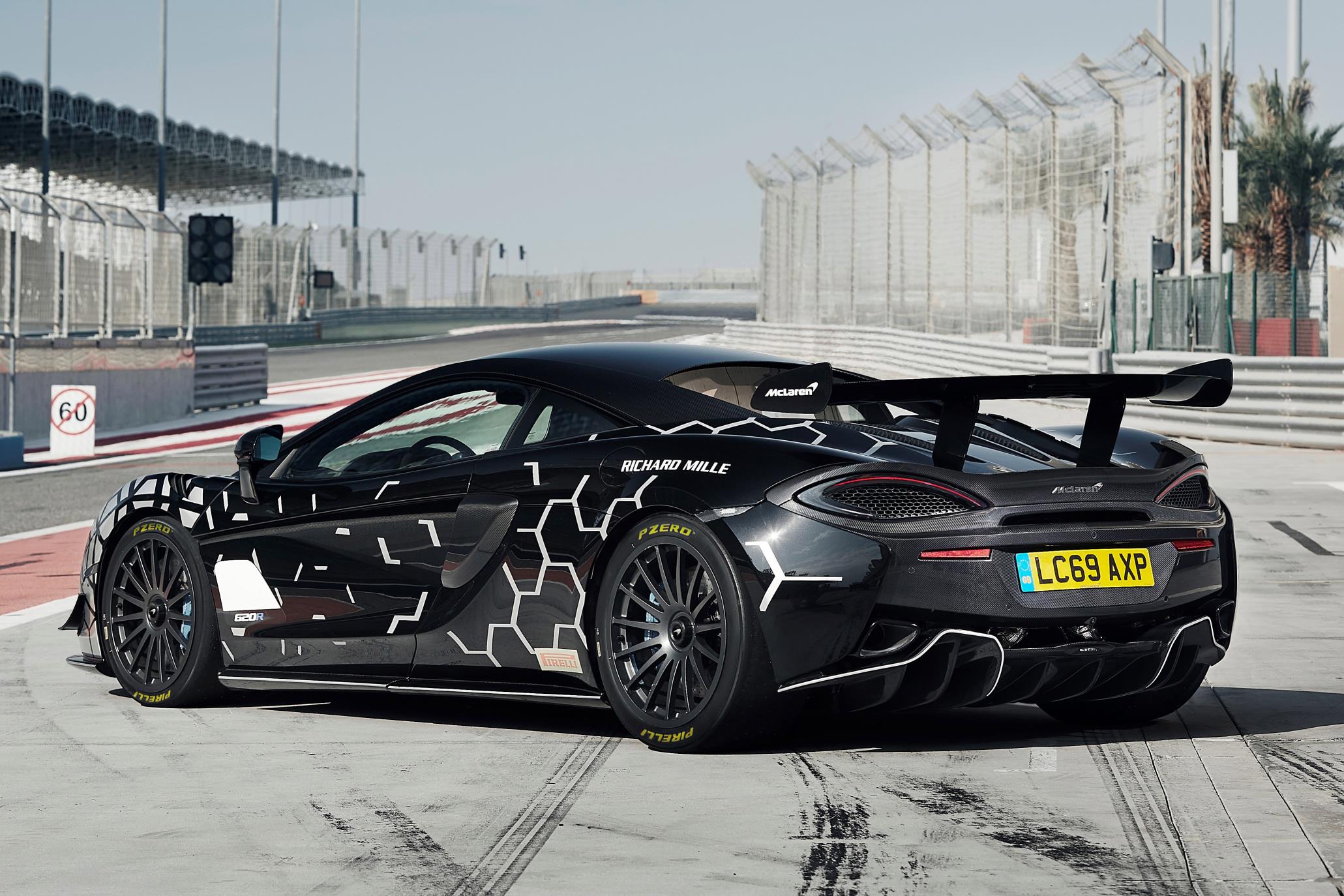
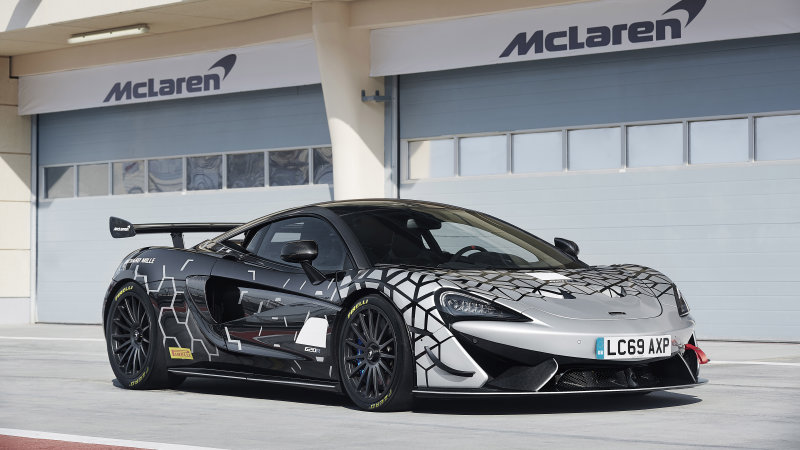
A new McLaren has been announced. Derived from the McLaren 570S GT4, the McLaren 620R offers race car dynamics for the road. Just 350 will be made, making it one of the most exclusive McLaren’s of modern times.

The McLaren 570S GT4 has been available to customer rave teams since 2017. In a relatively short period of time, it has achieved more race wins and podiums than any other McLaren to date. The special edition Sport Series model celebrates this success in style.

Power and Chassis

McLaren 620R Rear

At the heart of the changes is a 3.8 litre V8 engine. Relatively simple changes to the engine ECU and turbocharger management yield an additional 20 hp over the 600 LT. power is boosted to a total of 620 hp and 620 Nm of torque. This has an affect on performance with the 620 R now capable of 0-100 km/h in 2.9 seconds and 0-200 km/h in 8.1 seconds. For the first time, the 620R hits 322 km/h.

The power is transferred to the rear wheels through a 7-speed Seamless Shift Gearbox (SSG). Engine mounts have been stiffened. At the suspension side, McLaren fit the GT4’s two-way manually adjustable coilover motorsport dampers. They are adjustable through 32 clicks and save 6 kg of weight.

The changes to the suspension continue with aluminium wishbones and uprights and stiffer anti-roll bars and springs. The rubber top mounts of the 600 LT are dropped in favour of solid stainless steel alternatives for improved feedback.

Aerodynamics

McLaren 620R Rear Wing

The rear wing is lifted straight from the 570S GT4. It is adjustable and sits 32 cm above the top of the car in clean air. Customers will receive cars in the least aggressive setting. The changes contribute to a total of 185kg of downforce across the aerodynamic bodywork at 250km/h. The front bumper, splitter and bonnet have been redesigned with new dive planes at the front.

The 620 R is apparently the first road car to be designed with the ability to change from standard road cars to slicks. McLaren state that the 620R is set up to allow owners to either fit a new set of slicks to the standard rims or to switch to a new set quickly, upon arrival at the track. Carbon ceramic brakes, centre locking wheels and low-exit stainless steel sports exhaust also help with the track day credentials.

Interior

McLaren 620R Track

Inside, McLaren fit carbon fibre racing seats, 6-point racing harnesses and road seat belts. The 620R does not have a floor carpet or a glovebox. Air-conditioning, IRIS Navigation and an audio system are also missing from the standard specification, although all can be selected at no additional cost. A lightweight Bowers & Wilkins upgraded audio system is also available, as a cost option.

McLaren Track Telemetry (MTT) system is standard and is displayed on a centre-mounted 7-inch touchscreen. If buyers specify the optional MSO Roof Scoop Upgrade Pack, the MTT system can be upgraded to include the three-camera system that is also available as a standalone option. There is a choice of three McLaren racing colours – McLaren Orange, Silica White and Onyx Black.

Competition

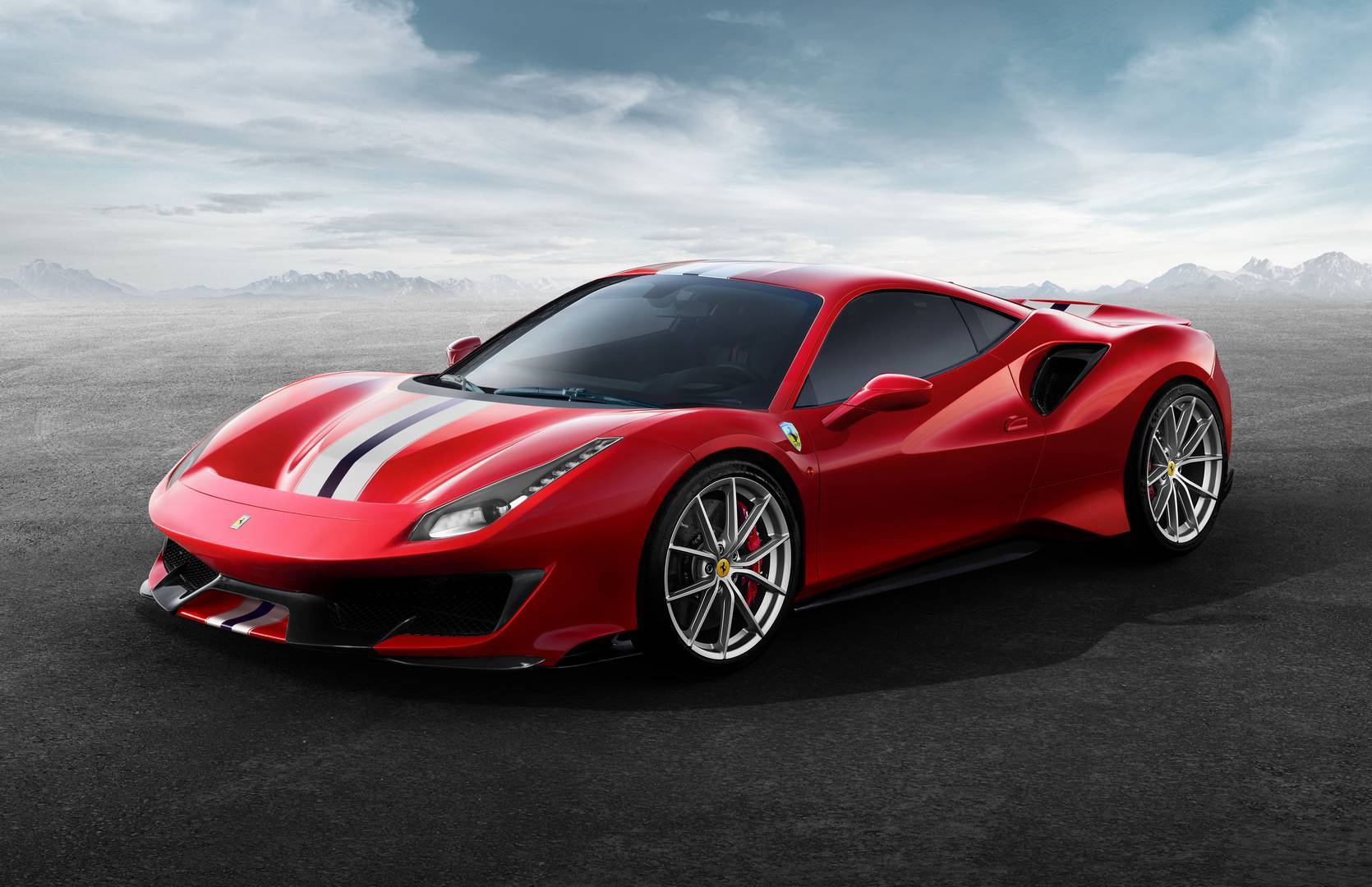
Within the £250,000 price bracket, there is little else by way of competition. The McLaren 620R is almost as quick as a 488 Pista, despite arriving with 90 hp less. It costs around the same too, however, reading through the spec list it should be clear that the 620R is intended to be harder, more of a racecar. The Pista also carries a dry weight of 1,385 kg as opposed to the 620R’s 1,282 kg dry weight figure.

A comparison with the Lamborghini Huracan Evo yeilds the same results. Despite a 20 hp advantage, the Huaracan carries a 1,422 kg bulk. With the advantage of an all-wheel drive system though, the Evo manages an identical 100 km/h sprint and a slightly higher top speed. It will almost certainly lose out in hot laps around your local circuit though.

The most likely buyer for this sort of car is a collector or someone taking a step up from a 570 S or 600 LT. It’s a hardcore racer for the road.

Availability

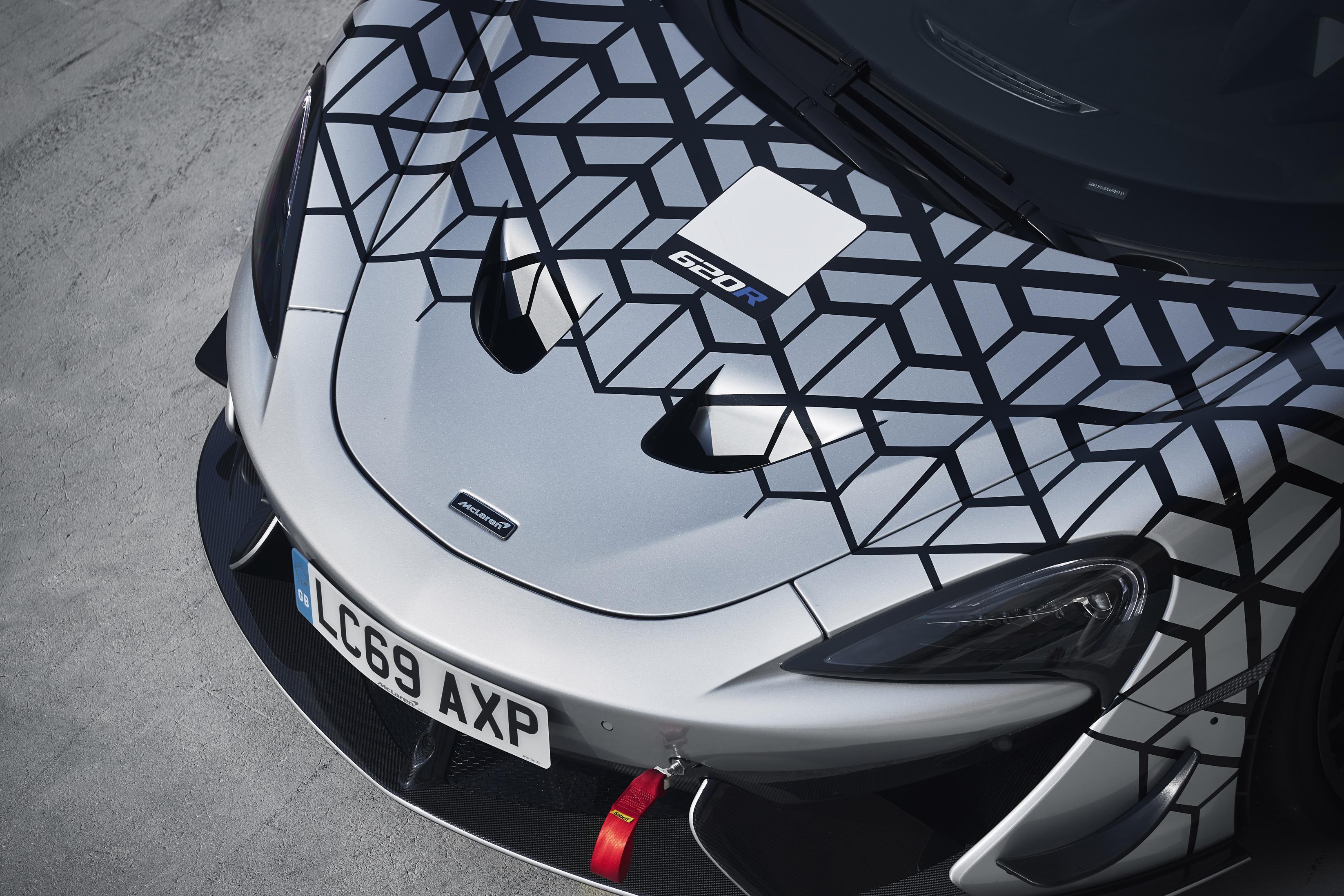
McLaren 620R Bonnet Hood

The cost will be £250,000 including taxes (UK); for buyers purchasing in Europe and the USA, the price includes a Pure McLaren Track Day, with expert driving tuition at a race circuit. Deliveries are set to begin in February 2020.

Gallery

GTSPIRIT NEWSLETTER

The Next Land Rover Defender Could Destroy Ford’s Baby Bronco

Land Rover recently unveiled the new 2020 Defender, and as you’d expect from the brand these days, it’s pricey. Taking the most stripped-down Defender 90 out of the box will still cost more than $50,000. That’s a spicy-enough meatball to price out many potential buyers. But Land Rover might have plans to push the nameplate further downmarket: Autocar is reporting that a cheaper Defender with styling based on the classic model will arrive in 2021.

That said, think more “Baby Bronco fighter” than “spartan Jeep Wrangler competitor.” The new Defender will reportedly be an entry-level four-door vehicle, slotting below the Discovery Sport in the Landie lineup. It would start in the U.K. at a little less than $33,000. The base engine will reportedly be a 1.5-liter turbocharged three-cylinder, connected to the front wheels alone or all four; a plug-in hybrid version will allegedly also be in the cards.

Land Rover reportedly sees the vehicle slotting in the crossover segment between cars like the Volkswagen Tiguan and Jeep Compass and the Volvo XC40 and Mercedes GLB on the luxury end and expanding to markets outside Europe. A high-volume, lower emission crossover would also help Jaguar Land Rover meet emissions standards.

While Land Rover may be broadening the brand, they won’t leave the buyers looking for exclusivity unattended. Autocar also says Land Rover may take on the pristine resto-mod Defender market with a super-luxe member of the Defender family, arriving in 2023. This Defender would have an all-electric powertrain to start, finishings to match the Aston Martin DBX and Bentley Bentayga, and a price tag well north of $100,000. Sadly, reports suggest these Defender models will arrive at the expense of a much-less-sensible (from a profit standpoint, at least) rugged Defender pickup.

The Best Holiday Gift Ideas for Men

A comprehensive roundup of our most-recommended gifts for everyone from the outdoorsman to the watch snob. Read the Story

The McLaren 620R is revealed as a road-legal 570S GT4 race car

Perhaps you missed out on the limited-run McLaren Senna race car for the road. Those were all snapped up immediately, so it’s understandable if you did. Don’t fret, though, because McLaren just unveiled another road-legal race car that it plans to sell 350 of. It’s called the McLaren 620R, and it’s even more exclusive than the 500-unit Senna.

The 620R is truly a road-legal 570S GT4 race car at its core. McLaren simply homologated it for road use, and then took advantage of the total lack of racing regulations to make it even quicker than the race version. The end result is rather enticing.

To make it road legal, McLaren attacked a laundry list of items. The massive rear wing gained a brake light. McLaren says that cars will be delivered to customers in the most roadworthy low-downforce setting, but a McLaren retailer is able to adjust it to one of the two other more aggressive settings — in maximum attack, it can contribute 408 pounds of downforce. The front bumper and splitter were redesigned with “more pronounced aero blades” on the splitter. Dive planes were added to help accelerate air flow along the sides of the car and aid brake cooling. Then, the redesigned carbon fiber hood has two nostrils to clean up the air flowing over the top of the car and aid downforce. The full frontal aero package is able to produce up to 143 pounds of downforce.

As expected, it uses an unshackled version of the 3.8-liter twin-turbo V8 out of the GT4 race car. In this spec, it produces 612 horsepower and 457 pound-feet of torque. That’s good for a 0-60 mph sprint in 2.8 seconds and a maximum speed of 200 mph.

The dampers are straight off the GT4, too. They’re manually adjustable, and actually contribute to a 13-pound weight savings over the road version of the 570S. Still, these dampers are meant for the track, so expect them to be brutally stiff on our pockmarked roads. Lightweight aluminum wishbones and uprights are used, plus stiffer anti-roll bars as well. Carbon ceramic rotors and forged aluminum calipers are used to stop. McLaren says stopping power is spectacular with the standard Pirelli P Zero Trofeo R tires, but it’s taken to an entirely new level with the optional full slicks.

Buyers in the U.S. are allowed even more goodies than those elsewhere with this car. You’re able to spec an MSO upgrade package that features a carbon fiber roof and roof scoop for the car’s intake. The McLaren Track Telemetry system comes with this package, allowing you to record your lap times and analyze them later. The starting price is $299,000, and production will begin in January 2020.

Rolls-Royce Phantom VIII Gets New Look from Spofec

Spofec recently released a set of upgrades for the latest Rolls-Royce Phantom VIII. The most expensive luxury sedan gets a new body kit to set it apart from the serial model. The design adds to the boxy nature of the limousine, with all components manufactured from hgih-quality carbon fibre.

The components include a new front bumper, machined from carbon fibre. Other additions include a carbon fibre part for the fender Rolls-Royce badge, a set of side skirts, a new rear bumper and a spoiler lip.

As well as the visual upgrades, Spofec also offer a Can-Tronic control module for the suspension, lowering the car by 40 mm up to 140 km/h. Spacers are also added to the front and rear track, 20 mm and 25 mm respectively. These couple with a new set of 24 inch Vossen wheels.

A plug and play system allows for power upgrades to the twin-turbocharged 6.75 litre V12. It boosts power from 571 hp up to 685 hp and 1,010 Nm of torque. Increases of 114 hp and 110 Nm respectively. Sprint times are reduced too with 100 km/h arriving in just 5.0 seconds, although, due to the weight, the top speed remains electronically limited to 250 km/h.

GTSPIRIT NEWSLETTER

The New Cars We Can’t Wait to Meet (and Drive) in 2020

2019 is almost in the metaphorical books, and it’s been quite a year in the automotive world. Toyota launched the new Supra. Land Rover unveiled a new Defender. Ford produced a Mustang electric crossover. Kia offered the potentially brand-redefining Telluride SUV.

With the year ending, it’s natural to look ahead. Here are 12 cars we’re excited to meet and/or drive for the first time next year.

2021 Ford Bronco

It’s been almost three years since Ford first teased the all-new Bronco. Ford gave us a pretty good preview with this badass race truck earlier this year, but 2020 should be when we get to see the real deal. Whether it’s the “Baby Bronco” compact crossover or the honest-to-God Jeep Wrangler competitor, something with a Bronco nameplate should show its face by early 2020.

Next-Gen Ford F-150

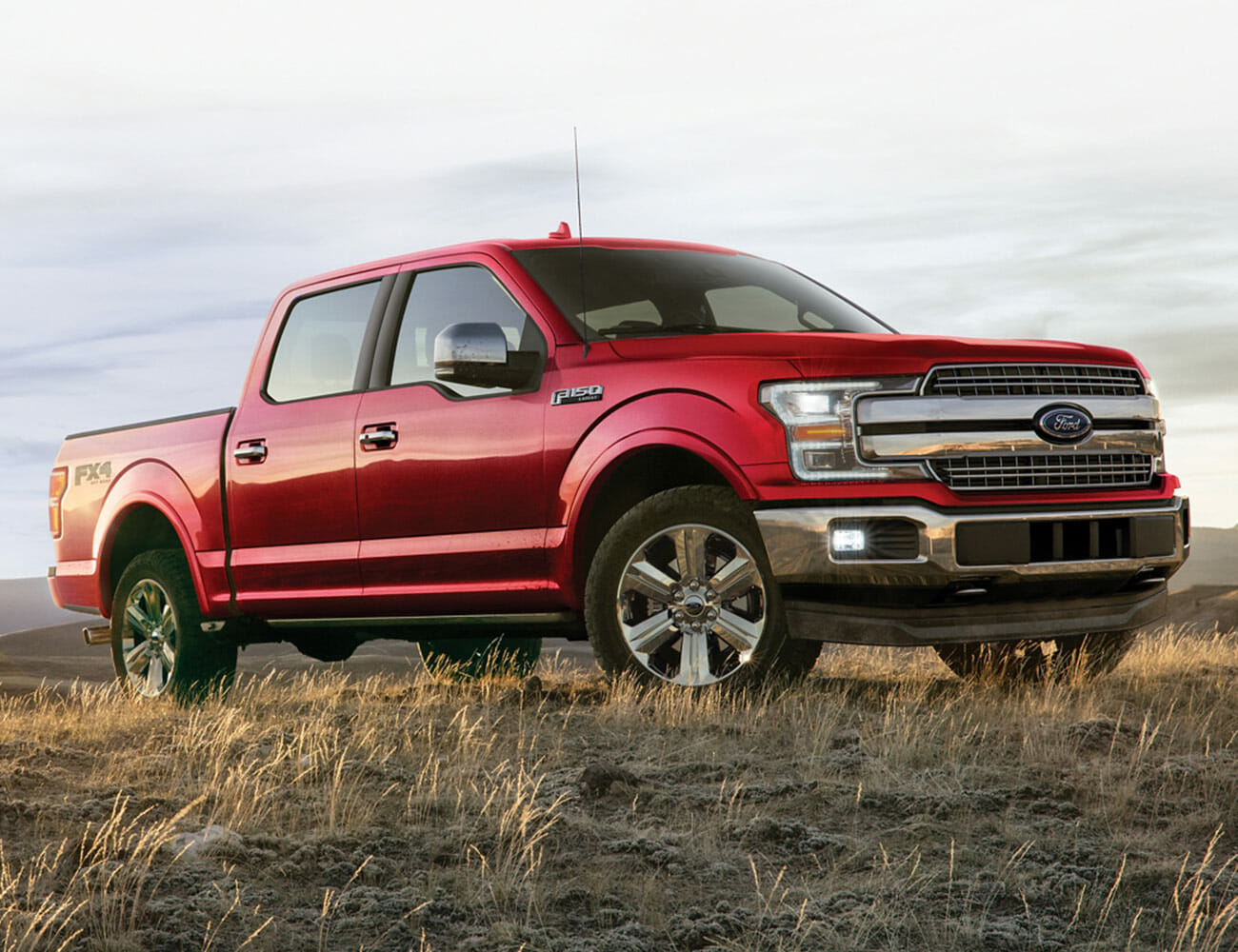
The Ford F-150 is America’s best-selling passenger vehicle. The last generation set a high bar for competitors, making widespread use of light-weight materials like aluminum and utilizing turbocharged V6 powertrains in place of big V8s. The next generation could offer even more radical changes for the truck, including hybrid and pure electric powertrains.

2020 Chevrolet Corvette Stingray

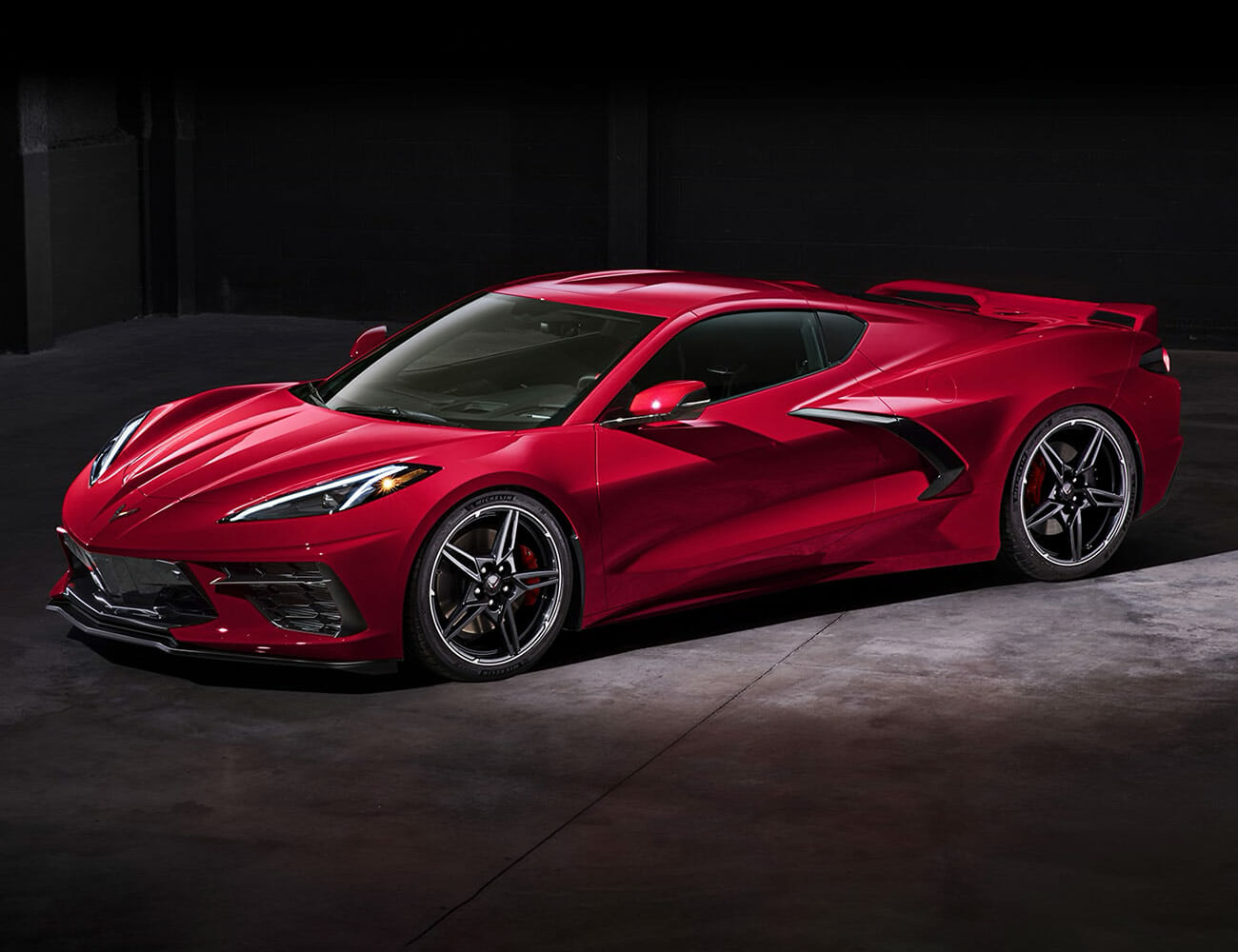
Chevrolet’s all-new, all-different Corvette was revealed to the world earlier this year, but it doesn’t formally go on sale (and we don’t get to drive it) until next year. We’re looking forward to trying out both its supercar-rivaling performance and its unusual interior.

2021 BMW M3 / M4

BMW has long purported to sell “The Ultimate Driving Machine.” The purest distillation of that vision, historically, has been the M3 (and its coupe version, now called the M4). BMW is making some dramatic changes for the next generation — although BMW purists will still be able to get a stick shift and rear-wheel-drive.

All-New Cadillac Escalade

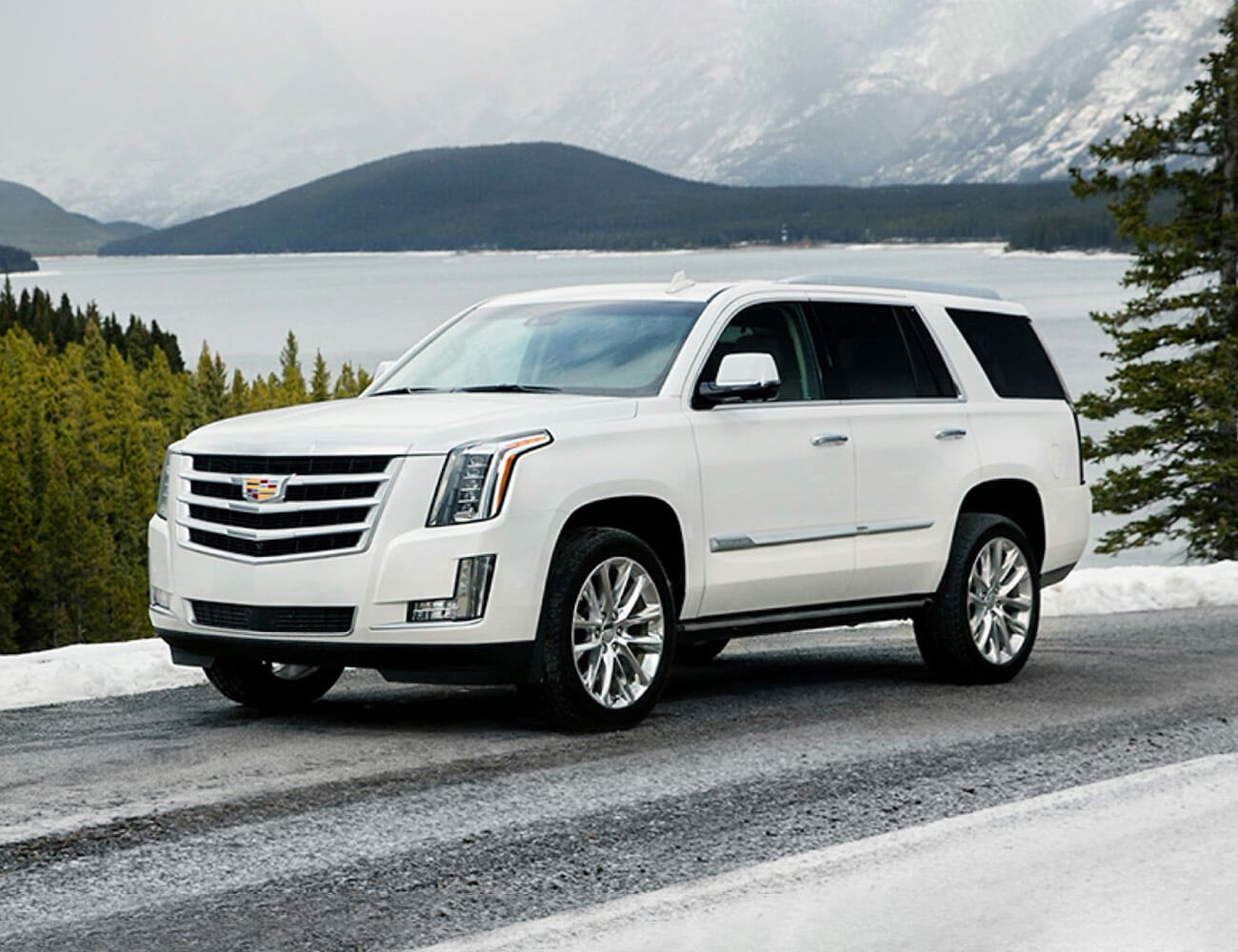
Lincoln came on strong with the awesome new Navigator for 2018. Now, we wait for Cadillac’s retort, with its new flagship SUV expected to arrive for the 2021 model year. It should look…well, like an Escalade. Though the underpinnings will be significantly changed, even perhaps including an electric powertrain.

2020 Land Rover Defender

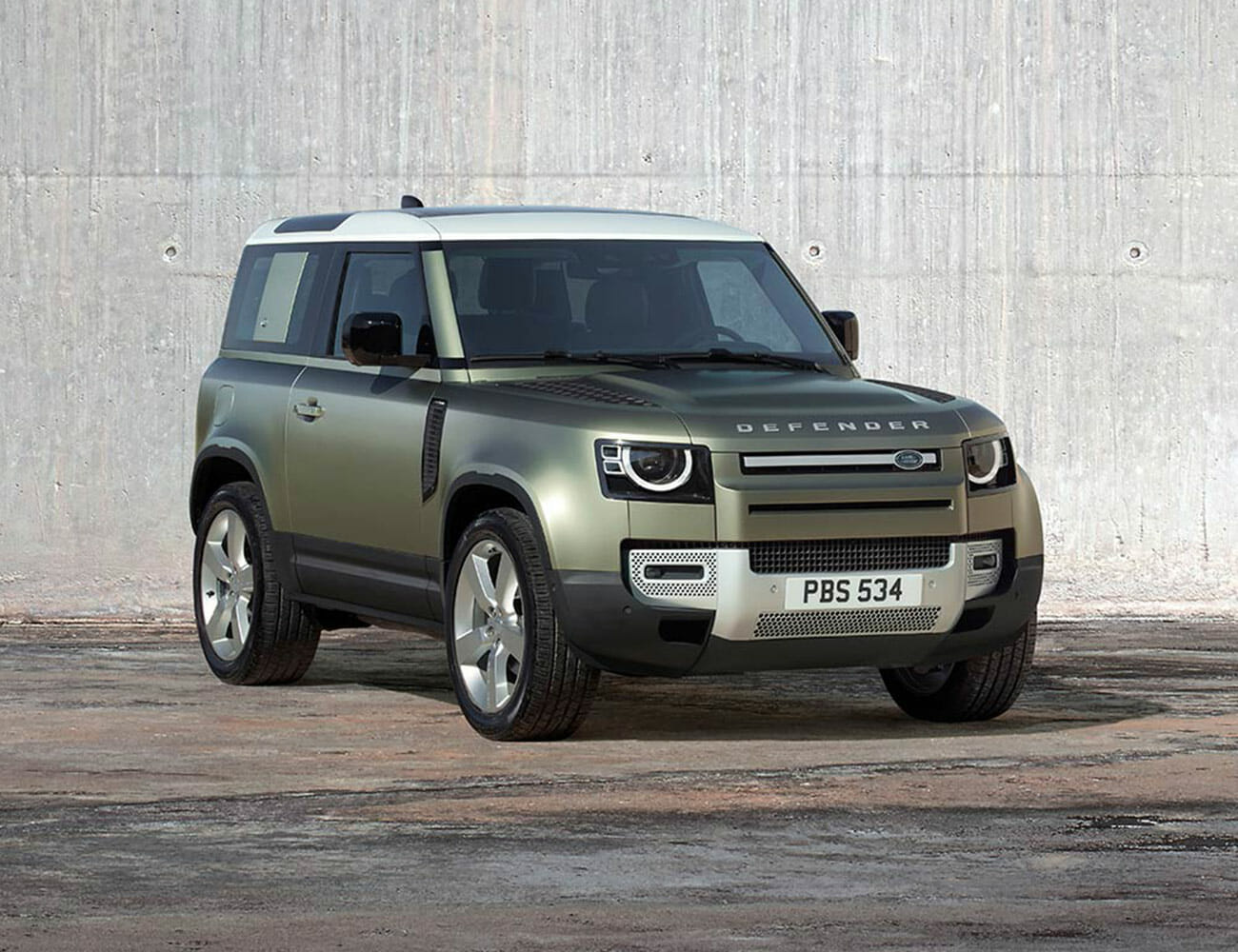
Opinions on the new Defender were mixed before it came out, and they’re still mixed now that we’ve seen it in the flesh. The real question, however, is what it’ll be like from behind the wheel — something we’ll find out in 2020.

2021 Volkswagen ID.4

Volkswagen is going all-in on electric vehicles. Europe is getting the stunning ID.3 Golf successor hatchback, but the first Volkswagen EV to arrive in America will likely be the crossover-based ID.4. Early camouflaged images are encouraging, to say the least.

All-New Alfa Romeo Tonale

Photo via www.autocar.co.uk

Alfa Romeo’s reintroduction to the American market has gone much better than Fiat’s did. The Giulia sedan and Stelvio SUV are among the best-looking, most compelling driver’s cars in their segments (at least, when they’re not in the shop). Let’s see what Alfa can do with the small crossover category.

All-New Jaguar XJ

Jaguar’s iconic XJ nameplate will return in 2021. But it will be powered by electricity, not a V8. It may not even be a traditional? sedan.

2021 Tesla Roadster

Tesla has been promising to revive the Roadster since 2017. Elon Musk has been touting a sub-1.9-second 0-60 mph time, a top speed of 250 mph and an astounding 620-mile range. We’re guessing not all of those things can happen at the same time.

All-New Mercedes-Benz S-Class

The S-Class represents the pinnacle of Mercedes technology. It often defines where Mercedes (and the rest of the car market a few years later) will be heading. How will Mercedes reinterpret its flagship for these interesting times?

2020 Audi RS6 Avant

It’s a 592-hp, all-wheel-drive super sports car that also happens to be a capacious five-seat station wagon. Better yet, it’s also being sold in the U.S. for the first time. We can’t wait to get behind the wheel.

2021 Ford Mustang Mach-E

Even in a year that’s been packed with controversial new models, few cars have drummed up as much of a stir as Ford’s electric crossover wearing the iconic Mustang name. We’re looking forward to seeing if the performance lives up to its moniker.

Note: Purchasing products through our links may earn us a portion of the sale, which supports our editorial team’s mission. Learn more here.

Bentley Continental GT Pikes Peak Edition Revealed

Focus at Bentley’s Motorsport division has been aimed at the Pikes Peak International Hill Climb for the past few years. The British manufacturer managed to secure two records in as many years, first with the Bentayga, and this year with the Continental GT. To celebrate its success, Bentley has revealed a special edition model, the Bentley Continental GT Pikes Peak Edition.

The limited-edition Bentley Continental GT Pikes Peak Edition will be replicated 15 times. The latest special edition model celebrates the outright production car record Bentley set earlier this year with the W12-powered Continental GT. It travelled the 19.99 km hill climb in just 10:18.488 minutes.

For the special edition model, Bentley has stuck closely to the livery of the original Continental GT challenger. This means a Radium by Mulliner paintwork and carbon fibre body kit as a minimum. While the Pikes Peak Edition adds nothing that you couldn’t already order on a standard Continental GT, it adds the colour and the ket to a package that collectors are likely to eat up.

Among the other changes Acid Green brake disc callipers, Pirelli P Zero Colour Edition tyres in Radium Finish and a Pikes Peak decal to the front bumper. In terms of standard specification, the 22-inch Mulliner Driving Specification wheels, finished in Gloss Black, have been added. An optional ‘100’ grille is available too.

Inside, Alcantara with contrasting Radium thread stitching is matched with Beluga secondary hide. The steering wheel features a honeycomb stitching design and a centre stripe in Radium. Carbon fibre fascias and door trim are complemented by a Piano Black centre console. The passenger-side fascia features a graphic showing a section of the Pikes Peak track, with five different graphics being used across the 15-car run, along with the record-setting time of 10:18.488.

The celebratory model is available to order from December 2019 but pricing is likely to be on request.

GTSPIRIT NEWSLETTER

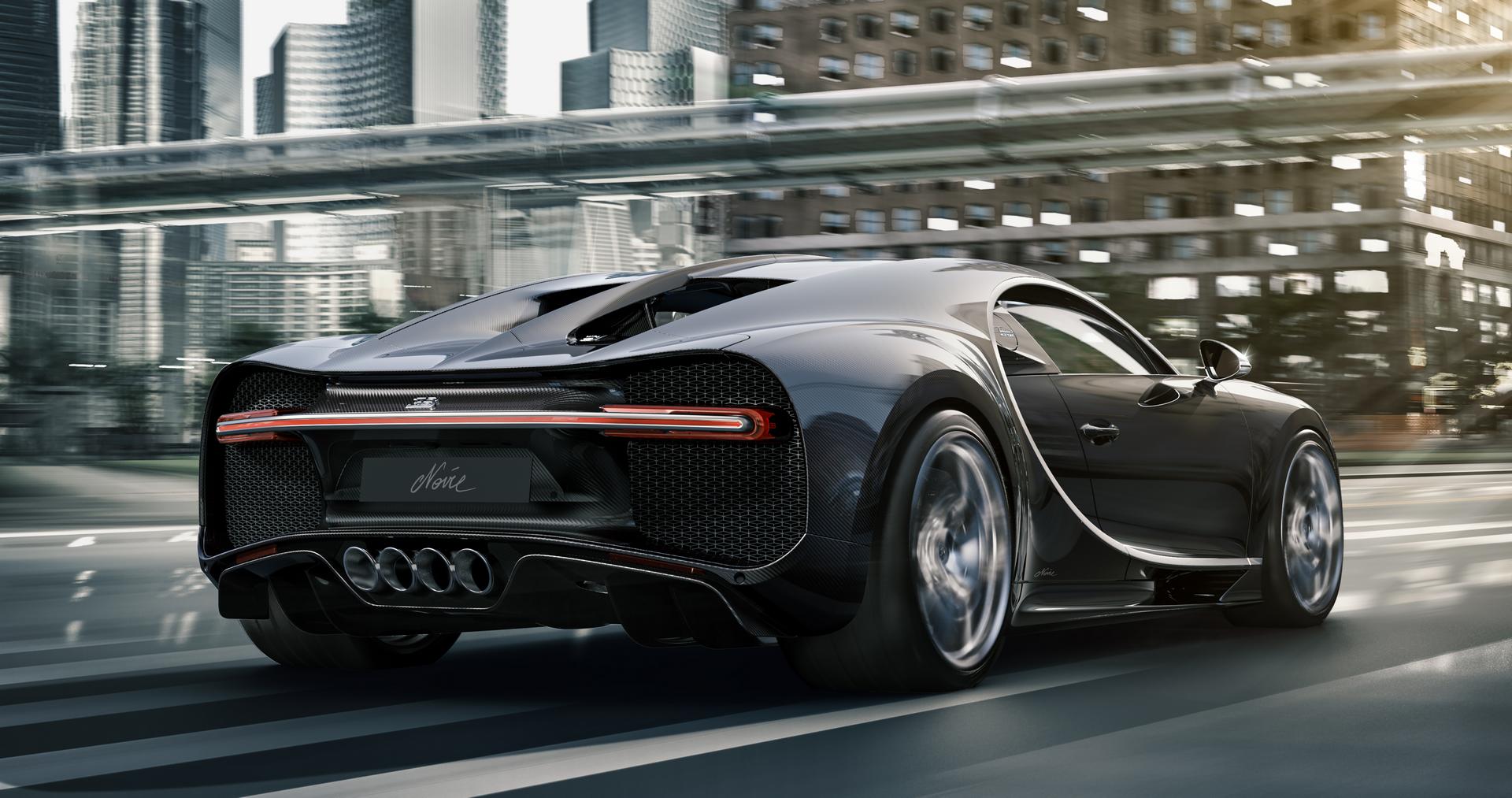
Bugatti Chiron Noire is Bugatti’s Monochrome Limited Edition

A 20-strong special edition has been announced by Bugatti. The Bugatti Chiron Noire pays tribute to “La Voiture Noire”, a special Type 57 SC Atlantic created by Jean Bugatti. One of four, it is the only Atlantic which remains missing, a car which belonged to Jean Bugatti and was used in the company’s brochure, display, and as a test car.

The Chiron Noire will be available in two versions. The “Chiron Noire Sportive” will add sporting flair which the “Chiron Noire Élégance” will focus on elegance.

Bugatti Chiron Noire Rear

The Élégance model gets black exposed carbon fibre bodywork. The Bugatti “Macaron” emblem sits at the centre of the grille, made of solid silver and refined with black enamel. The callipers are also finished in black with Caractère wheels. The signature line is milled from solid metal with a matt polished aluminium finish. Both the rear-view mirror and engine cover are also finished in black carbon and polished aluminium.

Inside, the theme is dark black. Only the “Inner Signature Line” is finished in silk-matt aluminium to break the shadows. The inscription “Noire” appears on the door sills and on the outside of the centre console while a model designation badge is applied to the centre armrest.

The Chiron Noire Sportive gets a matt finish to its carbon bodywork. The exterior trim elements, the C-shaped Bugatti signature line, the wheels, front spoiler and radiator grille are all matt black. The exhaust tips are black and the engine cover too. Inside, everything is black including the inner C-line, switches, push-buttons and rotary knobs on the dashboard, steering wheel, centre console and door handles.

The 20 Chiron Noire’s will be available for the Chiron Sport at an extra charge of 100,000 euros.

GTSPIRIT NEWSLETTER

McLaren Senna GTR Review | Driving the track-ready, race-banned hypercar

Reviewed by J.R. Hildebrand for TechCrunch. Hildebrand is a professional racing and test driver, nine-time Indianapolis 500 competitor and adjunct lecturer for The Revs Program at Stanford University.

SNETTERTON, England — The McLaren Senna GTR shouldn’t exist.

This feat of engineering and design isn’t allowed on public roads. It’s built for the track, but prohibited from competing in motorsports. And yet, the GTR is no outlier at McLaren . It’s part of their Ultimate Series, a portfolio of extreme and distinct hypercars that now serve as the foundation of the company’s identity and an integral part of its business model.

The P1, introduced in 2012, was McLaren Automotive’s opening act on the hypercar stage and was an instant success for both the brand and its business. McLaren followed it up with the P1 GTR, then went on to chart a course toward the Ultimate Series of today and beyond.

Since 2017, the automaker has added the Senna, Speedtail, Senna GTR and now the open-cockpit Elva to the Ultimate Series portfolio. While the GTR is certainly the most extreme and limited in how and where it can be used, it follows a larger pattern of the Ultimate Series as being provocatively designed with obsessive intent.

Automotive takes the wheel

Purpose-built race cars that call on every modern tool of engineering and design have historically been produced for one purpose: winning. This objective, nourished by billions of dollars of investment from the motorsports industry, has led to technological and performance breakthroughs that have eventually trickled down to automotive.

The pipeline that has produced a century of motorsports-driven innovation is narrowing as racing regulations become more restrictive. Now, a new dynamic is taking shape. Automotive is taking the technological lead.

Take the McLaren Senna road car, the predecessor to the GTR. McLaren had to constrain the design of the Senna to make it road legal. But the automaker loaded it with active aerodynamics and chassis control systems that racing engineers could only dream about.

McLaren wasn’t finished. It pushed the bounds further and produced a strictly track-focused and unconstrained race car that expands upon the Senna’s lack of conformity. The Senna GTR might be too advanced and too fast for any racing championship, but McLaren said to hell with it and made the vehicle anyway.

The bet paid off. All 75 Senna GTR hypercars, which start at $1.65 million, sold before the first one was even produced.

The Senna GTR is the symbol of a new reality — a hypercar market that thrives on the ever-more-extreme, homologation standards be damned.

Two weeks ago, I had a chance to get behind the wheel of the Senna GTR at the Snetterton Circuit in the U.K. to find out how McLaren went about developing this wholly unconstrained machine.

Behind the wheel

Rr-rr-rr-kra-PAH! The deafening backfire of the GTR’s 814-horsepower 4.0-liter twin-turbo V8 engine snapped me to attention and instantly transported me to the moment earlier in the day that provided the first hints of what my drive might be like.

Rob Bell, the McLaren factory driver who did track development for the GTR, was on hand to get the car warmed up. Shortly after he set out, the car ripped down the front-straight, climbing through RPMs with an ear-protection-worthy scream that reverberated off every nearby surface, an audible reminder of how unshackled it is.

As Bell approached Turn 1, the rear wing quickly dropped back to its standard setting from the straightaway DRS (drag reduction system) position, then to an even more aggressive airbrake as he went hard to the brakes from 6th gear down to 5th to 4th. The vehicle responded with the signature kra-PAH! kra-PAH! and then promptly discharged huge flames out the exhaust as the anti-lag settings keep a bit of fuel flowing off-throttle.

I thought to myself, ‘Holy sh*t! This thing is no joke!’

Sliding into the driver’s seat, I feel at home. The cockpit is purposeful. The track was cold with some damp spots, and the GTR is a stiff, lightweight race car with immense power on giant slick tires. Conventional wisdom would suggest the driver — me in this case — should slowly work up to speed in these otherwise treacherous conditions. However, the best way to get the car to work is to get temperature in the tires by leaning on it a bit right away. Bell sent me out in full “Race” settings for both the engine and electronic traction and stability controls. Within a few corners — and before the end of the lap — I had a good feel for the tuning of the ABS, TC and ESC, which were all intuitive and minimally invasive.

As a racing driver, it’s rare to feel a tinge of excitement just to go for a drive. As professionals, driving is a clinical exercise. But the GTR triggered that feeling.

I started by pushing hard in slower corners and before long worked my way up the ladder to the fast, high-commitment sections. The car violently accelerated up through the gears, leaving streaks of rubber at the exit of every corner.

Once the car is straight, drivers can push the DRS button to reduce drag and increase speed for an extra haptic kick. The DRS button is now a manual function on the upper left of the steering wheel to give the driver more control over when it’s deployed. After hitting the DRS, the car dares you to keep your right foot planted on the throttle, then instantly hunkers down under braking with a stability I’ve rarely experienced.

The active rear wing adds angle while the active front flaps take it out to counterbalance the effect of the car’s weight shifting forward onto the front axle, letting you drive deeper and deeper into each corner. It’s sharply reactive; the GTR stuck to the road, but still required a bit of driving with my fingertips out at the limit on that cold day. I soon discovered that the faster I went, the more downforce the car generated, and the more speed I was able to extract from it.

Tip to tail

In almost any other environment, the Senna road car is the most shocking car you’ve ever seen. Its cockpit shape is reminiscent of a sci-fi spaceship capsule. The enormous swan neck-mounted rear wing is one highlight in a long list of standout features. The Senna road car looks downright pedestrian next to the GTR.

The rear wing stretches off the back of the car with sculpted carbon fiber endplates and seamlessly connects to the rear fender bodywork. The diffuser that emerges from the car’s underbody — creating low pressure by accelerating the airflow under the car for added downforce — is massive. The giant 325/705-19 Pirelli slicks are slightly exposed from behind, giving you the full sense of just how much rubber is on the ground, and the sharp edges of the center exit exhaust tips are already a bluish-purple tint.

The cockpit shape and dihedral doors are instantly recognizable from the road car. But inside, the GTR is all business. The steering wheel is derived from McLaren’s 720S GT3 racing wheel, a butterfly shape with buttons and rotary switches aplenty. The dash is an electronic display straight out of a race car; six-point belts and proper racing seats complete the aesthetic.

Arriving at the front of the car, the active front wing-flaps are as prominent as ever, while the splitter extends several inches farther out in front of the car and is profiled with a raised area in the center to reduce pitch sensitivity given the car’s much lower dynamic ride-height. In fact, nearly the entire front end of the car has been tweaked; there are additional dive-planes, the forward facing bodywork at the sides of the car have been squared-off and reshaped, and an array of vortex generators have been carved into the outer edge of the wider, bigger splitter surface.

All of these design choices in the front point to the primary area of development from the Senna road-car to the GTR: maximizing its l/d or ratio of lift (in this case the inverse of lift, downforce) to drag.

McLaren pulled two of its F1 aerodynamicists into the GTR project to take the car’s aero to a new level. The upshot: a 20% increase in the car’s total downforce compared to the Senna road car, while increasing aero efficiency — the ratio of downforce to drag — by an incredible 50%. The car is wider, lower and longer than its road-going counterpart, and somehow looks more properly proportioned with its road-legal restrictions stripped away to take full advantage of its design freedom.

This was the car the Senna always wanted to be.

The development process of the GTR was short and to the point. When you have F1 aerodynamicists and a GT3 motorsport program in-house attacking what is already the most high-performing production track car in the industry, it can be. There were areas they could instantly improve by freeing themselves of road-car constraints — the interior of the car could be more spartan; the overall vehicle dimensions and track width could increase; the car would no longer need electronically variable ride heights for different road surfaces so the suspension system could be more purposeful for track use; the car would have larger, slick tires.

All this provided a cohesive mechanical platform upon which to release the aerodynamic assault of guided simulation and CFD.

The GTR benefits from the work of talented humans and amazing computer programs working together with a holistic design approach. What was once a sort of invisible magic, aerodynamics has become a well-understood means of generating performance. But you still have to know what you’re seeking to accomplish; the priorities for a car racing at Pikes Peak are much different than those of a streamliner at Bonneville.

The development team for the GTR sought to maximize the total level of downforce that the tires could sustain, then really kicked their efforts into gear to clean up airflow around the car as much as possible. Many of the aggressive-looking design elements that differentiate the GTR from the Senna are not just for additional downforce but to move air around the car with less turbulence — less turbulent air means less drag. You can’t see it or feel it, but it certainly shows up on the stopwatch, and is often the difference between a car that just looks fast and one that actually is.

I hadn’t asked how fast the car was relative to other GT race cars before I drove it. I think a part of me was fearful that despite its appearance and specs it might be wholly tuned down to be sure it was approachable for an amateur on a track day. And that would make sense, as that’s the likely use-case this car will have. After driving the GTR, I didn’t hesitate for a second to ask, to which they humbly said that it’s seconds faster than their own McLaren 720S GT3 car, and still had some headroom.The Senna GTR is another exercise in exploring the limits of technology, engineering and performance for McLaren, enabled by a market of enthusiasts with the means to support it. And this trend is likely to continue unless motorsports changes the rules to allow hypercars.

McLaren’s next move

The Automobile Club de l’Ouest, organizers of the FIA World Endurance Championship, which includes the 24 Hours of Le Mans, has been working for years to develop regulations that could include them. While these discussions are gaining momentum, it remains to be seen whether motorsport can provide a legitimate platform for the hypercar in the modern era.

The last time this kind of exercise was embarked on was more than 20 years ago during the incredible but short-lived GT1-era at Le Mans that spanned from 1995 to 1998. It saw McLaren, Porsche, Mercedes and others pull out all the stops to create the original hypercars — in most cases comically unroadworthy homologation specials like the Porsche 911 GT1 Strassenversion (literally “street version”) and Mercedes CLK GTR — for the sole purpose of becoming the underpinnings of a winning race car on the world’s stage.

At that time, the race cars made sense to people; the streetcars were misfits of which only the necessary minimum of 25 units were produced in most cases, and the whole thing collapsed due to loopholes, cost, politics and the lack of any real endgame.

Today, the ACO benefits from a road-going hypercar market that McLaren played a key role in developing. Considering McLaren’s success with hyper-specific specialized vehicles in recent years, I’d bet the automaker could produce a vehicle custom-tailored to a worthy set of hypercar regulations. Even if not, McLaren will continue to develop and sell vehicles under its Ultimate Series banner.

And there’s already evidence that McLaren is doubling down.


McLaren shows off the open cockpit Elva.

McLaren’s Track 25 business plan targets $1.6 billion in investment toward 18 new vehicles between 2018 and 2025. The company’s entire portfolio will use performance-focused hybrid powertrains by 2025.

The paint had barely dried on the Senna GTR before McLaren introduced another new vehicle, the Elva. And more are coming. McLaren is already promising a successor to the mighty P1. I, for one, am looking forward to what else they have in store.

McLaren hybrid tech will create one of the quickest cars in the world

McLaren’s entire range of models will be electrified by 2023, and hybrid technology will help the British firm build one of the quickest cars in the world. The company’s chief executive outlined an unnamed upcoming model that will boast an organ-displacing zero-to-60-mph time of 2.3 seconds.

Speaking about the firm’s future with Car & Driver, McLaren CEO Mike Flewitt provided crunchy new details about the next-generation platform and the gasoline-electric hybrid powertrain the firm plans to unveil in early 2020, possibly during the next edition of the Geneva Motor Show. The 2.3-second car’s secret ingredient will be an electric motor that will zap the front wheels into motion. It will work with a mid-mounted engine, likely a twin-turbocharged V8, to deliver through-the-road all-wheel drive. We expect a generous serving of carbon fiber will keep the model’s weight in check.

Though there’s much more to a sports car than an impressive zero-to-60-mph time, 2.3 seconds would put McLaren’s looming hybrid on par with the sold-out Dodge Challenger SRT Demon, and ever so slightly ahead of hypercars like the Bugatti Chiron (2.4 seconds). McLaren’s limited-edition P1 hybrid took 2.6 seconds, and the hardcore Senna (pictured) is a tenth of a second slower.

Looking ahead, McLaren will gradually replace the current members of its range with new models built on its next-generation platform. The cheaper, less powerful ones will surf the downsizing wave sweeping across the industry by adopting a V6 the company hasn’t unveiled yet, while the bigger cars with higher horsepower ratings will carry on with a twin-turbocharged V8. All of the upcoming models will come standard with hybrid power, and they’ll be capable of driving for up to 20 miles on electricity, yet they’ll weigh as little as 65 pounds more than the supercars they’ll replace. The weight difference will likely increase when all-wheel drive, a V8 engine, or both enter the equation. 

McLaren has talked about building an electric car for years, and it even turned the 720S into a test mule to put the drivetrain though its paces, but Flewitt reaffirmed the technology isn’t ready. While solid-state batteries expected to merge into the mainstream halfway through the 2020s could make an electric McLaren more feasible, Flewitt warned the firm might not completely ditch gasoline for another three decades. Profitability is a deciding factor, too, especially as the company eyes an IPO.

Finally, Ferrari’s contentious but seemingly inevitable move into the SUV segment hasn’t changed his mind about launching a high-riding model. No means no, regardless of what rivals are doing. Instead of seeking additional ground clearance, McLaren is developing the first supercar it plans to release on its new platform. The model will make its debut in late 2020, and it will go on sale in early 2021.

You can still buy a million-dollar Nissan GT-R50 by Italdesign

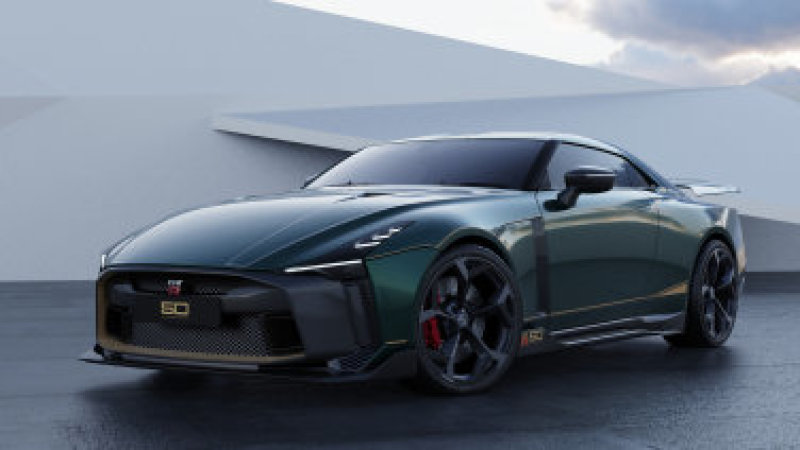
Almost a year ago to the day, Nissan revealed the GT-R50 in its final production form, declaring the order books open for business. We have our first update from Nissan on how the super exclusive and rare GT-R is doing today. Turns out, you can still order one!

Nissan says it has received a “significant number of deposits,” but didn’t specify what the current number is. The company goes on to say that a “limited number of reservations for the remaining models are still available.” As of now, Nissan appears to be sticking to the 50-car limited production run of the Italdesign collaboration anniversary model.

With such limited supply, it may seem surprising that enough rich GT-R fans haven’t swooped in and picked these up. Let us remind you of the price, though. A single GT-R50 will run you north of $1 million — the base price converted from euros is $1,126,799. Make a little more sense why some are still available now? The GT-R50 looks like a superb car in every way, but it’s easy to see why Nissan could be having some difficulty selling a car that’s $1 million more expensive than the vehicle it’s based on.

For those who have already put money down on a GT-R50, Nissan says it’s in the process of working with those clients to finalize their custom builds. Owners can expect to see the cars delivered between the end of 2020 and the end of 2021.

The last bit of interesting news today comes in the form of the photos at the top. Nissan made some new renderings to show off the GT-R50 in different paint colors (we’re loving the green). If you want to see the prototype in person, Nissan says it’ll be on display at the 2020 Geneva Motor Show.

Le Mans Hypercars 2020: First Set of Rules Revealed

With the 2019 Motorsport season now over, FIA WEC fans are now gearing up for the 2020 season which will see the debut of the Le Mans Hypercar category. Today, the FIA World Motor Sport Council has revealed the initial ground rules for the category which will sit above LMP2.

The good news for this new class is that the first year will have no restrictions in regards to testing (as was with LMP1). This is to give teams as much time as possible to prepare for the start of the season. Restrictions in testing will come into effect during the second year. Homologation on the other hand will be conducted under the name of the marque.

For a team entering 2 cars, a maximum of 40 team members will be allowed, and if a team has 2 hybrids, then the maximum number of team members allowed will be 43.

LMP2 teams will now have one single tire supplier and power will be reduced by 30kW starting next season to manage the running costs.

As for the title of the FIA World Endurance Champion, it will go to the winning Le Mans Hypercar drivers.

GTSPIRIT NEWSLETTER

The Jeep Gladiator Is the Best New Car of 2019

This story is part of the GP100, our annual roundup of the best products of the year. To see the full list of winners, grab the latest issue of Gear Patrol Magazine.

Americans love pickup trucks. They buy one every 12 seconds. And Americans love Jeeps. In 2018, the company just had its best sales year ever, moving almost a million vehicles in the U.S. alone. So clearly, the nation hungers for big vehicles with a commanding road presence and four-wheel-drive grip.

Yet in spite of a blatantly obvious opportunity to merge those two trends, Jeep went almost three decades without producing a vehicle with a metal bed hung behind the passenger seat — which explains why the company’s fans howled with delight when they glimpsed of the all-new Gladiator at the Los Angeles Auto Show at the end of last year, all but preemptively thrusting cash in Jeep’s direction. But it was only this spring that the truck finally launched, finally giving them the chance to do so.

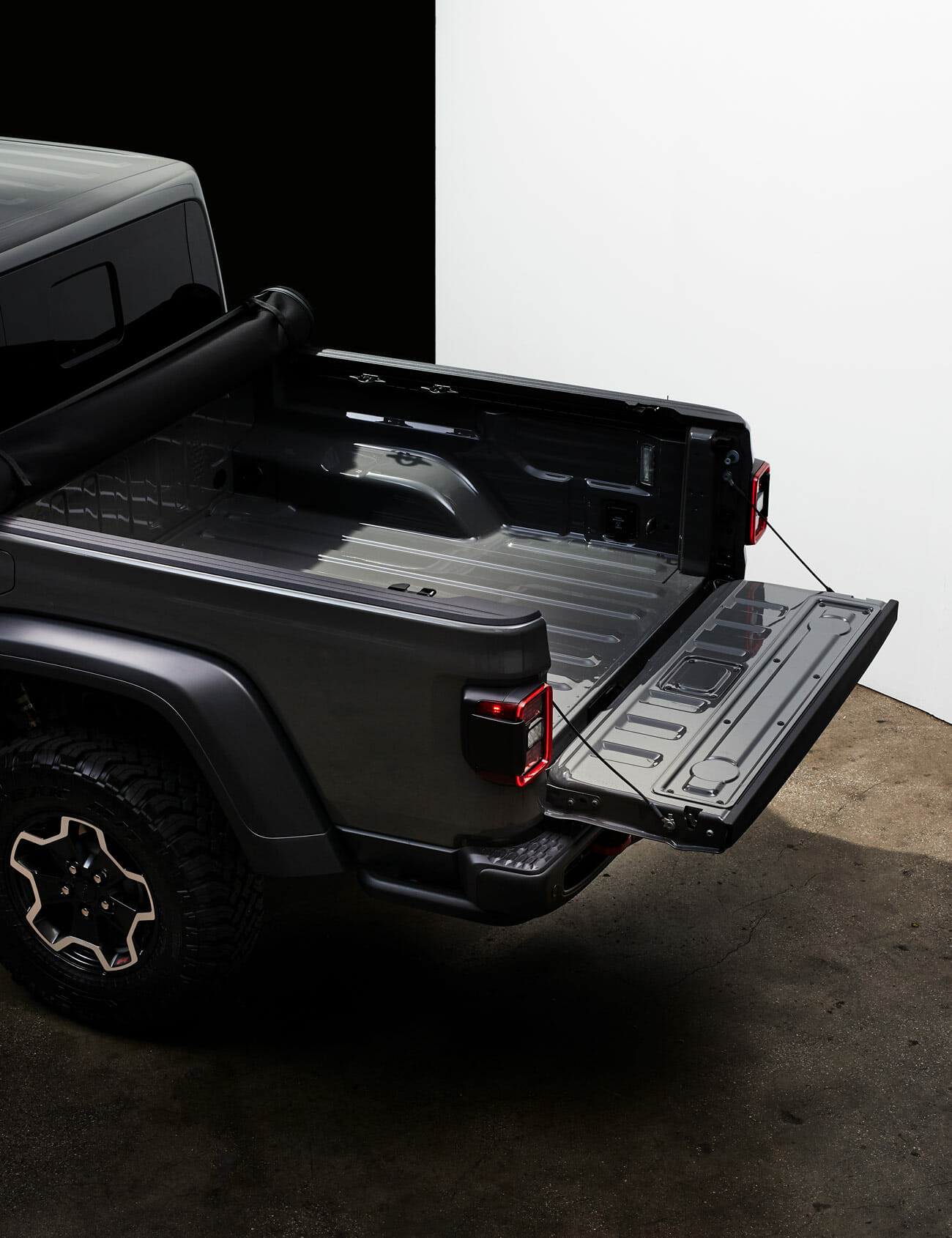
The Gladiator’s five-foot-long bed may be shorter than most pickup trucks’ beds, but it still provides incredible versatility.

Rather than attempt to build a new truck from the ground up, Jeep’s product planners and engineers chose to keep it simple, taking the four-door Wrangler — specifically, the all-new, more-refined JL generation — stretching out the wheelbase and affixing a metal box to the end of it.

The Wrangler-based design means all the parts and features that have elevated that model into an icon over the last few decades come along for the ride. Removable top? Present, in both soft and three-piece hard-top forms. Removable doors? Also in attendance, and every bit as easy to doff as they are on the Wrangler. A waterproof interior, designed to be easy to clean and boasting one of the most intuitive, convenient layouts in the industry? Standard on every one.

Jeep even offers the choice between manual and automatic gearboxes, making the Gladiator one of the last trucks sold in America to give drivers the option of rowing their own gears.

Further Reading
2020 Jeep Wrangler EcoDiesel Review: The Wrangler, Enhanced
We Go Off-Roading in the All-New Jeep Gladiator Overland Pickup

But being a pickup truck means the Gladiator also can accomplish things its SUV sibling can’t — like towing up to 7,650 pounds (the Wrangler maxes out at 3,500). The five-foot-long bed boasts more cargo space than the trunk of its two-box brethren; plus, even with two or three adults aboard, it can still take on half a ton of gear. And options like an integrated 110-volt plug in the bed and an integrated Bluetooth speaker that charges from the car makes the Gladiator among the best tailgating rigs out there.

It wouldn’t be a badass Jeep without flared fenders.

The added space between the axles does dock the Jeep’s off-road capability a tad. It’s easier to wind up high-centered on unfortunately placed hillocks and the breakover and departure angles of 20.3 and 26 degrees respectively mean it won’t be able to keep up with the Wrangler when the going gets really rough.

Still, that’s not enough to keep it from being every bit one of the most capable trucks on sale — especially in trail-conquering Rubicon form, which builds on the model’s inherent prowess by adding features like locking differentials, an electronic sway bar disconnect and a lower low range better suited for rock crawling.

The red tow hook is a hallmark of the Rubicon trim, Jeep’s most off-road-ready version of the truck.

On the road — where, let’s face it, Jeeps spend most of their time — the Gladiator drives even better than the latest-generation Wrangler, which redefined on-road comfort for the model. Its long wheelbase gives the Gladiator delightful stability on the highway, making it a superior choice for long slogs behind the wheel. Added convenience features like radar-based active cruise control, blind-spot warning and parking sensors bring the sort of comfort not traditionally associated with trucks or Jeeps in particular. Hell, you can even pick one up with leather seats.

Granted, it’s easy to price this truck up to a total near $60,000 if you go buck wild on the options sheet or spend extra on official aftermarket accessories like lift kits and off-road lights. But play it smart, and you can snag a well-equipped one for around $45K — only a few thousand dollars more than the average new-car price nowadays. Considering you’re scoring an off-roader, a five-seat family car, a convertible and a pickup truck in one for that price, it’s hard to see that as anything but the deal of the year.

Powertrain: 3.6-liter V6 or 3.0-liter turbodiesel V6; six-speed manual or eight-speed automatic transmission; four-wheel-drive
Horsepower: 285 (gasoline); 260 (diesel)
Torque: 260 lb-ft (gasoline), 440 lb-ft (diesel)
Price: $33,545+

Note: Purchasing products through our links may earn us a portion of the sale, which supports our editorial team’s mission. Learn more here.

The 10 Best Cars & Motorcycles of 2019

This story is part of the GP100, our annual roundup of the best products of the year. To see the full list of winners, grab the latest issue of Gear Patrol Magazine.
It doesn’t matter if you’re talking about a car, truck, SUV or motorcycle. Each one is inherently full of compromises. Safety or speed, efficiency or comfort, style or capability — the needs of passenger vehicles are governed by opposing forces. The year’s best new motorcycles and cars were chosen because they blend those qualities in ways that play up their strengths and mitigate their weaknesses. They push transportation into the future. They combine the abilities of multiple vehicles into a single package. They reestablish future generations’ love of legacy brands. And above all else, they’re machines we’d be proud to park in our driveways.

Products are listed alphabetically.

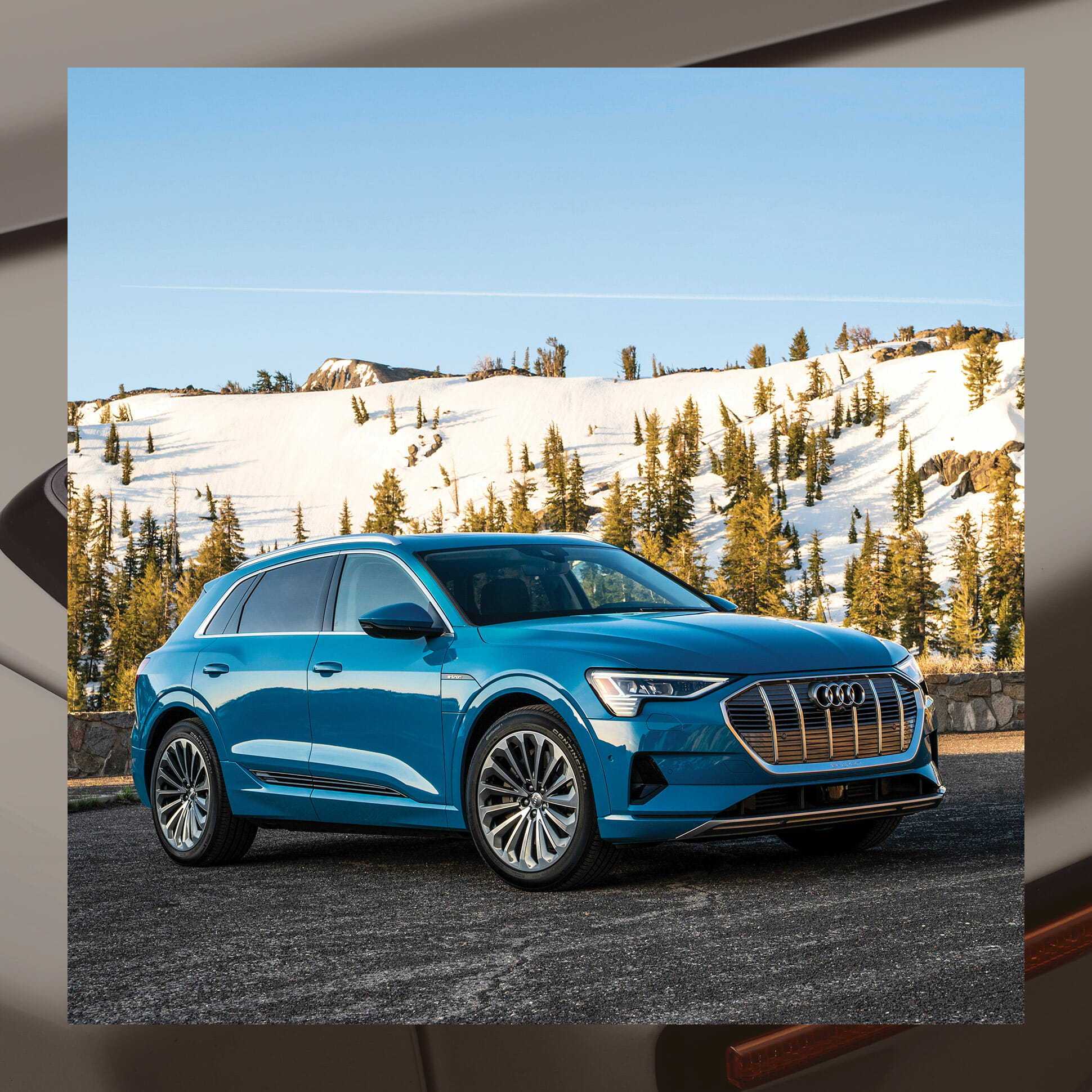
Audi E-Tron

Competition in the electric vehicle world is heating up, and it was Audi that delivered the first EV with a truly premium experience and high-end build quality, even if the E-Tron’s 204-mile range doesn’t compete with EVs from other makers (like Tesla and Jaguar). Still, the crossover is exceptionally well-engineered, delivering its own brand of sporty performance. It moves the ball forward — for customers, for parent company VW and for the world we live in.

Powertrain: Dual asynchronous electric motors; all-wheel-drive
Horsepower: 402
Torque: 490 lb-ft
Price: $74,800+

Further Reading
Why You Should Care About the Audi E-Tron
Audi E-Tron Review: Simply Put, This Is a Great Car

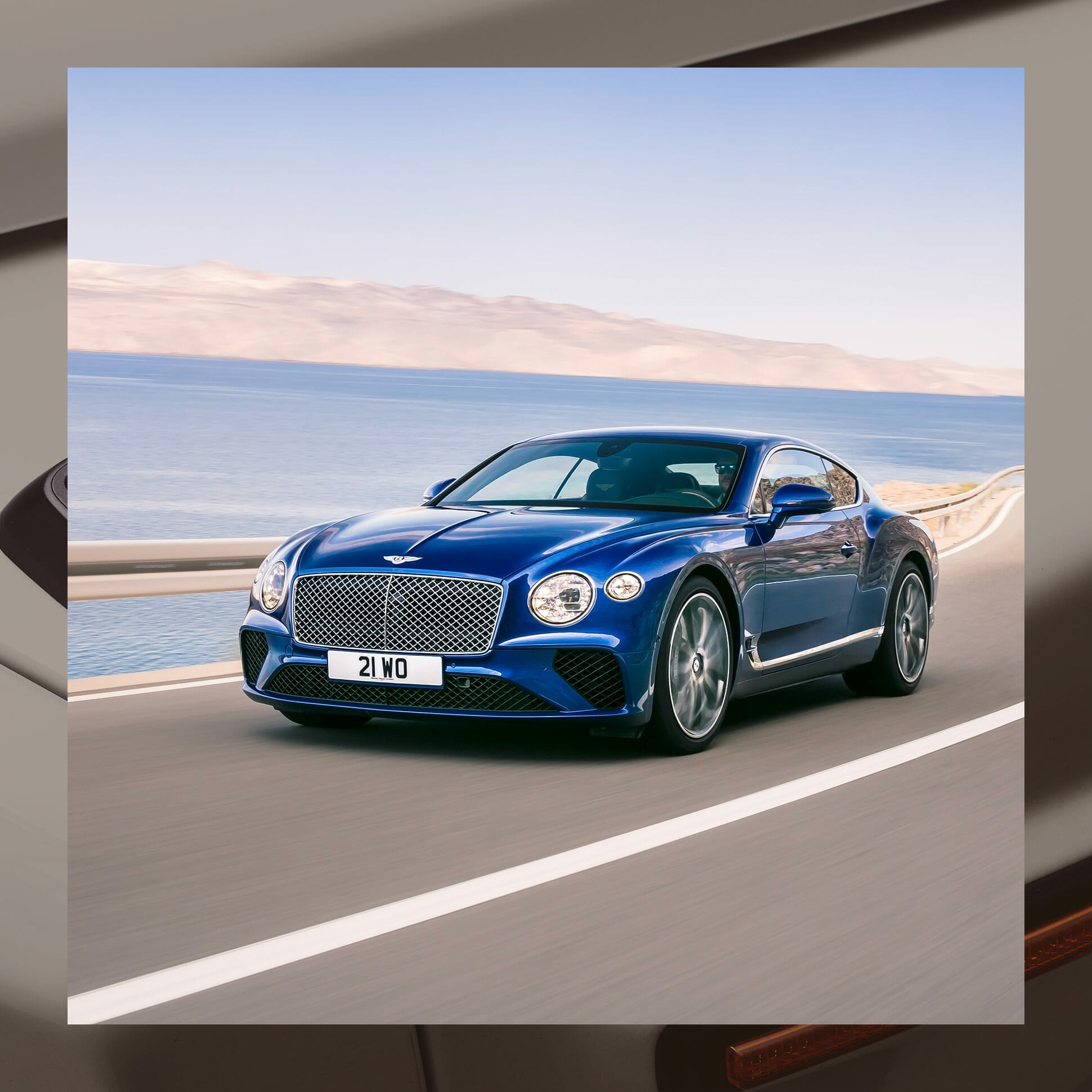
Bentley Continental GT V8

When a car costs as much as a house, it has to work hard to justify its price tag. The Bentley Continental GT makes the job look easy. Slide into the leather-laden cabin, fire up the twin-turbo eight-cylinder engine, and the Conti takes off like a shot, hitting 60 miles per hour just four seconds into its run up to 198 mph (all while weighing two and a half tons with you onboard).

Powertrain: Twin-turbocharged 4.0-liter V8; eight-speed dual-clutch automatic; all-wheel-drive
Horsepower: 542
Torque: 568 lb-ft
Price: $198,500+

Further Reading
2020 Bentley Continental GT V8 Review: A Continent Crusher Steps Up Its Game
2019 Bentley Continental GT Convertible Review: Road Trip Wonderment

Watch Now: The 10 Best Cars, Trucks and Motorcycles 2019

[embedded content]

Bird One

Shared electric scooters lead hard lives — which means good companies build them tough. Bird’s first conveyance built for purchase, the One, has tubeless wheels to prevent flats and a steel-reinforced aluminum chassis that’s four times tougher than its shared brethren. GPS and Bluetooth connectivity lets you use your phone to lock and track your scooter. Plus, you can score deals on Bird’s network of public scooters when you’re away from your personal wheels.

Range: 30 miles on a charge
Charging Time: 4–6 hours
Top Speed: 18 mph
Price: $1,300

Further Reading
Look Out E-Bikes, This Scooter Wants to Replace You

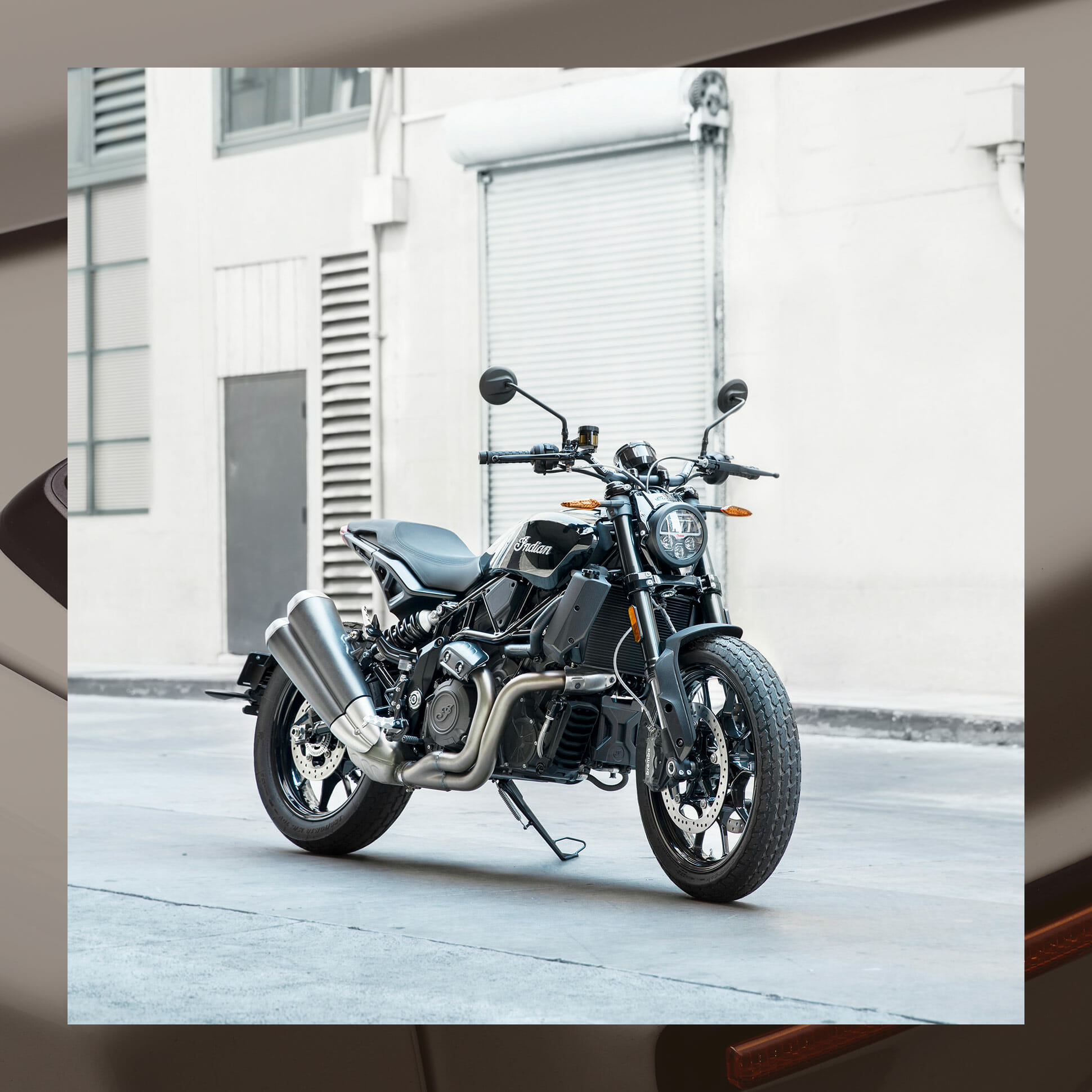
Indian FTR 1200

Indian’s FTR 1200, its first all-new bike in half a decade, may be based off the brand’s modern FTR750 racer, but it draws the most inspiration from the Minnesota company’s rich history in flat track racing. A clean-sheet design meant engineers could start from scratch, and they optimized airflow into the potent V-twin by placing the airbox directly above the engine where the fuel tank would go. The effect? A lower center of gravity for superior agility.

Powertrain: 1203cc V-twin
Horsepower: 123
Torque: 87 lb-ft
Price: $13,499+

Further Reading
2019 Indian FTR 1200 Review: Out With the Old, In With the New
The Complete Indian Motorcycle Buying Guide: Every Model, Explained

Jeep Gladiator

Editor’s Pick

Americans love pickup trucks, and Americans love Jeep Wranglers. So rather than attempt to build a new truck from the ground up, Jeep’s product planners and engineers chose to keep it simple, taking the four-door Wrangler — specifically, the all-new, more-refined JL generation — stretching out the wheelbase and affixing a metal box to the end of it. You can snag a well-equipped one for around $45,000; onsidering you’re scoring an off-roader, a five-seat family car, a convertible and a pickup truck in one for that price, it’s hard to see that as anything but the deal of the year.

Powertrain: 3.6-liter V6 or 3.0-liter turbodiesel V6; six-speed manual transmission; four-wheel-drive
Horsepower: 285 (gasoline); 260 (diesel
Torque: 260 (gasoline), 440 (diesel)
Price: $33,545+

Further Reading
2020 Jeep Gladiator Review: A Truck for the People
We Go Off-Roading in the All-New Jeep Gladiator Overland Pickup

Mercedes-AMG G63

New versions of the Mercedes-Benz G-Class come around less frequently than new popes. So when this year’s Gelandewagen arrived, it did so with roughly as much fanfare. For all the commotion, it takes a keen eye to tell the new “G-Wagen” from the old, at least from the outside; no such trouble occurs once you open the door, as the new G-Class finally boasts an interior worthy of a six-figure price tag. The AMG-tuned G63 version also cracks off mind-bending acceleration times without sacrificing the off-road ability that lets the G-Class be mentioned in the same breath as Land Rover and Jeep.

Powertrain: 4.0-liter twin-turbocharged V8; nine-speed automatic; four-wheel-drive
Horsepower: 577
Torque: 627 lb-ft
Price: $147,500+

Further Reading
2019 Mercedes-AMG G63 Review: The Automotive Multi-Tool, Now Better Than Ever

Porsche 911 Carrera S and 4S

Today’s 911 is many things the original was not. The cabin is decidedly high-tech, replete with touchscreens and a toggle-switch shifter. The extra-wide rear houses a turbocharged version of the traditional flat-six, mated to a new eight-speed dual-clutch transmission. (Porsche even says a hybrid 911 is in the works.) Change is the only constant here — well, that and round headlights. Perhaps that’s why every new version of the 911 keeps Porsche at the head of the sports car pack.

Powertrain: Twin-turbocharged 3.0-liter flat-six; eight-speed dual-clutch automatic; rear- or all-wheel-drive
Horsepower: 443
Torque: 390 lb-ft
Price: $113,300+

Further Reading
2020 Porsche 911 Carrera Review: Better In Literally Almost Every Way
A Definitive Ranking of Blue Porsche 911s

Ram 2500 and 3500

Heavy-duty pickups have become big business but maximum capability is only half the equation; today’s buyers want the same comforts they’ve gotten used to in other vehicles. In top-trim form, both the 2500 and 3500 are as tech-packed and comfortable as a luxury sedan. That’s not to say they can’t pull weight: the giant Ram 3500 cranks out 1,000 pound-feet of torque, giving it enough towing capacity to pull a small herd of elephants.

Powertrain: 6.4-liter V8 or 6.7-liter turbodiesel inline-six; six- or eight-speed automatic transmission; two- or four-wheel-drive
Horsepower: 410 (gas), 370–410 (diesel)
Torque: 429 lb-ft (gas), 850–1,000 lb-ft (diesel)
Price: $33,645+

Further Reading
The 2019 Ram Power Wagon Is the Most Capable Pickup You Can Buy

Toyota GR Supra

Building a sports car is an expensive proposition, especially if you want it to be good. To create the fifth-generation Supra, Toyota got by like Ringo Star, with a little help from its friends: the folks at BMW. The spec sheet may have far more in common with the rides of the Bavarian Motor Works than with anything alongside it in the Toyota showroom, but that’s a feature, not a bug. With the fifth-generation Supra, Toyota chose not to let the perfect be the enemy of the good — and it delivered a great car as a result.

Powertrain: 3.0-liter turbocharged inline-six; eight-speed automatic; rear-wheel-drive
Horsepower: 335
Torque: 365 pound-feet
Price: $49,990+

Further Reading
2020 Toyota Supra Review: Check Your Judgement At the Door
2020 Toyota Supra Revealed: Return of the King

Zero SR/F Electric Motorcycle

When an electric bike promises cost savings, environmental friendliness and one-of-a-kind thrills, you pay attention. Zero Motorcycles has been at this game for 13 years, outlasting fly-by-night competitors and even impacting Harley-Davidson, which just rolled out its first electric model, the LiveWire. The Zero SR/F flies contrary to the hallmarks of classic motorcycling: there’s no engine to purr, no gears to shift, no neutral to pop it into at a light. But any doubts whoosh away the moment you twist the throttle; try going from 0 to 60 miles per hour in less than two seconds. Green means go, baby.

Range: 161 miles in town; 99 on the highway at 55 mph; 82 on the highway at 70 mph
Horsepower: 110
Torque: 140 lb-ft
Price: $18,995+

Further Reading
The All-New Zero Will Be the Most Modern Motorcycle On the Market
Note: Purchasing products through our links may earn us a portion of the sale, which supports our editorial team’s mission. Learn more here.

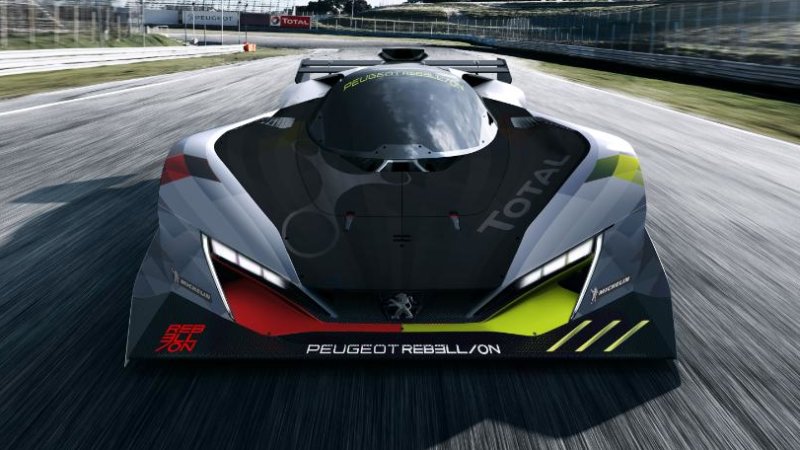
Our first look at the Peugeot hypercar for Le Mans

Peugeot is returning to Le Mans with Rebellion Racing, and the French automaker just dropped the first photo of what its car will look like in the hypercar class. We normally wouldn’t get too worked up over a race car rendering, but this one has certain … implications.

Homologation rules require manufacturers to both build and sell at least 20 production versions of the race car for it to be competition-legal in this class. That means Peugeot is ultimately going to have to sell a road-going version of this wild-looking race car, but only a few of them. Whether this potential Peugeot hypercar ends up looking anything like this rendering is still up for debate, but it’s an interesting idea to toy around with.

Peugeot has never produced a supercar or hypercar before, so the news that it would enter the WEC in this fashion was a bit shocking last month. The FCA-PSA tie-up just makes it all the more interesting now that Peugeot will be part of a massive company producing cars for the U.S. We’re still waiting on details about how much involvement Peugeot Sport will have in the car, as a previous report suggested Peugeot would hand much of the project off to Oreca and Rebellion Racing. Today, Peugeot made the Rebellion Racing partnership official, but the rest is still a bit hazy. 

The racing program is scheduled to kick off in 2022 with the Swiss Rebellion Racing team. We dig the jagged edges and concept design of the hypercar rendering Peugeot released today, which leaves us hopeful for an awesome final product in a couple years.

Hennessey planning a 1,200-horsepower C8 Chevy Corvette

It was bound to happen at some point, but now we’ve heard it straight from the horse’s mouth. Hennessey has designs on giving the 2020 Chevrolet Corvette much more performance than it has from the factory. The Texas-based company says it plans to offer a 1,200-horsepower version of the C8 called the HPE1200.

Hennessey claims it’s going to make this massive amount of power with specially built twin-turbo LT2 V8 engines. The engines will have upgraded internals such as forged aluminum pistons, forged steel connecting rods and other unspecified upgrades. To handle the power, Hennessey says it’s going to “incorporate an upgraded and fortified factory dual-clutch automatic transmission and a full Brembo brake system” among other chassis upgrades.

The pictures you’re looking at are only renderings, courtesy of Hennessey, so the car doesn’t exist yet. It’s a menacing look, if this is what Hennessey ultimately ends up with. We’re in love with the roof scoop, which may become necessary as Hennessey attempts to keep 1,200 horsepower cool. That wing may be a bit overkill, but this car is bound to be ridiculously quick.

Hennessey doesn’t offer up a price or expected sell date for this HPE1200 kit, but it does detail a few other upgrades it’ll put on sale first. New C8 owners can expect a stainless steel exhaust system, a supercharger upgrade good for 700 horsepower and possibly more “once computer tuning becomes available for the new C8 platform.” Hennessey is taking suggestions from the crowd, as well. An online questionnaire is available to let them know exactly what you want to spend your many thousands of dollars on. More power in a car that does 0-60 mph in under three seconds from the factory sounds a bit mad, but that’s what Hennessey does.

One last interesting stat from this news comes from John Hennessey himself. He says they’ve modified over 500 C7s so far. We’ll be interested to hear what the true demand might be to make the already bonkers quick C8 go faster in a straight line.

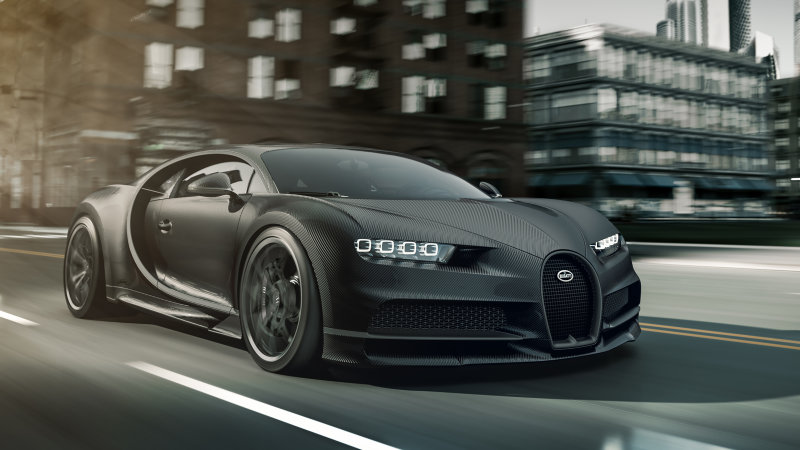
Bugatti Chiron Noire only slightly less exclusive than ‘La Voiture Noire’

Bugatti has only constructed one La Voiture Noire, the homage to the Jean Bugatti’s now-lost 57 SC Atlantic, and as far as we know, Bugatti will only build one. The Molsheim manfuacturer has come up with a way to spread the sheen of The Black Car to a few more Bugatti owners with two versions of a single special edition. The Chiron Noire Elegance and Chiron Noire Sportive are two ways to dress the hypercar up in black, the difference being that one presents a gleaming black objet to admire, the other opens two doors to a singularity and perhaps a portal to the Planet of the Apes.

The Elegance is the showy black one, all of its bodywork done in exposed carbon fiber. Two new mesh designs cover the front radiator grilles, highlighted by a Bugatti badge worked up in solid silver and black enamel. Matte polished aluminum caps the C-line swooping around the doors, tying in with the polished aluminum on the side mirrors and engine cover. Lower down, the word “Noire” on the rear fenders, scripted in black, of course, gives away the coupe’s exclusive identity, as do the black brake calipers. Inside the black leather interior, silk-matte aluminum highlights the C-line between the seats, and Noire badging decorates the center console, armrest, and door sills.

The Chiron Noire Sportive is the shadowy black one, all of its bodywork and normally metallic jewelry slathered in matte black, including the C-line and tailpipes. Bugatti appears to have dipped the interior in a tub of black, so not only is the leather the color of night, so too are all the usually aluminum parts; the C-line, the steering wheel, the center console, switchgear, buttons and knobs on the dashboard and the door handles, all of them want to swallow all the light.

Bugatti will sell only 20 of this Chrion Noire special edition, builds to begin in the second quarter of next year. Either package can be ordered for the base Chrion for three million euros ($3.3M U.S.), or added to the more expensive Chiron Sport for an additional 100,000 euros ($110,865 U.S.).

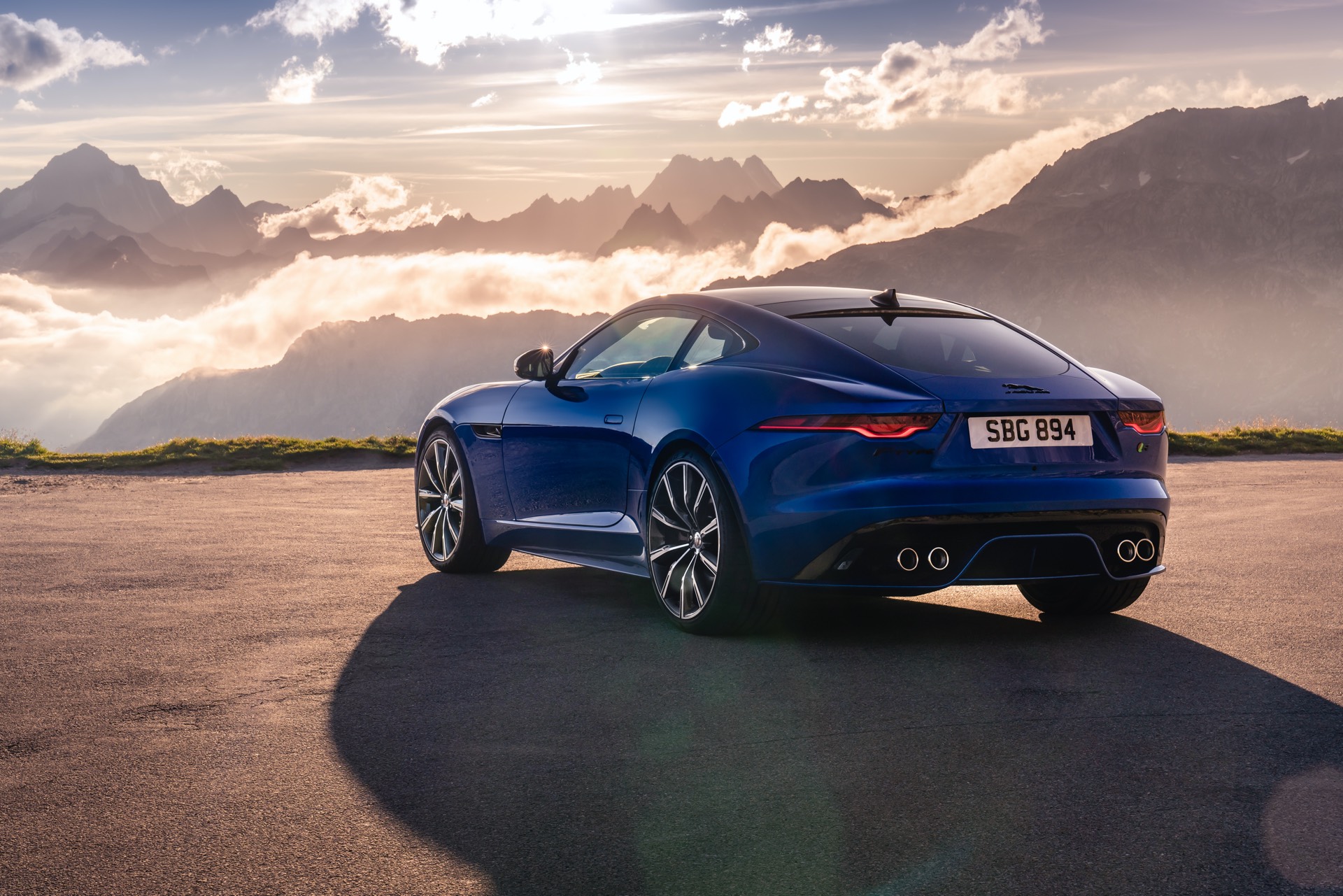
Jaguar Reveals F-Type Coupe Facelift in London

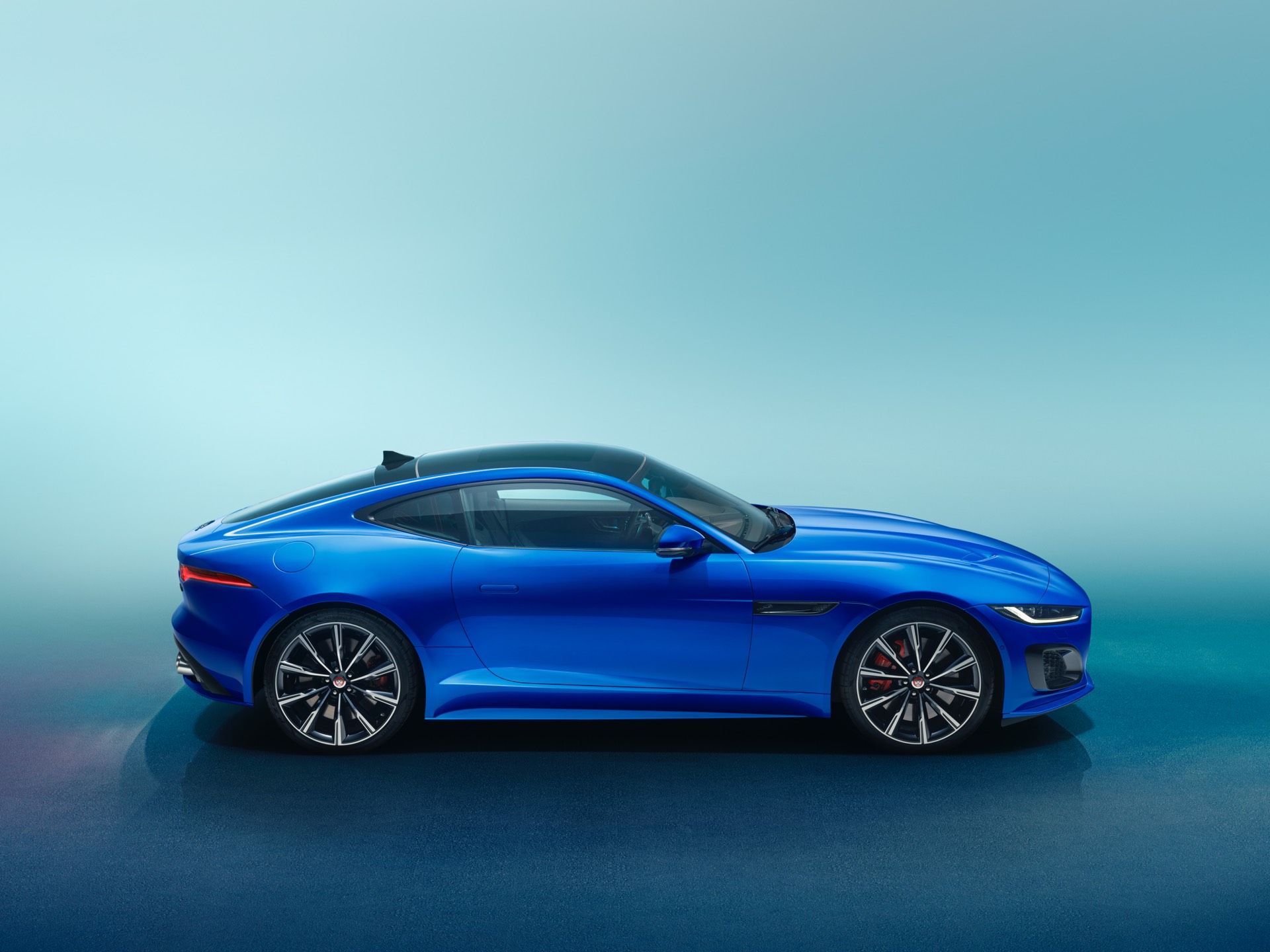
Jaguar’s F-Type has been available since 2013, with the design largely unchanged since. The two-seater sports car has been due an update in recent years, Jaguar has now delivered with an F-Type Coupe Facelift.

It is the first big release under Jaguar’s new Design Director, Julian Thomson. The update is rather conservative, however, why change a successful formula?

What’s New?

Jaguar F Type Coupe Facelift Location

The big news is the retirement of the V6 models. Three versions of the F-Type Coupe are now on offer. Two are powered by Jaguar’s iconic 5.0-litre V8, the other powerplant is its controversial 2.0-litre four-cylinder engine. Both engines are matched to an eight-speed Quickshift transmission.

The 2.0-litre four-cylinder models get 300 hp and 400 Nm of torque. It arrives exclusively with rear-wheel drive. It hits 100 km/h in 5.7 seconds with a 250 km/h top speed.

The ‘entry-level’ V8’s get 450 hp and the option of rear-wheel drive or all-wheel drive. With 580 Nm of torque, 100 km/h arrives in 4.6 seconds regardless of drive setup. Top speed is 285 km/h.

The top of the range V8’s are equipped with 575 hp and 700 Nm of torque, with power going exclusively to all four wheels. The additional 25 hp propels the F-Type R to 100 km/h in 3.7 seconds with a top speed of 300 km/h.

It remains to be seen whether the crackles and pops remain, EU regulations might have stifled these with the introduction of particulate filters. All engines also feature a new Quiet Start function which keeps the bypass valves closed until they open under load.

Jaguar F Type Coupe Facelift Studio

The range is now split between four trim levels. The standard F-Type remains with R-Dynamic now the intermediate option. The F-Type R still sits at the top of the range. A First Edition will be available for a limited time. The First Edition gets an Exterior Design Package, black roof and 20-inch wheels.

The double-wishbone suspension gets a recalibrated variable damping system. Torque vectoring is available across the entire range. There are larger brakes with ceramics an option for the F-Type R.

In terms of design, the new Jaguar F-Type gets a set of slim LED headlights with a J daytime running light and sweeping direction indicators. At the rear, the chicane LED lights are inspired by the I-Pace SUV.

The front clamshell is also new. The air vents are positioned further forward and the fender vents now display the Jaguar Leaper. The rear bumper has also been reprofiled, although remains similar to the outgoing model.

The front bumper features enlarged air intakes and a bigger grille. The grille gets a new hexagonal design mesh. R-Dynamic models are distinguished by layered J aero-blades. R models get gloss black bezels.

At the back, the four-cylinder models get a central exhaust while the V8’s are distinguished with quad exhausts.

What the F-Type retains are its deployable door handles and air vents. Up to 16 paint colours are now available.

Interior

Jaguar F Type Coupe Facelift Interior

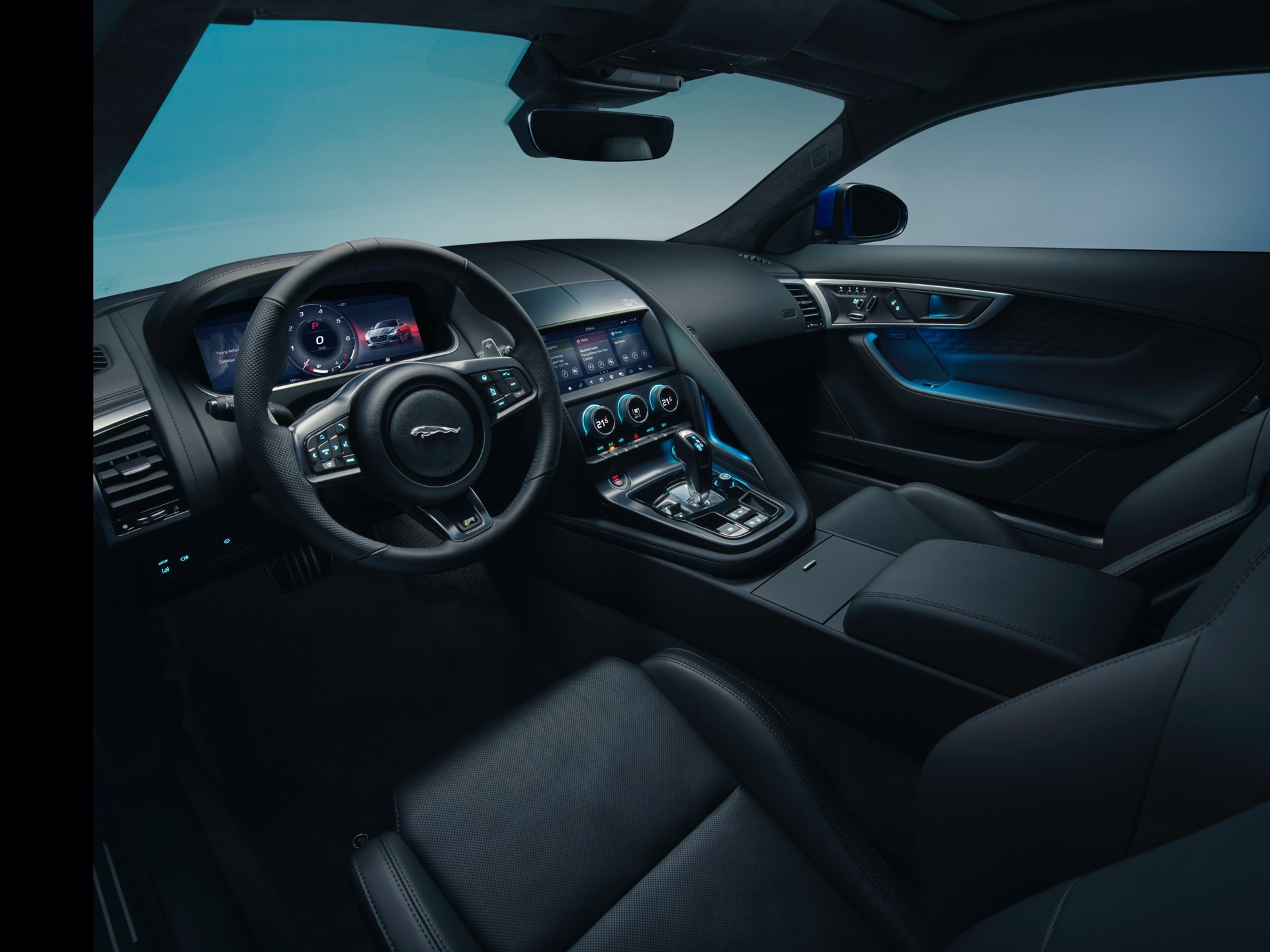
Inside, Windsor leather is combined with satin-finish Noble Chrome. Jaguar leapers are stitched into the headrest with ‘Jaguar Est. 1935’ motifs on the centre console. A brand new glovebox release button is another feature.

The infotainment system is also brand new. A digital dashboard displays a full-screen map mode through a 12.3-inch touchscreen. Apple CarPlay and Android Auto are standard. Software over the air updates can also be made to ensure that things are kept up to date.

Jaguar has added the option of a Meridian sound system.

Competition

The F-Type has always been a difficult car to compare to others. The closest competition seems to be the Mercedes-AMG GT, although the F-Type sits slightly lower in the market.

The Porsche 911 is also a close competitor, although its ranges offer far more options than the F-Type. The Porsche Cayman is also in the same price range.

On a personal level, I have always preferred the F-Type to all of the above. It isn’t quite as refined or as well finished, yet it has a personality of its own. Your choice is likely to come down to personal preference.

Gallery

GTSPIRIT NEWSLETTER