All posts in “Cars”

All the Most Notable Developments in Overlanding in 2019

This roundup is part of This Year in Gear, a look back at the year’s most notable releases. To stay on top of all the latest product news, subscribe to our daily Dispatch newsletter.

Audi AI: Trail Concept

Price: N/A
From: audi.com

Audi has made its fair share of cool concept cars over the years, but this alien-looking ride that uses a fleet of flying drones in lieu of headlights might be the most awesome look into overlanding’s future we’ve ever seen.

|

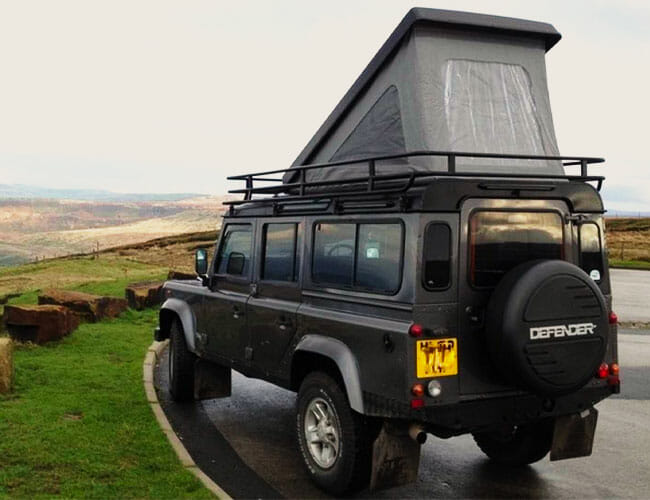
CamperHus Land Rover Defender Camper

land rover defender camper overland gear patrolland rover defender camper overland gear patrol

Price: ~$15,228+ (plus the cost of a Land Rover, of course)
From: camperhus.co.uk

How do you make the iconic Land Rover Defender even more appealing? Turn it into its own all-terrain camper.

|

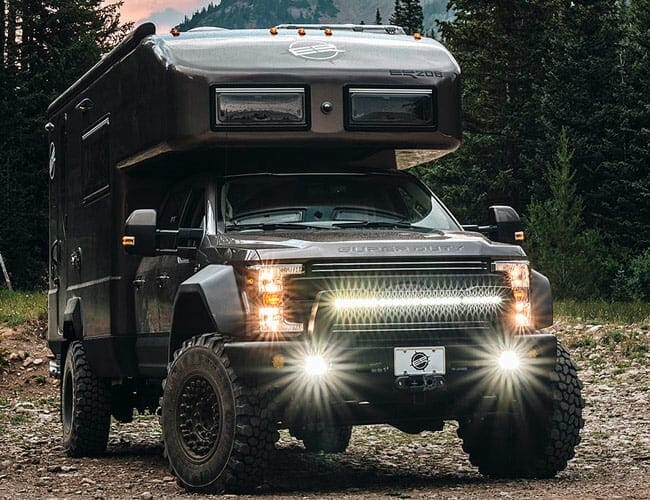
EarthRoamer LTI

Price: $590,000+
From: earthroamer.com

There are plenty of ways to go about overlanding, but few are quite as luxurious — or expensive — as EarthRoamer’s Ford Super Duty-based off-road camper.

|

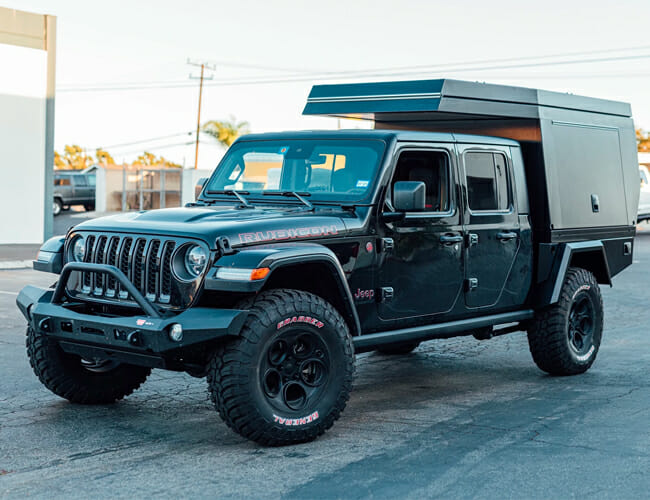
FiftyTen Midsize Truck Camping System

Price: $32,880
From: goose-gear.com

This simple bed replacement system makes it easy to turn a Toyota Tacoma, Jeep Gladiator or other midsize pickup truck into the base of a great overlander.

|

Ford Ranger Overlanding Concepts

Price: N/A
From: ford.com

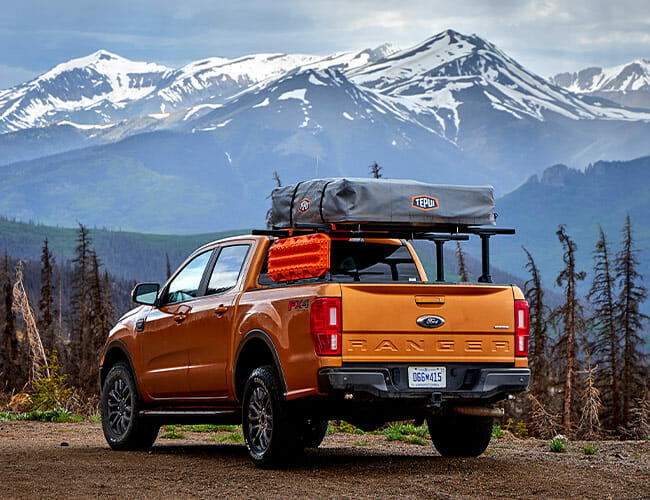
With the overlanding and off-roading market blowing up like never before, Ford rolled out not one but several custom-made Rangers this year to show off just how flexible the company’s midsize truck can be.

|

Lexus GXOR Concept

Price: N/A
From: Lexus.com

Perhaps the coolest OEM-made overlander of 2019 came from a very unexpected source: Lexus. (The GX is, for what it’s worth, one hell of a great off-roader in stock form.)

|

Ram 1500 Rebel OTG Concept

Price: N/A
From: ramtrucks.com

Just like Ford, Ram also used 2019 to show off how its truck wares could be turned into a kickass overlander. Your move, Chevy.

|

Rivian R1T Electric Kitchenette

Price: $TBD
From: rivian.com

Rivian’s R1T electric pickup truck may not even be on sale yet, but features like the extendable battery-powered kitchenette that’ll be available for it already have us excited to test it out.

|

Sportsmobile Classic 4×4 Ford Adventure Van

Price: ~$90,000
From: sportsmobile.com

Sometimes, even the gnarliest SUV just isn’t big enough for your off-road adventures. When that happens, it’s time to check out one of these overlanding-ready Ford vans.

|

Yakima LockNLoad Roof Rack

Price: $729+
From: yakima.com

A good roof rack is one of the cornerstones of any overlanding rig. Yakima’s newest model is tough enough to handle the Outback, yet easy to mount on your Outback.

|

Note: Purchasing products through our links may earn us a portion of the sale, which supports our editorial team’s mission. Learn more here.

Will Sabel Courtney is Gear Patrol’s Motoring Editor, formerly of The Drive and RIDES Magazine. You can often find him test-driving new cars in New York City, cursing the slow-moving traffic surrounding him.

More by Will Sabel Courtney | Follow on Instagram · Twitter · Contact via Email

2020 Kia Stinger 2.0T Review: Everything But the Horsepower

Brand: Kia
Product: Stinger 2.0T
Release Date: 2020
Price: $33,090 ($37,480 as tested)
From: kia.com

Reviewers love the Kia Stinger GT. It gives off strong Porsche Panamera vibes, offers a potent 365-horsepower V6 engine and starts around $40,000, making it perhaps the ultimate luxury sports sedan on a budget.

That’s not the car we’re talking about here.

While I was supposed to get a Stinger GT, I instead received the four-cylinder base model, the 2.0T. One of my colleagues affectionately referred to it as “the mosquito bite.”

The 2.0-liter turbo puts out a reasonable 255 horsepower, though that doesn’t come at much of a cost savings versus the GT; Kia’s base model begins at $33,090, and my tester priced out to $37,480. That combination presents a far different value proposition than the Stinger GT; instead of undercutting its rarified competition, the base model competes directly with iconic sporty names like the Volkswagen GTI, the Subaru WRX STI and the Ford Mustang in EcoBoost form — and it’s as expensive, if not more, than those cars.

None of those aforementioned cars is a Porsche, but each possesses some defining feature, whether it’s laser-precise cornering or inveterate coolness, that makes it noteworthy and respected. After spending a week driving the base model Stinger around suburban Detroit, I don’t think I can say the same about the four-cylinder Stinger.

What We Like

Like the Telluride, the Stinger 2.0T is smooth and comfortable in normal driving. Consider it a grand tourer that’s maaaaaybe not so grand. The handling is light, nimble and balanced, the suspension is cushy by sports car standards, and the engine has some life to it. If you’re just popping around town or taking a Sunday cruise, the Stinger is a brilliant, civilized companion. Outside that operating range, though, the 2.0T is missing that bit of extra gusto.

If you simply want a sporty-looking car, the Stinger 2.0T might be perfect. It’s sleek, muscular, eye-catching — and not that toned-down from the spicier model. It’s sort of like someone fused a sports car, a muscle car, a hatchback and a sedan. But the Stinger avoids feeling too derivative; it strides right up to the line where owning it would make you look like an ass for trying too hard, but never crosses it.

Watch Out For

I didn’t like the eight-speed automatic transmission. It doesn’t shift with the same crispness you get from the ubiquitous ZF eight-speed found in many European cars. Whatever the driving mode, the Stinger 2.0T seemed to be one gear higher than needed, as if fearful that it wouldn’t meet its target fuel economy. It may be the first time that I have had a more enjoyable and intuitive experience shifting with paddles. At the risk of being slapped with an “OK boomer,” maybe the 2.0T should have a manual gearbox?

Speaking of boomer-like complaints: The Stinger is very low to the ground, which makes it hard to climb into. Entry and exit wasn’t a treat even for this 35-year-old yogi. That issue compounds if you’re parked on the street and have to enter from a curb.

And while one may accuse me of belaboring the point about sloping rooflines and obscured rear windows, the Stinger’s window is egregious. It points upward. My brother, who daily-drives a Stinger GT, told me you get used to it; still, I didn’t feel safe navigating through heavy traffic at night in the rain with all the headlight glare.

Other Options

The Stinger touches on a lot of segments, so there are many alternatives. Some were already mentioned. Want a sedan? The Subaru WRX starts at $27,495. Want a hatchback? The Volkswagen GTI checks in, with a bit less horsepower, at $27,595. Want a muscle car? The EcoBoost Mustang begins at $26,670. One other close approximation may be the Honda Accord; you can get a 252-hp 2.0T Sport with a six-speed manual for $31,060.

Verdict

Within the Kia realm, the GT is by far the better pick. The $6,310 difference is steep, but you score a substantially better value. Spend your money on that bigger engine, rather than the $3,000 Sun and Sound package and $495 paint that came on my test vehicle.

Compared to the competition: in this price range, you can find other well-appointed, sporty-looking cars with a better pedigree that are more fun to drive. It’s hard for me to offer a reason not to look elsewhere.

Bottom line: while the Telluride may redefine Kia as a value brand, the Stinger, in base spec, isn’t a great value.

Kia provided this product for review.

Note: Purchasing products through our links may earn us a portion of the sale, which supports our editorial team’s mission. Learn more here.

Tyler Duffy is Gear Patrol’s Motoring Staff Writer. He used to write about sports for The Big Lead and The Athletic. He has a black belt in toddler wrangling. He’s based outside Detroit.

More by Tyler Duffy | Follow on Facebook · Instagram · Twitter · Contact via Email

Everything Big in the World of Dream Cars in 2019

This roundup is part of This Year in Gear, a look back at the year’s most notable releases. To stay on top of all the latest product news, subscribe to our daily Dispatch newsletter.

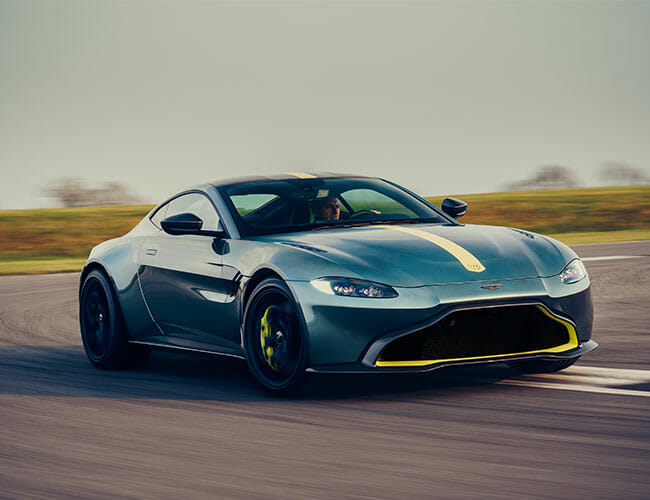
Aston Martin Vantage AMR

Aston Martin vantage amr manual stick shiftAston Martin vantage amr manual stick shift

Price: $179,995+
From: astonmartin.com

Aston Martin has made no secret of the fact that it intends to keep the manual transmission faith. CEO Andy Palmer has long insisted the carmaker would keep the stick shift around as long as possible; and from the very launch of the new Vantage, the company has said that the compact sports car would eventually receive a manual. Well, “eventually” means 2019: The new Aston Martin Vantage AMR comes with a row-your-own-way gearbox and a hand-stitched leather shift lever rising between the seats to control it with.

|

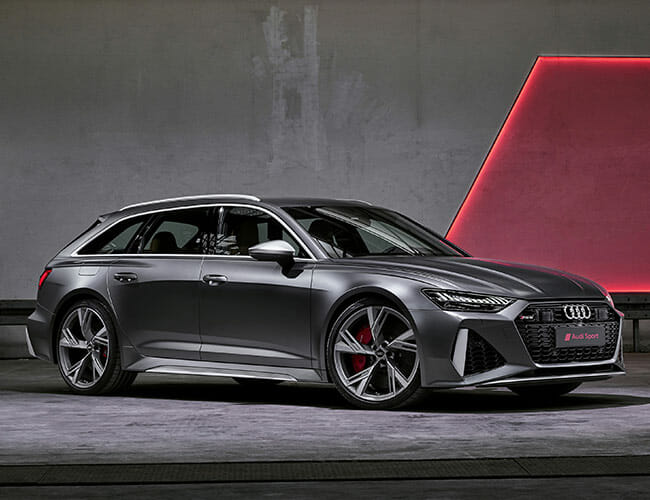
Audi RS 6 Avant

Price: $TBD
From: audiusa.com

Langston Hughes once wrote, “A dream deferred is a dream denied.” Hughes may have been one of America’s greatest poets, but he certainly wasn’t much of an automotive prognosticator; after decades of looking on fondly from afar, U.S. buyers will soon finally be able to buy one of the coolest station wagons never officially sold Stateside: the Audi RS 6 Avant.

|

Bentley Continental GT V8
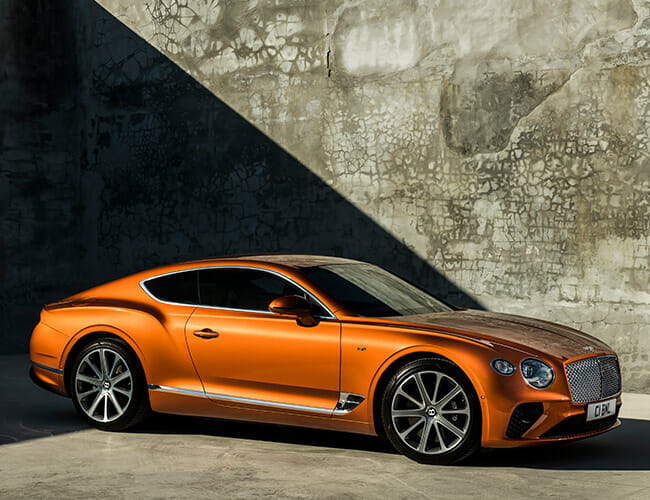
Price: $198,500+
From: bentleymotors.com

Bentley’s third-generation Continental GT came to America first not with the thundering 6.0-liter twin-turbo W12 it launched with in other markets, but with the compact, less-powerful twin-turbo V8. Who cares? It’s still crazy quick.

|

BMW M8 Gran Coupe
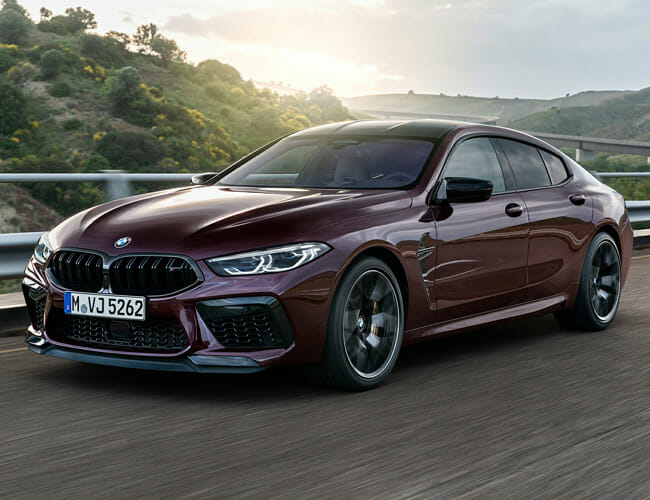
Price: $130,000+
From: bmwusa.com

No matter what badge BMW slaps upon it, it’s hard to argue that the new M8 Gran Coupe is anything other than a very sexy sport sedan. A speedy one, too: like the two-door M8 that deserves its coupe nomenclature, it uses a 4.4-liter twin-turbocharged V8 making either 600 or 617 horsepower, connected to all four wheels through an eight-speed automatic.

|

BMW X6 Vantablack Concept
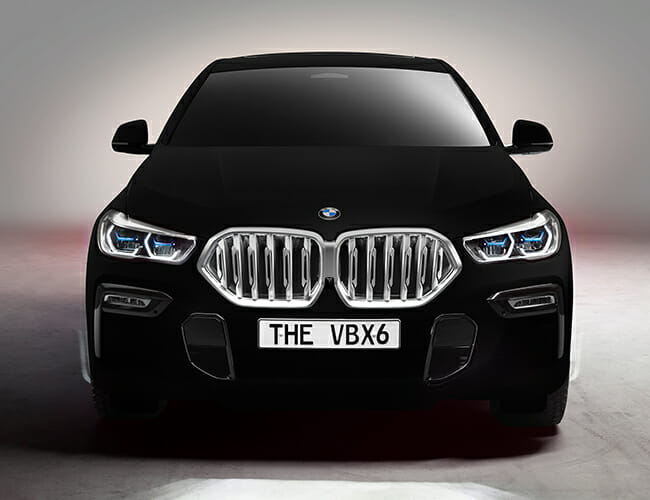
Price: N/A
From: bmwgroup.com

Blacked-out rides have been popular for years among the aftermarket crowd, but no tuner has ever gone as far as BMW went with this SUV. Vantablack, created for aerospace use, is effectively the blackest black humans can make using current technology. (Perhaps unsurprisingly, this car isn’t for sale.)

|

Chevrolet Corvette Stingray
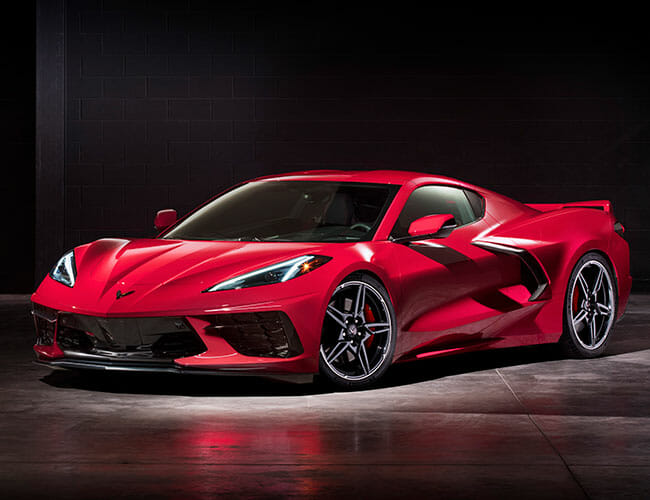
Price: $59,995+
From: chevrolet.com

After more than half a century with its engine in front of the driver, the eighth-generation Corvette is swapping things around to a mid-engined layout for better performance. Will those loyal fans still love it? We’re guessing yes.

|

Emery Motorsports 1959 1/2 Transitional Speedster
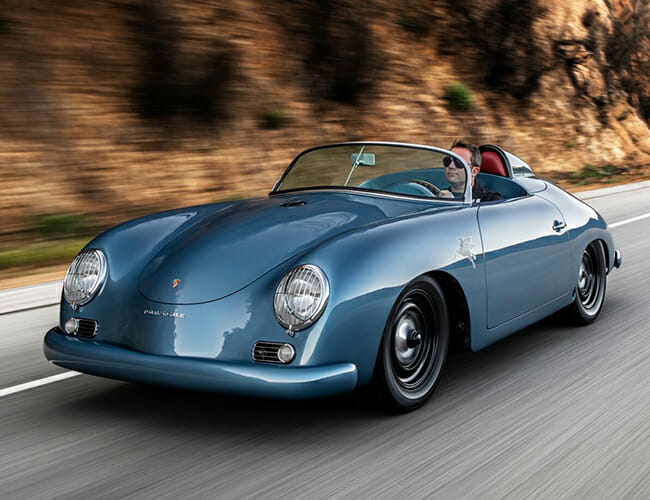
Price: If you have to ask…
From: emorymotorsports.com

Rod Emory builds some of the most exquisite Porsche 356s you’ve never seen, but he takes a decidedly less orthodox approach toward preserving tradition. The 1959 1/2 Transitional Speedster in Aquamarine embodies the essence, if not the precise form of Porsche’s heritage — and it’s an absolute beauty.

|

Emory Motorsports 356 C4S “Allrad”
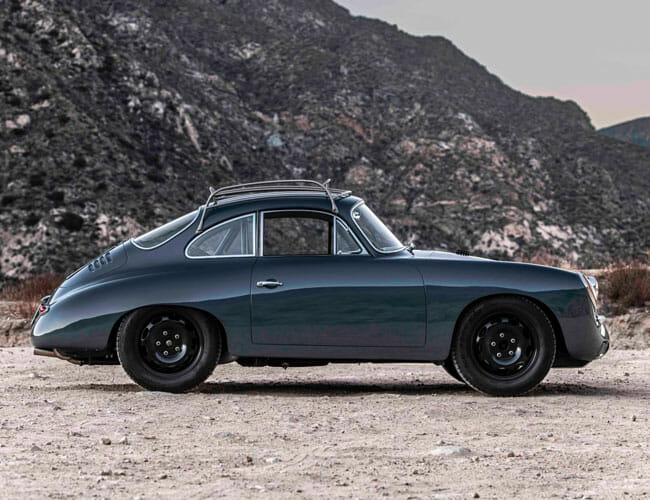
Price: It’s a secret
From: emorymotorsports.com

The AWD 356 C4S tips the scales at a Miata-taunting 2,150 lbs and comes packing a 200bhp Emory-Rothsport four-cylinder engine, which in this case sends power to all four wheels. For now, the AllRad is a one-off — but if you have the means, Emory would surely build a sister car.

|

Emory Motorsports 356 RSR
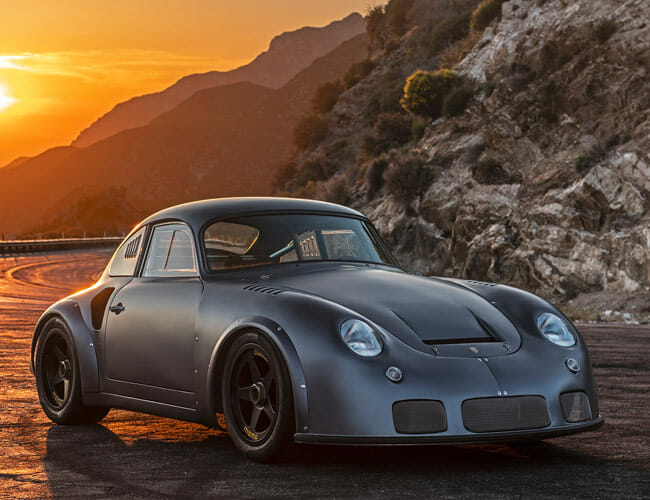
Price: They’re not telling, and you can’t have it anyway
From: emorymotorsports.com

Like most Emory Motorsports creations, the 356 RSR had to start with the right donor car—or rather, in this case, cars. The two cadavers necessary to make Emory’s dream build were a mostly-mangled 1960 Porsche 356B T5 and a 1990 Porsche 964 C2.

|

Ferrari 812 GTS
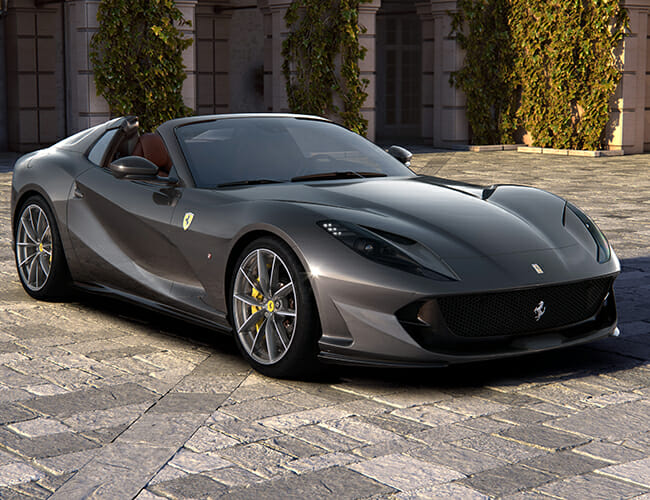
Price: TBD
From: ferrari.com

The last drop-top front-engined V12 Ferrari offered was the 365 Daytona GTS/4, revealed 50 years ago. In the decades since, the market (including Ferrari’s top clients) begged for a new iteration. Ferrari acknowledged the demands and did…nothing. At least, until this year, when the 812 Superfast was turned into this roadster.

|

Ferrari Roma
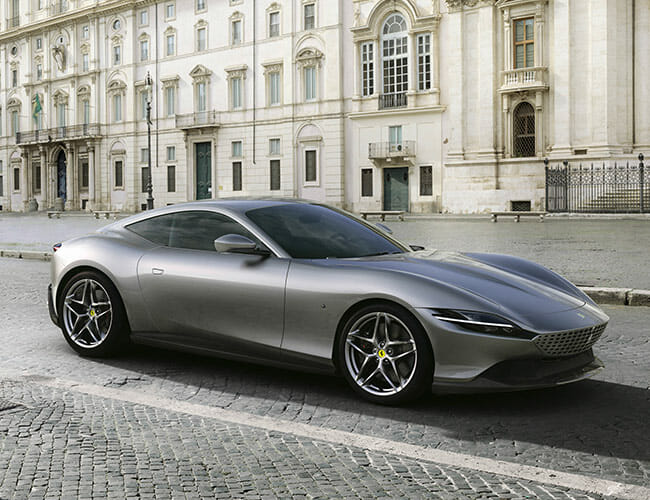
Price: TBD
From: ferrari.com

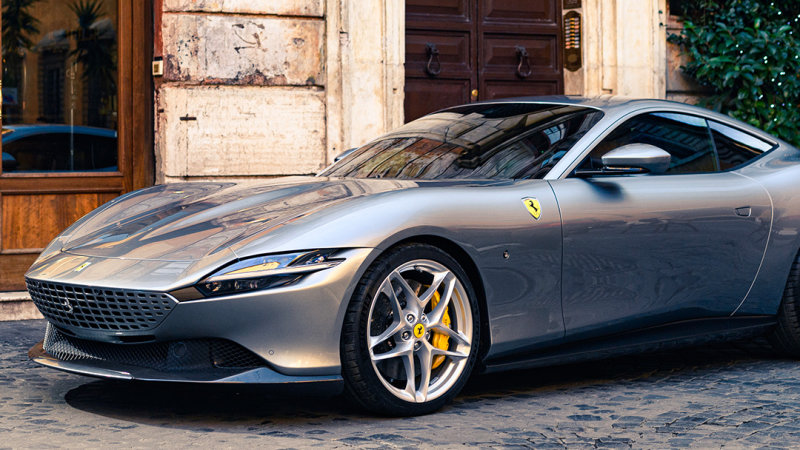
One glance is all it takes to know the new Ferrari Roma isn’t quite like any car the Prancing Horse has ever put out before. Look back as far as you like in the brand’s history, and you won’t find another two-seat gran turismo with a V8 engine up front.

|

Ferrari SF90 Stradale

ferrari sf90 stradale gear patrol hybridferrari sf90 stradale gear patrol hybrid

Price: $512,800+
From: ferrari.com

There’s never been a Ferrari quite like the all-new SF90 Stradale. Not only is it the quickest Ferrari road car ever made, but it’s also the first sports car from the brand to pack all-wheel-drive and a hybrid powertrain.

|

Ford Mustang Shelby GT500

Price: $72,900+
From: ford.com

Ford’s new 760-horsepower Shelby GT500 takes after the track-ready GT350 more than it does its straight line-loving predecessor —  which, it turns out, makes for an utterly superior muscle car.

|

Lamborghini Huracán Sterrato

lamborghini huracan sterrato off-road conceptlamborghini huracan sterrato off-road concept

Price: N/A
From: lamborghini.com

What if you could have a super sports car with all the requisite style and performance required to earn the title, but also offering the all-terrain prowess of an SUV? Meet the Lamborghini Huracan Sterrato: the world’s first real off-road sports car. Sadly, it’s not for sale…at least, not yet.

|

Land Rover Defender

Price: $49,900+
From: landroverusa.com

It’s finally here. After all the drama, all the teasers, all the leaked images and suspected spec sheets and armchair conjecture — the all-new 2020 Land Rover Defender has been revealed in all its glory. (Or, if you’re not a fan of its looks, in all its oddness. We’re still making up our minds.)

|

McLaren GT

mclaren gt gran turismo new road trip best carmclaren gt gran turismo new road trip best car

Price: $210,000+
From: cars.mclaren.com

British sports car manufacturer McLaren is turning towards the grand touring segment for its latest debut. Meet: the all-new McLaren GT. (Yes, that’s the whole name.) It balances comfort and performance with impeccable grace, offering both a two-seat interior designed to keep its occupants cosseted on long journeys and a 612 horsepower twin-turbo V8.

|

Mercedes-Maybach GLS 600

Price: TBD
From: mercedes-benz.com

It was only a matter of time. This year, Mercedes-Benz’s Maybach division finally yanked the covers off the Mercedes-Maybach GLS 600 4Matic — the super-luxury sub-brand’s first SUV. Based on the new Mercedes-Benz GLS-Class, it’s about as opulent as an SUV can be — especially for the folks in back.

|

Porsche 718 Cayman T, 718 Boxster T

Price: $66,400+
From: porsche.com

Porsche hit on a brilliant idea with the 911 Carrera T: Take the base model of a sports car, then add on just the fancy performance features true drivers crave to create a (comparatively) affordable dream car. Now, the company has announced they’re using that same great idea all over again. Meet the 718 Boxster T roadster and 718 Cayman T coupe — the new affordable aspirational cars of your dreams.

|

Porsche Boxster Bergspyder

porsche boxster bergspyder speedsterporsche boxster bergspyder speedster

Price: N/A
From: porsche.com

The Porsche Boxster Bergspyder was whipped up in 2015 by special order of the company’s board of executives, as both a way to see just how much lightweighting potential could be found in the 981-generation Boxster/Cayman platform and as a tribute to the Porsche 909 Bergspyder of 1968, a hillclimb special that weighed in at a paltry 849 pounds. The Boxster Bergspyder couldn’t match that, but Porsche’s engineers and designers did manage to chop the car down to 2,418 pounds, a savings of around 600 versus the regular Boxster.

|

Porsche Taycan

Price: $103,800+
From: porsche.com

The 2020 Porsche Taycan Turbo S is vicious. 750 horsepower and 775 pound-ft of torque is enough to make the 2.5-ton sedan shudder from 0 to 60 mph in about two and a half seconds — yet as Porsche’s first full electric car, it’ll never touch a drop of gasoline as long as it exists.

|

Tesla Cybertruck

Price: $39,900+
From: tesla.com

Elon Musk’s long-awaited Cybertruck practically broke the Internet when it debuted in November. With an out-of-this-world design, stainless steel “exoskeleton” and Porsche-beating performance, it theoretically could be a gamechanger for the pickup truck world…if Tesla can make good on all those bold claims.

|

Note: Purchasing products through our links may earn us a portion of the sale, which supports our editorial team’s mission. Learn more here.

Will Sabel Courtney is Gear Patrol’s Motoring Editor, formerly of The Drive and RIDES Magazine. You can often find him test-driving new cars in New York City, cursing the slow-moving traffic surrounding him.

More by Will Sabel Courtney | Follow on Instagram · Twitter · Contact via Email

Now Is the Time to Buy Up Cars of the ’90s and Early ’00s

From Issue Five of Gear Patrol Magazine.
Discounted domestic shipping + 15% off in the GP store for new subscribers.

The classic car market has, on the surface, emerged as a tantalizing place to make “investments.” Problem is, everybody seems in on it. (Have you priced out an air-cooled 911 lately? Sheesh.) Most specialty cars built before the ’90s have long been appreciating, so if you’ve had plans to buy low and sell high something already considered classic, you’re probably out of luck. But cars from the 1990s and 2000s? With some notable exceptions, they are all careening toward the bottoms of their depreciation curves. Now is the time to scoop them up, enjoy them and resell in 10 to 15 years for a payday. Here are just five ways you can explore your automotive passions while making bank. — Andrew Connor

’93-’95 Mazda RX-7

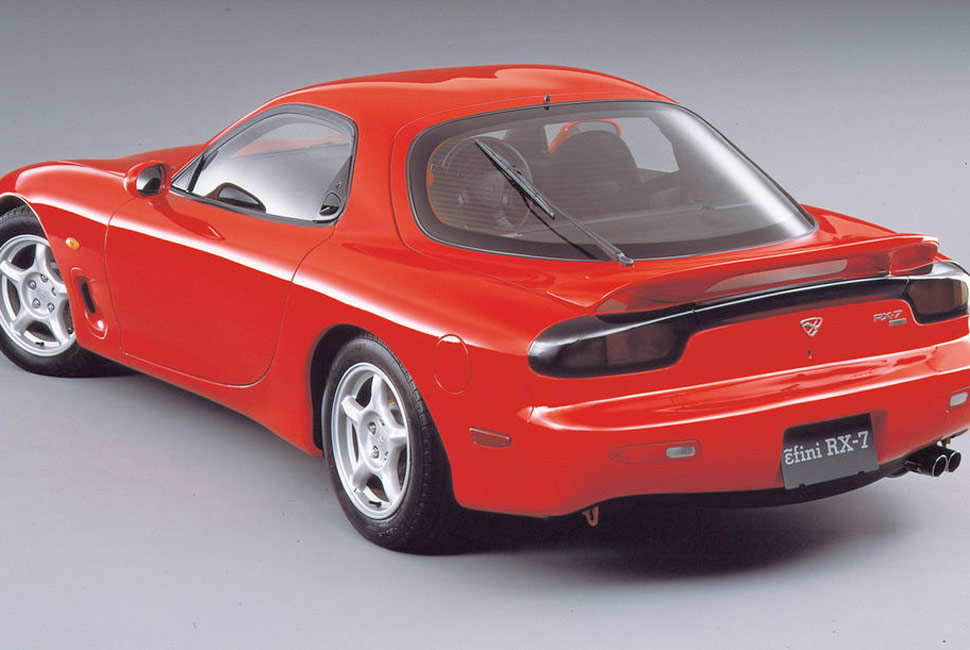
Japanese sports cars are rapidly becoming the next big thing in car collecting. While prices have skyrocketed for halo cars like the MKIV Toyota Supra or Acura NSX, the RX-7 still just barely exists on the cusp of affordability, despite fewer than 14,000 made-for-US examples ever being built. That seems surprising — its clean, curvaceous lines represented a pinnacle of ’90s automotive design. Under the hood is Mazda’s last twin-turbocharged rotary engine which, when well maintained, will scream all the way up to 7,000 rpm.

Engine: 1.3-liter twin-turbo Wankel rotary
Transmission: four-speed automatic; five-speed manual Horsepower: 255 @ 6,500 rpm
Torque: 217 lb-ft @ 5,000 rpm
Original MSRP: $37,363

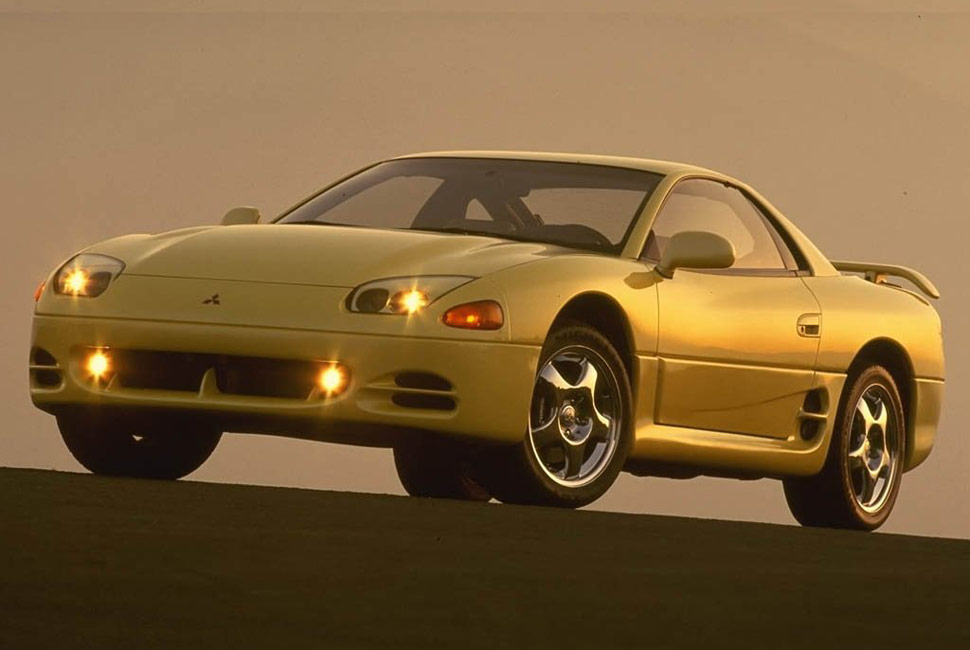
’91-’99 Mitsubishi 3000GT VR4

[inline]

If ever there was a car underappreciated for being ahead of its time, it’s the Mitsubishi 3000GT VR4. Its litany of technology is just now becoming commonplace: active aero and suspension, four-wheel steering, full-time AWD and a twin-turbo V6 producing nearly 300 horsepower. Spyder versions even had a folding hardtop. All that tech made it heavy and finicky, and it wasn’t much of a looker, relative to its competition.

Engine: 3.0-liter twin-turbo V6
Transmission: six-speed manual
Horsepower: 320 @ 6,000
Torque: 315 lb-ft @ 2,500
Original MSRP: $44,600

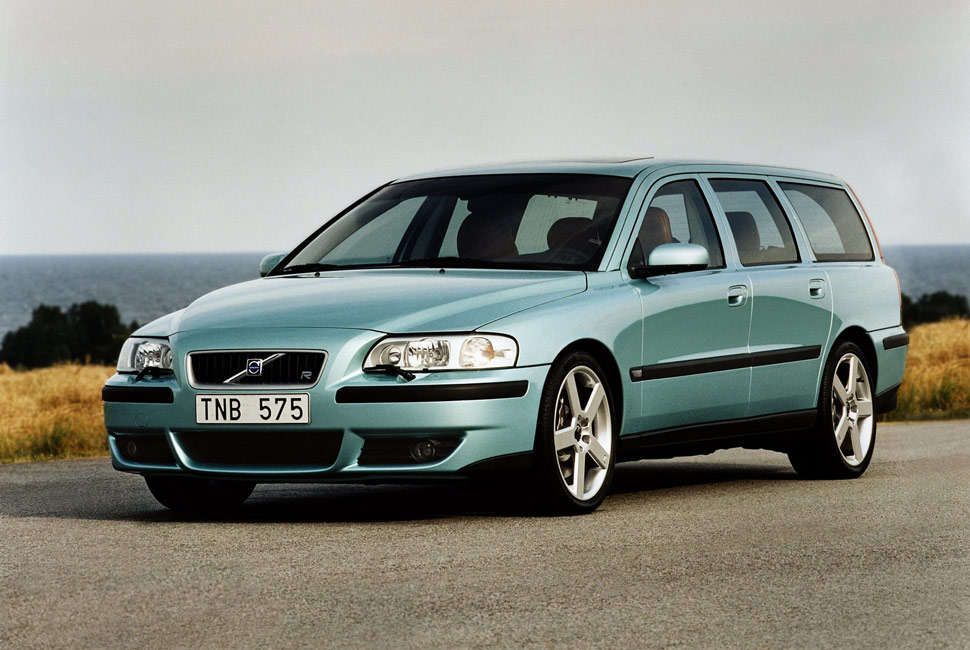
’04-’07 Volvo V70R

The average car buyer has given up on the wagon, but enlightened car enthusiasts seem to appreciate its sexy, utilitarian magnificence. The Volvo V70R was the last of its kind: a comfortable, boxy, AWD sport wagon with a turbocharged inline five-cylinder, made available even with a manual transmission. Just over 3,400 came to North America, so used V70Rs are exceedingly rare, especially manual-equipped versions.

Engine: 2.5-liter turbocharged inline five-cylinder
Transmission: five-speed automatic; six-speed manual
Horsepower: 300 @ 5,250
Torque: 295 lb-ft @ 1,950
Original MSRP: $40,940

’99-’04 Ford F-150 SVT Lightning

Before the dawn of the trail-thumping Raptor pickup, there was the second-generation SVT Lightning dialed for the street. A supercharged, 360-horsepower 5.4-liter V8 engine good for 440 lb-ft of torque sent power only to the rear wheels (2001 models and after got a healthy 20 horsepower and 10 lb-ft bump). It’d haul ass to 60 miles per hour in a tick over five seconds. Plans for a third-generation Lightning proved too large and heavy for production, and the Lightning nameplate died in 2004.

Engine: 5.4-liter supercharged V8
Transmission: four-speed automatic
Horsepower: 380 @ 4,750 rpm
Torque: 450 lb-ft @ 3,250 rpm
Original MSRP: $32,615

’04-’06 Pontiac GTO

Make no mistake, the fourth-generation GTO is not a Pontiac — it’s a “captive import” from Australia, a Holden Monaro that GM rebadged. The GTO’s lukewarm styling likely caused slow sales, but under the sheet metal was a suitable successor to the original GTO. GM’s robust 400-horsepower LS1 and 350-horsepower LS2 engines were underhood — the latter only available in 2004 — and both were mated to a six-speed manual sending power to the rear wheels.

Engine: 6.0-liter V8
Transmission: four-speed automatic; six-speed manual
Horsepower: 400 @ 5,200
Torque: 400 lb-ft @ 4,000
Original MSRP: $31, 290

This is a test of integrating author bio data.

More by Andrew Connor | Follow on Contact via Email

Lamborghini loans an Aventador S to father and son building 3D-printed replica

In October we shared the story of Sterling Backus, the physicist in Erie, Colo., who was building a Lamborghini Aventador replica with his 11-year-old son Xander. In progress for nearly two years, Backus — who designs lasers as his day job — fabricated a steel chassis, sourced an LS1 V8 from a Chevrolet Corvette for power, bought lights on eBay and 3D-printed the body panels that were then encapsulated in carbon fiber. Backus and son call the coupe the Interceptor, and Sterling said he subtly changed every exterior panel to avoid legal issues with Lamborghini. The Sant’Agata automaker was paying attention to the Interceptor, though, as an exec phoned Sterling about it before Christmas. The subject of the call: Lamborghini’s marketing chief wanted to know if he and Xander would like to borrow an Aventador S for a couple of weeks and shoot a video.

The Italian automaker has been known to go on hunts for deep-down Lamborghini fans. Last year Lamborghini had a surprise for one lucky kid going Christmas shopping at a store in Italy; kids that said they wanted a model Lamborghini were told the store was out, and almost all the kids accepted a different model instead. One child made it clear he didn’t want a substitute if he couldn’t have the Lamborghini, so he not only got a the model he wanted, he got it delivered in a Lamborghini driven by factory driver Marco Mapelli.

Xander’s devotion to the Aventador in “Forza Horizon 3″ is what compelled him to ask his father if they could build a real-life version. For that, Xander and Sterling earned Lamborghini’s #RealLover distinction this year. Katia Bassi, Lamborghini’s CMO, said, “Automobili Lamborghini is against any attempt at counterfeiting. However, a true story of such authentic passion deserves to be featured, which is why we chose to tell of Sterling’s and Xander’s project in our 2019 Christmas video.”

The Interceptor build continues, documented on Facebook. The senior Backus aims to turn his work it into an educational tool. “Ultimately, I want kids to get interested in STEM, and this is a great platform for it because of all the disciplines involved in a project like this.” But after 20 months of effort, he and Xander will probably enjoy taking a holiday break in the car that started it all.

Related Video:

Porsche’s Newest Taycan Is the Goldilocks Choice of Electric Cars

The all-new, pure-electric Porsche Taycan may be the most revolutionary car in the automaker’s history since its founder released the 911 on the world five and a half decades ago. (Or at least since it hoisted the Cayenne upon the world.) As we discovered on our first drive of the EV sports car, it’s a potent, exciting sports car that lives up to the Porsche reputation — it just happens to run off electricity instead of gasoline.

That said, if there’s one complaint about the Taycan, it’s that those launch models are, well, a lot of car. Not just in terms of power — though with up to 750 horsepower and 774 pound-feet available, there’s certainly plenty of that — but in price: the Turbo starts just shy of $151,000, while the Turbo S starts at $185K, and it’s not hard to push the latter past $200K.

Now, though, the company has remedied two of the biggest issues with those Taycan variants with, you guessed it, an all-new variant: the Porsche Taycan 4S, which is both cheaper and offers greater range than its brethren.

Porschephiles will know just from the nomenclature how it pulls this off, of course: by offering less performance. Still, much like the Carrera 4S, no one is likely to call this Porker slow. The Taycan 4S makes 523 horsepower in base form, where it’s equipped with a 79.2-kWh lithium-ion battery pack; there’s also a version with the larger 93.4-kWh battery found in higher-trim Taycans that can whip up a maximum of 563 horsepower.

Either way, Porsche claims the Taycan can accelerate from 0 to 60 miles per hour in 3.8 seconds (with the added weight of the larger battery presumably offsetting the extra power in the stronger version) on the way to a top speed of 155 miles per hour. Keep in mind, however, that Porsche’s official acceleration times tend to be rather conservative, so that claimed nought-to-60 is likely to prove closer to a 3.4 in the real world.

The larger battery also allows the stronger version of the 4S to offer the greatest range of any Taycan yet revealed: 287 miles, according to the WLTP testing cycle used in most parts of the world outside the U.S. (American EPA range figures tend to be less optimistic, so figure on that dropping a little for our market.) That’s nine miles more than the Taycan Turbo, and 32 more than the Taycan Turbo S; admittedly, it’s also 42 miles less than the Tesla Model 3 Performance, but hey, Porsche’s still starting out here.

Aside from the differences in output and range, the 4S is largely identical to the other Taycans. It still packs an electric motor on each axle, a two-speed transmission for improved acceleration, adaptive suspension and active chassis control, a high-tech interior laden with screens and the ability to suck up electrons flowing at rates of up 270 kW, allowing it to go from 5 percent to 80 percent charge in 23 minutes on an 800-volt charger. With the larger battery, that’s equivalent to adding about 200 miles of range in the time it takes you to watch one episode of The Simpsons on Disney+.

And all that comes at a much sweeter price than the heavy-hitting versions. The shorter-range Taycan 4S starts at $103,800, while the longer-range one starts at $110,380. Deliveries start next spring, but you can drop an order in now. We’ll take ours in blue.

MORE GREAT DEALS

Save 74% on These Cole Haan Leather Weekend Bags
Save 50% on This Affordable Automatic Pilot’s Watch
Save $88 on Bonavita’s Elite Drip Coffee Brewer
Save $70 on Master & Dynamic’s Wireless Earphones
Save $69 on Patagonia’s Best Light Down Jacket
Save $58 on These Military-Grade M-65 Jackets
Save $50 on the Patagonia Nano Puff Jacket
Save $20 on Adidas Originals Stan Smith Sneakers

Deals Last Updated: 10/14/19

Will Sabel Courtney is Gear Patrol’s Motoring Editor, formerly of The Drive and RIDES Magazine. You can often find him test-driving new cars in New York City, cursing the slow-moving traffic surrounding him.

More by Will Sabel Courtney | Follow on Instagram · Twitter · Contact via Email

14 Noteworthy Camping Trailers and Camper Vans We Saw in 2019

This roundup is part of This Year in Gear, a look back at the year’s most notable releases. To stay on top of all the latest product news, subscribe to our daily Dispatch newsletter.

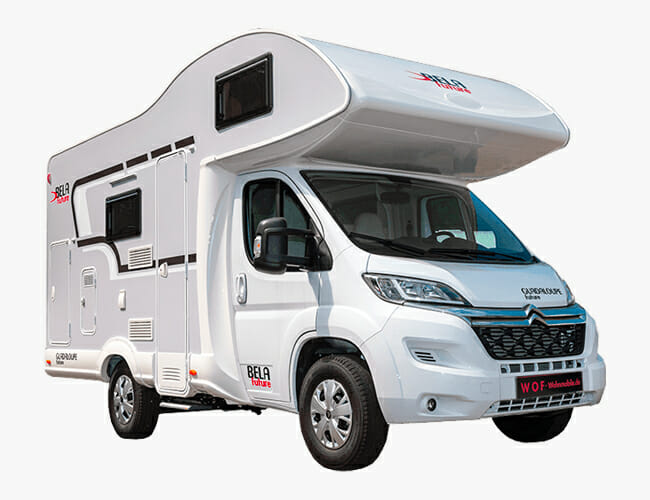
Bela Trendy

Price: $44,146
From: bela-wohnmobile.de

The Bela Trendy is a complete, fully-functional motorhome that manages to be smaller than most camper vans.

|

Bowlus Road Chief Endless Highways

Price: $185,000
From: bowlusroadchief.com

Bowlus Road Chief’s Endless Highways trailer is a luxury apartment on wheels, offering Art Deco aesthetics and modern tech to get you off the grid in style and comfort. It will cost you, though.

|

Bowlus Wave Bespoke Edition Trailer

Price: $225,000
From: bowlusroadchief.com

If you’re intrigued by Bowlus Road Chief’s Endless Highways trailer but want something even more luxurious and yacht-like, there’s a Wave Bespoke edition for $40,000 more.

|

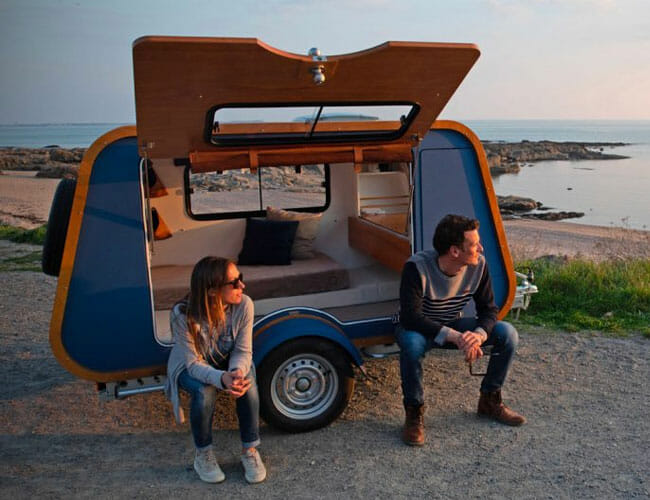
Carapate Trailer

Price: $16,000
From: carapate-aventure.fr

The Carapate is a fashionable French take on the compact teardrop trailer. It provides a minimalist alternative to #VanLife.

|

Earth T250LX Trailer

earth traveler teardrop trailer t250lx t300 light camping camperearth traveler teardrop trailer t250lx t300 light camping camper

Price: $30,795
From: earthtravelerteardroptrailers.com

Earth Traveler’s T250LX trailer uses a super-lightweight carbon fiber chassis. It weighs in at just 216 pounds in base form, which means it can be towed by almost any vehicle.

|

Living Vehicle 2020 Series Trailer

Price: $200,000
From: livingvehicle.com

Living Vehicle’s 2020 Series offers the ideal super-luxury way to go overlanding — or embrace that mobile life full-time.

|

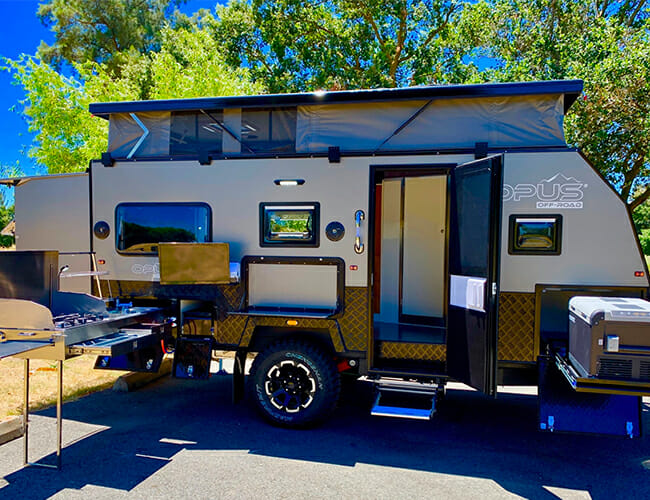
Opus Campers OP 15 Trailer

Price: $45,000
From: opuscamper.us

This Opus Camper trailer will add a bit of extra comfort to your adventures — at an affordable price.

|

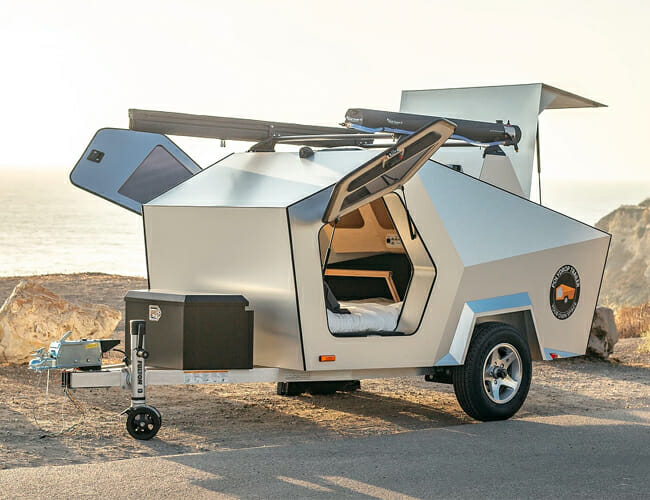
Polydrop Trailer

Price: $14,495
From: polydrops.com

The Polydrop is tiny, efficient and affordable. It also looks like an honest-to-god NASA-spec space capsule.

|

Romotow Camping Trailer

Price: $350,000
From: romotow.com

The Romotow is a futuristic space yacht camping trailer –one that can sleep up to eight people, thanks to its swiveling mechanism and synthetic teak deck.

|

Safari Condo Alto A2124 Trailer

Price: $35,664
From: safaricondo.com

Quebec-based Safari Condo built the wedge-shaped Alto A2124 in order to maximize energy efficiency while still offering all of the amenities you need.

|

Taxa Outdoors Woolly Bear Off-Road Trailer

Price: $9,250
From: taxaoutdoors.com

The awesomely named Woolly Bear is the perfect mobile campsite for two, starting under $10,000 and weighing less than 1,000 lbs.

|

The BMW x The North Face Futurelight Camper Concept

Price: N/A

The two iconic brands collaborated on an off-roading camping trailer concept for CES in 2019. You can’t buy it, but we sure do want it.

Three Feathers Manufacturing Trail Head Trailer

Price: Contact Them
From: 3feathtersmfg.com

The Trail Head trailer from Three Feathers Manufacturing comes fully equipped with everything you’d want for overlanding fun, which makes preparing for your next adventure a breeze.

|

Winnebago Solis Camper Van

Price: $100,667
From: winnebagoind.com

Winnebago’s Solis offers serious capability and versatility for up to four people, all at a reasonable price point.

|

Note: Purchasing products through our links may earn us a portion of the sale, which supports our editorial team’s mission. Learn more here.

Tyler Duffy is Gear Patrol’s Motoring Staff Writer. He used to write about sports for The Big Lead and The Athletic. He has a black belt in toddler wrangling. He’s based outside Detroit.

More by Tyler Duffy | Follow on Facebook · Instagram · Twitter · Contact via Email

Special Report: One Last Drive – Bullitt Mustang

The word ‘icon’ is banded about a lot in the auto industry. In my mind, there are a few categories that are defined by the cars which have been sold for generations. Think SUV and Defender or G Wagon will, more likely than not, be projected in your mind. Supermini? Mini. Hot Hatch? Golf GTi. This is quickly morphing to a scenario not too dissimilar to laying flat on a red sofa in a psychiatrists office and being probed for the first word a blot of ink conjures. One more: Muscle Car? Ford Mustang.

Unlike the other aforementioned icons, I have never driven a Mustang. There are a few reasons for this. Firstly, it took 52 years for the Mustang to be sold in the UK, 2016 was a big year for the ‘Stang. Secondly, I didn’t fancy a Mustang for one of my fly-and-drive visits to the States as I feared losing my Mustang v plates to a 4-cylinder which, like my first time losing other v plates, would have been all to brief and underwhelming. I needed to wait for the right time, place and specification to captivate me enough to take the dive. The final drive of the year is always a special one for me. Most sane human beings would rather curl up next to the fire with their loved ones watching mushy Christmas movies than ever consider going for a drive for anything more than another bag of sprouts. I, on the other hand, can think of nothing worse that sitting on a sofa for days on end eating my weight in mince pies. Instead, I packed the, self made, mince pies into a plastic box and jumped into a car, one that I have been waiting decades to drive.

Why decades? Because of a movie titled ‘Gone in 60 Seconds’ that I watched as a 6-year-old at the turn of the millennium. The movie itself was nothing to write home about. There were two stand out scenes – one featured Angelina Jolie (I’m sure you can imagine why) and the other, more relevantly, focused on a 1967 Shelby Mustang called Elanor. It was the hero car of the movie and one that captivated six and 60-year-olds alike, I guess the same can be said for Angelina.

Bear with me, I’m not rambling aimlessly, movie cars really do capture the hearts and minds of viewers. For me it was Gone in 60 Seconds, for the generation of movie goers in 1968, it was Bullitt, the hero car was a Mustang. Much like Gone in 60 Seconds, the movie itself was never destined to win Oscars, but, there were a couple of scenes that have been viewed millions of times on YouTube (add to the tally by watching below).

[embedded content]

Enough of the old, what’s the deal with the movie talk? Well, the Mustang I’m buckling into is a tribute to the Bullitt car you see above. The link is obvious – the wheels, Highland Green paint, distinct lack of pony badges and cue ball gear shifter have all be copied and pasted onto the 2019 Mustang. It is available with a Mustang ordered with the 5.0-litre V8 (no EcoBoost silliness here) with the manual box and not as a convertible – the good stuff then. This was the perfect opportunity to drive my first Mustang. Back to the mince pies, they were secured on the lap of my copilot, an equally deranged human that suggested we compliment the mince pies with a drive to feed a reindeer herd a few hours drive out of London.

The drive involved long flowing sections of well paved ‘highway’ where the V8 could sing, and twisty country roads where the chassis balance and gearbox could be put to the test. The Bullitt package is not just cosmetic. Adding to the appeal are a plethora of parts that you cannot configure on any other Mustang. Power is up to 453bhp, part due to the intake manifold from the GT350 which has the added benefit of making the Mustang sound like a V8 NASCAR. Furthermore, ticking the Bullitt box adds the Ford’s GT Performance Package which, apparently, improves chassis control significantly courtesy of suspension springs that have been lowered and stiffened by another few degrees, beefed-up anti-roll bars, recalibrated dampers and a Torsen limited-slip differential. Tasty. Magnetorheological adaptive dampers are fitted to the car I am driving and a noticeable difference can be felt through the modes.

How did it feel on the road to visiting Rudolph and co? Refreshing, if you’re a regular reader you’ll know I’m that guy raving about how sublime Porsches are and how the feel and feedback of a McLaren is so delightful. Jumping into a naturally aspirated, manually operated American muscle car is a far cry from the usual for me and it was an unforgettable experience. There is a raw, old school feel. There is immense character and a connection that comes with less sophisticated cars.

The Bullitt Mustang is one of the best examples of that. The traction control seems to be too busy to stop you from pulling massive angles out of every junction. The cold and salt paved streets at this time of year mean you can feel the chassis shuffling underneath you and there is so much confidence in its abilities. The gearbox is fabulous, the cue ball is gorgeous and the rev-matched downshift bring a smile to your face and the revs yelp. The digital dash is tremendous and there a host of layouts to pick from. The Recaros hug you tight and are immensely comfortable and are almost good enough to make up for the questionable build quality, poor plastics and terrible infotainment system. Then again, the Mustang is a unique offering and I am just pleased to be able to drive a manual V8 free of turbochargers – the infotainment could be running Windows ’95 and I would still be grinning from ear-to-ear. The noise from the exhaust is bewitching in race mode and eggs you on to chase the redline.

The car does feel massive on tight British country lanes but the car still feels reasonably nimble. Big open motorways are where it really can be set free. The engine isn’t the most responsive below 3,000, you need to wind it up and it really is explosive in the mid-range. The gearbox, though physically great to shift, needs to be handled with patience. The engine does not like to be rushed, this is not a Cayman GT4 that relishes a lightening quick shift.

The Bullitt Mustang really is a unique proposition and like nothing I have ever driven before. It brims with character and presents endless joy. You’ll want to find any excuse to drive it down your favourite road at any time of day. It is a very special car, one that will make you feel better than cars that cost two or three times the price. It feels even better than it looks.

P.S. Ford, please make an Elanor edition, I’ll be ready with my deposit.

GTSPIRIT NEWSLETTER

16 of the Best Used Cars to Buy in 2019

It’s that time again: the automotive wise men and women over at CarGurus have announced their annual list of the Best Used Cars. To even be considered, CarGurus evaluates each car based on user reviews, professional reviews, popularity, availability, and projected depreciation over 12 years. And as the number of segments in the car market grows, so does the number of categories in the CarGurus list; this year, there’s a total of 16 winners.

It’s a handy helper for anyone looking for advice on which used vehicle is most likely to treat them well. After all, buying any car is daunting under any circumstances—doubly so for used cars, where vehicle history and maintenance become factors and reliability becomes a bigger concern.

CarGurus’s list restricts itself to fairly recent used vehicles, so there’s no worry of finding vehicles saddled with highly outdated safety features or technology. So if you’re looking for a quality, pre-owned ride to park in your garage…any of the following cars would be a good place to start.

Subcompact Sedan/Hatchback

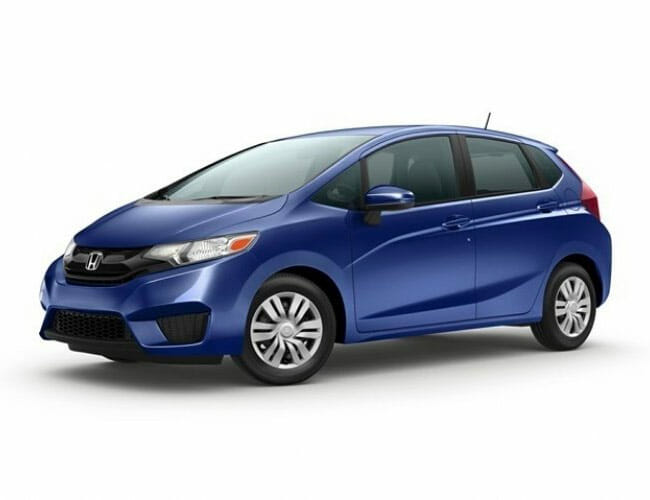
2015-2018 Honda Fit

Compact Sedan/Hatchback

2014-2018 Mazda3

Midsize Sedan

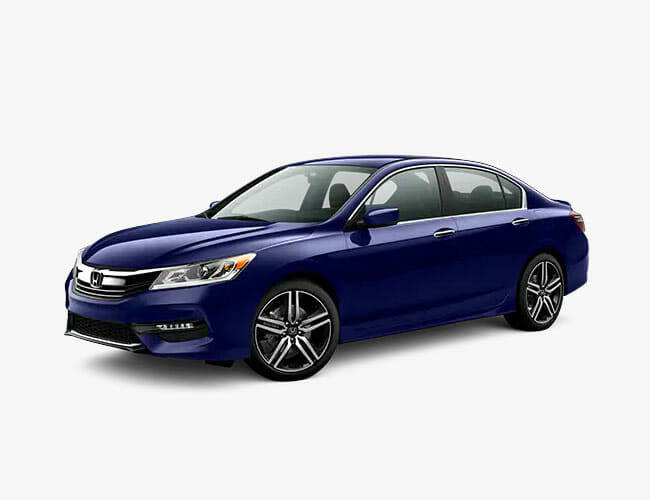
2013-2017 Honda Accord

Full-Size Sedan

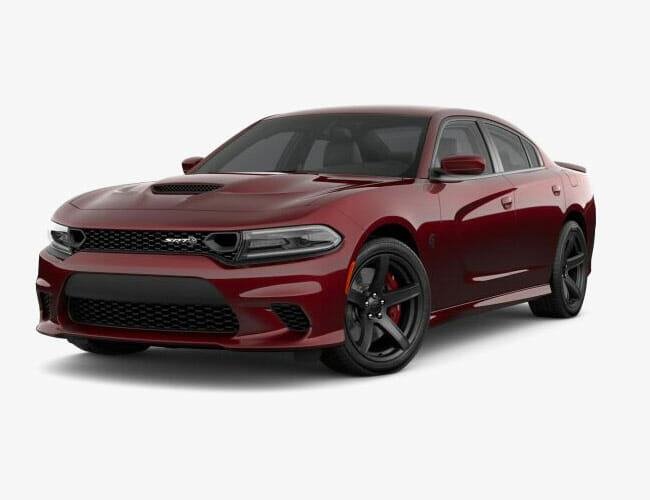
2011-2018 Dodge Charger

Station Wagon

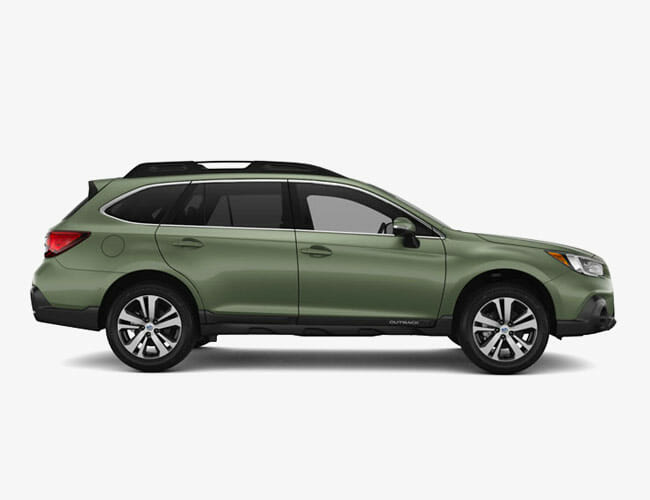
2015-2018 Subaru Outback

Small Crossover/SUV

2007-2017 Jeep Wrangler

Midsize Crossover/SUV

2007-2017 Jeep Wrangler Unlimited

Full-Size Crossover/SUV

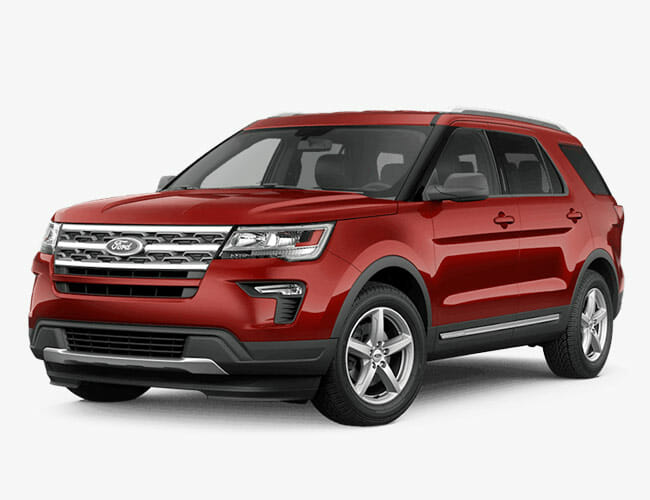
2011-2018 Ford Explorer

Minivan

2011-2017 Honda Odyssey

Midsize Pickup Truck

2005-2015 Toyota Tacoma

Full-size Pickup Truck

2015-2018 Ford F-150

Luxury Compact Sedan

2013-2017 Lexus IS

Luxury Midsize Sedan

2013-2018 Lexus ES

Luxury Small Crossover/SUV

2015-2018 Lexus NX

Luxury Midsize Crossover/SUV

2014-2018 Volvo XC90

Sports Car

2008-2018 Dodge Challenger

The Jeep Gladiator Is the Most Important Vehicle of 2019

This story is part of the GP100, our annual roundup of the best products of the year. To see the full list of winners, grab the latest issue of Gear Patrol Magazine.

Americans love pickup trucks. They buy one every 12 seconds. And Americans love Jeeps. In 2018, the company just had its best sales year ever, moving almost a million vehicles in the U.S. alone. So clearly, the nation hungers for big vehicles with a commanding road presence and four-wheel-drive grip.

Yet in spite of a blatantly obvious opportunity to merge those two trends, Jeep went almost three decades without producing a vehicle with a metal bed hung behind the passenger seat — which explains why the company’s fans howled with delight when they glimpsed of the all-new Gladiator at the Los Angeles Auto Show at the end of last year, all but preemptively thrusting cash in Jeep’s direction. But it was only this spring that the truck finally launched, finally giving them the chance to do so.

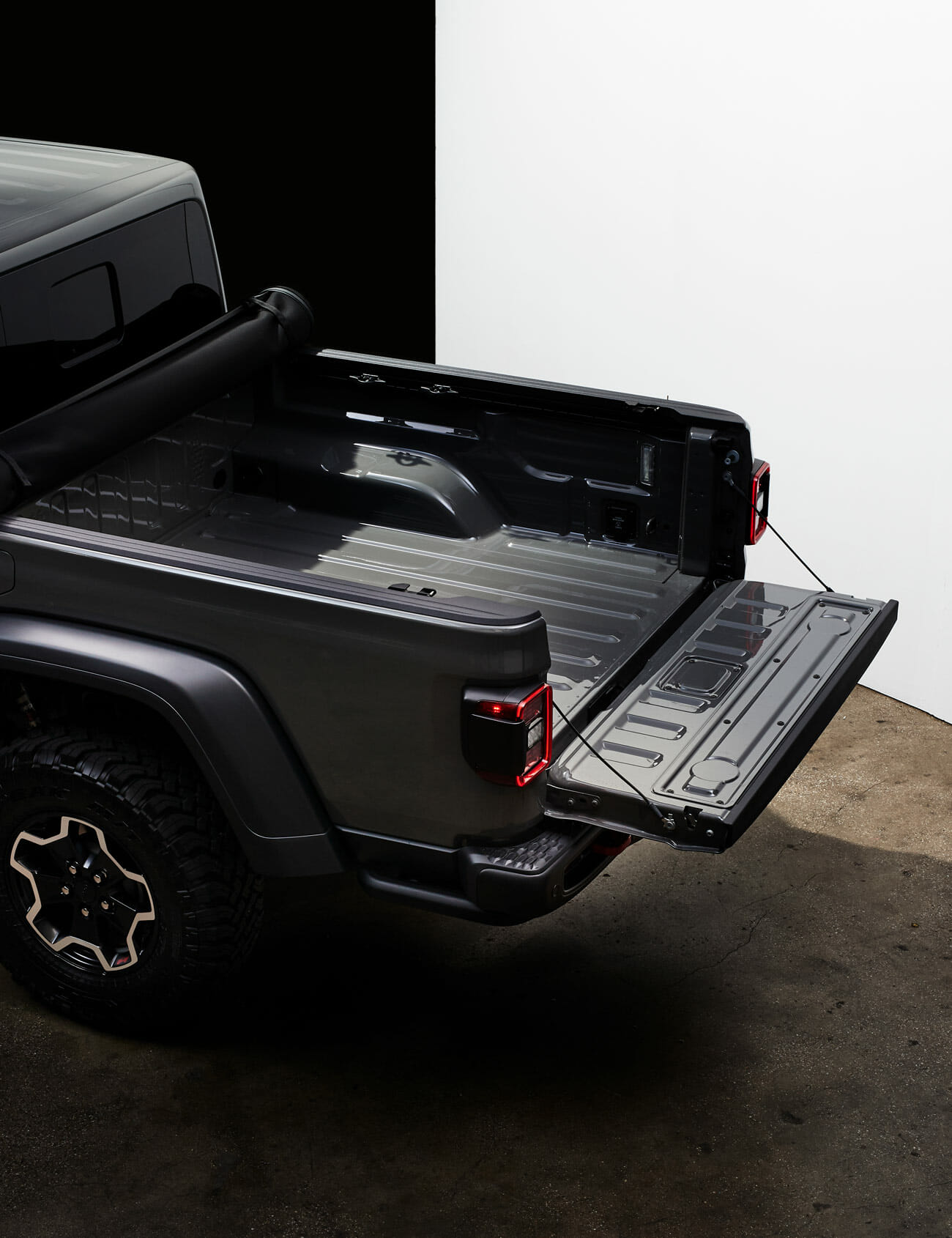
The Gladiator’s five-foot-long bed may be shorter than most pickup trucks’ beds, but it still provides incredible versatility.

Rather than attempt to build a new truck from the ground up, Jeep’s product planners and engineers chose to keep it simple, taking the four-door Wrangler — specifically, the all-new, more-refined JL generation — stretching out the wheelbase and affixing a metal box to the end of it.

The Wrangler-based design means all the parts and features that have elevated that model into an icon over the last few decades come along for the ride. Removable top? Present, in both soft and three-piece hard-top forms. Removable doors? Also in attendance, and every bit as easy to doff as they are on the Wrangler. A waterproof interior, designed to be easy to clean and boasting one of the most intuitive, convenient layouts in the industry? Standard on every one.

Jeep even offers the choice between manual and automatic gearboxes, making the Gladiator one of the last trucks sold in America to give drivers the option of rowing their own gears.

Further Reading
2020 Jeep Wrangler EcoDiesel Review: The Wrangler, Enhanced
We Go Off-Roading in the All-New Jeep Gladiator Overland Pickup

But being a pickup truck means the Gladiator also can accomplish things its SUV sibling can’t — like towing up to 7,650 pounds (the Wrangler maxes out at 3,500). The five-foot-long bed boasts more cargo space than the trunk of its two-box brethren; plus, even with two or three adults aboard, it can still take on half a ton of gear. And options like an integrated 110-volt plug in the bed and an integrated Bluetooth speaker that charges from the car makes the Gladiator among the best tailgating rigs out there.

It wouldn’t be a badass Jeep without flared fenders.

The added space between the axles does dock the Jeep’s off-road capability a tad. It’s easier to wind up high-centered on unfortunately placed hillocks and the breakover and departure angles of 20.3 and 26 degrees respectively mean it won’t be able to keep up with the Wrangler when the going gets really rough.

Still, that’s not enough to keep it from being every bit one of the most capable trucks on sale — especially in trail-conquering Rubicon form, which builds on the model’s inherent prowess by adding features like locking differentials, an electronic sway bar disconnect and a lower low range better suited for rock crawling.

The red tow hook is a hallmark of the Rubicon trim, Jeep’s most off-road-ready version of the truck.

On the road — where, let’s face it, Jeeps spend most of their time — the Gladiator drives even better than the latest-generation Wrangler, which redefined on-road comfort for the model. Its long wheelbase gives the Gladiator delightful stability on the highway, making it a superior choice for long slogs behind the wheel. Added convenience features like radar-based active cruise control, blind-spot warning and parking sensors bring the sort of comfort not traditionally associated with trucks or Jeeps in particular. Hell, you can even pick one up with leather seats.

Granted, it’s easy to price this truck up to a total near $60,000 if you go buck wild on the options sheet or spend extra on official aftermarket accessories like lift kits and off-road lights. But play it smart, and you can snag a well-equipped one for around $45K — only a few thousand dollars more than the average new-car price nowadays. Considering you’re scoring an off-roader, a five-seat family car, a convertible and a pickup truck in one for that price, it’s hard to see that as anything but the deal of the year.

Powertrain: 3.6-liter V6 or 3.0-liter turbodiesel V6; six-speed manual or eight-speed automatic transmission; four-wheel-drive
Horsepower: 285 (gasoline); 260 (diesel)
Torque: 260 lb-ft (gasoline), 440 lb-ft (diesel)
Price: $33,545+

Note: Purchasing products through our links may earn us a portion of the sale, which supports our editorial team’s mission. Learn more here.

Will Sabel Courtney is Gear Patrol’s Motoring Editor, formerly of The Drive and RIDES Magazine. You can often find him test-driving new cars in New York City, cursing the slow-moving traffic surrounding him.

More by Will Sabel Courtney | Follow on Instagram · Twitter · Contact via Email
Ferrari Roma platform to underpin Purosangue SUV, as product roadmap takes shape

To create the Roma, Ferrari started with the platform used for the Portofino convertible. Engineers strengthened and lightened the architecture and made it modular, so that it will support the company’s range of front-engined vehicles included in CEO Louis Camilleri’s near-term product roadmap of 15 new vehicles over the next three years. Auto Express reports one of those products will be the Purosangue SUV – or FUV, Ferrari Utility Vehicle if you heed the carmaker’s marketers – expected to debut in 2021 before going on sale in 2022 or 2023. The breadth of possibility built into the platform means it can swallow Ferrari’s range of V8 and V12 engines, as well as the coming V6, plus plug-in hybrid equipment and all-wheel drive mechanicals. 

Although observers figure a V12 Purosangue will grace the lineup eventually, models with smaller engines braced with hybrid assistance are expected first. The V12, in fact, is unlikely to get a hybrid form if Ferrari can help it, the brand’s marketing manager saying, “To be honest, electrifying a V12 means creating, very probably, a heavy and big car. So electrification ideally should be coupled with smaller engines.” Absent Ferrari’s righteous 6.5-liter V12, Ferrari’s head of technology says there will be other ways the vehicle codenamed “175” distinguishes itself from V8-powered super-SUV competition, but wouldn’t clarify what those ways are.

We’ll guess the people-hauler slots into the company’s GT vehicle classification alongside the GTC4Lusso, Portofino, and Roma. In the next decade, the GT category grows with a new supercar that marks “the return of an elegant model” cued off classic, mid-20th-century Ferrari Gran Turismos, as well as a battery-electric car after 2025. The Sport Range includes the 812Superfast and 812 GTS, 488 and 488 Pista, and SF90 Stradale. The Icona line kicked off with the Monza SP1 and SP2, and will expand with “timeless design[s] of iconic Ferraris reinterpreted with innovative materials and state of the art technologies.” One-offs like the F12 TRS, SP12 EC and SP38 form the Special Series. The carmaker’s entire range will be split across two modular platforms, one for front-engined placement, one mid-engined.

At the pointy end of the product roadmap, it’s thought Ferrari’s already begun development of its LaFerrari successor. Said to use a naturally-aspirated V12 without electric help, it will produce less output than found in the 986-horsepower, hybrid-V8-powered SF90, while at the same time Ferrari says the new model will be faster than the hybrid-V12-powered LaFerrari. Due sometime after 2022, the new small-run screamer will focus on lightness, controllability and aerodynamics. 

Top Gear magazine climbs all over the McLaren Elva

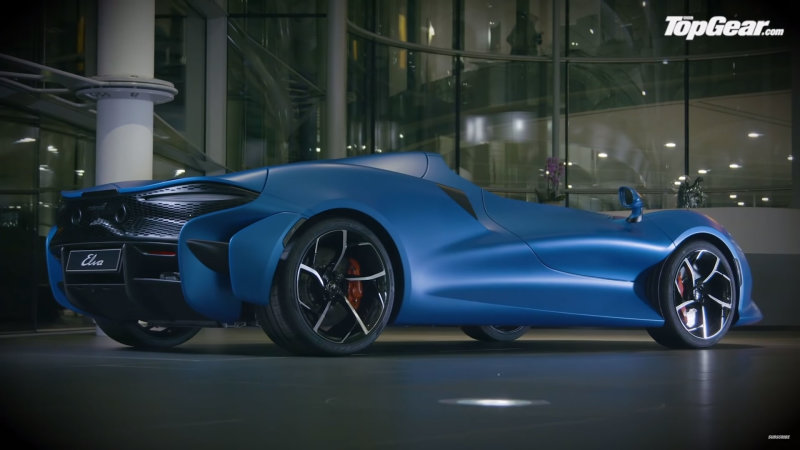
Top Gear deputy editor Jack Rix took a camera crew to McLaren’s Technology Center for a closer look at the Elva roadster. Not only did Rix provide his usual, thorough once-over and explanation of design features, but thanks to the magic of moving pictures, we get graphic demonstrations of how the Elva’s most interesting feature works. McLaren engineers needed to figure out a way to protect helmetless occupants from getting their faces painted with bugs and detritus at speed. Their solution is the Active Air Management System (AAMS), composed of a deflector and a network of vents that create a “bubble of calm” around the passenger cell. Unlike the rest of the Elva, the AAMS ain’t pretty, but beauty always loses tie-breakers to effectiveness in Woking. 

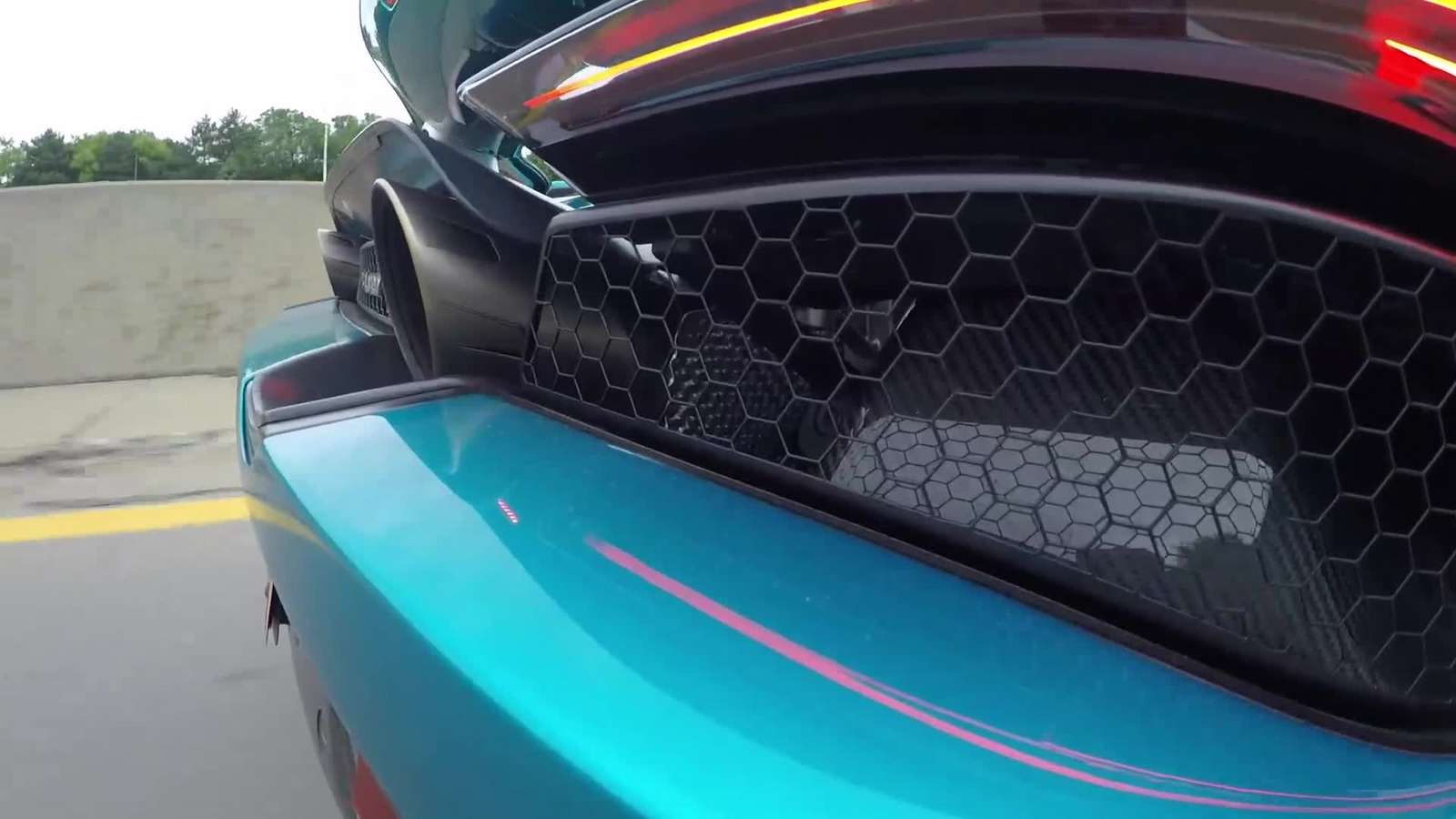
For a vehicle with so little to it, including the number of body panels, there’s a ton going on all around the open-top. The rear mesh is 3D-printed titanium. Short seat squabs combined with a moving steering wheel and gauge cluster improve ingress and egress. Four high-flow exhaust pipes are placed in two locations and pointed two directions in order to separate tones as if the exhaust were an audio system – because, in truth, it is. And there’s more, but we’ll let Rix explain. 

As an aside, for all the Elva does have, we think it’s a shame the roadster doesn’t have a roofed version. Digital artist Nikita Aksyonov drew up an Elva Coupe, and we’re fans. Better looks than the McLaren GT, in a package that appears more compact than the 720S, with a more powerful engine than the Senna? Yes. All day yes.

But we digress, so check out Rix’s take in the video.

McLaren Speedtail hits 250 mph over 30 times at Kennedy Space Center

The McLaren Speedtail was billed as having a 250-mile-per-hour top speed when it was revealed over a year ago, and now McLaren is proving it. High-speed testing at the Johnny Bohmer Proving Grounds at Kennedy Space Center in Florida saw a Speedtail prototype named XP2 hit 250 mph over 30(!) times. McLaren chief test driver Kenny Brack was the lucky man behind the wheel mashing the go pedal.

It’s impossible to talk top speed and McLaren without mentioning Andy Wallace’s epic runs in the McLaren F1 at the Ehra-Lessian proving ground in Germany. That car’s official record is set at 240.1 mph, and it’s still the fastest production car in the world with a naturally aspirated engine. It managed to attain this top speed record with a 627-horsepower V12 and six-speed manual gearbox. The Speedtail has a hybrid powertrain that puts out a combined 1,055 horsepower and 848 pound-feet of torque. We’re still waiting on exact details as it concerns the Speedtail’s powertrain combination of gas engine and electric motor(s).

McLaren also announced today that production of the Speedtail has begun at the McLaren Production Center in Woking, UK. These are the first of 106 customer orders set to be built, and deliveries will begin in February 2020. As a reminder, the Speedtail won’t be road legal in the U.S. due to the three-seat configuration not meeting safety requirements. Regardless, one-third of all Speedtails were sold to American customers, which means those folks will need to apply for a show and display exemption to enjoy their Speedtails.

Related Video:

Mazda Is Bringing Back Its Iconic Rotary Engine

It’s happening, folks: Mazda is bringing back the rotary engine. According to Autocar, the company released an announcement on Chinese social media that it will reveal a new generation of its iconic powertrain later this week.

Where it’ll show up, however, remains to be seen. Mazda head honcho Mitsuo Hitomi previously confirmed would use a rotary engine as a range extender for its first electric car, expected to debut this year — but he also suggested further, more exciting applications of the rotary engine to come.

Rotary engines, after all, powered Mazda’s famed RX performance models. Those unconventional engines ran at high rpm, producing a ton of power from tiny displacements. The last model to run a rotary, the RX-8, produced 232 horsepower from a naturally-aspirated 1.3-liter engine. (The downside to those engines, howver: fuel efficiency. The last RX-8 achieved just 18 mpg combined.)

Autocar says Hitomi “strongly hinted” Mazda had a further rotary engine model planned beyond the EV. The hints are there: Mazda’s stunning “Vision Coupe” concept from 2018 presaged a rotary-powered model. Mazda has also just patented a “vehicle shock absorption structure” for what would be a new vehicle. That vehicle has a small engine bay, one that would fit a rotary engine nicely.

It may be premature to connect the dots to a new RX sports car, but things at Mazda appear to be aligning. Until then, you can find affordable examples of the legendary RX-7 available all across America.

Tyler Duffy is Gear Patrol’s Motoring Staff Writer. He used to write about sports for The Big Lead and The Athletic. He has a black belt in toddler wrangling. He’s based outside Detroit.

More by Tyler Duffy | Follow on Facebook · Instagram · Twitter · Contact via Email

These Are the 2020 Model Year Cars You Should Know About in 2019

Gear Patrol Studios

Gear Patrol Studios is the creative partnership arm of Gear Patrol. Select advertising has been crafted on behalf of brands to help tailor their message for readers. These sections are demarcated with sponsored flags. Learn More

Affiliate Disclosure

Gear Patrol participates in various affiliate marketing programs, which means we may get paid commissions on editorially chosen products purchased through our links to retailer sites including the Gear Patrol Store. Learn More

BMW Just Undid Its Biggest Mistake in Years

One of BMW’s stupidest decisions in years is coming to an end. BMW has ended its policy to of charging $80 per year in subscription fees for Apple CarPlay in its new cars and SUVs, according to a statement the carmaker gave to Car and Driver.

The change will take effect immediately, BMW said, and is retroactive; any 2019 model year cars that have seen their 12-month free trial of CarPlay lapse already will have the service re-enabled. Starting now, any Bimmer with navigation will offer Apple CarPlay for free in perpetuity.

Charging for Apple CarPlay was always a bad look for BMW. Almost every other manufacturer — from BMW’s big-budget rivals to budget brands — offers the technology for free. (Most of them offer Android Auto too, a technology that BMW does not.) BMW’s ostensible justification was that, unlike other carmakers, the company also offered wireless CarPlay functionality — though other manufacturers have begun doing the same.

Even if BMW needed that trivial amount of extra income, the company could have worked an extra $80-plus into the cost of each vehicle’s MSRP, or into a technology package, without buyers noticing or feeling ripped off. Would many BMW buyers have paid the fee? Probably. But why give anyone a reason to go check out a Mercedes?

Well, here’s hoping BMW’s Apple CarPlay mea culpa will inspire the company to revisit its second-stupidest decision in years: obnoxiously large kidney grilles.

Tyler Duffy is Gear Patrol’s Motoring Staff Writer. He used to write about sports for The Big Lead and The Athletic. He has a black belt in toddler wrangling. He’s based outside Detroit.

More by Tyler Duffy | Follow on Facebook · Instagram · Twitter · Contact via Email
11 Future Classic Cars From The 2010s

2019 is nearly over — and with it, the decade sometimes known as the Twenty-Teens. As we enter the new, hopefully-roaring Twenties, it’s time to reflect on the decade gone by in the automotive world.

It was a time of profound change…well, outside of Toyota’s SUV and truck lineup. We saw the last vestiges of the gasoline-swilling, naturally aspirated past begin to be eclipsed by the harbingers of a vibrant electric future. And we met a whole bunch of cars that we’re sure will be greatly appreciated once that battery-powered tomorrow finally gets here.

Here, then, are 11 cars from the 2010s that have a great chance to become future classics.

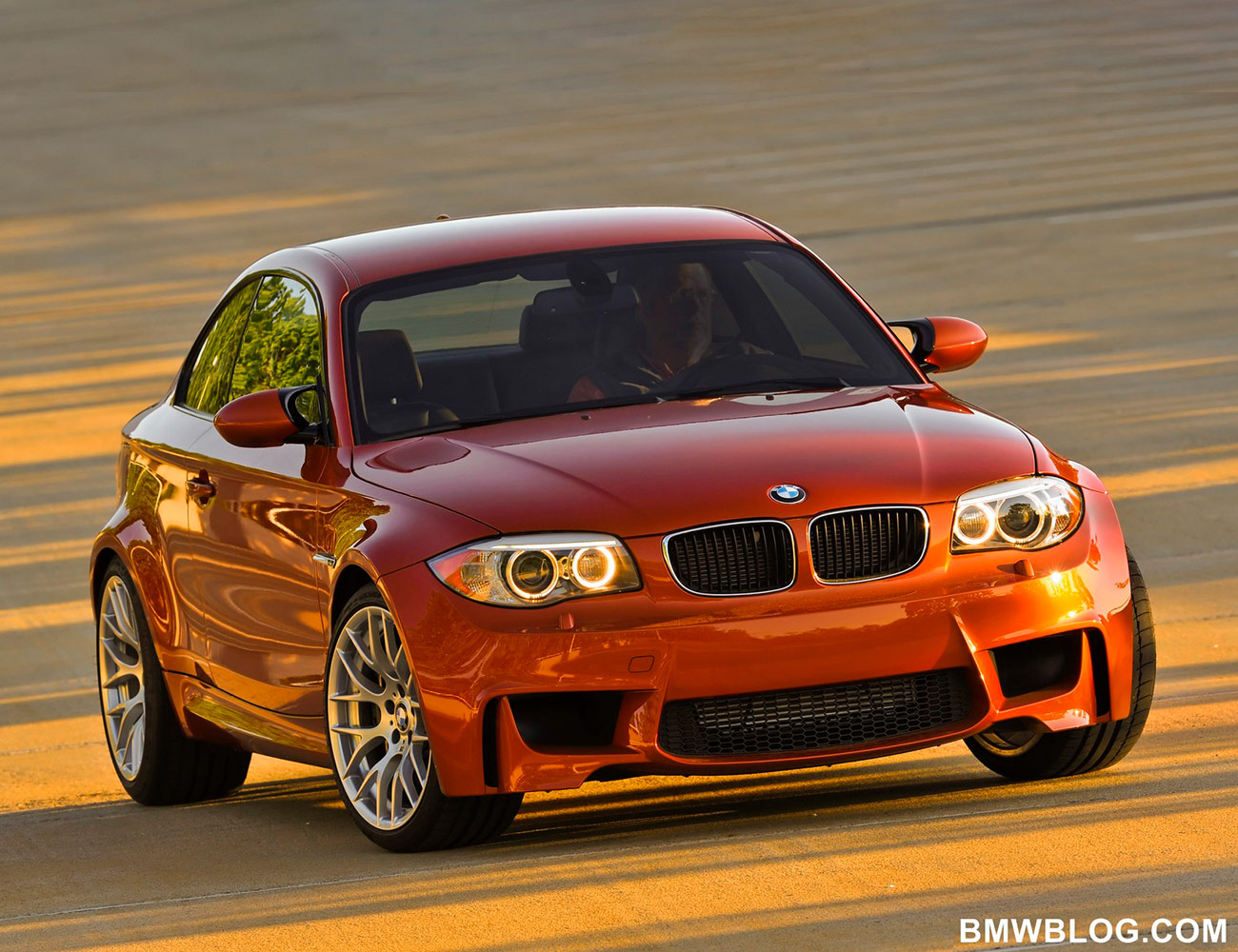
BMW 1M (2011-12)

For a fleeting moment in the early Twenty-Teens, BMW traveled back in time. The 1M was a stubby, chuckable, rear-wheel-drive coupe with a 335 horsepower inline-six engine and a six-speed manual, a direct homage to the cars it made decades earlier.. BMW’s “limited run” wound up being more than twice as many cars as they’d first intended.

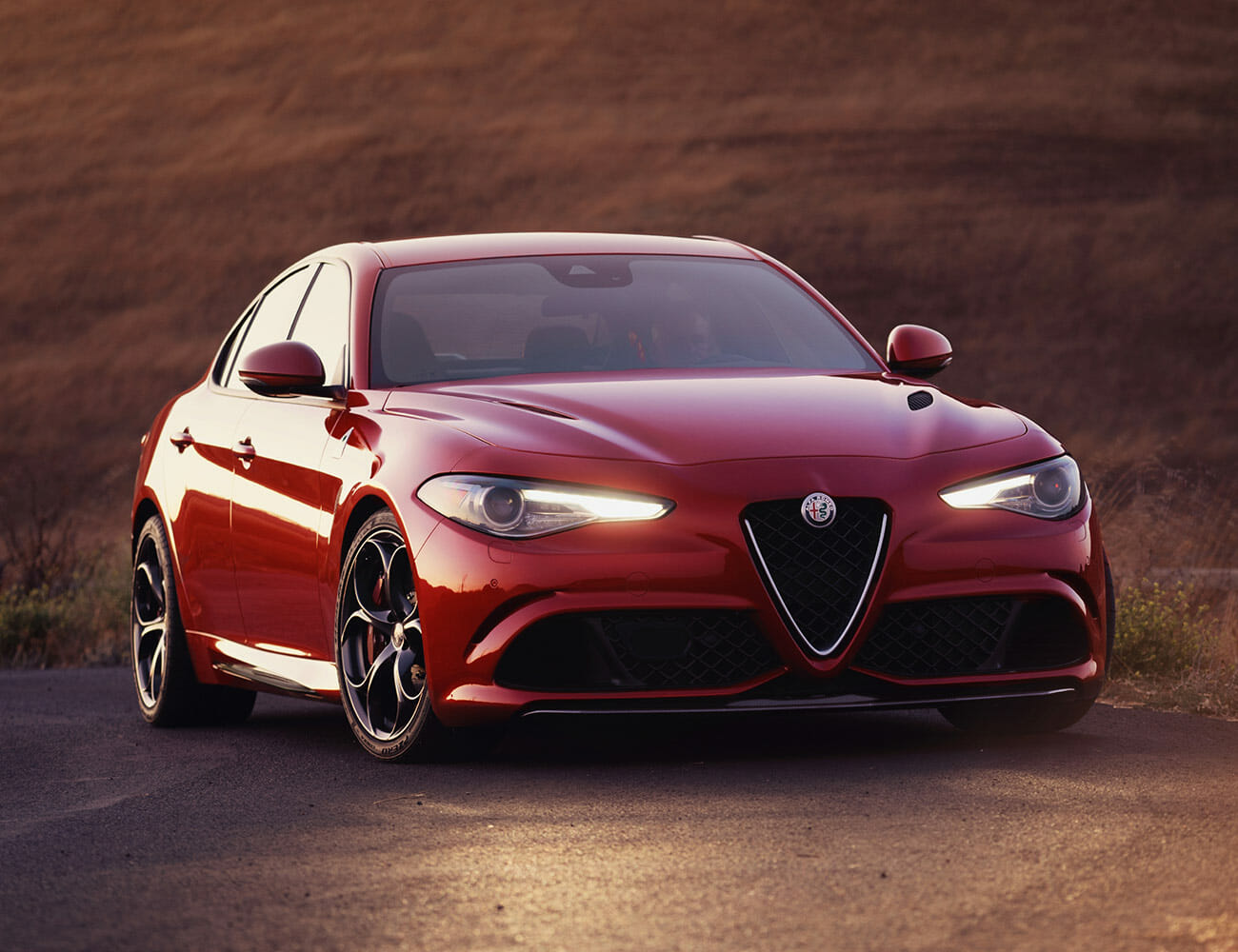
Alfa Romeo Giulia Quadrifoglio (2015-Present)

Ferrari will never make a V6 sport sedan, but this stylish Alfa with a 505-horsepower powerplant is as close as the world will ever come to it. Its handling is majestic. Its engine roar sounds sublime. It’d be great if it were reliable…but then it wouldn’t be an Alfa.

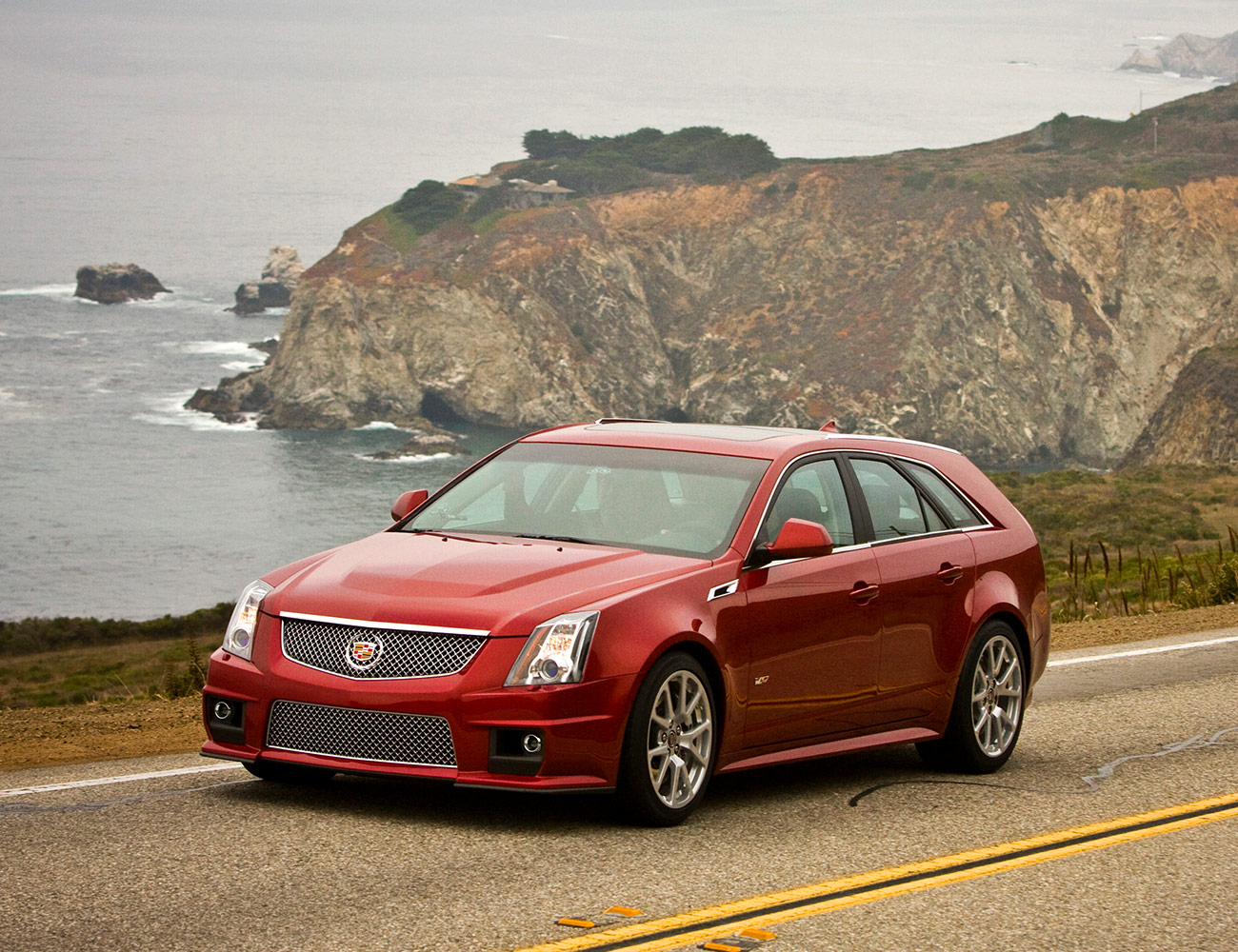
Cadillac CTS-V Wagon (2010-14)

GM went bankrupt during the economic crisis, which was also right around the time Americans were converting from sedans and vans to SUVs and crossovers. Cadillac, bless their hearts, felt this was the optimal time for a 500-plus horsepower station wagon with a manual transmission.

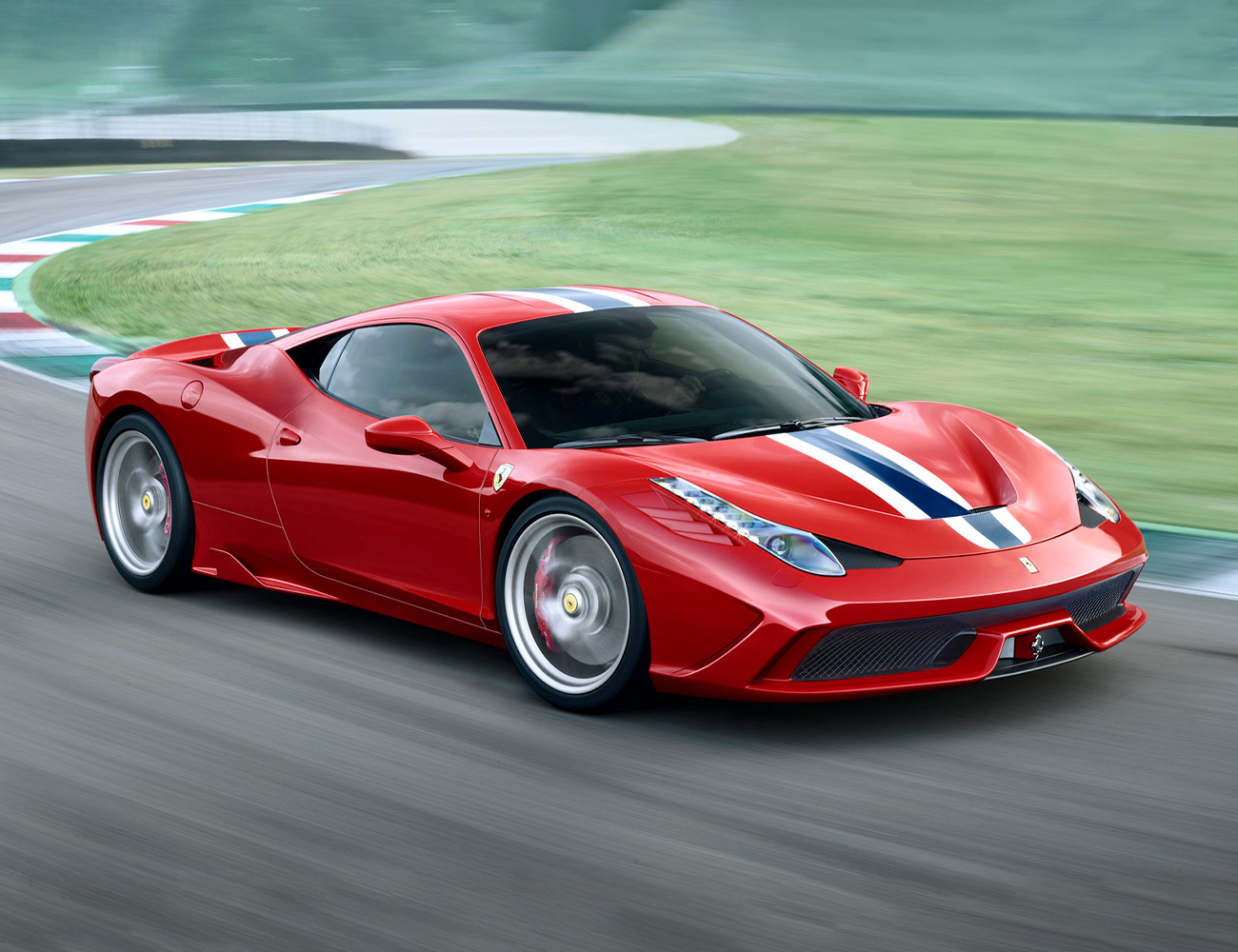
Ferrari 458 Speciale

Ferrari has always produced special cars, and will continue to for a while. But the 597-hp 458 Speciale will always be the last, and perhaps greatest, of the mid-engine, naturally-aspirated V8 machines.

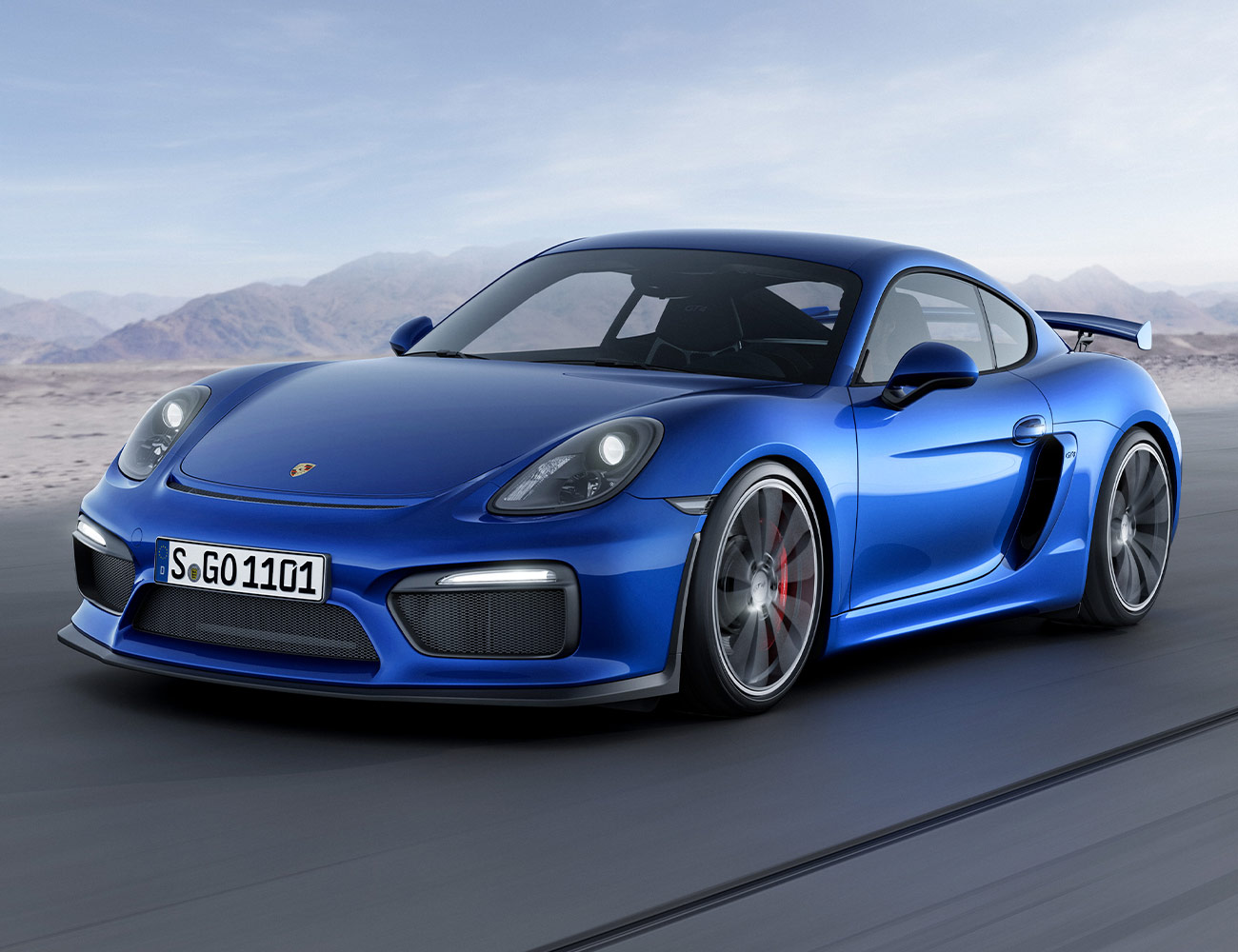
Porsche Cayman GT4 (2015)

Some might argue the Cayman/Boxster 718 is Porsche’s best all-around car, which is saying something. It’s hard to find a purer version than the 2015 GT4 edition, with its naturally aspirated 3.8-liter flat-six, six-speed manual, and a curb weight below 3,000 pounds.

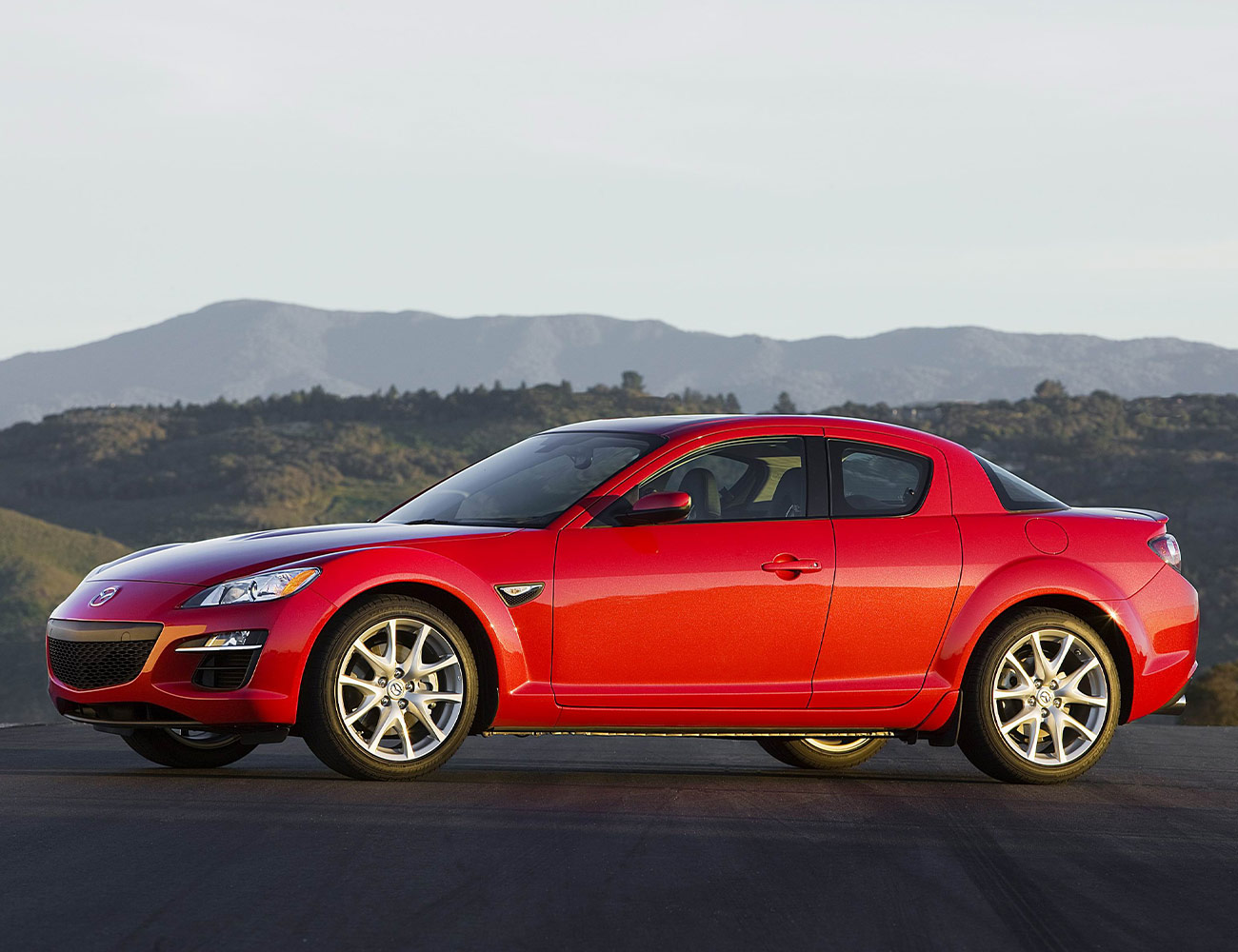
Mazda RX-8 (2003-12)

Mazda may have a new rotary engine sportscar coming, but as of now, the RX-8 remains the last of the breed. The tiny 1.3-liter engine put out a stonking 232 horsepower…unfortunately, with terrible fuel efficiency.

Audi TT RS (2012-13)

Audi produced a fine TT RS for the third generation of the car. But the second generation was where the Bauhaus beauty received the classic Audi 2.5-liter inline-five and a six-speed manual transmission.

Ford F-150 Raptor (2017-Present)

The Raptor redefined the full-size pickup market in the 2010s. The newer version was even more badass, with a powerful twin-turbo V6 putting out 450 hp and 510 lb-ft and a weight loss of about 500 pounds thanks to light-weight aluminum construction.

Jaguar I-Pace (2018-Present)

It’s hard to pick just one Ian Callum-penned Jaguar. But the I-Pace is the most revolutionary. It dominated the automotive industry awards in 2019, ultimately grabbing the crowns for World Car of the Year, Best Design and Best Green Car. It’s maybe the first true example of a storied manufacturer translating its essence into an EV.

Mercedes-AMG E 63 S (2017-present)

The AMG E63 S is the star athlete of Mercedes sedans. It has 603 hp and 627 lb-ft of torque, and accelerates from 0-60 mph in 3.3 seconds. It has a Drift Mode, allowing it to transition seamlessly from stately all-wheel-drive dad car to absolute tire shredder. Oh, and did we mention you can get it as a wagon?

Volkswagen GTI (2016-Present)

Volkswagen produced one of the best handling driver’s cars on the road, period, with the seventh-generation GTI — and they did it for a starting price under $30,000. The eighth-generation coming in 2021 has a high bar to reach.

Tyler Duffy is Gear Patrol’s Motoring Staff Writer. He used to write about sports for The Big Lead and The Athletic. He has a black belt in toddler wrangling. He’s based outside Detroit.

More by Tyler Duffy | Follow on Facebook · Instagram · Twitter · Contact via Email