All posts in “Gear”

The Complete Guide to Suntory Japanese Whisky: Important Brands and Bottles Explained

Welcome to Brand Breakdown, a series of comprehensive yet easy-to-digest guides to your favorite companies, with insights and information you won’t find on the average About page.

Yamazaki. Hakushu. Hibiki. When a Westerner thinks of Japanese whisky, they think of names under the House of Suntory. Which makes sense, of course — Shinjiro Torii’s company, founded in 1923, is Japan’s first and most popular whisky maker. But it wasn’t always that way.

In 1929, Torii hired Masataka Taketsuru to create the world’s first Japanese whisky. They got it wrong. The expression, called Suntory Shirofuda, tasted too much like Scotch — too peaty, too powerful. Torii realized the Japanese palate didn’t want ultra-smokey peat bombs; it wanted finesse. So they made what has since become the most popular whisky Japan: Suntory Kakubin. It’s light, punchy and floral, the baseline for all Japanese whiskies to come.

Since then, Suntory’s whiskies have grown in volume, quality and prestige. It operates three whisky distilleries across Japan — Yamazaki Distillery, Hakushu Distillery, Chita Distillery — each with its own purpose and flair. Here’s everything you need to know.

Editor’s Note: Suntory has recently discontinued many of its expressions, citing the growing popularity of Japanese whisky and general stock shortages. Those are included in this guide, as they remain available in limited quantities in and outside of Japan.

Hibiki

Complete-Guide-To-Suntori-Gear-Patrol-hibiki-v2

The most luxe of Suntory’s whisky holdings also happens to be its most Japanese. Hibiki, which first hit shelves in 1989, was designed as a more palatable alternative to blended Scotch, meant to be sipped neat or over ice.

Each Hibiki expression is a blend of dozens of whiskies produced at all three of Suntory’s whiskey-making facilities and, as with each Suntory whisky brand, may contain spirit aged in new American oak barrels, Spanish Olorosso sherry casks, ex-bourbon barrels, ex-wine casks and the legendary (not to mention extraordinarily expensive) Japanese Mizunara oak barrel.

The size and variability of the Hibiki toolkit is what separates it from Suntory’s other whiskies. It’s the only of the company’s whiskies that contains parts from every distillery, every wood type and every barrel in its repertoire. The results are intensely floral and fruity that, as you climb in years-in-barrel, present more depth, citrus notes and tannic twists.

Hibiki Japanese Harmony


SRP: $65
Street Price: $65-$100
Year Introduced: 2015
Production: Ongoing

Within the Hibiki line, only Japanese Harmony (the sole non-age statement Hibiki expression) remains at or near its listed retail price in the U.S. It’s a composite of Chita grain whisky and Yamazaki and Hakushu single malt whiskies, and though Suntory discloses no age information for the whiskies in the Harmony blend, it’s likely younger than the other offerings under the Hibiki umbrella. Japanese Harmony leans heavily on its springiness — it’s heavily floral and citrusy on the nose and palate — but it lacks some barrel flavors like vanilla, maple and wood spice until the finish. Pour it over ice for best results.

Learn More: Here

Hibiki 12


SRP: $85
Street Price: $350-$450
Year Introduced: 2009
Production: Discontinued

The first of Suntory’s whisky to get the axe … Hibiki 12 was discontinued in 2015, so despite its status as the youngest of the line’s age-statement collection, it’s no easier to track down than its older siblings. The liquid itself exhibits an immediate woody note on the nose, with the brighter, more acidic notes relegated to a supporting role. The taste is closer to Harmony than expected, but is noticeably less watery rolling around the mouth and it’s apparent there’s a different variable at play. In this case, it’s a significant portion of time spent aging in ex-plum liqueur barrels, a practice other Hibiki bottles don’t include.

Learn More: Here

Hibiki 17


SRP: $150
Street Price: $450-$600
Year Introduced: 1989
Production: Discontinued

The discontinuation of Hibiki 17 was perhaps the biggest Japanese whisky news of 2018, and for good reason. It’s the benchmark Hibiki — an award-getting bottle that shows off the power of Japanese whisky making technique and, more specifically, the Mizunara oak tree.

Whisky aged in Mizunara casks is thought to need more time to reach its potential than traditional aging types; thus, the older the Hibiki expression, the more Mizunara characteristic. In this case, that means a spirit with a weighty body, heavy coconut and sandalwood aroma and a balanced sweet- and spice-driven taste profile.

Learn More: Here

Hibiki 21


SRP: $250
Street Price: $850-$1,100
Year Introduced: 1989
Production: Ongoing

If a betting man were to put money on the next discontinuation domino to fall, it’d be on Hibiki 21. The oldest of the U.S.-available Hibiki products carries a significantly more wood-driven (Mizunara especially) flavor than the 17 or the 12. Its finish is more drawn out, and the sweet and bright notes you get at first sip with Harmony and the 12 don’t show up as quickly. But 21 isn’t what one would call overoaked — Hibiki’s trademark floral acidity cuts through the richness. If you’re able to order a pour at a bar, do so neat for the full experience.

Learn More: Here

Hakushu

Complete-Guide-To-Suntori-Gear-Patrol-hakashu-v2

Suntory’s Hakushu distillery is hidden under a mountain in central Japan’s Yamanashi Prefecture. The whisky made there is defined by its intensely forested environment and, more pragmatically, peated malt. Hakushu is the only whisky in the Suntory profile that utilizes peated malt (the company imports it from Scotland), but thanks to exceptionally low mineral content water flowing from Mount Kaikomagatake and a much lower peat level, it’s intentionally tamer than the peat bombs Scotch drinkers may be used to.

Hakushu 12


SRP: $85
Street Price: $125-$200
Year Introduced: 1994
Production: Discontinued

The first of two U.S.-distributed Hakushu offerings, 12 offers up what the Hakushu line’s deep green bottle promises: freshness. On the nose and palate, 12 is bursting with Hakushu’s rich terroir — pine, mint, grass, chamomile, rosemary and lemon. The peat comes through most on the nose and finish, where it amounts to a background profile flavor. Hakushu 12 was discontinued May of 2018, but it can still be found with a little digging. Just expect a considerable markup.

Learn More: Here

Hakushu 18


SRP: $250
Street Price: $400-$600
Year Introduced: 1994
Production: Ongoing

This expression is the exact same base spirit as 12, just six years older. It’s also three- to five-times the price. The 18-year-old channels the 12-year-old bottle’s freshness, and goes deeper. It’s fresh herbal notes become dried herbal notes and the citrus is replaced with a big, ripe sweetness. The peat is still there, but shows up more on first tasting than it does near the end of a glass.

Learn More: Here

Yamazaki

Complete-Guide-To-Suntori-Gear-Patrol-yamazaki-v2

Located in a Kyoto suburb, the Yamazaki Distillery is the birthplace of Japanese whisky. Its many-layered whiskies serve as an introductory course to Japanese whisky — light-bodied, clean, rich in fruit and floral quality with varying degrees of spice. Yamazaki whisky isn’t as distinctive as Hakushu and it isn’t as poetic as Hibiki, but it’s an idealistic interpretation of what Japanese whisky is and should be.

Yamazaki 12


SRP: $85
Street Price: $125-$200
Year Introduced: 1984
Production: Ongoing

The most popular Japanese single malt in the world was also the first. Yamazaki 12 is primarily made up of whisky aged in American oak and ex-bourbon casks, with trace amounts of whisky coming from Olorosso or Mizunara casks. For Westerners, this lends it a slightly more familiar flavor — at least initially. What follows are the rich, standard markers for Japanese whisky: delicate fruit, light spice and a long, sherry-driven finish.

Learn More: Here

Yamazaki 18


SRP: $250
Street Price: $500-$1,000
Year Introduced: 1984
Production: Discontinued

The 18-year-old expression nails the same profile as the 12-year-old, but the order is reversed. Instead of sherry on the back-end, it’s the first thing you taste. The followup is a swell of barrel-derived flavor compounds picked up from six more years in casks: vanilla, coconut, butterscotch, toffee and so on. As with Hibiki 17 and up, the Mizunara cask impact is greater than on the 18 than the 12, with loads of sandalwood that stay with you from nosing to the finish.

Learn More: Here

Yamazaki 25


SRP: $1,600
Street Price: $7,500+
Year Introduced: 1984
Production: Ongoing

Forwarning: you will (likely) never drink this expression. Everything about Yamazaki 25 is excessive (the color is literally darker than the barrels it’s aged in). One of the few Japanese whiskies that could fairly be described as oak-aggressive, the 25-year-old bottling packs a payload unlike its younger counterparts — heavy wood tannin astringency, deep sweetness as all stages of tasting and a consistent sherry bite that cuts through all of it. If you want to try it, your best bet is to patron a well-stocked bar and order a pour. Otherwise, a bottle will run you upward of $7,500 in store, or $10,000-plus online.

Learn More: Here

Other Notable Bottles

japanese whisky

Chandler Bondurant

Kakubin


SRP: Not Available in the US
Year Introduced: 1937
Production: Ongoing

Think of Kakubin as Japan’s Jim Beam White Label — it’s cheap, available everywhere and just good enough to mix with soda for a decent drink. Effectively the second Japanese whisky ever made, its light body and slightly spicy profile were built to mix into a highball and cut through the carbonation just enough. It’s unavailable in U.S. stores, though you could buy this online from a number of sites, but prices are far exaggerated from Kakubin’s status as a convenience store whisky in its home country. Our advice: wait until you make it to Japan yourself before picking up bottles. Its price means it the perfect bulk buy, and its story makes it an ideal travel gift.

Learn More: Here

Toki


SRP: $35
Street Price: $35-$50
Year Introduced: 2016
Production: Ongoing

Suntory designed Toki to do one thing extraordinarily well: mix in highballs. After all, Japan’s favorite way to consume whiskey — which entails mixing a few ounces of whisky with a few ounces of club soda (lemon spritz optional) — was not a prudent way to use up more mature bottles. Toki is primarily made up of Hakushu malted whiskies and a heavy helping of Chita grain whisky (Chita can be purchased as its own expression in Japan), giving it a springy, velvety nose and mouthfeel with enough spice to cut through soda and ice dilution. The mixture is finished with trace amounts of Yamazaki aged in American oak and Spanish sherry casks. Available in nearly any decent liquor store, it’s perhaps the only Japanese party whisky.

Learn More: Here

Chita


SRP: Not Available in the US
Year Introduced: 2015
Production: Ongoing

For blending purposes, Chita grain whisky serves as dashi; it’s the whisky equivalent to broth in a stew — a flavorful foundation, but not the star of the show. In 2015, Suntory decided to bottle a single grain variant to sell in Japan (it hasn’t made it to the States yet). No one would recommend it for sipping neat or on the rocks, but it’s a perfectly capable highball whisky, especially if you prefer more passive flavor profiles. Tasting Chita also serves as an education tool for those aiming to understand the building blocks of Japanese whisky, as it’s presence is easy to miss in Hibiki and Toki bottlings.

Learn More: Here

Yamazaki Distiller’s Reserve


SRP: Not Available in the US
Year Introduced: 2014
Production: Ongoing

You’ll notice a pattern with Suntory’s most recent whisky releases: no age statements. Unavailable in the U.S., Yamazaki Distiller’s Reserve is essentially Yamazaki Light. It’s composed of the stuff that goes into the more mature expressions, but it lacks the depth brought on by said maturation. It’s a good place to start trying Yamazaki, and one that, if you find yourself in Japan, won’t break the bank.

Learn More: Here

Hakushu Distiller’s Reserve


SRP: Not Available in the US
Year Introduced: 2014
Production: Ongoing

This is just like Yamazaki Distiller’s Reserve but made entirely with Hakushu whiskies. It carries the huge green notes and mild peatiness of its older catalog mates, but it has a much quicker, one note finish. Also like the Yamazaki, less complexity isn’t necessarily a bad thing.

Learn More: Here

Upgrade Your Jeep Wrangler or Gladiator With the Perfect Roof Rack

If you own a Jeep Wrangler or Jeep Gladiator, odds are good you at least think about taking it overlanding. After all, that’s half the fun of owning an off-road-capable pickup truck or SUV: dreaming about all the fun adventures you could take it on, even if, 99.9 percent of the time, you’re not doing anything more exciting than picking up soil at Home Depot or driving to your parents’ house.

But even if you don’t actually have plans to take your off-roader out past the pavement, there are some pieces of kit designed for that sort of adventuring that can be very handy in real life, too. A roof rack, for example, can be an invaluable piece of equipment for any SUV or truck, especially those that — like the midsize Wrangler and Gladiator — lack the crazy-abundant interior volume of an F-150 or Yukon.

So whether you’re planning on embarking upon a cross-country overland journey or simply a bit curious about trying out the rooftop tent lifestyle…it might be worth considering adding a roof rack to your Jeep. And if that’s the case, these models from Front Runner Outfitters could make for an ideal solution for your roof rack wants and needs.

Before you ask: yes, of course, both the Gladiator and Wrangler racks still enable you to remove the pop-out panels at the front of the three-piece Freedom Top that should really come standard with every open-top Jeep, thus delivering that sweet sweet open-air bliss that’s half the reason you bought one of these off-roaders to begin with. (If you really want maximum open air fun, though, the half-rack kit for the Wrangler might be a better fit.)

Oh, and in case you were wondering: yes, Front Runner also makes a rooftop tent that works with its roof racks.

Jeep Gladiator Extreme Roof Rack Kit

Front Runner Outfitters

$1,695.00

Jeep Wrangler Extreme 1/2 Roof Rack Kit

Front Runner Outfitters

$1,165.00

Jeep Wrangler Extreme Roof Rack Kit

frontrunneroutfitters.com

$1,895.00

This content is created and maintained by a third party, and imported onto this page to help users provide their email addresses. You may be able to find more information about this and similar content at piano.io

Like Vintage Outdoor Gear? This University Archive Is for You

A version of this story first appeared in Gear Patrol Magazine. Subscribe today for more stories like this one, plus receive a $15 gift card to the Gear Patrol Store.


Utah State University’s Special Collections division wants your junk mail. No, really — a bevy of shelves in the Merrill-Cazier Library’s lower level are now home to 2,700 catalogs from L.L. Bean, REI, Coleman and over 400 more outdoor gear companies.

It’s become Clint Pumphrey’s go-to line: “I collect people’s junk mail.” Pumphrey is the manuscript curator at USU’s Special Collections and Archives, a role that entails managing the school’s historical document collections, most of which relate to the history of its surrounding region of northern Utah and southern Idaho. But ever since administrators from the university’s Outdoor Product Design and Development (OPDD) program approached the library in 2018 with a request to build an archive relating to a unique curriculum that preps students to make gear, he’s been gathering catalogs and magazines that date back to the 1960s, too.

usu
To track down catalogs, Pumphrey (left) and Anderson (right) rely on company founders, early executives and designers who were integral to the creation of specific products that have since become iconic. Of course, eBay comes in handy too.

USU / Outdoor Archive

usu

USU / Outdoor Archive

usu

USU / Outdoor Archive

usu
In addition to catalogs from the likes of Abercrombie & Fitch and L.L. Bean, the Special Collections division is now home to stacks of old issues of magazines such as Backpacker, Summit and more.

USU / Outdoor Archive

Nowadays, company promotions beam into our inboxes, where the common fate is instant banishment to a spam folder or an eternity of remaining unread. But in the not-so-distant past, an announcement of a new season’s camping equipment showed up in your real mailbox as a well-designed, photo-filled book folded and stapled down the middle. Rescued and subsequently digitized, they’re revealing: decades-old Abercrombie & Fitch catalogs expose the brand’s now-forgotten outdoor roots, while those for Snow Leopard and Cloudveil eulogize companies that no longer exist.

Just about every cover, it turns out, makes for a great Instagram post. Chase Anderson, the program coordinator for OPDD, has given the archive a second life that few if any such collections get by posting cover scans to @outdoorrecarchive at a moment when curator accounts and vintage outdoor ephemera are en vogue. “We need to reach people where they’re looking for design inspiration,” he says.

Anderson notes that most fans of the account aren’t directly connected to camping or climbing — “We have a big hypebeast community,” he says — a detail that speaks to the timeless universality of the outdoors. It’s that transcendent and, okay, cool quality that allows a 40-year-old catalog cover to serve student researchers and Insta fiends at the same time.

usu

USU / Outdoor Archive

usu

USU / Outdoor Archive

usu
Archived catalog covers prove playfulness and whimsy are nothing new; just witness that tent-happy Sierra Designs husky, circa 1977 — or REI’s pre-Photoshop rendering of Old Man Winter pulling back the curtain on Spring 1980.

USU / Outdoor Archive

usu

USU / Outdoor Archive

usu

USU / Outdoor Archive

usu
Perhaps more importantly, these images depict the evolution of adventure-ready gear — it wasn’t so long ago that backpacking packs had bulky, external metal frames, or that wool sweaters counted as technical ski outerwear — and the lifespans of the companies that influence and shape outdoor culture.

USU / Outdoor Archive

usu

USU / Outdoor Archive

usu

USU / Outdoor Archive

usu
Snow Lion no longer exists, but it isn’t hard to imagine the brand developing a cult following based on its imagery alone. Meanwhile, covers from Chouinard Equipment and Great Pacific Iron Works are historical breadcrumbs that showcase the roots of one of today’s best-known outdoor companies, Patagonia.

USU / Outdoor Archive

usu

USU / Outdoor Archive

usu

USU / Outdoor Archive

usu

USU / Outdoor Archive

usu

USU / Outdoor Archive

usu

USU / Outdoor Archive

Patrick Mahomes Seen Wearing a Crazy New Pair of Oakley Sunglasses

Last fall, professional cyclist Chris Froome was spotted rocking a pair of previously unseen Oakley sunglasses during the Vuelta a España, a 21-stage Grand Tour race that winds around the Iberian peninsula. The sleek, all-black shades bore Oakley’s signature wraparound design but seemed to lack a frame entirely — and they included a unique extension of the one-piece lens over the bridge of the nose.

Half a year later, Oakley has finally revealed the mysterious shades, and with the help of none other than Kansas City Chiefs quarterback Patrick Mahomes. Meet: the Oakley Kato.

True to speculation, the Kato is strange, mask-like and completely frameless. Oakley figured out how to get rid of the extra plastic and instead put frame-mimicking points of rigidity right in the lens — notice how the lens gets thicker and flares outward at the forehead, like a frame. Oakley says that building the glasses this way brings the lens closer to the face.

The Kato’s feature set doesn’t stop with the frameless design either. It has a place for rubberized nose pads that is seemingly stuck right onto the back of the lens and comes with three different sizes. Plus, its sidearms rotate, changing the tilt of the glasses to accommodate variations in face shape while maintaining the close fit.

Alongside Mahomes, Oakley worked with Mark Cavendish, Nigel Sylvester and Joseph Newgarden to fine tune the Kato’s fit, and elite athletes will continue to rock the shades in the upcoming Tokyo Olympics. It calls to mind the moment when sprinter Ato Boldon stepped onto the track of 2000 Sydney games wearing Oakley’s wild OVERTHETOP sport glasses.

It seemed as though Boldon pulled his sunglasses out of a comic book, and it was hard for cycling fans not to comment on Froome’s mask-like shades with references to Batman. They have the wrong superhero, though; while it makes no explicit mention of the character, Oakley seems to be referencing Kato, the Green Hornet’s masked sidekick, who Bruce Lee famously played on the 1960s TV show.

Editor’s Note: Anticipating that the masked-athlete look might be a little much, Oakley released another version of the new sunglasses called the Kato X. This pair uses the same frameless molded lens design, but there’s no expanded nose piece. Without it, the Kato X is far more similar to the performance eyewear Oakley has been making for decades.

This content is created and maintained by a third party, and imported onto this page to help users provide their email addresses. You may be able to find more information about this and similar content at piano.io

Optimize your workspace and PC setup with Lian Li’s latest gaming desks

Several months after the release of the Xbox Series X/S and PS5, the retail units remain elusive as ever. To date, global silicon shortages are causing problems for manufactures who are already struggling with the growing demand. For now, you might want to consider PC gaming and Lian Li has the hardware to back you up. Here we have the two gaming desks: The DK-05F and DK-04F.

Us gamers are a finicky bunch and Lian Li knows it. Each person has their preferred configuration and settings for optimal ergonomics. Thus, the DK-05F and DK-04F boast a height-adjustable design for convenience. Being a modern gaming desk, uses a motorized system with four programmable presets and manual control.

The surface can go as low as 27.13 inches and as high as 46.26 inches. Other premium features include a 0.32-inch tempered smart glass that can switch from transparent to opaque with a press of a button. Now you can hide your beefy hardware setup from view or show it off in all its glory.

A major difference between the two models is the overall size. The DK-04F can accommodate your standard gaming rig setup, while DK-05F are for the hardcore crowd who might want a dual system arrangement. Personally, we would choose the latter for the sake of flexibility and future-proofing.

PC gaming enthusiasts will love the sheer amount of customizability Lian Li throws their way. The right section of the front-facing panel houses the controls and ports. LED strips provide the illumination which no self-respecting rig builder should be caught dead without. Pricing for the DK-05F and DK-04F is currently unavailable, but these will likely cost more than your average high-end chassis.

Order it here

Images courtesy of Lian Li

Want a Finex Cast-Iron Skillet? This Is About as Cheap as They’ll Come

Looking for more of the best deals? Check out Today’s Best Deals, where we collect the best savings, discounts and promotions every day.


Love them or despise them, Finex’s cast-iron cookware inspires a certain level of devotee that few other cookware items can claim. Its octagonal shape, golden lid pull, machine-smoothed cooking surface and stainless steel coil handle (which I’m not completely sold on) are instantly recognizable, and a large part of the pan’s allure. On the other end of the love-hate spectrum lies the price — $200 for an 8-inch skillet with a lid is a hefty amount to pay for one piece of what is normally reasonably priced cookware.

Today on Sur La Table until May 25, this problem is alleviated (somewhat) — as the code MAY25 gets you 25 percent off one single item at Sur La Table. Sure, you could use it on something else, but if you’ve been lusting after a Finex this is your chance to get it at a rare discount.

SHOP NOW

This content is created and maintained by a third party, and imported onto this page to help users provide their email addresses. You may be able to find more information about this and similar content at piano.io

Today in Gear: Why You Should Rotate Your Running Shoes, Panerai Watch Alternatives, Tesla’s Roadster

You Should Rotate Your Running Shoes More Often — Here’s Why

Buying multiple pairs of running shoes may seem like an extravagance, but it’s actually better for your body — and your wallet.

LEARN MORE

The L.A. Designer Using Streetwear Collabs as a Force for Good

How Brain Dead’s Kyle Ng has embraced the collaboration as a means to build community.

LEARN MORE

The State of Self-Driving Cars in 2021

Here’s where autonomous vehicles are as of right now.

LEARN MORE

The Best Pants to Wear This Summer

From lightweight denim and linen to breathable chinos and light-colored bottoms.

LEARN MORE

Spotify on the Apple Watch Just Got A Lot Better

You can finally download playlists, albums and podcasts from Spotify onto your Apple Watch for offline listening.

LEARN MORE

Plant Owners, You Need Some Sticky Gnat Traps

Gnats are inevitable when you have indoor plants. I learned that the hard way.

LEARN MORE

Want a Panerai Watch? Here Are 3 Worthy Alternatives That Won’t Cost as Much

Three watches offer solid alternatives to Panerai’s iconic look for less money.

LEARN MORE

Tesla Made Its Craziest Claim About the New Roadster Yet

And keep in mind Elon Musk has already said it will be able to levitate.

LEARN MORE

Apple’s HomePods Make a Sneaky Good Surround Sound System

The HomePod has been discontinued. But Apple just rolled out an update that might make you seriously think about investing in its ultimate Atmos system again.

LEARN MORE

You Definitely Need a Passport Wallet for Traveling

Passport, vaccine record, cash, cards, Real ID — just a few reasons you’ll need a passport wallet now that we can get moving again.

LEARN MORE

15 Style Releases and New Watches We’re Obsessed With This Week

Todd Snyder sneakers, triple-hem shorts, Shinola’s complicated new Speedway and much more are in this week’s roundup.

LEARN MORE

The Best Ab Machines of 2021

It’s almost beach season. Chisel out a ripped midsection with these proven winners.

LEARN MORE

What You Need to Know About Watch Strap Buckles & Clasps

Ardillon or deployant? What? Here are the different ways a strap can be fastened and what to look for when watch shopping.

LEARN MORE

VW Is Teasing Us with the Electric Car We Really Want

Dreaming of an electric GTI? Well, VW has a prototype for one.

LEARN MORE

The 9 Best Commuter Bikes You Can Buy in 2021

When it comes to commuter bikes, one size does not fit all — which is why our guide includes picks for every kind of rider and terrain.

LEARN MORE

This content is created and maintained by a third party, and imported onto this page to help users provide their email addresses. You may be able to find more information about this and similar content at piano.io

Today’s Best Deals: Up to 50% off at Backcountry, A Deal on Dad Grass & More

Welcome to Deals of Note, where Gear Patrol captures all the best deals of the day. You can also visit GearPatrol.com/Deals for constant updates on the latest deals discovered by our team.

EDITOR’S PICKS

The most rare or exceptional deals picked by Gear Patrol’s product experts.

OUTDOOR DEALS

FITNESS DEALS

STYLE DEALS

TECH DEALS

HOME & KITCHEN DEALS

This content is created and maintained by a third party, and imported onto this page to help users provide their email addresses. You may be able to find more information about this and similar content at piano.io

The State of Self-Driving Cars in 2021

A version of this story first appeared in Gear Patrol Magazine. Subscribe today for more stories like this one, plus receive a $15 gift card to the Gear Patrol Store.


The arrival of self-driving cars would be a seismic shift for transportation, but the technology hasn’t materialized as quickly as automakers and tech companies first imagined.

Where are we right now with self-driving cars?

Cars can’t drive themselves yet. The Society of Automotive Engineering (SAE) has defined six levels of autonomy, ranging from Level 0 (no assistance) to Level 5 (full self-driving in all conditions). Most new cars now feature Level 1 technology, such as lane-keep assist and adaptive cruise control. Advanced systems like Tesla’s Autopilot and GM’s Super Cruise are Level 2, meaning they allow the car to manage speed and steering but require the driver to pay constant attention in case they suddenly need to seize control.

Some manufacturers, such as Honda, are focusing on Level 3 autonomous systems, which enable the car to take full control, albeit only under very specific conditions, like low-speed driving in traffic. Other manufacturers, such as Ford and Google’s Waymo, are skipping Level 3 to focus on Level 4 — full driverless autonomy within a geofenced perimeter.

zoox

Zoox

What are the major hurdles to truly autonomous vehicles?

The technology still has a ways to develop. Artificial intelligence has produced rapid breakthroughs in many fields, but it’s struggled to master driving as quickly as futurists were predicting five to ten years ago. Safe driving requires not just operating a vehicle’s controls, but understanding complex social interactions and predicting human behavior; and cracking those has proven tricky. On the hardware side, most manufacturers’ systems rely on high-speed cameras and sensors, which need to both improve and become more cost-effective to make mass adoption feasible.

Once the tech is there, regulating autonomous vehicles will likely remain an issue. Industry and government officials need to codify exactly what the definition of self-driving is — if those SAE guidelines seem confusing to you, you’re not alone —and then set safety standards. That includes resolving knotty ethical and liability concerns, such as who bears the fault if a self-driving car kills someone. And on top of all that, automakers must convince the public that self-driving works. AAA surveys have shown more than 70 percent of the American public fears driverless cars.

When will full self-driving arrive?

Estimates vary. Elon Musk has promised Tesla would deliver full autonomy by the end of 2021, but he also claimed it would happen in 2017, 2019 and 2020. Industry consensus is more bearish; there’s cautious optimism that Level 4 autonomy could arrive in the next few years, but only in select localities. Few experts are even willing to take a stab at a precise timeline for Level 5, which many believe could take decades.

What vehicles will be the first to be self-driving?

Commercial vehicles and mass transit seem the most likely bet. Self-driving should arrive first on vehicles like freight trucks and city buses that follow pre-defined, low-variance routes; likewise, well-mapped cities are well-suited for driverless taxi systems. Vehicle fleets are where self-driving technology will be most useful — no more drivers to pay — and larger corporations can more easily bear the expense of new technology.

How will life change when self-driving cars become real?

Railroads changed life in the 19th century, and the automobile redrew our world in the 20th. Self-driving vehicles will be the next mobility shift of that magnitude. The technology may liberate cities from massive highways and ubiquitous parking infrastructure, and it may render vehicle ownership obsolete; hailing a Lyft or Uber may one day be so cheap that personal cars stop being household essentials and something only the most affluent people in society would consider.

This content is created and maintained by a third party, and imported onto this page to help users provide their email addresses. You may be able to find more information about this and similar content at piano.io

The 7 Best Roof Racks for Hauling Gear

Long road trips and overlanding adventures are only done right when you pack until your vehicle is almost overflowing. But if you’re playing Tetris with bags and your truck is bursting at the welds, chances are you won’t be able to see anything out the rear window — and that’s not safe. Roof racks are great for spreading gear to the often unused and underutilized space on the roof, but also for storing gear that won’t fit in your car to begin with. Paddleboards, mountain bikes and kayaks should all ride topside, especially after a long weekend of hard use.

So to find out the best ways to attach gear to the outside of your ride, we spoke to Tom Henwood of Main Line Overland to see what the pros are using and what’s popular on today’s market.

“The best roof rack is the best design for a given application, rather than a particular brand,” Henwood said. “We help customers select racks and storage systems based on what they intend to carry on their travels, where they intend to go, etc. We look for componentry that maintains a low profile and low center of gravity for off-road driving, so we often choose aluminum roof racks to keep weight down up top.”

Why Use a Roof Rack?

Whether you have a sedan, a truck or SUV, the interior cargo space can always fill up quicker than you think. And while the average person doesn’t need a roof rack 24/7, much like winter tires, they can be a useful asset to have on hand — whether you’re overlanding, going on a long road trip, moving to a new house or just going up to the lake for a day.

So if you’re going to be strapping things to the roof of your car, do the job right; as per Hendwood’s philosophy above, it’s best to use solid, lightweight hardware that’s designed to carry loads, not roped-together guesswork.

Buying Guide

Rhino Rack Pioneer Platform

rhino rack pioneer platform

Courtesy

Best All-Around Roof Rack:
Based on its versatility, strength and durability, it’s hard to beat the Pioneer Platform range. “The Rhino Rack is tried and true,” Henwood says. “We’re running Pioneer Platforms on our Defender 110 and third-gen Tacoma builds, and we have found their system to be durable, affordable, easy to assemble and highly adaptable to a range of uses.”

“We’ve loaded them with fat bikes, road bikes, camping cargo and with the Rhino Rack Batwing Awning set-up. They do what we ask of them with minimal added weight.”

Rhino Rack Pioneer Platform

amazon.com

$775.63

Yakima Jetstream

yakima jetstream

Courtesy

Best Budget Roof Rack:
For the price, the Yakima Jetstream is hard to top. Made from lightweight aluminum, an aerodynamically-minded design to lower wind noise and drag and the ability to work with a range of mounts, the Jetstream has the highest bang-for-buck factor on this list. It’s also available in three sizes and colors.

Yakima JetStream Bar

amazon.com

$219.00

Front Runner Outfitters Grab-On Slimline


Best Roof Rack For SUVs:
With such a high number of SUVs on the market, finding a one-size-fits-all roof rack is nearly impossible. But if there is one rack that towers above others in design and usability, it’s Front Runner Outfitters’ Grab-On Slimline.

“We’re really pushing towards Front Runner,” Henwood says. “We’ve installed several of these Slimline racks on late-model Land Rovers, and their clean, classy look seems well-suited to most SUVs.”

“Front Runner has a ton of bolt-on accessories as well, so you can carry your axe and shovel — or even a slide-out stainless prep table — in secure style,” he adds. Also, he says, “they’re a lot easier to put roof tents on due to their horizontal slat design.”

Front Runner Slimline II Roof Rail Rack Kit

frontrunneroutfitters.com

$775.00

Yakima Round Bars


Best Roof Rack for Sedans:
Seeing a full-on roof rack bolted to the top of an overlander or SUV shouldn’t be a surprise to anyone. On more modest sedans, however, they look a tad out of place — which is why the Yakima Round Bars make a great alternative. You won’t be carrying fully stocked coolers, kayaks and mountain bikes all at once with your four-door anyway, so there’s no need to go overboard.

“We’ve been using Yakima Load Bars and Storage Boxes for years, both for ski and bike trips, and now even for rooftop storage on our Four Wheel Campers,” Henwood says. “The Yakima system is proven, classic and adaptable for smaller cars.”

Courtesy

Yakima RoundBars for Roof Rack

amazon.com

Rhino Rack Hybrid Bike Carrier


Best Mountain Bike Hauler:
Getting a mountain bike secured safe and sound should be an easy and effortless task. Some systems require you to take off the front wheel, but that’s time spent not hitting the trails. “Rhino Rack’s Carrier is quick and easy to use … with a positive, lockable arm. [And you can keep] both wheels on the bike. The kit can be used with slim-shod roadies and gravel grinders, or the wider MTBs and fat bikes.”

Rhino Rack Roof Top Hybrid Bike Carrier

amazon.com

$237.10

Thule Hullavator Pro Kayak Carrier


Best Roof Rack for Water Sports:
Kayaks are a little tougher to secure to the roof of a truck than mountain bikes. The Thule Hullavator Pro Kayak Carrier uses a cassette-like side loading system to turn what might be a two-person job into a quick and easy activity.

“Our Four Wheel Pop-up Campers customers love the Thule Hullavator Pro Kayak Carrier for mounting kayaks, and they make life so much easier with vehicles with a tall roof,” Henwood says. “The system allows you to load from the side with less lifting and straining, which is key after a long day on the water.”

Courtesy

Thule Hullavator Pro

llbean.com

$699.95

Aluminess Roof Rack


Most Outrageous Roof Rack:
If you’re looking for a serious overland adventure or #vanlife upgrade, the Aluminess Roof Rack is the way to go. It handles any gear and cargo you can think to throw up there. Moreover, outfits like Main Line Overland can customize it to fit A/C units, solar panels and satellite TV.

“A full-length Aluminess Mercedes Sprinter Roof Rack is highly customizable and provides a massive amount of storage capacity,” Henwood says. “The optional side ladder makes it easy to mount the walk-on roof for strapping on loads and enhancing your perspective at roadside stops. You could probably even host a Bushwick rooftop party on one of them.”

Aluminess Roof Rack

mainlineoverland.com

$2,700.00

This content is created and maintained by a third party, and imported onto this page to help users provide their email addresses. You may be able to find more information about this and similar content at piano.io

The 9 Best Commuter Bikes You Can Buy in 2021

Our definitive guide to commuter bikes covers everything you need to know before committing to a new set of wheels, including the best bikes for every type of rider and terrain.

The 9 Best Commuter Bikes for Every Kind of Rider

    What Kind of Commuter Bike Do You Need?

    Before you go saddling up any old set of wheels, consider a few key factors. If you’ll be pedaling ill-maintained or dirt roads, you’ll appreciate a relaxed geometry gravel or mountain bike that can run wider tires. If the roads are steep or long, or you deliver kids or pick up groceries, a pedal-assist e-bike may best suit your needs. If you imagine yourself a speed demon bike messenger racing taxis as you sprint between traffic lights, a single-speed or skinny tire drop-bar bike will help you pin it. And if you live in an apartment or work in an office without much storage space, or your road-tripping combines pedaling plus a train or bus, a folding bike can ease your pain. At the end of the day, though, the best bike is the one you can’t wait to ride.

    Best Overall Bike for City Commutes

      Priority Continuum Onyx

      Courtesy

      Priority Continuum Onyx

      prioritybicycles.com

      $1,299.00

      Good luck finding an urban ride as simultaneously user-friendly, safe, stylish and affordable as this one. That first quality owes to features like the Enviolo CVT shifter, which enables smooth, continuous shifting to match every incline and descent, plus the Gates Carbon Belt Drive, which runs smooth for hundreds of miles without a drop of oil (on the bike or your pants). Meanwhile, the safety emerges from dime-quick hydraulic disc brakes and dynamo-powered front and rear lights that come to life when you pedal, so you never have to charge them. The good looks stem from the matte black paint job and internal cable routing for a sleek, uncomplicated profile. Adding all those traits up, the fact that it’s one of the less expensive bikes on this list just seals the deal.

      Best Upgrade Commuter Bike

      Cannondale Treadwell Neo EQ

      Courtesy

      Cannondale Treadwell Neo EQ

      cannondale.com

      $2,750.00

      The only commuter bike that tells you speed, distance and calories burned as well as when your bike needs a tune-up, the BMX-inspired pedal-assist Neo has every bell and whistle a commuter could want. The front rack holds a briefcase, backpack or groceries, full-coverage fenders add functional bling, and top tube bumpers protect the frame from dents and dings when you lean it and lock it. With the battery concealed in the downtube and the motor hidden in the rear hub, this bike doesn’t scream pedal assist. But turn on the power, choose the level of assist, check your battery charge with Neo’s intuitive controller, and you’re ready to go.

      Best Commuter Bike Under $500

      State Bicycle 4130 The Matte Black

      Courtesy

      State Bicycle 4130 The Matte Black

      statebicycle.com

      $459.99

      Dart down side streets and zip through alleys and intersections on the double-butted Chromoly steel single-speed State. This streamlined beauty, now in its sixth iteration, is a customizable classic that’s lost two pounds thanks to State’s new Lo-Pro wheels. The flip-flop hub lets you go from single speed to fixie on a whim. Personalize the bike with bullhorn, drop or riser bars — plus fancy pedals, straps or a Selle Italia seat at additional cost. Six sizes fit riders from 4’10” to 6’6″. And at 20 pounds, it’s light enough to throw over your shoulder and carry up a flight or two of stairs.

      Best Folding Commuter Bike

      Dahon Mariner D8 Brushed

      Courtesy

      Dahon Mariner D8 Brushed

      thorusa.com

      $799.00

      This limited-edition eight-speed origamis open or closed quickly and smoothly when you drop the seat post, compress the telescoping handlebar and release the main latch on the bike’s body. Locked open, the Mariner is an ideal city commuter. It rolls on lightweight 20-inch rims and puncture-resistant Schwalbe Citizen tires, powered by a reliable Shimano drivetrain. It’s 28 pounds, which includes rack, fenders and a strap to secure your load. Folded up, with magnets holding the nose and tail together, it’s just 33 inches long by 12 inches wide by 26 inches tall.

      Best Electric Commuter Bike

      Rad Power Bikes RadRover 5

      Courtesy

      Rad Power Bikes RadRover 5

      radpowerbikes.com

      $1,699.00

      Don’t let potholes, traffic or weather force you to drive instead of ride. The RadRover 5 e-fat bike is one of the most stable rides around. The slanted top tube and upright position make it easy to mount and dismount even in professional dress, while front suspension absorbs bumps in the road. Seven speeds, integrated lights and full-coverage fenders are ready to roll in all manner of conditions. The handlebar display tells you battery life in real-time so you won’t run out of juice, and Rad sells a variety of racks and bags for those with extra storage needs.

      Most Versatile Commuter Bike

      Evil Bikes The Chamois Hagar

      Evil Bikes The Chamois Hagar

      backcountry.com

      $4,799.00

      The Chamois is a wolf in sheep’s clothing, stealthily sedate until you’re ready to rip off the suit and tie and get rowdy. To build it, Evil’s designers started with fast, stable, low-slung mountain bike geometry, then added a dropped bar — and a dropper post. Thanks to a carbon frame and fork, this bike is solid and speedy when you ride the roads and get to work before your boss. Yet it’s perfectly capable of bisecting a field, chasing down a wooded deer path and jumping a curb or two on the way home. You can tweak it, too: starting with a $2,799 frame, just about every component of the Chamois is customizable.

      Best Bike for Trail Commutes

      Why Cycles Wayward V. 2

      Why Cycles Wayward V. 2

      whycycles.com

      $4,999.00

      This hardtail 29er can negotiate the roughest roads imaginable en route to work, on a weekend adventure or while you’re scheming your next big trip. Welded from butted titanium with sliding titanium dropouts, the Wayward is customizable, too: it can rock a lockable 120mm suspension fork best suited for baggies and singletrack, or pick up style points (and price) with the rigid titanium Oddity Squid fork. Either way, there’s room for a dropper post and plus-size tires up to 3.0, plus braze-ons galore to carry any style bolt-on bag. Choose your components at checkout, and if you buy online, the bike ships to you in an Evoc travel case.

      Best Commuter Bike for Hilly Commutes

      Hudski Doggler 12 Speed City Hybrid

      Courtesy

      Hudski Doggler 12 Speed City Hybrid

      hudskibikes.com

      $1,999.00

      Based in the Bay Area, Hudski’s founders know a bit about hills — and all three versions of the Doggler (the others target gravel and mountain biking) are optimized to tackle them. An alloy frame and carbon fork keep the bike light and nimble. The 1×12 drivetrain provides a wide range of gears ease punishing climbs. And when it’s time to descend, flip that lever on the left handlebar to drop the PNW seatpost and get as low and far back as you like. Wide MTB-style handlebars — which can be cut to your specifications — and numerous mounts accommodate off-road adventures too.

      Best Classically Styled Commuter Bike

      Shinola The Bixby

      Shinola The Bixby

      shinola.com

      $1,950.00

      Turn heads whether you’re cruising through Central Park or circling the farmer’s market on the timeless, elegant Bixby. The Detroit-built double-butted Chromoly steel frame and fork are nimble and responsive. The copper rail and rivet leather saddle, leather grips and backswept handlebar with a copper bell make it look like a bike your grandad might have ridden. But this three-speeder has modern features, including a smooth-shifting Shimano internal hub, disc brakes, internal cable routing and braze-ons for mounting a rack.

      Already Have a Bike? Here’s How to Get the Right Fit

      Check Your Posture

      While there is no substitute for a professional fit, many feelings of discomfort and soreness simply result from improper riding structure. To get a feel for how you should be sitting on your saddle, stand with your feet about as wide apart as they would be when pedaling. Bend your knees slightly and lean forward, keeping your back as straight as possible. You should feel the muscles in your lower back activate, along with those in your core. Sticking to this body position while on the bike will help to take the stress off your vertebrae, which is induced by leaning over and bending your spine. It also helps to keep your chest open, allowing for more efficient oxygen intake.

      Saddle Up

      If possible, try out a number of different saddles. Everyone’s body is shaped differently; what’s most comfortable for Chris Froome probably isn’t what’s most comfortable for you. Comfort is subjective, so the more saddles that you can try, the better. Tanner personally recommends Pro’s Stealth saddle, but it may not work for everyone. Saddles with center cutouts tend to be more comfortable when you’re sitting in the correct position with the correct posture on the bike.

      Adjust the Handlebars

      As with saddles, it’s best to try out a number of different stem lengths if possible. While sitting with the correct posture, you should be comfortable reaching for the bars without putting too much weight on your hands. If you feel like you’re using too much muscle in your shoulders, or there’s too much weight on your hands, try adjusting your stem up or down using spacers and swapping to a shorter stem.

The L.A. Designer Using Streetwear Collabs as a Force for Good

A version of this story first appeared in Gear Patrol Magazine. Subscribe today for more stories like this one, plus receive a $15 gift card to the Gear Patrol Store.


Cool can be elusive, but there’s no doubt that Kyle Ng’s Brain Dead is one of the coolest streetwear brands around. Along with cofounder Ed Davis, Ng produces a dizzying array of graphic-print clothing, neon eyewear and limited-edition sneakers. While the brand has gained legions of fans with its own merch, its co-branded products with the likes of The North Face, Reebok and A.P.C. have caught the attention of a much wider audience.

Ng moved from Berkeley to Los Angeles to pursue a career in film, but he eventually found his calling in the fashion industry. He founded the menswear brands Farm Tactics and AXS Folk Technology before taking a managerial position at Urban Outfitters. In 2014, he and Davis started Brain Dead, partnering with numerous artists and designers on initial products. One of its first projects was curating a gallery show for the New York boutique Nepenthes that explored ethnic bootleg culture’s place in what’s known as outsider art, or works produced by people without formal training or connections to the art world. To support the show, of course, Brain Dead put out a limited set of skateboard decks.

kyle
kyle

From the start, collaborations were a part of the brand’s DNA, and over the years they’ve explored mediums from food to furniture to sporting goods. For Ng, the breadth speaks to his own range of interests and the value he places on nurturing a deeper sense of community, at times with massive results: a T-shirt he made in June 2020 with musician Dev Hynes raised around $500,000 for The Movement for Black Lives (M4BL) and the LGBTQ Freedom Fund.

He’s also worked with champion climber Ashima Shiraishi on a technical shoe supporting organizations working to get marginalized groups into climbing. And the vegan burgers Brain Dead did with L.A.’s Burger Lords? Proceeds went to support the NAACP Legal Defense Fund and Stop AAPI Hate.

ashima brain dead zenist gear patrol lead full
The Evolv Ashima × Brain Dead Zenist ($160)

Evolv

brain dead
The Burgerlords × Braindead Brainburger, a vegan patty topped with jalapeño chips, chopped chilies, garlic aioli and Follow Your Heart provolone.

Brain Dead

Though many companies have strategies for collaborations and business models for philanthropy, Brain Dead organically blends the two to fuel positive change. We caught up with Ng to learn how.

When did you start thinking about collaborations as a form?

Growing up in a community of music and art, collaborations have always been part of what you do, right? The community is the most important thing in anything we do in creativity because that’s the people who support you, and you support them. So I think with Brain Dead, especially, we really want to focus on our community and trying to spotlight it in some form.

kyle

You know, the big part about this brand over a lot of other brands, is that it’s less about a singularity of, let’s say, products or fashion or menswear or whatever you want to call it. It’s more focused on community-driven creativity and hobbies and interests of identity and personality, and letting people kind of get inspired by work or creative avenues that hopefully make them get excited about life.

How do you approach a Brain Dead collab?

I don’t find myself a product guy at all. And I think we do make products and I try my hardest to make good products, but I’m more interested in storytelling because of my desire to be a filmmaker when I was younger.

If it’s The North Face, I think about its rich heritage, I think about climbing, what’s missing in climbing, I think about interesting stories that we take, and I think about the actors — the characters — that could be in it.

kyle
Brain Dead Studios on Fairfax Avenue in Los Angeles features a cafe, lounge, showroom and repertory cinema. Inside shelves are filled with collabs from RetaW, Salt & Stone and Maak Lab, along with the brand’s own sunglasses, keychains and more.

Marissa Alves

kyle
Profits from the Brain Dead × A.P.C.  tote bag ($55) support The Roots Of Music, a New Orleans non-profit that provides musical education to children ages 9-14 from low-income families.

Marissa Alves

When you make a movie, you have to think about [a character’s] subtext, you think about their background, and even if it never is mentioned in the film, that actor knows, and is confident in who they are as an actor of a character. And same with products; the world around us is an environment that’s created, but at the end of day, you have to feel confident by building the environment for that product.

How can collabs be a force for good?

Right now, in our culture, we’re so focused on consuming everything from content to Netflix to Spotify to products, and I feel like we’ve lost contact to build context. What we realize is that now that we have success, we need to give back to that community that’s fostered our upbringing. I can sell a T-shirt and then give people a cassette with that T-shirt. How hard would it be to just sell hundreds of cassettes? Really hard. But, if I gave them something back, like a record or a cassette, they would be like, “Whoa, I don’t know what this is, but I’m going to figure out how to play it.” So, this is almost a reverse-engineering way of culture that I think is really interesting.

How do you measure success?

I’m not really interested in capitalism as a whole — I want to support myself and survive. But at the end of the day, a lot of the work we’re doing right now gives back to initiatives to help back the community, because that’s the most important thing — that’s the thing that fostered me. If you cannot afford to climb, you should still be able to do it, so we want to build a climbing wall in Long Beach so kids can go climb. There’s no marketing or financial gain from that in my opinion — that’s the only way it should be. And honestly, I feel like companies should figure out ways to be profitable by just doing the right thing.

kyle

Marissa Alves

Collaboration and commerce and ethics all work hand-in-hand because it’s all about community and all about creating relationships and putting this mycelium network together — knowledge, ideas and people. And, the more it’s interconnected, the more it flows. Everyone’s just trying to put pieces together and sometimes it’s really fucked up and weird, but hopefully you can do it in a good way. There’s a reason why all this is where we are at.

When does that connectedness get weird?

I’m watching this documentary called Can’t Get You Out of My Head and it’s really interesting because in a world where you can’t really trust anyone, how do you show real sincerity and how do you show a narrative? That’s why the QAnon thing’s popping. People want to put puzzle pieces together themselves and feel like an individual again, and sometimes it’s like, super fucked, you know what I mean? But, all of it’s a by-product of where we’re at as a culture. And, you know, I think that’s where you as a brand have to realize how to swim through that, and if anything, work with it in a positive form. It’s kind of like what we were saying with a product — reverse-engineering consumerism — where you give back to some form of culture.

LEARN MORE

VW Is Teasing Us with the Electric Car We Really Want

volkswagen id x prototype

Ralf Brandstätter / LinkedIn

One of our absolute favorite cars here at the Gear Patrol motoring desk is the Volkswagen GTI. That car emerged from a skunkworks project, with VW engineers taking a practical, great-handling Mk1 Golf hatchback and tuning it for performance. When VW launched the new all-electric ID.3 hatchback, our first question was when the GTI equivalent would come out.

We were a bit discouraged when VW launched its GTX electric performance branding in Europe and chose to do so with the ID.4 crossover, which was just named World Car of the Year. But it turns out VW has been working on a GTI version of the ID.3 called the ID.X prototype. And VW’s CEO Ralf Brandstätter, as spotted by Motor1, revealed some of the details on his LinkedIn page.

volkswagen id x prototype

Ralf Brandstätter / LinkedIn

The ID.X is based on the ID.3 hatchback, with powertrain components cribbed from the ID.4 GTX. It has a dual-motor all-wheel-drive system that puts out 329 horsepower, more powerful than any ID car thus far. It’s also 441 pounds lighter than the other ID cars. Brandstätter notes that the ID.X can accelerate from 0-60 mph in 5.3 seconds and has a drift mode.

That all sounds basically perfect. Alas, Brandstätter explicitly stated that the ID.X hot hatch “will not be a production vehicle,” but VW will incorporate elements from it in other cars. Brandstätter notably made no mention of the ID.X range, suggesting that such a vehicle may be far from being production-ready.

VW has evolved massively over the past few years. SUVs, less than 20 percent of VW’s sales in America five years ago, now make up more than 60 percent. So, sadly, getting a hot hatchback like the ID.X to market in the future will be far less of a core business concern than it once was.

LEARN MORE

This content is created and maintained by a third party, and imported onto this page to help users provide their email addresses. You may be able to find more information about this and similar content at piano.io

Save up to $375 on Made-in-USA Furniture from Floyd

Looking for even more great savings? Head over to Today’s Best Deals page to see all our top deals from today.


Floyd, the Detroit-based online furniture brand, is currently marking down some of its most popular furniture options for its Memorial Day Sale. You can save up to $375 off nearly everything when using the code SUNNYDAYS21. The discounts apply to all Floyd’s furniture including sofas, mattresses, bed frames, outdoor furniture, shelving, tables, and more. The sale ends May 31, and Floyd offers free 30-day returns so you can shop with confidence.

SHOP NOW

This content is created and maintained by a third party, and imported onto this page to help users provide their email addresses. You may be able to find more information about this and similar content at piano.io

BioLite’s Huge Memorial Day Sale Is Back Again

Looking for even more great savings? Head over to Today’s Best Deals page to see all our top deals from today.


BioLite is one of those rare brands that somehow offers a wide variety of loosely related items — and makes them all rock. Some of its best-known products include fire pits and headlamps that are beloved for their user-friendly performance. Considering that our activities have been largely limited to our own backyards and careful fitness excursions over the past year, that gear is still especially relevant right now.

So naturally, we’re stoked to report this news: thanks to a big Memorial Day sale, a bunch of BioLite products are as much as 25 percent off through May 31. Check out a few of our favorites below, and click the main link to see literally dozens of other awesome discounted items sure to be a big hit around the ol’ firepit.

SHOP NOW

BioLite

FirePit Starter Kit

BioLite bioliteenergy.com

$254.85

This package includes all the accessories necessary for toasty outdoor hangs with the family, including a safety mat, poker and solar carry cover. There’s also a grill grate that converts your smokeless firepit into a hibachi-style grill.

BioLite

Solar Starter Pack

BioLite bioliteenergy.com

$172.31

This limited-edition emergency kit combines two of BioLite’s bestsellers: the SolarHome 620 charges phones and powers three hanging lights, while the four-pack of self-charging SunLights can be used all over the house. The control box not only stores power and displays battery life but also boasts a radio.

BioLite

HeadLamp 330

BioLite bioliteenergy.com

$44.96

BioLite’s headlamps rethought the way a headlamp fits on your head for both comfort and stability. Building the lamp into the strap means the 330 lumens it spits out stays steady the whole time. Add in the fact that it’s rechargeable and under $50 and you’ve got yourself a good camping gear addition for this summer — or a smart Father’s Day gift.

BioLite

CampStove 2+

BioLite bioliteenergy.com

$112.46

Another product that’s handy in any situation, this clever stove converts fire made from burning sticks, wood scraps or pellets into electricity to power your devices. It also packs down to the size of wide-mouth 32-ounce water bottle.

This content is created and maintained by a third party, and imported onto this page to help users provide their email addresses. You may be able to find more information about this and similar content at piano.io

The Best Pants to Wear This Summer

When warmer weather arrives, ditch the raw denim, woolen bottoms and workwear in favor of pants that boast better breathability. But, don’t fret, just because they don’t make you melt doesn’t mean you’ll be sacrificing any sort of style points. These pairs of jeans, chinos, white pants or linen trousers ensure comfortability through scorching weather when you’d rather not — or can’t — wear shorts. Click through below for fuller lists from each category.

The 12 Best Lightweight Chinos

Courtesy

In the warmer months, lightweight chinos provide a cooler alternative to jeans.

LEARN MORE

The Best Linen Pants

Courtesy

Take your pick from this list of breathable summer bottoms.

LEARN MORE

The Best White Pants

Courtesy

The largely untouched tone is actually the most versatile.

LEARN MORE

6 Lightweight Jeans to Wear All Summer Long

Todd Snyder

While some jeans go for denim below that 12-ounce threshold, others take into account other factors like the weave of a denim as well as materials.

LEARN MORE

This content is created and maintained by a third party, and imported onto this page to help users provide their email addresses. You may be able to find more information about this and similar content at piano.io

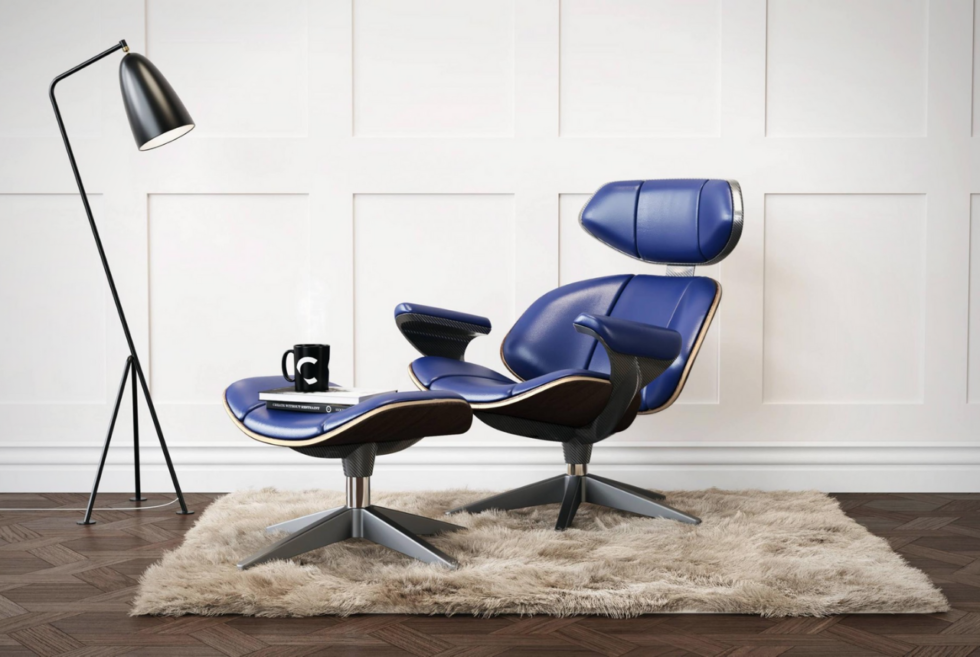
Famed automotive designer Ian Callum introduces the CALLUM Lounge Chair

When you come home from work or in our current situation — step away from your desk – a good couch or sofa would feel as plush as a high-end mattress. In fact, most households extensively use the aforementioned furniture to relax or take a nap. On the other hand, those who have tried an Eames Lounge Chair will no longer settle for anything else. In fact, renowned designer Ian Callum is putting his spin on one.

With machines such as the Ford Puma, Ford Escort Cosworth, Jaguar F-Type, Jaguar F-PACE, Jaguar I-PACE, Aston Martin Vanquish, Aston Martin DB9, and Aston Martin Vantage under his belt, you can be sure that Callum Designs will not disappoint.

As the saying goes, there’s no need to reinvent the wheel here. Instead, the man behind many of the automotive industry’s iconic machines presents his version of this comfortable seat. The CALLUM Lounge Chair is a thing of beauty that distinctly oozes the finesse of a supercar’s interior.

Delighted to announce our next design story – the CALLUM Lounge Chair, says the company’s official Instagram account. “A design icon meets a design team free to create without restraint. The use of carbon fibre is one way we’ve put a new spin on a classic.”

Just like most modern high-performance vehicles, carbon fiber is the material of choice here. You can find it on both the CALLUM Lounge Chair as well as on the accompanying footstool. Images show that some wooden parts are still intact, but the armrests are now supported by the durable composite.

Likewise, the manufacturer is also toning down on the cushioning for a sleeker silhouette. Tufts which are a familiar element on most Eames Lounge Chairs are not on this one. This handmade seat should be available in a wide selection of colors, but the blue one in the photos look stunning.

Learn more

Images courtesy of Callum Designs

Travel In Comfort With The Herschel Highland Carry-On

It’s time to fulfill that long-overdue trip now that travel restrictions are slowly easing in some countries amid this pandemic. When it comes to packing necessities, you don’t want to settle for a mediocre bag. The Herschel Highland Carry-On is not your typical travel gear as it is not only extremely lightweight but packs features found in travel luggage.

If you’re planning on a short trip overseas or a weekend getaway, then this works wonders. On the outside, it doesn’t look much with its front and top zippered pocket where you can stash in your passport, visa, or other quick-access items. There is also a small slot on one side to store smaller items.

Meanwhile, carrying handles appear on the top and on one side of the bag. The exterior has a minimalist appearance but the inside is where you get most of the bag’s features. The Herschel Highland Carry-On opens clamshell-style for easy packing and unpacking. Inside you have more than enough space to store your travel essentials using meshed zippered pockets. There are also garment straps to secure items in place.

This carry-on luggage gives you an amazing 35 liters of storage space at a lightweight design of just 2.81 kilograms. Its size is also convenient since you don’t have to put it in cargo and fits the overhead bin at 21.5″(H) x 13″(W) x 8.25″(D). Best of all, it offers comfort during transport.

You can either settle for the carrying handles or use the retractable three-stage locking trolley handle for convenience. The Herschel Highland Carry-On also comes with four multi-directional muted polyurethane wheels for easy maneuvering and comes with five color options to suit personal taste.

Get It Here

Images courtesy of Herschel

You Should Rotate Your Running Shoes More Often — Here’s Why

A version of this story first appeared in Gear Patrol Magazine. Subscribe today for more stories like this one, plus receive a $15 gift card to the Gear Patrol Store.


To many treadmill jockeys, owning multiple pairs of running shoes may seem like pretentious overkill — akin to the mediocre pool player who shows up to the billiards hall with his own cue in a black case. But here’s the thing: if you’re even the smallest bit more serious about your running regimen than those workaday joggers, a regular sneaker rotation is the smarter play over the long run.

Just ask Mario Fraioli, running coach and founder of the newsletter and podcast The Morning Shakeout. “Rotating your running shoes can actually help them last longer,” he says, “allowing the midsole foam ample time to fully rebound between runs.” A similar logic applies to your feet. Not unlike how switching up weight training workouts hits your muscles in new ways, different shoes stress your feet differently, which can keep them fresher — and make them stronger.

[Go read our guide to the best running shoes available in 2021.]

run

Henry Phillips

There’s a mental benefit, too. “Wearing different shoes for different types of runs can help put you in the right mindset for the specific task at hand,” Fraioli says. “When I pull out my lightweight trainers for speedwork, I know I need to focus because there’s a tough workout on tap, whereas sliding on my heavier everyday trainers for an easy run puts me in a more mellow, relaxed mindset.”

So how many shoes are ideal? Fraioli recommends three: one pair for speed days, another for easy recovery days, and a third for tempo runs — those sustained, near-max efforts that make your body better at moving blood and oxygen.

Granted, springing for three pairs of shoes at once can feel like a big hit to your wallet. But considering the fact they should last at least three times as long as a single jack-of-all-trades pair, while also making you a better, healthier runner, the question you should really be asking yourself is, Can I afford not to begin a little rotation?


Slow and Steady

Nike ZoomX Invincible Run

ZoomX Invincible Run

Nike jackrabbit.com

$179.95

Nike’s latest injury-prevention shoe features the same foam as the brand’s record-breaking Alphafly NEXT% and a sole that expands out beyond a normal footprint, particularly at the heels and the balls of the feet. That makes for a stable, supportive base that’ll help your feet tread safely and smoothly, mile after mile.

Adidas Ultraboost 21

Ultraboost 21

Adidas adidas.com

$180.00

The fact that Ultraboosts are already beloved doesn’t stop the brand from trying to make them a little better each year. The first major 2021 upgrade is six percent more Boost foam, the shoe’s bouncy, not-at-all-secret secret ingredient. The second is Linear Energy Push (LEP), an insert between the midsole and outsole that mimics the springy return provided by carbon plates in racing shoes.

Up the Tempo

Hoka One One Carbon X2

Carbon X 2

Hoka hokaoneone.com

$180.00

The original Carbon X was the first shoe with an energy-returning carbon plate designed for everyday runners, a distinction that earned it a place in the GP100. Its successor helped Jim Walmsley run the second-fastest 100 kilometers ever, thanks to Hoka’s beloved lightweight foam and an oversized, rockered heel that encourages a rolling stride.

New Balance FuelCell Rebel V2

FuelCell Rebel V2

New Balance amazon.com

$129.95

Light, springy, comfortable. The first FuelCell Rebel was one of the shoes of 2019. Thankfully, New Balance didn’t mess with a winning formula for this 2021 update. The shoe features a flared midsole design (something it shares with New Balance’s 5280 racing flat, which inspired the Rebel), offset medial lacing and mesh upper. It’s a smooth, comfortable ride that likes to go fast — no carbon-fiber plate required.

Speed Day

Saucony Endorphin Speed

Endorphin Speed

Saucony amazon.com

$159.95

Streamlined to a light and lively 7.8 ounces, Saucony’s quickest shoes pack a bit of stability and a bunch of performance-enhancing prowess. That’s mostly thanks to the brand’s Speedroll tech, an angling of the forefoot ramp that nudges your hip position forward during toe-off for swifter, more powerful strides.

Brooks Launch 8

Launch 8

Brooks amazon.com

$99.95

These 8.6-ounce speed demons boast lighter cushioning than their predecessors, plus a new air mesh upper that provides a secure, comfortable and breathable fit. They also feature additional blown rubber in the forefoot to simultaneously speed transitions and increase durability. The price is quite nice, too.

Want a Panerai Watch? Here Are 3 Worthy Alternatives That Won’t Cost as Much

You can spot a Panerai watch from across a room. Not just because of the brand’s typically bold sizing, but also due to its distinctive design and Italian swagger that seems to seep into the wearer’s skin. That image is only boosted by the brand’s exclusivity factor, with prices well into luxury territory.

For $4,500 you can get the Panerai name and familiar silhouette on your wrist in the Radiomir Base Logo, and the iconic Luminor case with its unmistakeable crown guard is $500 more. Those are the most basic models without bells, whistles or in-house movements — the vast majority of Panerai watches are significantly more expensive, even when they are functionally very simple (often indicating only the time). It’s the look (and quality), however, that continues to enthrall fans and garner some of the watch world’s most ardent followers.

Panerai’s genius is in its simplicity, and it’s quite possible that everyone sees something different in these watches, even if they’re equally captivated. Does a Panerai watch have to be big? Is it defined by its lume-sandwich-style of dial, its cushion case shape, Roman numeral font or the Luminor’s crazy crown guard mechanism? Or is it simply its bold, plainly handsome character? All of the above?

There are many Panerai knockoffs and homages out there, and we’re not here to introduce you to copycats. Rather we want something that offers a watch-wearing experience that’s somehow comparable to that Panerai magic — and I’m fully convinced that uniqueness is part of it. Though highly subjective, the three watches below each offers an attractive, affordable alternative to the Panerai feel in its own way.

Magrette

Magrette Moana Pacific Waterman

Magrette magrette.com

$300.00

New Zealand-based Magrette has been making affordable diving-focused watches for a lot longer than many microbrands. Many of their watches qualify as possible Panerai alternatives thanks to their cushion-like cases, legible sandwich-style dial and moderately bold sizing. This particular model measures 42mm wide and has a pretty reasonable price considering its Swiss automatic movement and premium features like sapphire crystal — oh, and its extreme water resistance of 500m.

Movement: ETA 2824 Automatic
Diameter: 42mm
Water Resistance: 500m
Price: $300 (preorder)

Nivada Grenchen

Nivada Grenchen Depthmaster

Nivada Grenchen nivadagrenchenofficial.com

$1,042.00

If you love the footprint of Panerai’s cushion case but not those bumptious sizes, check this out. The Nivada Depthmaster, also sometimes called “mini-Panerai” by collectors due to its case shape, was produced in the 1960s (when this case shape was more common) — and its modern version is essentially identical, right down to its size. (It also offers some of its own unique flare, too, particularly with its “PacMan” numerals.) At 39mm on an average-sized wrist, it’ll probably wear about the same as a Panerai does on Sylvester Stallone.

Movement: Sellita SW200 Automatic
Diameter: 39mm
Water Resistance: 100m
Price: $1,042 (available from July 2021)

Bell & Ross

Bell & Ross BR 03-92 DIVER

Bell & Ross bellross.com

$3,800.00

Hear us out: Panerai, at its heart and in its origins, is a maker of dive watches even if only their Submersible collection features the rotating bezel modern consumers expect on a dive watch. The Bell & Ross BR 03-92 Diver obviously has that diving character with its serious, legible dial, but it’s also got the big, unique wrist presence. Though it measures 42mm, its square case shape helps it wear a lot bigger and makes it a good option for those who consider size to be an essential part of Panerai’s charm.

Movement: Sellita SW300 Automatic
Diameter: 42mm
Water Resistance: 300m
Price: $3,800

This content is created and maintained by a third party, and imported onto this page to help users provide their email addresses. You may be able to find more information about this and similar content at piano.io