All New Lotus Emira Announced – Britain’s Affordable Supercar

Yesterday, Lotus took the covers off the brand new Lotus Emira. A mid-engined sportswear, the Emira builds upon Lotus’ highly successful Elise, Exige and Evora ranges, offering the glamour of a supercar at the price point of a sportscar.

Lotus believe that the Lotus Emira will be its final non-electrified car. It arrives with a choice of engines. The first is AMG’s turbocharged 2.0-litre four-cylinder inline 4. The second is the 3.5-litre supercharged Toyota V6, familiar to Exige and Evora customers already.

The AMG unit should produce 360hp, while the Toyota unit gives a heady 400hp. In a package that weighs 1,405kg, the Emira should achieve a 4.5 second 100 km/h sprint, with a top speed of 290km/h.

Those power units sit within a new lightweight bonded aluminium chassis. Lotus uses double-wishbone suspension all round and retains hydraulic steering. The chassis allows for a standard ‘Tour’ setting with a softer ride compared to the stiffer ‘Sport’, which will be offered with an optional Lotus Driver’s Pack.

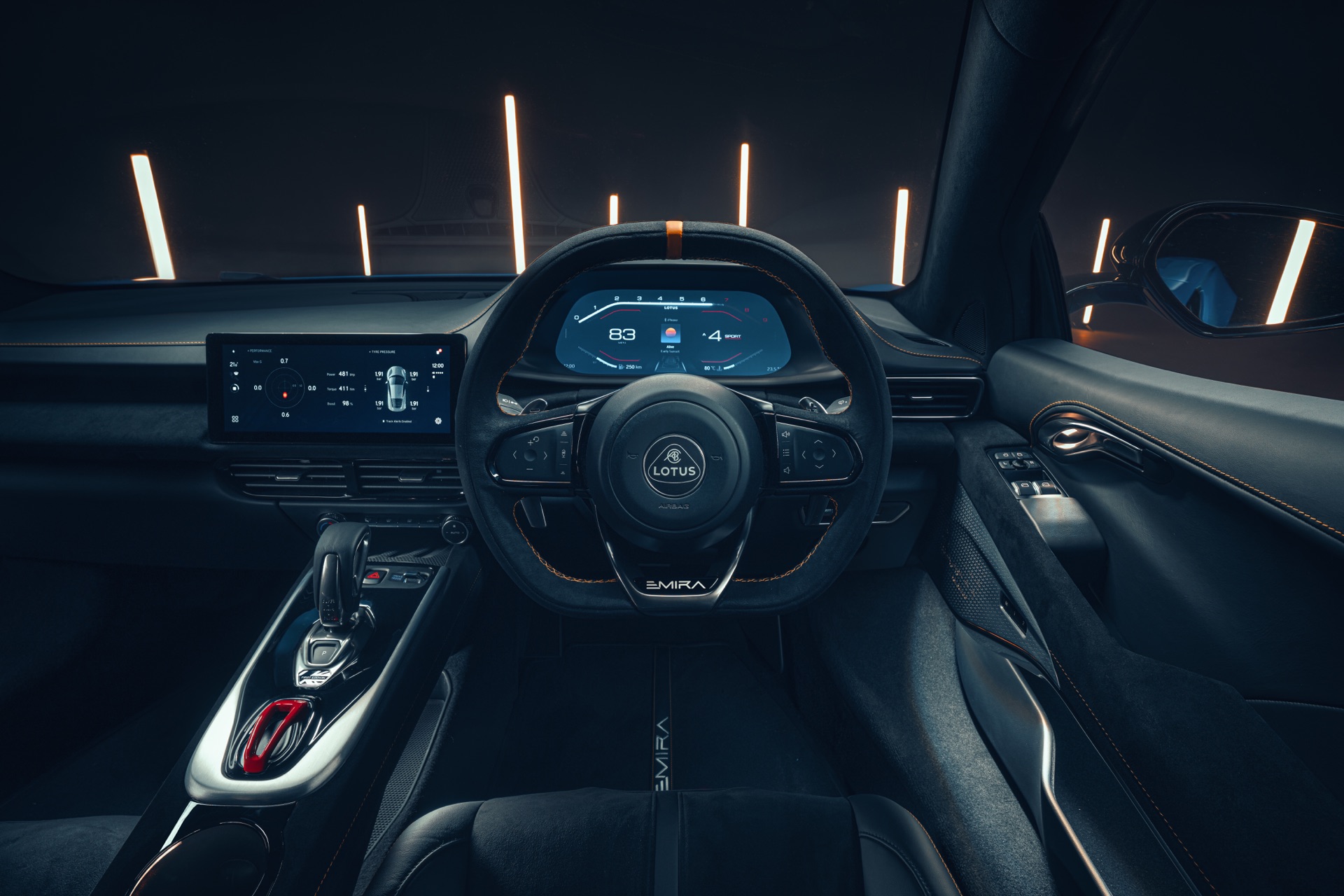
The interior receives a dramatic overhaul too. The wraparound cockpit features a modern interior with a touchscreen display. The driver information is digital and the surfaces look to be a modern blend of leather and Alcantara.A high step up from its previous models but retaining a spartan look that is sure to attract Lotus enthusiasts.
Lotus Emira

Lotus have big ambitions for the Lotus Emira. It hopes to sell 4,800 Emiras per year, a significant increase over the 1,400-1,600 Elise, Exige and Evora models it is used to producing.

The Emira is made possible by £100 million of investment into Lotus’ Hethel facilities. It should be available in key markets worldwide from Spring next year at a price point of less than €72,000. It will make its public debut at this year’s Goodwood Festival of Speed.
Dear G-Shock, I Want to Customize My Watch Online

Casio G-Shock watches come in seemingly a gazillion shapes, colors, configurations and variants. And yet, if you’re a G-Shock fan, you might find that the exact combination of features you dream of is surprisingly hard to track down. Wouldn’t it be cool if you could make your own G-Shock just the way you want it?

With more brands getting into the trend of online, made-to-order watch customizing, it seems like you should be able to do this — and no watchmaker is better suited to it than Casio.

The Japanese company surely has the technical ability and the enthusiastic fanbase to pull it off. The burgeoning cottage industry of G-Shock modders is proof that there’s a market hungry for personalized G-Shocks, and Casio could learn from it. It makes a lot of sense for the company, yes — but also, I just really want to make my own, perfect G-Shocks. Like, many of them).

New releases from most watchmakers often merely change up a color or highlight on an existing model — as if a designer hit “color fill” on a design element or two and then sent it off to production. Many G-Shock releases are like this, too, but the brand’s famous resin cases seem particularly versatile and suited to a quick tweak. Display options, technical features like Tough Solar and Multiband 6, highlights and straps — they all seem like fair game and not too difficult to swap. (Casio does offer custom orders to corporate clients ordering in bulk, but the process doesn’t look nearly as fun as using an online tool where you can create a single unique item.)

Setting up such an online customization tool and the systems to produce and deliver the product might have its challenges — but it’s been done in other industries for some time (sneakers come to mind), and even in watches. If prestigious brands like Porsche Design that are working with mechanical watches and materials like sapphire crystal and titanium can do it, why not Casio? G-Shock is a brand that should be leading the way in this field rather than falling behind the curve.

A G-Shock customizing tool would be awesome, but naturally limited. The brand could start with well-established lines like the 5600 and 6900 or newer popular ones like the GA2100 “Casioak,” rather than the many constantly evolving G-Shocks which (laudably) include fresh case and display designs that go far beyond simple color changes on a regular basis.
Therein lies another reason that Casio wouldn’t have to worry about undercutting their healthy collector and limited-edition markets: they’d still be able to have plenty of their own designs, as well. The more models, features and options in this hypothetical tool the better, but the brand would also be smart to curate them. For example, Casio could reserve graphic designs for their limited-edition collaborations with skaters, artists, etc. (It wouldn’t be ideal from a branding perspective to let people just print any picture from their phone on the strap.)

Part of the challenge would be designing the online user interface, but if any brand can make it fun and expressive for its customers, it’s G-Shock — one can envision announcements as frequent as those for novel watches that new options are now available for customization. Then, just think of the hype and social media sharing of people’s own G-Shock “collab” watches.

That’s what I want, but I’m just one person who would go nuts creating G-Shock watches of my own imagining — and I wouldn’t be alone.

This content is created and maintained by a third party, and imported onto this page to help users provide their email addresses. You may be able to find more information about this and similar content at piano.io

The McLaren 765LT Is a Fighter Jet on Wheels

To test the limits of the 765LT requires taking it to a place where you’re unconstrained by pesky things like, say, speed limits and oncoming traffic. (To be fair, that’s really the case with any McLaren — or other modern supercar — but it goes double for the 765LT.) So, I took it northward from New York City to the top-left corner of Connecticut, where historic Lime Rock Park lies.

Sadly, historic Lime Rock Park’s 1.9-mile track was filled with historic race cars the day I went, and while they said they’d be happy to let me on the course with them, the prospect of accidentally demolishing a vintage car and its driver with the weapons-grade Macca felt like too big a chance to take. (Also, I forgot my helmet.) Luckily, however, the kind folks at FCP Euro were more than happy to give me exclusive access to their recently acquired autocross course that fills much of Lime Rock’s infield.
Autocross, in a way, is a particularly trying test for a car like the 765LT, because it largely neutralizes the supercar’s power advantage, instead forcing more attention on the handling and balance. I ran most of the course in second gear, occasionally short-shifting into third just to see how the engine behaved at lower revs.
The 765LT probably would have rather been on a bigger track, but it proved a well-balanced delight on the autocross, with an immediacy of turn-in and reaction that was just as delightful at parking-lot-fun speeds as it was on the occasional high-speed on-ramp blasts I managed to sneak in. Like the 720S, this Macca boasts the Proactive Chassis Control II Suspension that does without traditional anti-roll bars, instead using interlinked hydraulics to keep the car preternaturally level and balanced even when being hustled. And while the idea of a sports car at this level going without a limited-slip differential seems baffling in principle, McLaren’s brake-based open differential alternative — which slows the inside wheel with the brake caliper instead of speeding up the outside wheel via LSD — works damn well in principle. Bottom line, not only is the 765LT quick — it’s fun.

Best Sports & Performance Cars From The 1980s

The 1980s. Peak Michael Jackson. MTV. The Atari 2600. Mullets, hi-top fades and big perms. Throw some epic sports cars into the mix. What a time it was to be alive.

Many enthusiasts argue that when civilization’s odometer rolled over into the ’90s, the automotive industry also began to crest over the widespread preference for analog technologies, into an era ruled by microchips and computers. Today, that movement has proliferated into one where artificial intelligence is on the cusp usurping the current status quo.

All of those things make the ’80s all the more romantic for those who have time to reminisce; and that certainly is the majority of us in recent times. Automobiles of this era typify this sentiment, regardless of whether you’re someone who lived through the period, or have had to experience it through a third-party lens. There’s a purity and down-to-earth-ness that only sports cars from the 1980s can express in this style.

While the ‘fast’ cars of the day were always respected for what they were, a good sports car was never touted solely based on its 0-60 mph times, or how much horsepower it produced. This narrow-minded measuring stick is more of a recent phenomenon – spurred on mostly by marketing departments – though thankfully, true automotive enthusiasts usually know better. It’s this demographic which typically maintains an admiration towards boxy silhouettes, pop-up headlights, laggy turbos and high-revving naturally-aspirated engines – cars with no shortage of character and charisma.

Here’s the shortlist of 15 such cars, which we have curated:

Audi Quattro

Audi Quattro

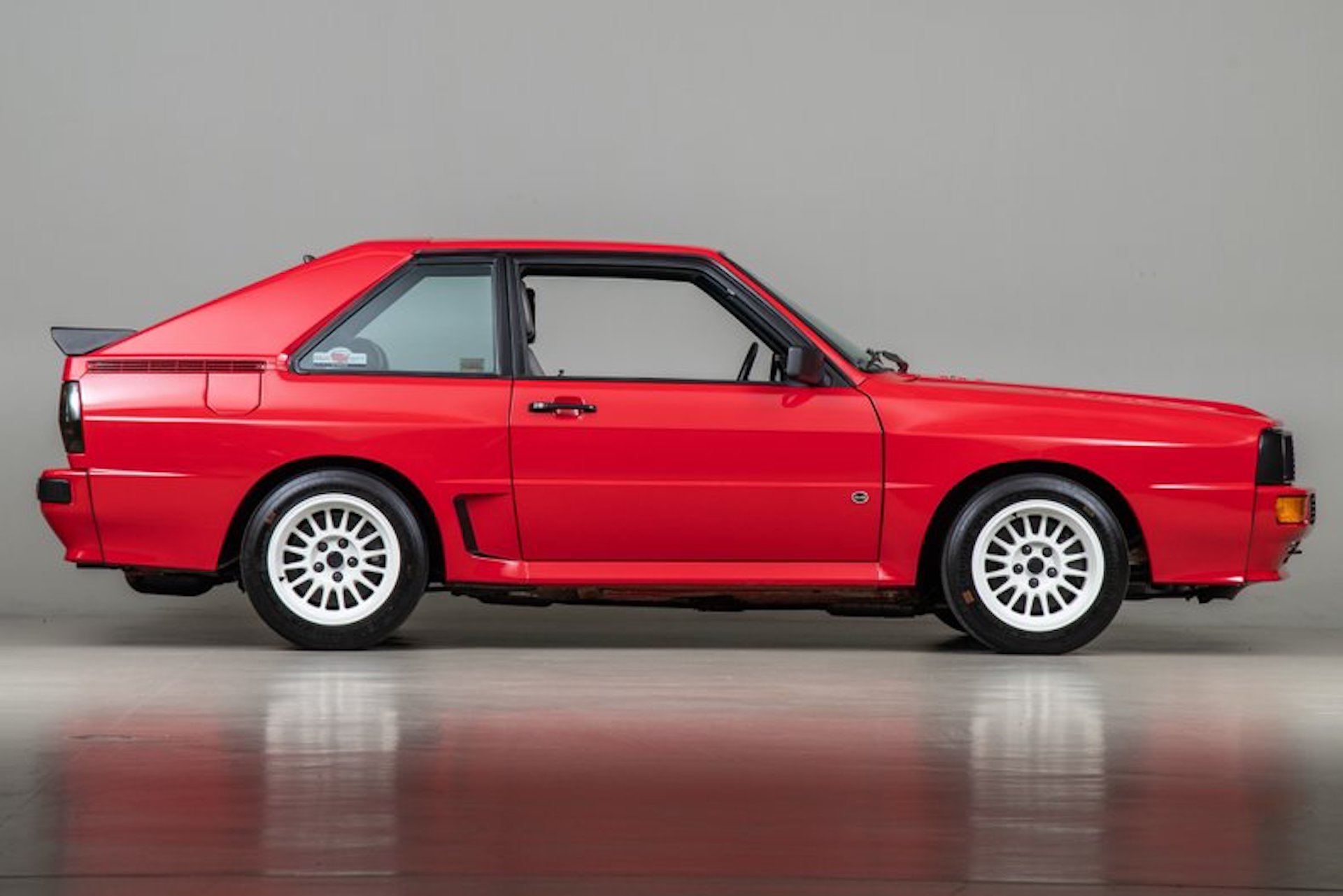
The Audi Quattro is a prominent figure in automotive history. First introduced in 1981, the Audi Quattro would revolutionize rally racing; and subsequently the trajectory of production car technology. It was the first rally car to effectively and reliably use all-wheel drive and would go on to to be a benchmark for future cars fitted with such a drivetrain.

Eventually, it would be replaced with the Audi Sport Quattro in 1984, after shortcomings of the aforementioned car – such as its relatively large weight and dimensions – became too apparent. Taking advantage of the lenient homologation requirements of the time, Audi engineers went full tilt in creating a successor to the Quattro, doing so after producing the required 200 Sport Quattro cars. It was equipped with an entirely unique 5-cylinder turbocharged powerplant which produced 302 hp @ 6,500 rpm, which was equally impressive technology for the day.

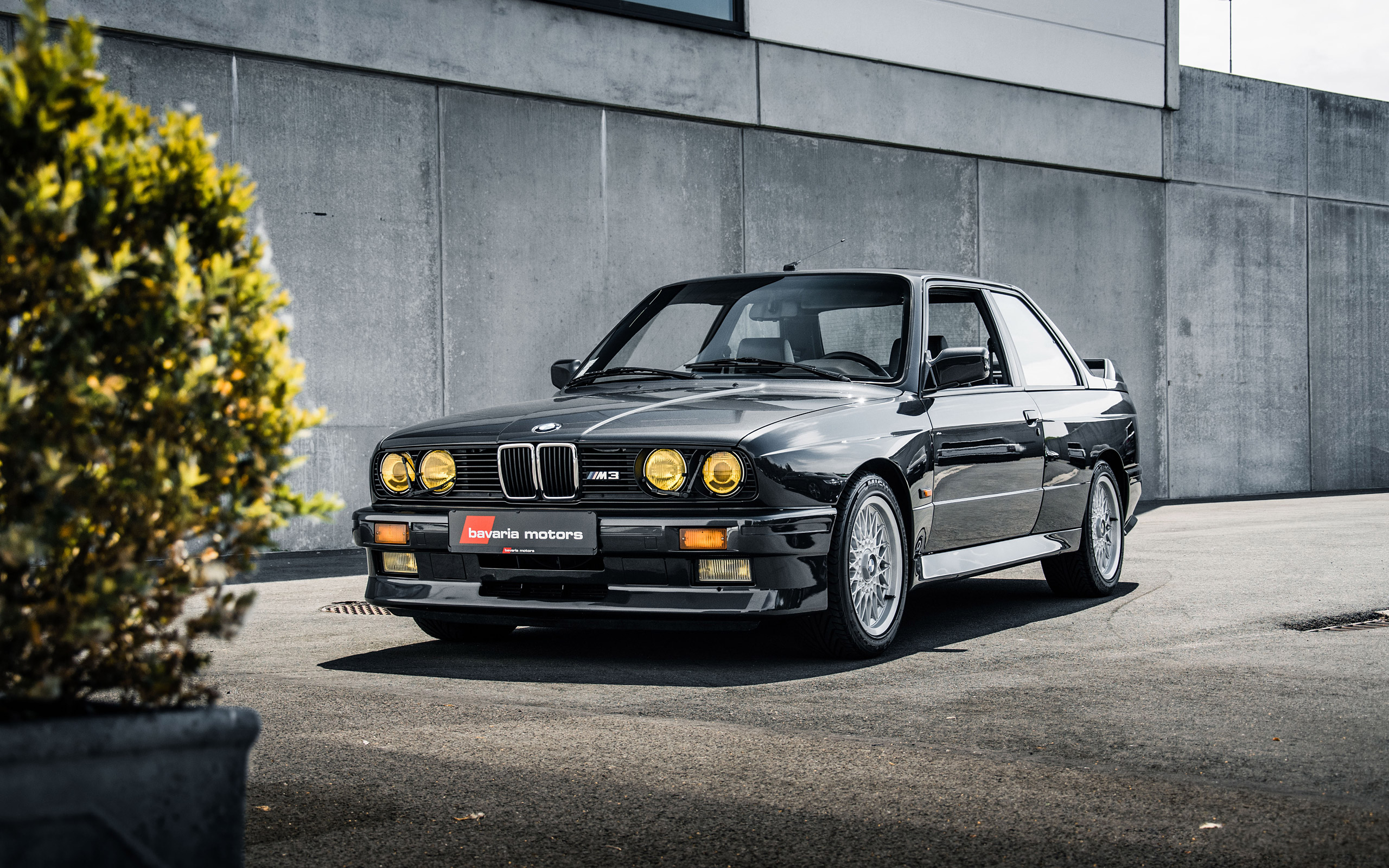
BMW M3 E30

BMW M3 E30

Based on the 1986 model year E30 3-Series, the E30 M3 used the BMW S14 engine to transform the diminutive commuter into a driver-focused, rear-wheel-drive sports car for the true enthusiast. The naturally-aspirated 4-cylinder engine produced 215 PS without a catalytic converter. Our pick is the the “Evolution” model which had produced up to 220 PS  and included thinner rear and side window glass, a lighter boot lid, a deeper front splitter and an additional rear spoiler.

Yes, the E30 is the genesis for one of the greatest sports car in the world. Because of homologation, BMW had to create a roadworthy version of the M3 racing car to compete and they did it in a spectacular fashion. BMW made mincemeat out of Mercedes in DTM and ruled British Touring Car, and many other racing series. The E30 M3 was produced out of necessity and it was a great success.

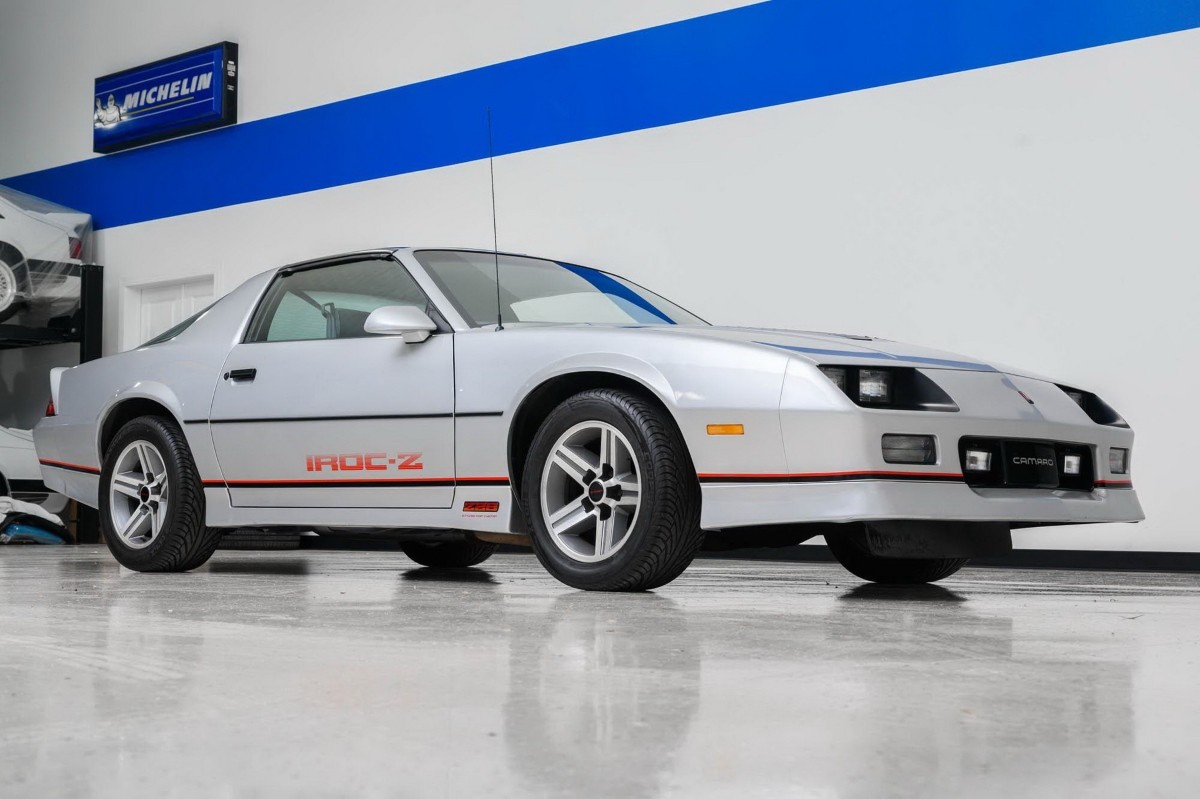
Chevrolet Camaro IROC-Z

Chevrolet Camaro IROC-Z

Few cars were as synonymous with US culture as the Chevrolet Camaro was back in the ’80s, and the IROC-Z was the epitome of this. The car also typified the golden era of “American Muscle”, and was fitted with a 5.7L naturally-aspirated V8 engine which produced 220 hp and 320 lb-ft of torque.

With its decidedly angular silhouette which was worn over a red-leather interior – plus a removable T-top to boot – not many things could embody the American dream quite like the IROC-Z. For these reasons, the car continues to maintain a cult-following to this day.

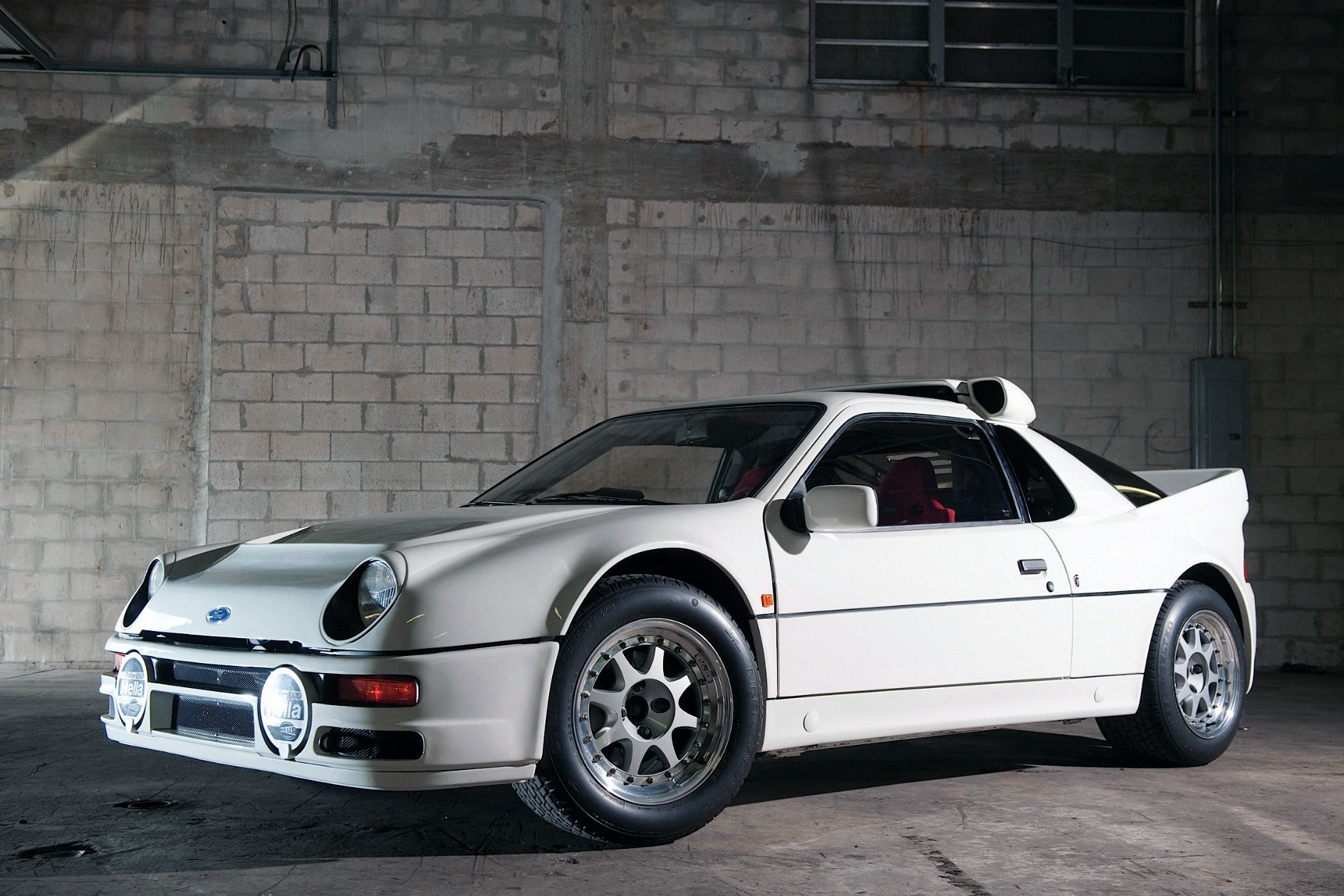
Ford RS200

1985 Ford RS200

For years, many people were baffled when they opened up the Guinness Book of Records and discovered that the world’s fastest accelerating car was a none other than a Ford – and a curiously small, almost goofy-looking one at that.

Ford has created some phenomenal motorsport machines, but one that often gets overlooked is the RS200. Aside from the Ford GT, it has to be up there as my favorite Ford car. Built from the ground up as a Group B rally car, the RS200 was a short wheelbase, four-wheel drive missile which demanded both incredible finesse and bravery, to extract its full potential.

In order to meet homologation requirements, the FIA required that 200 road going models needed to be produced. The road car featured a 1.8-litre Cosworth tuned four-cylinder motor that produced around 250bhp. It continued to embody its rally roots with its characteristically short overhangs, large hood scoop, roof air-inlet, and eccentric rear wing. Already a lot to handle for even the best drivers, 24 of the 200 cars were upgraded to the 600 bhp Evolution spec by owners who wanted more power. After the death of Henri Toivonen in 1986, Group B cars were banned and the RS200 was retired after only two years of competition.

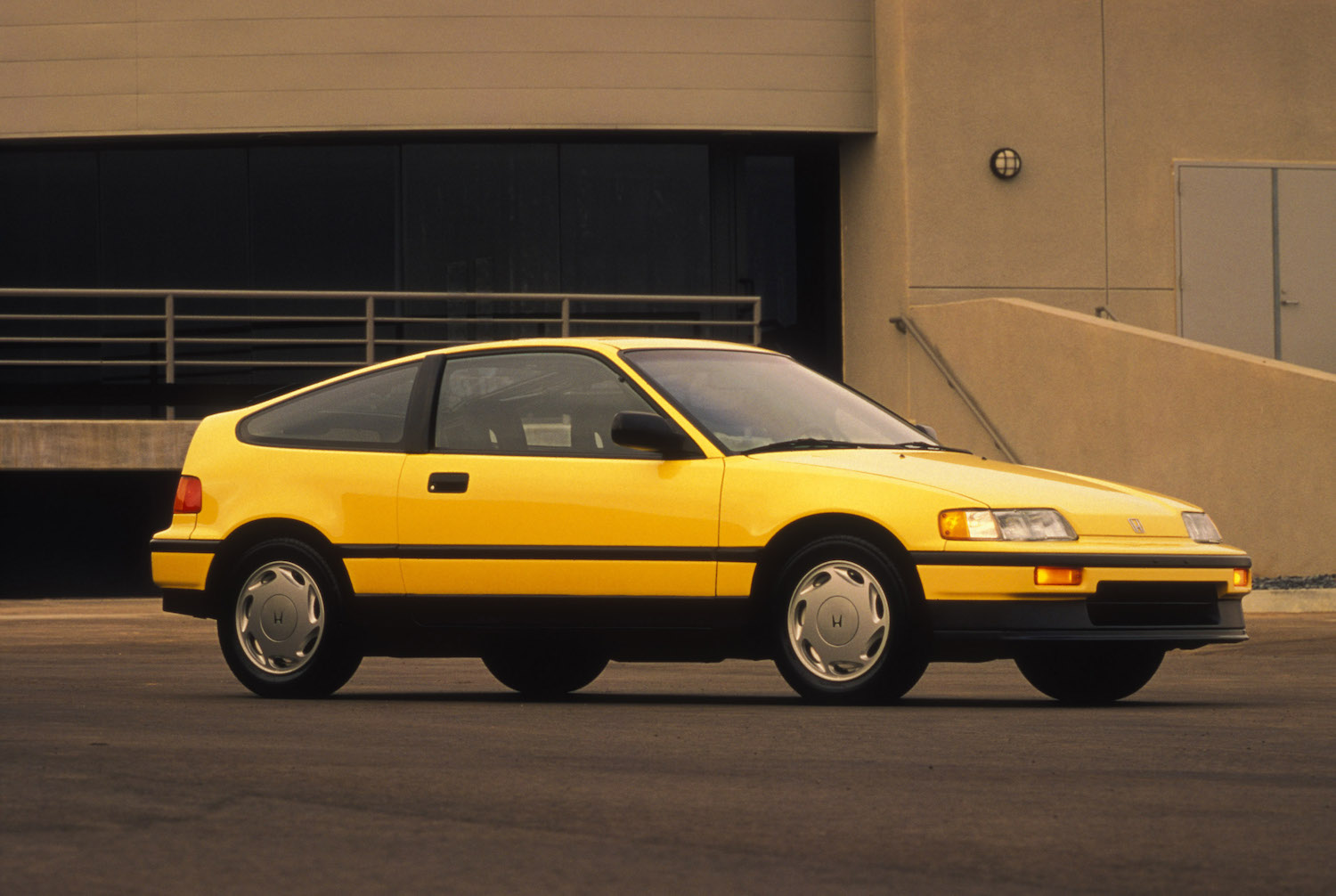
Honda CRX Si

Honda CRX Si
Honda CRX Si
1989 Honda Civic CRX Si.

I don’t think many would argue against the idea of the Honda CRX – particularly its range-topping Si model – being one of the forefathers of the sport compact movement that would eventually hit the North American continent with the force of a tsunami. Reliable, practical, fun, sporty and affordable, the CRX was one of the first cars on the planet to successfully amalgamate each of these characteristics into a single package with unanimous appeal.

Unheard of, even in modern times, the CRX Si features a fully independent double-wishbone suspension at all four wheels. The 1.5L 4-cylinder perfectly complimented the agility of the chassis, producing a spritely 105 hp and 98 lb-ft of torque on a feather-light 2,017 lb. frame. With a 5-speed manual transmission, the Si would accelerate from 0-60 mph in around 8.5 seconds.

The Honda CRX has undoubtedly become one of the most beloved Hondas ever produced.

Mazda RX-7 Turbo II

Mazda RX-7 Turbo II

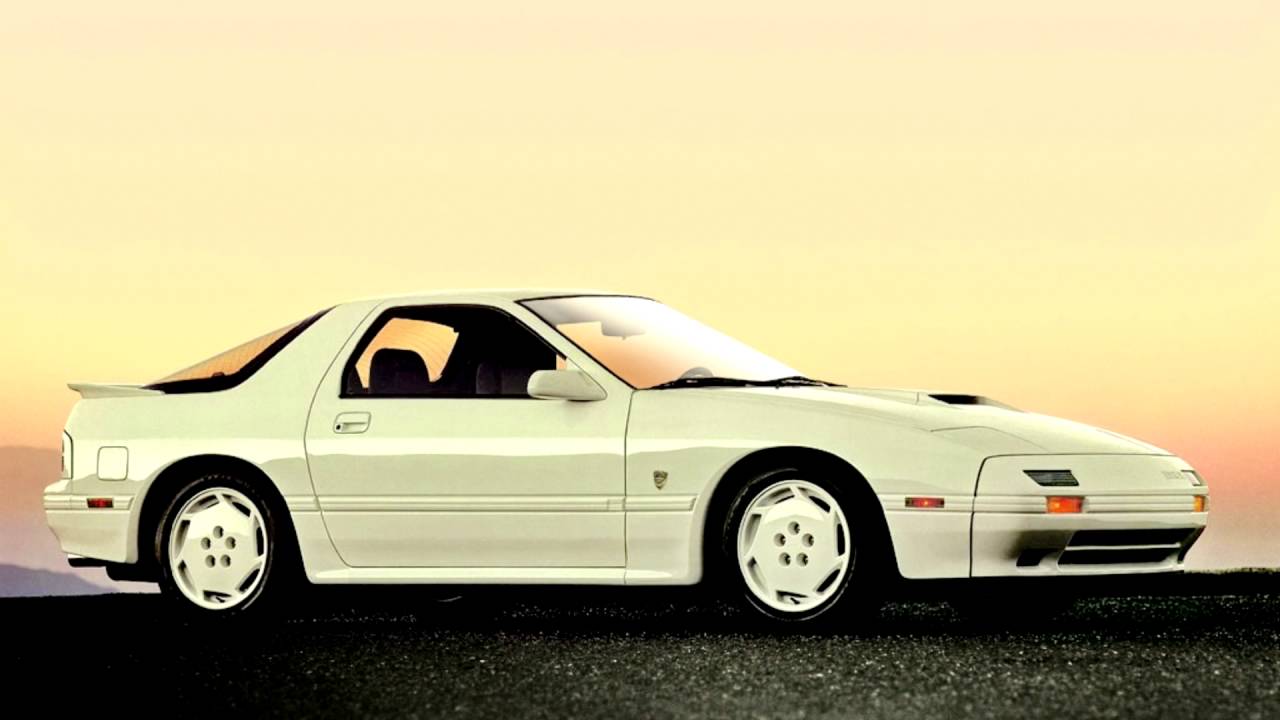
It’s not a very well kept secret that the FC3S Mazda RX-7 was generally considered – and at times, even marketed – as a poor man’s Porsche 924. The rotary-powered car was inherently unique because of how it moved, but its decidedly ’80s-era Japanese styling also contributes to its overall charm. Boxy features, pop-up headlights and a delightfully analog interior, the RX-7 depicted that era of JDM-ness to an absolute ‘T’.

The Turbo II was a cut above the other models, featuring – as its name suggests – a turbocharged power plant instead of the naturally-aspirated wankel engines seen in the rest of the line-up. The rear-driven Turbo II outputs 182 hp and 183 lb-ft of torque with the help of a single turbocharger. Mazda recently announced that it will be offering a heritage parts program for the RX-7, which will make it easier for owners to restore their cars with factory parts.

Nissan Skyline GT-R R32

1989 Nissan Skyline GT-R

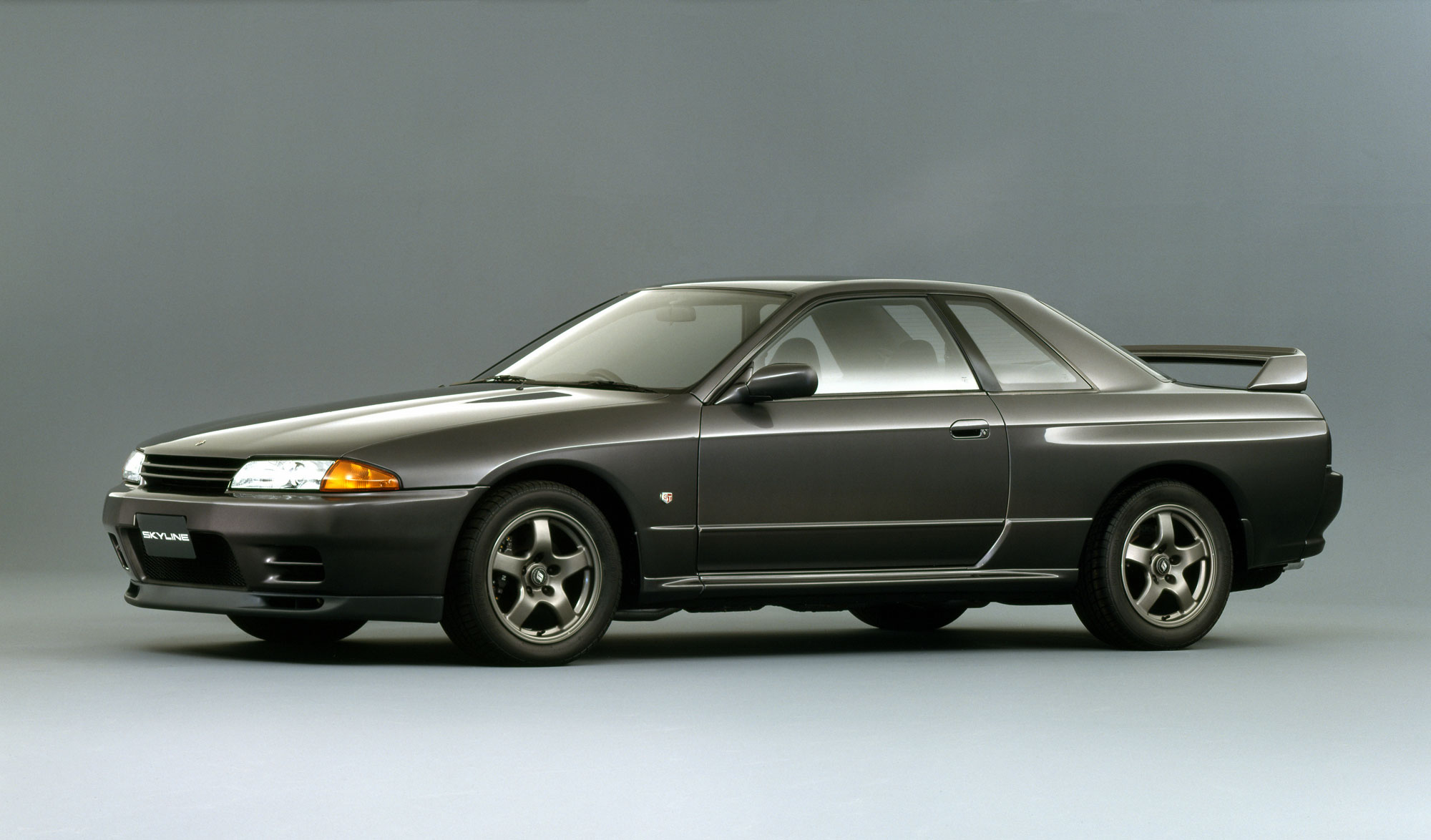
As one of Japan’s most celebrated performance cars, the Nissan Skyline GT-R has developed an immense racing pedigree that includes over 200 race wins, five consecutive championship wins in the all Japanese Touring Car Championships and the unofficial lap record for a production car at the world-famous Nürburgring. Every aspect of the Skyline GT-R, from the aerodynamics to body rigidity, has been fine-tuned through competitive racing.

As a road car, the R32 GT-R reached new heights of sophistication. Multi-link suspension front and rear, electronically controlled intelligent four-wheel drive and four-wheel steering, a 2.6L 24-valve straight-6 powerhouse of an engine boosted to 276 hp by a pair of ceramic turbochargers – the R32 pushed forward the boundaries of supercar engineering. While the general public tends to refer to the later R34 GT-R as ‘Godzilla’, true enthusiasts know that the R32 is the real OG here.

Peugeot 205 GTi

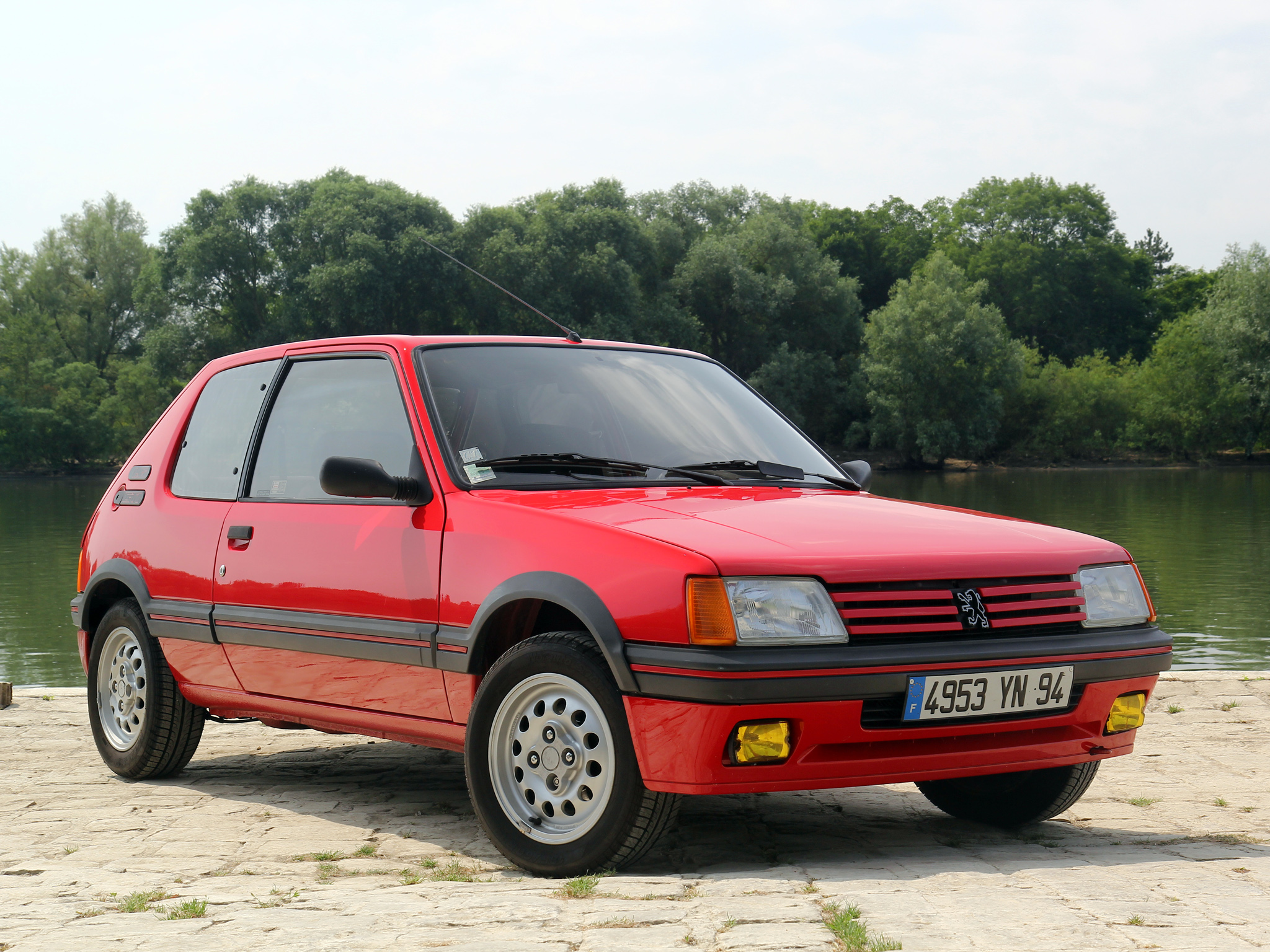
Peugeot is the hot hatch automaker. No other automotive brand has consistently delivered small, sporty and agile cars that are so amazing to drive. From the original Peugeot 205 T16 to the sleeper Peugeot 405 Mi16, there are many fan-favorites that have come from the French company.

Many people believe the 205 GTI is the greatest small hatch of all time. Thanks to its 128 hp 1.9L engine (the original produced 113 hp from a 1.6L), it was hugely popular. Lightweight, agile and brimming with feedback, this dynamic hot hatch captivated everybody.

The thing that stands out with the 205 GTI is the way it drove. Direct steering, strong performance and a sports car chassis; it just “felt right”, engaging drivers in every part of the driving experience. Remains a benchmark for hot hatches, even today.

Porsche 911 Carrera 3.2

Porsche 911 Carrera 3.2

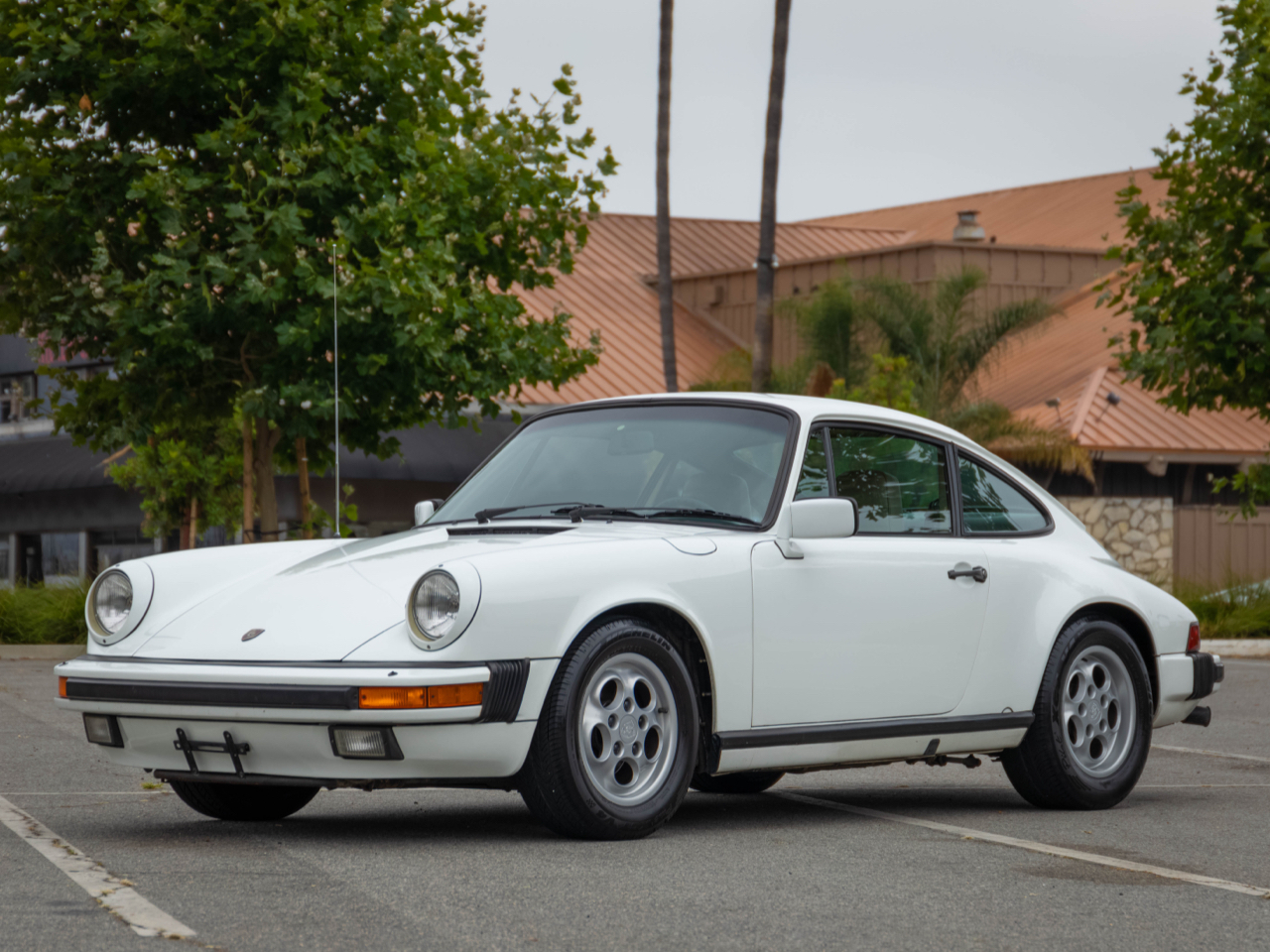
The Porsche 911 Carrera 3.2 was introduced in 1984, effectively replacing the 911 SC. Thanks to a retuned suspension geometry, a bump in power, and a more bulletproof drivetrain, this final production run of G Series cars remain some of the most sought after 911s in the classic car market.

In 1987, Porsche launched the 3.2 Carrera Club Sport, and while it isn’t an official “RS” model, the car managed to hit a sweet spot for amateur racers who would do just as well with a more spirited version of the 911. The car is a more spartan version of the regular 911 road cars, produced with track-use in mind.

Weight reduction was a large part of the formula for the Club Sport, which had forgone luxury items seen on the regular Carreras, such as a sunroof. Depending on options, the Club Sport would shed between 50kg to 100 kg over the aforementioned. Improved engine internals also allowed the engine to be more smooth and responsive. Only 340 were produced worldwide.

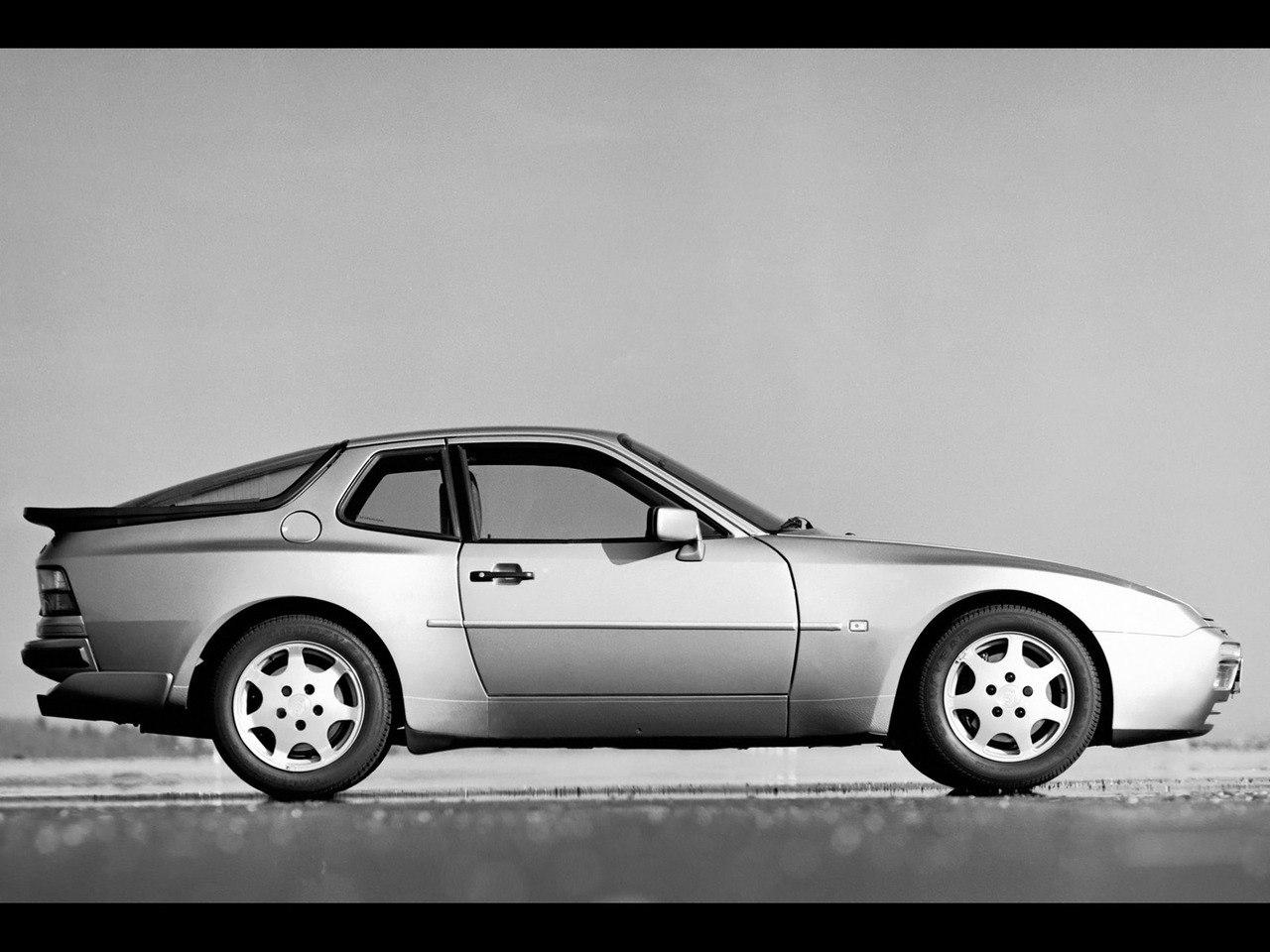
Porsche 944 Turbo

Porsche 944 Turbo

The 944 Turbo’s 217 hp 4-cylinder engine with water-cooled turbo technology not only received lots of praise, but it also chalked up several motorsport successes. Experts celebrated its debut as the fastest car in the world which was fitted with a catalytic converter, and even the cleanest automobile in the world; others simply summed it up as ‘Porsche technology at its finest’.

From the excellent weight distribution – which earned it numerous handling accolades when new – to the nostalgic traits of German build quality – evident even in the ‘soft click’ when closing a door – the 944 is a reminder of a special period in Porsche’s history. Add to that, 2+2 practicality and a spacious rear hatch, and the 944 is a classic you can use daily. The 944 Turbo differed from the basic model visually through its aerodynamically optimized front end, black door-sill trims at the sides and the color-coded rear-end diffuser.

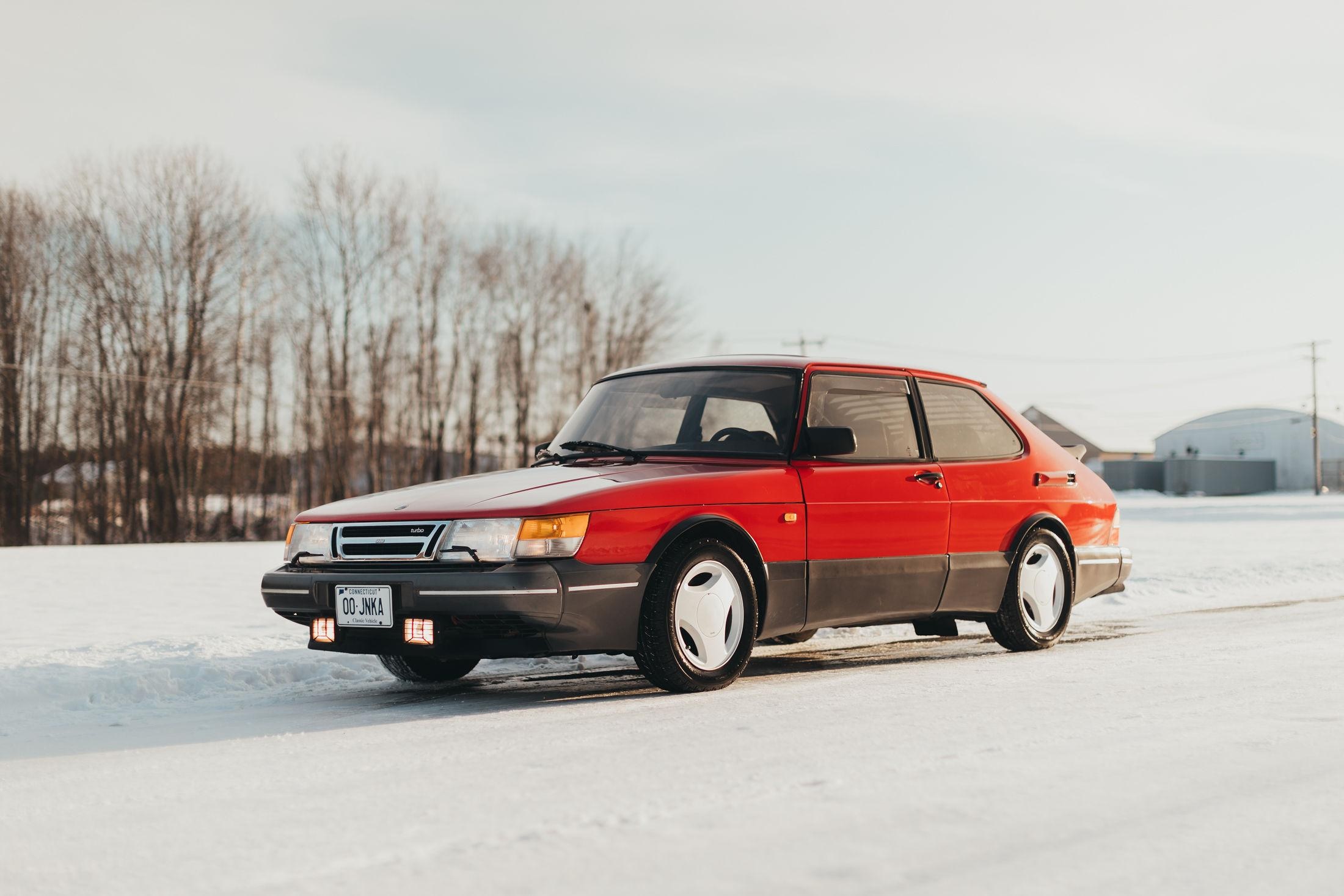
Saab 900 TurboSaab 900 Turbo in the snow

These days, you’d be hard-pressed to find many people who remember Saab as a brand, nor as one of the pioneers of bringing turbochargers to the mainstream. But, they were most certainly both of those things, with the company’s heyday taking place during the late 1980s and early 1990s. Part of this quest included fitting those aforementioned forced-induction devices into their Saab 900 Turbo, which was a hatch…which kind of also makes the 900 Turbo the pioneer of the modern-day hot hatches we see today.

With a quirky appearance which borderlines on being a caricature of itself, the 900 Turbo was had that characteristic sense of solidity and Scandinavian minimalism. This made the cars undoubtedly reliable – bulletproof, some would say – and an absolute joy to drive. A hot hatch, before hot hatches were cool.

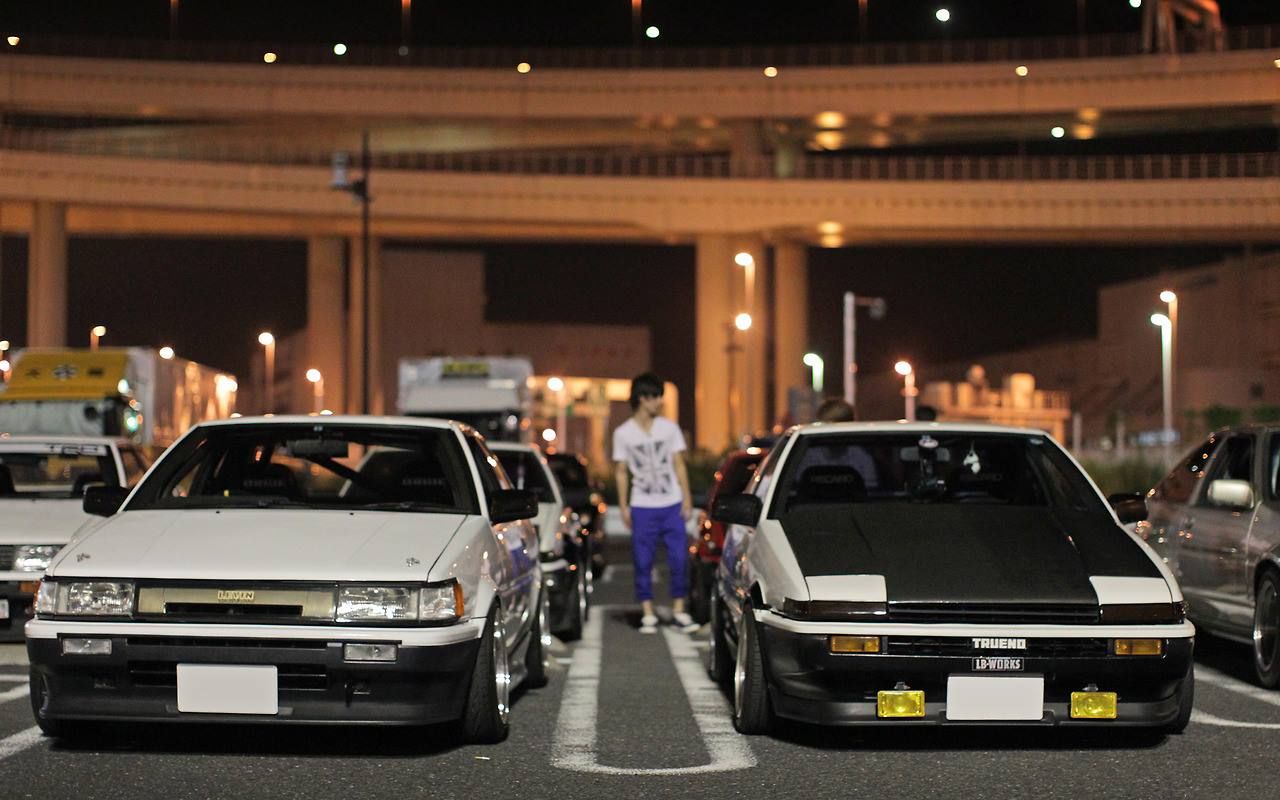
Toyota Corolla GT-S

Toyota Corolla AE86 GT-S

The AE86 Toyota Corolla is a cultural icon in Japan, and its unique JDM aura has also captivated enthusiasts from all over the world. Many attribute the international popularity of the car to its association with the original and real-life “Drift King”, Tsuchiya Keiichi, and its starring-role in the internationally-enjoyed Initial D anime series. Back in Japan, the AE86 was always popular in grassroots motorsports and was one of the first cars to make “drifting” a real thing.

Small, nimble and powered by a high-revving naturally aspirated engine, the AE86 is arguably the most sought-after in its hatchback body-style, although coupes are also a popular choice. Catching sight of a properly-kept example on the road these days seems to be a bit more rare than it should be – after all, they were solidly built cars – but when it does happen, it takes you back in time like no other car can.

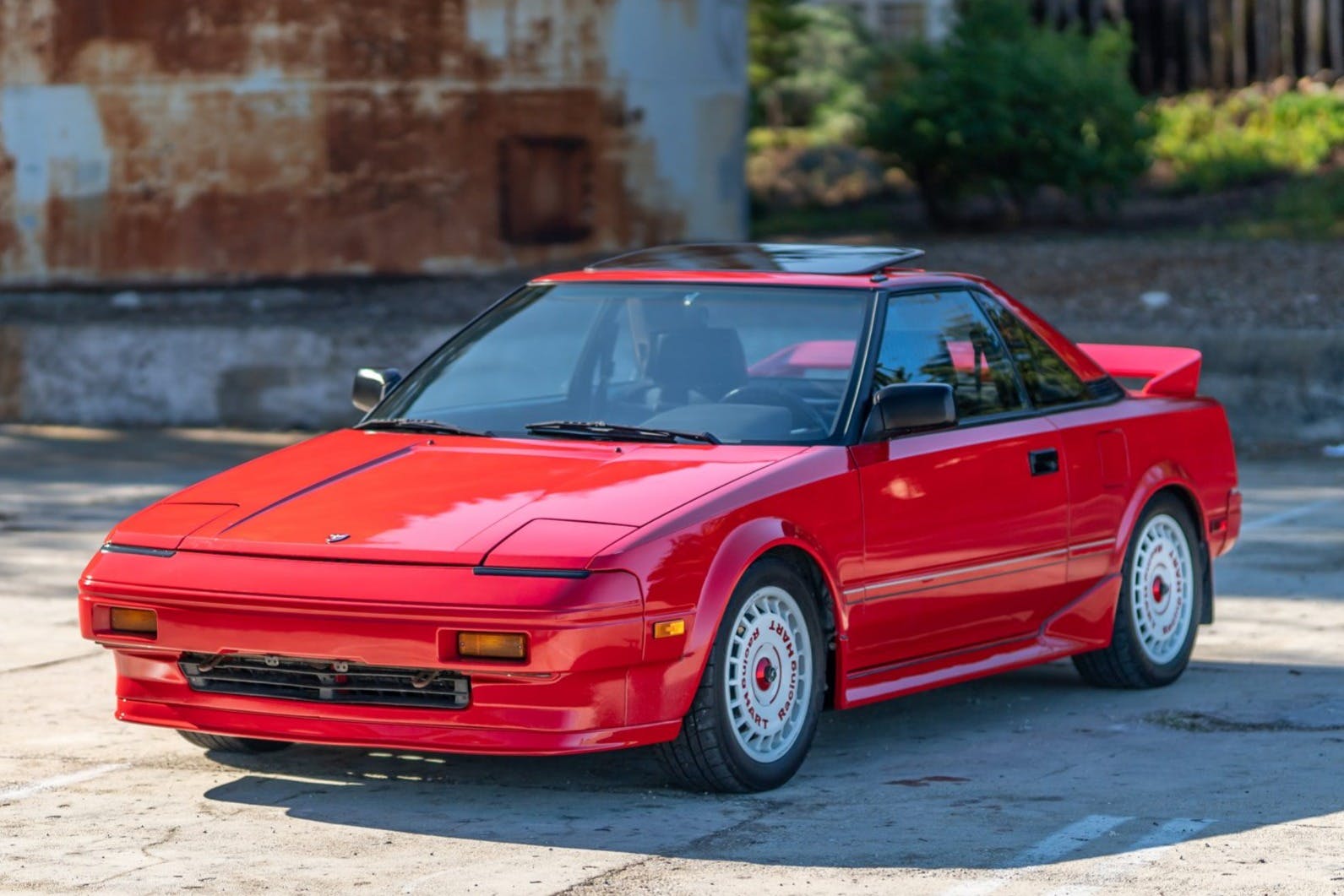
Toyota MR2

Red Toyota MR2

The Toyota MR2 was the marriage of prime ’80s JDM characteristics, with the excitement of a mid-mounted engine. As a family unit, that made the MR2 reliable, sporty, affordable, and – for one of the first times in a mass-production Japanese car – exotic too. Certain crowds like to compare the car to the Pontiac Fiero, which was released one year before it, but the fact is that the MR2 was a cut above its competitor which was plagued with various malaise.

For its time, the MR2 had just about all the features you would expect in an exotic car, but scaled down a bit. Namely, a 1.6L inline-four engine mounted ahead of the rear axle, disc brakes all around, a 5-speed manual transmission and a fully-functional rear spoiler. In 1987, a supercharged variant was introduced, producing 145 hp and 140 lb-ft of torque as well as having the option to spec the car as a Targa-top with a removable glass panel.

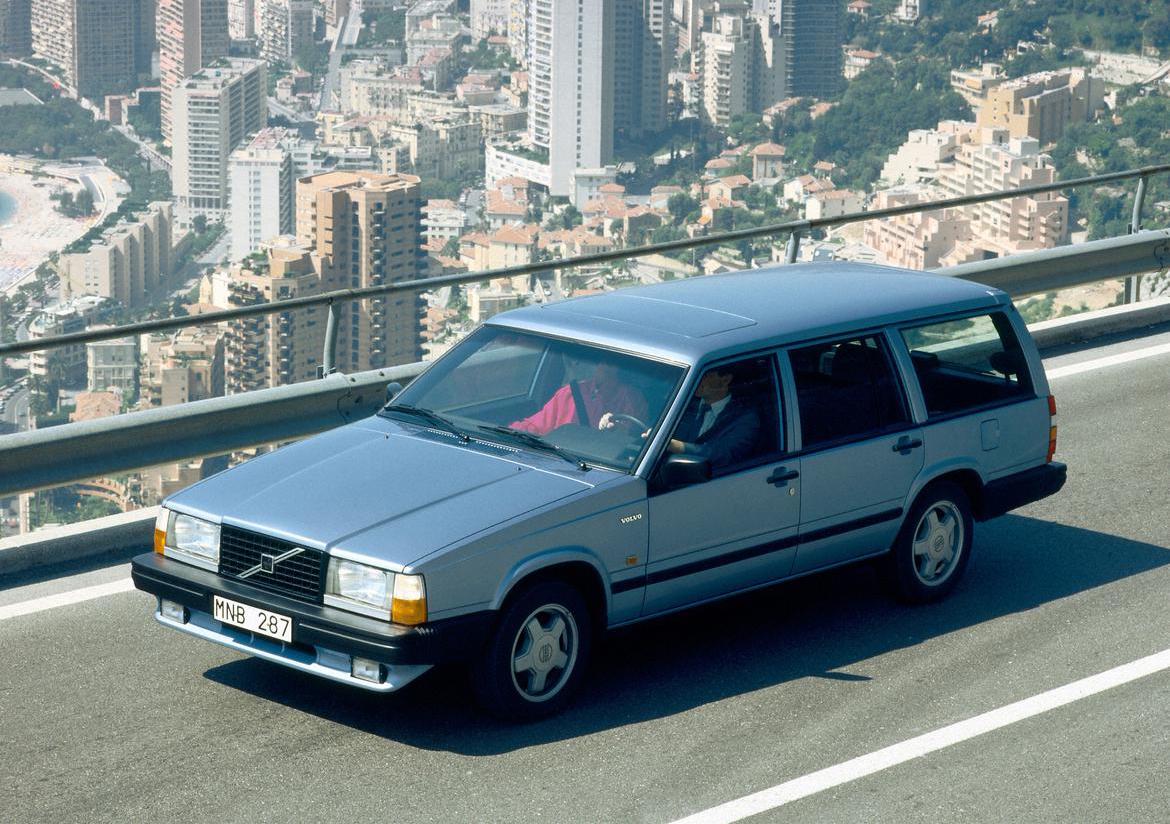
Volvo 740 Turbo Wagon

Volvo 740 Turbo Wagon

Volvos – particularly some of the older platforms such as the 740 Turbo Wagon – have been the subject of a growing following over the years, as performance enthusiasts and grassroots circuit drivers alike have discovered the now hard-to-keep-secret that is its Redblock B230FT engine.

Built on a decidedly Scandinavian philosophy of minimalism and straight-forwardness, the Redblock engines have a reputation above all else, for being extremely bulletproof. This is the reason you see more of those old-school Volvo wagons and sedans (amicably referred to as “Turbo Bricks”) on the road today than maybe you should. Rear-wheel drive, turbocharged, and as solidly-built as a freight train, the Volvo 740 Turbo Wagon upholds the most sacred Scandinavian automotive philosophies with the utmost honor and diligence.

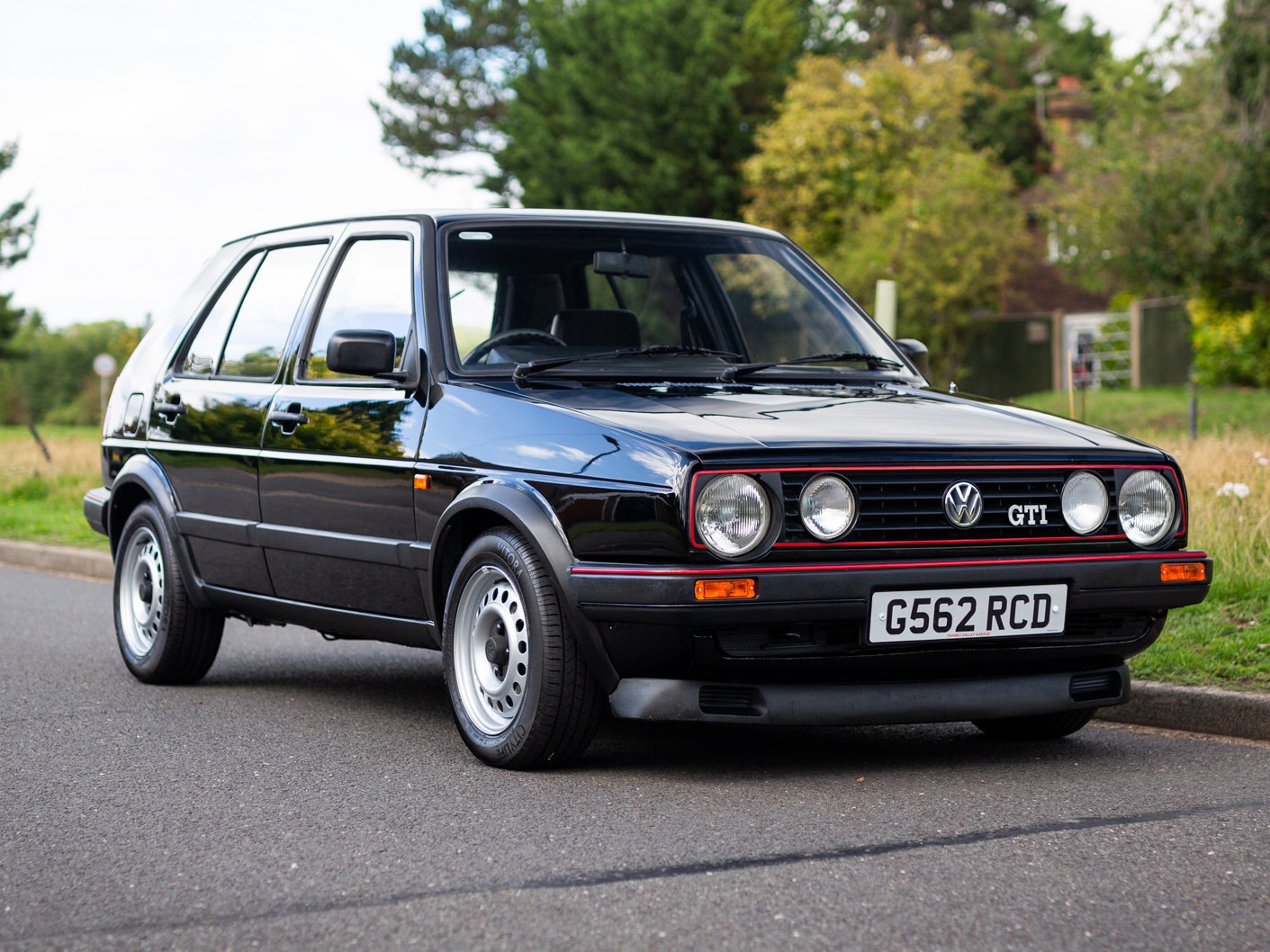
Volkswagen Golf Mk2 GTI

Volkswagen Golf Mk2 GTI

Yet another hot hatch on this list, the Volkswagen Golf Mk2 is the second generation of the Volkswagen Golf, and the successor to the Volkswagen Golf Mk1. It was Volkswagen’s highest volume seller during the decade and had a production run spanning from 1983 to 1992. With so much competition in this segment at the time, the Golf initially struggled to find its feet as its rivals pulled ahead.

The introduction of the range-topping GTI model in 1984 helped turn the tide, with a 1.8L inline-4 engine featuring Bosch fuel injection as the centerpiece of this riposte. Later GTI models were available with a more powerful 16-valve engine – versus an 8-valve in the earlier editions – which produced 127 hp and 124 lb-ft of torque, which was then sent to the front wheels via a 5-speed manual transmission. All GTI models sported the now-iconic distinctive red trim around the front grill, as well as the signature ‘golf ball’ shift knob – a tradition which continues on today’s GTI-badged cars.

Peugeot Unveils The 2022 9X8 Prototype Hypercar Racer

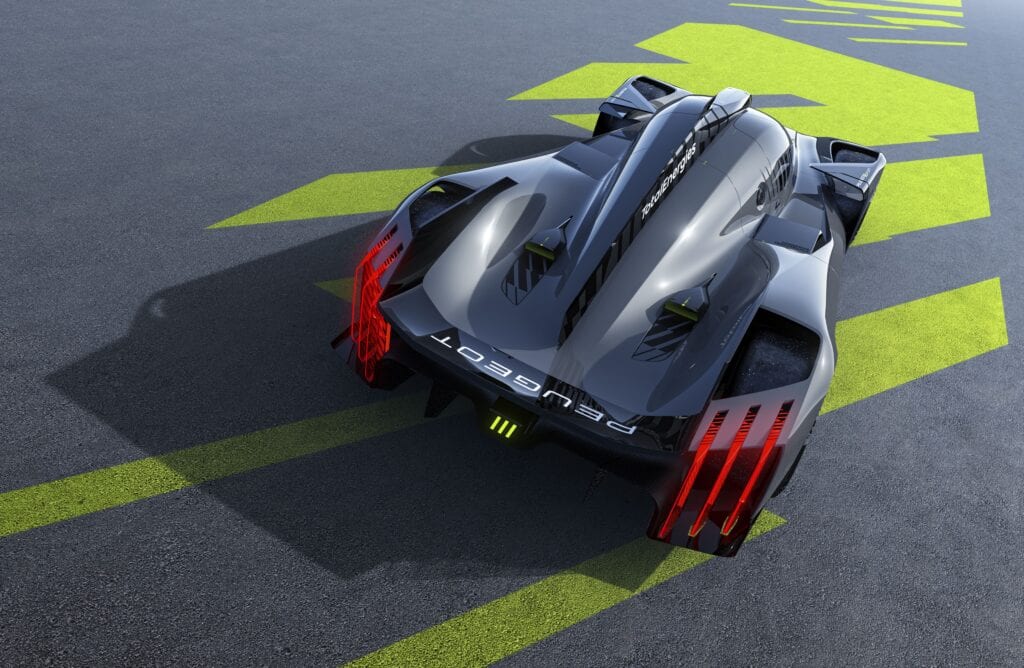
Peugeot has over the past couple of years, after the prototype hypercar class was announced for the 2022 FIA World Endurance Championship, been teasing and revealing little bits here and there about their contender.

2022 Peugeot 9X8 Hypercar

2022 Peugeot 9X8 Hypercar
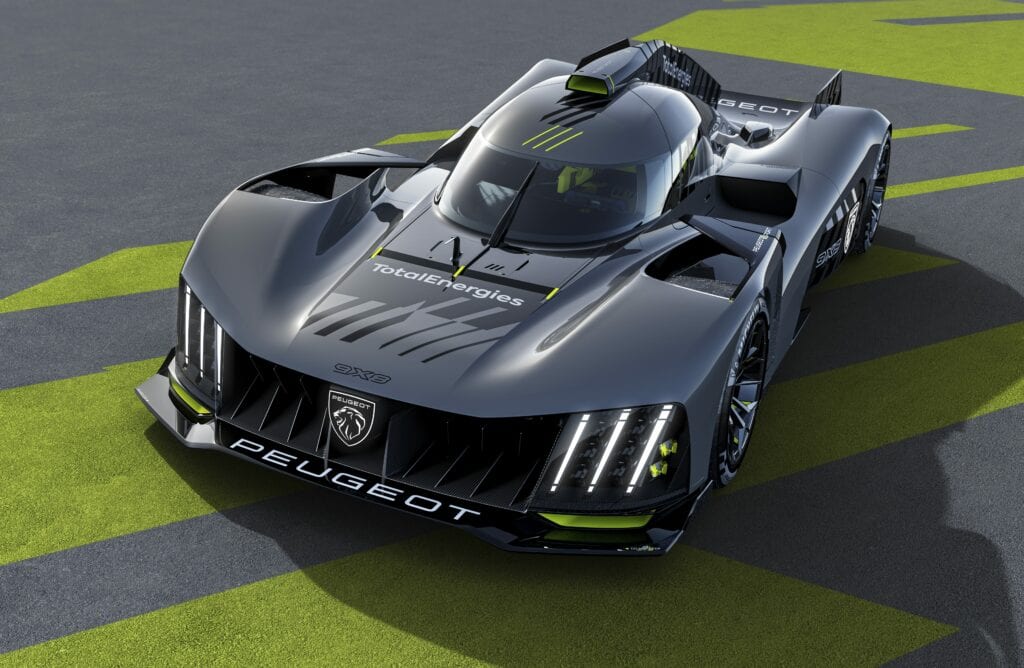
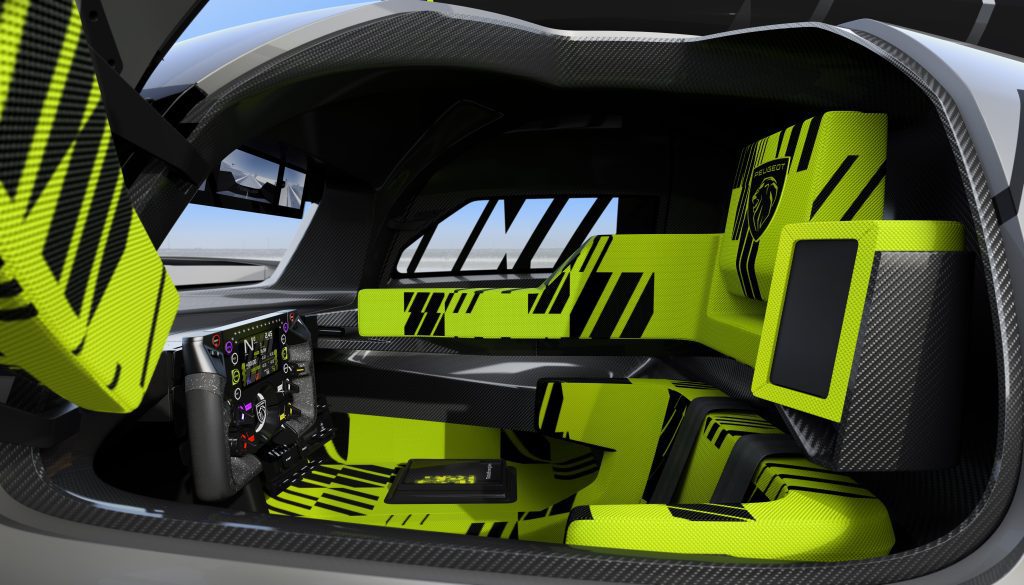
Today, however, in a massive press launch event, the covers have been pulled back and the new racecar, dubbed the 9X8, has arrived on the scene. The car will be powered by a combination of a 2.6-liter, twin-turbocharged V6 pushing out 680 HP via the rear wheels, and a 200 kW, 900 Volt axle-drive motor putting the equivalent of about 270 HP through the front wheels.

2022 Peugeot 9X8 Hypercar

2022 Peugeot 9X8 Hypercar

It is an awesome-looking beast, a low, sleek, slippery car that just screams aggression and speed, ready to pounce and claw its way through the field like the Lion that is Peugeot’s badge. And, for the eagle-eyed, it seems to be missing something found on almost all other race cars.

2022 Peugeot 9X8 Hypercar

2022 Peugeot 9X8 Hypercar

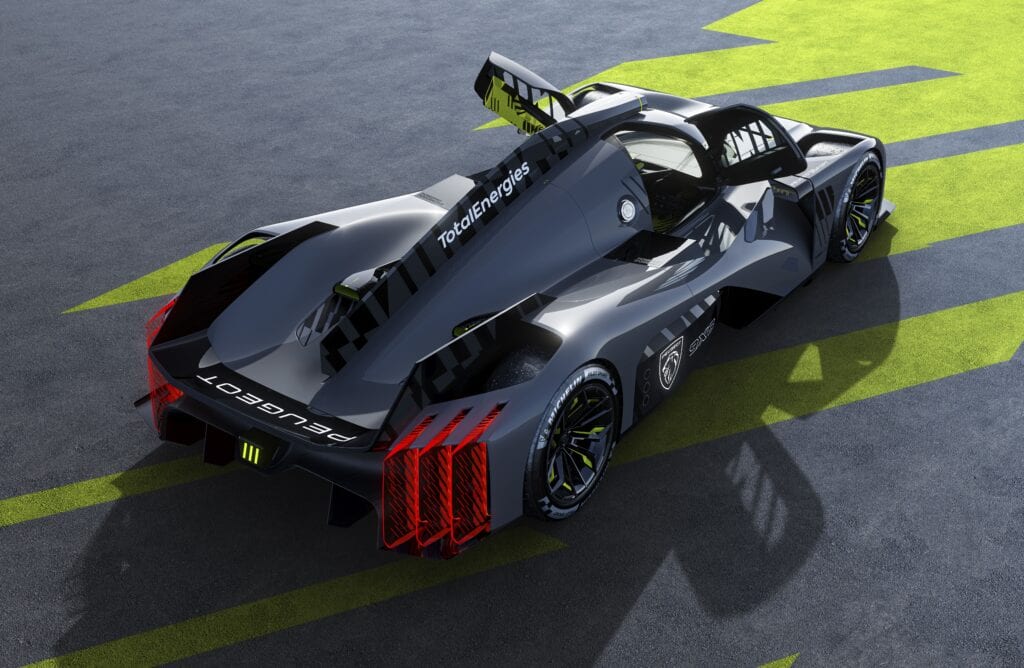
Indeed, through some intensive collaboration between Rebellion Racing and Peugeot, as well as countless hours in computer-aided fluid dynamic simulations and good, old-fashioned wind tunnel testing, the 9X8 does not have a traditional rear wing.

2022 Peugeot 9X8 Hypercar

2022 Peugeot 9X8 Hypercar

Instead, using a complex and confidential “system of aerodynamic features,” the 9X8 will go wingless. It is shaped and molded to develop almost the entirety of its downforce across the body surfaces of the car, in conjunction with ground effects through the underbody, and the rear “scoop,” as it is called, is there to create as smooth a surface as possible for the air coming over the car to create a venturi effect to aid with the air coming under the car.

2022 Peugeot 9X8 Hypercar

2022 Peugeot 9X8 Hypercar

However, as Peugeot Motorsports Director Jean-Marc Finot puts it, “Don’t ask how, though! We have every intention of keeping that a secret as long as we possibly can!”

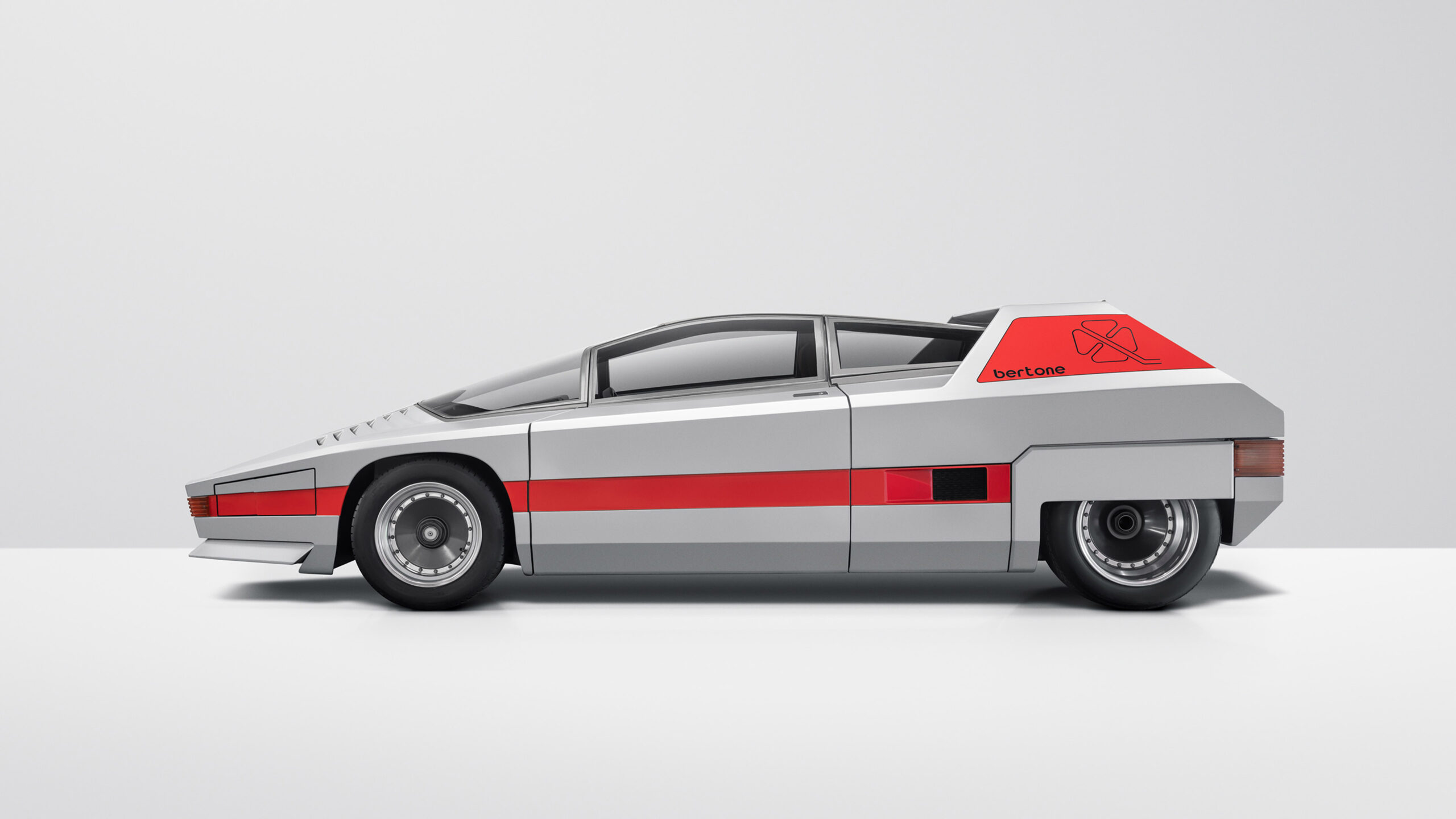
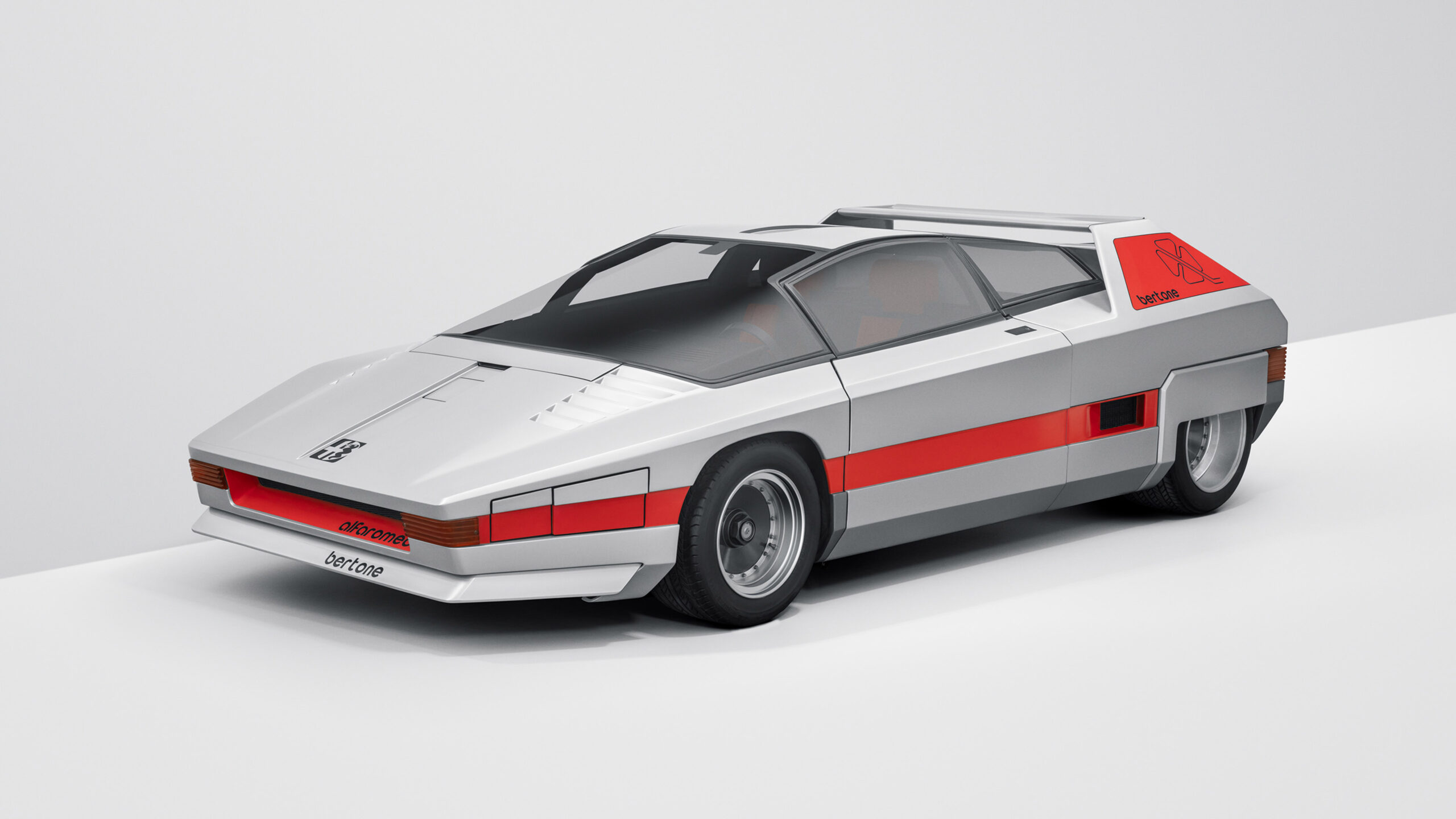
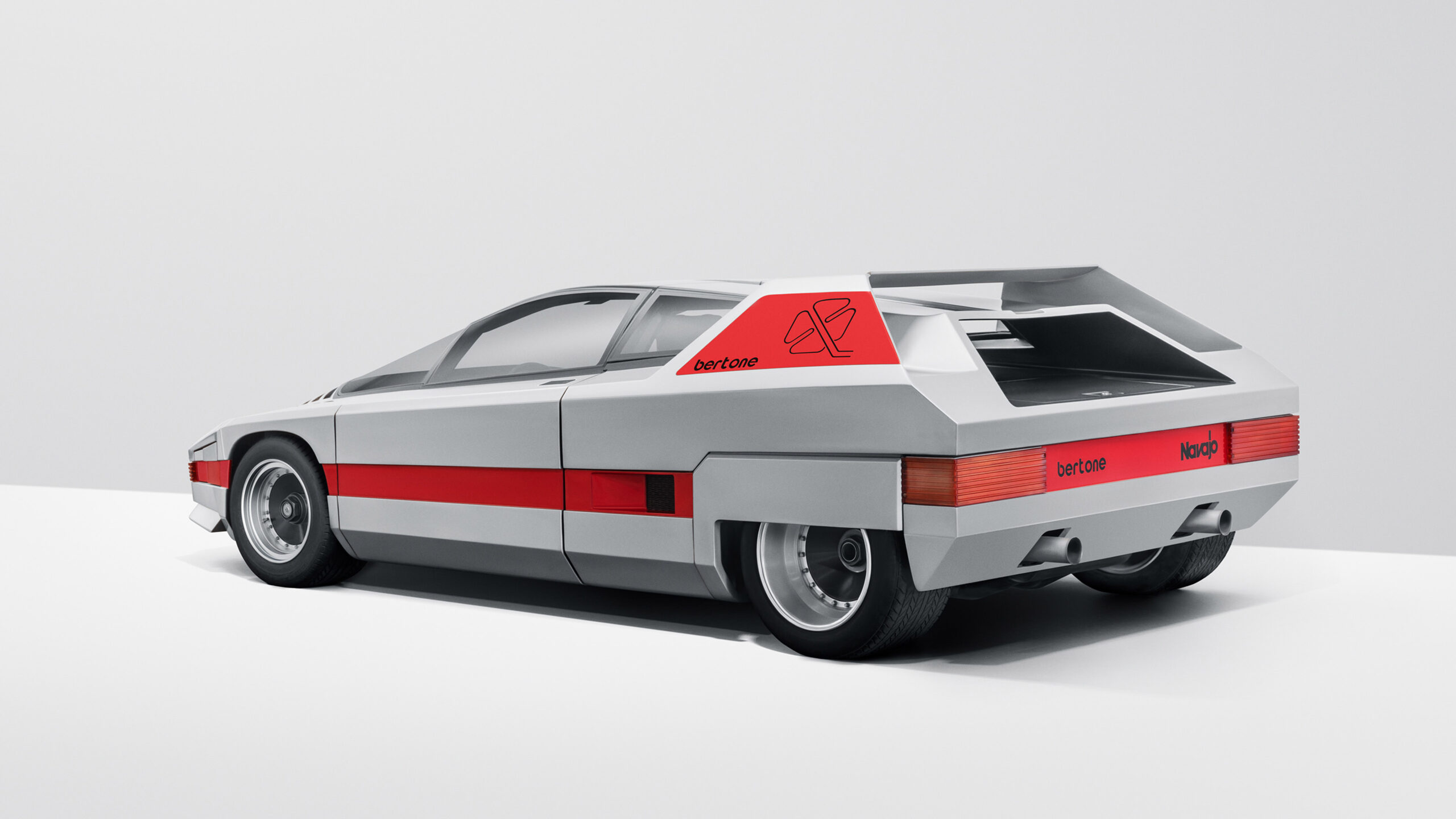
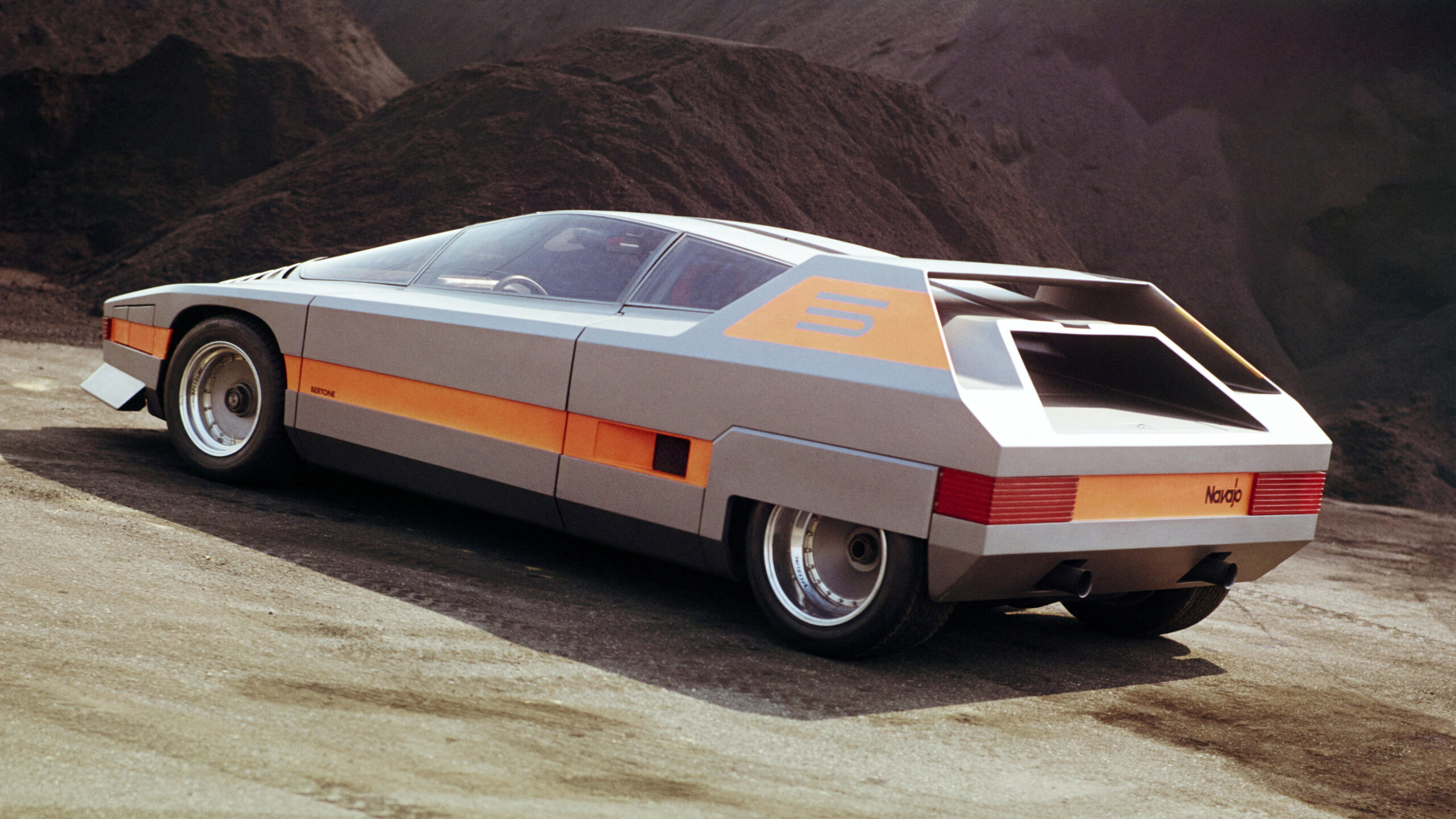
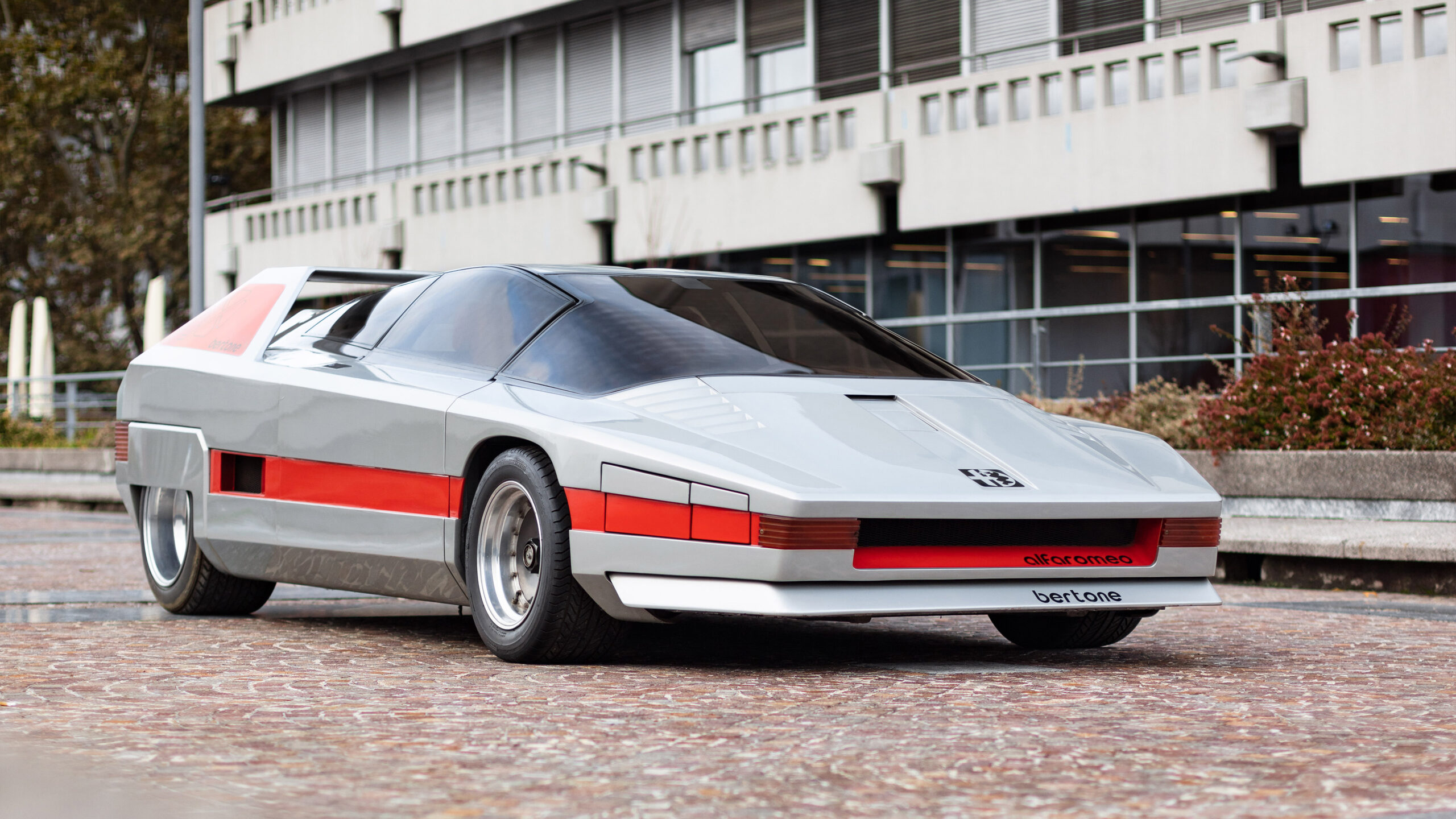
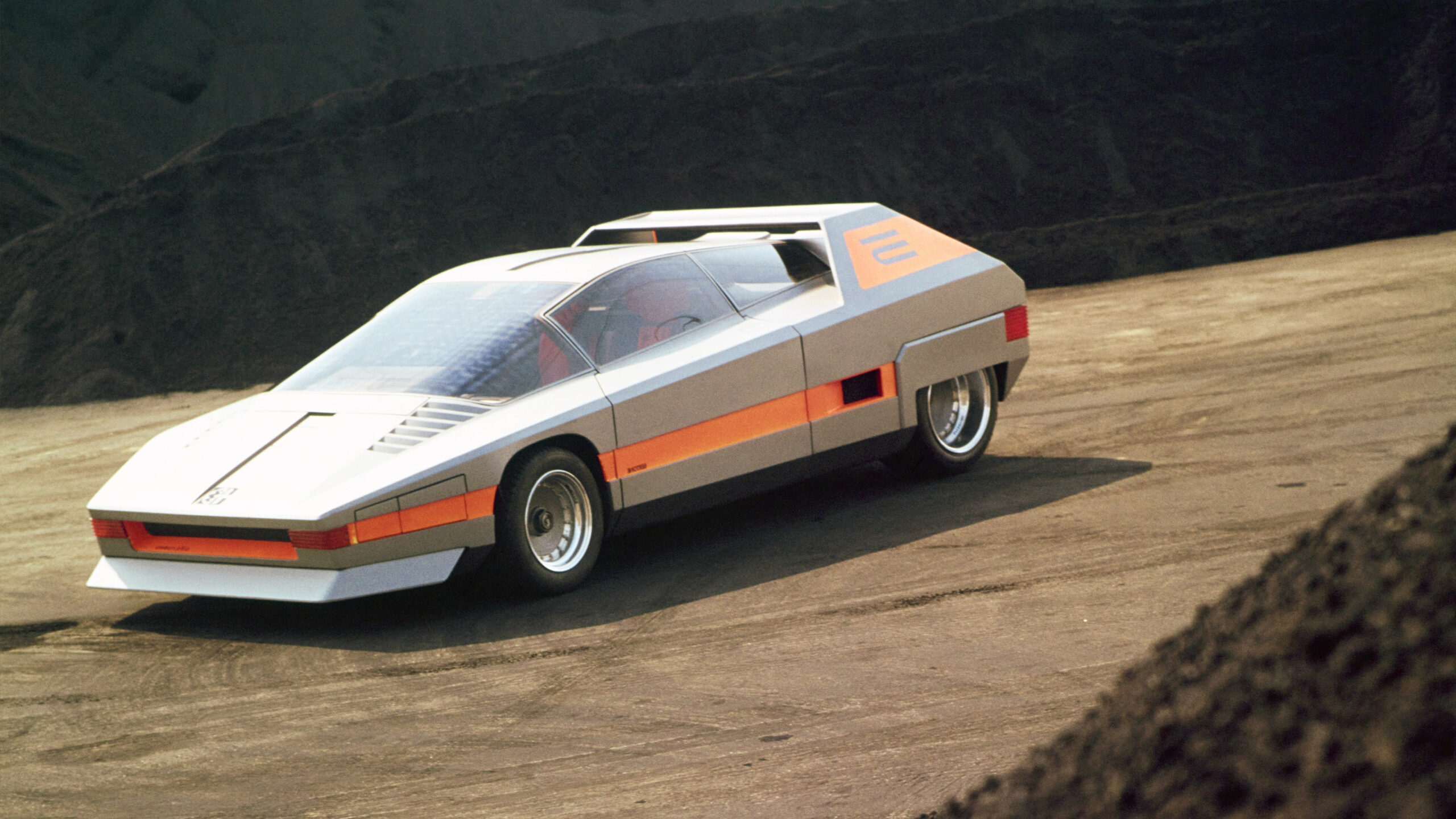
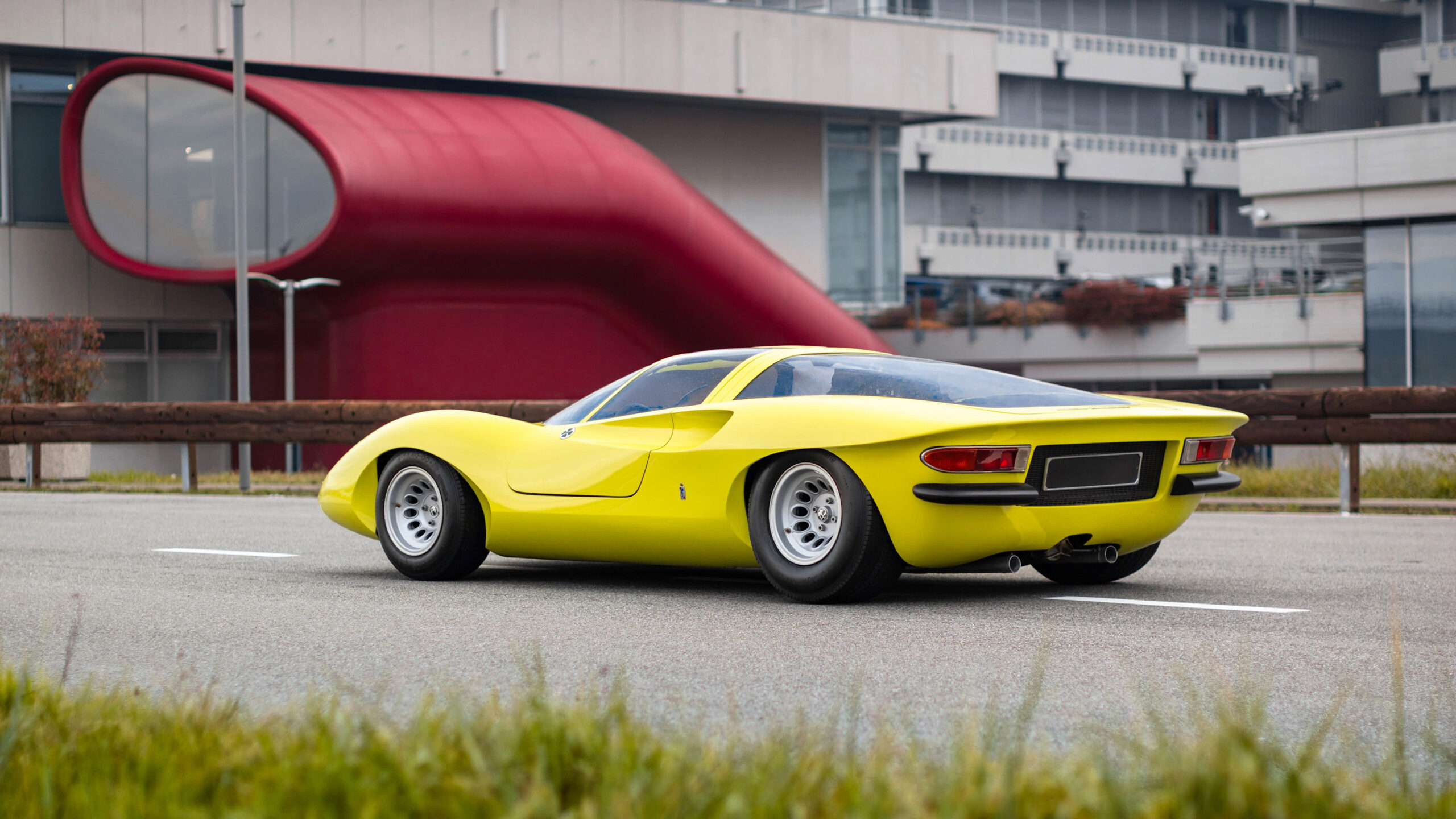
1976 Alfa Romeo 33 Navajo Concept Wallpapers

We have curated the ultimate collection of the best 1976 Alfa Romeo 33 Navajo Concept Wallpapers and HD backgrounds for you to enjoy. Our team focused on finding the top 1976 Alfa Romeo 33 Navajo Concept Wallpapers only to keep the quality high. These 1976 Alfa Romeo 33 Navajo Concept Wallpapers are free to download so go ahead. To download any of these pictures for use as a wallpaper, right click the picture and choose Save As…

Find more awesome Alfa Romeo Wallpapers

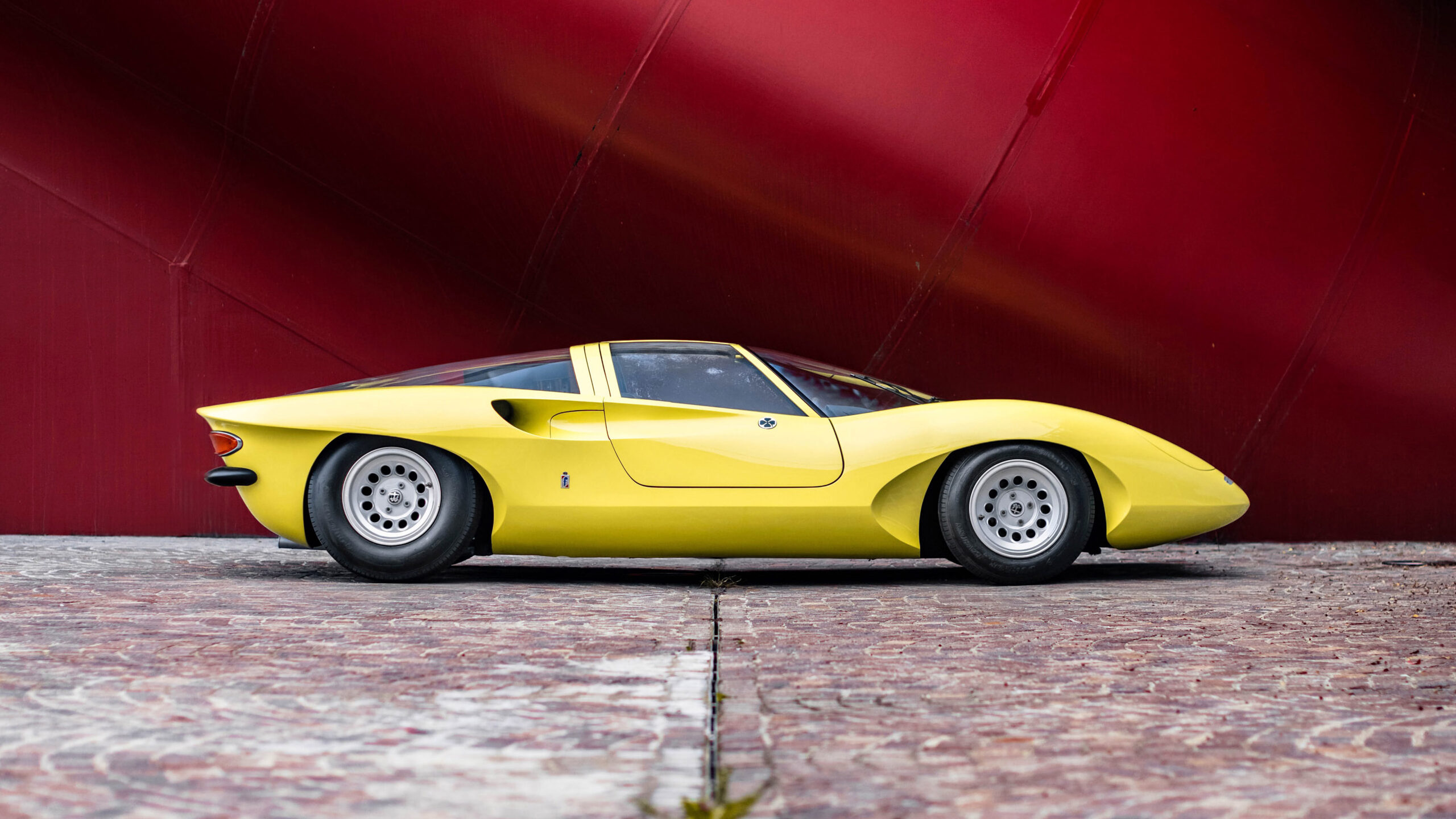
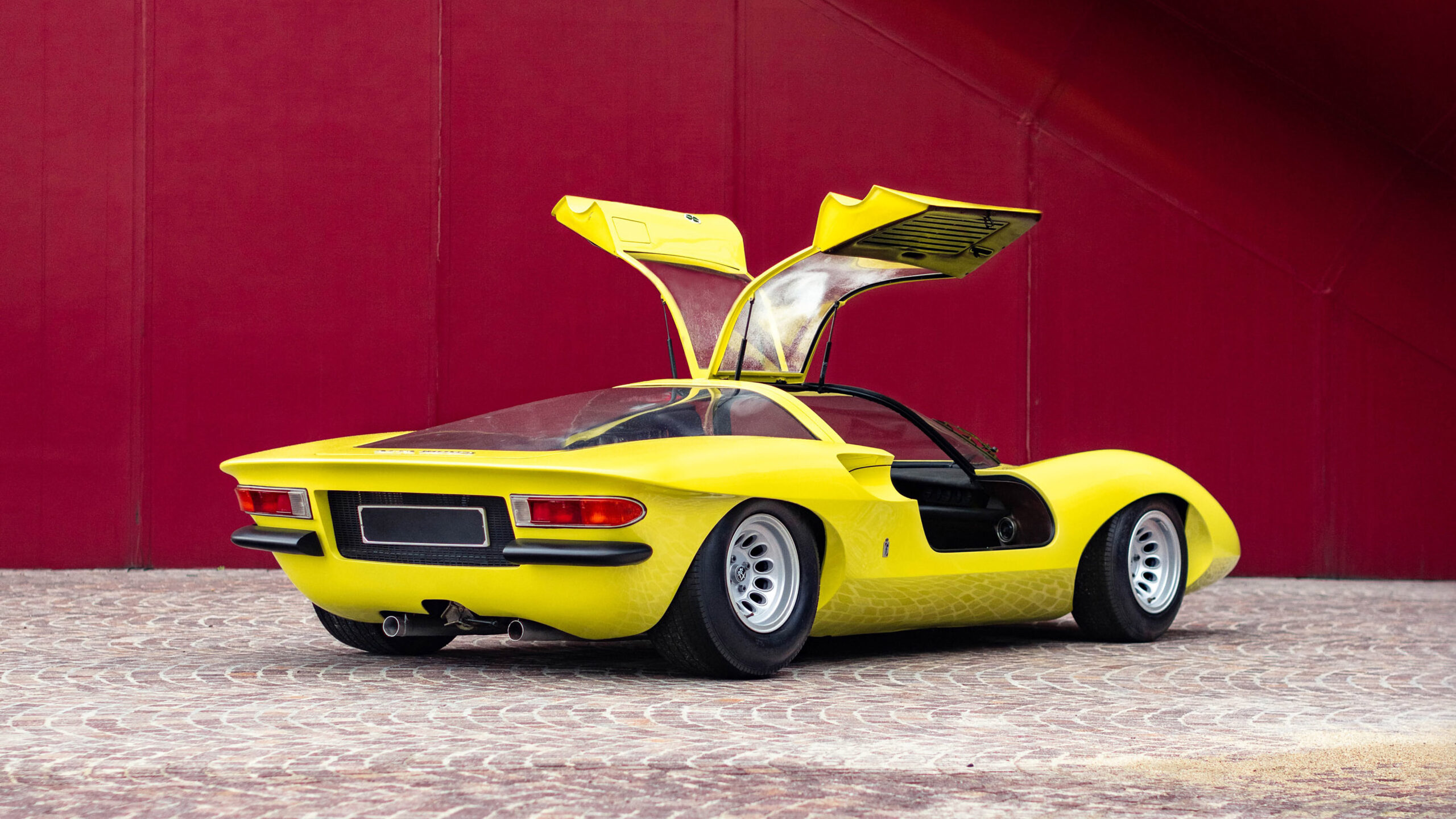
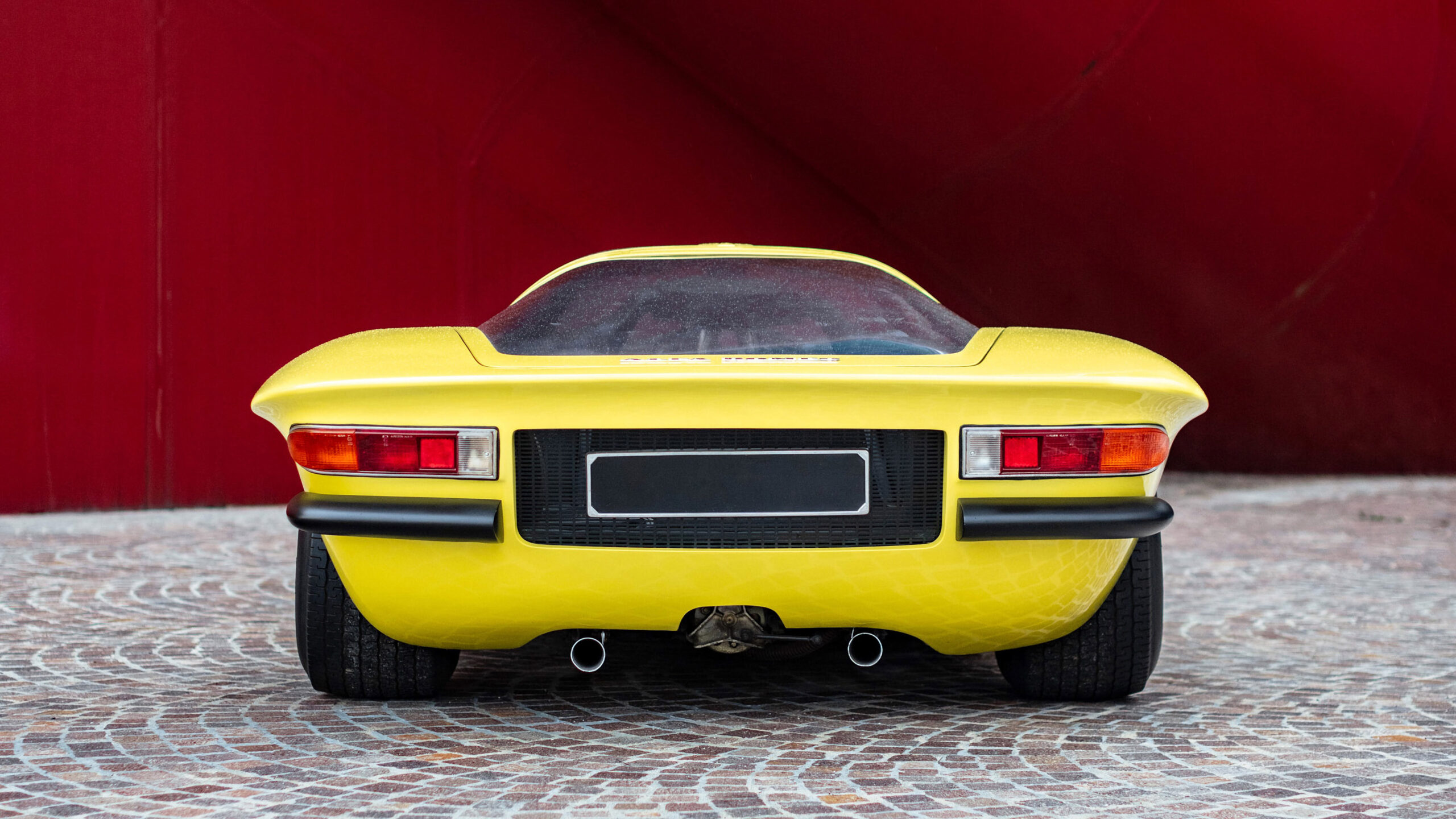
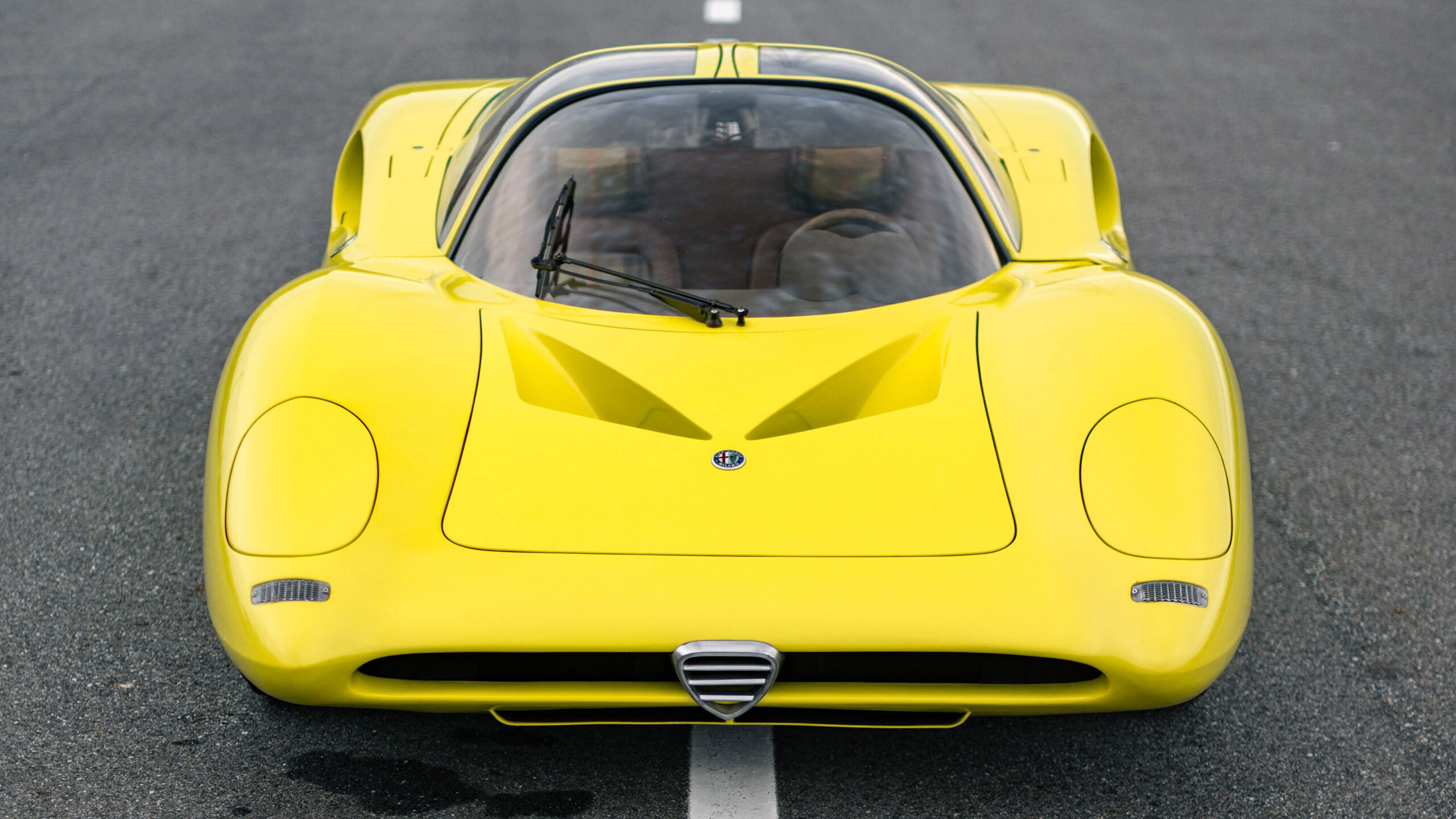
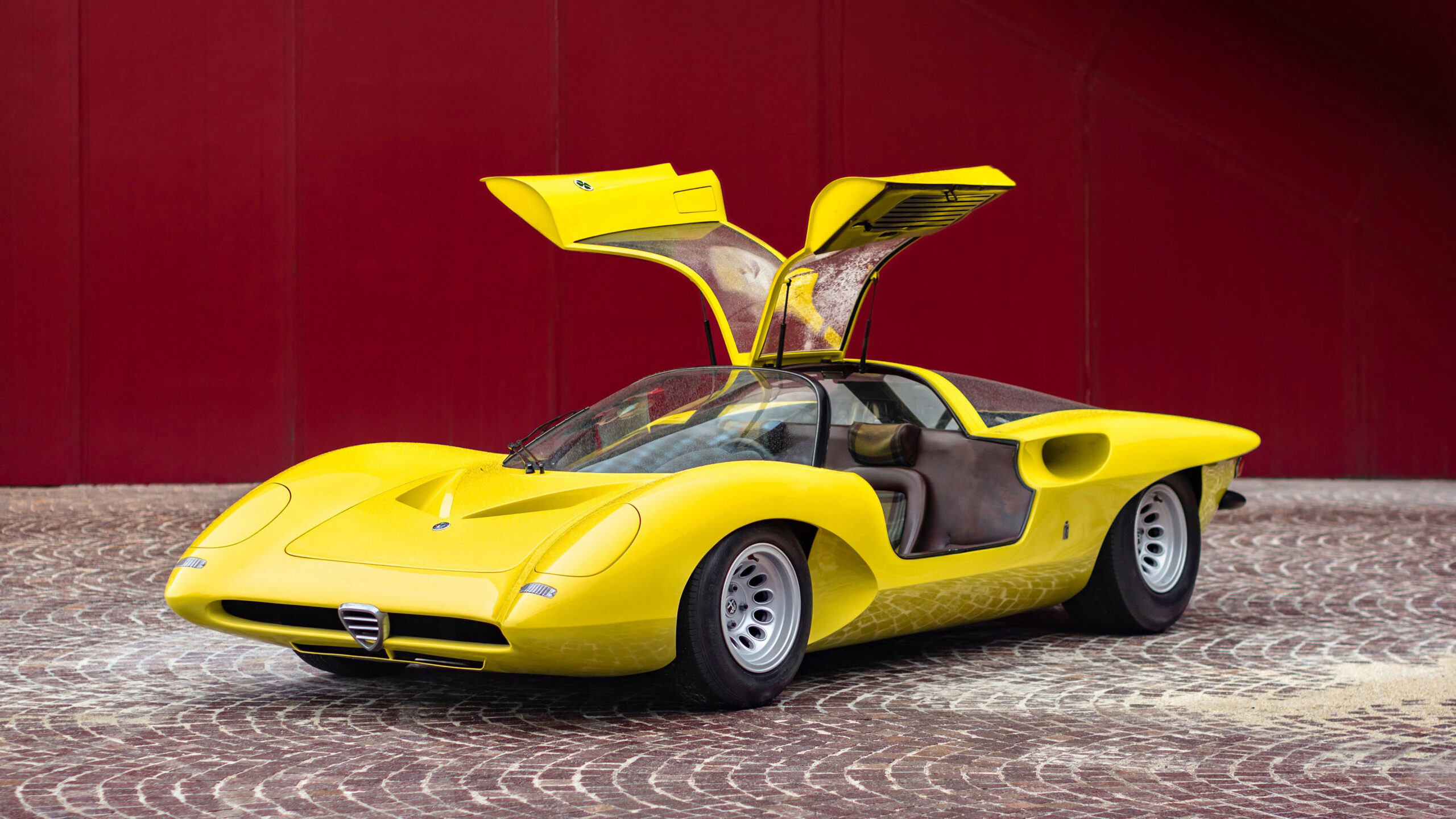
1969 Alfa Romeo 33/2 Coupe Speciale Wallpapers

We have curated the ultimate collection of the best 1969 Alfa Romeo 33/2 Coupe Speciale Wallpapers and HD backgrounds for you to enjoy. Our team focused on finding the top 1969 Alfa Romeo 33/2 Coupe Speciale Wallpapers only to keep the quality high. These 1969 Alfa Romeo 33/2 Coupe Speciale Wallpapers are free to download so go ahead. To download any of these pictures for use as a wallpaper, right click the picture and choose Save As…

Find more awesome Alfa Romeo Wallpaper

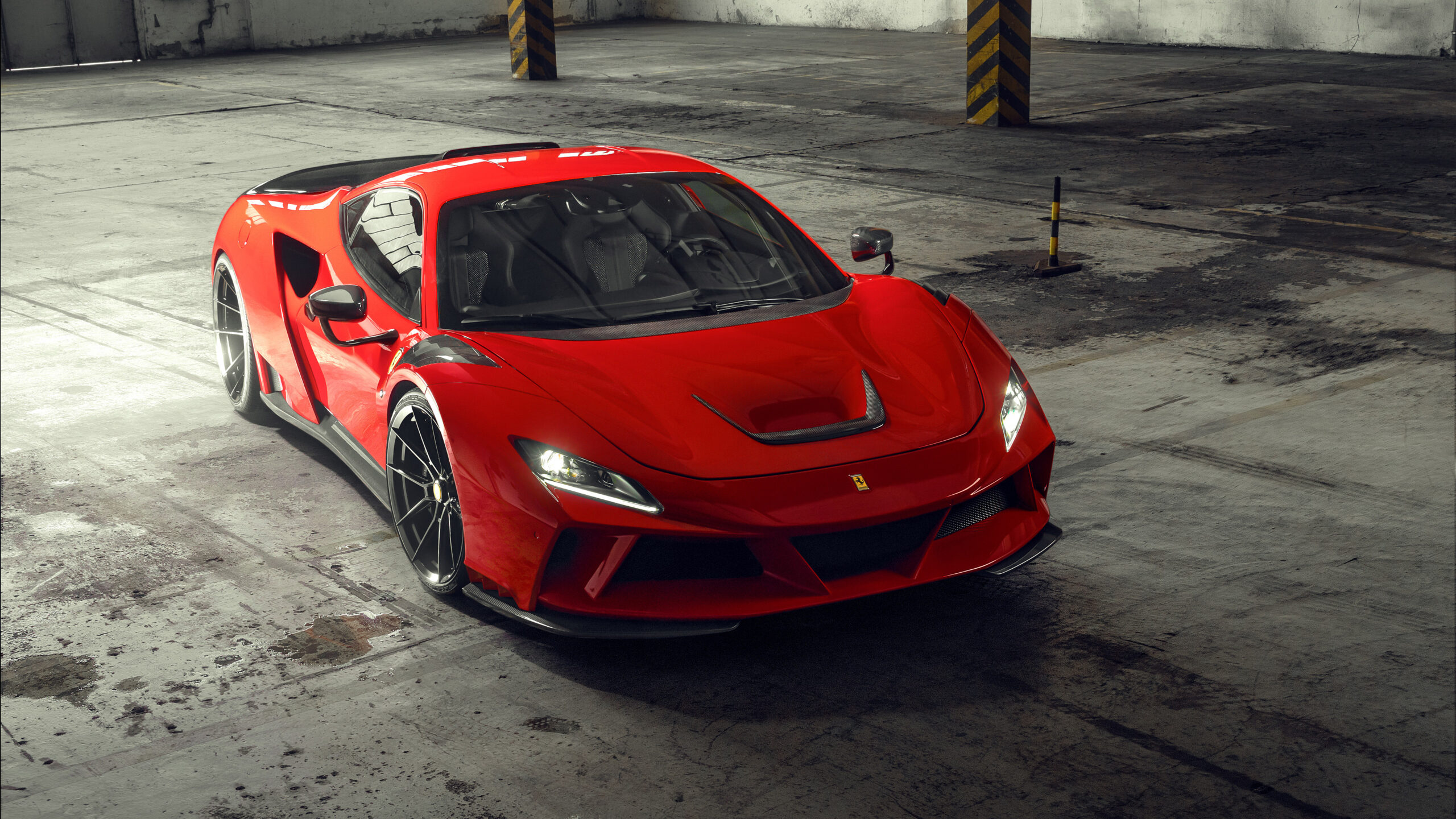
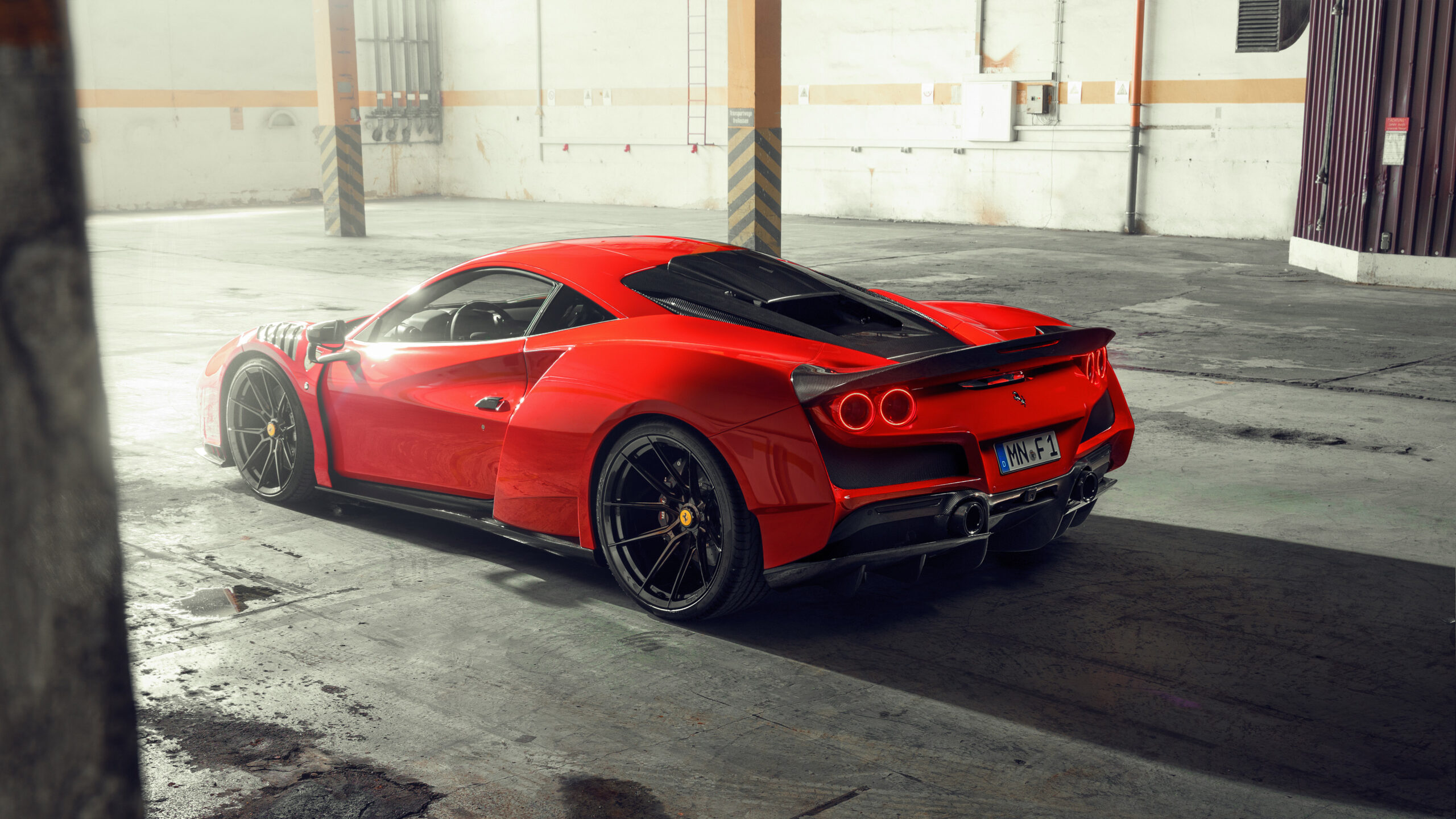
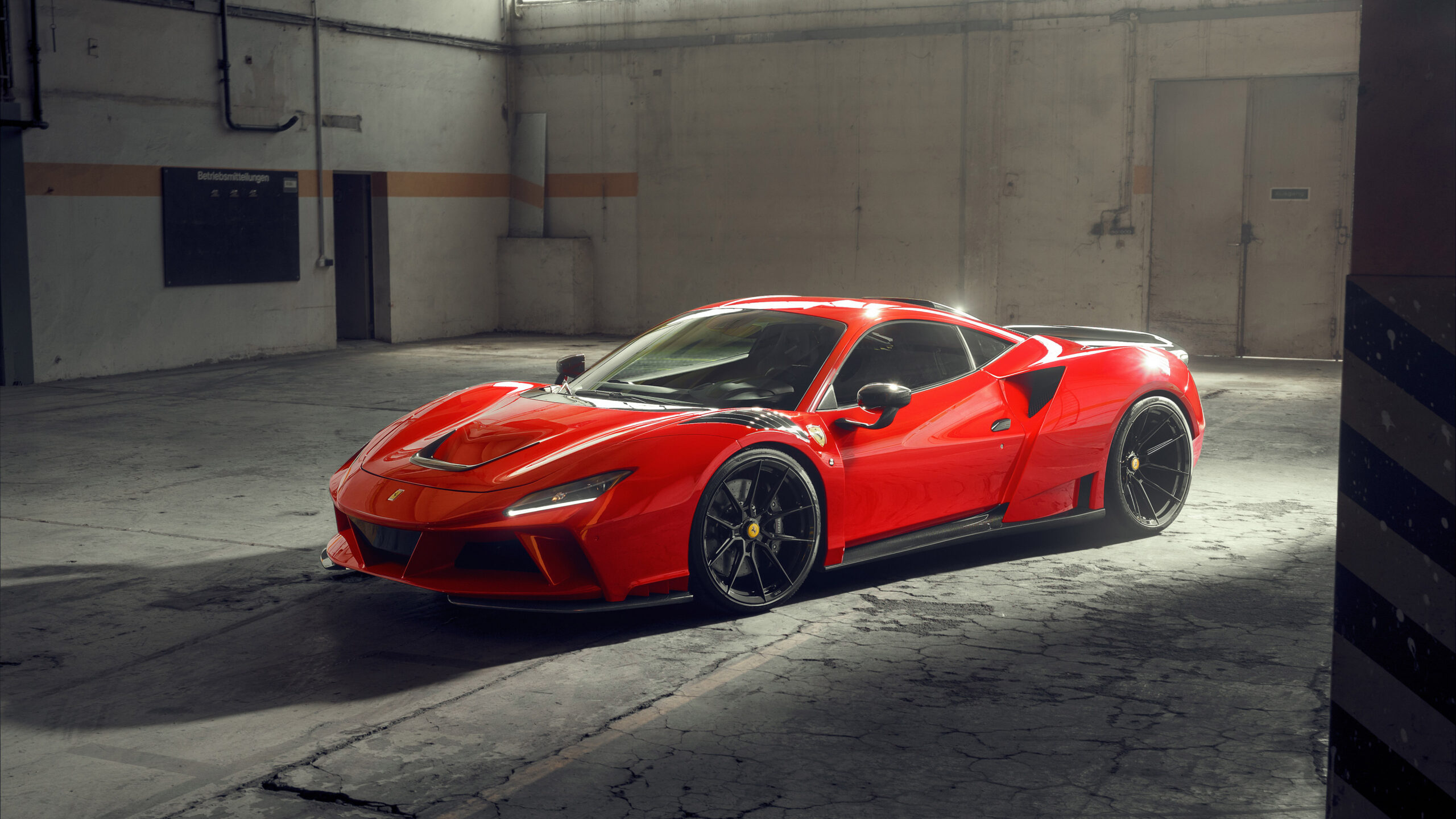
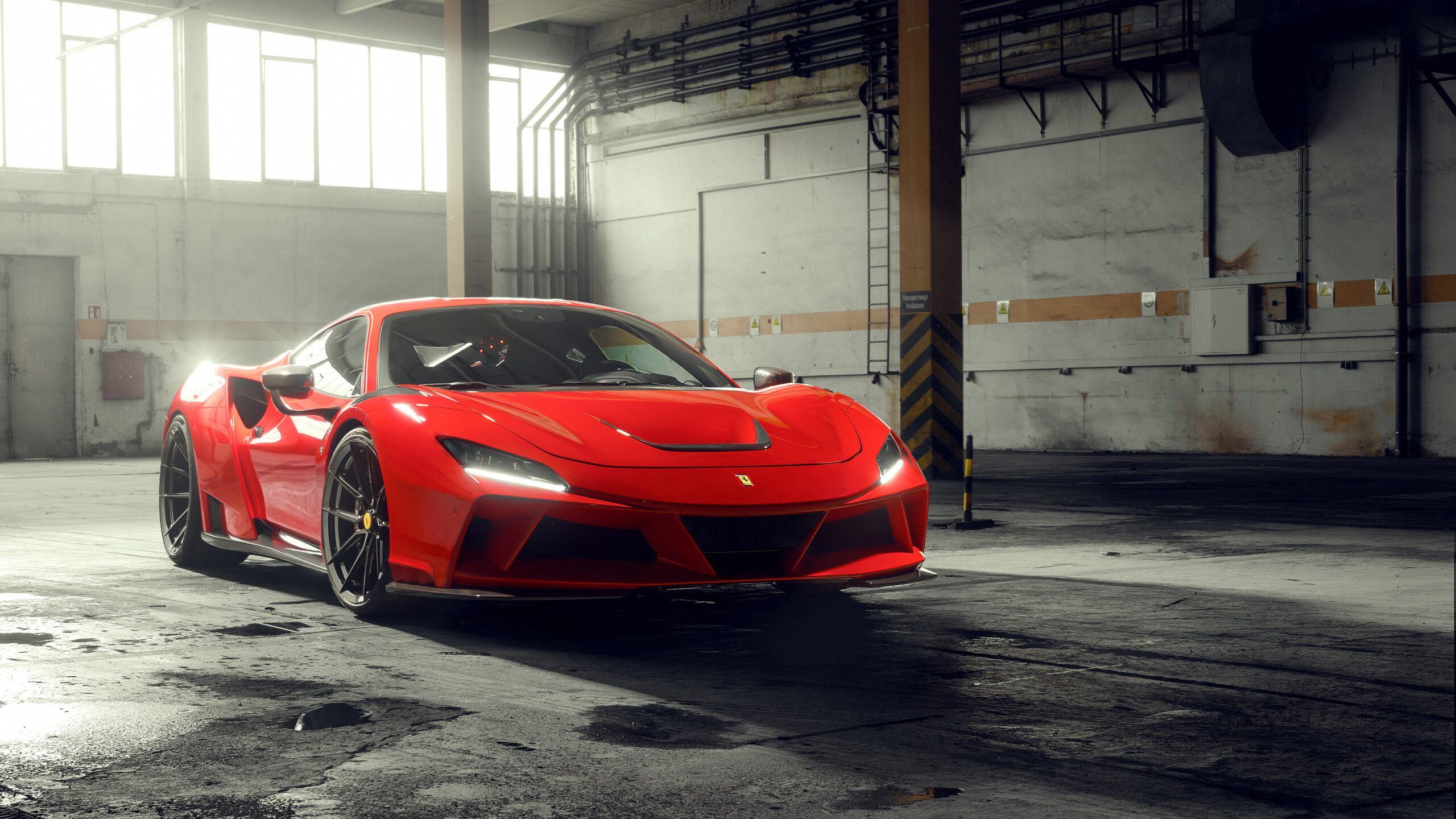
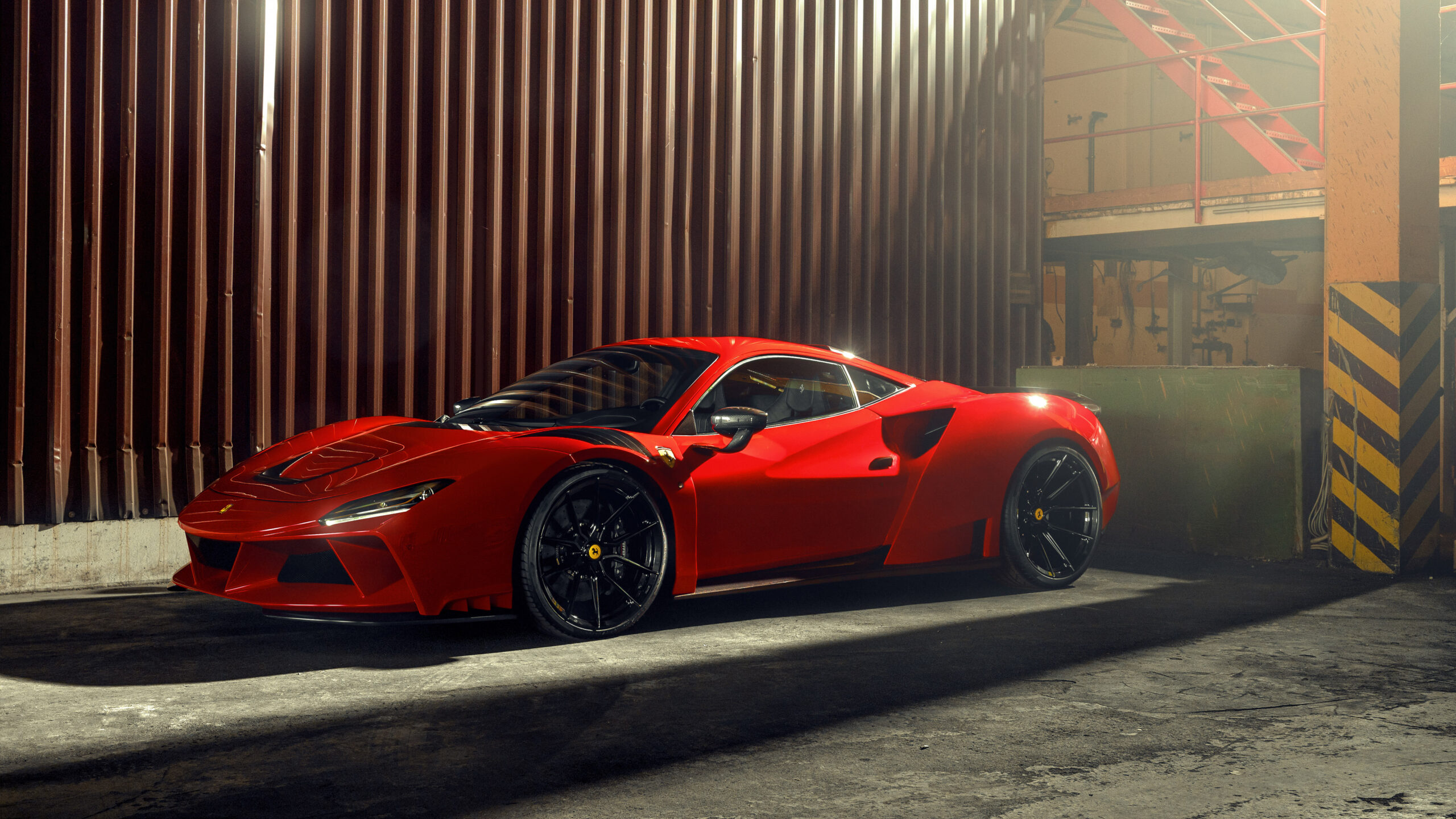
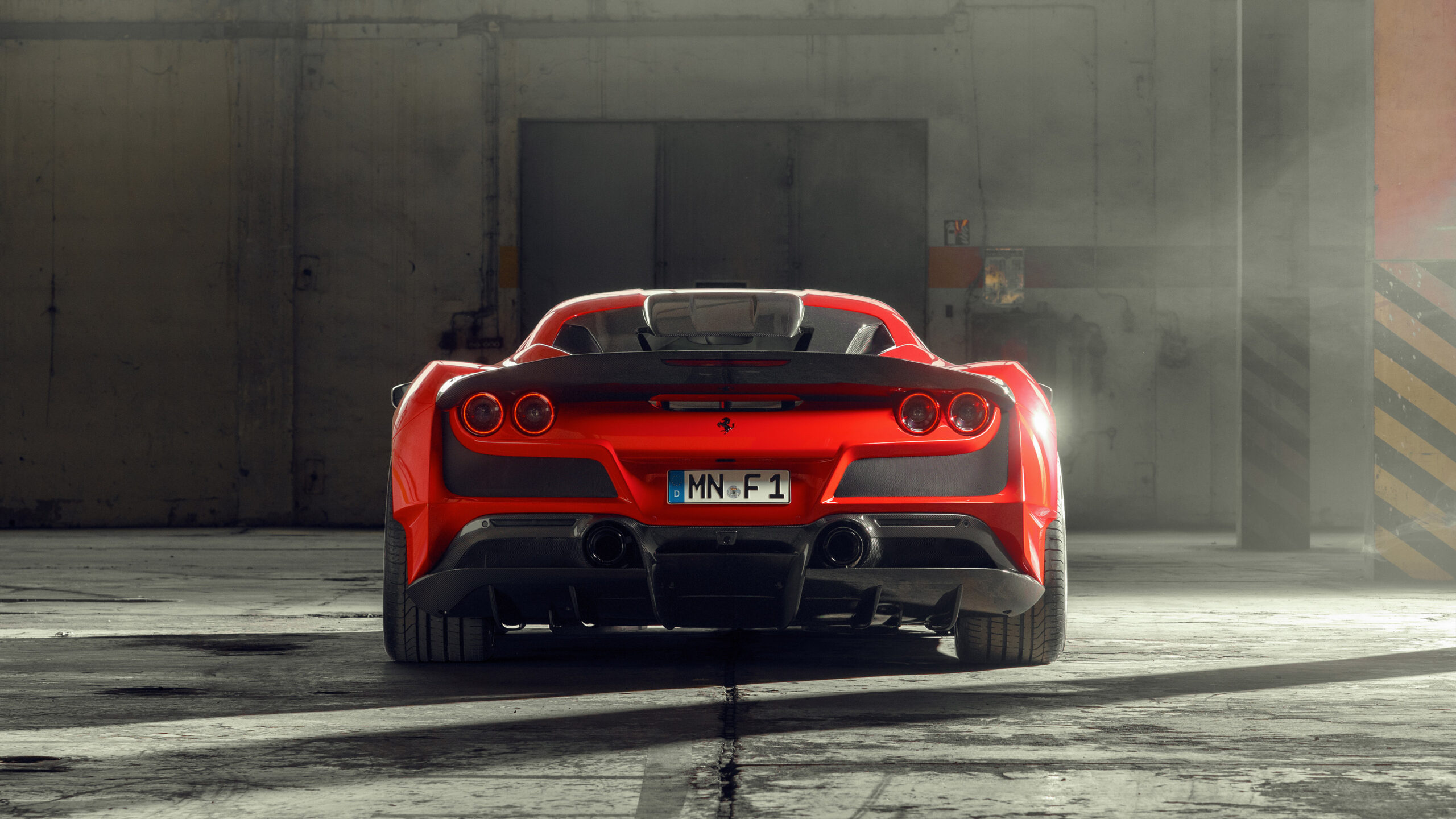
2021 Novitec Ferrari F8 Tributo N-Largo Wallpapers

We have curated the ultimate collection of the best 2021 Novitec Ferrari F8 Tributo N-Largo Wallpapers and HD backgrounds for you to enjoy. Our team focused on finding the top 2021 Novitec Ferrari F8 Tributo N-Largo Wallpapers only to keep the quality high. These 2021 Novitec Ferrari F8 Tributo N-Largo Wallpapers are free to download so go ahead. To download any of these pictures for use as a wallpaper, right click the picture and choose Save As…

Find more awesome Novitec Wallpapers

What You Absolutely Need to Know Before Buying a Chef’s Knife

The Gear Patrol Podcast is our weekly roundtable discussion focused on products, their stories, and the culture surrounding them.


In this episode, Editor Will Price joins to explain everything you should know before buying your first–or next–chef’s knife. Will details the specifics, from steel types and blade shapes to maintenance and storage tips, ultimately ending with three of his top chef’s knife recommendations.

Regardless of what you already know or think you might need, Will has advice and tips that’ll come in handy when you’re shopping around.

Show Notes:

Episode Navigation:

  • 01:00 – What You Need to KNow Before Buying a Chef’s Knife
  • 05:45 – Is There One Perfect Chef’s Knife?
  • 09:17 – Utility Knives vs. Chef’s Knives, and Why You Shouldn’t Purchase Knife Sets
  • 12:50 – The Elements of a Chef’s Knife You Need to Know
  • 18:45 – Blade Materials: Stainless Steel vs. Carbon Steel (and Others)
  • 27:32 – What Is Knife “Tang” and Why Does it Matter?
  • 31:43 – Chef’s Knife Handle Types
  • 33:45 – Japanese vs. German Styles
  • 37:36 – What Determines the “Quality” of a Knife?
  • 39:11 – Knife Maintenance, Storage and Sharpening
  • 48:55 – Will’s Top Three Chef’s Knife Recommendations

    Featured:

    What’s Really the Difference Between a $35 and $150 Chef’s Knife?

    The Best Places to Buy Japanese Kitchen Knives Online

    Please Stop Storing Your Kitchen Knives in a Big Wood Block

    Every Serious Home Cook Needs a Japanese Chef’s Knife. Here Are the 8 Styles You Need to Know

    The Difference Between Japanese and German Knife Styles

    Bob Kramer Has Spent 25 Years Trying to Forge a Better Chef’s Knife

    This Is Our Place’s Biggest Release Since Its Always Pan

    Jacques Pépin’s Classic Omelette

    The Gear Patrol Podcast is our weekly roundtable discussion focused on products, their stories, and the culture surrounding them.


    Listen on Apple Podcasts, Spotify, our website, or wherever else you get your podcasts. Reach out at podcast@gearpatrol.com.

    This content is created and maintained by a third party, and imported onto this page to help users provide their email addresses. You may be able to find more information about this and similar content at piano.io

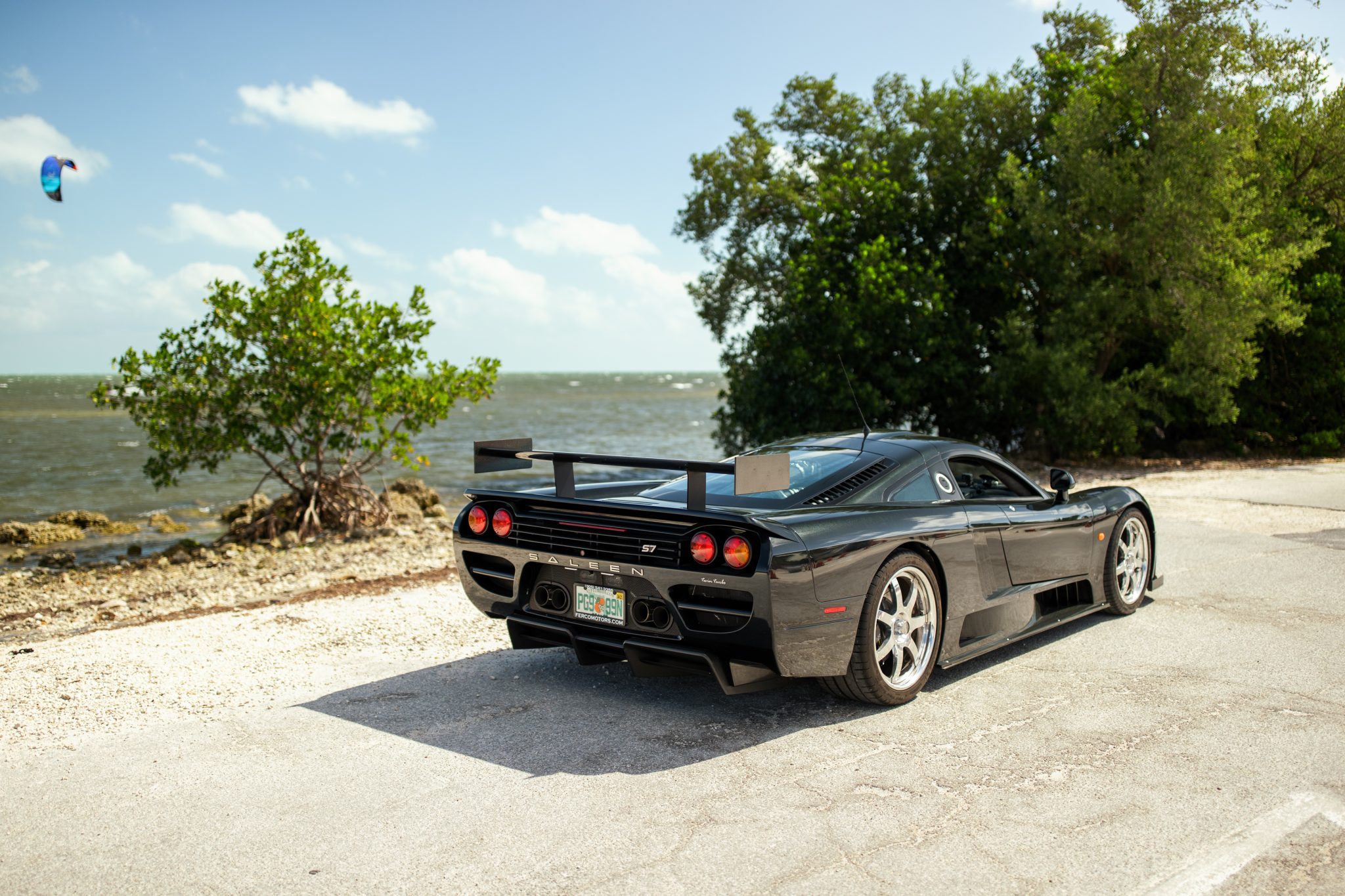
Now Is Your Chance: 1,300-Mile 2005 Saleen S7 Hits BaT

Tired of looking at that Saleen poster hanging in your garage? Well, your prayers have just been answered. Up for sale on BringATrailer is a 2005 Saleen S7 Twin Turbo with only 1,300 miles. This isn’t your average Saleen, this example has been modified by Saleen with the Competition Package. 

2005 Saleen S7

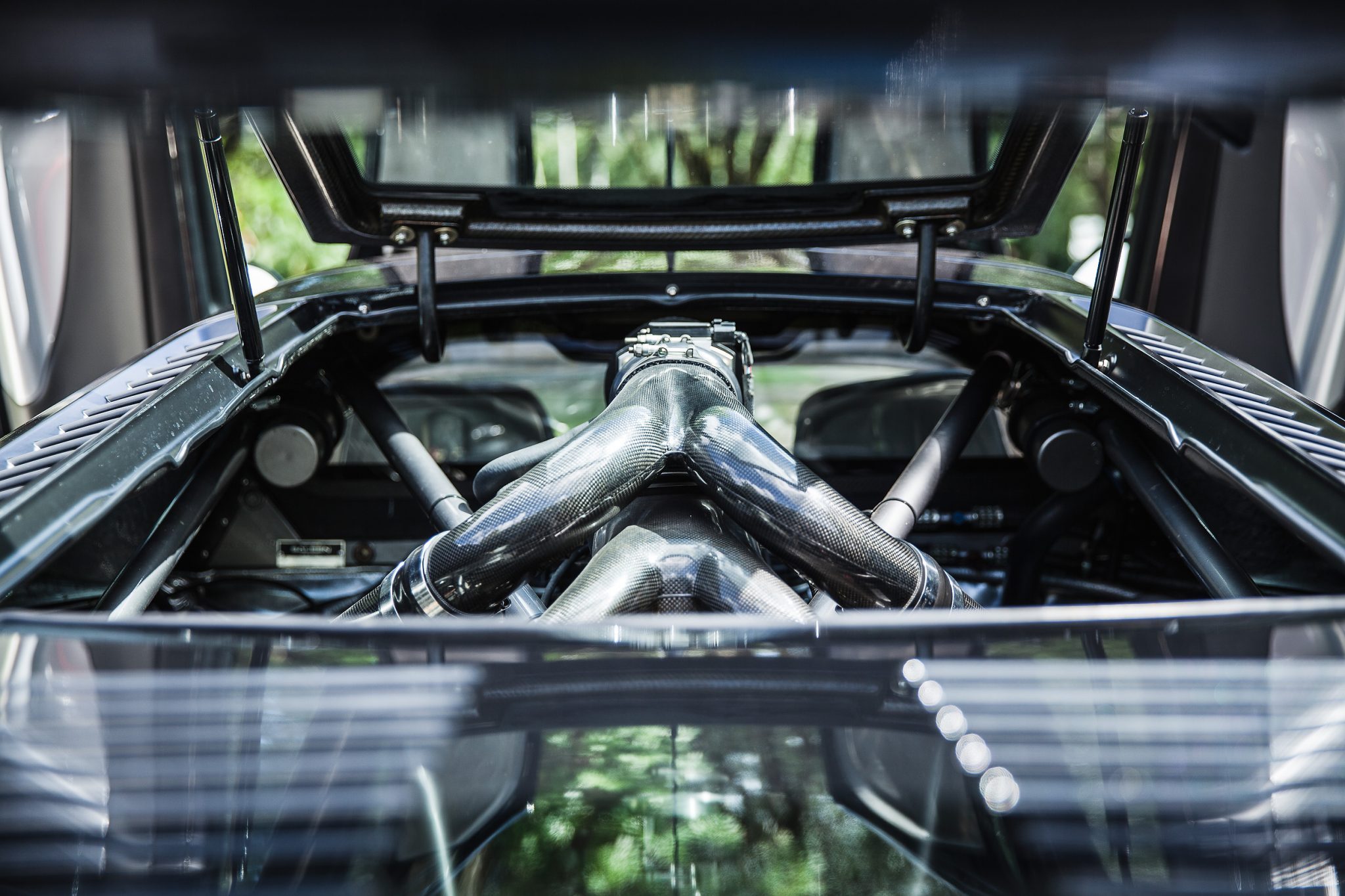
The Saleen S7 was produced from 2000 to 2007 and it was the sixth all-American production car to come with a mid-engine. Featuring an all-carbon body, the S7 weighs in at only 2,865lbs while putting down 750hp from the factory. 

2005 Saleen S7 Engine

This S7’s 7-liter twin-turbocharged V8 has been tuned to 850hp and comes packing a ton of extras with the Competition Package. This includes revised a carbon-fiber front spoiler, a rear diffuser, and a body-width rear wing. 

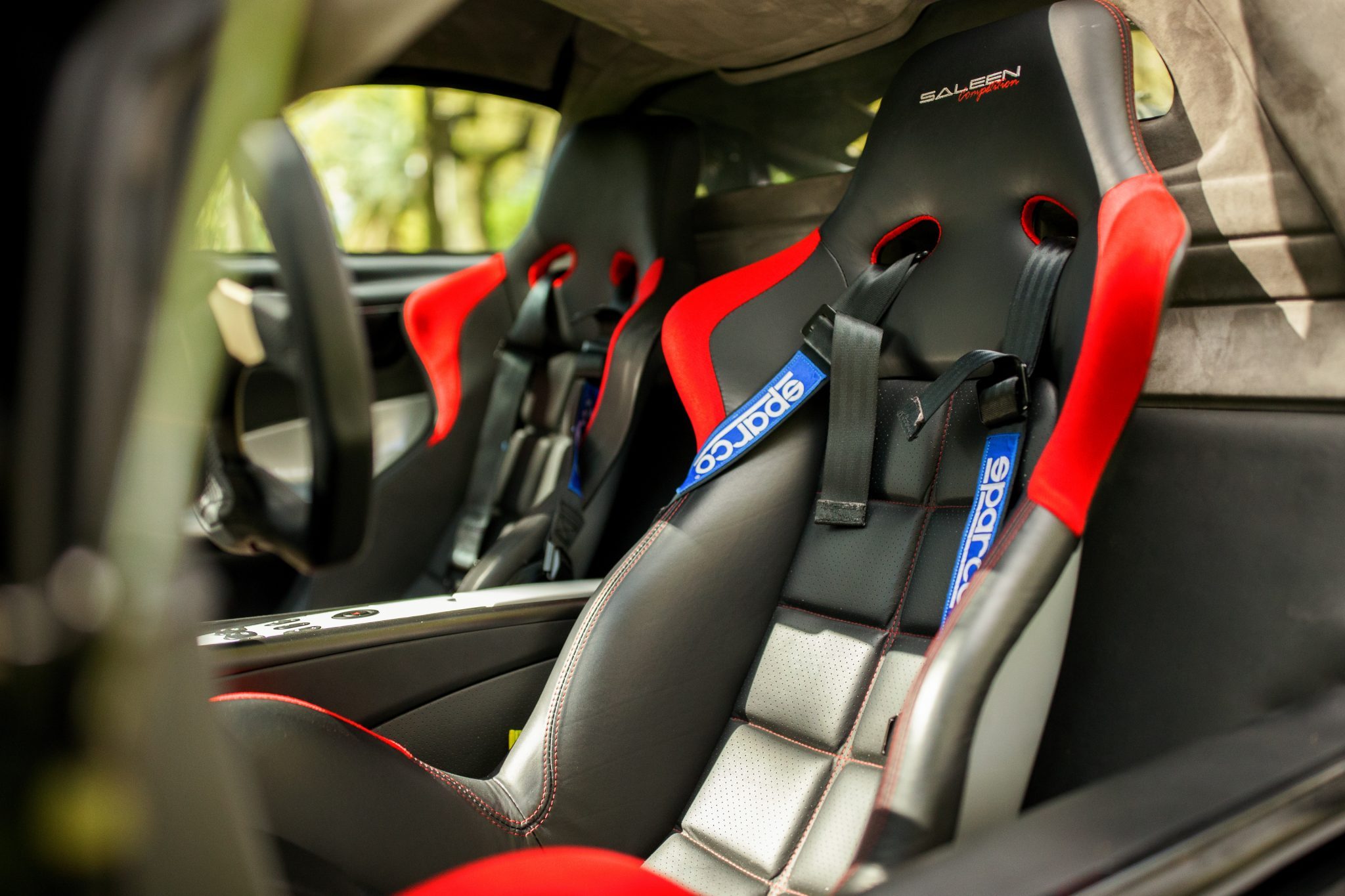
2005 Saleen S7 Interior

From the factory, the car came with a six-speed manual transaxle and a limited-slip differential. In addition to having center-locking forged wheels, the car also comes with A/C, a backup camera, and a paint protection film installed in 2020. 

Right now the car is sitting at a bid of $440K with just under 5 days left on the auction. Now is the time to grab your dream Saleen and aside from being a collector item, it’s one purchase you won’t regret.

Today in Gear: The 2022 Nissan Z, an OLED Nintendo Switch, the Best Camera Bags & More

Why Is Your Car’s Steering Wheel on the Left? Blame the Teamsters

Turns out where your car’s wheel is has an awful lot to do with people’s tendency to be right-handed.

LEARN MORE

There’s a New OLED Nintendo Switch, Here’s What You Should Know

The Nintendo Switch (OLED model) will be available on October 8 and cost $350.

LEARN MORE

Every Self-Respecting Person Should Own an Apron in the Kitchen

Oh, you like to ruin your clothes? Yeah, didn’t think so.

LEARN MORE

7 New Cars You Won’t Believe People Bought in 2021

Somehow, someone managed to find a new FJ Cruiser on a lot in 2014.

LEARN MORE

These West Elm Bed Sheets Are TikTok Famous — And For Good Reason

They’re smooth like butter, and now available in even more colors.

LEARN MORE

The Best Camera Backpacks of 2021

The best bags to haul and protect your photography equipment around town or into the mountains.

LEARN MORE

The 2022 Nissan Z Arrives August 17. Here’s Everything You Need to Know

Nissan’s new Z car arrives before summer’s end. Here’s what we know as we approach the launch date.

LEARN MORE

This content is created and maintained by a third party, and imported onto this page to help users provide their email addresses. You may be able to find more information about this and similar content at piano.io

Need a New Pocket Knife? This Kershaw Is on Sale

Looking for even more great savings? Head over to Today’s Best Deals page to see all our top deals from today.


Made in collaboration with custom knifemaker Rick Hinderer, the Cryo series from Kershaw is designed to equip anyone with an affordable, high-quality pocket knife. Made from pure stainless steel and coated with titanium carbo-nitride for durability, the Cryo can stand up to anything your day-to-day activities require. Right now, you can pick up the knife at an even more affordable price point of just $40 — 33 percent off the normal price of $60.

The blade has all of the design aspects you can expect, including fast deployment and a secure locking system for safe, effective use alongside a handy clip and one-handed flipper for convenience.

SAVE NOW

This content is created and maintained by a third party, and imported onto this page to help users provide their email addresses. You may be able to find more information about this and similar content at piano.io

There’s a New OLED Nintendo Switch, Here’s What You Should Know

Nintendo just announced the Nintendo Switch OLED model, a new Switch console that will be available on October 8 and cost $350. That’s $50 more expensive than the current Switch and $150 more than the Switch Lite. As its name gives away, Nintendo Switch OLED model will have new OLED display that will no doubt make games look better. But Nintendo made a few other meaningful changes that could make current Switch owners think about upgrading.

What’s different about the OLED Switch’s screen?

Simply put: better colors and contrast. The OLED screen gives it more control over each pixel so it’s able to produce a picture with significantly more detail and contrast. Basically, the games will look better than if you played on your current Switch or Switch Lite. The upcoming Nintendo Switch (OLED model) will also have a 7-inch display, which is slightly larger than the Switch’s 6.2-inch LCD screen. (It’s also larger than the Switch Lite’s 5.5-inch LCD screen.)

That said, Nintendo Switch (OLED model) shouldn’t feel that much bigger in your hand. Its design has slimmer bezels to allow for more screen space. According to Nintendo’s website, the new model will be just 0.1-inches longer than the regular Switch and just 0.05 pounds heavier.

Does the OLED Switch have better battery life?

Apparently not. The Nintendo Switch (OLED model) will have the same expected battery as the updated Switch that was released in 2019, which is “approximately 4.5 – 9 hours” according to Nintendo’s website. Please note that if you bought the original Switch that was released in 2017, which looks exactly like the current Switch, it doesn’t have the updated processor that improves its battery life. The 2017-released Switch has a battery life of “approximately 2.5 – 6.5 hours.”

nitendo

Courtesy

Does the OLED Switch support 4K?

Probably not, unfortunately. When used with the dock and connected to your TV, the Nintendo Switch (OLED model) will only output up to 1080p (or HD), which is the exact same as the original Switch. It doesn’t support 4K output, which is what a lot of people were hoping for in a “pro-level” Switch.

Does the OLED Switch have other new features besides the new screen?

If you play your Switch in handheld or tabletop modes, that’s where you’ll notice the biggest differences with the Nintendo Switch (OLED model). It has improved speakers and more adjustable stand that allows you get the exact viewing angle you want. Additionally, Nintendo has given the new console twice as much internal storage (64GB vs the Switch’s 32GB). The new Dock comes with a wired Ethernet port, too, for a more reliable connection.

Will the OLED Switch have exclusive games?

Nope. All existing and future Nintendo Switch will be playable on the Nintendo Switch (OLED model). There will be no exclusive games.

LEARN MORE

This content is created and maintained by a third party, and imported onto this page to help users provide their email addresses. You may be able to find more information about this and similar content at piano.io

Don’t Miss Your Chance to Save During Viberg’s Friends and Family Sale

Looking for even more great savings? Head over to Today’s Best Deals page to see all our top deals from today.


A family-owned business for three generations, the Canadian craftsmen at Viberg have been making some of the most hard-wearing work boots you can buy for 90 years. It is hard to overstate just how durable these boots are, but they also happen to be particularly handsome if you aren’t going to be wearing them for work. While they are fairly expensive, now happens to be the first time the brand has ever offered a discount on first-quality, online-exclusive boots and shoes.

During the Friends and Family sale, you can pick up a number of Viberg’s styles for around $100 off, savings you don’t normally see on boots like these. The highlight is probably the most popular boot, the Service Boot, but you can also pick up a pair of Chelsea boots, the brand’s take on 1970s trainers or a handful of other options.

SAVE NOW

This content is created and maintained by a third party, and imported onto this page to help users provide their email addresses. You may be able to find more information about this and similar content at piano.io

7 New Cars You Won’t Believe People Bought in 2021

Mercedes-Benz B-Class

You may not remember the Mercedes B-Class. It’s a wonky-looking subcompact hatchback; Merc only sold the electric version in the U.S. It was discontinued back in 2017, in part, no doubt, because it only offered 87 miles of range. Still, someone has bought one in 2021 — equaling the number Mercedes sold in 2020.

Nintendo finally unveils the Switch OLED model and its minor upgrades

Ever since Nintendo released the V2 model of the Switch, the gaming industry started to speculate about what will follow. Since last year, rumors were already circulating about a new version of the hybrid console sporting a bigger display. Others were saying that it could be the brand’s next-generation system. Instead, we are getting an OLED panel upgrade and more.

Those who were hoping to see Nintendo’s answer to the Sony PS5 and Xbox Series X are likely disappointed right now. Earlier this year, there were talks of more powerful chipsets, OLED displays, bigger internal storage, and 4K resolution support while docked. It seems the global chip shortage might have pushed back plans.

Nevertheless, we are glad that Nintendo is finally addressing some of the Switch’s shortcomings. Obviously, the upcoming model’s defining update is the 7-inch OLED touchscreen. This is notably bigger than its predecessor’s 6.2-inch IPS LCD, but the resolution remains the same at 1280 x 720.

Next, is the internal storage, which now grows from 32 GB to 64 GB. The Switch OLED still supports microSDHC/microSDXC expansion (up to 2 TB). No changes to the processor, which is a custom NVIDIA Tegra. To improve your online experience, the dock now has a dedicated LAN port.

Another oversight that Nintendo finally fixes on the Switch OLED is the kickstand. The previous two versions can be propped up at a single angle only. As such, the new one touts a more robust design, is wider, and can hold your device at different angles. Finally, it also ships in a new colorway with white Joy-Cons and dock.

Preorder yours now

[embedded content]

Images courtesy of Nintendo

These West Elm Bed Sheets Are TikTok Famous — And For Good Reason

TikTok, the popular video sharing social media app, is known for turning everyday people into celebrities. Earlier this year, it made a star out of some bedding: West Elm’s 100-percent Tencel bed sheets.

Vanesa Amaro, a “housekeeper for rich people in Texas,” as she explains, posted on TikTok her experience with one client who introduced her to the world of luxury bed sheets.

“One of my clients got home the other day, and she just had a whole case of brand new sheets from West Elm,” Amora says in the video. “When I felt those sheets, and I tell you they felt like butter. As soon as I got in the car, I bought my own.”

sheets

West Elm

Tencel is a brand name of fabrics, which is derived from cellulose from sustainably sourced wood; it’s either rayon or lyocell, and in the case of West Elm’s Tencel sheets, it’s lyocell. The closed-loop production process of Tencel recycles over 99 percent of the water and materials that goes into making the fabric. Compared to cotton, arguably the most popular bed sheet fabric, Tencel is softer and smoother — like butter — with natural wrinkle resistance and better absorption, a bonus for those who sleep hot.

The 320-thread-count West Elm Tencel sheets are available in full to California king sizes, with prices starting at $140. The brand recently added six new colors — sand, mocha, stormy blue, dark olive, terra cotta, and currant — to its lineup, and as West Elm describes, Tencel fibers are excellent at absorbing dye for “brilliant color vibrancy.” And if you can’t get enough of that buttery Tencel, it’s also available as a duvet cover and a quilt.

Price: $140+

SHOP NOW

Tyler Chin is Gear Patrol’s Associate Staff Writer.

This content is created and maintained by a third party, and imported onto this page to help users provide their email addresses. You may be able to find more information about this and similar content at piano.io

RTIC’s Durable Hard-Sided Coolers Are Deeply Discounted

Looking for even more great savings? Head over to Today’s Best Deals page to see all our top deals from today.


“Overbuilt. Not overpriced.” Perhaps a dig a certain competing cooler brand, this slogan is at the top of RTIC’s homepage, making its feelings on the state of the cooler industry immediately known. Whether you agree with the sentiment or not, RTIC does make some darn good coolers that provide a much-needed YETI alternative if you’re looking to keep some cash in your wallet. Right now, RTIC is giving you the chance to keep even more of your hard-earned dollars by discounting some of its coolers up to 50 percent just in time for the heat of summer.

Among the offerings are the classic 45-quart hard cooler for $100 off and the big 52-quart Ultra-Light Cooler for just $180, a savings of almost 50 percent. All in all, there are a solid handful of deals here that you need to check out before they’re gone.

SAVE NOW

This content is created and maintained by a third party, and imported onto this page to help users provide their email addresses. You may be able to find more information about this and similar content at piano.io

Hennessey Performance gives the Ford Mustang GT the Legend Edition treatment

According to automotive industry reports, Ford’s best-selling vehicle right now is not what you think. It appears that with all the hype surrounding eco-friendly alternatives, consumers are going gaga over the Mach-E SUV. Although it is marketed under the iconic pony emblem, it just doesn’t have the same impact. Thankfully, we have the Hennessey Performance Ford Mustang GT Legend Edition to drool over for now.

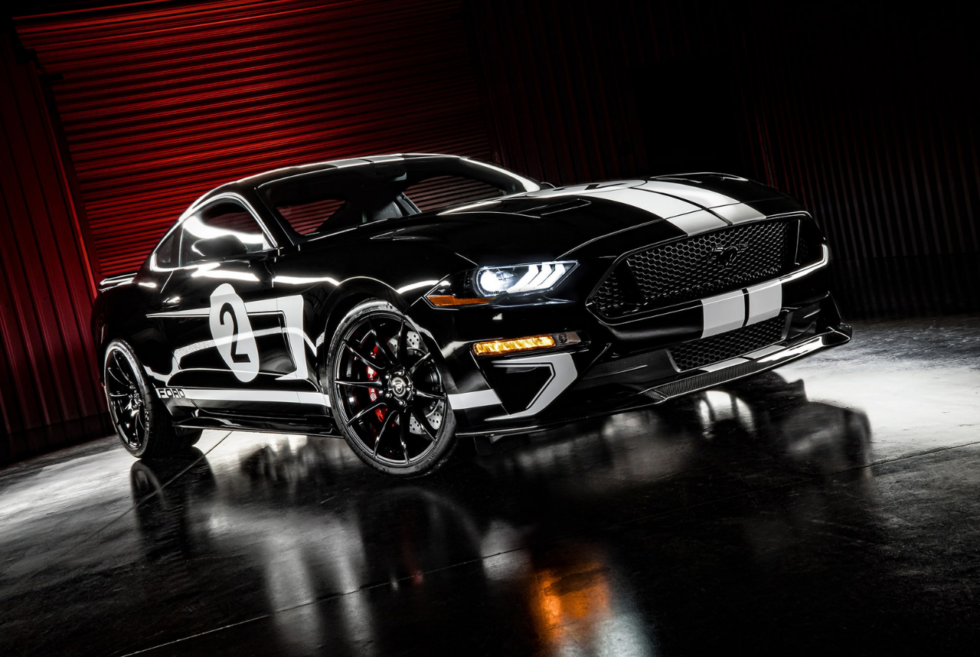
Any machine that undergoes world-class tuning from Hennessey Performance turns out to be jaw-dropping. Even at first glance, everything about this Mustang GT just oozes with unbridled power. Sporting a menacing glossy black coat with decals and racing stripes in white, it looks ready to rip the asphalt off the tracks or roads.

Hennessey Performance is tweaking the Ford Mustang GT’s engine with a 3.0-liter supercharger system. Some notable upgrades include an air to water intercooler system, new fuel injectors/pump, and a high-flow air induction system, among others.

This drastically bumps the Legend Edition’s output to 808 horsepower along with 677 lb-ft of torque. We also have a new splitter, side sills, rear spoiler with gurney lip all in carbon fiber courtesy of CarbonAero. The shop is also giving the muscle car a lowered suspension system to improve its driving dynamics.

The Ford Mustang GT Legend Edition sits on four 20-inch alloy wheels with Brembo six-piston brake calipers. Each one is wrapped in Michelin Pilot Sport Cup2 rubber. Hennessey Performance then subjects all of the 50 units to a comprehensive calibration. Once everything meets their strict standards, it receives a dash and engine plaque that lists the serialization.

Learn more about this build

[embedded content]

Images courtesy of Hennessey Performance

Bugatti Is Leaping Into the Future With Rimac and Porsche

It’s a match made in heaven — at least, if you’re excited about the prospect of ever-faster, ever-quicker hypercars surviving and thriving well into the 21st Century. On Monday, up-and-coming Croatian automaker Rimac Automobili announced they’re merging with none other than Bugatti — and effectively taking control of one of the most iconic brands in the automotive realm.

This means that Rimac founder Mate Rimac, the 33-year-old electric vehicle engineer who started out in the automotive world by swapping an electric motor into his E30 BMW track car, has now been handed the reins of the prestigious company that builds the world’s fastest, most expensive cars. Granted, he’s not gaining absolute control. The structure of the deal is a little complex, but in a nutshell: The company formerly known as Rimac Automobili has become the Rimac Group, which consists of two subsidiaries, Rimac Technologies (which will keep on developing electric vehicle tech for other companies) and Bugatti Rimac, which in turn will produce vehicles under the Rimac and Bugatti brands.

Bugatti Rimac, however, is only 55 percent owned by the new Rimac Group. Porsche — Bugatti’s recently-appointed patron within the VW Group — owns the other 45 percent. What makes things a little odd is the fact that Porsche also opens 24 percent of the Rimac Group, making it the second-largest shareholder behind Mate Rimac himself (and ahead of Hyundai, which has 12 percent of the company).

rimac flow chart bugatti
You know your deal is tricky when the press release includes a flow chart.

Rimac

While both Bugatti and Rimac will stay in their current homes of Molsheim, France and Zagreb, Croatia respectively for now, come 2023, development and operations for both brands will be consolidated at the future Rimac Campus, a 1.07-million-square foot complex near Rimac’s current HQ.

The move comes hot on the heels of the launch of Rimac’s latest car, the Nevera, which has launched to critical acclaim for its appearance, technology…and the fact that it can crack off sub-10-second quarter-mile times as casually as you or I would walk to the kitchen for another cup of coffee.

Still, great as the Nevera is, don’t expect Bugatti to do what Pininfarina did with the Battista and simply reskin the Croatian car. “That’s absolutely not going to happen,” Rimac told Autocar. “I’m a car guy, and while of course we want to make a profitable company, we will not just recycle what we have. We will not just restyle or hybridise the Chiron to make a new car. We’re developing a completely new product from the ground up, because we think that’s the best way to go, and that product will still have a combustion engine.”

Porsche CEO Oliver Blume was equally direct about Bugatti’s electrifying-but-not-electric immediate future. “We listened very closely to Bugatti’s fanbase, and for the transition period, we have an idea with more electrification but still retaining a combustion engine,” he said, according to Autocar. “We’re thinking about electrification with a higher grade on Bugatti as well.”

Still, while the combustion engine may not be getting phased out of Bugattis just yet, the move a dramatic show of confidence in Rimac and its vision of an electric future by Bugatti’s former outright owner, the VW Group. VW has long since made clear its intentions to go all-in on electrification, with ambitions plans to sell millions of EVs in the near future and largely cease internal combustion vehicle production by the time today’s toddlers are studying up for their learner’s permits. Handing one of its crown jewels to one of the most innovative people in the electric vehicle world shows yet again just how serious they are about leaving the ICE age behind.

LEARN MORE

This content is created and maintained by a third party, and imported onto this page to help users provide their email addresses. You may be able to find more information about this and similar content at piano.io