
Riding the bike will be even easier than it was last decade thanks to an assist and slipper clutch, which limits back torque and makes the clutch lever more responsive, requiring just a light pull to engage and let you shift gears.
Also easing the riding experience are a curb weight of ~386 pounds and an approachable seat height of 30.9 inches, plus a forward-slanting seat and wide raised bars that lend themselves to a natural, comfortable riding position.
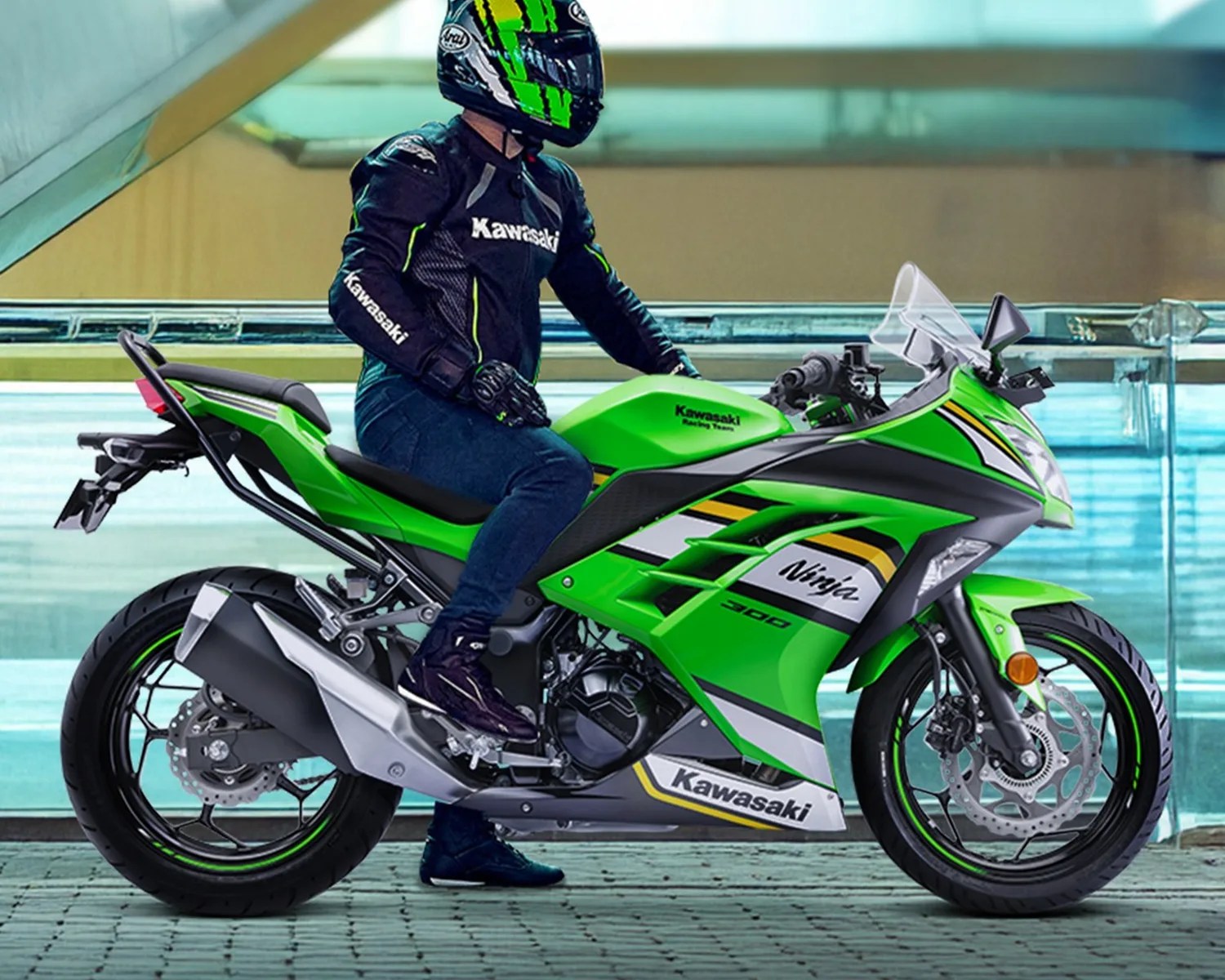
The bike also offers petal disc brakes with dual-piston calipers as well as ABS, which will keep you from fishtailing in a hard braking situation.
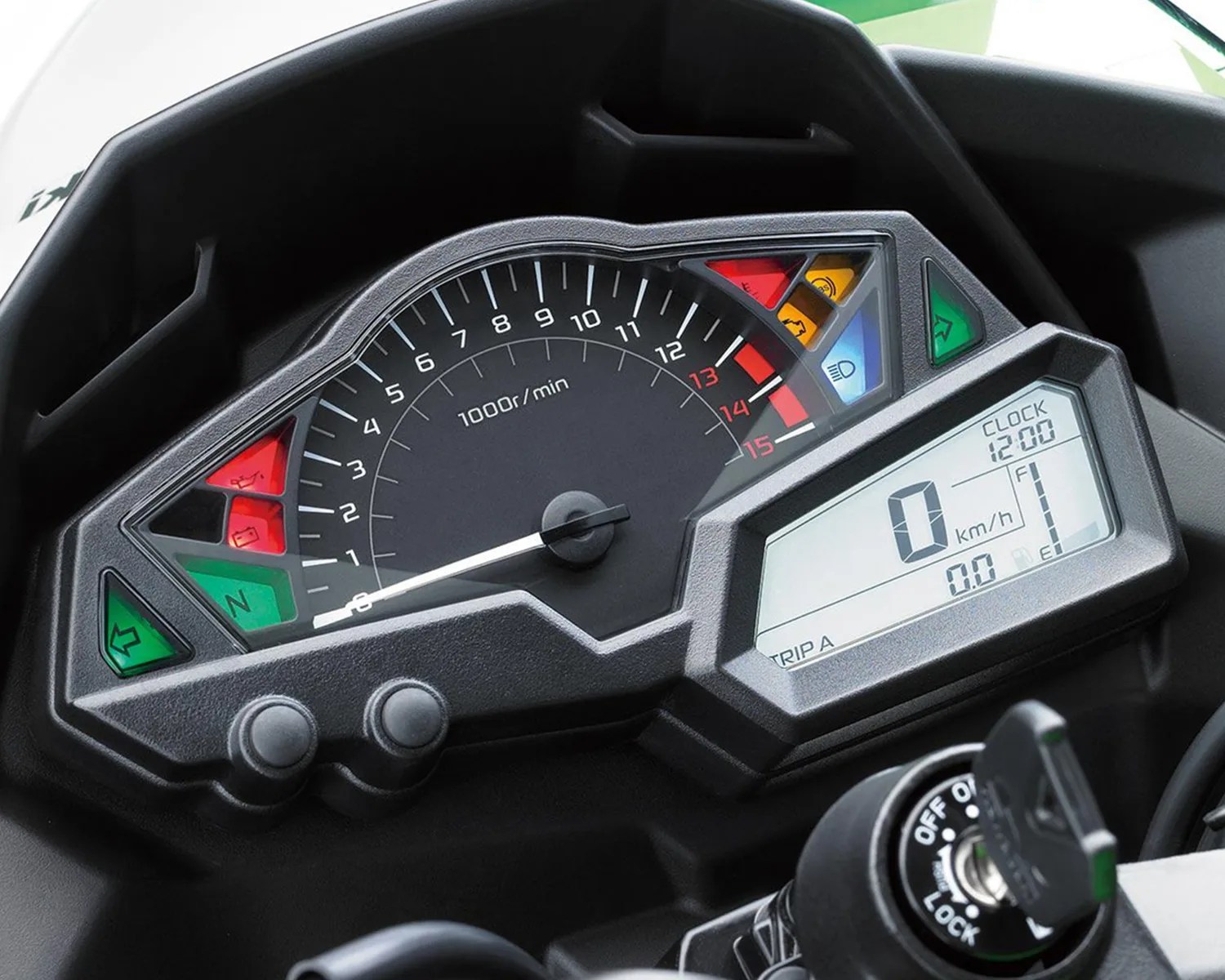
One other thing I kind of dig is the large, analog tachometer between the bars, complemented by a multi-function LCD screen offering a speedometer, clock, fuel gauge, dual trip meters, odometer and fuel efficiency metrics.
Seems like the perfect blend of old and new, which makes sense as the brand tries to lure new riders to an iconic sport bike nameplate with a history going back to 1984. You know, when the one-word key to the future was “Apple.”