
Carmakers have been experiencing a rough 2019 so far. Major automakers such as Ford, Toyota and GM have reported sales downturns. Spooked dealers are offering incredible incentives. Some analysts are talking of the car market undergoing a sustained recession-level downturn.
Some marques, however, are running counter to that trend and posting robust sales numbers this year. Here are six of them.
Lamborghini
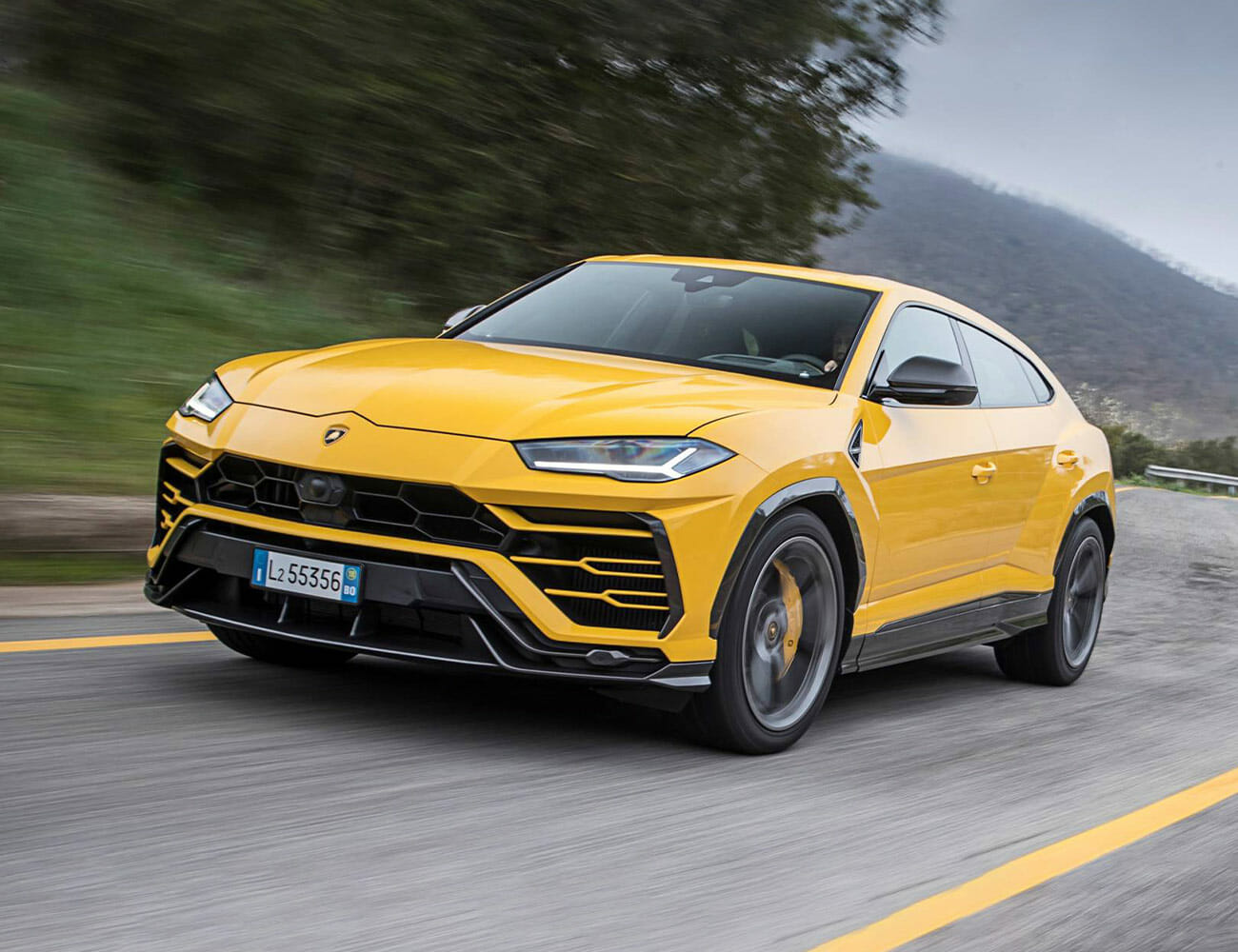
Lamborghini is living its best life in 2019. Sales have risen 96 percent worldwide through the first half of the year. They’re up 128 percent in the United States, which is Lambo’s largest market. These numbers come after a middling 2018, which saw a mere 51-percent growth over the . The brand’s newfound growth comes not from its popularity in cryptocurrency circles, but from the V8-powered Urus SUV, which the company describes as “the world’s first super sport utility vehicle.”
The Urus now comprises 59 percent of global sales. Those are the sort of numbers that will have Ferrari desperate to get its Purosangue crossover into showrooms. They also make a potential production version of the Huracan Sterrato seem far less ridiculous.
Ferrari
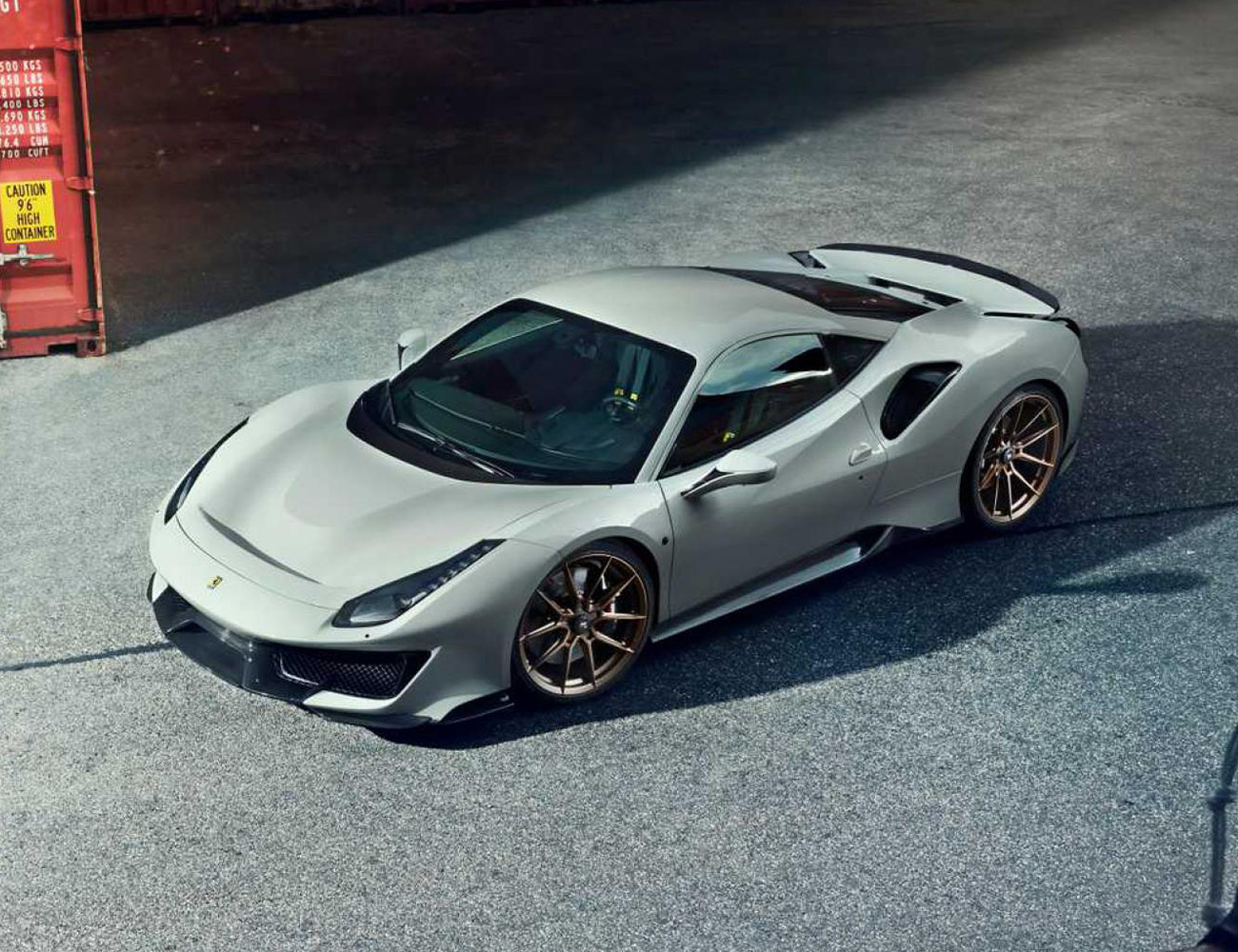
Ferrari’s profits are about more than the number of cars sold; the company counts on multiple revenue streams, including merchandising. But Ferrari has sold a lot of cars in 2019 — at least for itself. Deliveries were up globally by 15 percent through the first two quarters of the year. Ferrari grew 71 percent year over year in the diminishing Chinese market. The Prancing Horse also improved numbers in Europe (up 10 percent), the Americas (up 7 percent), and in the rest of the Asian-Pacific region (up 16 percent). And that’s without having an SUV in showrooms.
Volkswagen
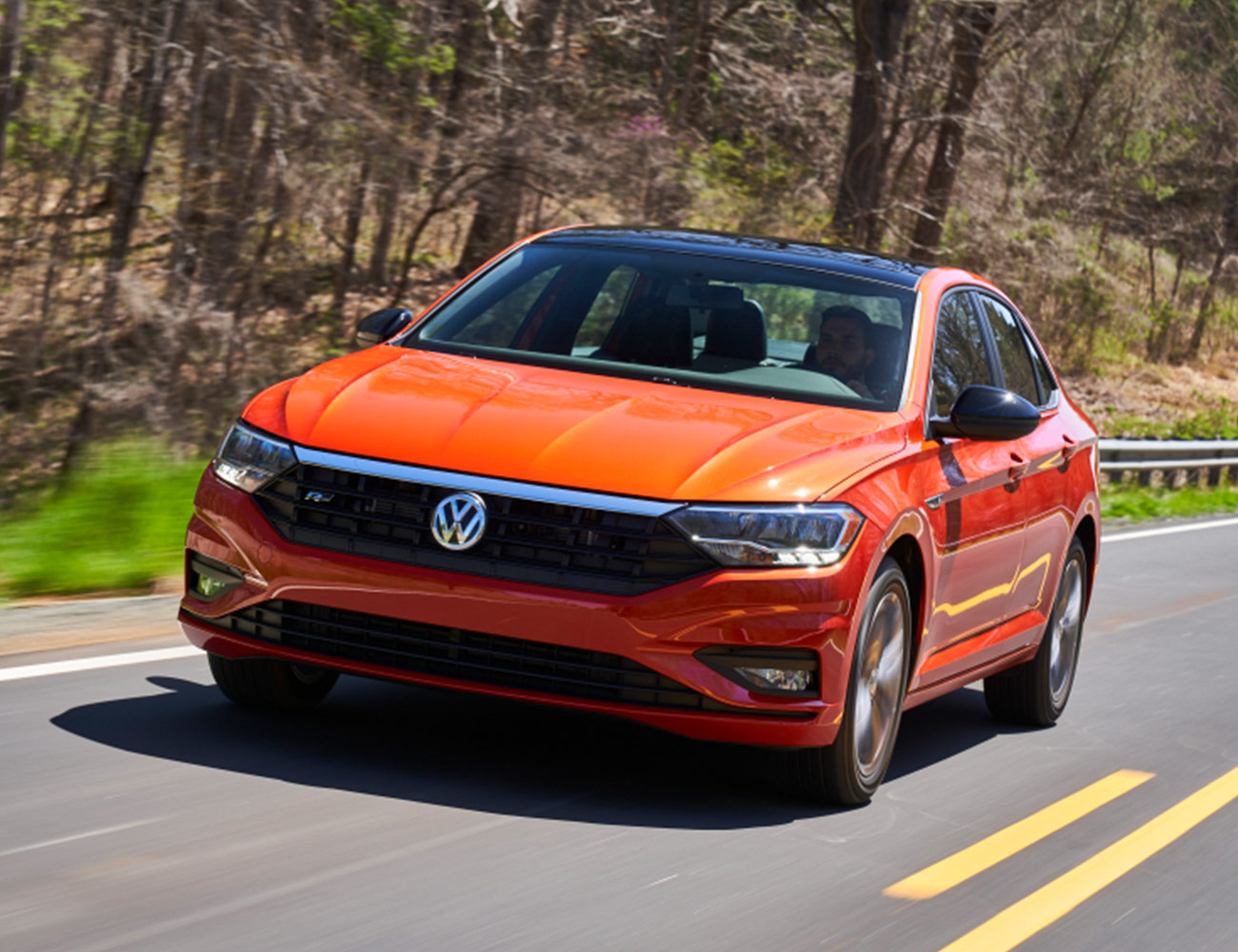
Volkswagen has found its way again after Dieselgate. That way is SUVs, for the most part. The company presented a three-prong American sales plan in January: focus on the Atlas, the Tiguan and the Jetta. With those cars’ sales rising 31 percent, 25 percent and 43 percent respectively, Volkswagen has been nailing it. Despite the Golf family being in near-terminal decline, total U.S. sales have risen 6.1 percent year over year. Plans to ditch the wagons and offer more crossovers will rankle traditionalists, who want VW to remain committed to value, excellent handling and manual transmissions in perpetuity. Sales numbers suggest Volkswagen should ignore them.
Subaru
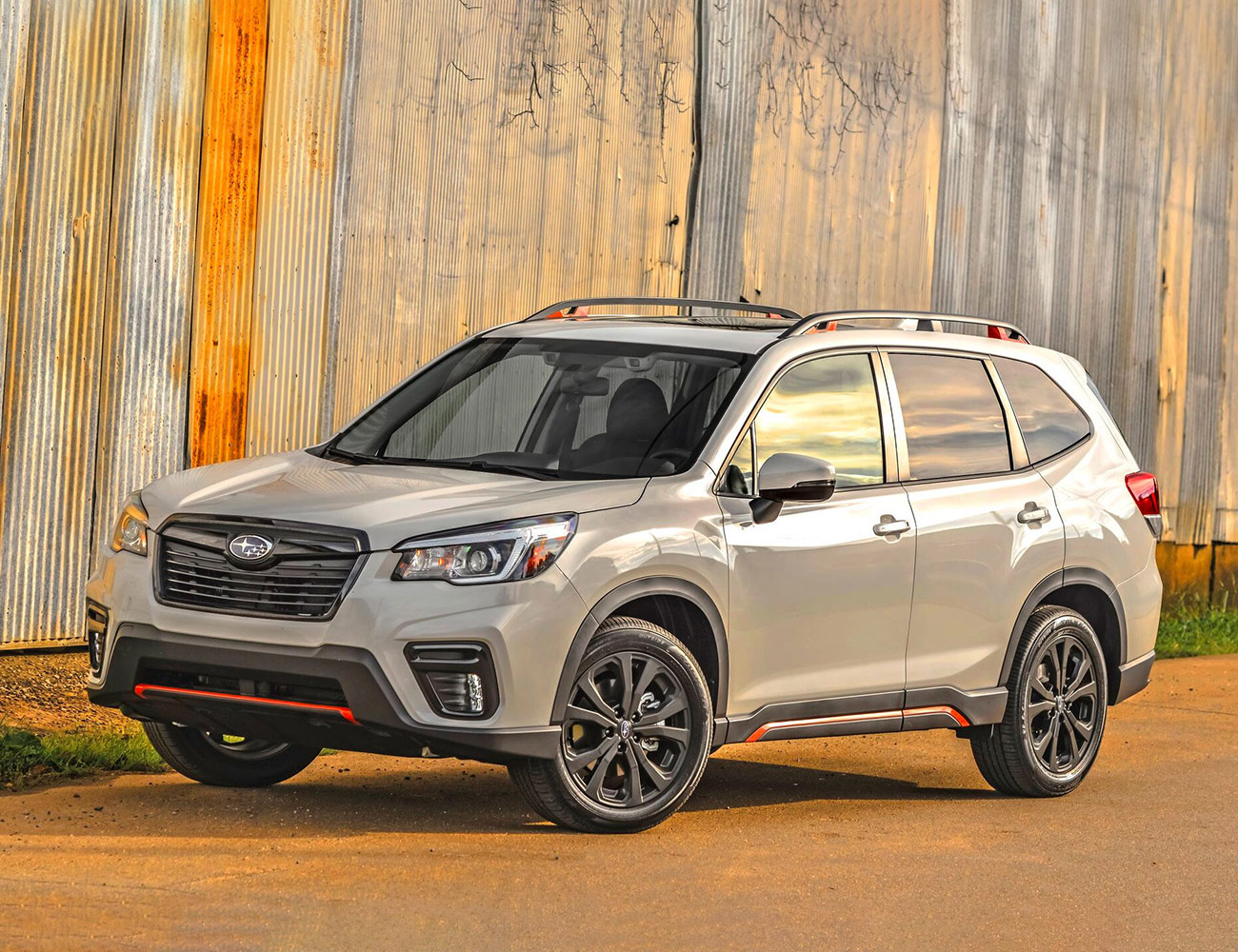
Nothing will stop Americans from buying Subarus. Literally almost nothing. Emissions cheating? Poor working conditions? Production flaws? None of those stories has put a dent in booming U.S. Subaru sales. July was Subaru’s 92nd straight month of year-over-year growth. Total sales have risen by 5.6 percent year over year. The bestselling Outback (up 4.7 percent) has more than held steady even in an outgoing model year with a new version about to arrive. The redesigned Forester (up 8.5 percent) is right up in its rearview mirror, with more than 100,000 units sold. Subaru has also sold 47,000 Ascents through the first seven months of 2019. Practicality, ruggedness and resale value remain a heck of a formula.
Ram
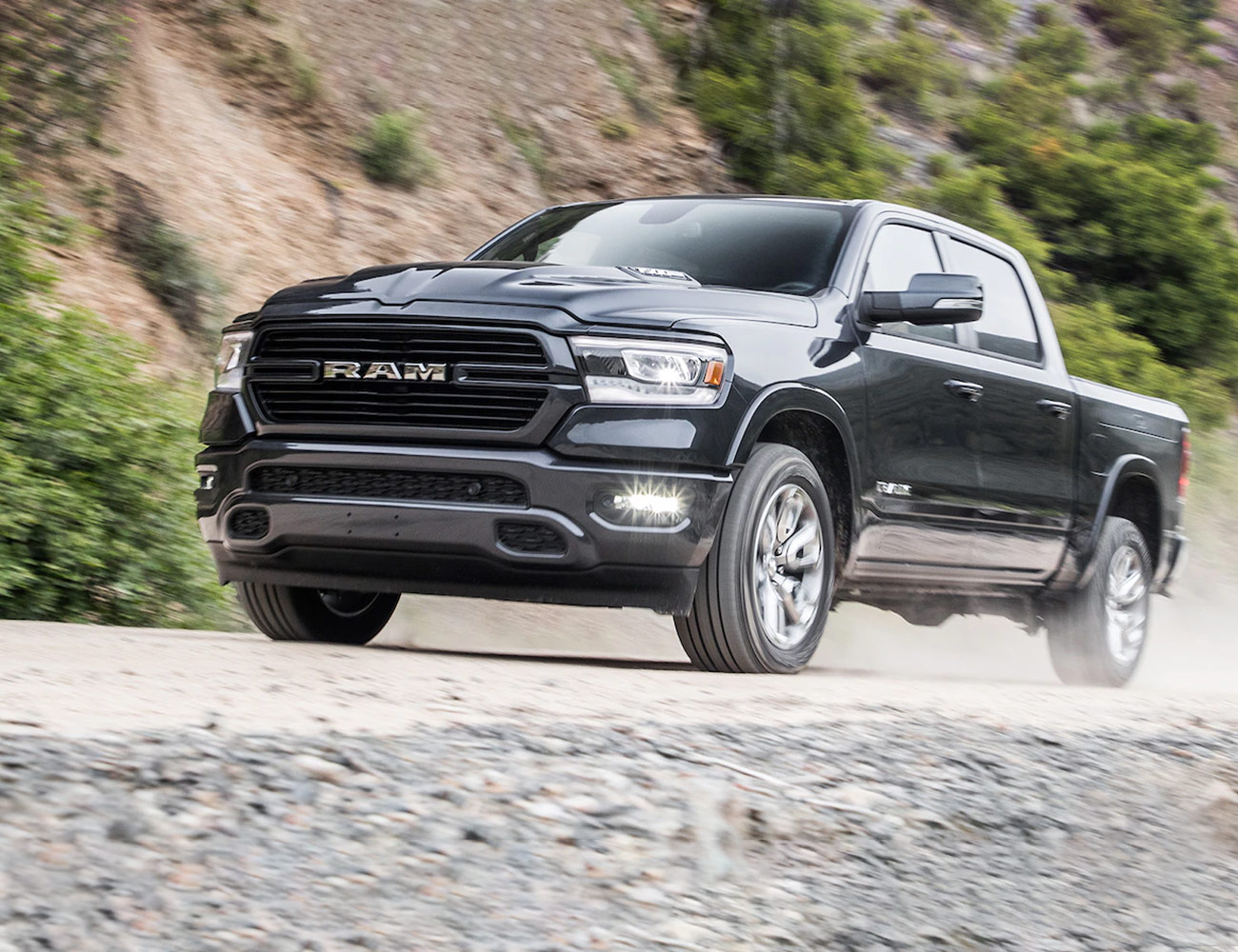
Ram has been the talk of the truck market, and it has little to do with that goofy split tailgate. The brand sold 299,480 pickups through June, a 28 percent year-over-year increase. That surge was enough for Ram to overtake the Chevy Silverado as the number-two best-selling passenger vehicle in the United States. It’s not clear there is one specific factor, but reviews for the redesigned 2019 model with its impressive interior have been generally positive. Ram has kept the previous model on as an affordable “1500 Classic,” a move that has been so successful Ram plans to not just continue building but also keep updating that model. (Notable hiccups on the Silverado’s part may also be part of the Ram’s rise.)
BMW
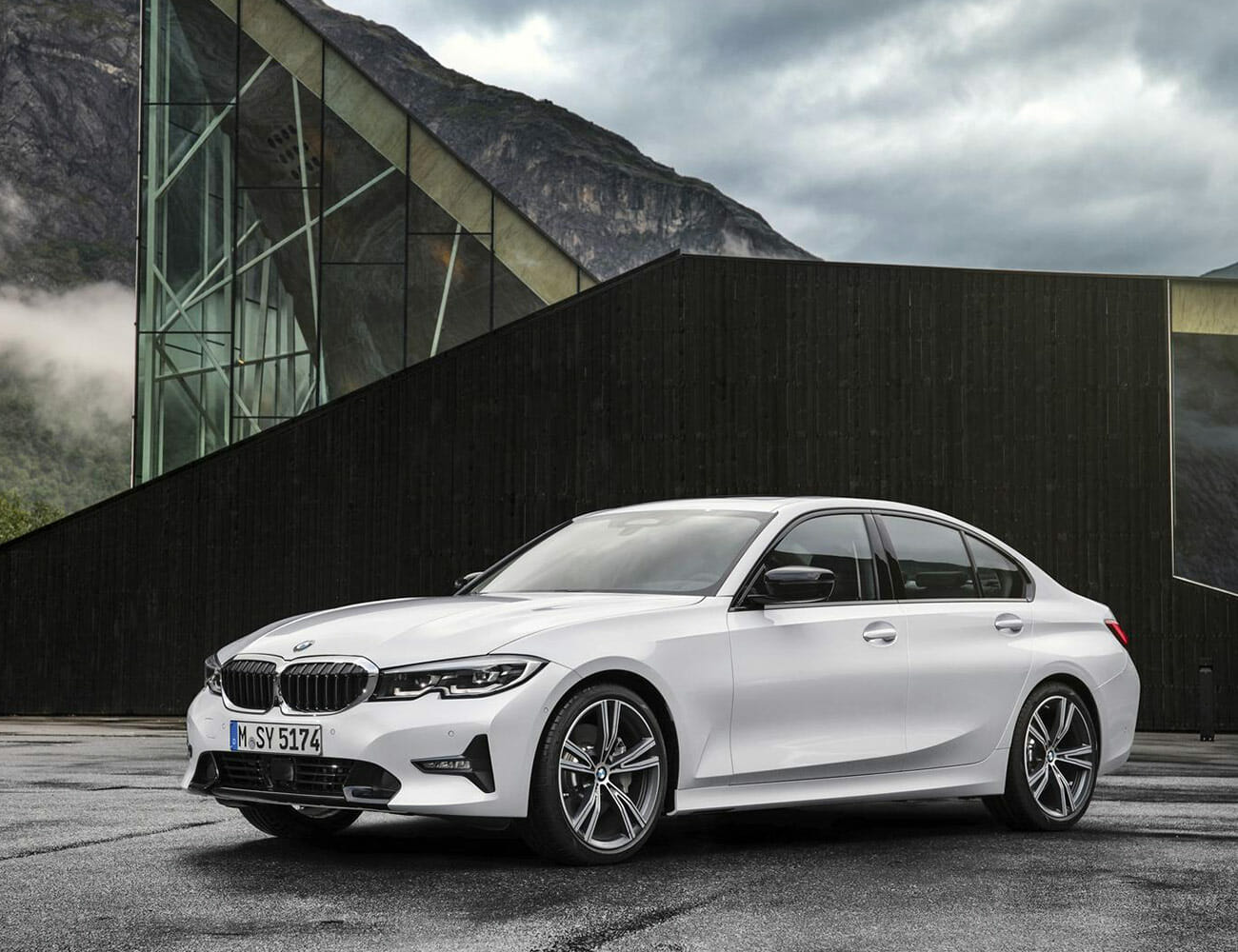
BMW sales are up 2.3 percent year over year in the U.S. in 2019. If that does not sound strong, compare that to the efforts of rivals Mercedes (down 4 percent), Audi (down 5 percent), and Lexus (down 6.3 percent) thus far. BMW has even opened up a lead over Mercedes in cars sold in the States. The stronger sales are due to BMW’s “light trucks” — all SUVs from the X3 upward — whose sales are up 34.4 percent year over year. The X3 (up 30.2 percent) and the X4 (up 99.3 percent) have been particular standouts. BMW moving 10,279 new X7s so far this year shows tremendous potential in the full-size SUV category.
Alas, it is not all beer and sausages in Bavaria. Mini being down 24.2 percent year over year wipes out much of BMW’s gains.