All posts in “Editorial&Opinion”

Kind of Obsessed: This Uninteresting Strap Is the Best Camera Accessory, Ever

I’ll always remember my high school photography class for two reasons: I was the only boy in the class, and I was the only student to shoot assignments using a point-and-shoot. While the rest of the group had purchased DSLRs before enrolling, I clung to my Panasonic by its tiny wrist strap because I wasn’t ready to make the $1,000 investment an upgrade required. And while it was the stacks of National Geographics that my mom had collected which excited my original impulse toward picture-taking and brought me into the class, it was the adventure photographers on Instagram who inspired me to buy a better camera years later.

I researched that purchase for months before landing on a shooter — Sony’s mirrorless a6000 — and a small collection of accessories to compliment it. But there was still one item that paralyzed my decision-making: the strap. Almost all cameras will come with a strap in the box, but these are often flimsy afterthoughts and to be frank, they’re plain ugly. I like Sony, but I don’t necessarily want to wear its logo as a collar every time I’m out with my camera.

Because a strap is as low-tech as it gets compared to other camera accessories, it opens up a world of personalization. Camera straps can be wide or narrow, leather or webbing, plain or patterned. I was drawn toward straps that fall into two different buckets — the markedly outdoorsy paracord strap and the plain yet useful webbing strap. My only problem was that I held issue with both.

The paracord option seemed more lighthearted and spoke to many of my hobbies, but I didn’t want an outdoorsy image to convert me into an archetype. On the other hand, many of the webbing straps I found were too wide and seatbelt-like. I was stuck.

Then, like a tech-obsessed Goldilocks, I found it: Peak Design’s Leash camera strap. There isn’t much visual appeal to the Leash. Its materials don’t emphasize climbing or even photography, really — it’s just a conventional piece of narrow (three-quarters of an inch) webbing, which unbeknownst to me, was exactly what I was looking for.

It wasn’t just aesthetics that drew me to the Leash though — the unassuming strap boasts what are possibly the best design features of any available, starting with what Peak Design calls anchors. These are small, circular discs with loops of cord that act as intermediary mounting points between the strap and the camera body. They form the basis of Peak Design’s product ecosystem, and once girth hitched in place, you can leave them there and swap out between neck straps, wrist cuffs and more. It’s one of those “no-duh” ideas you wish you’d thought of yourself.

The Leash also utilizes easily-slidable hardware for length adjustment that can be operated with one hand. That may be a small detail, but with something as basic yet essential as a camera strap, it’s often the small details that create the most significant impact. Not so little is the strap’s ability to support 200 pounds of weight — a fact that’s ridiculously superlative given my current camera setup, but who knows, maybe it’ll save my life someday.

Peak Design recently redesigned the Leash and its anchor point system to be even better, and I made the gratuitous upgrade almost immediately. I’ve been caught in Peak Design’s tractor beam, and my credit card seems to have developed the Pavlovian response of exiting its sheath in my wallet to jump into my hand any time the brand announces something new. My growing collection of cameras is grateful for it though.
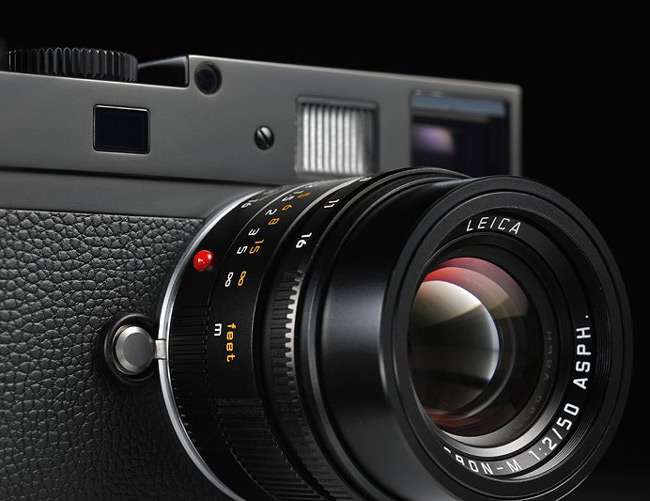
The Best Cameras for Black and White Photography

Many digital cameras have monochrome modes, but they’re not as good at capturing true blacks and whites — here’s why. Read the Story

Note: Purchasing products through our links may earn us a portion of the sale, which supports our editorial team’s mission. Learn more here.

Meet Margo Hayes, the Badass Rock Climber Pushing the Sport to New Heights

M

argo Hayes is on fire. The 20-year-old rock climber was the first woman to climb a 5.15a grade route (on La Rambla in Catalonia, Spain) in February of last year — and she’s already repeated that feat this past September with an ascent of Biographie/Realization. While grades are somewhat subjective, those two climbs are some of the toughest in the world, and she accomplished both in just one year.

After sending La Rambla, Hayes garnered serious media attention outside of the climbing world, which is especially rare for climbers. She became a North Face sponsored athlete, was recently featured in Outside magazine and she’s now one of the central forces behind The North Face’s newest ad campaign #SheMovesMountains.

Even through her Instagram feed, you can feel Hayes’s exuberance for the sport. After each competition, she thanks every single person involved, posts images of fellow climbers wishing them well on future climbs and congratulates them when they send one.

But Hayes’s next big feat could bring her even more recognition than sending 5.15a. In 2020, there’s the possibility that Hayes could represent the U.S. at the Olympics, where climbing is a new sport. “It would be a dream come true [to compete]. There’s tough competition and many people are shooting for that, but you don’t obtain anything you don’t try,” Hayes says.

We caught up with Hayes to hear about her training philosophies, her love for climbing, the art of pushing yourself and the gear that takes her to the top of some of the world’s toughest climbs.

Photo: Clayton Boyd/The North Face

Q:

What is it that you love about climbing?

A:

I love the movement. I love how I feel connected to the rock when I’m outdoors. Normally I don’t use metaphors such as beating the climb or conquering the climb — most of the time it’s being one with the climb. I like to keep a really positive relationship with any project that I have, and that’s just my method. I have a lot of respect for our earth and our planet so when I get to be a part of that and I get to climb, I feel so much respect and appreciation for what I’m climbing on and experiencing.

Q:


How do you get yourself in a mental state to compete every week?

A:

I always remind myself why I’m doing it — because it’s something that I love. When you head to a competition, you really look at the exciting aspects of it, and each time you compete it’s a chance to succeed and challenge yourself. It’s really fun. It’s also a chance to learn from the other competitors. And see how you can improve.

Q:


You’ve been climbing for 10 years, what has kept you going?

A:

Climbing is an evolution. From its roots in mountaineering and competition climbing, outdoor sport climbing, bouldering, there are so many different avenues and each continues to change, so you’re always learning. It’s not something you can conquer. It’s not like you can solve the equation and then it’s not difficult, there’s always a way to improve. I love that aspect of change and of growth and learning. I feel a strong connection between my mind and body and I feel best when I’m on the wall; when I feel like from my head to my toes is completely in sync, in a rhythm, some kind of dance.

Q:


What was it like when you accomplished sending Biographie?

A:

There were a lot of ups and downs in that process. That climb took me much longer than La Rambla did — partially because it was more mentally difficult. It’s a historical climb that comes with a lot of weight — it’s hard to treat like any other climb.
My mom was visiting me in France, helping me move out and she said “Okay if you get your whole apartment packed up, then sure we can go back up.” For me it’s about a 50-minute hike uphill, It’s steep, and you can see the wall the whole time, so it’s like you’re already climbing once you leave the parking lot. On my first try of the day, I didn’t do it. My mom was going to head down, but then she was like “Oh I’ll just stay.” And on my second try I ended up doing it. My mom is the person I’m closest to, so it was really cool to have her there.

Q:


When you first heard about indoor climbing at the 2020 Olympics, what were your emotions?

A:

I was really excited. I think it’s going to be great for the sport, and I think it’s going to open up peoples’ eyes to the world of climbing. If other kids and adults can enjoy the sport as much as I do and as much as the rest of the community does, then it’s a gift we’re giving to that population that is currently unaware of such an amazing sport.

Margo Hayes’s Gear

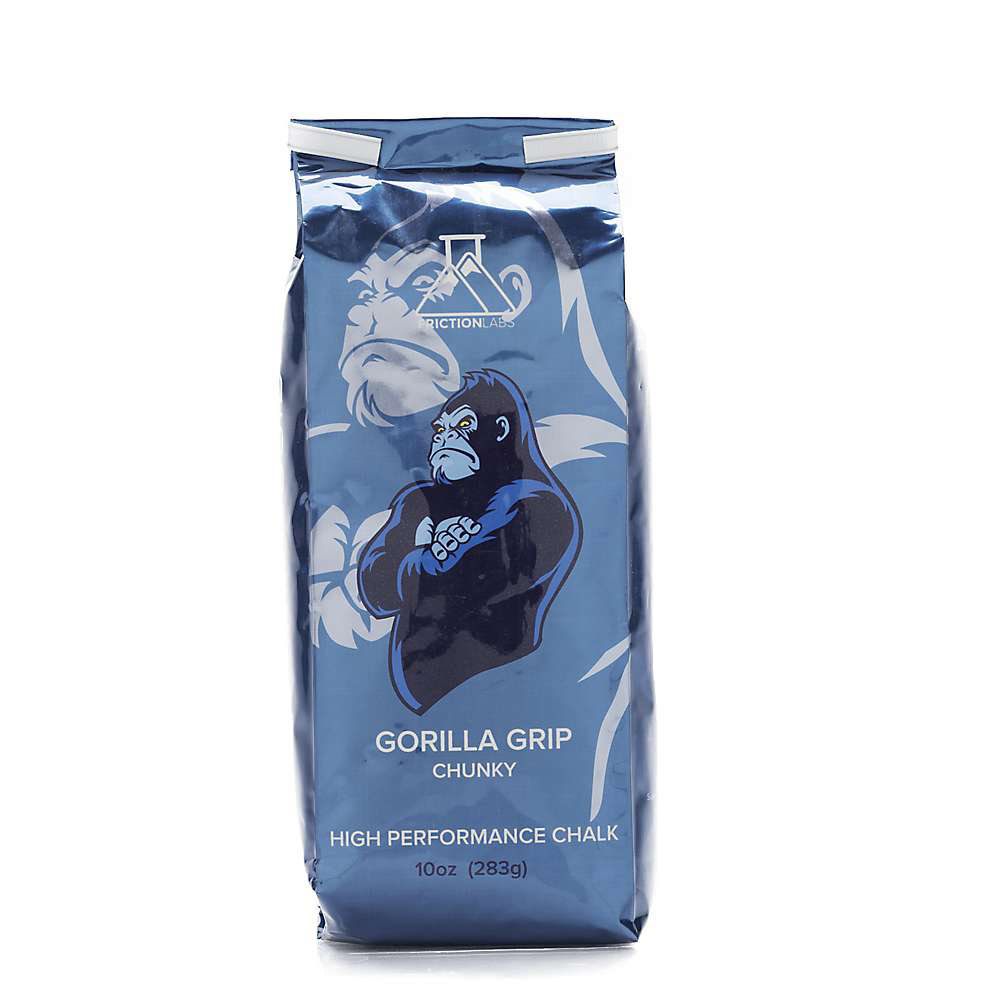
Gorilla Grip Chalk by FrictionLabs $15+

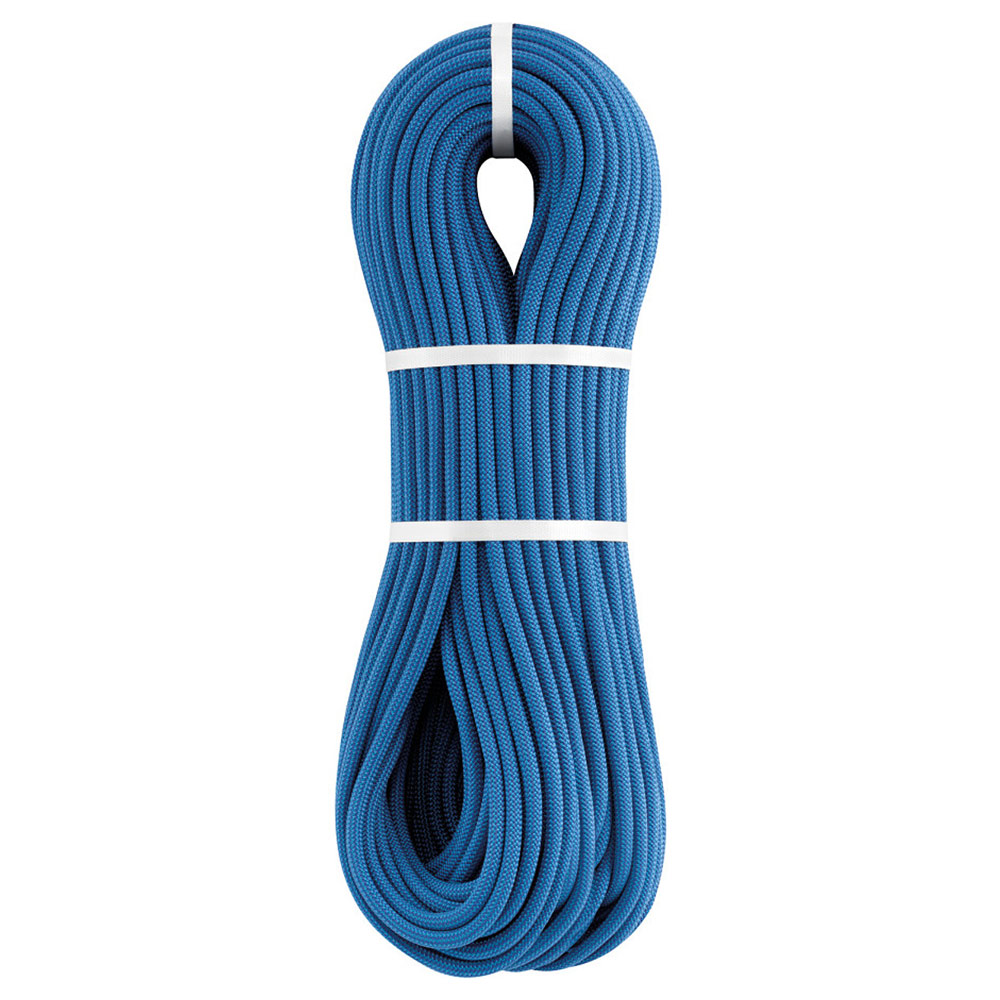
Contact Standard Climbing Rope – 9.8mm by Petzl $220+

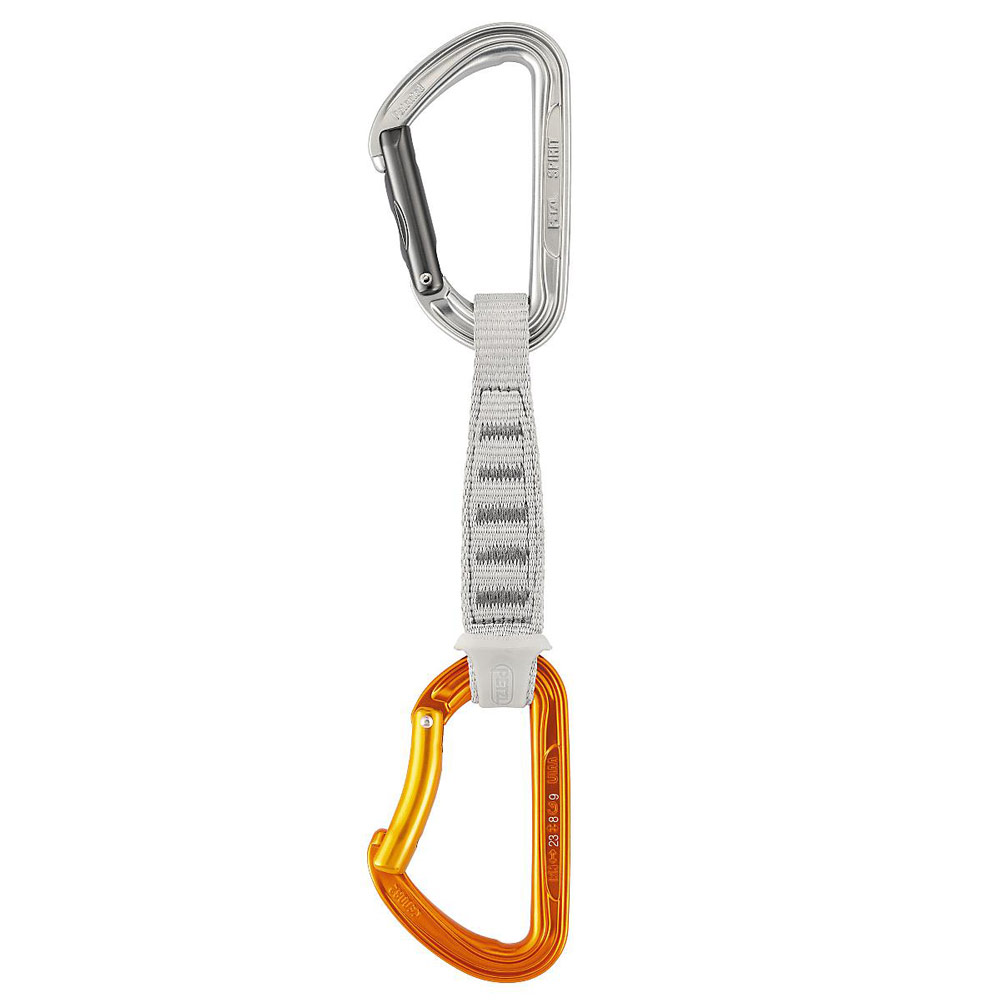
Spirit Express Quickdraw by Petzl $24

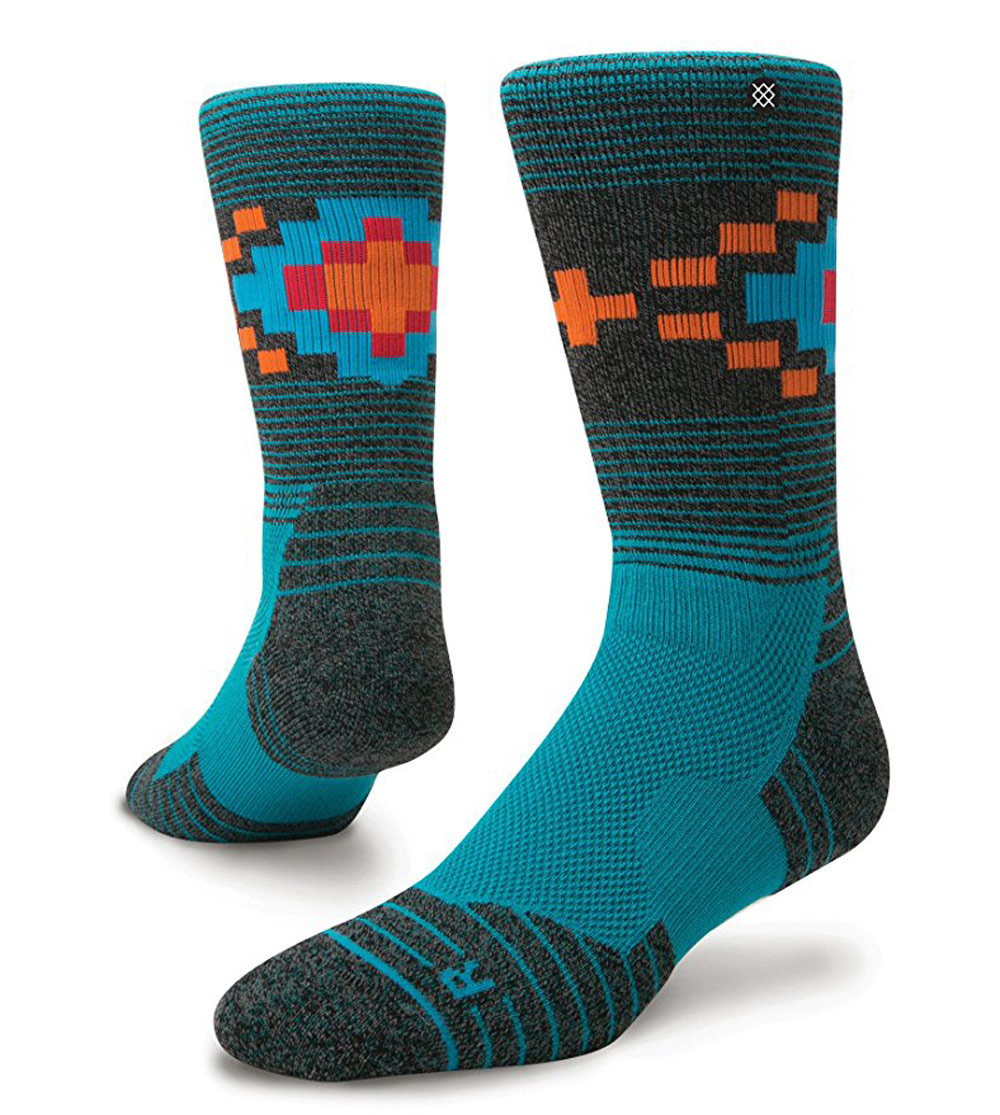
Adventure Wheeler Crew Socks by Stance $24

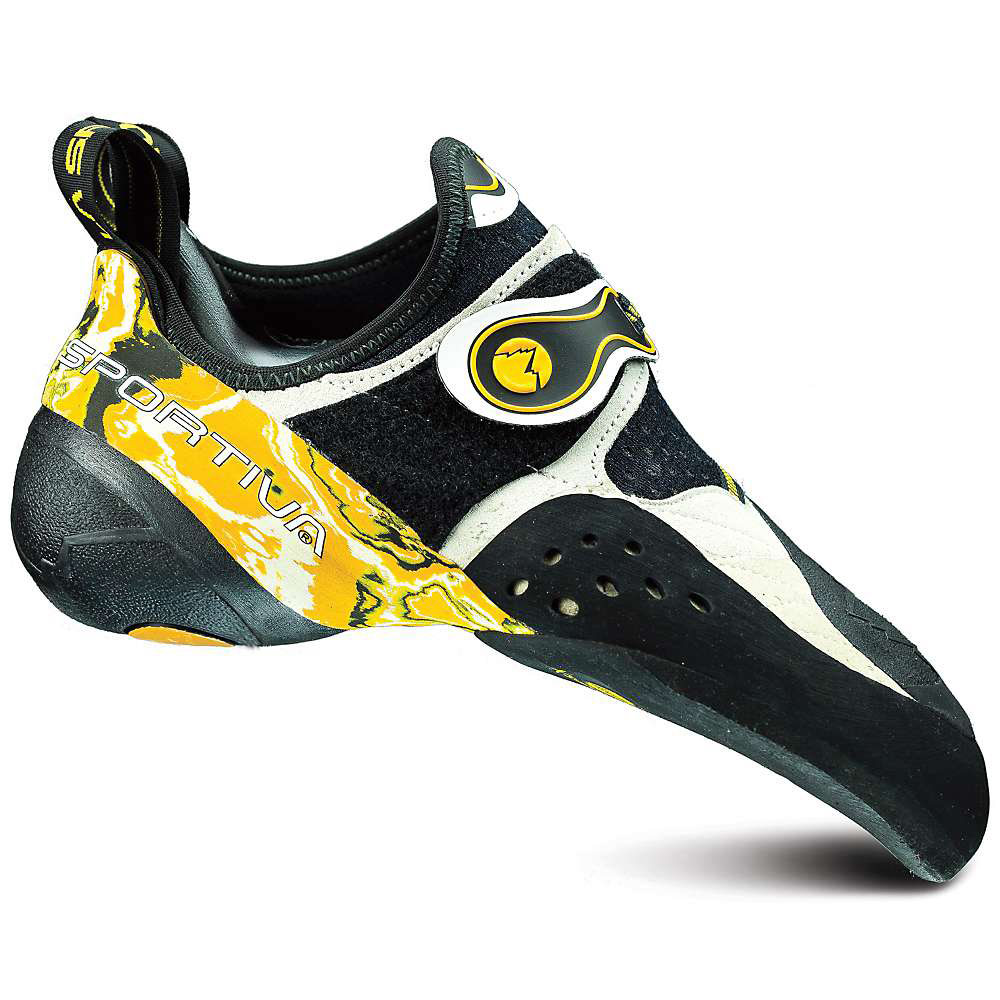
Solution by La Sportiva $144

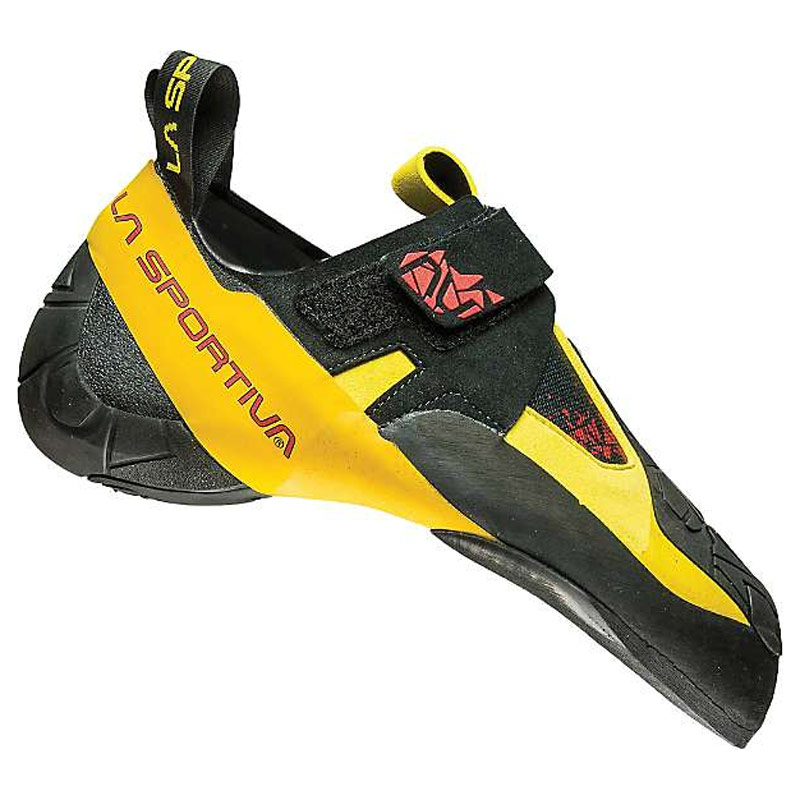
Skwama by La Sportiva $165

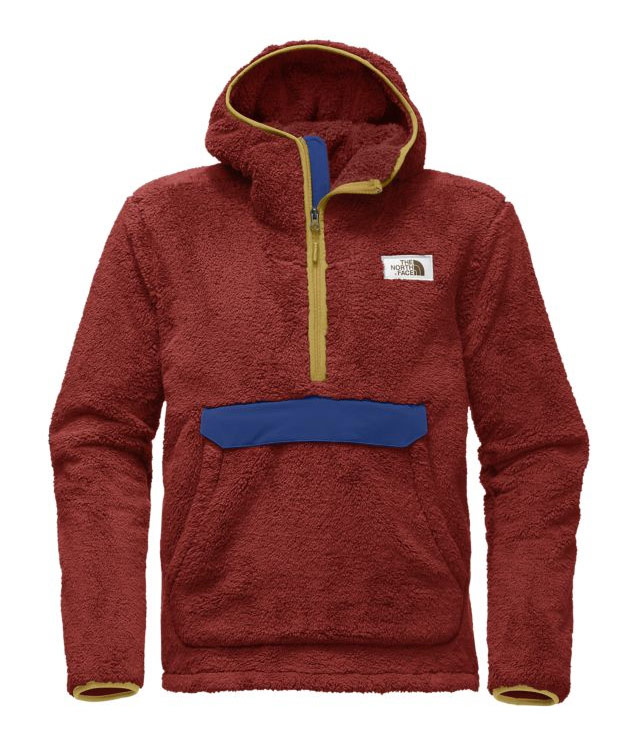
Campshire Pullover Hoodie by The North Face $149

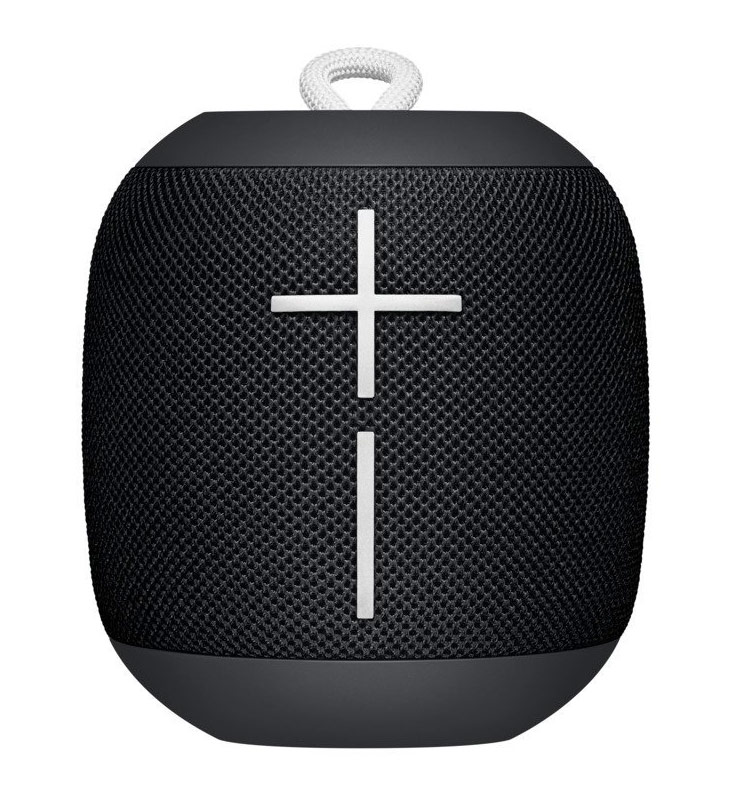
Wonderboom by Ultimate Ears $60

I Wore the Same Shirt for Weeks and it Never Stank

It was a grim and rainy Saturday when I packed up my apartment on Manhattan’s Upper East Side to join the legions of hip and relevant yuppies in Brooklyn. On a map, the change represented a linear distance of only a few miles but in the city that might as well mean different counties. The path I was to tread was filled with obstacles including limited curbside parking, closed bridges, subway changes and a far-off Uhaul outpost, but none were so great as the five flights of twisting stairs through which all of my belongings had to be shuffled.

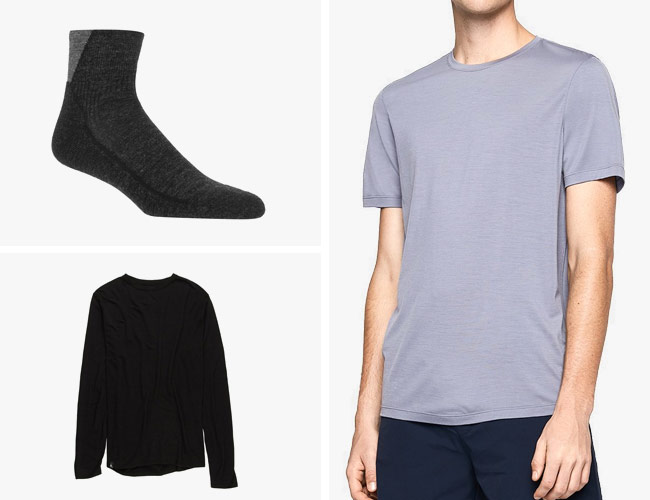
I started the day wearing Outdoor Voices’s Merino Tee. I had been turned onto the athleisure brand by its Doing Things Tee, which I’ve been told — many hugs after I got it — is the softest shirt I’ve ever worn. I love merino wool anything, so it seemed like a solid bet that Outdoor Voices could pull off a quality t-shirt using nothing but the all-natural, quick drying, anti-stink material. Yes, the Merino Tee is 100% merino wool, which is, I suppose, to be expected.

I’d estimate the number of laps that it took me to move the contents of my less-than-400-square-foot home up and down the stairs to be less than ten but more than five (with some friendly help). The climatic change that occurred between the apartment and the Uhaul’s parking space was that of a desert and a bog. The indoor struggle produced a quantifiable volume of sweat that was then lightly washed away in the rain outside. Later, rinse, repeat.

By the end of the ordeal, the new Brooklyn apartment was filled but not quite furnished, and I had dropped off the rented van and returned by bike. My shirt was neutrally damp when I tossed it on the floor for the evening and settled into a buffalo chicken pizza and bed. When I woke the next morning, rather than face the trial of unpacking a suitcase, I opted for the sniff test. The Merino Tee was dry, and it smelled fine.

I went through Sunday’s business as usual, waiting to see if my girlfriend would notice that I was still wearing the same sandstone-colored t-shirt as the day before. She didn’t, and when Monday morning dawned and a quick survey of the t-shirt’s smell produced positive results for a second time, a personal challenge developed in my mind.

I continued to wear the t-shirt for the entire week, covering it with various flannels and sweatshirts so as not to throw-off my friends and coworkers to the degenerate game I was playing. “I am conducting an experiment,” I told myself (“Think of the savings on laundry!” I exclaimed inwardly).

One week easily turned into two, and I had still not changed or washed my shirt. By this point, my girlfriend was sharp to the game, but my coworkers were not — or if they were, they had refrained from comment. At the end of week two, I wondered if I had proven my point. The Merino Tee certainly had — it never betrayed me with any wafting aromas, never became itchy, never appeared dirty.

I remember a time years ago when I was exploring New Zealand’s Southern Alps by foot, and for three weeks straight I had worn the same merino wool baselayer, without removing it at night. I had been hiking every day and apart from the occasional river crossing and intentional dunk, had not bathed at all. Those leggings did eventually develop a smell — not a stink, but a smell — and I continued to wear them out of the necessity for warmth in the cold.

A t-shirt is different though; it’s the most essential of basic daily apparel. A plain t-shirt can speak measures or say nothing at all, transitioning between everyday necessity and conscious style choice. Finding a great t-shirt is like finding a good friend, and a friend who will stick around with you for two weeks nonstop without making a mess of the place is someone to keep around. I stopped wearing my Merino Tee every day at some point during my third week, thinking that I could use a change of pace and that those around me could use a change of scenery. It still doesn’t smell though, and I still haven’t washed it.

5 Wool Products That Are Perfect for Summer

Despite its perception as a cold weather-only fiber, wool is practically-suited for wear during the summer. Here are the reasons why, and five merino products that will help you beat the heat in the coming months. Read the Story

Kind of Obsessed: This Tiny Knife Made Me Change the Way I Think About Pocket Knives

I still remember the first knife I ever owned: it was a medium-sized Swiss Army Knife, made by Victorinox, called the Sportsman and it was given to me by my father. I had waited expectantly for that day ever since my brother received his first knife, a Leatherman, and was admittedly slightly disappointed when I saw my new possession’s size in comparison to what he had been given. I was confused; did my father think me unfit to handle a bigger blade? Maybe it had something to do with my brother lopping off the top of his finger while whittling a wine cork.

I didn’t have much use for a knife back then. The Sportsman’s tweezers saw more use than the knife blade, and I was thoroughly addled by the spiral tool affixed to one corner (a wine corkscrew). The knife spent most of its life in a drawer.

Years later, I recognized a need to carry a knife on a regular basis and stopped in at an REI while passing through Salt Lake City on my way from one coast to the other. I bought Gerber’s serrated Fast Draw, which, with a three-inch blade, isn’t a big knife by any means, but an upgrade over the Swiss Army nonetheless (and more formidable with a spring-loaded, assisted-opening mechanism). That knife became my daily companion, tasked with everything from opening letters at home to splitting pineapples on Costa Rica’s Sarapiqui river.

Jump ahead a handful of years, and I’m living in New York City, where an outdated law bans all “gravity knives” — folding knives that can be opened with inertia, like the flick of a wrist — as well as assisted opening switchblades, and my Gerber suddenly became quite illegal. I was forced to abandon it and search for a stand-in to fill the deep void it left.

When I stumbled across the James Brand’s Elko, memories of the Sportsman immediately brought forth preconceived ideas about the inadequacy of small pocket knives. Closed, the Elko is the size of a USB stick. Open, it’s just over 4.3 inches, shorter than a standard pen. Not useful enough, I thought, keep looking.

Then, a few weeks later, I interviewed Ryan Coulter, the James Brand’s founder, about the design principles guiding the company’s aesthetic. He talked about minimalism, and a focus on quality, not quantity. And he used the Elko as a benchmark: “In some ways, it’s maybe the best example of modern minimal everyday carry that we’ve ever pulled off,” Coulter told me. “We really believe in this idea that the best knife for you is the one that you actually have with you. So the idea of having a knife that could go with your keys, that you can basically never forget, is a really important idea for us.”

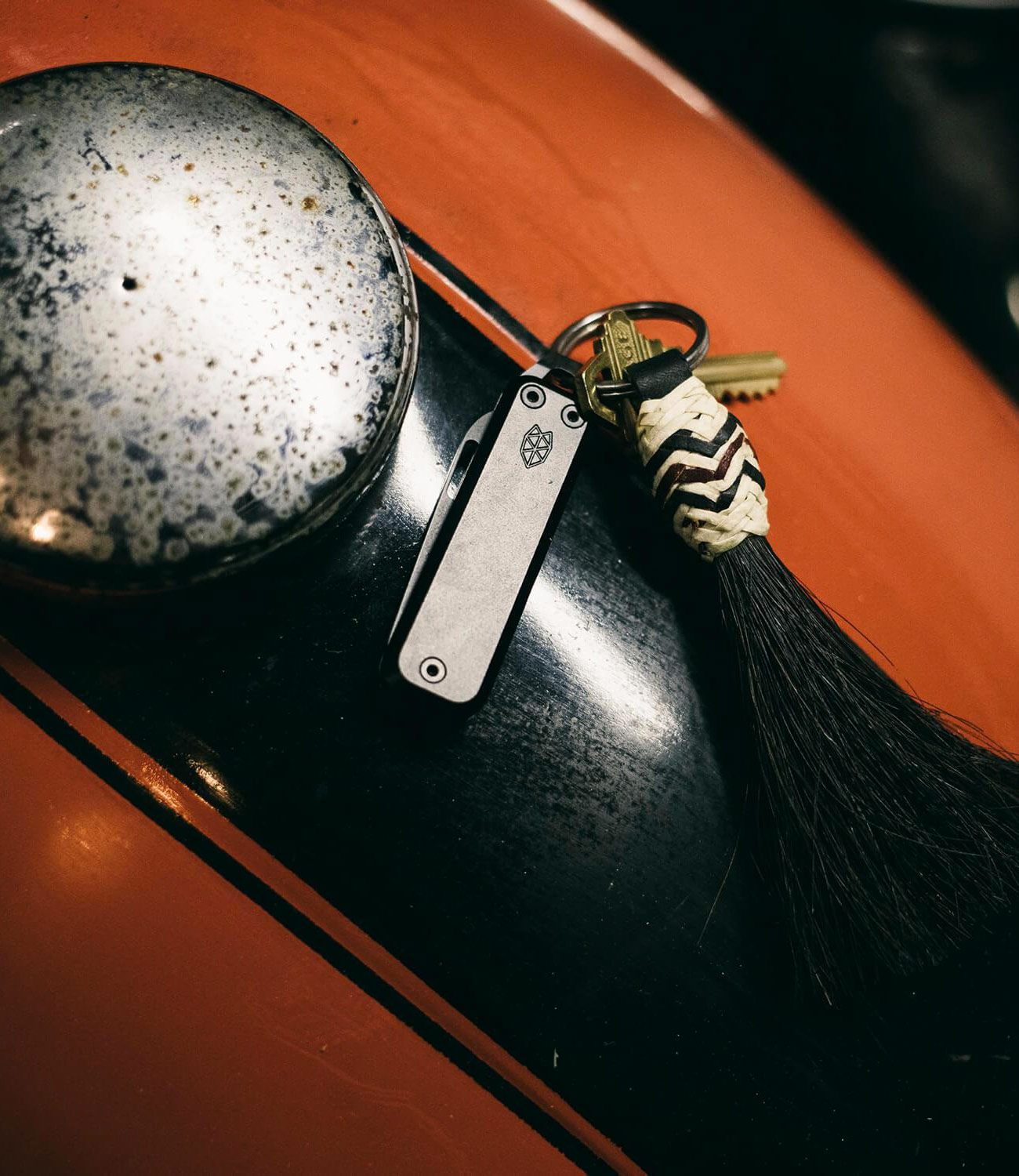
I was convinced. An Elko — silver handle, stainless steel blade — has been affixed to my keyring in the months since. Its 1.7-inch blade is Sandvik 12C27 steel, which is hard, corrosion-resistant and features a one-of-a-kind drop-point shape designed specifically for maxing out effectiveness with the smallest possible profile. Even the keyring loop on the Elko’s butt is designed for prying, scraping, twisting screws and opening bottles.

In fact, the best thing about the Elko is its size. No other knife, including the Sportsman, has ever gone as unnoticed in my pocket with my wallet and keys. It’s the type of item I forget about completely until the moment when I need it — a validation of good design in any product.

When I do move to a place with less antiquated knife laws, I’m not sure my old Gerber will find its way out of storage; it’ll sit in a drawer, next to the Sportsman, while the Elko stays attached to the keyring in my pocket.

Kind of Obsessed: I Don’t Climb, but I’m in Love with These Climbing Pants

Excerpt of next up story. Read the Story

Kind of Obsessed: The Shorts That Made Marathon Training Palatable

Marathon training is a beast. It’s hard to balance weight training with short runs and long runs – and getting the proper amount of sleep and fuel your body needs on top of that is near impossible. The last thing you want to think about is your gear. You need something that is going to perform well again and again. This past fall, the NYC Marathon taught me just how crucial it is to have quality gear. On days where my training schedule dictated long runs, I often got about three miles in and realized something (my shorts, shirt or socks) was going to prevent me from finishing my run. I was surprised by the damage a poorly constructed inseam could do over the course of 15 miles. The one item that never let me down: Tracksmith’s Session Shorts. They’re the pair I reach for over and over again.

On average, you spend about four to six months training for a marathon. During that time, you run a minimum of three times a week, and a pair of shorts goes through anywhere from 80 miles to well over 160 miles of abuse in that span. I wore the Session Short for practically every long run I did – roughly 132.75 miles – and they’re still in great shape.

The shorts are made from a Veloce blend – which is an Italian knit fabric. They’re silky smooth to the touch, can handle sweat and then transition to the coffee shop without an inch of discomfort. The stretch is just right too — they don’t sag and the elastic stays put through countless washes. The single pocket is just the right size for my keys, chapstick and perhaps a MetroCard if I get desperate and don’t want to run home.

These shorts are the closest I’m going to get to running like an elite runner. They aren’t quite the split shorts or the spandex shorts of the pros, but something comes over me when I put them on and hit the road. Running is a decidedly mental game, so the stronger I feel about my gear, the faster my next race will be — at least that’s the hope.

I Bought $30 Shampoo and I’m Never Looking Back

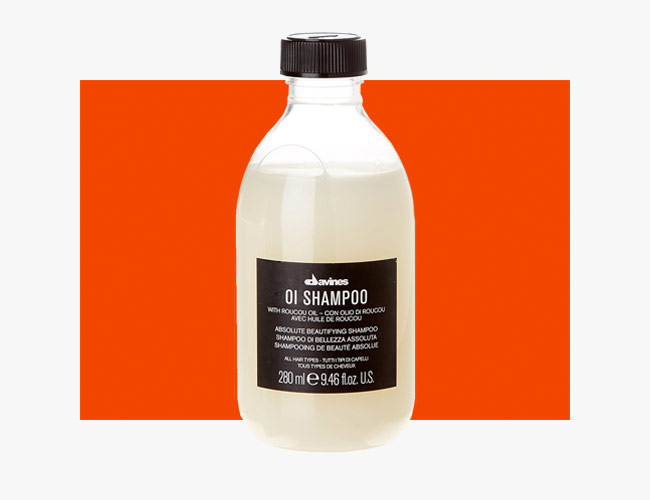
Never doubt the merit in buying really — really — nice shampoo. Read the Story